Exploring Innovative Research Collaboration and Academic Mobility Programs for 2027
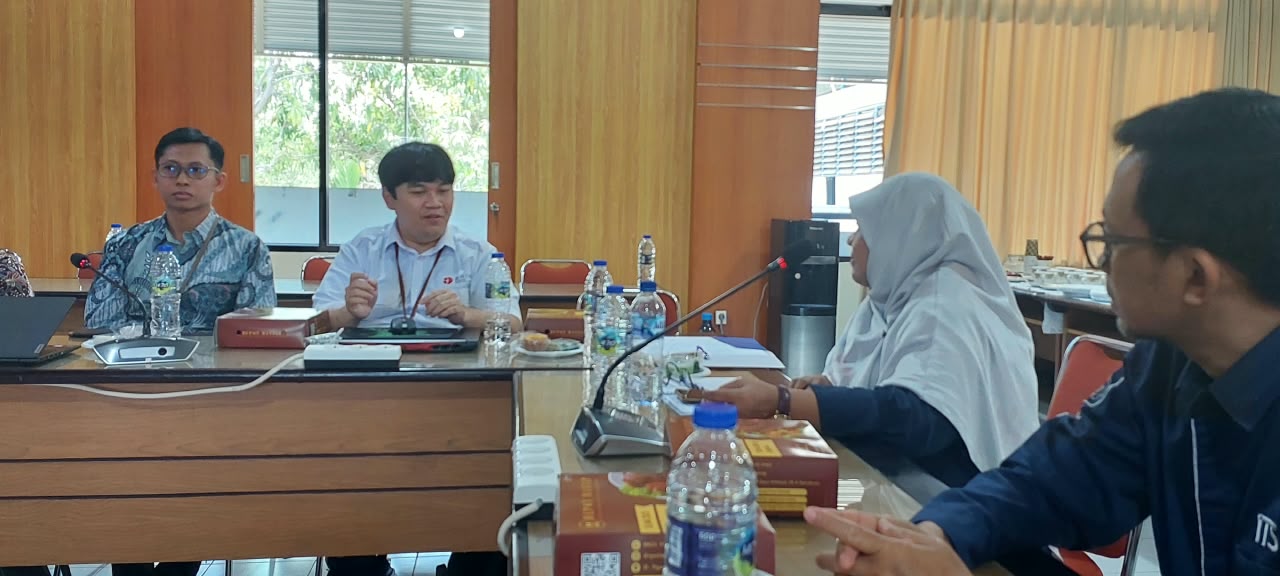
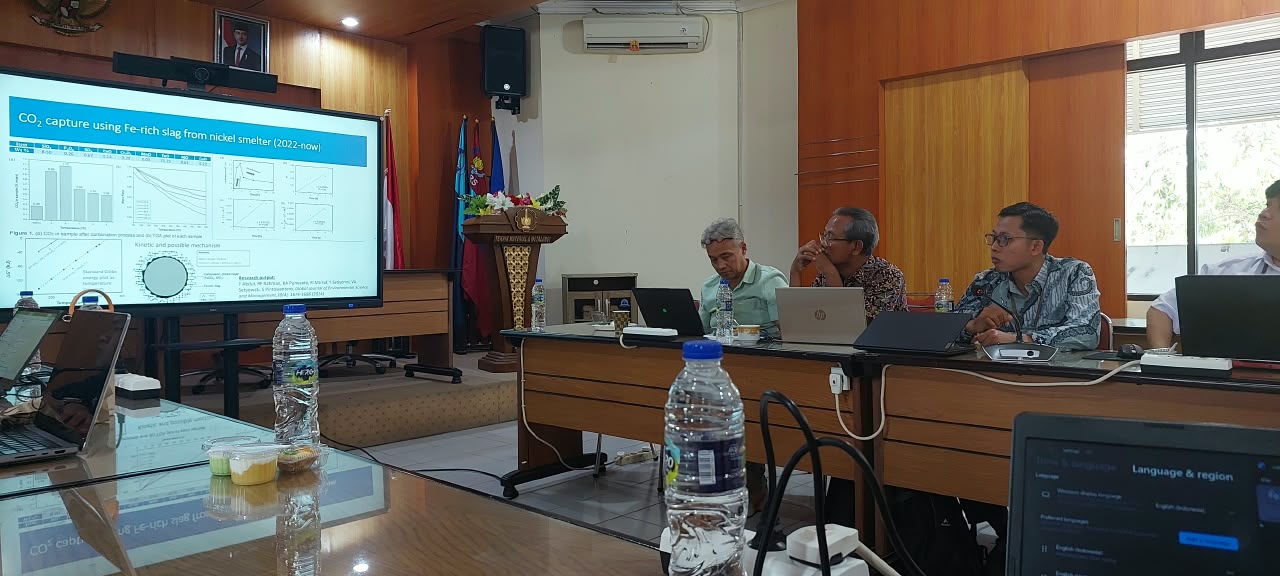
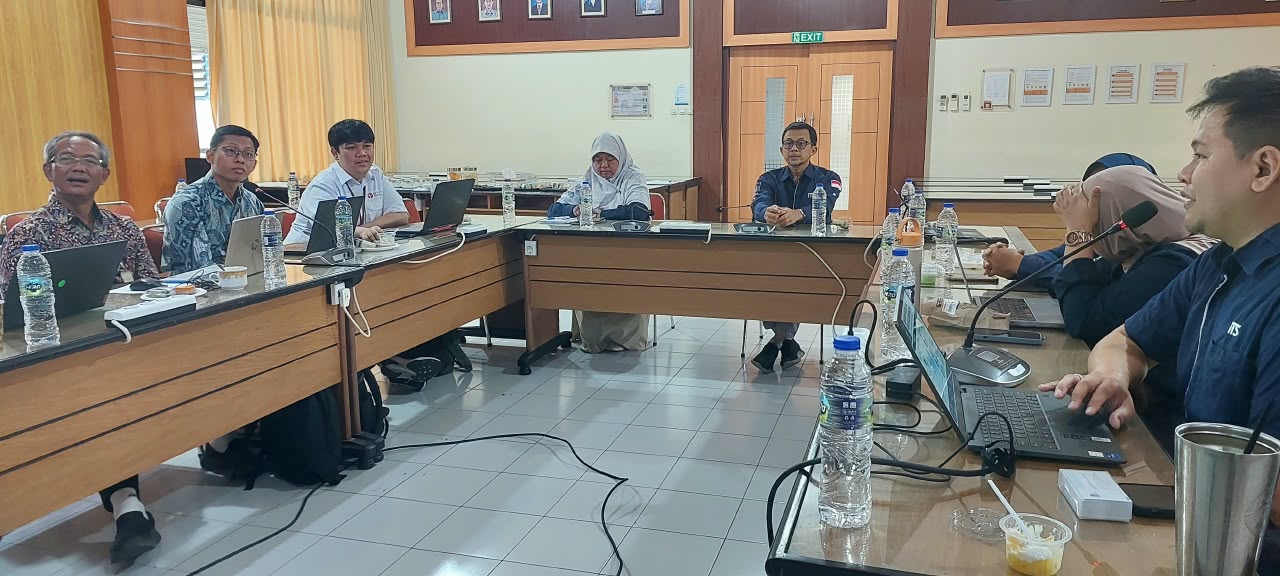
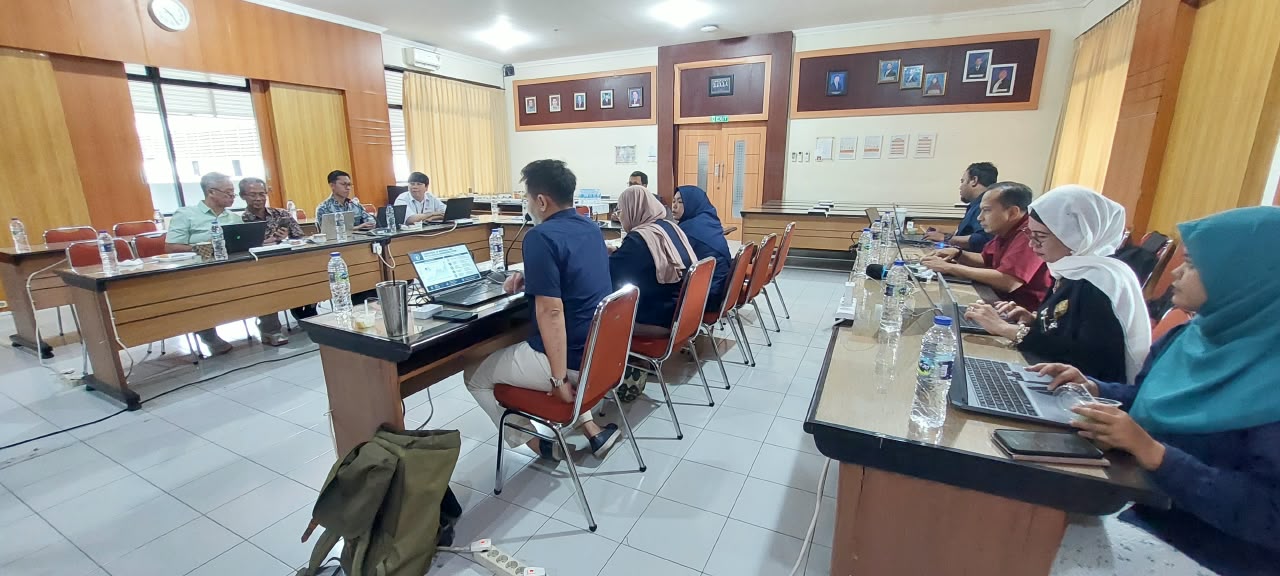
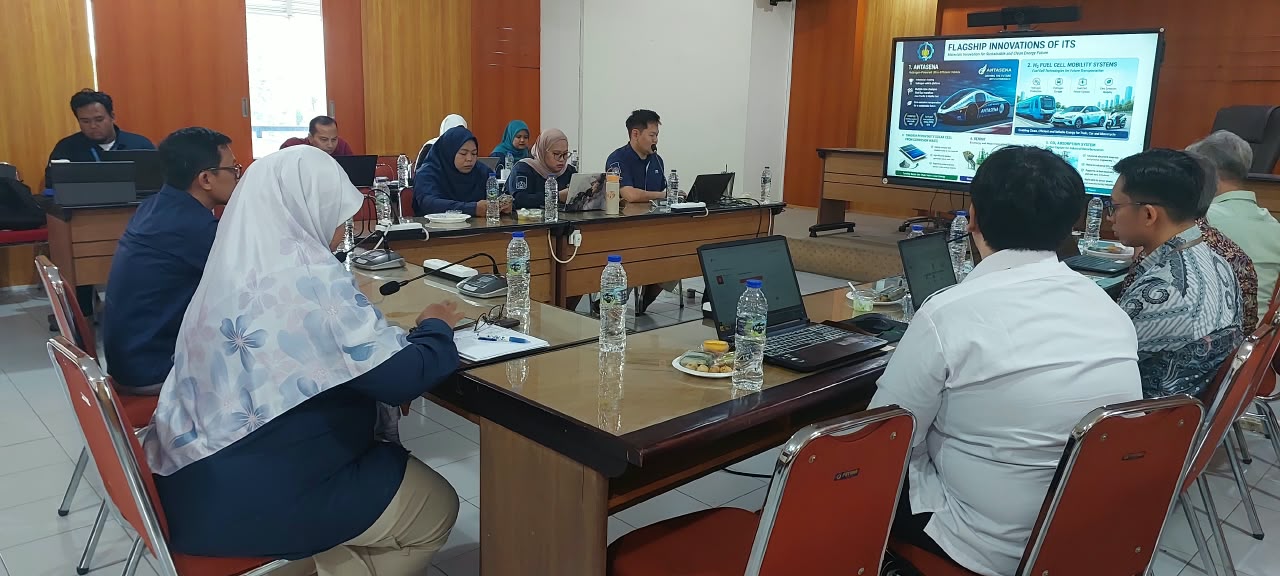
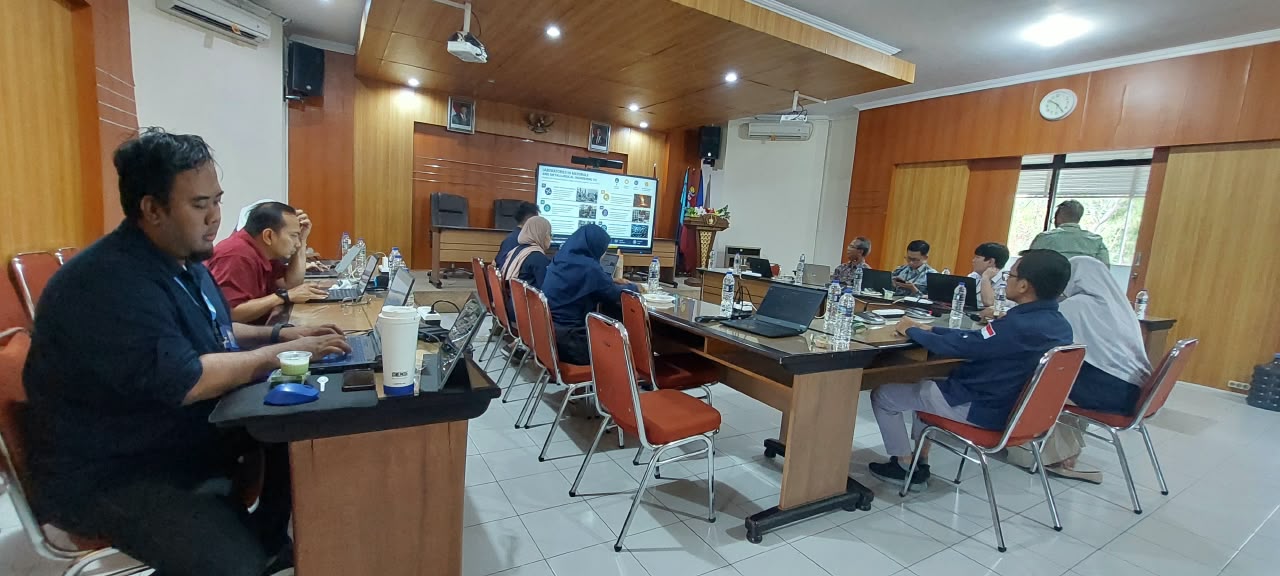
Surabaya, October 7, 2026 – In an effort to expand the research ecosystem and accelerate material technology innovation in Indonesia, the Department of Materials and Metallurgical Engineering (DTMM) at the Sepuluh Nopember Institute of Technology (ITS) officially held a discussion meeting to explore strategic research collaborations for 2027 with the National Research and Innovation Agency (BRIN). This key agenda specifically engaged the Research Center for Radioisotope, Radiopharmaceutical, and Biodosimetry Technology (PRTRRB) under the auspices of BRIN’s Nuclear Energy Research Organization (ORTN).
The interactive discussion forum was opened by Mr. Sutarsis, S.T., M.Sc., Ph.D. The meeting focused on combining the strengths of both institutions: leveraging national-level research facilities and funding managed by BRIN, integrated with the high-quality academic human resources available at ITS.
BRIN Research Funding and Mobility Opportunities
Mr. Amal Rezka Putra, S.Si., M.Si., Apt., Deputy Head of BRIN’s Radiopharmaceutical Research Group, provided a comprehensive overview of research governance within the Nuclear Energy Research Organization. Currently, BRIN’s ORTN oversees seven major research centers focusing on radiation process technology, accelerators, nuclear materials and radioactive waste, nuclear beam analysis, nuclear reactors, nuclear safety and metrology quality, as well as PRTRRB’s primary focus areas: radioisotopes, radiopharmaceuticals, and biodosimetry. To support this research focus, BRIN—through its Deputy for Science and Technology Human Resources (SDMI)—has established extensive funding schemes via various channels, such as the HITN Program “Call for Proposals” (CFP), the BRIN-LPDP collaborative funding initiative, and support from the International Atomic Energy Agency (IAEA).
Furthermore, this collaboration opens up significant mobility opportunities for students and researchers from DTMM ITS through several schemes, including:
Undergraduate Students: Opportunities for research internships and the execution of final projects (TA) at BRIN facilities.
Master’s and Doctoral Students: The “Degree by Research” (DBR) program, which provides full coverage of tuition fees (UKT), combined with a Research Assistant (RA) scheme offering monthly incentives based on accumulated active working hours.
Advanced Programs: Golden opportunities for academics through Visiting Researcher and Postdoctoral schemes.
Aligning Research Focus: From Extraction to Nanomaterials
The scientific discussion deepened when the Head of the Mineral and Material Processing Laboratory at DTMM ITS, Yuli Setiyorini, S.T., M.Phil., Ph.D., highlighted the immense potential of research applications in the field of extraction—specifically regarding the utilization of chitosan materials. She emphasized that nanomaterial production demands a high level of precision, where even minute variations in time or materials can significantly impact the output. Consequently, access to BRIN’s state-of-the-art facilities serves as a crucial solution.
This aligns with the views of the DTMM ITS Department Secretary, Dr. Hariyati Purwaningsih, S.Si., M.Si., who noted that this collaboration could bridge the gap between the department’s limited operational resources and the high complexity of its research needs. Dr. Hariyati outlined specific areas for potential collaboration—particularly in nanomaterials—that could create synergies with the Functional Materials (Matfung) Laboratory and the Material Processing Laboratory.
Furthermore, the department highlighted a shift in research focus toward the development of catalyst materials (replacing previous research on hypothermia). DTMM ITS has also prepared gamma-spectroscopy testing equipment for radiation measurement, eliminating the need to rely on *elsapoint* devices. A successful ongoing research collaboration between DTMM lecturer Respati Kevin P D, S.Si., M.Sc., Ph.D, and Sumandi Juliyanto, S.Si., M.Si.—focusing on the morphological modification and manufacturing of gold particles—serves as a foundation for this partnership’s success.
Accelerating Research-Based Postgraduate Studies
To conclude the series of collaborative discussions, the Head of the DTMM ITS Postgraduate Program, Azzah Dyah Pramata, S.T., M.T., M.Eng., Ph.D., emphasized the integration of the “Degree by Research” (DBR) program. He ensured that the research ecosystem for research-based Master’s students at DTMM would align seamlessly with BRIN’s facilities.
To ensure smooth academic administration and prevent delays in the study period, registration for the Degree by Research (DBR) program will be strictly synchronized with ITS’s student intake schedule, which opens in July. The scheduling flexibility offered by BRIN—contingent upon holding a Letter of Acceptance (LoA) from the university—guarantees the timely disbursement of scholarships during the July and December periods.
Through this collaborative initiative, DTMM ITS and BRIN are optimistic about building a robust research foundation for 2027. This synergy is expected not only to yield world-class publications and material innovations but also to cultivate a generation of outstanding researchers ready to tackle future technological challenges.