“Without water we can’t live. Water supports out agriculture and aquaculture. Clean water is vital. However, due to bad economics or poor infrastructure, millions of people including children die every year from diseases associated with inadequate water supply, sanitation and hygiene.” (THE Impact Rankings)
SDG 6: CLEAN WATER AND SANITATION
Water consumption per person
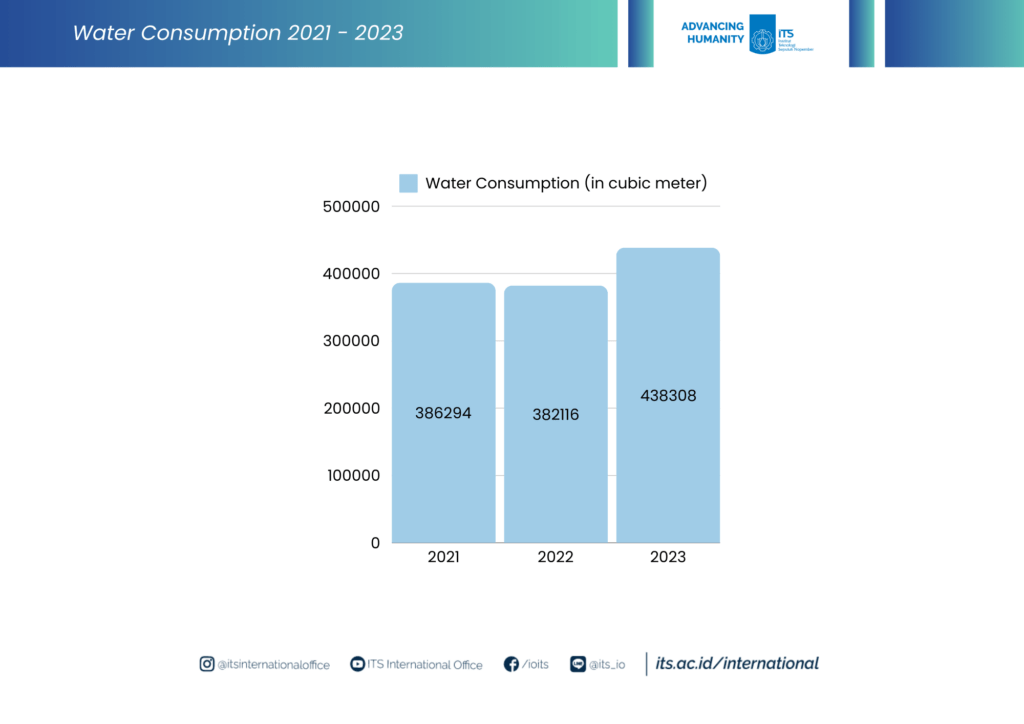
Water Consumption Monitoring and Management at Institut Teknologi Sepuluh Nopember: A Focus on Municipal Supply Usage ITS maintains comprehensive monitoring of its water consumption, with 75% of its total water supply sourced from the Surabaya City Regional Water Supply Company (PDAM Surya Sembada). The university has implemented a strategic water monitoring system through five water gauges strategically positioned across different campus locations, including the Civil Engineering Department, Taman Alumni, Sukolilo campus, and Manyar campus. The choice of PDAM as the primary water source is particularly significant given ITS’ geographical location in a coastal area with shallow groundwater. This decision ensures reliable access to high-quality water that meets domestic consumption standards, as the local surface water quality is generally unsuitable for direct use. The summary of PDAM water usage at the ITS campus from January to December 2023 is presented below:
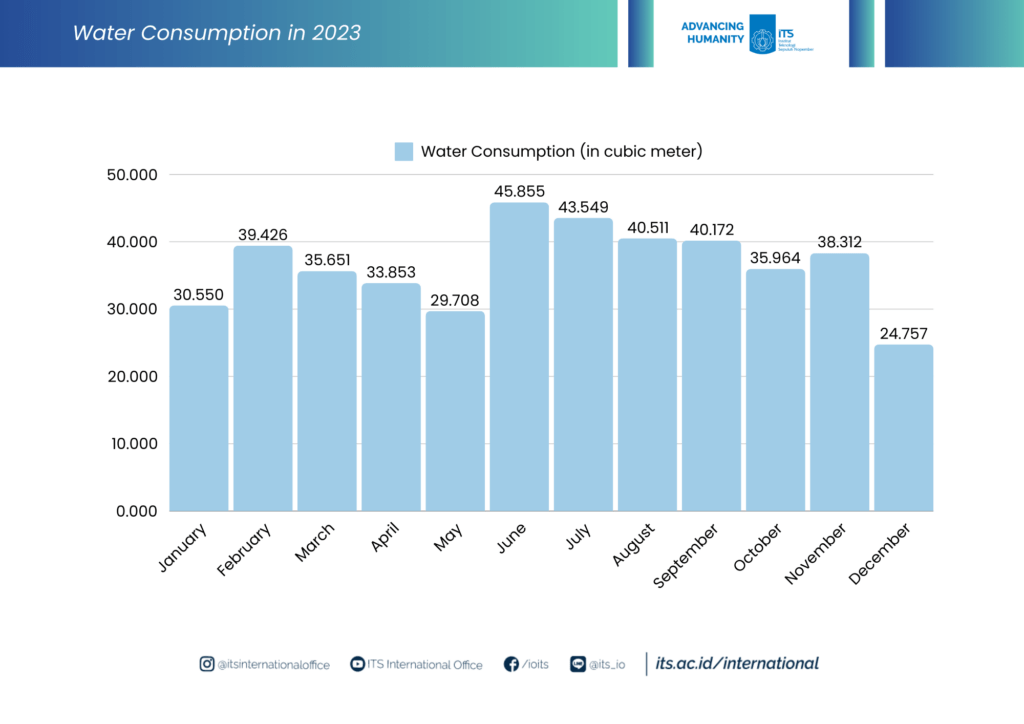
PDAM Surya Sembada Surabaya, recognized as one of Indonesia’s leading water utility companies, supplies ITS with treated water sourced from various water systems. Their comprehensive water management includes processing river water, managing reservoir systems, and regulating borehole extractions. The quality of water supplied to ITS is consistently monitored through several key parameters, including pH levels, turbidity measurements, electrical conductivity, and temperature readings. This comprehensive monitoring system allows ITS to track its water consumption patterns effectively while ensuring the water meets quality standards for university operations. The measurement data from all five gauges provides valuable insights into the institution’s water usage patterns and helps in managing water resources more efficiently.
Water Usage and Care
Sustainable Water Management at ITS
ITS demonstrates a strong commitment to sustainable water management through the implementation of an advanced wastewater treatment program that successfully recycles around 30% of the campus’ total water needs. This initiative is guided by the Rector Circular Letter No. 9665/1T2/T/TU.00.08/V/2024, which regulates water and wastewater management in the following provisions:
- Conducting a culture and effort of clean water conservation Chapter 7, Point a.
- Utilizing water-saving technologies in campus facilities – Chapter 7, Point b.
- Implementing wastewater treatment and recycling with sustainable water management – Chapter 7, Point c.
- Reusing recycled water for plant irrigation, toilet flushing, and general cleaning on campus – Chapter 7, Point d.
- Utilizing rainwater harvesting as an alternative water source – Chapter 7, Point e.
- Conducting water conservation through optimization of retention ponds/lakes as rainwater reservoirs and flood control within the campus area – Chapter 7, Point f.
- Carrying out sustainable wastewater management – Chapter 8, Point n.
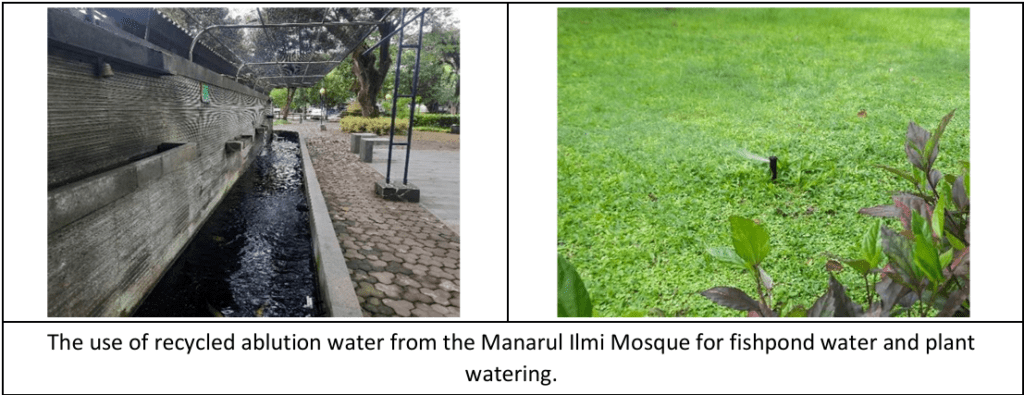
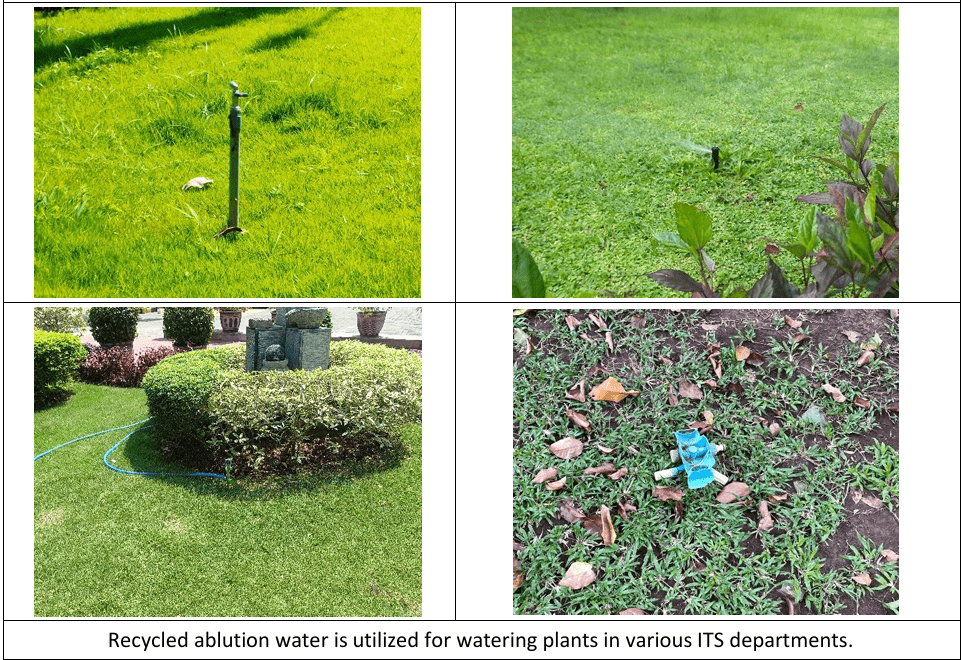
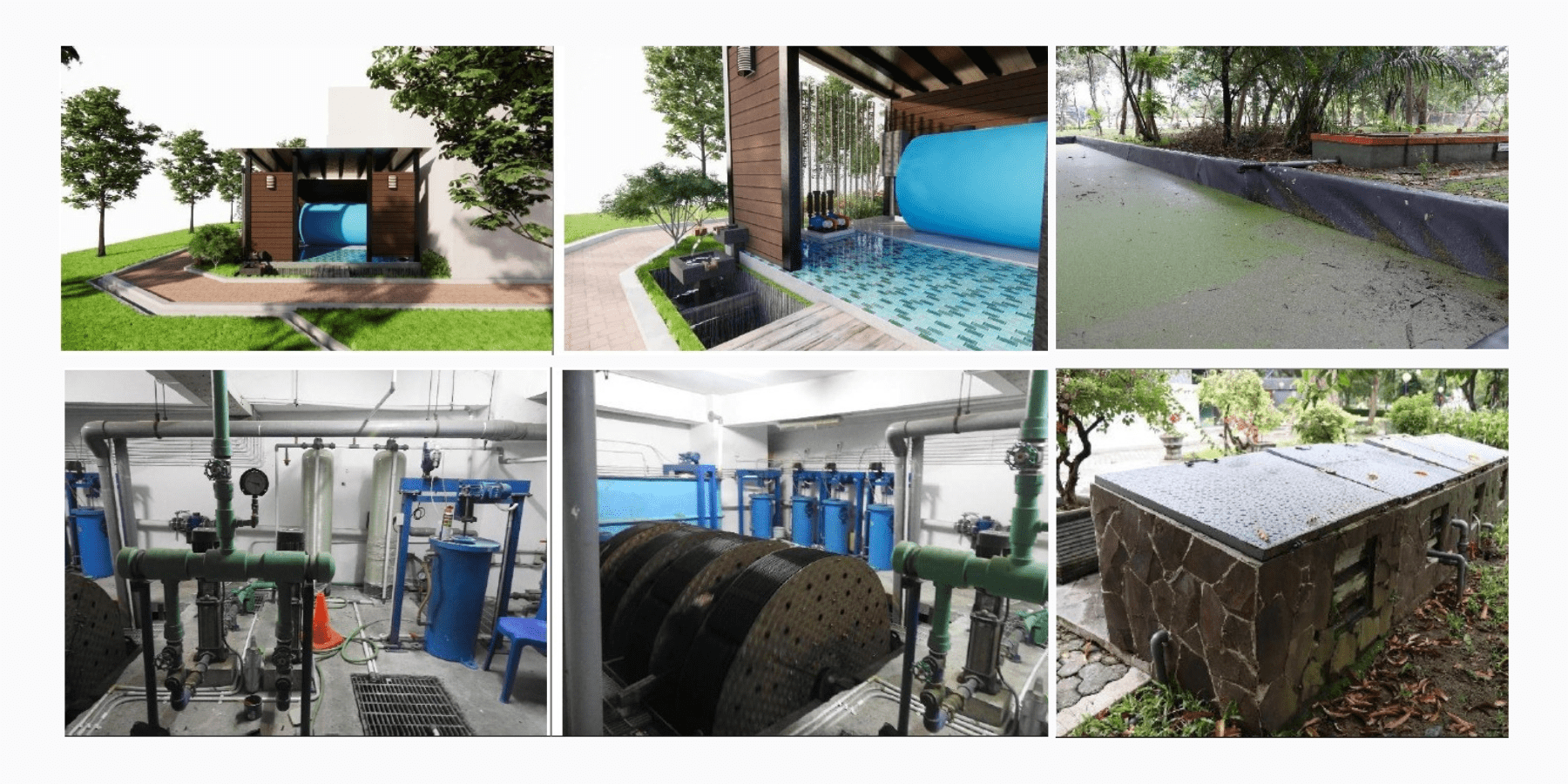
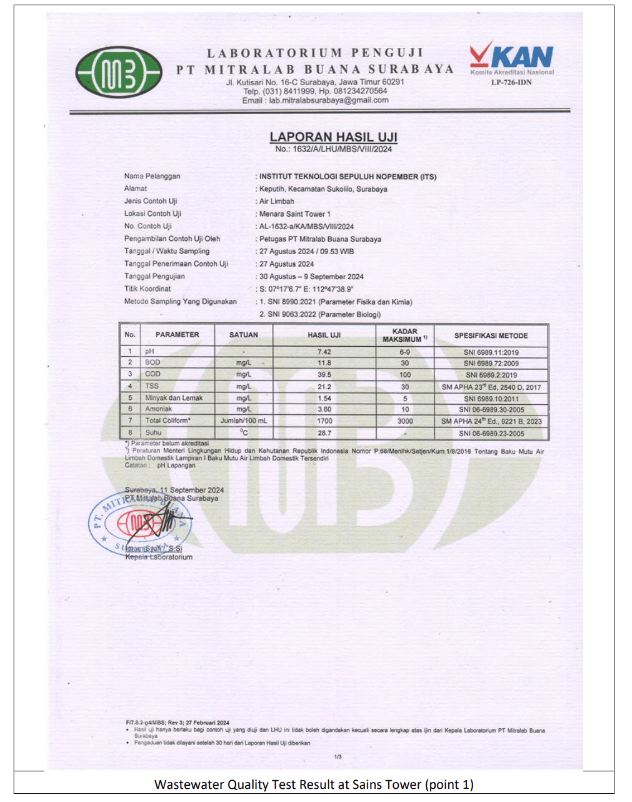
The cornerstone of ITS’ wastewater management system is the Anaerobic Baffled Reactor (ABR) Wastewater Treatment Plant (WWTP), supported by grease traps, settling ponds, and other auxiliary systems. This system operates under a strict maintenance protocol, including weekly inspections of collection wells and removal of solid waste, monthly cleaning of manholes, and periodic repairs of infrastructure components such as pipes, pumps, blowers, and electrical systems. Wastewater quality testing is conducted twice a year, and professional desludging is carried out every two years, in full compliance with the Environmental Evaluation Document (DELH) and East Java Governor Regulation No. 72 of 2013, Appendix III.4 on domestic wastewater quality standards.
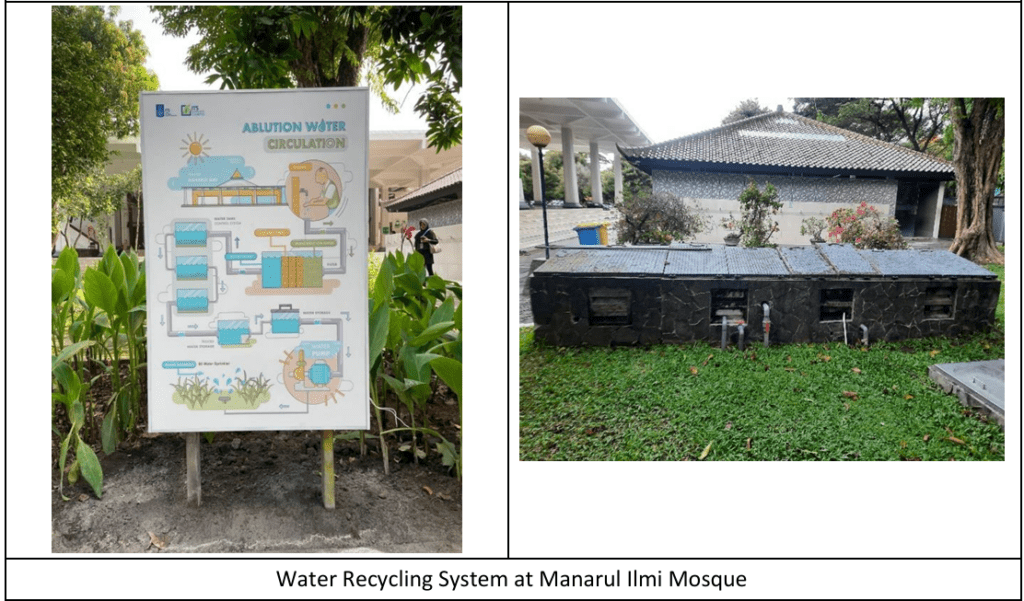
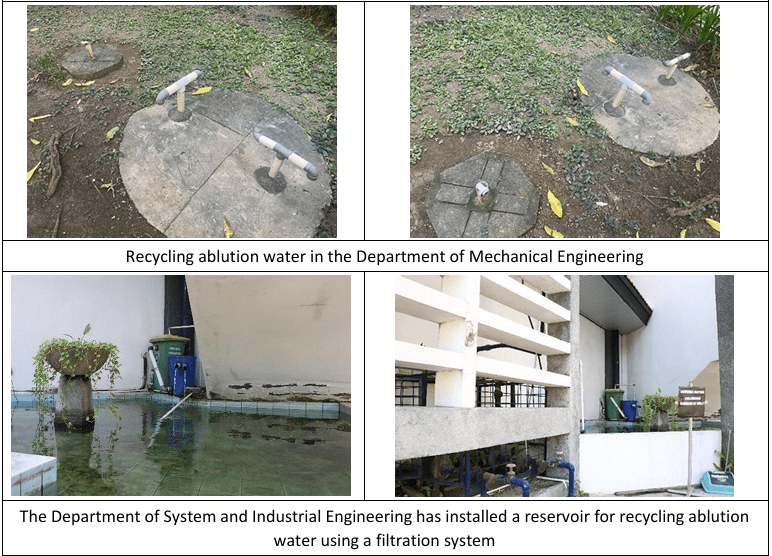
A holistic application of wastewater treatment is implemented across the campus. The Department of Chemistry and Environmental Engineering manages organic liquid waste from laboratories, while the Research Center Building and Rectorate Building recycle wastewater from urinals, sinks, and bathrooms for reuse in toilet flushing. The Manarul Ilmi Mosque and the Department of Mechanical Engineering reuse treated wudu water for irrigation and fish pond maintenance. Meanwhile, the Central Canteen operates a dedicated liquid waste management system.
ITS has implemented a robust, multi-layered approach to water pollution prevention and management, governed by strict institutional policies and regional regulations. This comprehensive system is designed to protect water resources while ensuring sustainable campus operations, as mandated by the Rector’s Circular Letter No. 9665/1T2/T/TU.00.08/V/2024 and aligned with East Java Governor Regulation No. 72 of 2013, Appendix III.4.
The institution’s pollution prevention strategy operates through two main channels:
- Advanced Wastewater Treatment Infrastructure:
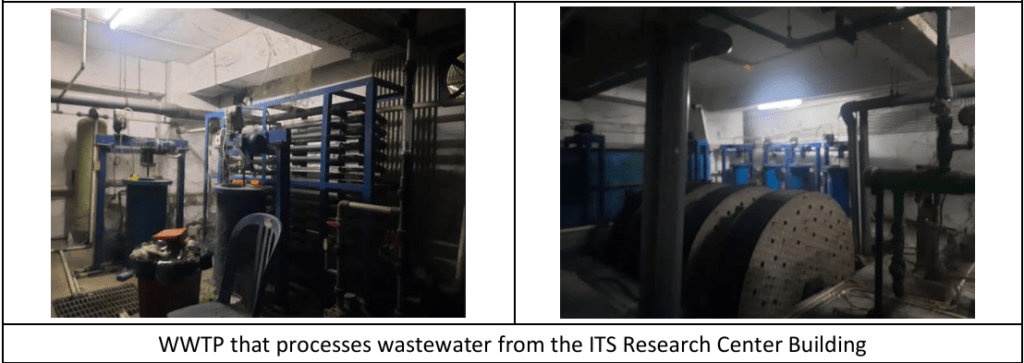
- The primary defense against water pollution is the Anaerobic Baffled Reactor (ABR) Wastewater Treatment Plant (WWTP), which employs a sophisticated combination of physical, chemical, and biological processes to remove contaminants and harmful substances from wastewater.
- Supporting systems include strategically placed grease traps and sedimentation ponds, providing additional layers of protection against pollutants entering the water system.
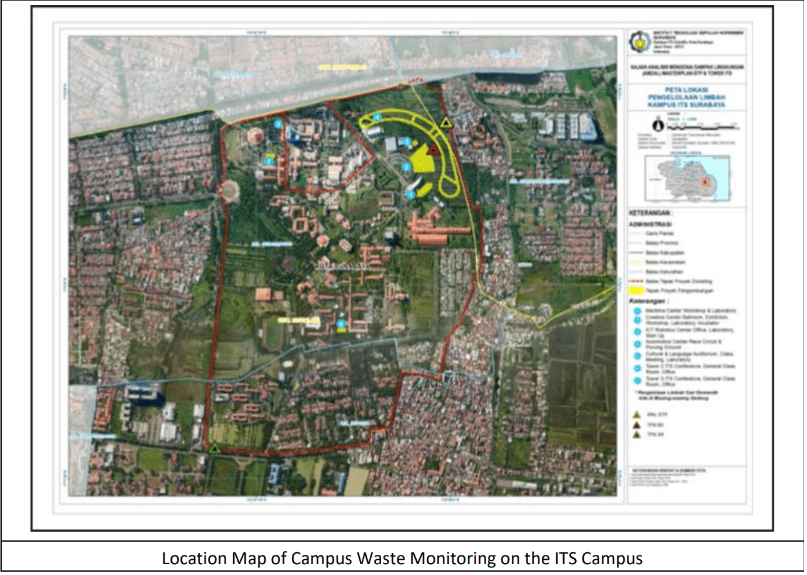
- This infrastructure is installed across key campus locations, including the Rectorate Building, Research Center, Manarul Ilmi Mosque, Central Canteen, and various academic departments (Chemistry, Environmental Engineering, and Mechanical Engineering).
2. Hazardous and Toxic Waste (B3) Management System:
- A comprehensive protocol handles 50-75% of potentially harmful substances separately from regular waste streams.
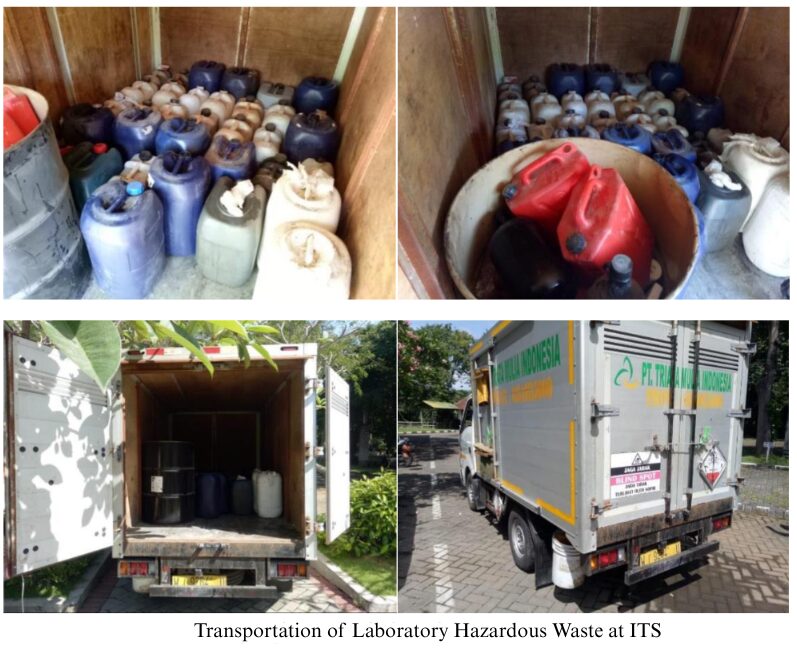
- Specialized management procedures for different types of hazardous materials, particularly from high-risk areas such as Chemical Engineering, Environmental Engineering, Chemistry, Materials, Biology, and Mechanical Engineering laboratories.
- Strict protocols for medical waste storage using designated containers and freezers.
- Secure storage systems for academic-related hazardous materials in appropriate laboratory containers and jerrycans.
Preventive Maintenance and Monitoring: To ensure the effectiveness of these systems, ITS maintains a rigorous maintenance schedule:
- Weekly inspections of collection wells and removal of floating debris
- Regular assessment and maintenance of all system components, including pipes, pumps, blowers, and electrical networks
- Monthly cleaning of manhole areas to prevent system overflows
- Biannual laboratory testing of wastewater samples to verify treatment effectiveness
- Professional desludging services every two years
Emergency Response and Incident Prevention:
- Clear protocols for handling accidental spills or releases
- Partnership with certified third-party providers for proper disposal of hazardous materials
- Regular monitoring and maintenance to prevent system failures
- Dedicated storage and containment systems to prevent accidental releases
Through this comprehensive approach to water pollution prevention, ITS demonstrates its commitment to protecting water resources and maintaining environmental quality. The system not only prevents pollution from routine campus activities but also provides robust protection against accidental contamination, ensuring the safety and sustainability of the campus water system. This integrated approach to water resource protection serves as a model for other educational institutions in implementing effective environmental management practices.
Free and Accessible Drinking Water for All: ITS’ KASM Initiative
ITS has established a comprehensive free drinking water program through its Keran Air Siap Minum (KASM) initiative, demonstrating the institution’s commitment to both community welfare and environmental sustainability. The KASM program features strategically placed drinking water stations across the campus, ensuring convenient access for the entire campus community. These stations are strategically placed at various points on campus, such as:
- Manarul Ilmi Mosque
- Plaza Angka parking area
- Department of Mechanical Engineering
- Department of Physics Engineering
- Department of Materials and Metallurgical Engineering
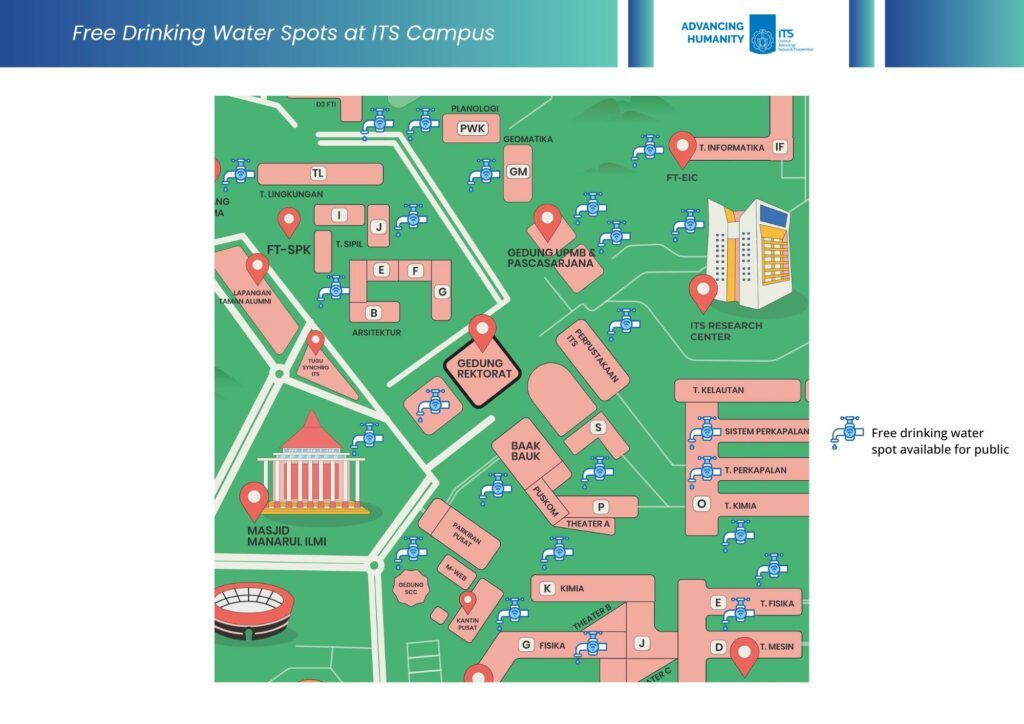
Key Benefits of the KASM Program:
- Universal Access:
- Available 24/7 for students, staff, and visitors
- Completely free of charge
- No restrictions on usage
- Accessible locations throughout the campus
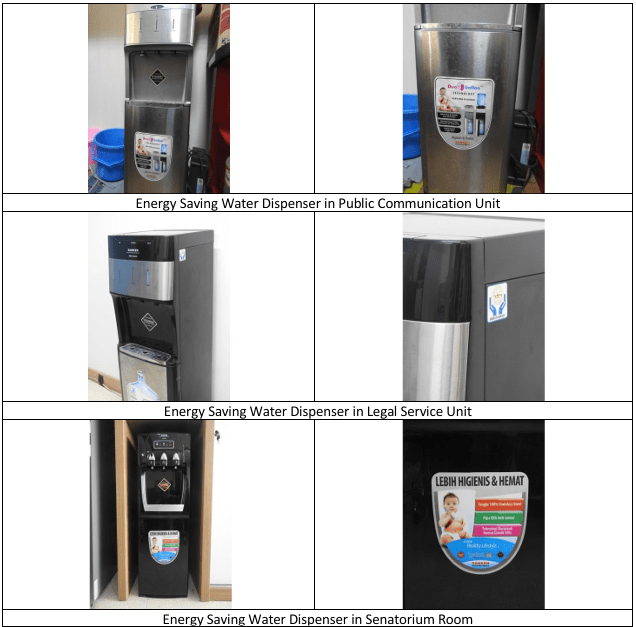
2. Environmental Impact:
- Significant reduction in single-use plastic bottles
- Decreased campus waste from disposable water containers
- Promotion of sustainable drinking water practices
- Encouragement of reusable water bottle usage
3. Community Benefits:
- Eliminates financial barriers to accessing clean drinking water
- Supports student well-being by ensuring hydration
- Promotes a more inclusive campus environment
- Convenient access during academic activities and campus events
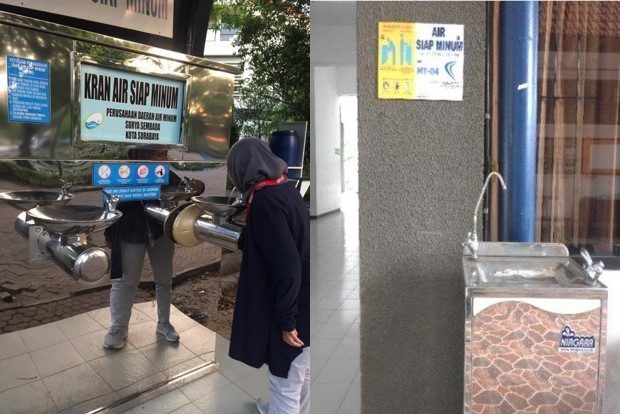
This initiative represents ITS’ approach to community welfare, combining environmental responsibility with social inclusivity. By providing free, accessible drinking water, ITS ensures that every member of the campus community has unrestricted access to this essential resource while simultaneously contributing to campus sustainability goals through the reduction of plastic waste.
Implementing Water Conscious Building Standards at ITS
ITS has applied water-conscious building standards to minimize water use, conserve resources, and lower operational expenses through water recycling and rainwater management systems. One example is the reuse of wudu wastewater and greywater from the toilets of Manarul Ilmi Mosque, which are processed through holding and aeration ponds and then reused for watering plants and as raw water for fish ponds. Similar practices are also implemented in several departments, such as Industrial Engineering, Mechanical Engineering, and Electrical Engineering, where wudu wastewater is collected in holding ponds and reused for irrigation. In the Department of Environmental Engineering, greywater is treated in a constructed wetland before being reused for watering plants.
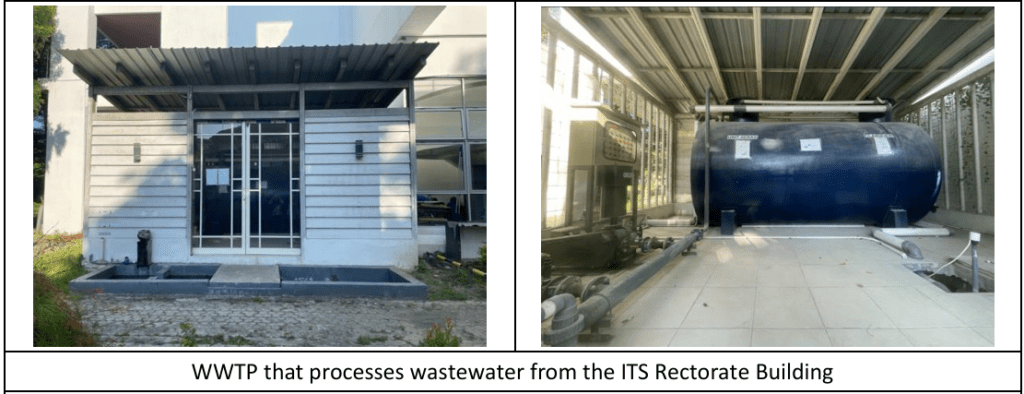
In addition, the Research Center Building and the Rectorate Building recycle wastewater from urinals, sinks, and bathroom floor drains through a wastewater treatment plant (WWTP), which is then reused for toilet flushing.
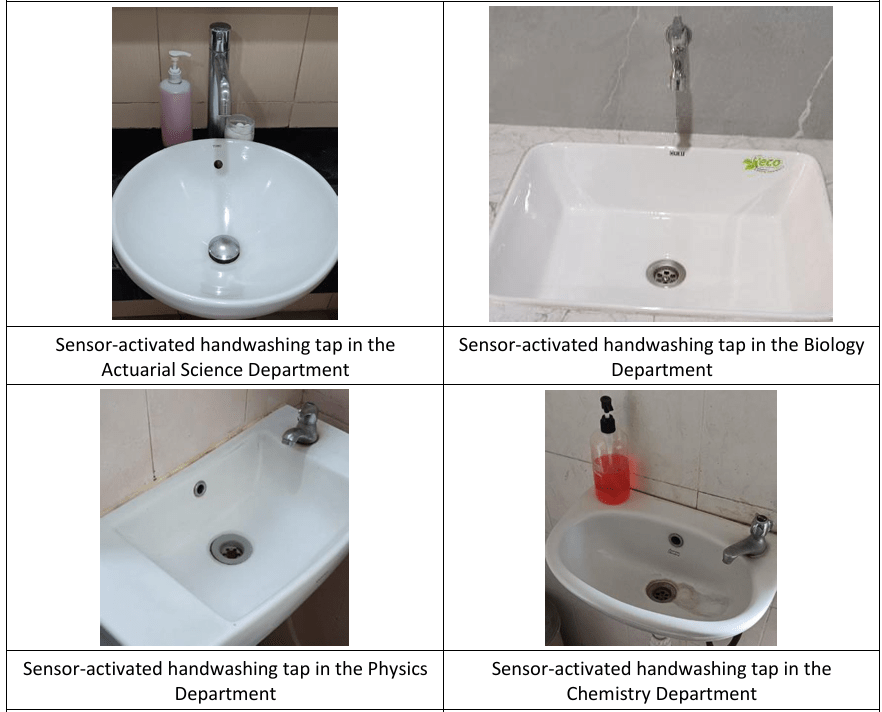
The institution has also made significant progress in implementing water-efficient fixtures and technologies across more than half of its campus facilities. Examples include the installation of automatic faucets, with both manual and sensor-activated taps installed in wash basins to optimize efficiency. These modern systems help prevent excessive water usage.
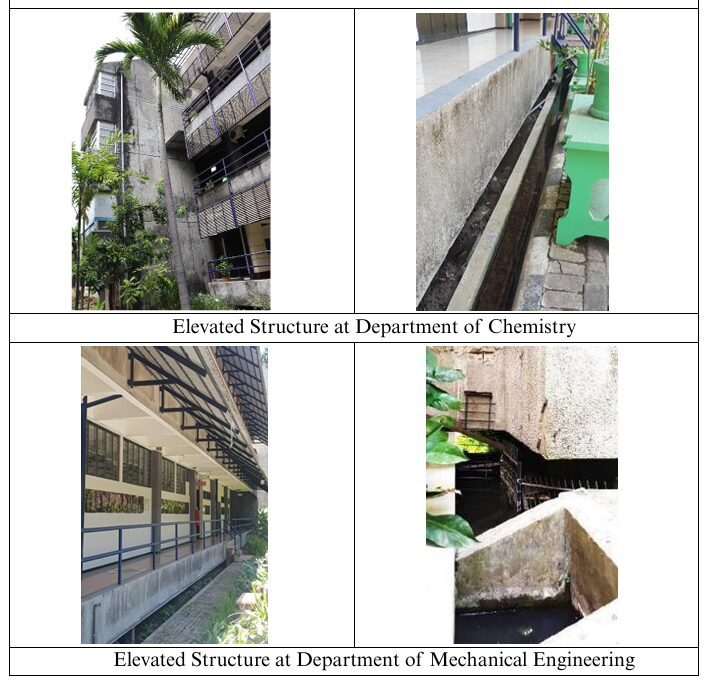
ITS has further integrated water-saving standards through campus-wide conservation infrastructure. This includes the management of 18 lakes and reservoirs (embung) that function as detention and retention ponds, the use of elevated building structures to maintain infiltration areas (applied in almost all ITS buildings, such as the Departments of Mechanical Engineering, Electrical Engineering, Chemical Engineering, Chemistry, Statistics, and Physics), and rainwater harvesting facilities that support urban farming activities in open spaces across the campus.
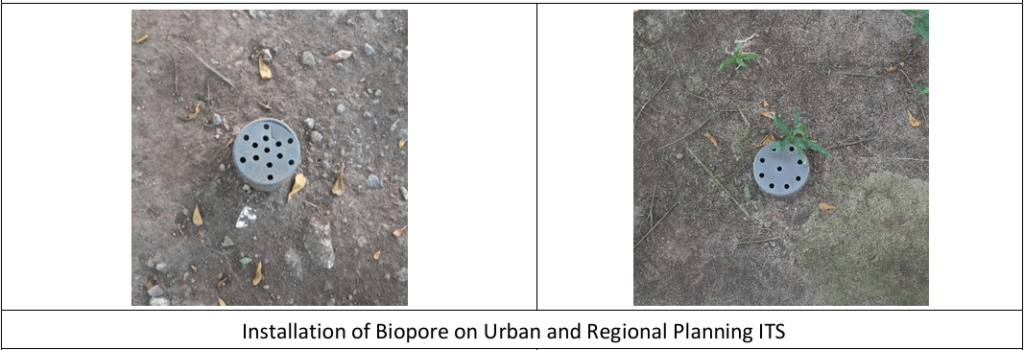
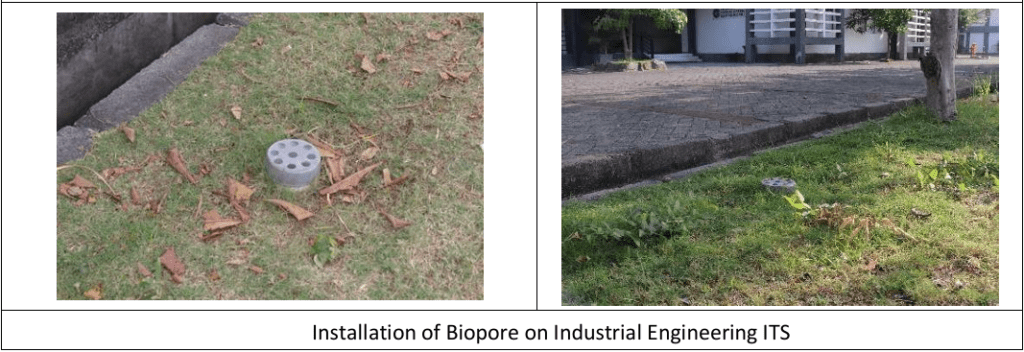
Furthermore, ITS has installed biopores in various departments (such as Urban and Regional Planning, Mechanical Engineering, Industrial Engineering, UPMB, SAC, and the Robotics Building) to improve groundwater recharge. A long storage channel stretching 470 meters in length and approximately 6 meters in width, also surrounds the ITS Sukolilo campus to effectively store and infiltrate rainwater.
Drought-Tolerant Planting for Water Conservation and Ecological Value at ITS
ITS demonstrates its commitment to water conservation through sustainable landscape design that emphasizes the use of drought-tolerant plant species across campus. This approach not only minimizes water usage, particularly during dry seasons, but also creates attractive and ecologically valuable green spaces that enhance the campus environment.
The selection of drought-resistant plants includes a wide variety of species strategically placed throughout ITS:
- Acacia auriculiformis (Akasia) – An evergreen tree with deep root systems that prevent erosion and enhance soil fertility. Found around the Architecture Department and outdoor tennis courts.
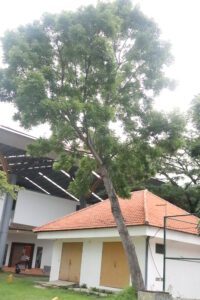
- Pterocarpus indicus (Angsana) – A shade tree with bright yellow flowers and high economic value. At ITS, Angsana also provides an important ecological role as a habitat and nesting place for various bird species. It is widely planted in areas such as the Department of Biology, Rectorate, Central Canteen, and Theater A & B.
- Samanea saman (Trembesi) – A large canopy tree offering extensive shade and ecological functions, including serving as a food source and habitat for birds. Found in the Interior Design Department, Rectorate, and Manarul Ilmi Mosque.
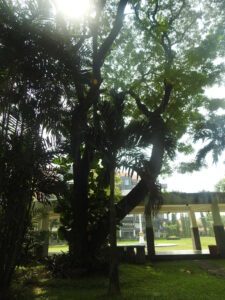
- Handroanthus chrysotrichus (Tabebuia) – Known for its golden blossoms, this species is widely planted in key areas including the Rectorate, Library, and Engineering Physics Department.
- Bougainvillea – Low-water flowering plants that bring vibrant color, particularly in the U Block lecturer housing area.
- Arecaceae (Palm) – Majestic palms lining ITS highways and the Civil Engineering Department, valued for shade and drought tolerance.
- Melaleuca citrina (Crimson Bottlebrush) – An Australian native with bright red flowers, planted at the Department of Global Engagement.
- Casuarina equisetifolia (Coastal She-oak) – Hardy trees requiring minimal maintenance, located at the Department of Chemistry and Global Engagement.
- Mimusops elengi (Spanish Cherry) – An ornamental yet water-efficient species adorning the Central Administration Office.
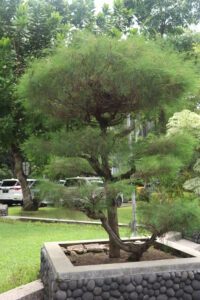
- Succulents such as Aloe vera and Sansevieria (Snake Plant) – Water-storing plants displayed at the Department of Global Engagement, exemplifying sustainable, low-water landscaping.
- Cycas revoluta (Sago Palm) – A palm-like ornamental species located at ITS Tower 2, combining striking appearance with water efficiency.
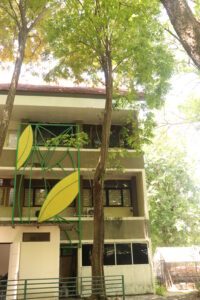
Beyond these, many other drought-tolerant species are catalogued on the ITS Smart Eco Campus website, showcasing the institution’s comprehensive approach to sustainable planting. Through this thoughtful selection of drought-resistant plants, ITS has created a sustainable landscape model that balances aesthetic appeal with water conservation principles. This approach not only reduces water consumption but also enhances ecological value, such as providing habitats for birds, while at the same time educating the campus community about the potential of developing attractive, water-efficient green spaces in institutional settings.
Water reuse
Policy and Implementation of Water Reuse at ITS to Maximize Sustainable Water Management
ITS is strongly committed to maximizing water reuse as part of its sustainable campus initiative. This commitment is reinforced through the Rector Circular Letter to ITS Commitment as a Green and Sustainable Campus, particularly in Chapter 5 on Water Management. The policy emphasizes:
- Implementing water treatment and recycling through sustainable wastewater management – Point c.
- Utilizing recycled water for plant irrigation, toilet flushing, and general cleaning – Point d.
- Harvesting rainwater as an alternative water source – Point e.
- Conserving water through optimizing retention ponds and lakes as rainwater reservoirs and flood control systems on campus – Point f.
In practice, ITS implements a comprehensive wastewater reuse program to reduce clean water consumption, save resources, lower operational costs, and support sustainability. The university has set a target of recycling 30% of its total water needs, with several applications across campus, including:
1. Plant Irrigation
- Manarul Ilmi Mosque: reuse of wudu wastewater and greywater treated via storage pond and aeration, distributed through sprinklers.
- Department of Business Statistics, Industrial Engineering, Mechanical Engineering, and Electrical Engineering: reuse of wudu wastewater collected in storage ponds.
- Department of Environmental Engineering: reuse of greywater through constructed wetlands for reprocessing.
2. Raw Water & Fish Ponds
- Manarul Ilmi Mosque: treated wudu wastewater and greywater reused for fishponds and as raw water.
3. Toilet Flushing
- Research Center Building and Rectorate Building: wastewater from urinals, sinks, and floor drains treated in WWTP and reused for flushing.
Water Conservation Program and Implementation ITS has implemented a systematic and formalized program that supports water conservation, achieving more than 50% water conservation. The specific initiatives include: 1. Lake and pond management systems for rainwater storage 2. Long storage channel surrounding the ITS Sukolilo campus 3. Wetland area conservation 4. Installation of biopores to increase the quantity of groundwater 5. Elevated buildings at ITS for rainwater storage 6. Rainwater harvesting By implementing these measures, ITS not only conserves water but also promotes sustainable water management practices.
1. ITS has lakes and ponds that are managed and functioned as water conservation areas and open areas. ITS has 18 lakes and ponds, including detention and retention ponds, designed to manage rainwater on campus.
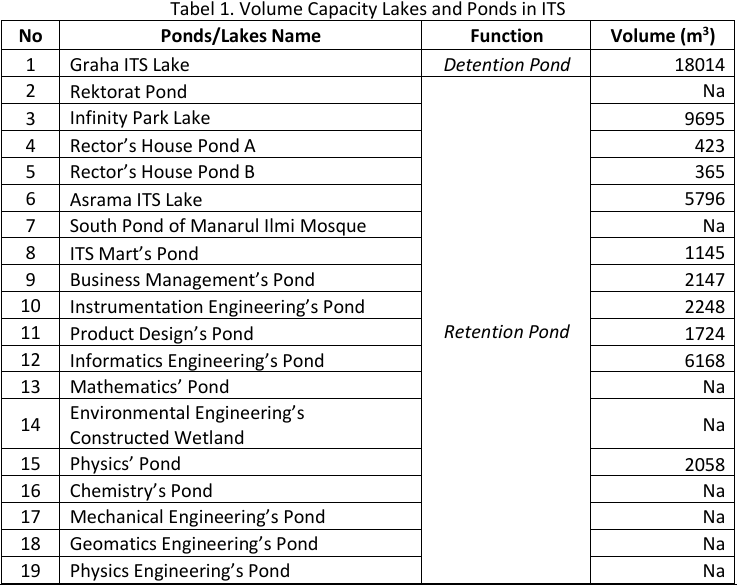
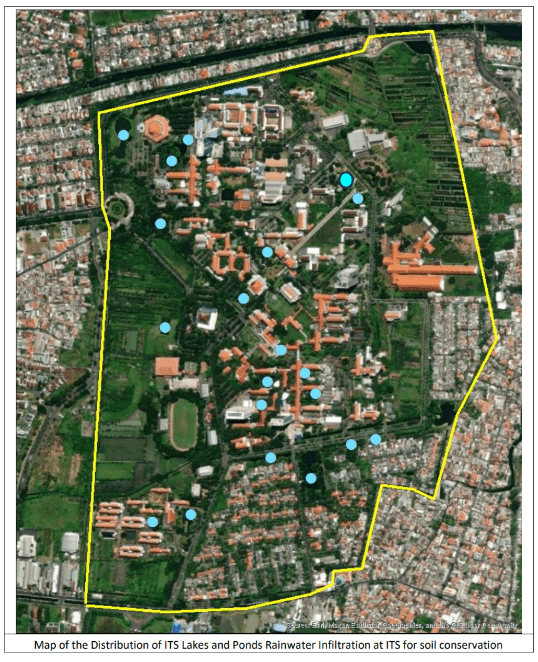
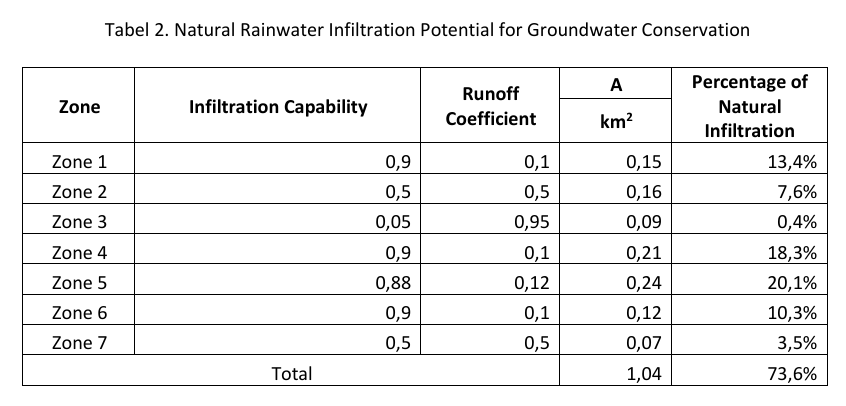
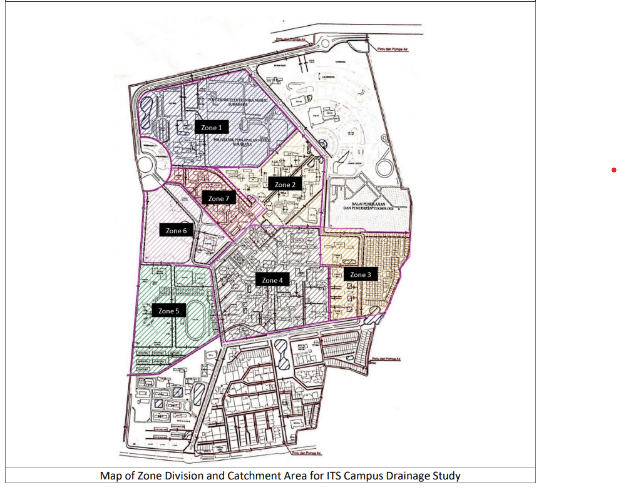
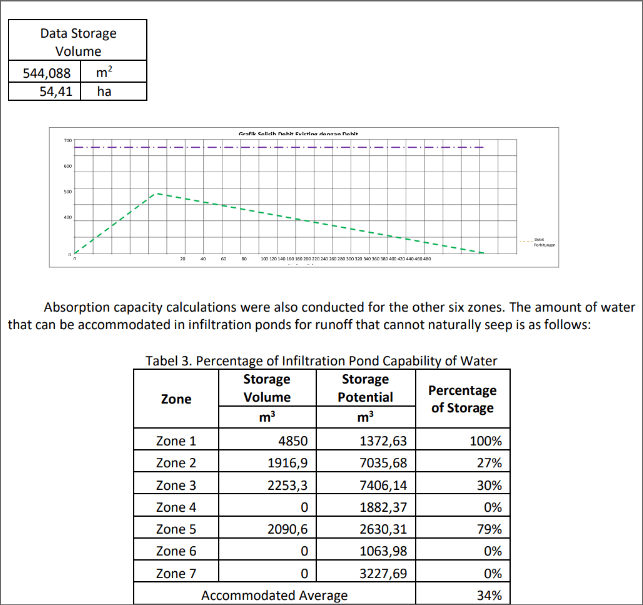
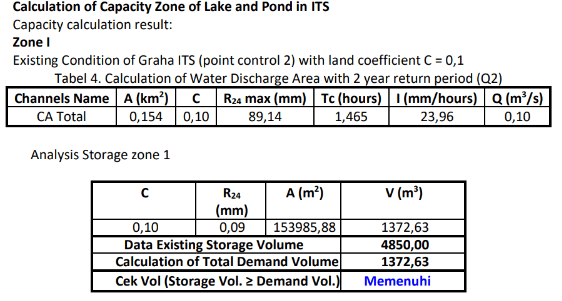
The total water that can be conserved naturally is = Percentage of water that seeps naturally + percentage of runoff water that can be accommodated = 73,6% + 34% x (100% – 73,6%) = 73,6% + 8,96% = 82,51%
2. Long Storage Channel ITS ITS has a long storage channel surrounding the campus, measuring up to 470 meters in length and 6 meters in width. This channel plays a critical role in managing water flow, assisting with flood prevention, and enhancing water conservation efforts on campus.
3. Wet Land Area Conservation ITS has a substantial wetland area, covering approximately 29,6 hectares and constituting about 16% of the campus. These wetlands are actively utilized by the local community for cultivating aquatic plants like water spinach and pandanus. This not only supports local agriculture but also enhances the ecological value of the campus by promoting biodiversity and sustainable land use practices.
4. Installation of Biopore on ITS ITS has implemented water catchment holes, or biopores, to effectively and efficiently absorb rainwater. These biopores are strategically located in various areas on campus, including the Urban and Regional Planning Department, Mechanical Engineering, Industrial Engineering, UPMB Buildings, SAC, and the Robotika ITS facility. By installing these biopores, ITS enhances groundwater recharge, reduces surface runoff, and promotes sustainable water management practices. This initiative not only helps in mitigating flood risks but also supports the campus’s overall environmental sustainability goals.
5. ITS has elevated structure on a building The elevated structure is designed to preserve the functionality of water recharge areas, allowing rainwater to flow through it. This type of structure can be observed in nearly all buildings at ITS, including those in the Mechanical Engineering, Electrical Engineering, Chemical Engineering, Visual Communication Design, Urban and Regional Planning, and Physics Departments. By incorporating these elevated structures, ITS not only enhances its water management capabilities but also demonstrates a commitment to sustainable building practices. These efforts contribute to reducing surface runoff, mitigating flood risks, and promoting a greener, more resilient campus environment.
6. ITS developed water conservation programs through rainwater harvesting on urban farming ITS The rainwater harvesting buildings at ITS are ingeniously designed to efficiently collect and store rainwater. This sustainable practice not only conserves water but also plays a crucial role in supporting the development of urban farming initiatives in the open areas across the campus. By utilizing harvested rainwater, these buildings contribute to creating a greener, more self-sufficient environment for the university community.
Water in the community
Empowering Local Communities through Water Management Training
ITS provides free educational opportunities for local communities to learn about good water management. The Community Service (Abmas) team from the Environmental Remediation Laboratory conducted education and training on wastewater management for coastal residents of Kutorejo Village, Tuban Regency, on 4 September 2024. The program, also attended by representatives from the local Fisheries Office, aimed to prevent wastewater from being discharged directly into the sea and degrading environmental quality. The community was introduced to proper wastewater management practices using wastewater treatment plants (IPAL), either individually or collectively.
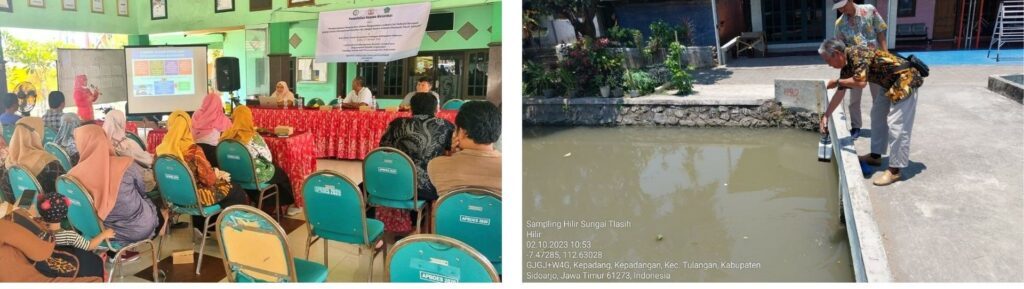
Additionally, through the Community Service Program (KKN Abmas), the Environmental Engineering Department team provided education to small-scale shrimp cracker home industries in Tlasih Village, Sidoarjo Regency. The team introduced appropriate wastewater management technologies such as IPAL and biofilter systems, along with guidance on licensing and operational practices. This initiative raised awareness among local businesses about the environmental impacts of liquid waste and promoted sustainable industrial practices.
Supporting Off Campus Clean Water Access and Conservation
ITS supports practical water conservation off campus through various programs. The Community Service (Abmas) team actively contributes to community well-being, particularly in providing access to clean water.
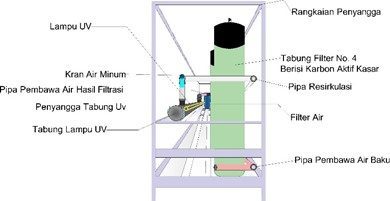
One initiative involved introducing Reverse Osmosis (RO) water treatment technology in Pacalan Village, Magetan Regency, which struggles with clean water access due to its geographic location on a hilltop. The community previously relied on river and groundwater sources that were unsuitable for consumption, having unpleasant odors, abnormal taste, high turbidity, cloudy color, non-standard pH, and high iron (Fe) content. The project included a schematic diagram of an activated carbon filter and semipermeable membrane, as well as the water flow in a coconut shell-based activated carbon water treatment device.
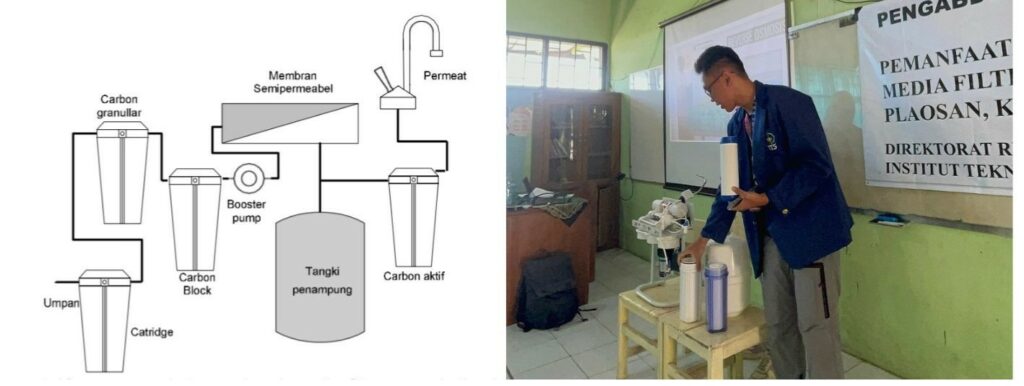
In addition to supplying the filtration device, the Abmas team from the Department of Physics also conducted community outreach for residents and students of SMA Negeri 1 Plaosan. The outreach included training on creating and using waste-based activated charcoal filters and promoting water-saving practices. This initiative successfully improved access to clean water in Pacalan Village and enhanced the community’s quality of life.
A similar initiative was carried out in Pondok Pesantren Kedunglo Miladiyyah, Kelurahan Bandar Lor, Mojoroto District, Kediri City. The program purified brackish water into clean water using RO membranes, providing safe water supplies and addressing environment related health issues such as skin irritation. After installation, the Abmas ITS team provided training to Islamic boarding school staff on water conservation and the proper use of RO filters. They also monitored the water purification device to ensure optimal performance.
ITS’s commitment to off-campus water conservation also includes mapping clean water reserves to support the construction of bore wells in Jamberejo Village, Bojonegoro Regency. The area has only about 25% clean water availability. To address this, the Abmas team conducted surveys at five locations using the geoelectric resistivity method. Based on the analyzed data, the team identified the best drilling sites and shared the results with local partners to construct bore wells. The community responded positively, appreciating the initiative.
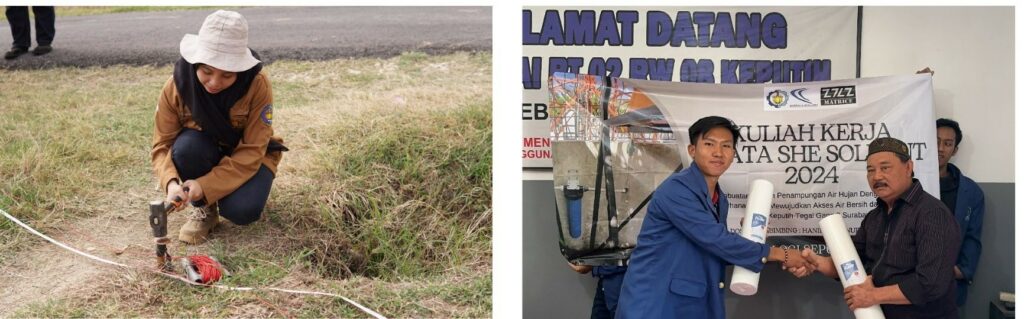
Another water conservation effort was conducted by the Real Work Lecture Program (KKN) ITS, which built a filtered rainwater harvesting system. The KKN team from the Department of Materials and Metallurgical Engineering implemented this project at Balai Keputih Tegal Gang 9, which faced issues with limited clean water and malfunctioning pipelines. The water reservoir has a capacity of about 250 liters, with a filtration system installed in the gutter and storage tank to ensure water quality. This initiative aimed to provide access to clean water, reduce the cost of purchasing water, and help the community use their facility more effectively.
Implementation of Sustainable Water Extraction at ITS
ITS implements sustainable water extraction technologies both on and off campus. On campus, ITS has successfully implemented more than 50% of its water conservation program. This includes the development of lake and reservoir management systems, elevated building structures that function as rainwater storage, rainwater harvesting, biopore installations, and long storage channels. Currently, ITS manages 18 ponds, consisting of both detention and retention ponds, which are grouped into seven zones. These facilities enable natural infiltration and runoff management, with a total water storage capacity of 1,372.63 m³, sufficient to meet a significant portion of the campus water demand.
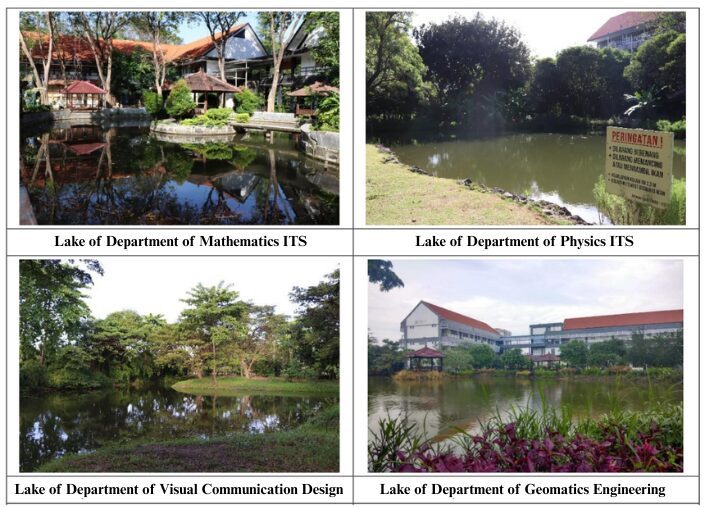
Rainwater harvesting is also integrated into many ITS buildings through elevated structures that allow rainwater to flow efficiently into catchment areas. In addition, biopore installations have been placed across various departments, including Urban and Regional Planning, Mechanical Engineering, Industrial Engineering, the UPMB Building, SAC, and ITS Robotics. Furthermore, a long storage channel measuring 470 meters in length and 6 meters in width has been constructed around the campus to support sustainable water management.
Beyond the campus, ITS extends its sustainable water extraction efforts to local communities. In collaboration with the Dinas Pekerjaan Umum Sumber Daya Air (PU SDA) East Java, ITS introduced the construction of sumur resapan (infiltration wells) in Tanjungrejo Village, Malang City, to prevent flooding from excess rainwater.
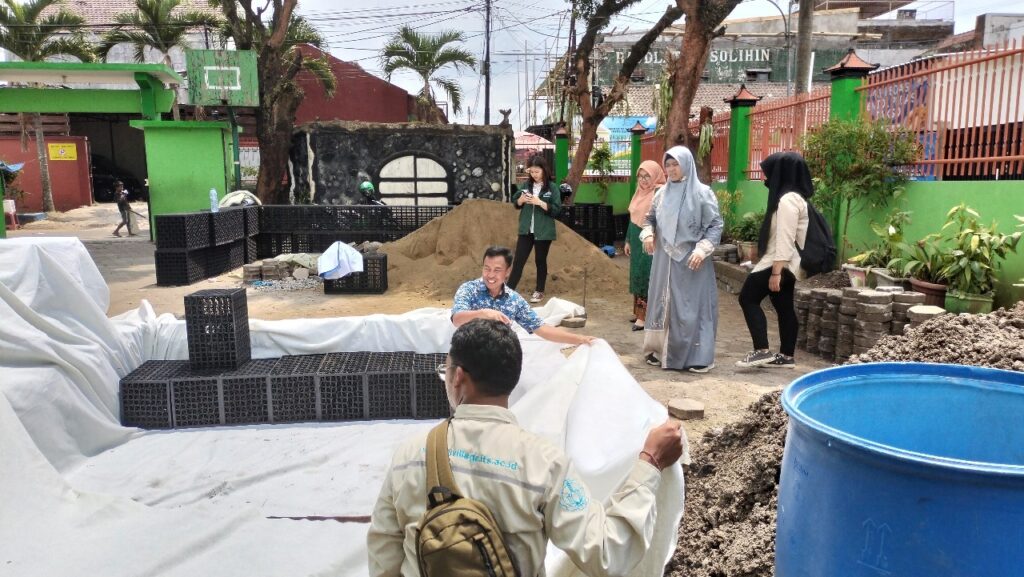
This innovative design uses modular tanks with a capacity of up to 22.5 m³ and is equipped with filters distributed at 20 points along the well. The system not only improves water management efficiency but also mitigates flooding risks. As the first concept of its kind implemented in East Java, this innovation demonstrates scalability and potential for replication, particularly in urban areas with limited natural infiltration capacity.
Collaborative Initiatives to Strengthen Water Security at ITS
To strengthen water security, ITS has collaborated with various stakeholders at local, regional, and national levels. In 2024, ITS together with the Rotary Club of Surabaya Metropolitan and the Jombang Regency Government constructed clean water and sanitation facilities for households in Marmoyo Village, Kabuh District, Jombang Regency. The facilities include a 90-meter-deep drilled well, a 20 m³ water reservoir, and family latrines for underprivileged residents.
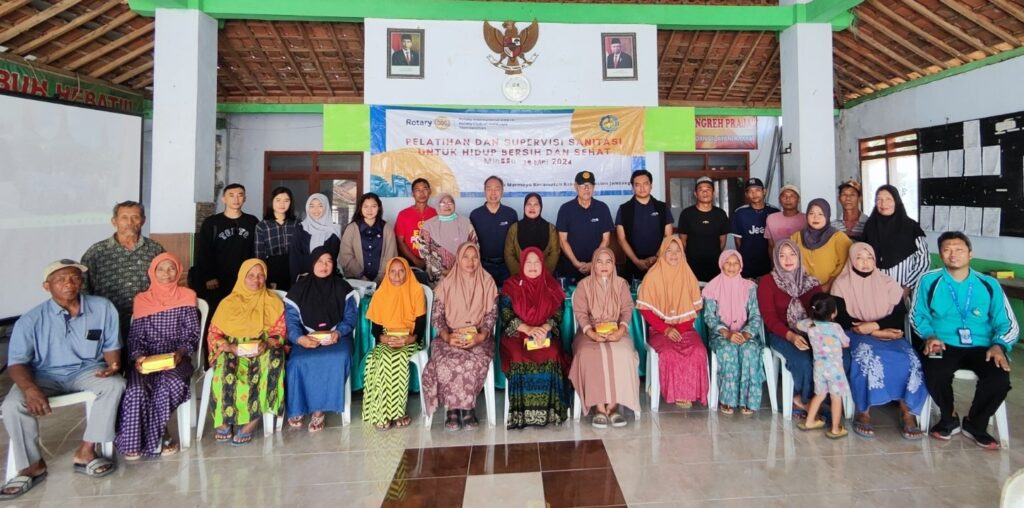
The village government also prepared youth groups (Kelompok Pengelola Sanitasi) to be trained by ITS and Rotary on the operation and management of clean water facilities. This initiative supports the roadmap of the ITS Center for Regional Potential and Community Empowerment (PDPM) under the Directorate of Research and Community Service to achieve an open defecation free village and 100% clean water access.
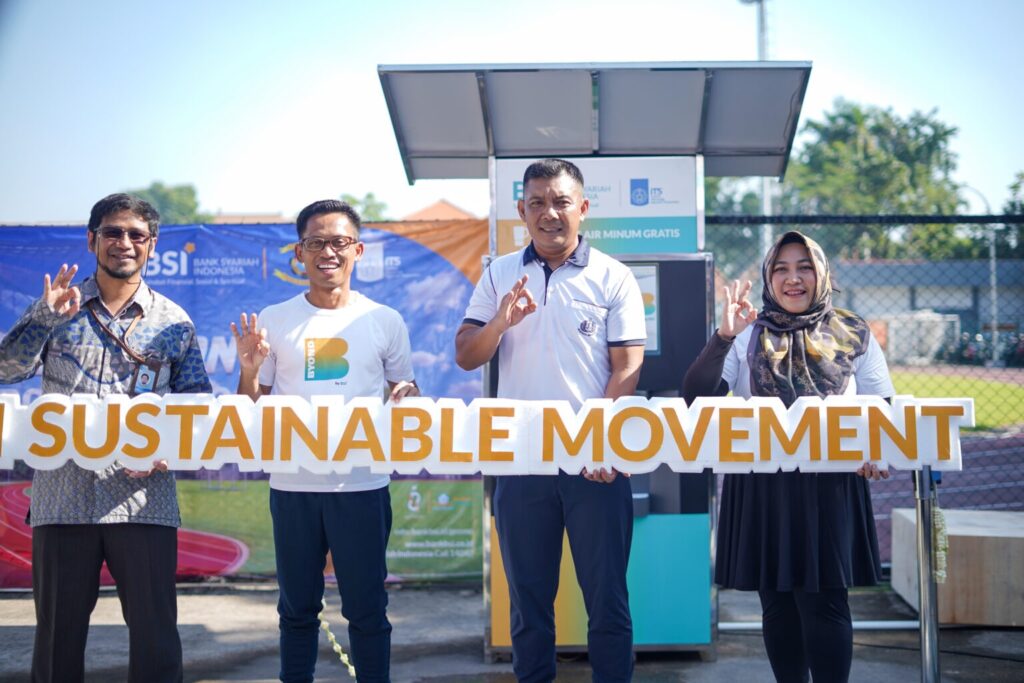
Additionally, ITS collaborated with Bank Syariah Indonesia (BSI) and the Indonesian Navy Marines (TNI AL) to establish a sustainable water station that provides free drinking water facilities for the community. The facility complies with the Indonesian Ministry of Health’s drinking water quality standards. This initiative demonstrates strong synergy between academia, the financial sector, and national defense institutions to develop sustainable lifestyles based on appropriate technology.
Full article:
ITS, Rotary dan Pemda Membangun Fasilitas Air Bersih dan Sanitasi Warga
Building a Water-Conscious Campus Culture Through Engagement
ITS has implemented a comprehensive approach to promote conscious water usage across its campus community, combining educational initiatives with technological solutions to create a culture of water conservation. The institution recognizes that sustainable water management requires both behavioral change and infrastructure improvements, leading to a two-pronged strategy that engages all campus stakeholders.
At the heart of this initiative is a campus-wide educational campaign that raises awareness about water conservation among students, staff, and faculty. The campaign emphasizes practical water-saving practices, from taking shorter showers to promptly reporting leaks, and mindful water usage in various campus facilities including laboratories and gardens. These behavioral changes are reinforced through strategic signage and regular communications that remind the campus community of their role in water conservation.
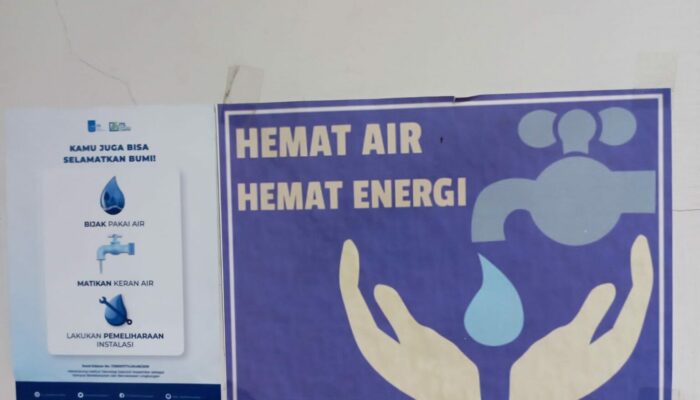
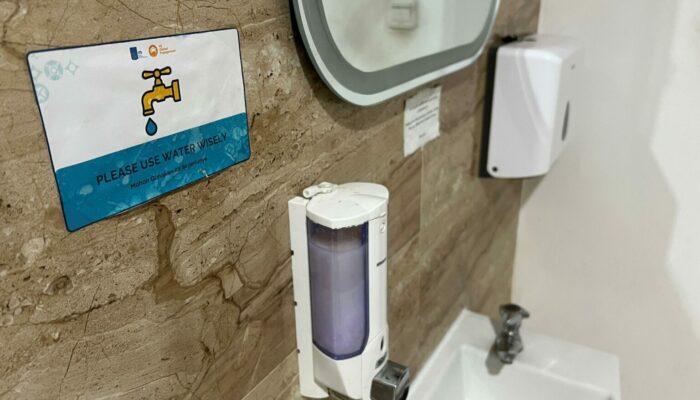
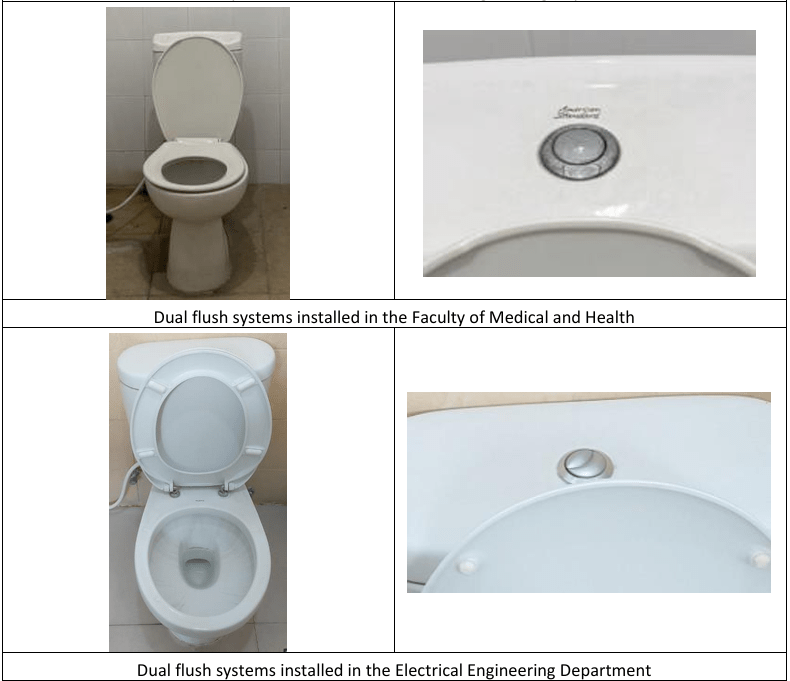
To support these educational efforts, ITS has made significant investments in water-efficient infrastructure. Currently, more than 30% of installed appliances across campus are water-efficient, exceeding the institutional goal of 20-40% implementation. The modernization includes the installation of sensor-activated handwashing taps, dual flush toilets, water-saving showers, and flow-regulated wudu taps. In outdoor spaces, water-efficient sprinklers help maintain campus greenery while minimizing water waste.
The integration of these water-efficient technologies serves a dual purpose: reducing water consumption while also demonstrating practical applications of water conservation principles to the campus community. When students and staff encounter these technologies in their daily routines, it reinforces the importance of water conservation and shows how individual actions contribute to larger sustainability goals.
Regular monitoring and maintenance of these systems ensure their optimal performance, with prompt attention to repairs preventing unnecessary water waste. This systematic approach to water management has helped establish water conservation as an integral part of campus culture, making conscious water usage a natural part of daily life at ITS. Through these combined efforts, ITS continues to reduce its environmental impact while fostering a community that values and practices responsible water stewardship.
Promoting Water Awareness and Conservation through Community Education and Technology
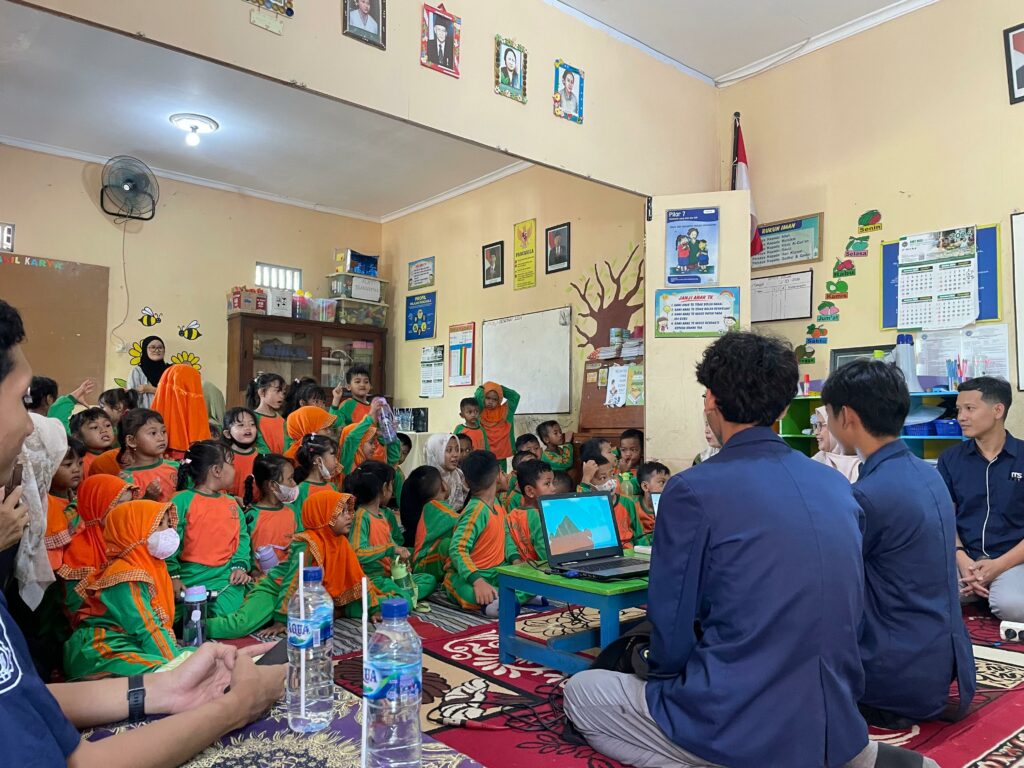
ITS has been actively promoting conscious water usage not only within the campus but also in the wider community. One example is through the Community Service program carried out by the Department of Civil Infrastructure Engineering, which provided water cycle education to kindergarten students at TK Tunas Nusantara, Madiun. The program introduced concepts such as rainwater infiltration wells (sumur resapan) and emphasized the importance of conserving rainwater, keeping the environment clean, and developing the habit of throwing waste in the right place. This interactive learning activity was designed to raise awareness among the younger generation about saving water and maintaining environmental sustainability.
Furthermore, ITS also promoted water awareness to the local community in Desa Pacalan, Kabupaten Magetan, and to high school students of SMA Negeri 1 Plaosan.
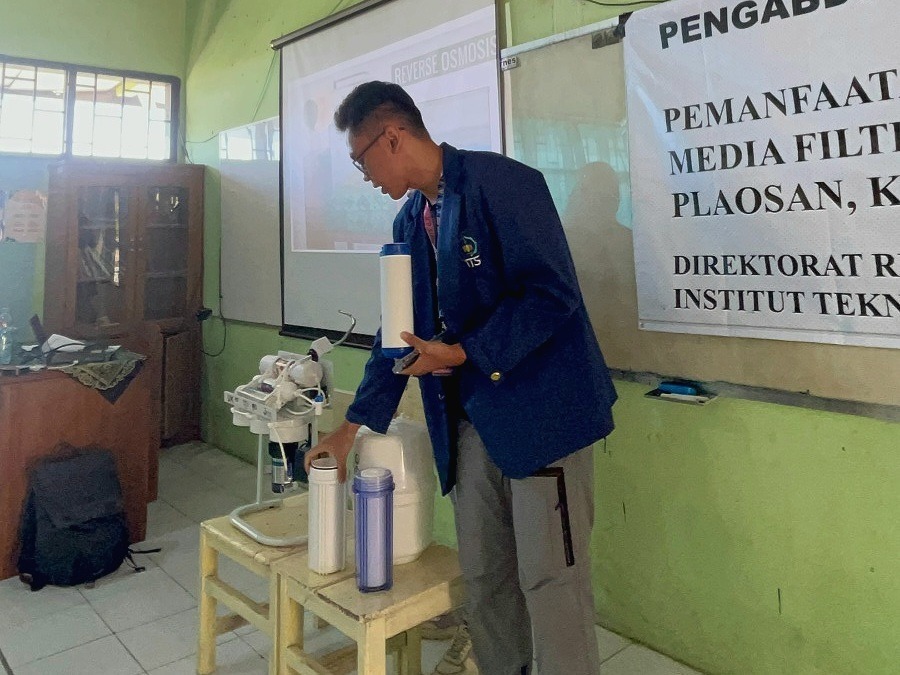
The Abmas team from the Department of Physics, educated participants on the importance of water conservation and introduced water filtration technology using activated carbon to improve access to clean water. In addition, ITS implemented a reverse osmosis system as a sustainable solution to address the limited supply of clean water, which also serves as a real-life example for the community on how technology can support responsible and sustainable water usage.