“The ability to feed the world is a key element of sustainable development. If done right, agriculture, forestry and fisheries can provide nutritious food for all. At the same time it can ensure rural development with people at the centre of the process, supporting the incomes of those who rely on agriculture. Universities need to be able to demonstrate how they are contributing to end hunger, achieve food security and improved nutrition and promote sustainable agriculture.”
(THE Impact Rankings)
SDG 2: ZERO HUNGER
Campus Food Waste
Waste Management
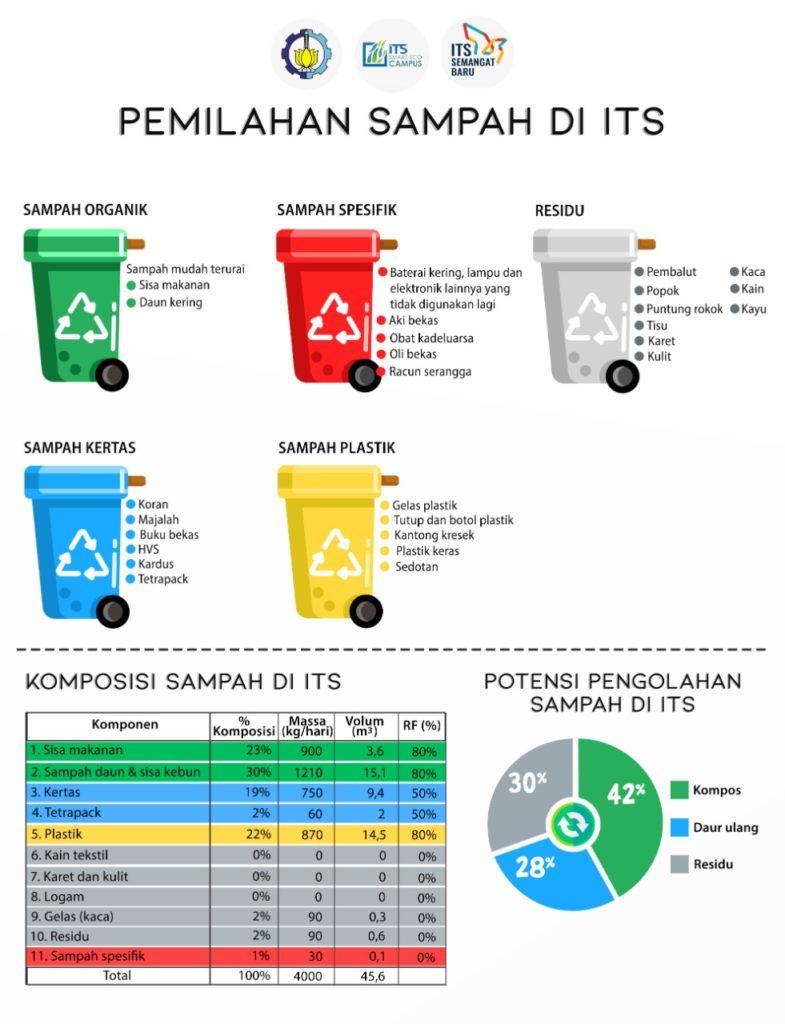
Having initiatives towards sustainable and environment friendly campus, ITS prioritizes issues such as water and air pollution reduction and waste management. The phenomenon of high level public consumption that led and impact the amount of waste with an unsettled management system concerned ITS to promote a new lifestyle in waste management. At ITS itself, waste processing is carried out with the 3R principle: Reuse, Reduce, and Recycle. The 3R principle is implemented through reducing the use of single-use materials, E-waste drop boxes and waste sorting.
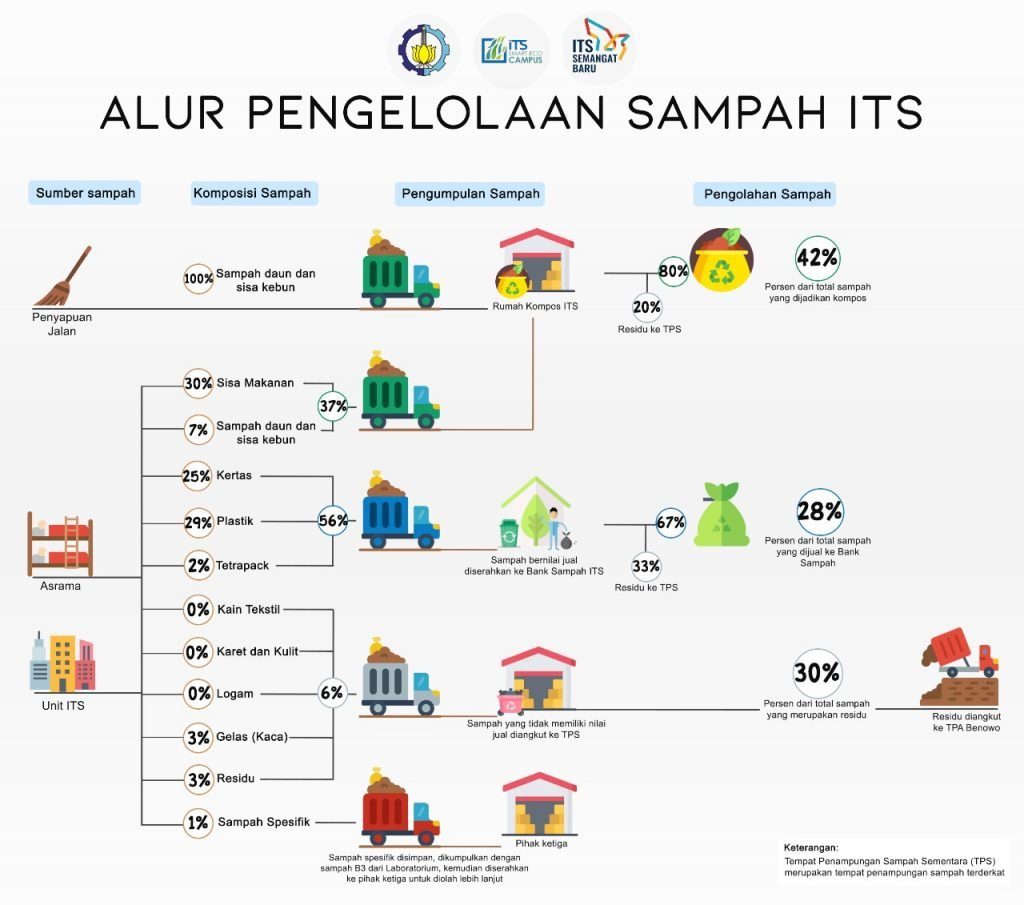
Waste Disposal (Organic and Anorganic)
ITS measures the amount of waste generated and recycled across the university. Waste in the university is handled through composting and recycling, while food waste is handled through composting. The residue is sent to landfill site. ITS also has a mini waste processing center to implement organic waste treatment policy.
Student Hunger
ITS Strengthens Commitment to End Student Hunger through Free Meal and Hydration Programmes
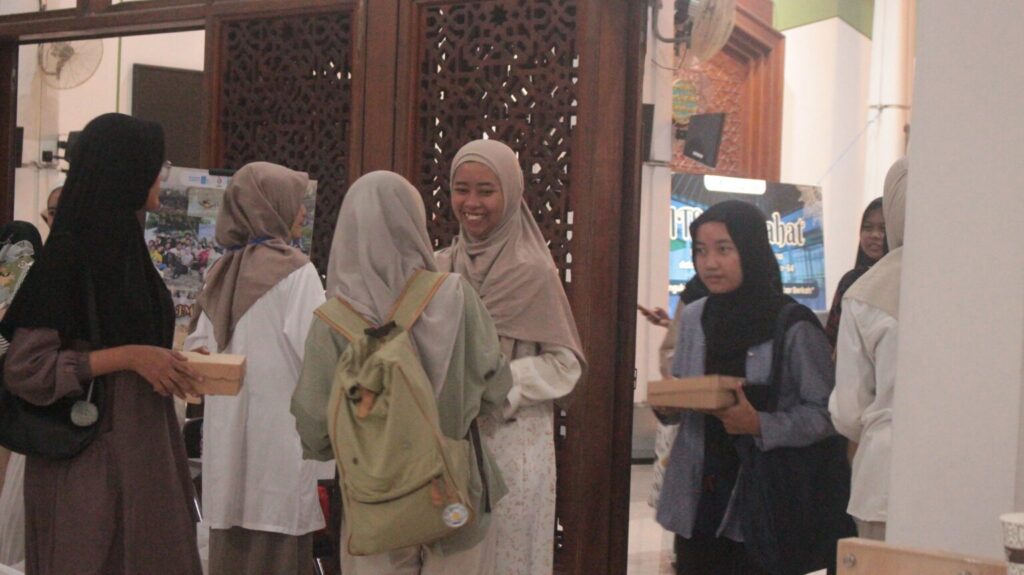
ITS has established several programmes to reduce student food insecurity and ensure access to sufficient and nutritious meals. Various events held at ITS regularly provide free meals for students, ranging from bread and cakes to rice meals with vegetables and nutritious side dishes. One example is the Maslahat event as part of the 64th ITS Anniversary celebration, which successfully distributed 1,000 free meals to students and received high enthusiasm from participants.
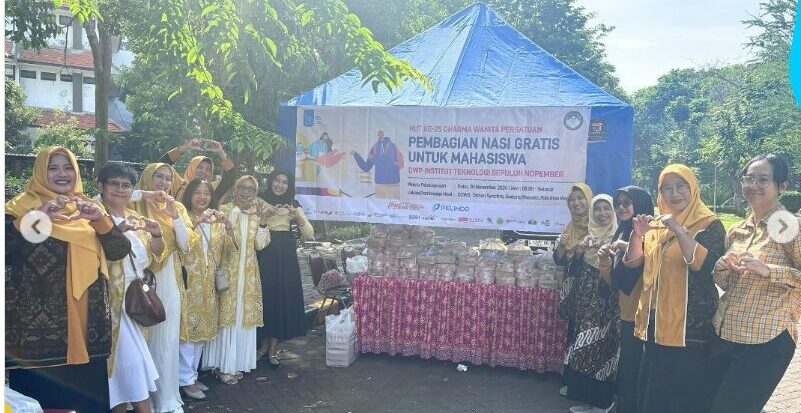
In addition, the Dharma Wanita Persatuan (DWP) ITS initiated a programme to distribute free meals to all ITS students during the celebration of DWP’s 25th Anniversary on 20 November 2024, as a concrete action of care and solidarity.
Beyond food distribution, ITS also ensures that students stay hydrated despite the hot Surabaya weather. To support this, free drinking water provision points have been installed in several strategic locations such as Masjid Manarul Ilmi ITS, Plaza Angka parking area, the Departments of Mechanical Engineering, Physics Engineering, and Materials & Metallurgical Engineering, and most recently at the Rectorate Building.
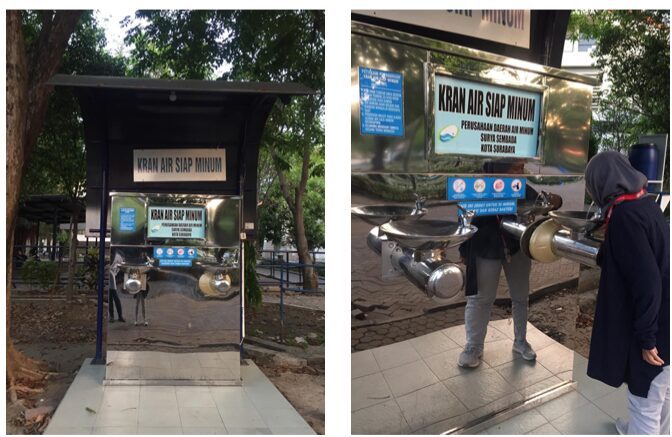
Through these initiatives, ITS demonstrates its strong commitment to tackling student food insecurity, promoting student well-being, and ensuring that no student is left behind in terms of access to food and clean water.
ITS Strengthens Student Hunger Interventions through Affordable Canteens and Free Meal Initiatives
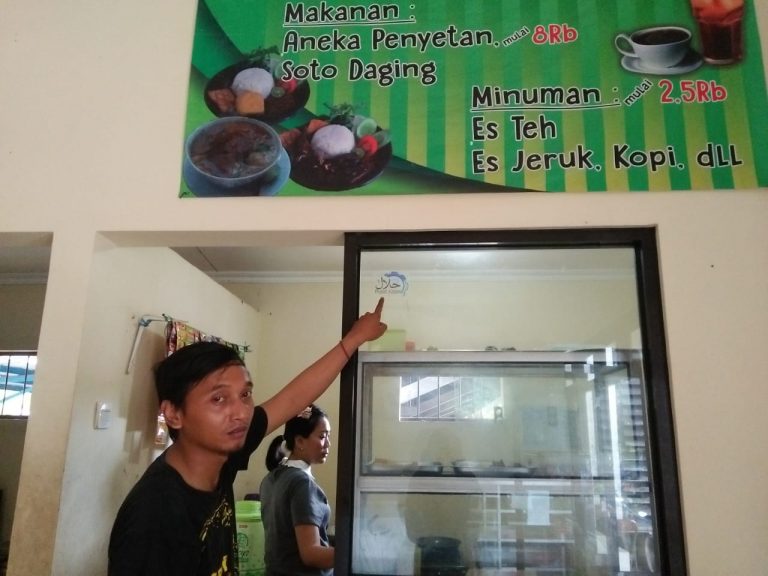
ITS provides comprehensive interventions to prevent and alleviate hunger among students, ensuring food security and access to nutritious meals on campus. All ITS canteens are open and easily accessible for students across faculties and departments, offering a wide range of affordable menus with nutritious, hygienic, and halal food options. With many outlets spread throughout the campus, students can conveniently access diverse meals and enjoy comfortable eating areas for breaks or discussions after academic activities.
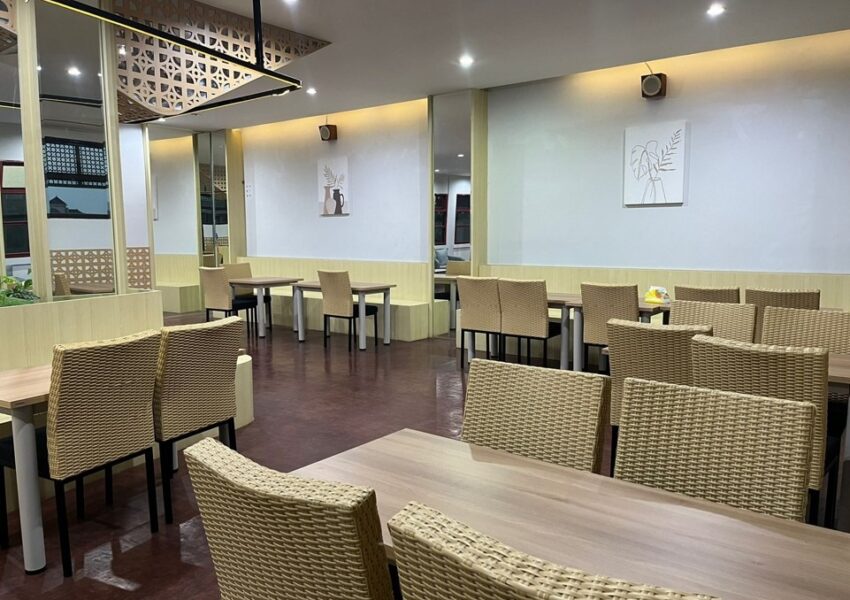
As a more direct intervention, ITS also provides dedicated dining facilities for Magister Manajemen Teknologi (MMT) students. These facilities offer free lunch and dinner served buffet style, accommodating up to 40 people. Besides ensuring that students receive sufficient meals, the dining hall also functions as a comfortable social space where students and staff gather for informal discussions or relaxation.
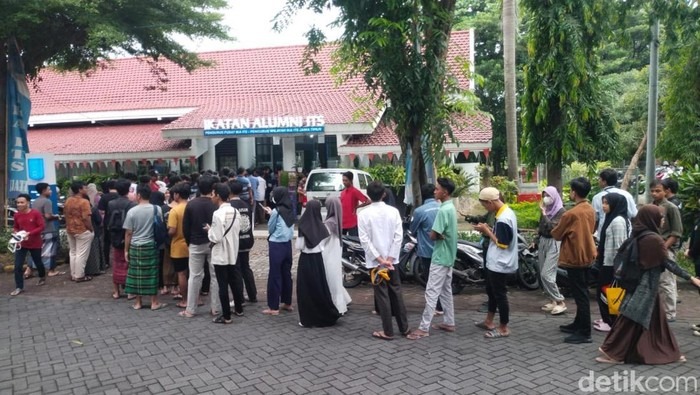
Furthermore, ITS collaborates with alumni associations and student organizations to address hunger during Ramadan. On 12 March 2024, the ITS community, including ITS’93, IKA ITS PW Jatim, BEM ITS, Kompartemen Kebencanaan IKA ITS, Himadata ITS, BEM FT-SPK ITS, Hima Planologi ITS, and student volunteers organized the annual “Buka Puasa ITS Ramadan 1445H.” This programme distributed hundreds of free iftar meal packages daily, prioritizing ITS students through a voucher system. The event attracted massive enthusiasm, with many students participating, and the organizing committee even expanded the meal distribution to meet high demand.
ITS Advances Sustainable Food Systems on Campus through Halal, Safe, and Healthy Culinary Zone
Institut Teknologi Sepuluh Nopember (ITS) actively provides sustainable food choices for all on campus, including vegetarian and vegan options. The Central Canteen (Kantin Pusat), as the main dining facility at ITS, was officially designated as one of ten culinary locations in Indonesia to be transformed into a Halal, Safe, and Healthy Culinary Zone (Zona KHAS). This program is part of the National Committee for Sharia Economics and Finance (KNEKS) initiative, chaired by the Vice President of the Republic of Indonesia.
To support this transformation, ITS issued the Standard Operating Procedure for Central Canteen Management (POS No. 0226.1.00/IT2.1V.3/DKPU.00.01/2024) and reinforced it with institutional policies, including the Rector’s Circular Letter No. B/50268/1T2/TU.00.02/2019 on reducing single-use plastics and the Rector’s Statement of Commitment to the SDGs. These policies require all tenants at the Central Canteen to limit the use of plastic and single use materials, provide proof of Halal certification and a Business Identification Number (NIB) to ensure food safety, legality, and quality, and source products from suppliers that use sustainable packaging and meet halal and sustainability certification standards.
The implementation of Zona KHAS emphasizes not only food quality but also environmental responsibility. Food providers must maintain high hygiene standards, undergo halal product testing certified by the Halal Task Force (Satgas), and comply with ITS administrative selection processes.
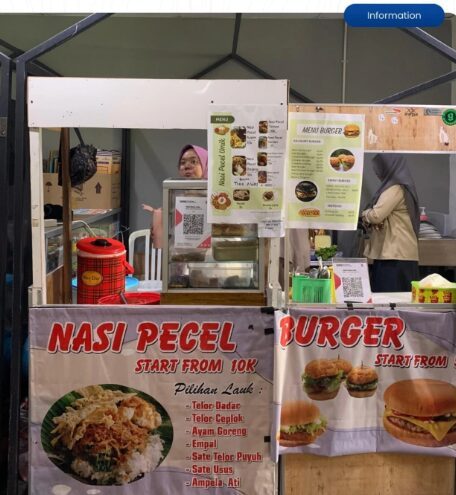
Beyond compliance, ITS also ensures the availability of diverse and affordable sustainable food options, including vegetarian friendly menus. Across campus, students, lecturers, and staff can easily access plant based dishes such as juices, fruit based menus, and a wide variety of Indonesian salad dishes with peanut sauce (e.g., Gado-Gado, Pecel, Ketoprak, and others). These efforts reflect ITS’s strong commitment to promoting sustainable food systems that are inclusive, healthy, and environmentally friendly.
ITS Promotes Access to Nutritious and Affordable Meals through Halal and Hygienic Campus Canteens
ITS is committed to providing healthy and affordable food choices for all students and staff on campus. ITS operates various canteens across departments, all of which implement the principles of halal, cleanliness, and hygiene, as regulated in the Prosedur Operasional Standar Kantin Pusat ITS. To ensure food quality and safety, every canteen tenant is required to have a Nomor Induk Berusaha (NIB) and implement the Sistem Jaminan Halal (SJH). The canteens offer a variety of healthy food menus, such as fresh juices, nasi pecel, sayur sop, sayur lodeh, and soto ayam, promoting balanced and nutritious meal options.
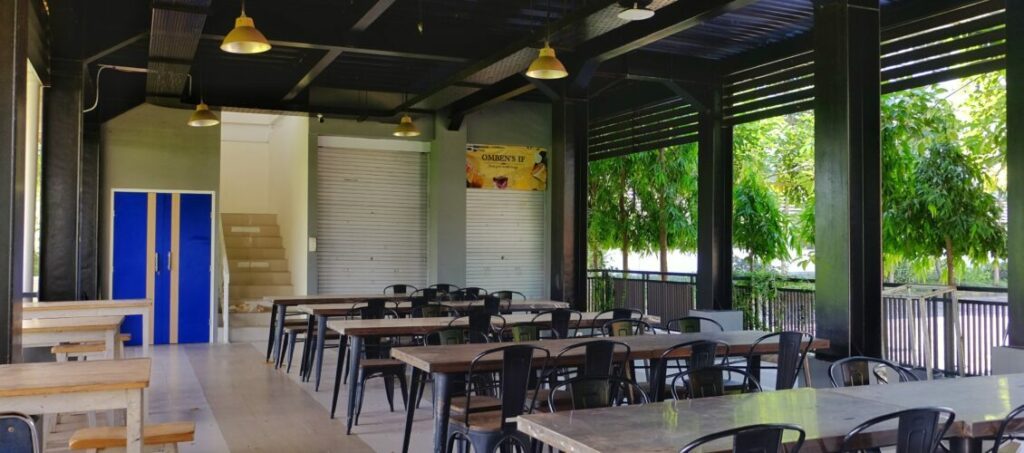
In terms of affordability, ITS canteens provide student friendly prices ranging from Rp5,000 to Rp30,000, making healthy meals accessible for the campus community. Examples include the Central Canteen ITS, Kantin Asrama Mahasiswa, as well as faculty and department based canteens such as Kantin Idjo Teknik Fisika, the Architecture Canteen, and Kantin FTK ITS. These canteens also provide adequate seating areas that support not only dining but also informal discussions and social interaction.
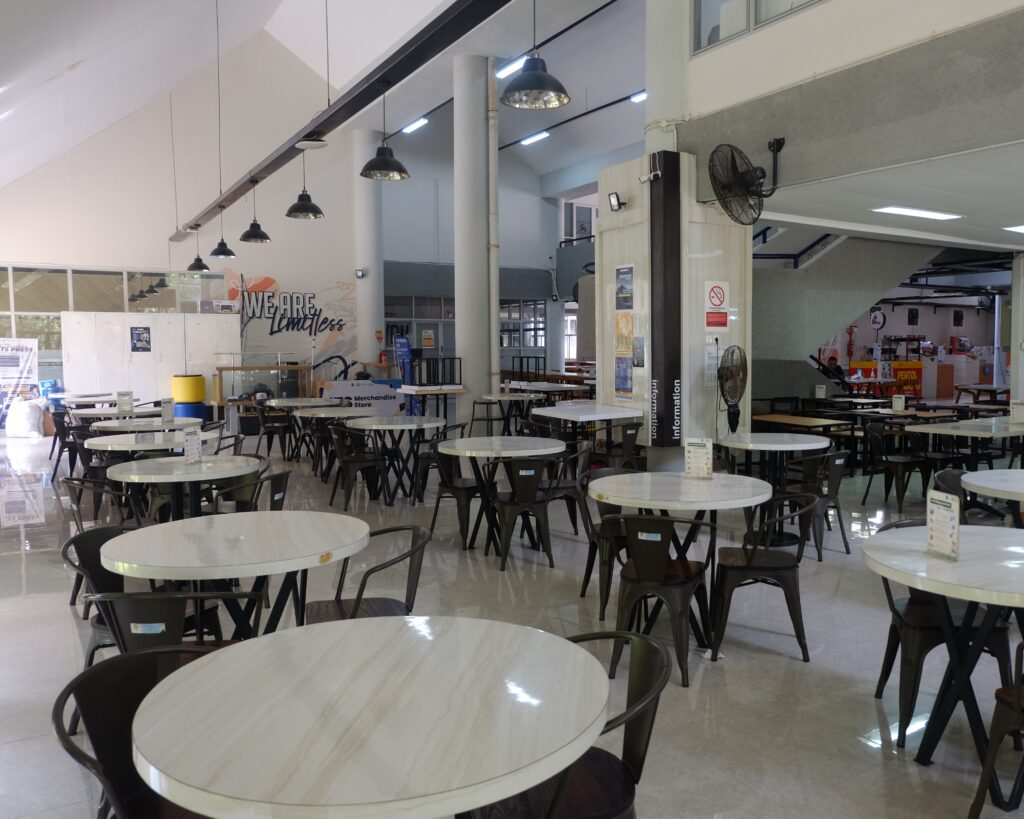
Through these efforts, ITS ensures that its campus community has continuous access to nutritious and affordable food choices, supporting both well-being and sustainable lifestyle practices.
National Hunger
Aligning with its slogan “Advancing Humanity”, ITS is strongly committed to providing access to food security and sustainable agriculture and aquaculture knowledge, skills, and technology to local farmers and food producers.
Through the Directorate of Research and Community Service, ITS carried out a humanitarian project to strengthen sustainable agriculture by distributing plant seeds to farmer groups across seven regions in Indonesia. For example, Kelompok Tani (Poktan) Sido Makmur in Karanganyar received rice seeds, Poktan P4S Tranggulasi in Semarang received citrus seedlings, Poktan Bumi Lestari received durian seedlings, Poktan Mekarsari Dukuh Mabul Banjarnegara received corn seeds, and Poktan Sumber Anom in Bondowoso received rice seeds. In addition, communities in Pakis Village, Jember, and the Green Open Space (RTH) Taman Flora Bratang Surabaya received ornamental plants. These seeds were expected to support both household consumption and potential income generation, enhancing community well-being.
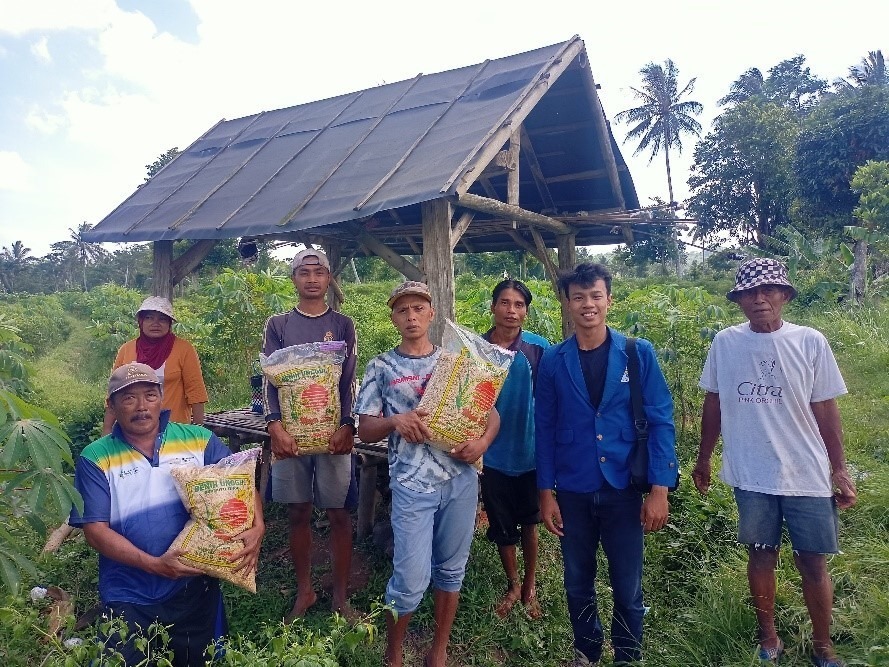
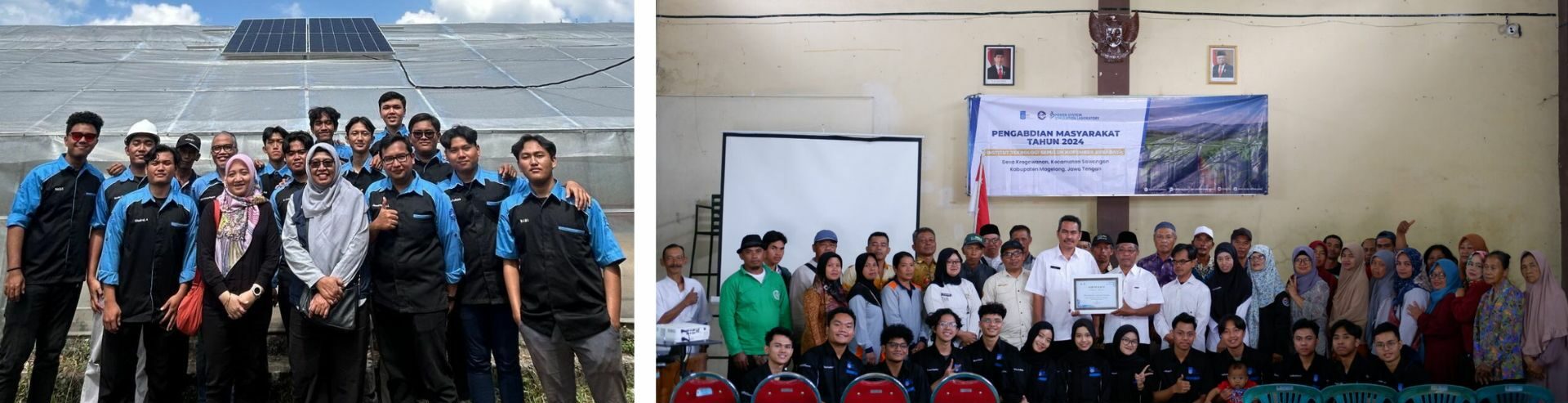
ITS students also contributed through Kuliah Kerja Nyata Pengabdian Masyarakat (KKN Abmas) programs, introducing innovative agricultural technologies to local communities. In Jambuwer Village, Malang, they developed a solar powered automatic coffee bean sorter to increase efficiency and reduce electricity costs. In Ngronggot Village, Nganjuk, they introduced an automatic pest repellent device to protect crops without continuous farmer presence. Another team implemented Internet of Things (IoT) based smart farming tools in Krogowanan Village, Magelang, including automatic pest control, soil humidity monitoring, and automated irrigation for rice fields. These innovations were positively received by farmers as they improved efficiency, productivity, and food security.
Beyond agriculture, ITS also provided technology to support aquaculture and fisheries. The Tim Kosa Bangsa ITS developed a multicolor LED lighting system and Low Cost GNSS (Global Navigation Satellite System) technology in Lobuk Village, Sumenep, to increase night fishing productivity. The team also collaborated with Tim Halal ITS to train local BUMDes on halal certification for fish-based products, strengthening their competitiveness in broader markets. In partnership with Universitas Wiraraja, ITS ensured a multidisciplinary approach to community empowerment, combining technology, business, and sustainability aspects.
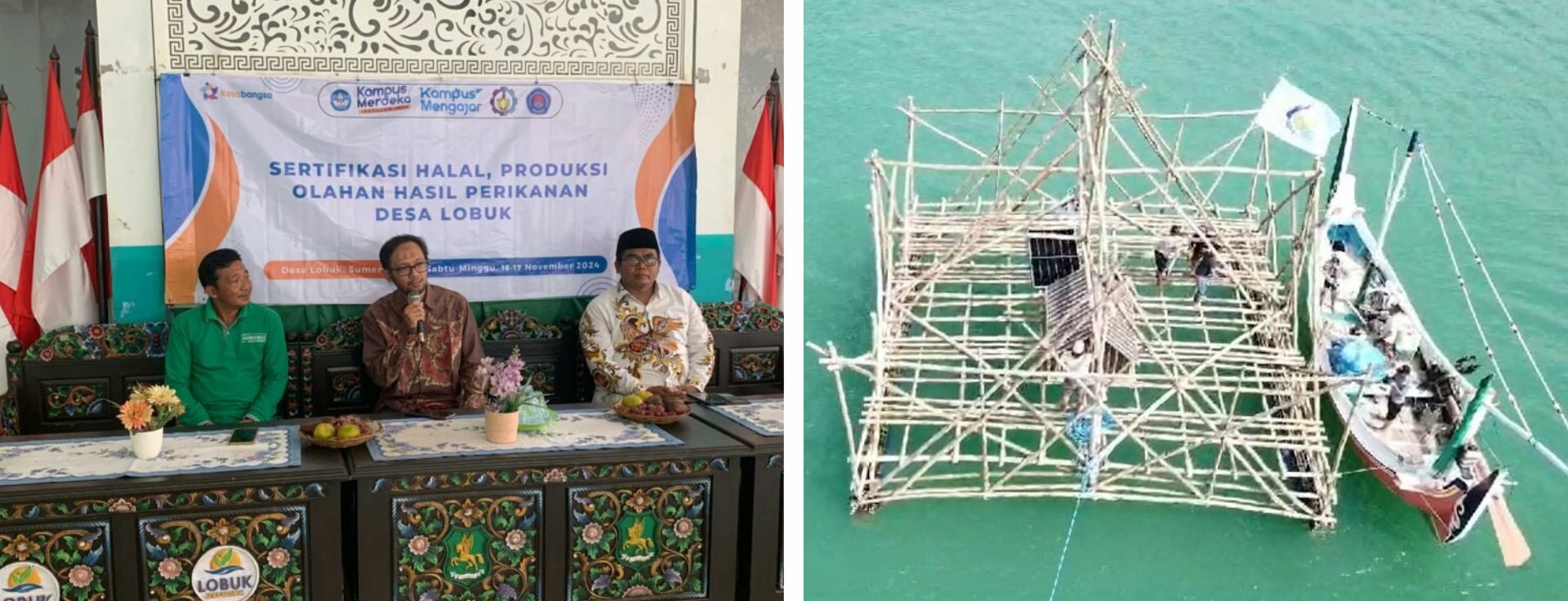
Through these initiatives, ITS demonstrates its commitment to providing free and continuous access to knowledge, skills, and technology that promote food security, sustainable agriculture, and aquaculture, thereby strengthening local community resilience and well-being.
ITS Facilitates Knowledge Exchange Events for Local Farmers and Food Producers to Strengthen Food Security
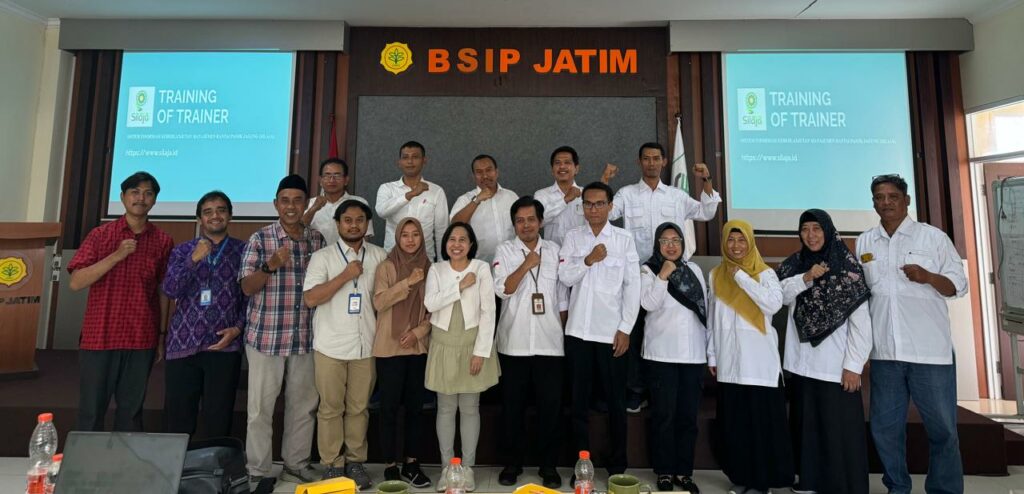
ITS provides free events for local farmers and food producers to connect and transfer knowledge, supporting food security and sustainable practices. One of the initiatives is the development of the SILAJA (Sistem Informasi Keberlanjutan Manajemen Rantai Pasok Jagung) platform to improve corn supply chain management through digitalization. To support this program, ITS organized a two day free training and socialization event involving local farmers, corn industries, and institutional partners such as the East Java Provincial Department of Agriculture and Food Security, the East Java Provincial Department of Animal Husbandry, and the Agricultural Instrument Standardization Agency (BSIP). Through this activity, participants learned to utilize SILAJA to access real time information on prices, production facility needs, and industry networks.
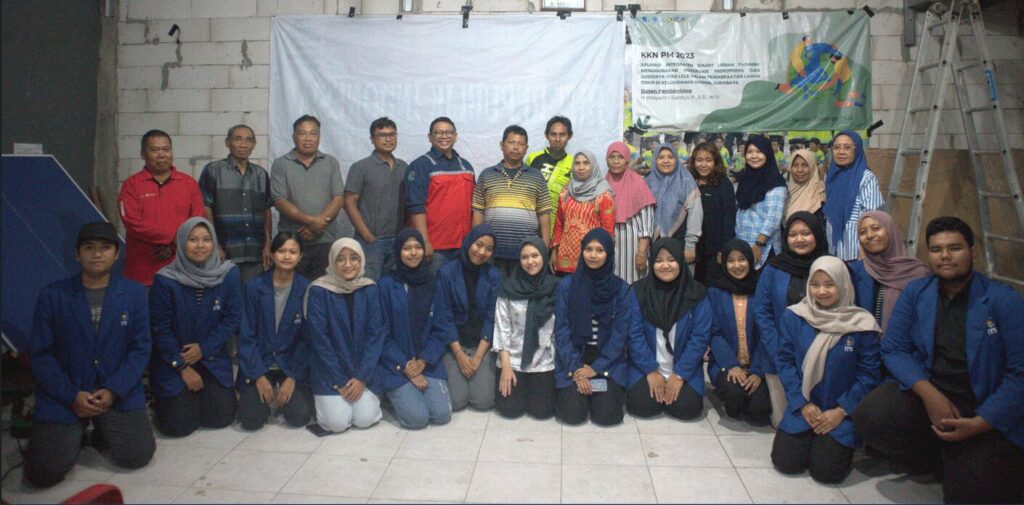
In addition to this, ITS also carried out a free community training program in Gading Urban Village through its Community Service Program (KKN Abmas). The event introduced hydroponic urban farming integrated with aquaculture, where water enriched with nitrates from catfish ponds supports plant growth. This innovative practice not only provides a sustainable food source but also reduces household waste and contributes to environmental protection. The ITS team continued to monitor the hydroponic development weekly for five months to ensure effective knowledge transfer and long term benefits for the community.
Through these events, ITS demonstrates its commitment to empowering local farmers and food producers by providing free access to training, knowledge exchange, and sustainable farming innovations, thereby contributing to improved food security and community resilience.
ITS Provides Free Access to University Facilities and Technologies for Local Farmers to Promote Sustainable Agriculture
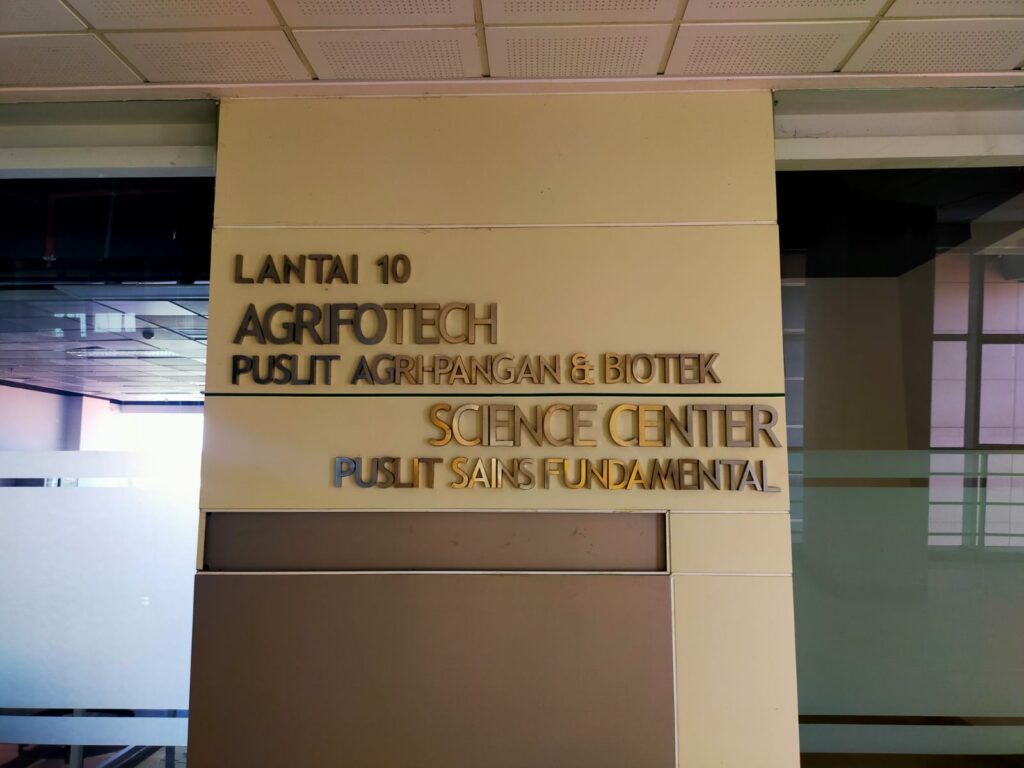
ITS provides free access to its university facilities, laboratories, technologies, and innovation results to local farmers and food producers in order to improve sustainable farming practices. This access is facilitated through the Agrifood and Biotechnology Research Centre (the Agrifotech) under the Directorate of Research and Community Service. Through Agrifotech, local farmers and food producers are invited to participate in knowledge sharing forums and utilize research outputs. For example, ITS held a free webinar entitled “Pemanfaatan Lahan Marginal Secara Biologis untuk Peningkatan Pangan Hortikultura” in collaboration between the Department of Biology and Agrifotech Center. This webinar, which granted free access and e-certificates, involved farmers and agri entrepreneurs, with Dr. (HC) Ir. Muhammad Gunung Soetopo (Owner of UD. Sabila Farm) as the speaker.
Beyond academic forums, ITS community service programs (KKN Abmas) directly support farmers with applied technologies:
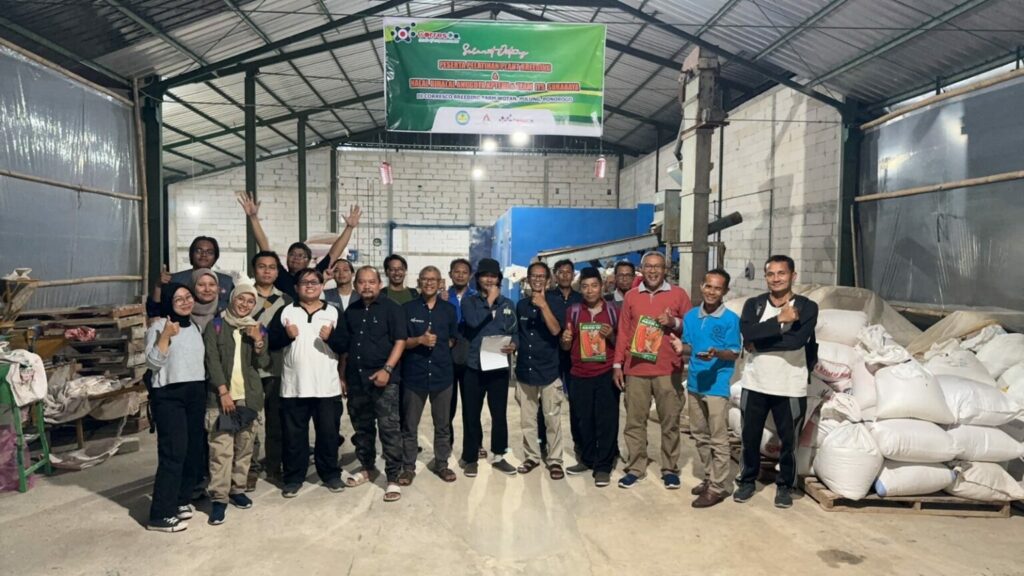
Corn Farmers in Ponorogo gained access to the WebGIS SIJAGUNG system, developed by ITS to monitor corn production and crop health. The system is provided free of charge and helps farmers increase productivity and maintain harvest quality, supported by collaboration with PT Coressco.
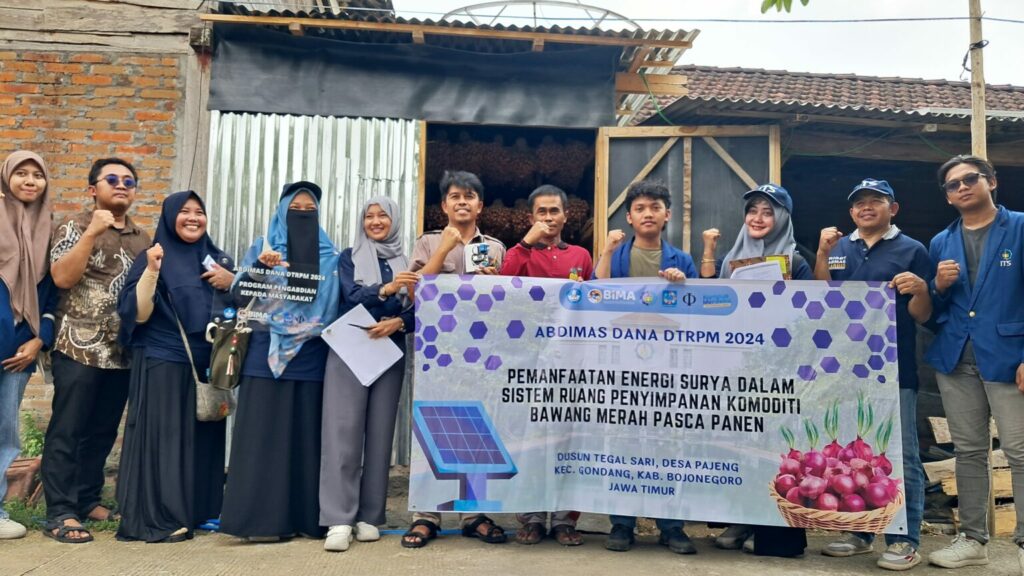
Shallot Farmers in Bojonegoro received a smart storage facility for post-harvest handling. The system, donated by ITS, is equipped with humidity and temperature sensors (DHT) to maintain quality of more than 1 ton of shallots, extending storage life and stabilizing prices.
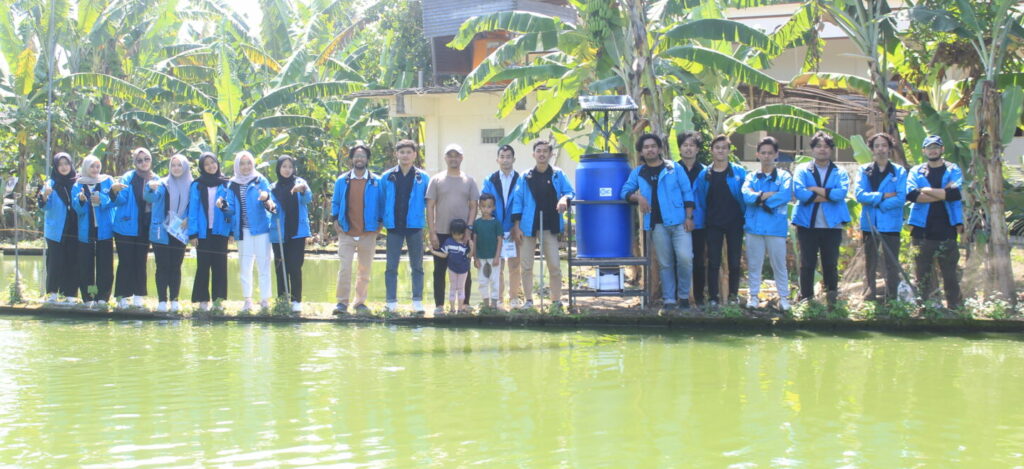
Aquaculture Farmers in Tulungagung were provided with solar-powered automatic fish feeders and aerators. This technology ensures sufficient oxygen levels and feeding efficiency for gourami cultivation, reducing mortality rates and increasing productivity. ITS teams also trained local farmers in using this device for long-term sustainability.
Through these initiatives, ITS ensures that local farmers and food producers have free access to cutting-edge university technologies, research facilities, and innovations that directly enhance agricultural productivity, improve food quality, and support sustainable community based farming practices.
ITS Prioritises Sustainable and Local Food Procurement through Zona KHAS
Prioritise purchase of products from local, sustainable sources has been formally adopted by ITS through the transformation of its central canteen into the Zona Kuliner Halal, Aman, dan Sehat (Zona KHAS) since 2023. This initiative ensures that the main dining facility for students, lecturers, and staff operates under sustainability principles, requiring all food to be halal, safe, and clean, while minimising the use of single use plastics. The policy is supported by the Rector’s Circular Letter No. B/50268/IT2/TU.00.02/2019 on reducing single use plastics and the Rector’s formal statement of commitment to the SDGs.
To regulate its implementation, ITS issued the Standard Operating Procedure No. 0226.1.00/IT2.1V.3/DKPU.00.01/2024. In Chapter II: Policy and Procedure, suppliers of food products and equipment for Zona KHAS are required to meet halal certification, strict hygiene standards, and plastic minimisation measures. Contracts with tenants must also include obligations to comply with these requirements, supported by legal documents such as the Business Identification Number (NIB). Priority is explicitly given to suppliers who can provide both halal certification and environmental sustainability certification.
Furthermore, Chapter III: Implementation and Review reinforces the prioritisation of sustainable food purchases by regulating the extension of these policies across the supply chain. Suppliers must comply with ITS’ plastic minimisation policy and provide products with recyclable or minimal packaging. This chapter also specifies that priority is granted to suppliers with both halal and sustainability certifications, in line with the objectives of Zona KHAS.
SDG 2 IN NUMBERS
3,729
Number of Graduates in Most Recent Year
N/A
Number of Graduates from Relevant Agriculture Courses
N/A
Percentage of Graduates from Agriculture
52.92 (53) m3
Total Food Waste
20,078
Number of Campus Population