The Software Engineering study program provides a comprehensive and in-depth educational curriculum designed to equip students with the skills and knowledge necessary to excel in the field of software development. The program focuses on various aspects of software engineering, including software design, development, testing, project management, and maintenance, as well as the latest software development environment, DevOps Development.
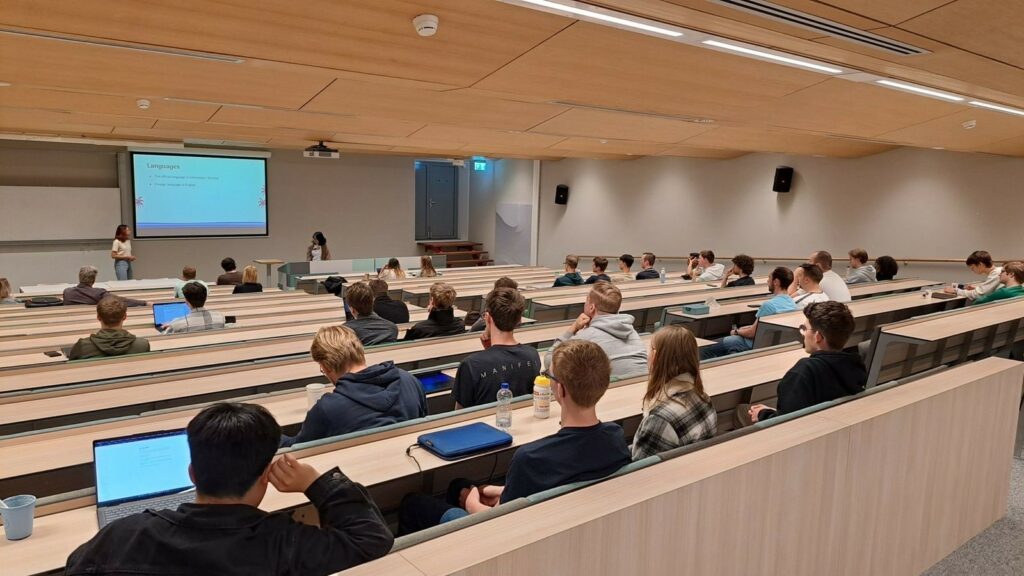
The curriculum emphasizes practical, hands-on experience from the industry through individual and group projects, where students work on real-world software development challenges. They learn to collaborate effectively in teams, communicate technical ideas, and adapt to emerging technologies and industry trends.
The Undergraduate Study Program (S1) of the Department of Software Engineering has been declared as a study program with excellent accreditation by LAM Infokom in 2024 to 2029.
Sertifikat-Akreditasi-S1-RPL-2024_2029
Achievement of Graduates Learning
1. Able to show attitudes and characters that reflect piety to God Almighty, noble character, sensitivity, and concern about social and environmental issues, respect for cultural differences and pluralism, upholding law enforcement, prioritizing the interests of the nation and the broader community through innovation, creativity, and innovation, excellence, strong leadership, synergy with other potentials to achieve maximum results.
2. Able to study and utilize science and technology to apply them in software engineering and able to make appropriate decisions from the results of their work and group work in the form of final project or other learning activities through logical, critical, systematic, and innovative thinking
3. Able to manage their learning and develop themselves as lifelong learners to compete at national and international levels to make a real contribution to solving problems by implementing information and communication technology and considering the principle of sustainability and understanding technopreneurship.
4. Able to recognize ethical and professional responsibilities in engineering situations and make informed judgments, which must consider the impact of engineering solutions in global, economic, environmental, and societal contexts
5. Able to identify, formulate, and solve complex engineering problems by applying principles of engineering, science, and mathematics
6. Able to apply engineering design to produce solutions that meet specified needs with consideration of public health, safety, and welfare, as well as global, cultural, social, environmental, and economic factors.
7. Able to develop and conduct appropriate experimentation, analyze and interpret data, and use engineering judgment to draw conclusions
8. Able to acquire and apply new knowledge as needed, using appropriate learning strategies
9. Able to use the techniques, skills, and modern engineering tools and processes necessary for software engineering practice
10. Able to apply software engineering perspective through software design and construction, requirements analysis, verification, and validation, to develop solutions to modern problems such as security, data science, and systems engineering
Curriculum
Dokumen-Kurikulum-RPL-ITS-2023
catatan, Apabila pdf tidak tampil, coba matikan Aplikasi Downloader (seperti IDM), atau masukkan domain its.ac.id/* kedalam exclude list