Empowering Students from the Lowest Income Groups through Expansive Scholarships and Endowment Support
ITS demonstrates a strong institutional commitment to inclusive education by ensuring that financial background does not limit access to higher education. The university strategically leverages two primary instruments—comprehensive scholarship programs and a self-managed endowment fund—to attract, admit, and support students from the lowest 20% of household income groups in Indonesia.
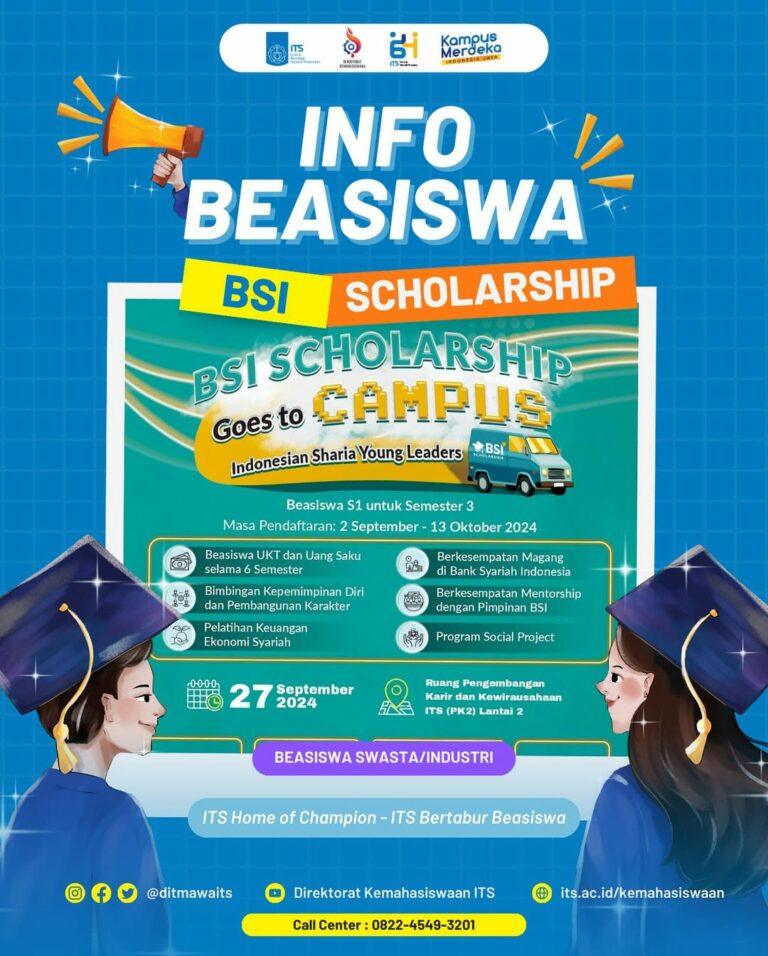
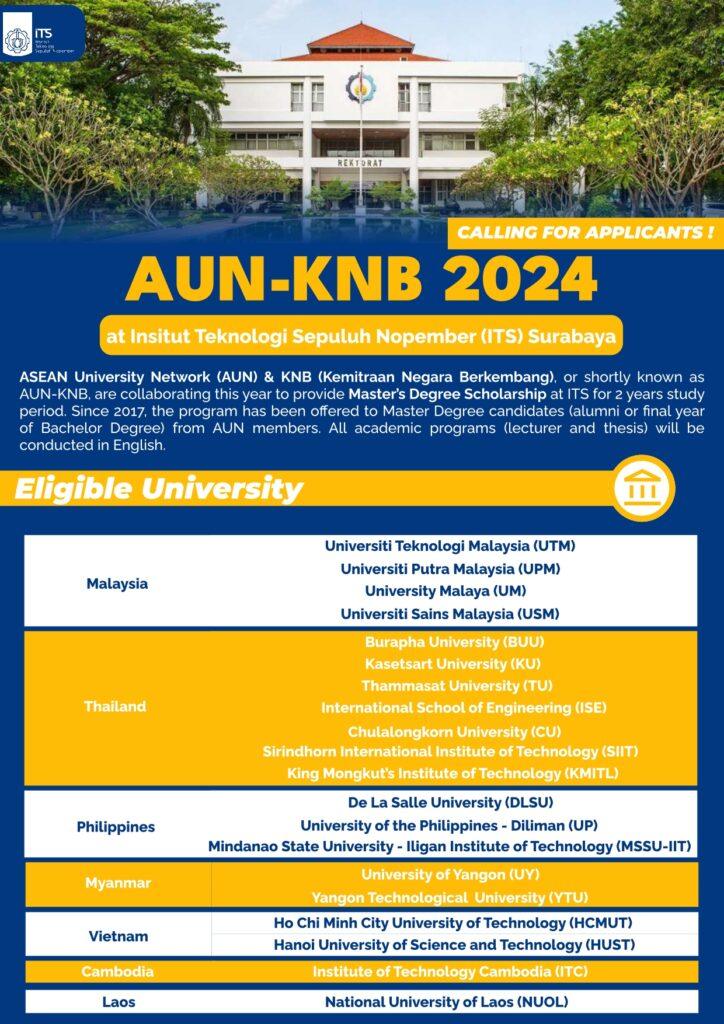
Between 2018 and 2024, ITS has distributed more than 100 distinct scholarship schemes, benefitting 63,083 students in total. This broad network of financial aid reflects the university’s sustained effort to make education accessible to economically disadvantaged groups.
Notably, in 2024 alone, ITS managed to channel 73 types of scholarships to over 12,000 student recipients, marking a significant increase in both the diversity and coverage of available funding opportunities. The consistent expansion of scholarship schemes each year has become a magnet for talented students from underprivileged backgrounds, assuring them that financial constraints will not hinder their academic aspirations at ITS.
Beyond these scholarship initiatives, ITS has strengthened its long-term commitment to equity in education through the establishment of the ITS Endowment Fund, a self-sustaining financial mechanism designed to support educational activities, research, and community engagement under the Tri Dharma Perguruan Tinggi framework. The fund’s principal capital is preserved in perpetuity, while the returns are allocated to finance scholarships and other academic support programs.
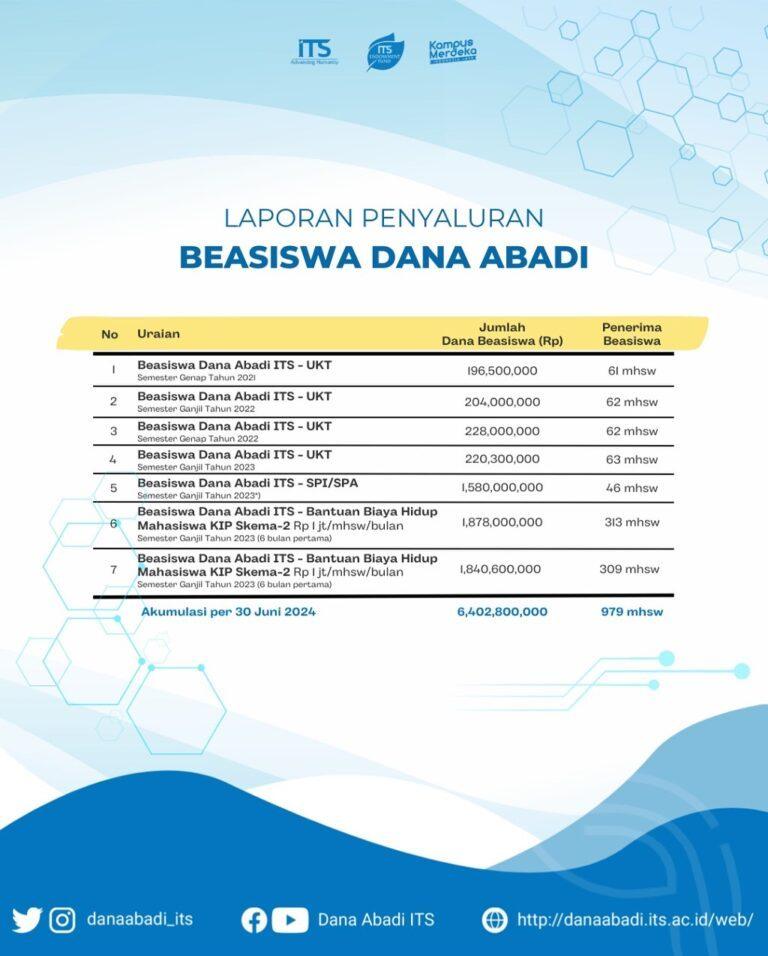
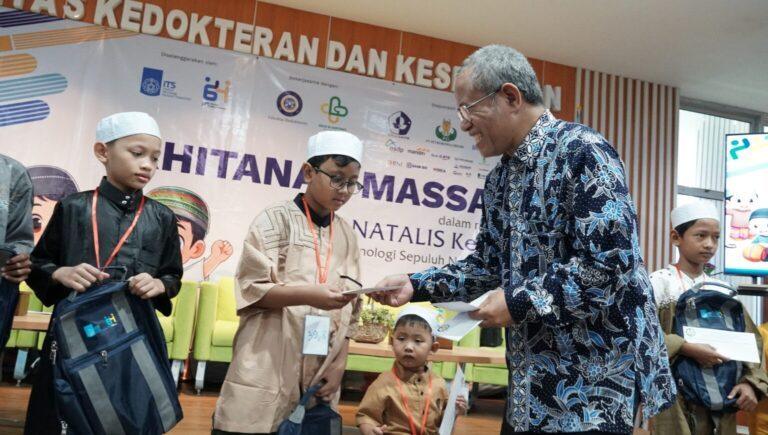
As of June 2024, the endowment fund had disbursed more than Rp 6 billion in scholarships, marking a substantial increase from Rp 3.895 billion the previous year. These funds directly supported 979 students, representing approximately 15% of the 6,485 newly admitted students in 2024.
The growth of both scholarship and endowment-based support systems illustrates how ITS has institutionalized mechanisms that not only expand access but also ensure long-term financial sustainability. Through these initiatives, ITS has built an inclusive educational ecosystem—one where students from the lowest income quintiles are not only admitted but are also empowered to complete their studies successfully without financial burden.
Comprehensive Support System for Low-Income Students at ITS
ITS is deeply committed to ensuring that students from low-income backgrounds have equitable access to, and successfully complete, higher education. This commitment is realized through a comprehensive and multi-faceted support system that integrates financial assistance, housing, academic development, welfare, and health programs—ensuring that financial hardship never becomes a barrier to academic success.
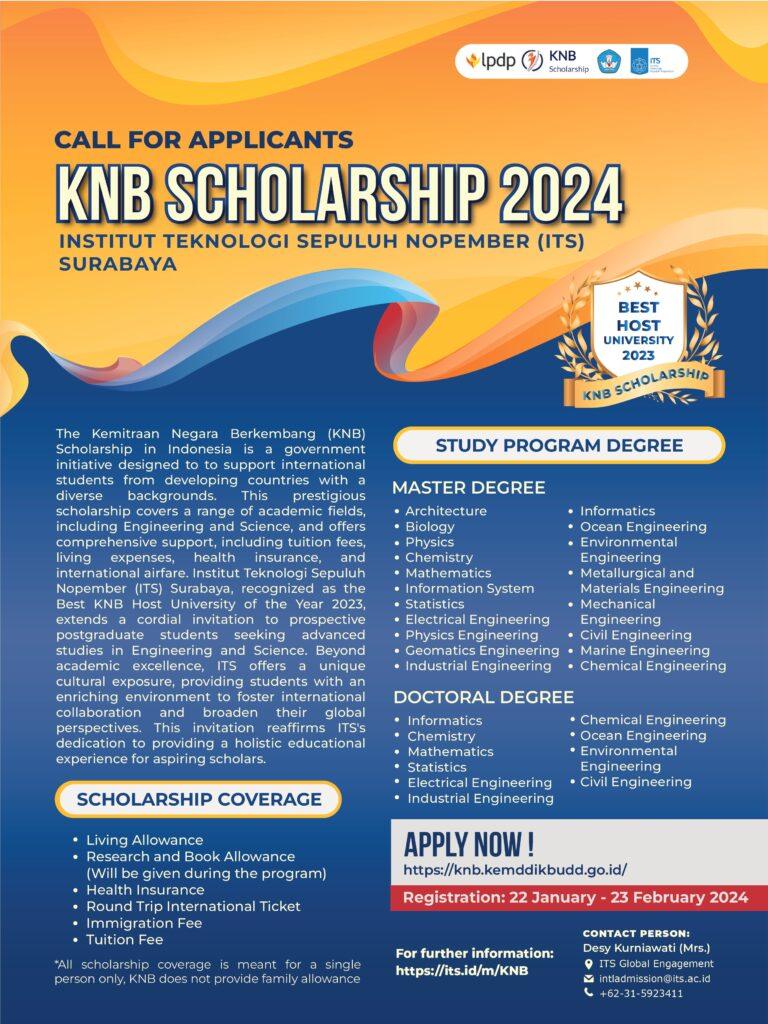
A cornerstone of ITS’s inclusivity effort lies in its extensive scholarship and financial aid ecosystem, which in 2024 consisted of over 70 scholarship schemes supporting more than 12,000 students. These scholarships originate from diverse sources, including government initiatives, industry collaborations, alumni associations, and institutional endowments.
They address a wide spectrum of student needs—from tuition and living expenses to research funding, daily necessities, capacity-building programs, and even study period extensions for students who exceed the standard four-year completion time. This robust system ensures continuous financial and developmental support, allowing students from low-income backgrounds to focus on their studies and graduate on time.
Complementing these scholarships, ITS also provides direct tuition fee relief (UKT/SPP reduction) for vocational and applied undergraduate students who have not yet received other financial support. Formalized through rectoral decrees 7244/IT2.II.1/B/TU.00.02/2023 and 9023/IT2.II.1/B/TU.00.02/V/2024, this initiative helps reduce the risk of dropout and ensures that every student—regardless of financial status—can continue their education without disruption.
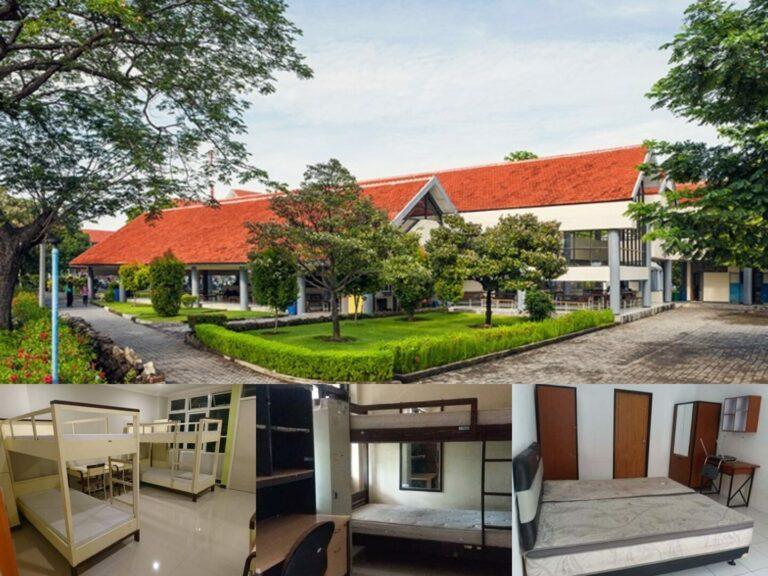
To support student welfare, ITS offers affordable and inclusive housing through the Rusunawa dormitory complex, developed in collaboration with the Ministry of Public Works and Public Housing (PUPR). The facility provides low-cost, safe, and accessible accommodation—comprising 50 units housing four students each and two units for students with disabilities—accommodating 204 residents in total. Equipped with shared facilities and CCTV-monitored security, the dormitory helps alleviate the housing shortage at ITS, where only about 1,300 dormitory spots are available for roughly 4,500 new students annually.
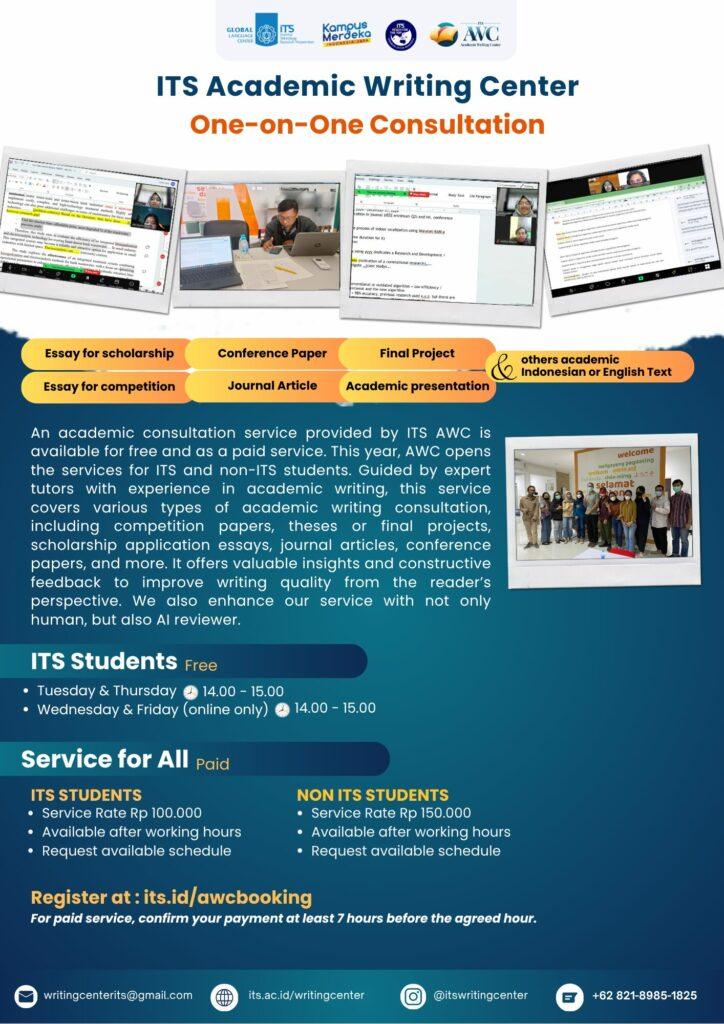
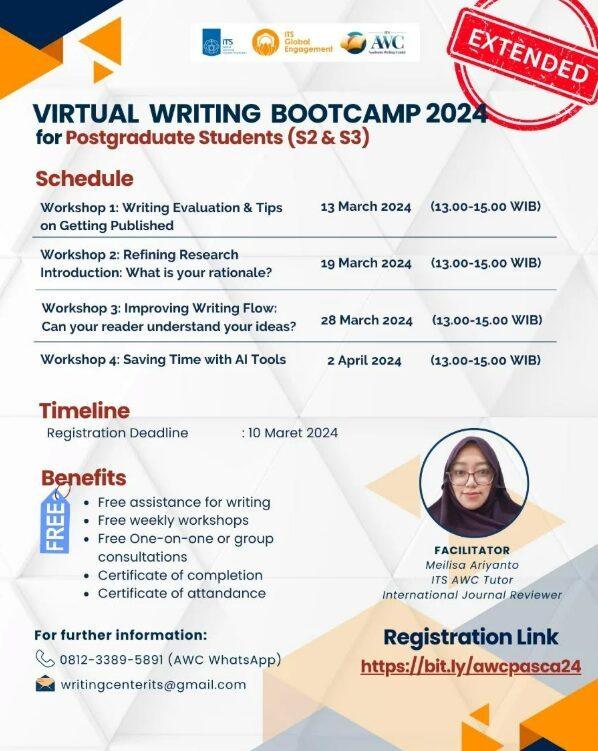
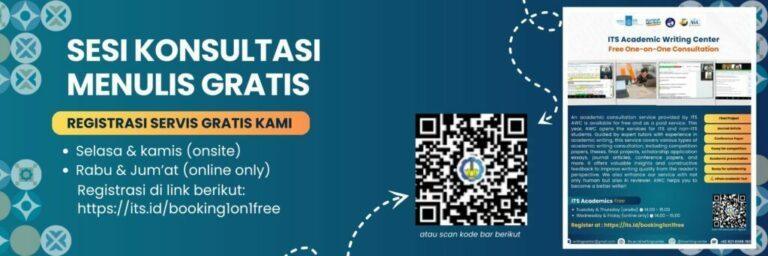
In addition, the ITS Writing Center provides free academic writing consultations that equip students with critical thinking and writing skills necessary for research, publication, and thesis completion. Both individual and group sessions are available, led by trained writing tutors who guide students in structuring arguments, developing ideas, and enhancing coherence and clarity in academic writing.
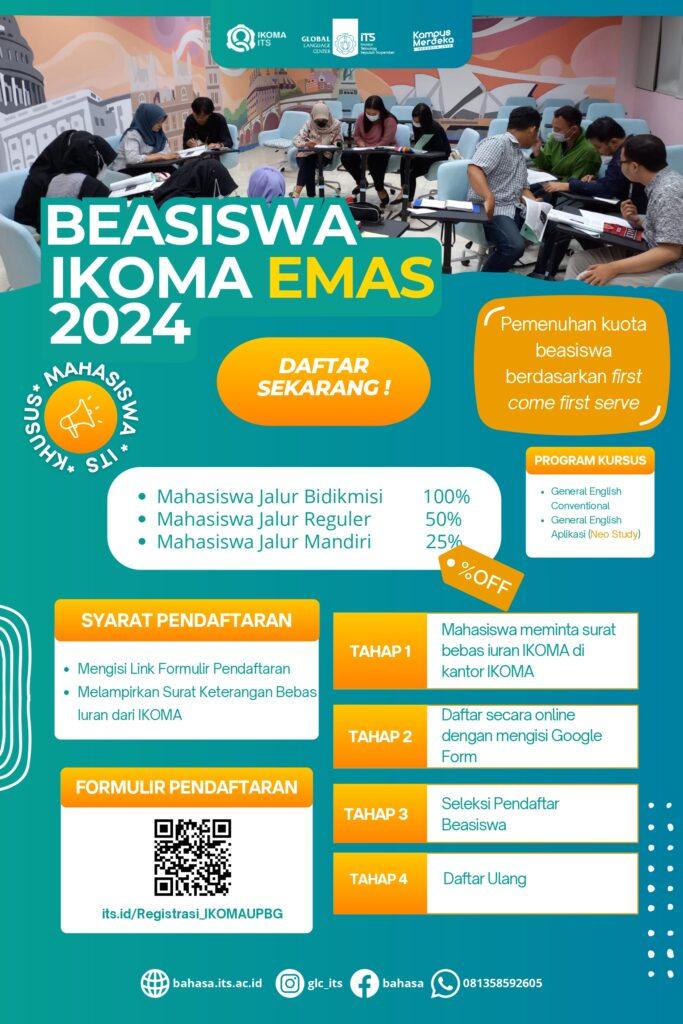
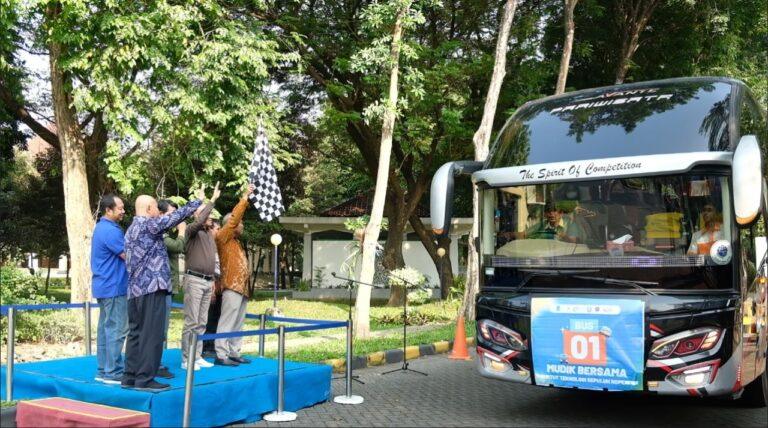
ITS further ensures holistic student support through welfare and health programs. Mudik Gratis ITS 2024, for instance, is a free homecoming transportation initiative conducted in collaboration with the Ikatan Orang Tua Mahasiswa (IKOMA) and the East Java Transportation Agency. In 2024, this program provided 12 buses and minibuses to transport 435 students safely to 38 cities across East and Central Java, offering completely free travel and care packages as appreciation.
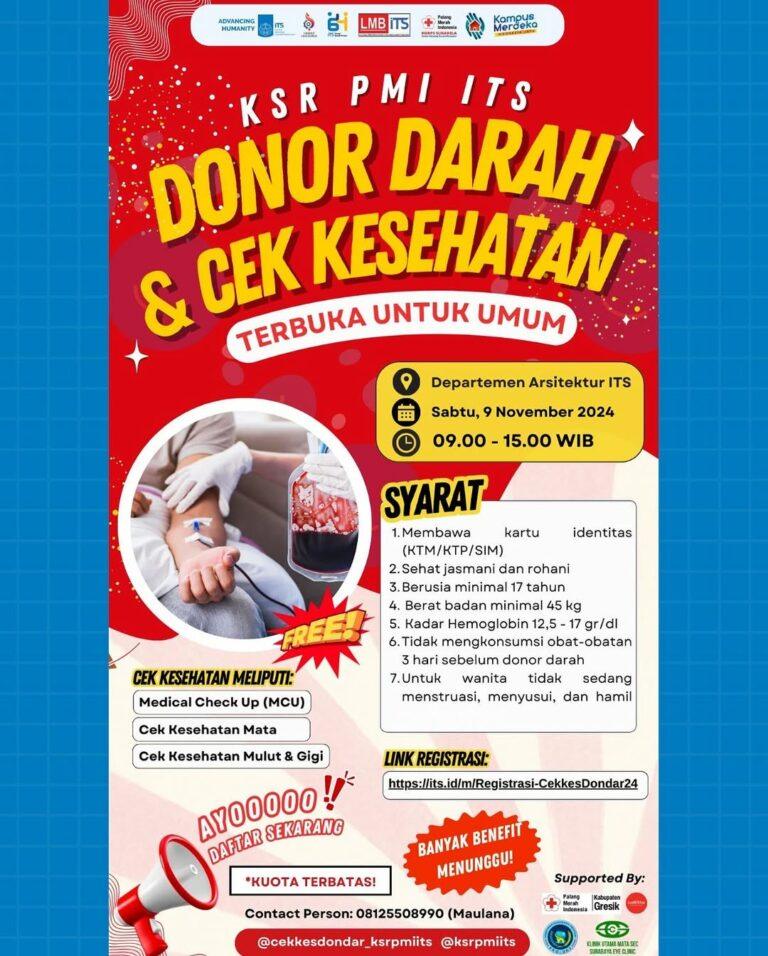
Additionally, ITS promotes health and well-being through community initiatives such as Cek Kesehatan, a free health check event organized by Korps Sukarelawan PMI ITS, accessible to all campus members. This program reflects ITS’s attention to physical health as a fundamental aspect of student welfare and academic readiness.
Through these integrated initiatives—spanning financial, academic, housing, health, and welfare support—ITS ensures that students from economically disadvantaged backgrounds can access, persist in, and complete their education successfully. The university’s inclusive approach demonstrates that higher education can remain both equitable and empowering for all learners, regardless of their socioeconomic background.