“The two SDGs that look at the broader ecosystem divide it into Life Below Water, and Life on Land. The oceans, and the rivers and watersheds that link to them, are the largest part of our ecosystem. 40% of the world’s population lives within 100km of the coast, and we all rely – directly or indirectly – on the sea.”
(THE Impact Rankings)
SDG 14: LIFE BELOW WATER
Supporting Aquatic Ecosystems through Education
Community Outreach on Fresh-water Ecosystem Management and Conservation by ITS
ITS offers free educational and community service programmes that promote sustainable freshwater management and conservation for local communities.
One of the Abmas teams from the Department of Chemistry implemented a water quality improvement program in Kampung Eduwisata Sanan, Kota Malang, an area facing limited access to freshwater. The team introduced an innovative water treatment system combining filtration and reverse osmosis (RO) methods. This membrane-based technology effectively reduces iron (Fe) and manganese (Mn) content in groundwater, improving its quality and making it safer for daily consumption. The program not only provided a practical water management solution but also educated the local community on sustainable water treatment practices.

In another initiative, the PKM–PM ITS team carried out a freshwater conservation project in Bendolo Village, Nganjuk Regency, under the program “Sadar Wisata dan Konservasi Mata Air (SWASITA)”. The program aimed to protect and revitalize local water springs as part of an eco-tourism development initiative.
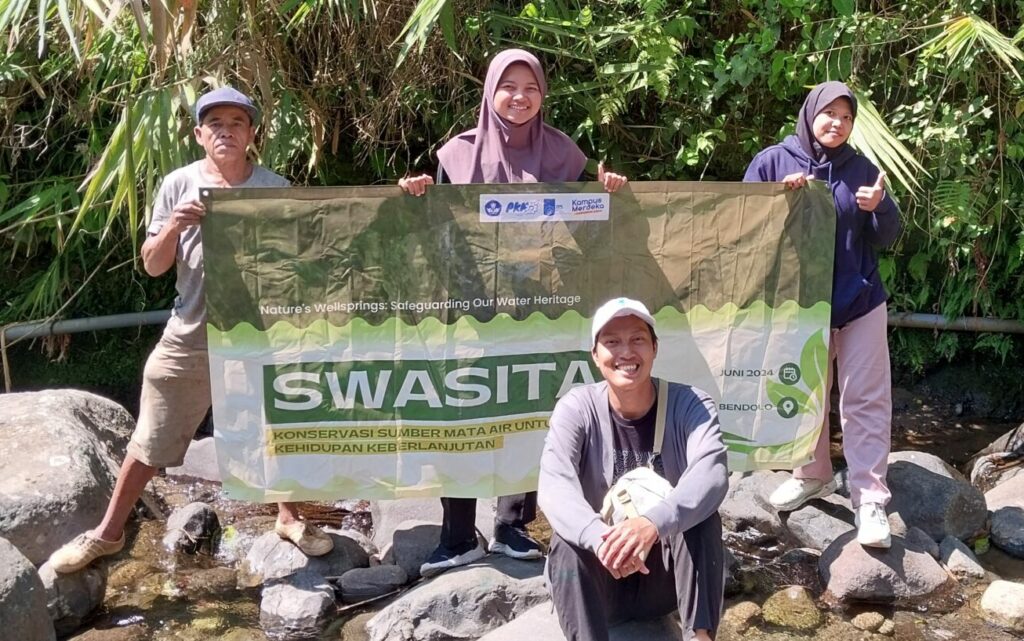
Activities included community discussions, planting 30 guava and avocado trees to enhance groundwater absorption, installing information boards and conservation signs, and mapping existing water sources. The team also provided environmental education to improve community awareness of the importance and potential of freshwater resources in their area.
Community Outreach on Sustainable Management of Fisheries, Aquaculture, and Tourism by ITS
ITS offers free educational programmes and community outreach activities that promote sustainable management of fisheries, aquaculture, and tourism for local and national communities.
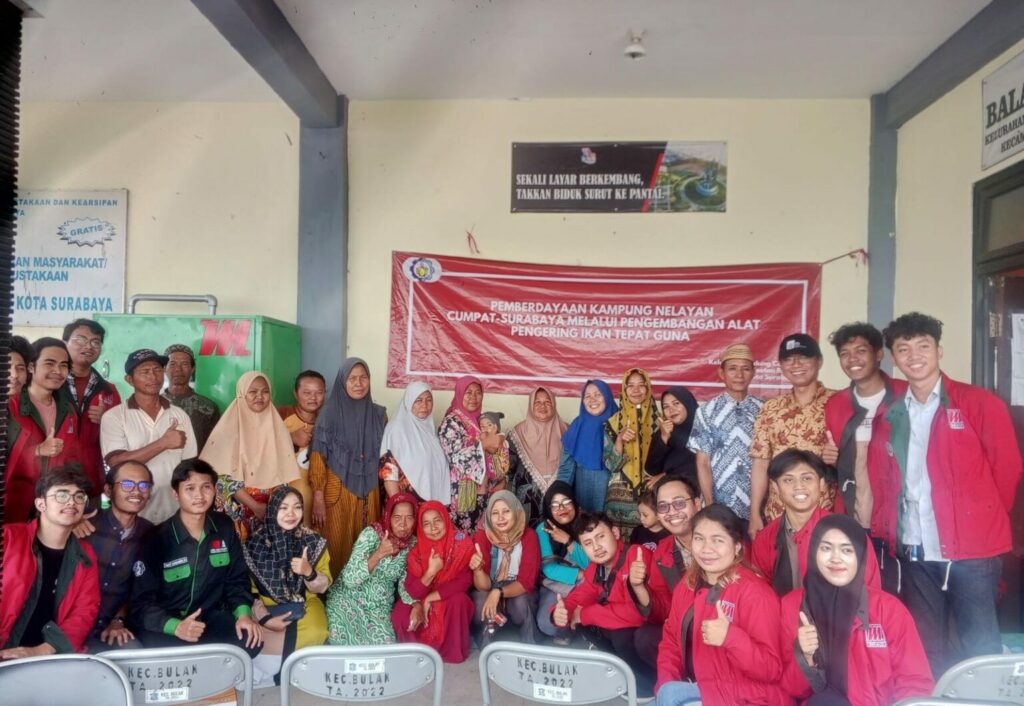
One of the KKN Abmas teams from the Department of Mechanical Engineering developed an innovative electric powered fish dryer for fishery communities in Desa Cumpat, Surabaya. Local residents, who primarily work as fish processors, have long relied on traditional sun-drying methods, which are often ineffective due to unpredictable weather. Under the supervision of Ir. Julendra B. Ariatedja, MT, the team designed a fish drying device that significantly reduces operational costs and carbon footprint by using electricity as a clean heating source.
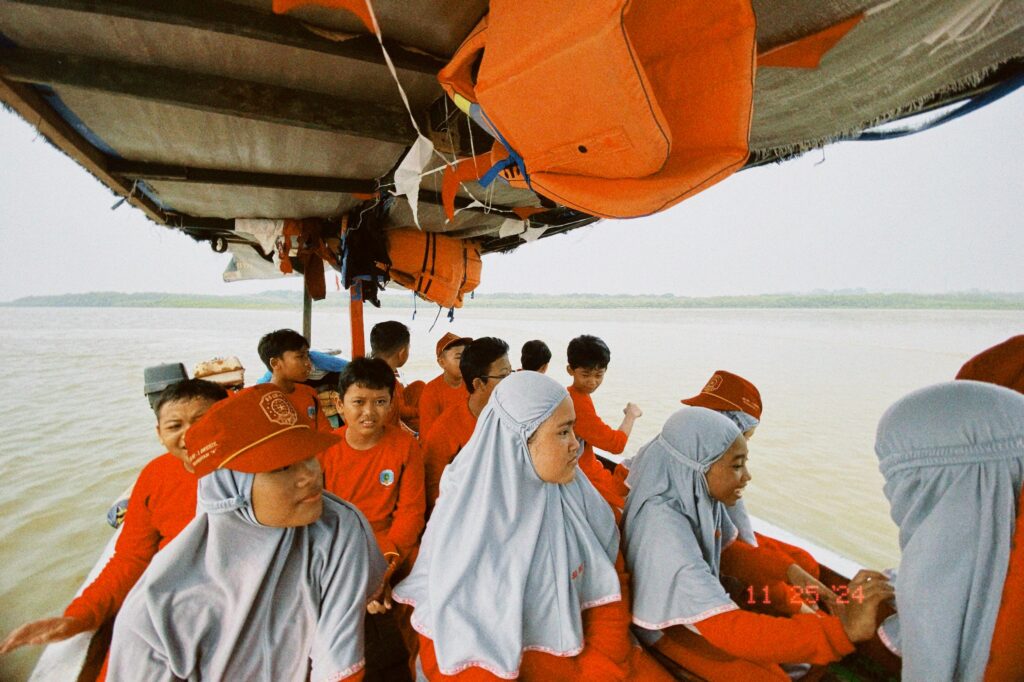
ITS also promotes marine education at the elementary school level. The Abmas team from the Department of Marine Engineering provided educational sessions for students at SD Nahdlatul Ulama 1 Trate Gresik, introducing them to maritime technology and ocean engineering to enhance awareness of marine ecosystem protection. This annual outreach activity, held since 2021, presents engaging demonstrations and innovative projects that inspire young learners.
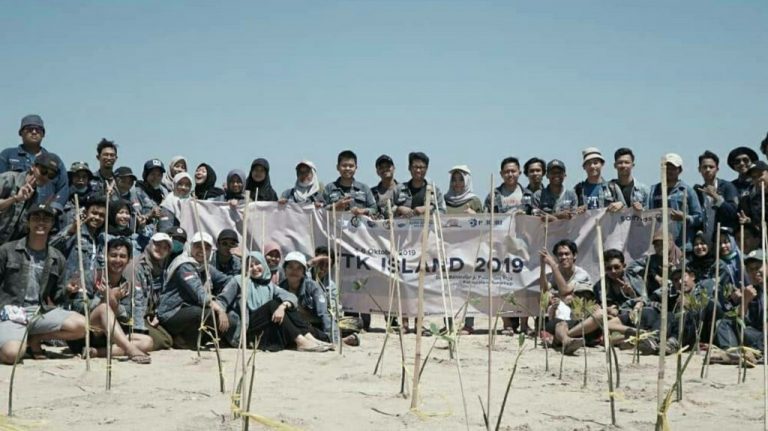
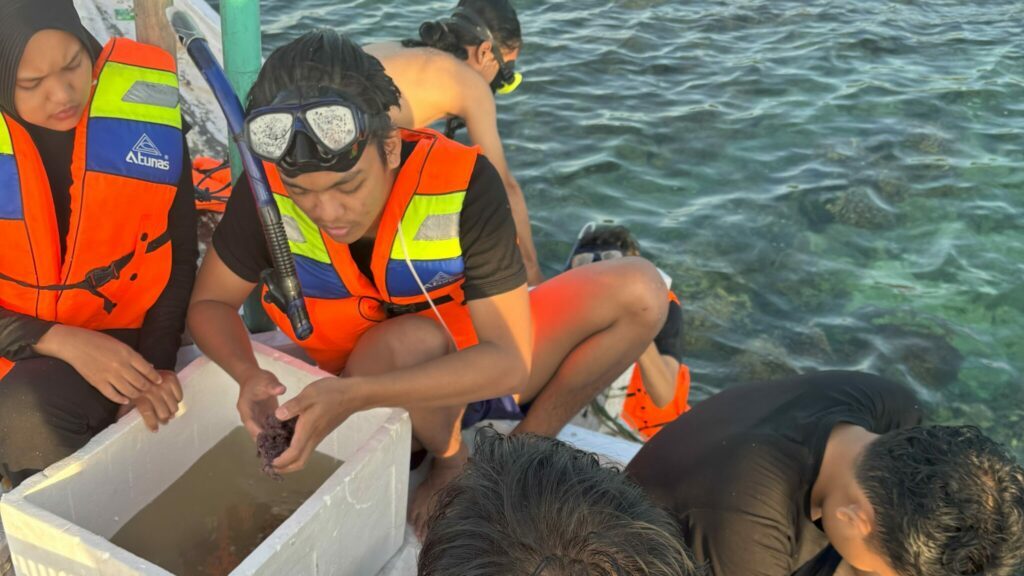
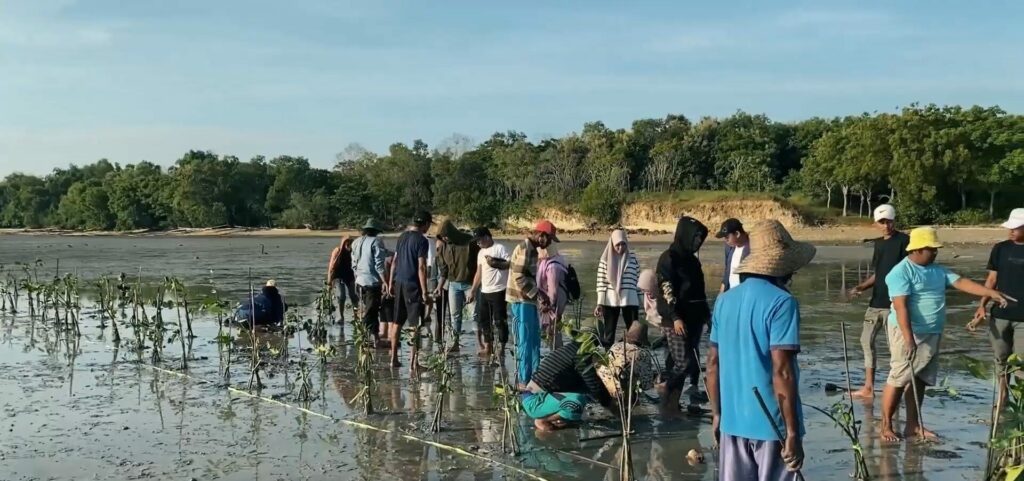
Furthermore, in supporting the sustainable management of tourism, the Abmas team in Bawean Island initiated several community based programs, including the planting of 150 mangrove seedlings, coral reef conservation and restoration, and training on tourism management and local MSME branding.
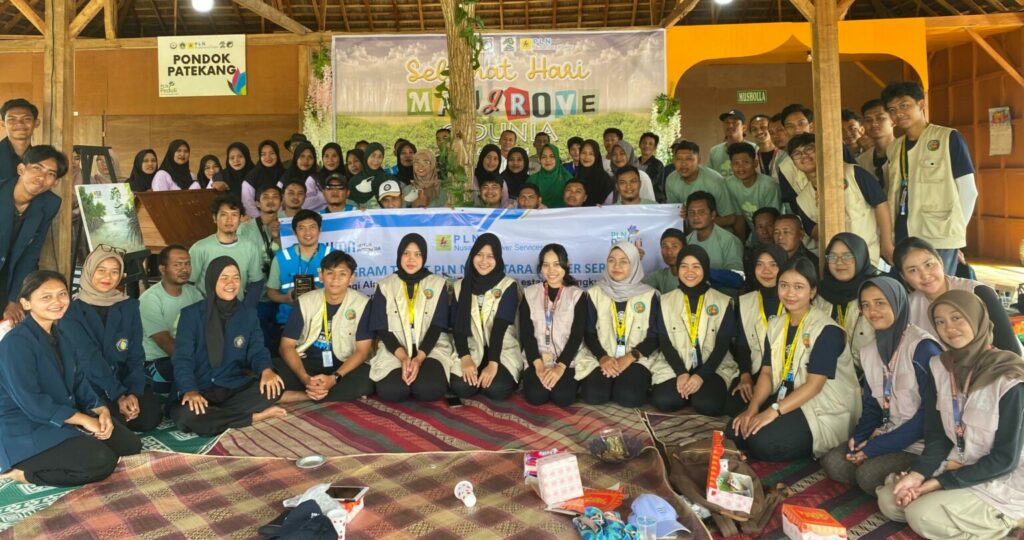
Additional activities included workshops on photography, tour guiding, and fish processing demonstrations, along with the installation of tourism signage and scenic boards. These programs aimed to empower Bawean residents to independently manage their natural resources and tourism potential in a sustainable manner.
Community Outreach on Preventing Overfishing and Promoting Sustainable Fishing Practices by ITS
ITS offers free educational outreach activities for local communities to raise awareness about overfishing. One such initiative was conducted by the Lampu Nusantara (Lamusa) Team from ITS, who developed an innovative product called Lamusa Bahari, designed to support fishermen’s productivity while promoting sustainable fishing practices. This innovation was introduced to fishing communities in Paciran Village, Lamongan Regency, where conventional fishing lights were found to consume excessive energy and increase operational costs.
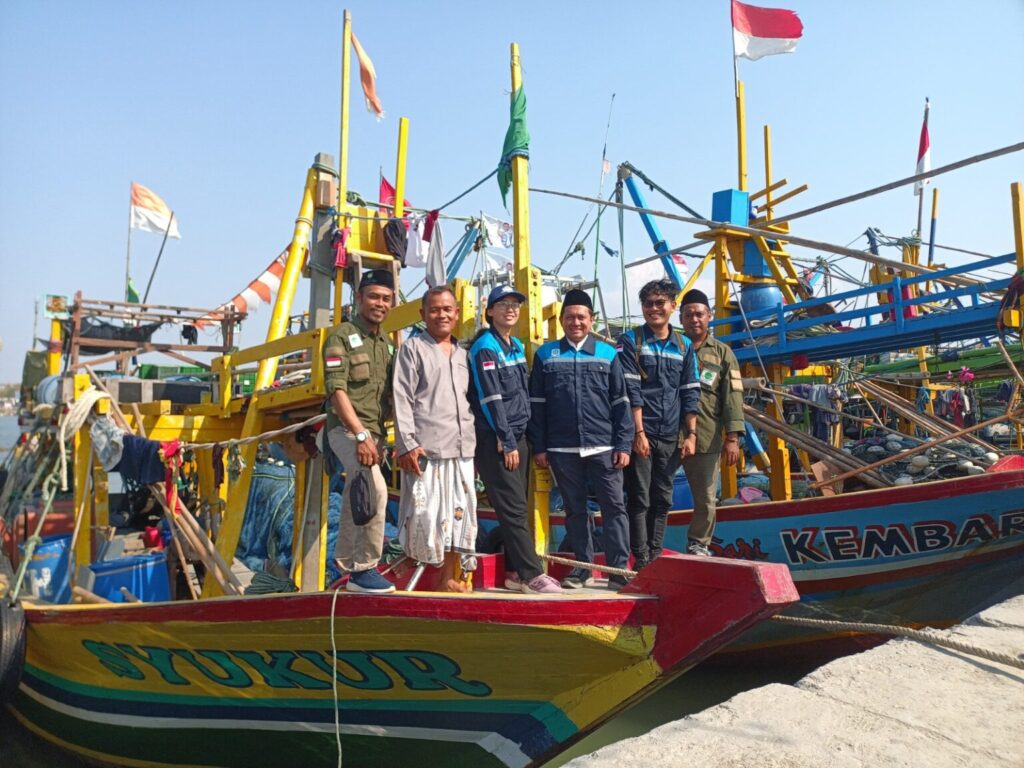
The Lamusa Bahari system provides an energy-efficient lighting solution that helps fishermen operate more sustainably and avoid overfishing and bycatch. Overfishing refers to excessive fish harvesting that threatens marine populations, while bycatch involves the unintended capture of non-target species. By optimizing light use and fishing efficiency, this innovation educates and encourages local fishermen to adopt responsible fishing behavior that reduces environmental impact.
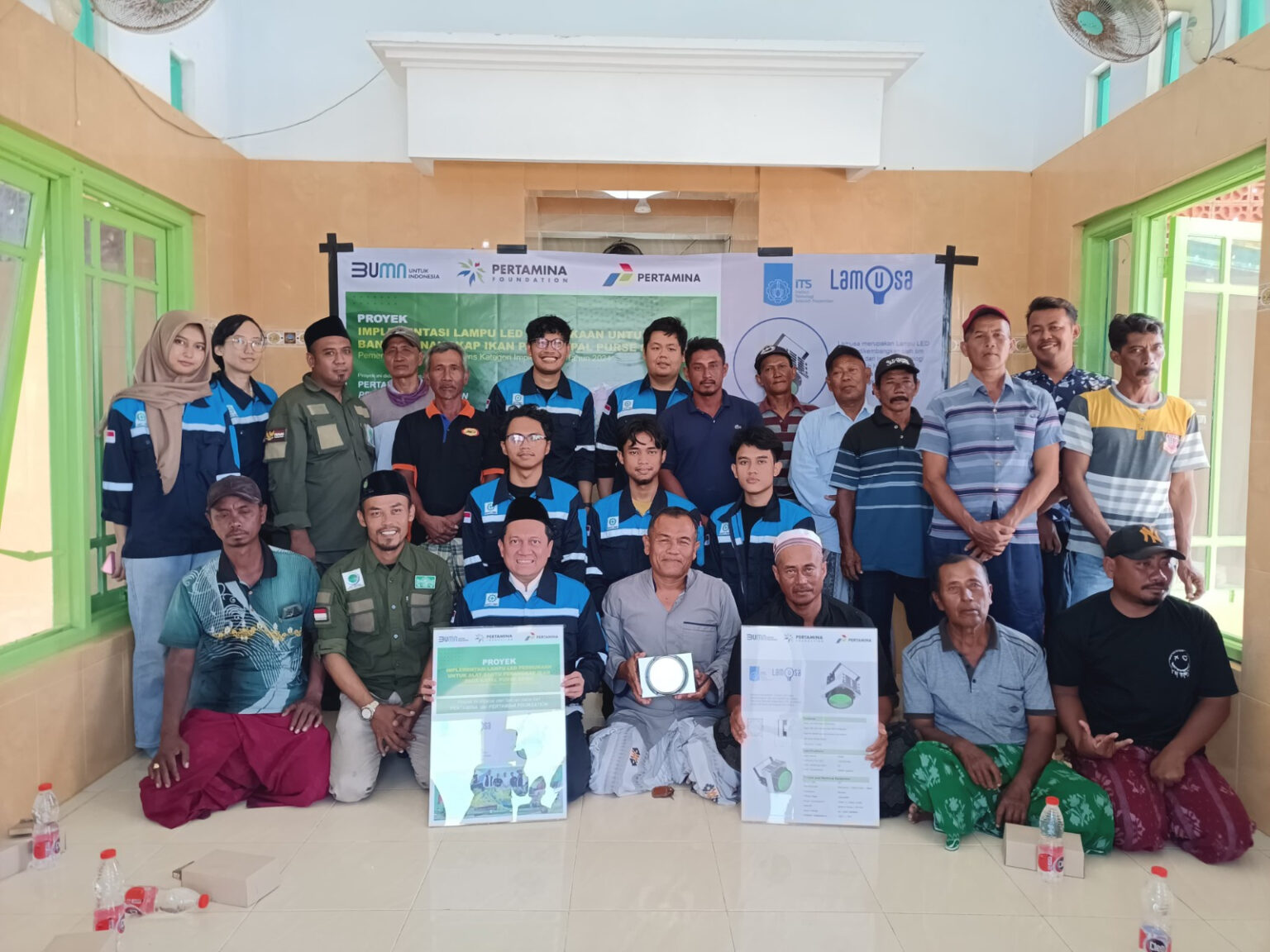
This initiative also received recognition and funding through the Pertamina Foundation Science (PF Science) 2024 program, a national competition that supports renewable energy and technological innovations for sustainability.
Supporting Aquatic Ecosystems through Action
ITS Champions Marine Sustainability through Collaboration and Innovation
ITS actively supports and organises various events aimed to promote conservation and sustainable utilisation of the oceans, seas, lakes, rivers and marine resources. In collaboration with PT Cargill Indonesia and Yayasan Elang Katulistiwa Adipavitra (YEKA), ITS held an environmental action to plant 16,000 mangrove seedlings and inaugurated the Mangrove Arboretum in Kalimireng, Gresik Regency. This event is part of the long term Mangrove Biru program, initiated in 2021 to enhance the population and diversity of mangrove ecosystems. The Arboretum serves as a living laboratory for observing mangrove species and as an educational medium to raise public awareness about coastal ecosystem preservation.
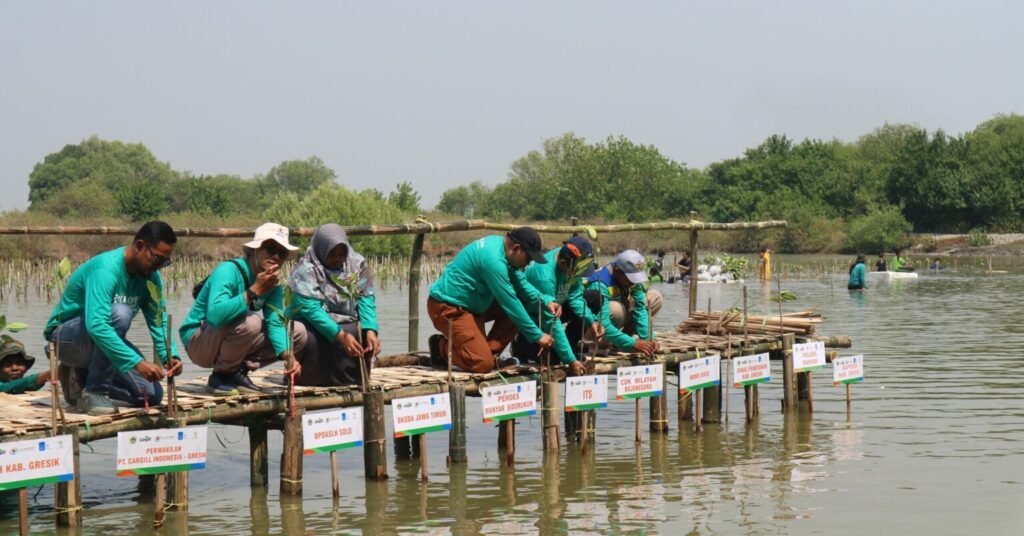
Supporting similar efforts, an Abmas KKN team from ITS organised another conservation event on Bawean Island, planting 150 mangrove seedlings in collaboration with PT PLN (Persero), the Environmental Agency of Gresik Regency, the Hijau Daun Community, and student volunteers from various universities. The team also carried out coral reef restoration and conducted community education activities to raise awareness of marine ecosystem sustainability.
Expanding its impact to a regional scale, ITS launched the SustainaBlue Program through the Department of Biology, aiming to establish the first Blue Sustainability Centre in Southeast Asia. This initiative, supported by the Erasmus+ Programme of the European Union, involves collaboration between four universities—ITS, Universitas Indonesia, University Malaysia Terengganu, and Universiti Sains Malaysia.
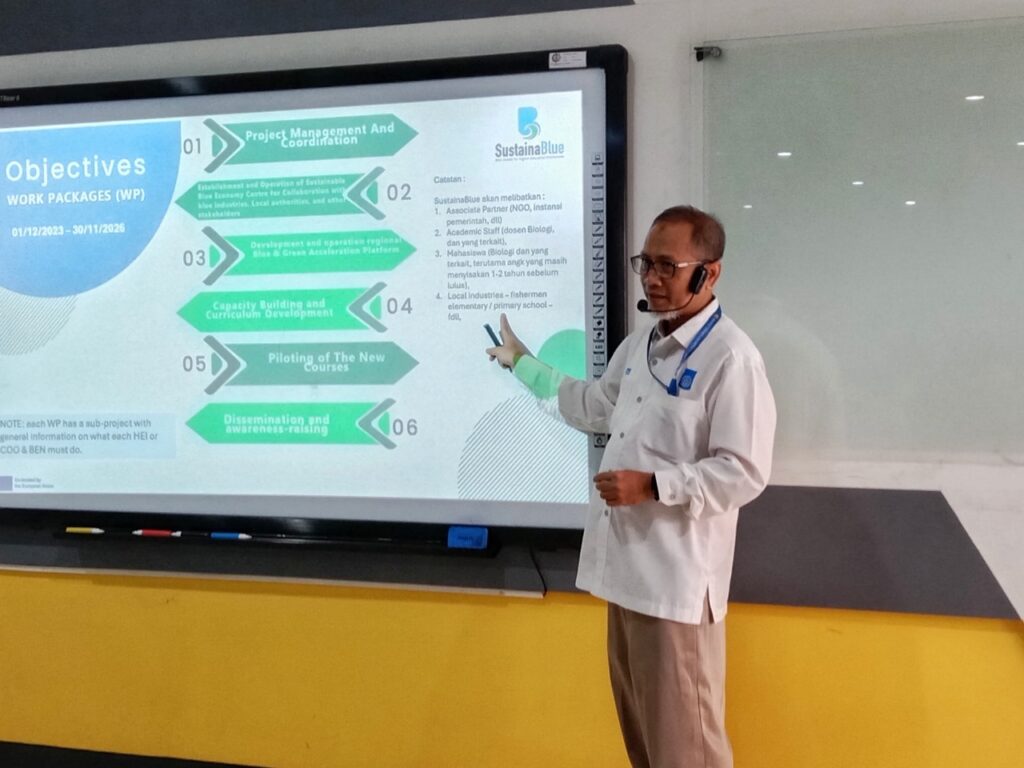
SustainaBlue focuses on optimising the management and coordination of maritime resources, developing blue economy centres, and creating blue-and-green innovation acceleration platforms to foster sustainable maritime development.
ITS Policies to Ensure Sustainable Sourcing of Food from Aquatic Ecosystems
ITS is committed to ensuring that food served on campus, including those originating from aquatic ecosystems, is sustainably harvested and responsibly managed. This commitment is stated in the Rector Circular Letter on ITS Commitment as a Green and Sustainable Campus, particularly under the Health Chapter, which highlights:
-
Encouraging the provision of environmentally friendly food and the management of campus canteens (point h).
-
Ensuring that food provided on campus uses agricultural products produced through good farming practices and animal based ingredients derived from livestock and fisheries activities that comply with ethical and sustainable standards (point i).
Furthermore, this commitment is implemented through the Standard Operating Procedure (SOP) for the ITS Central Canteen (Zona Kuliner Halal, Aman, dan Sehat – Zona KHAS). The SOP mandates that:
-
All food vendors (tenants) comply with hygiene, halal certification, and environmental sustainability standards.
-
Food suppliers and partners are prioritised based on compliance with halal and eco-sustainability requirements.
-
The use of eco-friendly and recyclable packaging materials is compulsory, promoting sustainable consumption and production patterns on campus.
Through these policies and operational standards, ITS actively integrates sustainability principles into its campus food system, ensuring that food derived from aquatic ecosystems is responsibly and ethically sourced.
ITS Direct Actions in Maintaining Ecosystems and Biodiversity through Research and Community Engagement
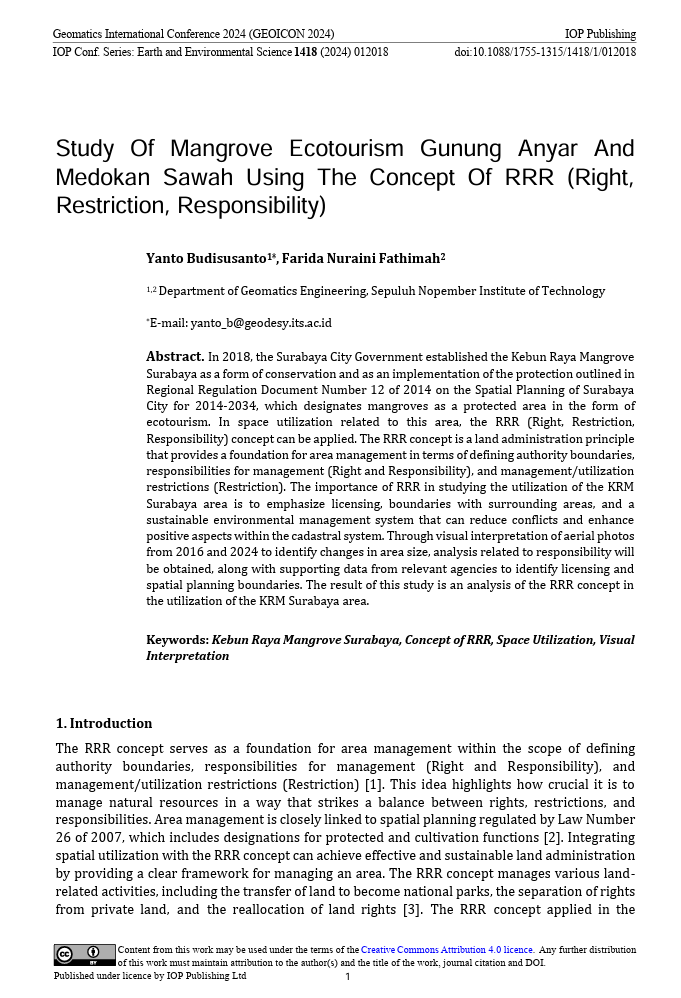
ITS is strongly committed to maintaining ecosystems and biodiversity through direct research, industrial collaboration, and community outreach. In 2024, ITS lecturer Yanto Budisusanto and his team conducted and published a study on Mangrove Ecotourism in Gunung Anyar and Medokan Sawah, Surabaya, aiming to assess land management rights, land use restrictions, and management responsibilities to ensure sustainable utilization of the Surabaya Mangrove Garden in accordance with spatial planning and conservation policies, using the RRR (Rights, Restrictions, Responsibility) concept.
In collaboration with PT Cargill Indonesia and Yayasan Elang Katulistiwa Adipavitra (YEKA), ITS also took direct action to expand the mangrove ecosystem by organizing the “16,000 Mangrove Seedlings Planting Program” and inaugurating the Mangrove Arboretum in Kalimireng, Gresik Regency. This initiative aims to restore and enhance the mangrove population and biodiversity along the coastal area.
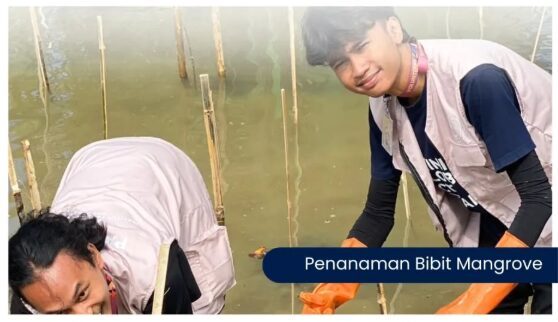
Furthermore, through its Community Service (KKN-PM) program, ITS students and lecturers carried out coral reef conservation and mangrove planting activities in Bawean Island, Gresik, involving local communities to preserve the island’s natural marine ecosystem, which faces pressure from increasing tourism activities.
These initiatives demonstrate ITS’s direct involvement in maintaining and extending ecosystems and biodiversity, particularly mangrove and coral reef ecosystems that are under threat, through research, industry collaboration, and hands-on environmental restoration programs.
ITS Develops Innovative Marine Technologies to Support Sustainable and Eco-Friendly Ocean Management
ITS as a leading technological university, actively contributes to developing technologies and practices that enable the marine industry to minimize or prevent damage to aquatic ecosystems. One example is the collaboration through the Matching Fund (MF) Kedaireka program between ITS and PT Adiluhung Sarana Segara Indonesia (ASSI), which resulted in the prototype of a Multi Purpose Floating Navigation Vehicle. This innovative device consists of six knock-down trapezoid pontoons equipped with marine renewable energy systems powered by solar and wind energy. The use of renewable energy replaces fossil fuel based power sources, thereby reducing potential water pollution and carbon emissions in the marine environment.
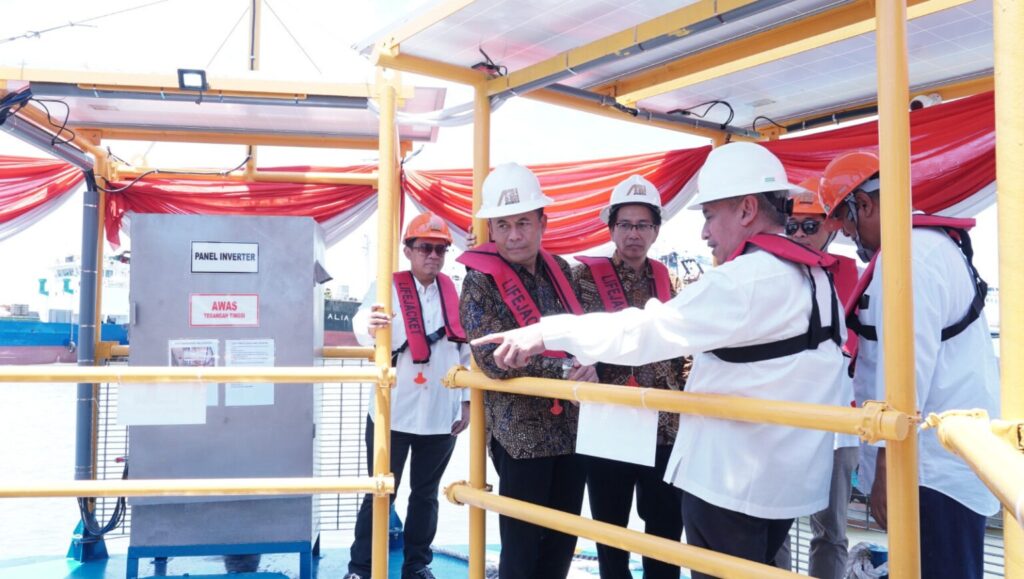
Another initiative was carried out through community outreach and data collection activities to develop the Dashboard for Maritime Defense and Security (Hankam) Management in the North Natuna Sea. The dashboard integrates models of national defense and security infrastructure and marine resource management. It aims to support effective, efficient, and environmentally sustainable maritime governance.
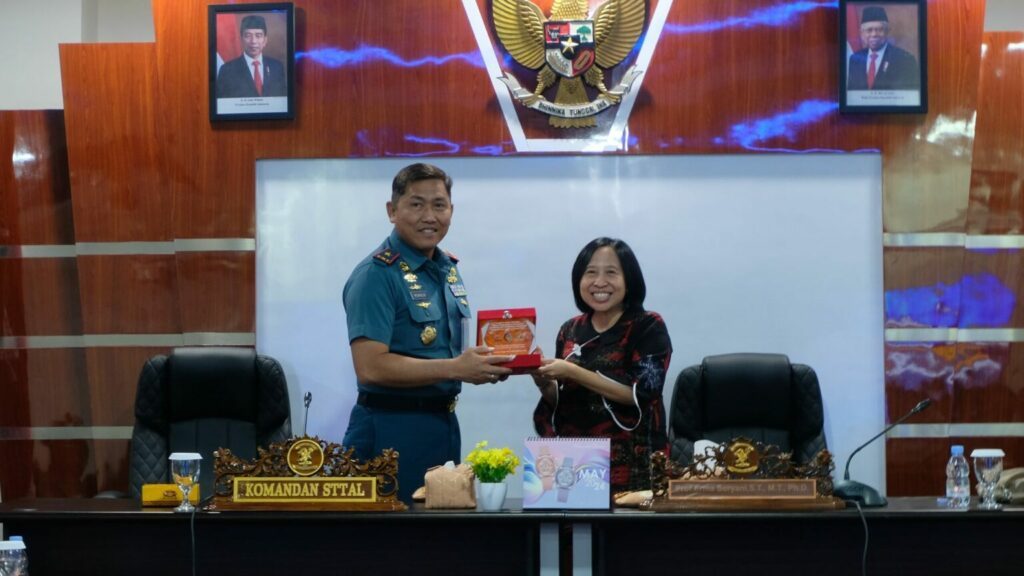
These innovations reflect ITS’s strong commitment to advancing marine technology while ensuring the protection and sustainability of aquatic ecosystems.
Water Sensitive Waste Disposal
ITS Water Discharge Standards and Guidelines to Protect Ecosystems and Public Health
ITS demonstrates a strong commitment to upholding water quality to protect ecosystems, wildlife, and human health and welfare through the establishment of water quality standards and discharge management guidelines. This commitment is stated in the Rector Circular Letter on ITS Commitment as a Green and Sustainable Campus, specifically in Chapter 7 (Water Management) and Chapter 8 (Waste Management).
In Chapter 7 – Water Management, ITS promotes responsible and sustainable water use by:
- Encouraging a culture of clean water conservation (point a).
- Implementing water-saving technologies across campus facilities (point b).
- Treating and recycling wastewater through sustainable water management systems (point c).
- Reusing recycled water for plant irrigation, toilet flushing, and general cleaning (point d).
- Utilizing rainwater harvesting as an alternative water source (point e).
- Conserving water through optimizing campus reservoirs and lakes for rainwater storage and flood control (point f).
Meanwhile, Chapter 8 – Waste Management outlines ITS’s standards and guidelines to prevent water pollution by:
- Preventing contamination of surface water, rivers, and marine bodies (point l).
- Managing hazardous and toxic waste (B3) in accordance with environmental regulations (point m).
- Ensuring sustainable wastewater treatment (point n).
The implementation of these policies is reflected in ITS’s Wastewater Treatment Plant, which employs Anaerobic Baffled Reactors (ABR) and simple treatment systems such as grease traps and sedimentation ponds.

Several examples include:
- Wastewater from urinals, washbasins, and floor drains in the Rectorate Building and Research Center Building is treated through IPAL and reused for toilet flushing.
- Organic wastewater from laboratory activities is managed through IPAL units at the Department of Chemistry and Department of Environmental Engineering.
- Ablution wastewater from the Manarul Ilmi Mosque is collected, aerated, and reused for watering plants and fish ponds.
- Ablution wastewater at the Department of Mechanical Engineering is stored in collection ponds and reused for plant irrigation.
- Wastewater from the central canteen is treated using an ABR system located behind the facility.
ITS Action Plan to Reduce Plastic Waste through Sustainable Campus Policies
ITS demonstrates its strong commitment to becoming a sustainable campus through concrete actions and policies to reduce plastic waste in campus operations. This commitment is clearly outlined in the Rector Circular Letter on ITS Commitment as a Green and Sustainable Campus, particularly in Chapter 8 – Waste Management.
The university has established clear action points to reduce plastic and single-use materials, including:
- Promoting waste management based on the 3R principles (Reduce, Reuse, Recycle) through waste segregation at source, minimizing waste generation, recycling, and reusing campus waste (point a).
- Minimizing the use of single-use materials, especially plastic and/or paper, in procurement and purchasing activities, and extending this policy to third parties and suppliers operating within the campus environment (point b).
- Reducing the use of plastic-based single-use bags, food containers, and drink packaging in both on-campus and off-campus events (point c).
- Providing refillable water dispensers and washable reusable cups in workspaces, meeting rooms, halls, and auditoriums to reduce the use of bottled water and plastic cups (point d).
- Reducing the use of plastic-based banners, backdrops, and other promotional media for meetings, training sessions, and socialization events (point e).
This commitment is further implemented through the Standard Operating Procedure (SOP) of the ITS Central Canteen for Sustainable Canteen Management under the Zona Kuliner Halal, Aman, dan Sehat (Zona KHAS) program. In Chapter II – Policy and Procedures, the canteen enforces policies requiring:
- All canteen tenants to reduce plastic and single-use material usage while maintaining halal certification, hygiene, and health standards (point 1).
- Suppliers and partners to comply with the same standards by minimizing packaging and encouraging bulk or eco-friendly packaging (point 3).
In Chapter III – Implementation and Review, the SOP also ensures:
- The inclusion of plastic reduction clauses in all tenant contracts to align with ITS’s commitment to providing halal, clean, and healthy food services (point 1).
- The extension of plastic minimization requirements to all suppliers, who must provide products with minimal or environmentally friendly packaging (point 2).
ITS Policy on Preventing and Reducing Marine Pollution
ITS is highly concerned about the sustainability of aquatic ecosystems by preventing and reducing marine pollution of all kinds, particularly those originating from land-based activities. This commitment is detailed in the Rector Circular Letter to ITS Commitment as a Green and Sustainable Campus No. 9665/1T2/T/TU.00.08/V/2024.
Chapter 7 – Water Management
- Carrying out water treatment and recycling efforts through sustainable wastewater management (point c).
- Utilizing recycled water for plant irrigation, toilet flushing, and general campus cleaning purposes (point d).
- Harvesting rainwater as an alternative water source (point e).
- Implementing water conservation measures by optimizing reservoirs and ponds as rainwater storage and flood control systems within the campus area (point f).
Chapter 8 – Waste Management
- Encouraging waste management initiatives that reduce residual waste from campus activities through the 3R principles (Reduce, Reuse, Recycle), including waste segregation at the source, reduction of waste accumulation, recycling, and reusing materials (point a).
- Implementing measures to minimize the use of single-use materials, especially plastics and/or paper, in procurement and purchases, and extending this policy to third parties and suppliers within the campus environment (point b).
- Reducing the use of single-use plastic bags, food containers, and beverage packaging for both on-campus and off-campus activities (point c).
- Managing and monitoring environmental quality in accordance with applicable regulations (point k).
- Preventing pollution of water bodies, rivers, and the sea (point l).
- Managing hazardous and toxic waste (B3) in an environmentally responsible manner and in compliance with regulations (point m).
- Implementing sustainable wastewater management practices (point n).
Chapter 10 – Protection of Terrestrial and Marine Ecosystems
- Considering ecosystem sustainability impacts in campus development activities (point a).
- Enhancing the role of the university in managing vulnerable ecosystems such as wetlands, mangroves, and peatlands (point d).
- Promoting research and educational activities focused on aquatic ecosystems to preserve lakes and ponds within the campus area (point h).
Maintaining a Local Ecosystem
ITS Plan to Minimize Alteration of Aquatic Ecosystems through Sustainable Wastewater Management
ITS has developed a comprehensive plan to minimize physical, chemical, and biological alterations of aquatic ecosystems through the implementation of the Standard Operating Procedure (SOP) for Wastewater Treatment Installation (IPAL).
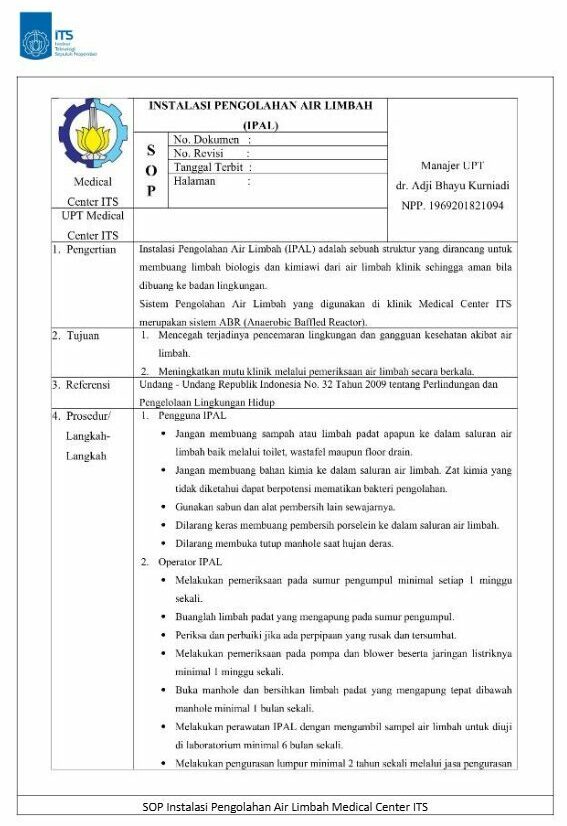
The IPAL system is designed to treat biological and chemical waste from campus activities to ensure that discharged water is safe for the environment. The treatment process is carried out through Anaerobic Baffled Reactor (ABR) systems or simpler installations using grease traps and sedimentation ponds. These systems help reduce pollutants and enable water reuse within the campus. Several examples of IPAL implementation at ITS include:
- Wastewater from urinals, sinks, and floor drains in the ITS Rectorate Building is processed through an IPAL system and reused for toilet flushing.
- Wastewater from urinals, sinks, and floor drains in the ITS Research Center Building is also treated through an IPAL system and reused for toilet flushing.
- Organic wastewater from laboratory activities in the Department of Chemistry and the Department of Environmental Engineering is treated through specialized IPAL facilities.
- Ablution wastewater at Manarul Ilmi Mosque is processed in storage and aeration ponds, then reused for watering plants and supplying fish ponds.
- Ablution wastewater from the Department of Mechanical Engineering is collected in storage ponds and reused for plant irrigation.
- Wastewater from the central canteen area is treated using an ABR-type IPAL located behind the canteen building.
Furthermore, the Rector Circular Letter to ITS Commitment as a Green and Sustainable Campus No. 9665/1T2/T/TU.00.08/V/2024 reinforces this commitment through several specific directives:
Chapter 7 – Water Management
- Carrying out water treatment and recycling through sustainable wastewater management (point c).
- Harvesting rainwater as an alternative water source (point e).
- Implementing water conservation efforts by optimizing reservoirs and ponds as rainwater storage and flood control systems within the campus area (point f).
Chapter 8 – Waste Management
- Managing and monitoring environmental quality in accordance with existing regulations (point k).
- Preventing pollution of water bodies, rivers, and seas (point l).
- Implementing sustainable wastewater management practices (point n).
Chapter 10 – Protection of Terrestrial and Marine Ecosystems
- Considering ecosystem sustainability impacts in campus development activities (point a).
- Enhancing the role of ITS in managing vulnerable ecosystems such as wetlands, mangroves, and peatlands (point d).
- Promoting research and educational activities focused on aquatic ecosystems to preserve lakes and ponds within the campus area (point h).
- Carrying out conservation efforts and maintaining the quality of natural ecosystems (point i).
ITS Initiatives to Monitor the Health of Aquatic Ecosystems
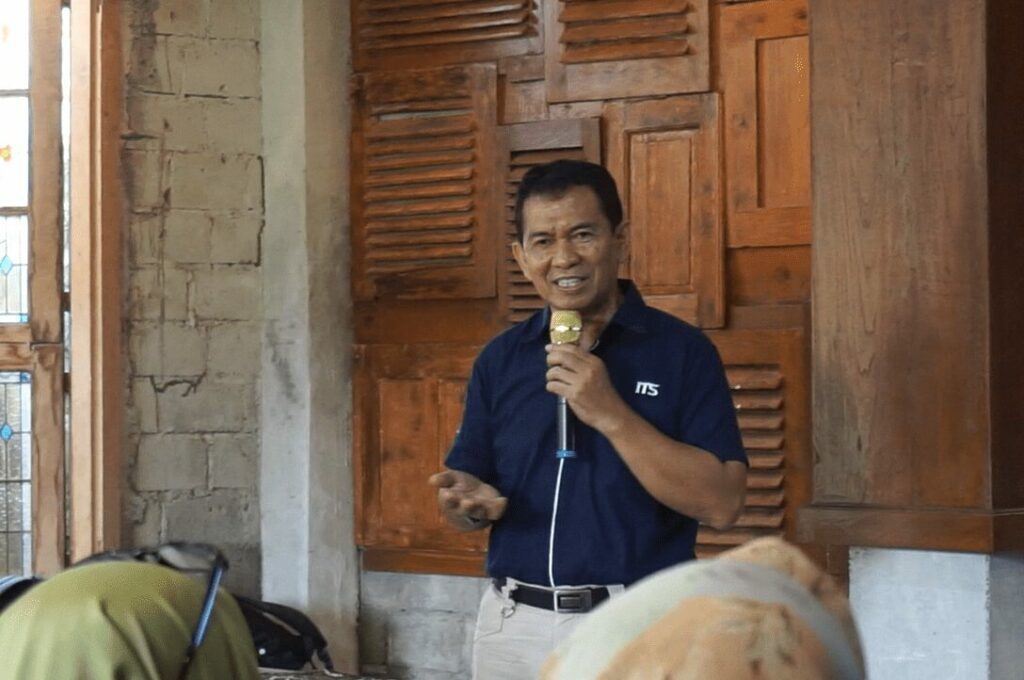
ITS demonstrates its commitment to protecting aquatic ecosystems through initiatives that monitor the health and quality of aquatic environments. One such effort is the development of an Internet of Things (IoT)-based water quality monitoring device by the ITS Community Service (KKN Abmas) team in Dusun Kajar, Batu City. The device is equipped with multiple sensors to assess key parameters such as total dissolved solids, temperature, pH, turbidity, ammonia levels, salinity, and dissolved oxygen. This innovation enables continuous and data-driven monitoring of aquatic ecosystem health, particularly in aquaculture ponds.
Another initiative was conducted by the ITS Abmas team in Pulau Panggang, Kepulauan Seribu, where the team carried out environmental surveys and water sampling to evaluate the marine water quality used by local coastal communities. The assessment included measuring domestic waste levels and other parameters affecting water health.
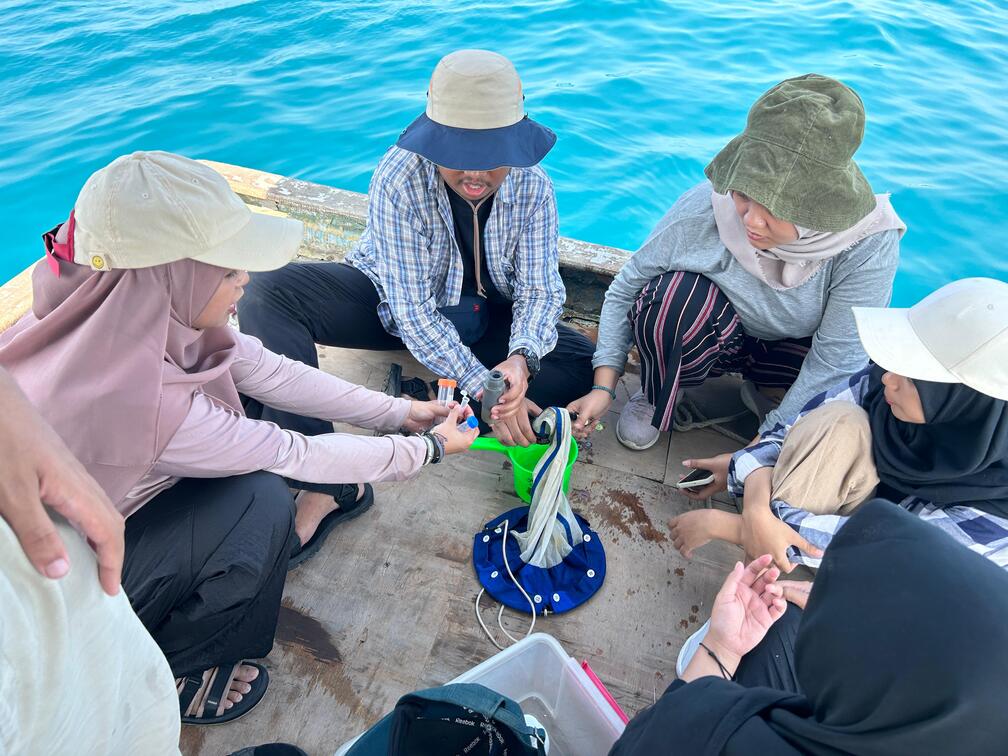
Based on the survey findings, the team also designed a wastewater treatment installation (IPAL) and waste bank system to improve local waste and water management. These proactive actions received highly positive responses from the residents, reflecting the community’s growing awareness of maintaining sustainable aquatic environments.
ITS Initiatives to Promote Good Aquatic Stewardship Practices
ITS actively develops and supports programs that encourage and maintain good aquatic stewardship practices. This commitment is strongly reflected in the establishment of the Sustainable Blue Economy Center (SBEC) at ITS, which serves as a hub for promoting marine sustainability and integrated resource management. The center collaborates with ten strategic partners, including government agencies, universities, communities, and private sectors, to address marine resource challenges through education, research, and innovation.
Furthermore, ITS collaborated with PT Cargill Indonesia and the Elang Katulistiwa Adipavitra Foundation (YEKA) to organize a mangrove planting campaign involving 16,000 mangrove seedlings and the inauguration of a Mangrove Arboretum. This initiative, part of the ongoing Blue Mangrove Program launched in 2021, aims to preserve coastal ecosystems and provide a space for observing various mangrove species.
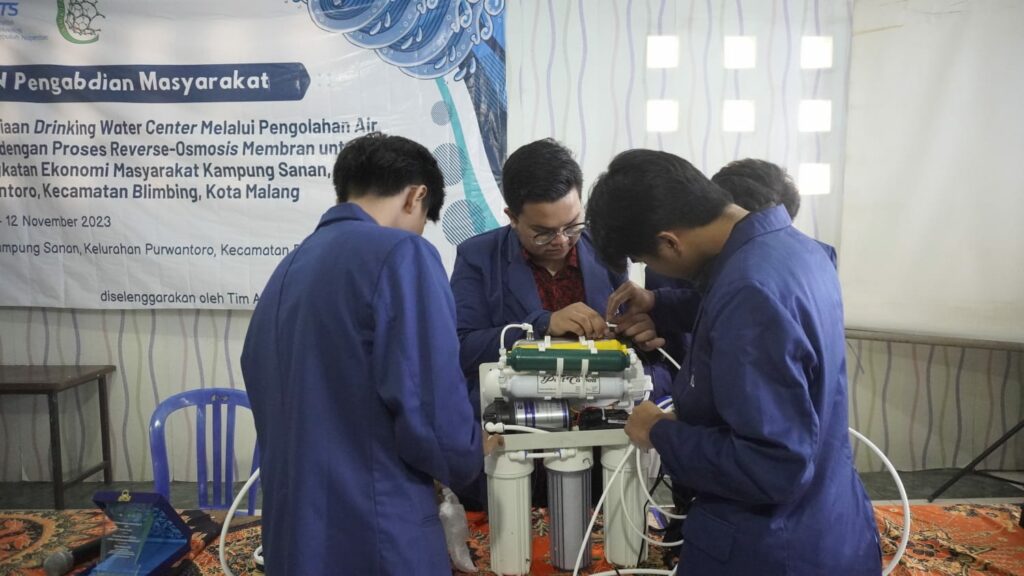
In addition, the ITS Community Service (KKN Abmas) team introduced a Reverse Osmosis (RO) membrane-based water treatment system in Sanan Edu-tourism Village, Malang. This innovation improves water quality and ensures the sustainable availability of clean water, reflecting ITS’s continued efforts to promote responsible aquatic resource management and stewardship.
Collaboration with Local Communities to Maintain Shared Aquatic Ecosystems
ITS collaborates with local communities to maintain and protect shared aquatic ecosystems. In partnership with Wiraraja University and local residents of Padike Village, Sumenep, ITS students carried out a mangrove planting activity involving 500 mangrove seedlings along the coastal area. This collaborative effort aimed to reduce coastal abrasion and protect the community from high tides and sea waves. The activity also included environmental education and monitoring sessions to raise public awareness of coastal conservation.
In addition, ITS worked with the coastal community of Kutorejo, Tuban, to promote sustainable wastewater management. Through its Community Service program, ITS provided education on wastewater treatment using a domestic wastewater treatment installation (IPAL). This initiative, which has also been implemented for IPAL managers across Tuban Regency, helps strengthen community capacity in managing clean water and maintaining the health of local aquatic ecosystems.
Sustainable Watershed Management for Environmental and Disaster Resilience
The Research Center Infrastructure and Sustainable Environment, under the Directorate of Research and Community Service ITS has developed a roadmap focusing on Natural Resource Management and Conservation, which includes the management of watershed areas (DAS) as one of its key programs. This initiative supports sustainable ecosystem management by integrating environmental, hydrological, and biodiversity aspects tailored to local watershed characteristics.
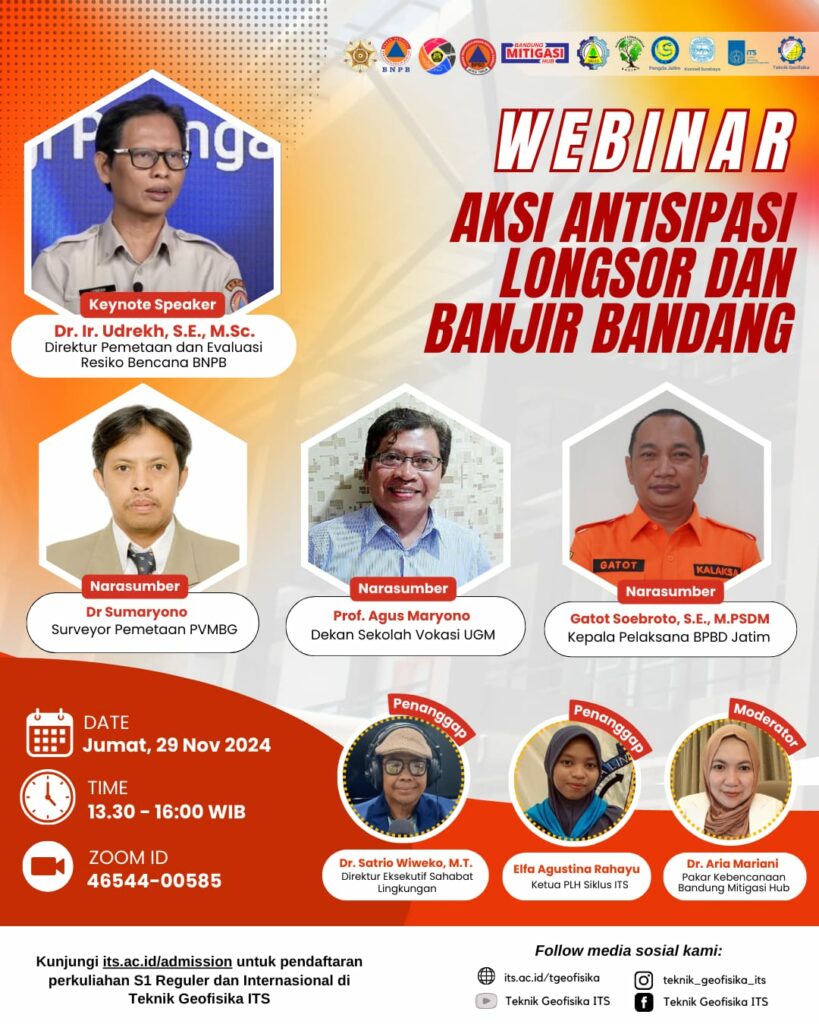
In addition, the Department of Geophysical Engineering ITS, in collaboration with UGM, PVMBG, BNPB, BPBD, BMH, Saling, and SIKLUS, organized a webinar titled “Action for Anticipating Landslides and Flash Floods”. The webinar discussed Indonesia’s high hydrometeorological disaster risks and emphasized the importance of watershed typology understanding, river flow mapping, and inter-agency collaboration to manage high-risk watershed areas effectively. These activities demonstrate ITS’s commitment to promoting watershed management strategies that consider both disaster risk reduction and environmental sustainability.