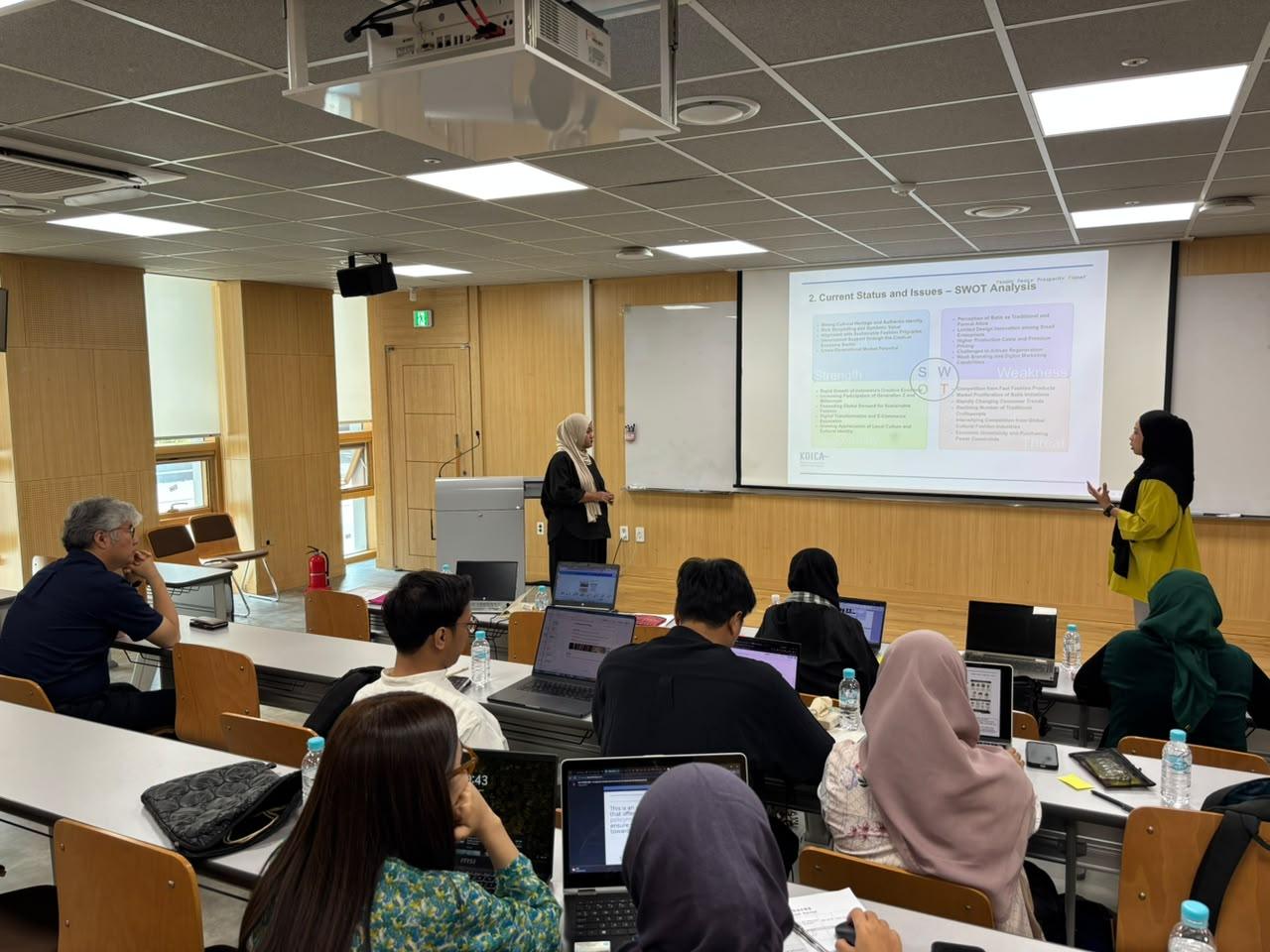
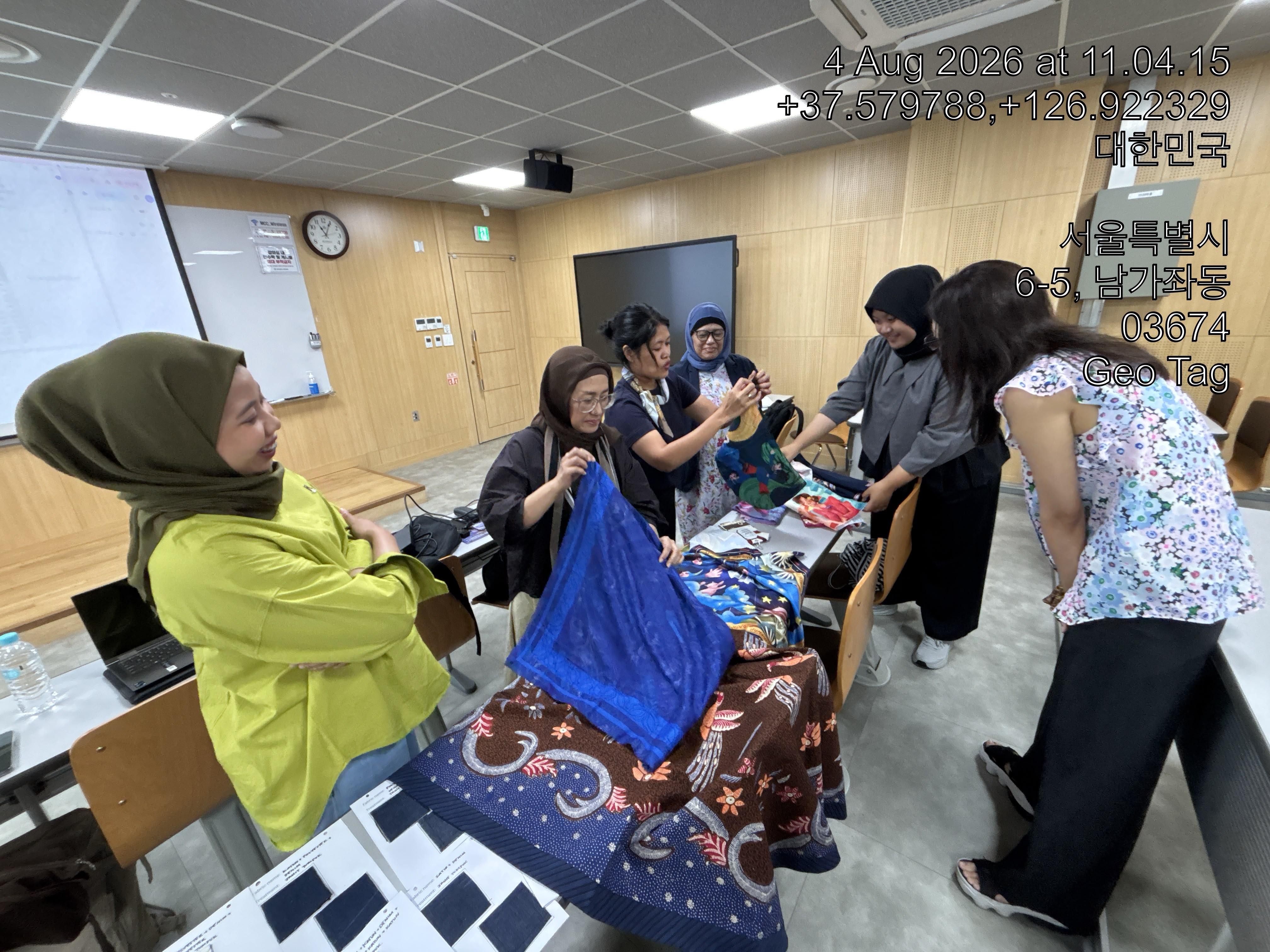
Nurul Idzi Lutvi Putri, S.Ds., M.MT., as the team leader, presented the ongoing collaborative project to initiate further development and joint implementation with international partners.
Seoul, ITS News — Institut Teknologi Sepuluh Nopember (ITS) has expanded its global network through a bridging programme between ITS, under the STP Creative Industries Cluster in the field of Sustainable Fashion & Technology Innovation Hub, and the Higher Education Technology Innovation (HETI) programme of the Asian Development Bank (ADB). The programme, entitled “AI Driven Fashion Innovation and Business Development” was conducted on-site at Myongji University, Seoul, from 2 to 9 August 2026.
The programme was organised by HETI-ADB through the Creative Industries Cluster STP, in collaboration with the Research Institute of Sustainable Technology Innovation (RISTI) from South Korea as the facilitating partner. The activities comprised a series of discussion sessions, hands-on laboratory practices, industry site visits, and specialised sessions with university and industry partners in South Korea.
The ITS delegation comprised five faculty members: Dr. Eri Naharani Ustazah, S.T., M.Ds. and Irna Arlianti, S.T., M.Ds. from the Product Design Department; Nurul Idzi Lutvi Putri, S.Ds., M.MT. from the Product Design Department, serving as the team leader; Dr. Putri Dwitasari, S.T., M.Ds. from the Visual Communication Design Department; and Dr. Anggri Indraprasti, S.Sn., M.Ds. from the Interior Design Department.
The programme was designed to achieve several targeted outcomes, including the translation of materials, patterns, and cultural textiles into sustainable fashion design. Furthermore, the initiative aimed to establish strategic partnerships through the signing of Memoranda of Understanding (MoUs) with prospective universities in South Korea.
Several follow-up actions have been identified, including the initiation of joint research and international publications among participating institutions, as well as the facilitation of reciprocal guest lectures and academic knowledge exchange. The integration of project outcomes into undergraduate and postgraduate curricula, along with the showcasing of collaborative achievements through a joint exhibition and official project launch, are also planned.
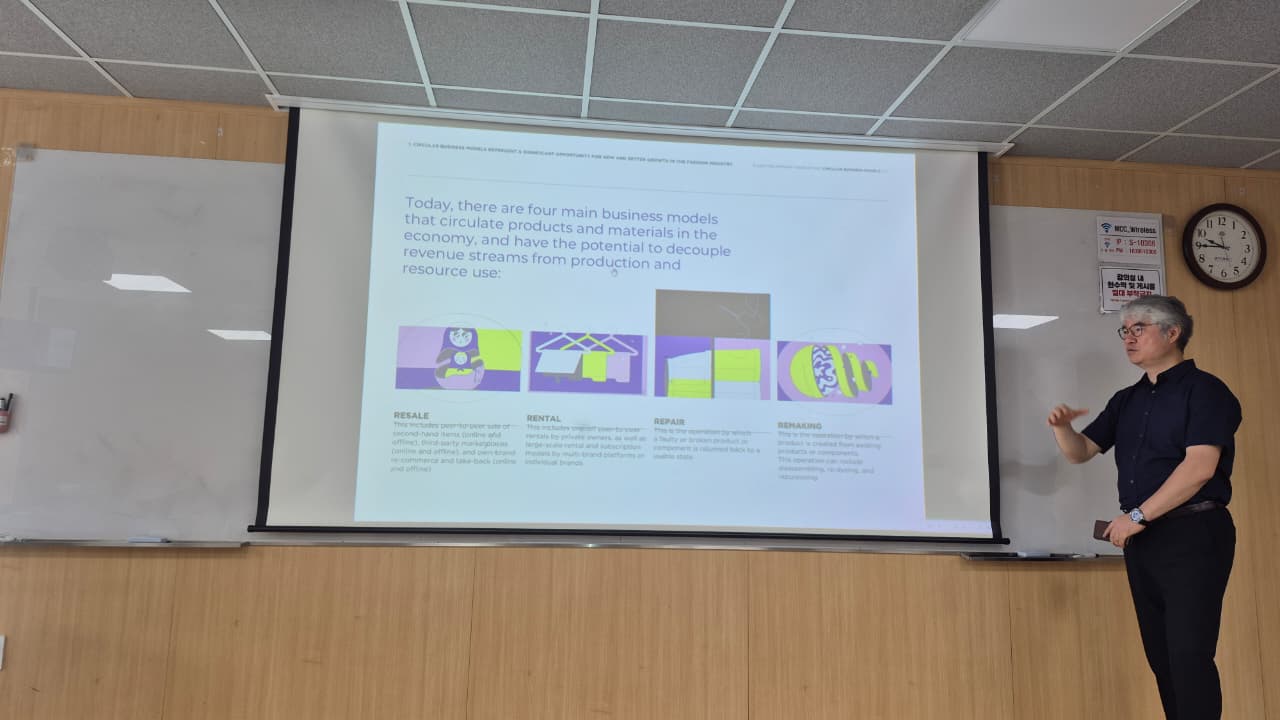
Dr. Woosung Lee, CEO of RISTI, delivered a keynote session on leveraging artificial intelligence to enable a circular fashion economy in support of sustainable development.
The first session featured Dr. Woosung Lee, CEO of RISTI, who delivered a presentation entitled “AI Empowers Circular Fashion Economy for Sustainable Development.” The second session was conducted by Dr. Che Jinsuk, who addressed “Artificial Intelligence with Art and Fashion Design,” while Prof. Kim Sookjin from Sejong University also contributed to the academic enrichment sessions throughout the program.
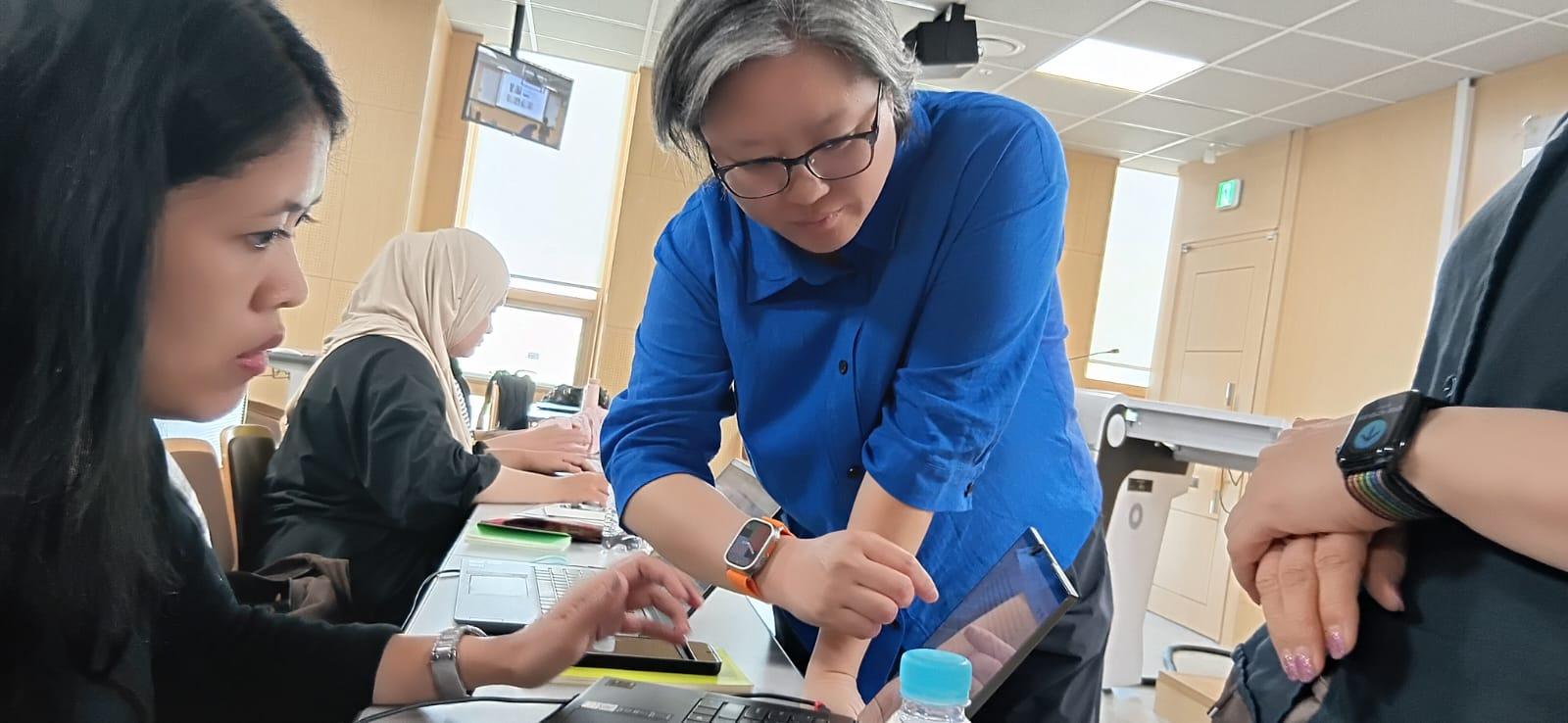
Prof. Park Ye-won from Yonsei University delivered a sharing session on sustainable fashion materials and AI-enhanced design with the ITS delegation at Myongji University, Seoul.
An additional session was presented by Prof. Park Ye-won from Yonsei University, who addressed “Sustainable Fashion Materials and Textile Science,” followed by a session on “AI-Enhanced Material Selection and Generative Design & Styling AI in Fashion Design,” complemented by a hands-on workshop utilising CLO 3D and Browzwear digital fashion tools. These sessions provided participants with practical exposure to advanced digital design technologies and sustainable material selection methodologies.
This international collaboration directly supports ITS’s strategic efforts to enhance its global reputation and competitiveness in world university rankings. The establishment of joint research initiatives and international publications contributes positively for Academic Reputation and International Research Network.
Dr. Che Jinsuk conducted a session examining the integration of artificial intelligence technologies in the creative processes of art and fashion design.
Furthermore, the program’s focus on sustainable fashion and circular economy principles aligns with the United Nations Sustainable Development Goals (SDGs), particularly SDG 9 (Industry, Innovation and Infrastructure), SDG 12 (Responsible Consumption and Production), and SDG 17 (Partnerships for the Goals). Through this initiative, ITS demonstrates its commitment to advancing sustainable development while strengthening its position as a world-class university on the international stage.