Seoul, ITS News — ITS delegation from HETI-ADB Bridging Program “Sustainable Fashion & Technology Innovation Hub” strengthened its international network through a series of strategic visits to leading institutions across Seoul, including Seoul Fashion Hub, Sejong University, Musinsa, and CLO. These visits, conducted on 5 August 2026, aimed to explore opportunities for academic collaboration, industry partnerships, and curriculum development in sustainable fashion and digital technology.
Five faculty members from ITS Faculty of Creative Design and Digital Business comprised this delegation: Dr. Eri Naharani Ustazah, S.T., M.Ds., Irna Arlianti, S.T., M.Ds., Nurul Idzi Lutvi Putri, S.Ds., M.MT., Dr. Putri Dwitasari, S.T., M.Ds., and Dr. Anggri Indraprasti, S.Sn., M.Ds. They visited Seoul Fashion Hub located within Dongdaemun Design Plaza (DDP) Fashion Mall complex, a government-affiliated institution connecting start-ups, designers, and industries for collaboration, where Lee Hye-In, Center Director of Seoul Fashion Hub, received them.
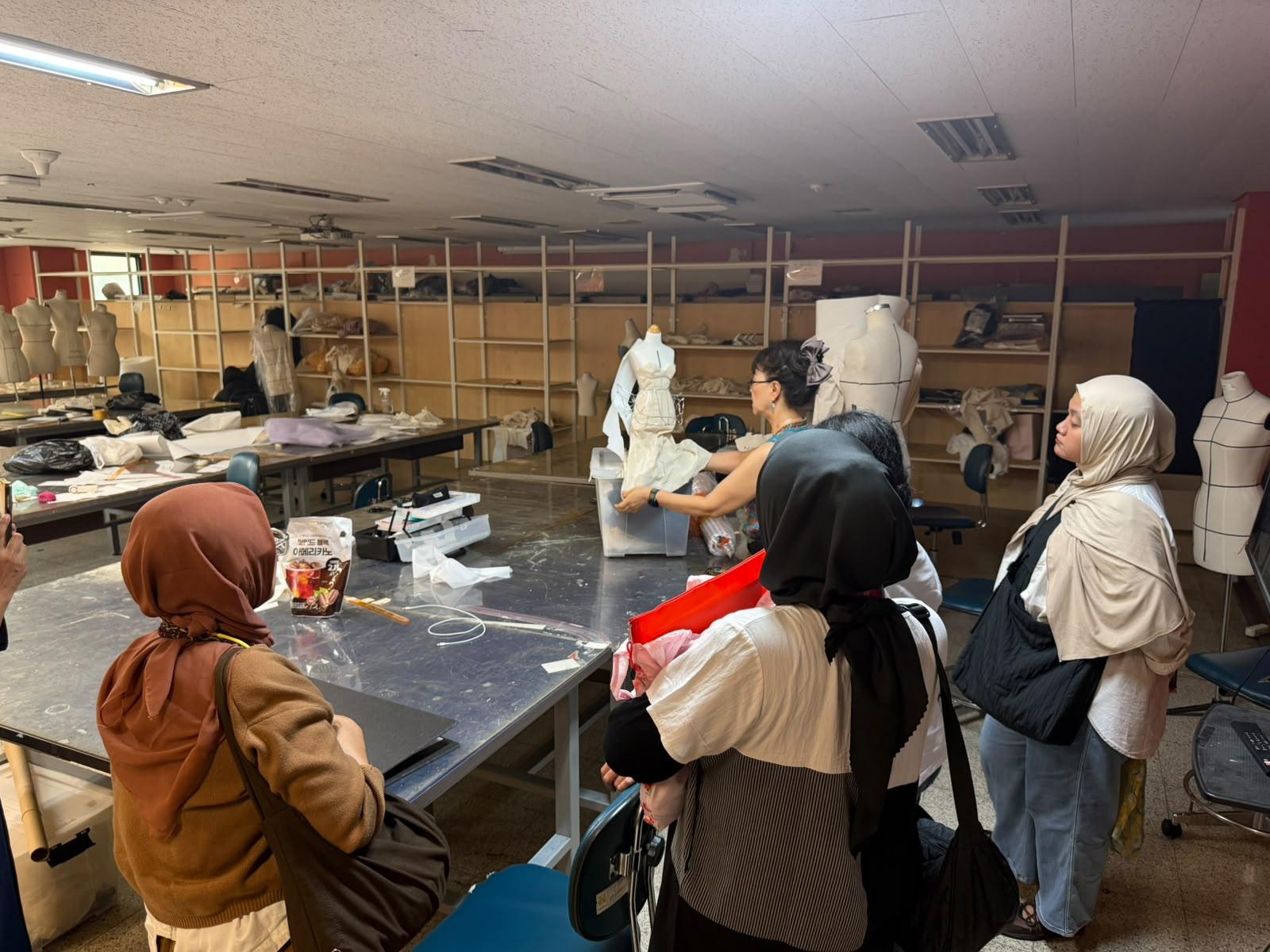
ITS team studied how innovation and technology intersect with market demands while adapting production capabilities within a circular system. Seoul Fashion Hub serves as a foundational entity in creative economy sector’s efforts to raise awareness of design value in products and services accessible to public.
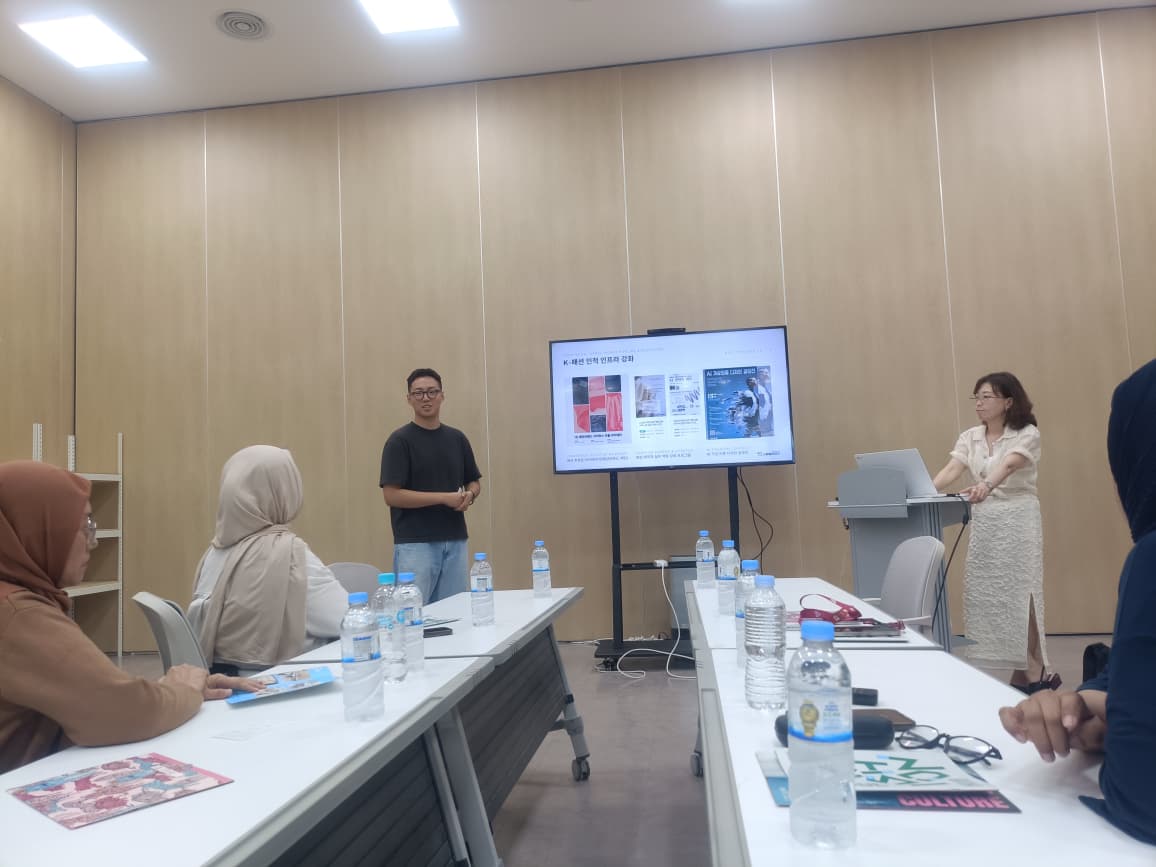
ITS delegation also visited Sejong University to initiate teaching and research collaborations supporting ITS’s QS World-Class University (WCU) advancement. Prof. Kim Sook Jin and Dr. Jinsuk Che from Fashion Design Department, along with Erik Cho, International Partnerships Manager, received team and discussed potential cooperation areas.
Discussions encompassed research initiatives related to sustainable fashion and technology, as well as exploring various collaboration forms including joint research, academic exchange, and curriculum development.
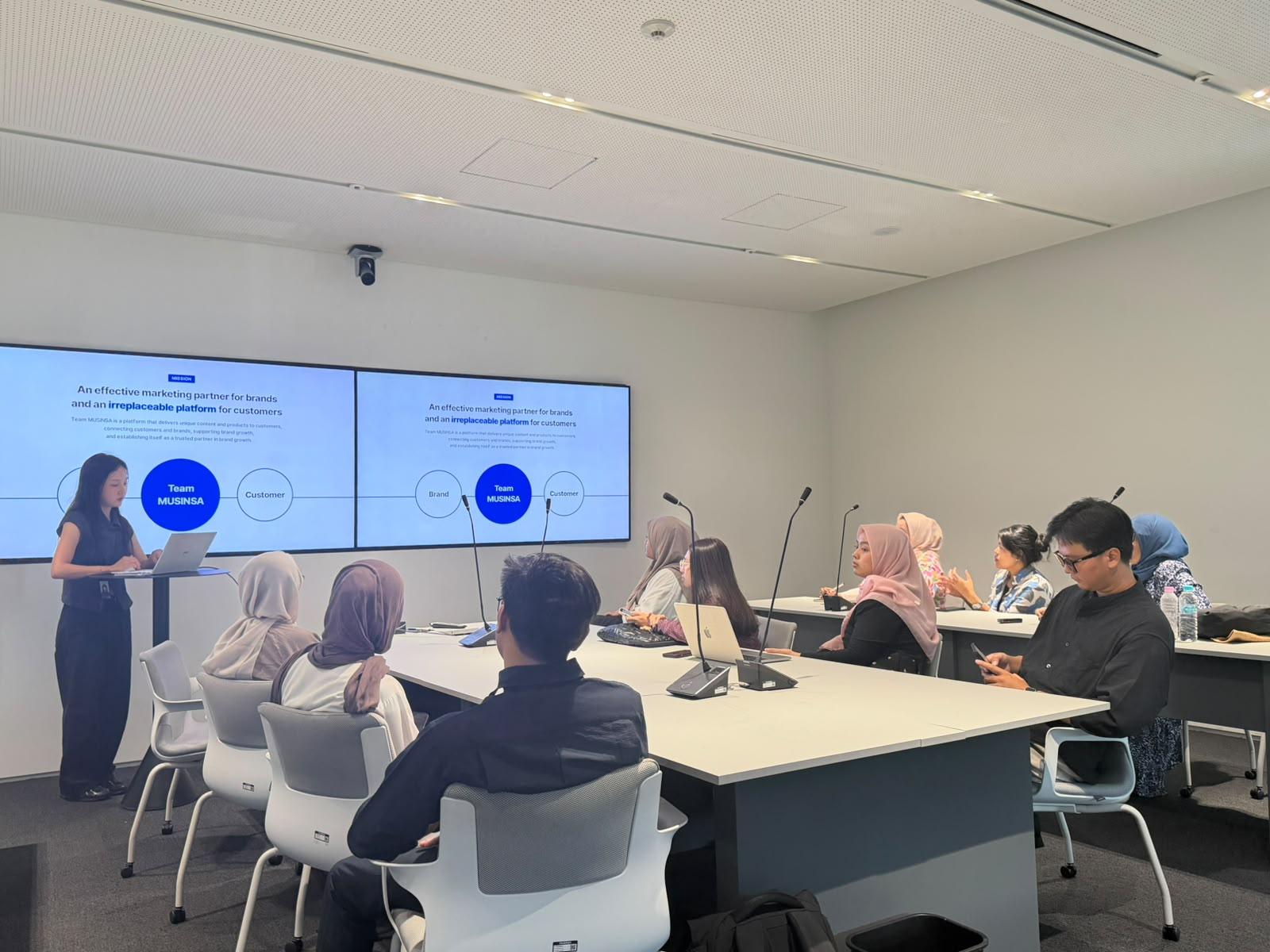
On the same day, ITS delegation visited Musinsa Office in Gangnam District, where Environmental Campaign & Branding Strategist received them. Musinsa presented how their fashion and beauty platform encompasses various Korean brands, elevating fashion to a higher level through diverse business models including Musinsa Standard, Musinsa Trading, Musinsa Logistics, and Musinsa Partners.
ITS delegation identified opportunities for integrating these insights into curriculum through courses related to design implementation in start-up management and business. They also explored possibilities for short courses for students and collaborative partnerships in bringing innovation and technology.
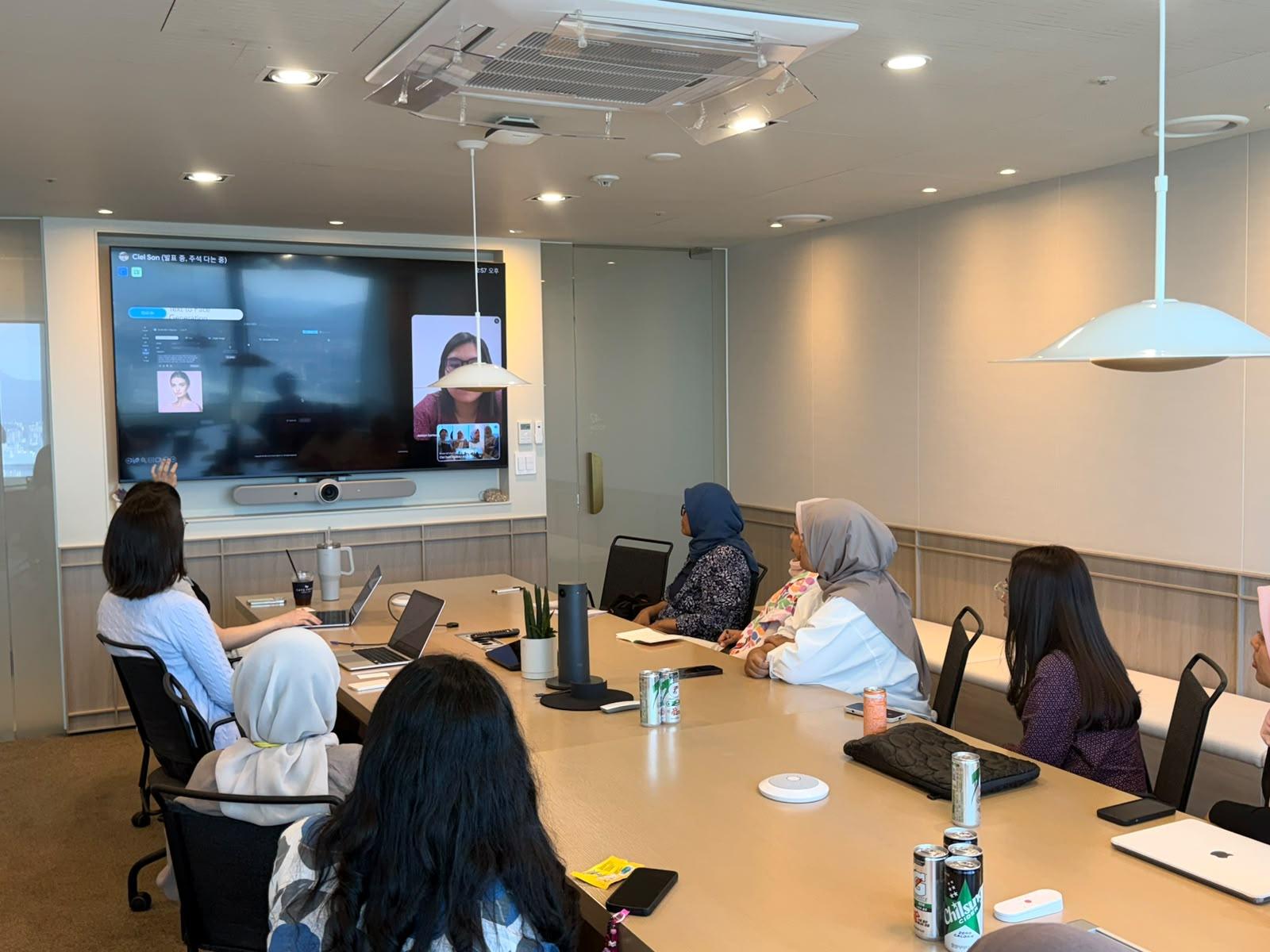
ITS delegation also visited CLO, a 3D fashion software company headquartered in Seoul. Ciel Son, Business Development Manager of CLO Korea, received them in person, alongside Jesslyn Santosa, Business Development Manager of CLO Indonesia, who participated online.
ITS and CLO discussed initiating collaboration under Academic Partners framework, wherein CLO offers various activities including curriculum integration, technical training, student portfolio development, and digital showcase support. Supported by AI services, CLO provides various features enabling designers to simulate design concepts, operational product usage by human models, exhibition video production, and digital simulation of material properties in fabric media. Discussions also explored potential collaborations in bringing innovation and technology.
This series of visits to Seoul Fashion Hub, Sejong University, Musinsa, and CLO demonstrates ITS’s commitment to strengthening international partnerships across academic, industry, and government sectors. Establishing joint research and teaching collaborations with Sejong University contributes positively to ITS’s international reputation and research network as assessed by QS World University Rankings.
Program’s alignment with sustainable fashion and circular economy principles reinforces ITS’s contributions to United Nations Sustainable Development Goals (SDGs), particularly SDG 9 (Industry, Innovation and Infrastructure), SDG 12 (Responsible Consumption and Production), and SDG 17 (Partnerships for the Goals). Through these strategic engagements, ITS continues advancing its position as a world-class university committed to sustainable development and global academic excellence.