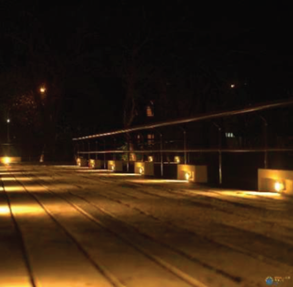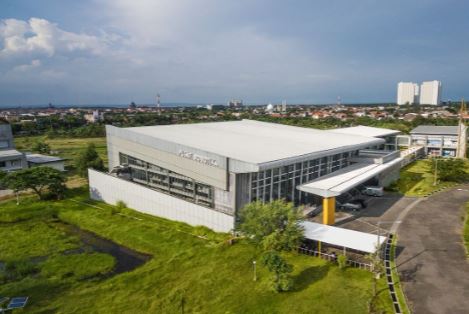
“Cities and communities must themselves be sustainable. More and more of the world’s population lives in urban centres, and this is often the home of our universities too. Cities can be places of great innovation and opportunity, but they can also be home to intense poverty and inequality. The interaction between universities and their communities, urban and rural, needs to be a positive one that can last for generations.”
(THE Impact Rankings)
SDG 11: SUSTAINABLE CITIES AND COMMUNITIES
Support of Arts and Heritage
Sustainable Tourism and Heritage by ITS
ITS plays an active role in protecting and promoting Indonesia’s cultural and natural heritage while ensuring public accessibility. Through community-driven projects such as the revitalization of Kampung Wisata Peneleh and the collaborative development of Geopark Ijen, ITS empowers local residents to take part in conserving and managing their heritage landscapes. These initiatives not only preserve cultural identity but also create new educational and tourism opportunities for the broader public. Additionally, ITS supports the promotion of river-based tourism in Kejawan and the sustainable revitalization of historical areas to strengthen cultural awareness and community pride. By combining academic expertise, community engagement, and sustainable design principles, ITS demonstrates a strong commitment to support arts and heritage. Through these efforts, ITS ensures that heritage conservation becomes a collective, inclusive, and educational experience, accessible to everyone and beneficial to both people and the environment.

The PKM-RSH ITS team with respondents at the Sadengan Savanna Site, Ijen Geopark Area.
Full Articles:
- Pentingnya Pelestarian Cagar Budaya Surabaya di Mata Pakar Perkotaan ITS
- ITS Berupaya Tingkatkan Eksistensi Wisata Susur Sungai Kejawan
- KKN Abmas ITS Kembangkan Kawasan Wisata Taman Bumi
- ITS Dorong Pelestarian Nilai Sejarah Dalam Pembangunan Pariwisata Berkelanjutan
- Dorong Potensi Wisata, ITS Bantu Revitalisasi Sumber Mata Air
- ITS Kembangkan Potensi Wisata dan UMKM Desa di Lamongan
- Mahasiswa ITS Rumuskan Strategi Pemulihan Kampung Wisata Peneleh
- Dukung Pengembangan Geopark Ijen, ITS Rumuskan Bentuk Partisipasi Masyarakat
Expanding Public Access to Knowledge

Elementary school students during their visit to the ITS Migas Corner located inside the ITS Library
ITS continues to broaden public access to scientific and educational resources through innovative library initiatives. In collaboration with the Department of Information Technology, the ITS Library hosted a scientific publication lecture that introduced students and lecturers to high-quality e-resources such as IEEE Xplore, ACM Digital Library, and Science Direct. Participants were also encouraged to explore AI tools like ChatGPT, Elicit, and Perplexity to enhance their research and writing processes. This initiative strengthens information literacy and empowers the academic community to utilize digital platforms for more productive and inclusive scientific engagement.
Beyond the academic sphere, ITS promotes early literacy and public access through community outreach. As part of a thematic KKN (community service) program, ITS students invited elementary school children to explore the ITS Library, introducing them to reading corners, digital catalogs, and interactive learning spaces. This activity not only familiarized young learners with library facilities but also fostered curiosity and a love for reading from an early age. By opening its doors to the wider community, ITS ensures that its educational infrastructure supports inclusive learning and contributes to long-term literacy development.
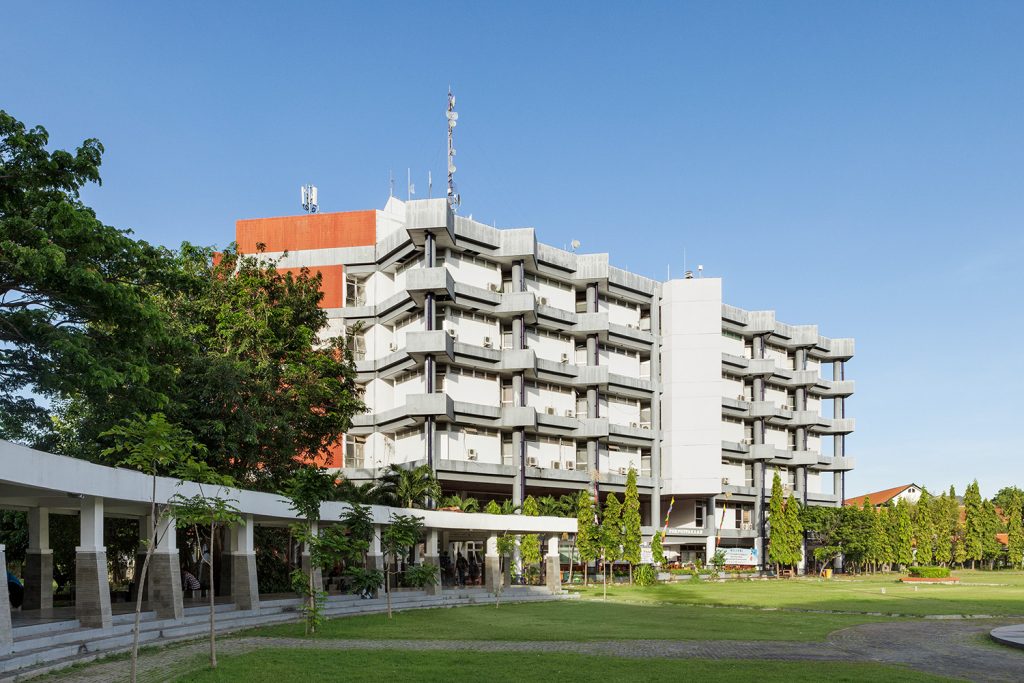
ITS Showcases Innovation for All

One of the participant groups at NTU INSPIRASI is presenting their innovation-themed project to exhibition visitors
ITS actively promotes public access to innovation and global collaboration through its participation in the NTU-Inspirasi Exhibition, held at Nanyang Technological University, Singapore. Targeting international academia, industry, and the general public, ITS presented a range of innovative solutions addressing global challenges such as climate change, renewable energy, and sustainable mobility. The exhibition served as a platform to share ITS’s research outputs and community-based innovations, making them accessible to a wider audience beyond Indonesia. This initiative reflects ITS’s commitment to inclusive knowledge dissemination and its role as a global contributor to sustainable development.
In this international collaboration, ITS partnered with NTU Singapore and the Indonesian Embassy in Singapore to strengthen academic diplomacy and cross-border innovation exchange. The showcased projects—developed by ITS researchers and students—highlighted the university’s ability to translate academic excellence into real-world impact. By opening its innovations to public view and fostering dialogue with global stakeholders, ITS ensures that its contributions are not only academically significant but also socially accessible and globally relevant. This aligns with ITS’s broader mission to advance SDG 17 (Partnerships for the Goals) and SDG 11.2 (Support arts and heritage through inclusive public access).
Student Final Project Exhibitions
ITS could foster a more sense of community engagement and promote a wider appreciation of art, culture, and knowledge through the act of providing public access to exhibitions. Within the campus, various departments, including Architecture, Product Design, Interior Design, and Visual Communication Design (DKV), host final project exhibitions. Among them, the Architecture Department conducts the regular International Final Project Competition (KTAI). Similarly, the Product Design Department arranges exhibitions to showcase the products crafted by students as part of their final projects. This open access to exhibitions serves as an opportunity for the campus community and the public to come together, celebrate student achievements, and gain a deeper understanding of creative and intellectual endeavors.
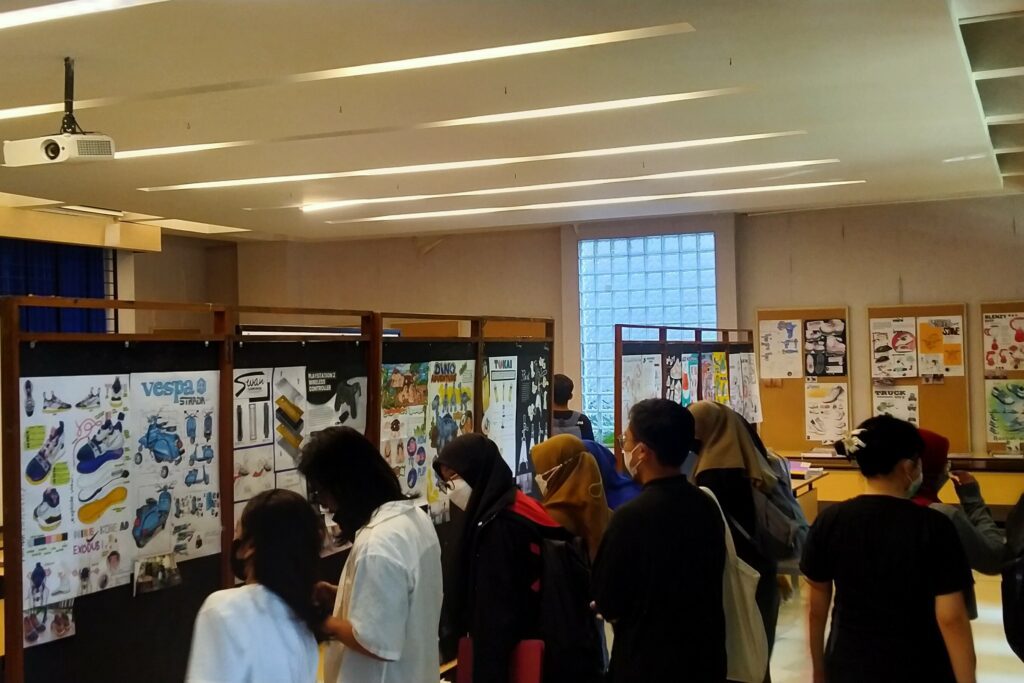
Eco Innovation Through Community Engagement
ITS continually advances environmental sustainability through initiatives that expand public access to open and green spaces. The Smart Eco Campus program transforms ITS into a living laboratory of sustainability by integrating green infrastructure, renewable energy, and biodiversity-friendly landscapes. The establishment of a new greenhouse supports environmental education and research while maintaining a healthy green environment for students and visitors alike. Beyond campus, ITS extends its sustainability impact through programs like Dandan Omah, which introduces eco-friendly housing designs, and student-led activities by HMTL that promote tree planting and environmental education in partner villages. These initiatives reflect a deep commitment to creating inclusive, accessible, and sustainable green spaces that enhance both ecological and social well-being. By linking academic innovation with community participation, ITS not only builds a greener campus but also contributes to the wider goals of supporting arts and heritage, and ensuring universal access to safe, inclusive, and accessible green and public spaces.

The ITS Rector and Vice Rector III planting new seedlings at the ITS greenhouse
Source:
- Ahli Tata Ruang Lingkungan ITS Ulas Manfaat Koridor Hijau
- Perkuat Posisi Smart Eco Campus, ITS Resmikan Greenhouse Baru
- Dukung Penghijauan Lingkungan, HMTL ITS Edukasi Kampung Mitra
- Dukung Program Dandan Omah, ITS Gelar Pelatihan Teknis Baja Ringan
- Sokong Program Dandan Omah, ITS Gelar Pelatihan Pemasangan Bata Ringan
- Dorong Potensi Wisata, ITS Bantu Revitalisasi Sumber Mata Air
- KKN ITS Rancang Masterplan dan Taman Inklusif untuk YPAB
- Abmas ITS Tingkatkan Kualitas Hunian Masyarakat melalui Pemetaan Rumah
- KKN Abmas ITS Gagas Desain Kantor Pemerintahan yang Ramah Lingkungan
- Envibition 2024 Hadirkan Inovasi Lingkungan Kawasan Rawan Bencana
Public Engagement Through Cultural Innovation

Gelang Room Dance Performance at the 2024 UKTK ITS Art Appreciation Event
Institut Teknologi Sepuluh Nopember (ITS) actively fosters public access to arts and heritage through diverse cultural initiatives targeting students, local communities, and the broader public. In celebration of Pancasila Day, ITS’s Unit Kegiatan Tari dan Karawitan (UKTK) hosted the “Apresiasi Seni” event, featuring traditional and modern dance performances. The event highlighted themes of diversity and gender equality, and involved collaboration with cultural units from other Surabaya-based universities such as PENS, UPN Veteran Jatim, and UNTAG. This inclusive platform not only showcased artistic expression but also reinforced Pancasila values through accessible cultural dialogue.
ITS urban planning experts also emphasized the importance of preserving Surabaya’s cultural heritage, advocating for community-based conservation strategies. Their insights, shared through public forums and media, targeted policymakers, urban developers, and local residents. By promoting participatory heritage management, ITS encourages inclusive urban development that respects historical identity and fosters civic pride. This aligns with SDG 11.4, which focuses on strengthening efforts to protect and safeguard cultural and natural heritage.

Ki Kuntadi Cahyo performing as the puppeteer in the wayang kulit show featuring the story of Antasena Kridha during ITS’s 64th Anniversary celebration
To commemorate its 64th anniversary, ITS collaborated with the Indonesian Institute of the Arts (ISI) Surakarta to stage a wayang kulit performance featuring the story of Antasena Kridha. The event was made accessible to the public both onsite and online via YouTube, supported by multilingual digital guides and live translations. This initiative targeted students, alumni, and the general public, reinforcing ITS’s commitment to cultural preservation and educational outreach through traditional performing arts.
Jazz in Campus, a recurring collaboration between ITS and Surabaya Pahlawan Jazz, brought jazz music to the university community in an open, mobile format. Featuring performances by professional musicians and ITS faculty-student bands, the event aimed to democratize musical appreciation and engage audiences across age groups. The program also included educational segments on jazz fundamentals, making music more accessible to students and visitors alike.
Furthering its commitment to inclusive expression, ITS broke a national record with the “Catra Warna” paper mob performance by 5,500 new students. This collaborative artwork, staged during the Gerigi orientation program, conveyed messages of digital literacy, diversity, and unity. The initiative targeted incoming students and the wider public, demonstrating how creative expression can serve as a medium for social education and institutional pride. Through these varied efforts, ITS ensures that cultural access is not only preserved but actively expanded across generations and communities.
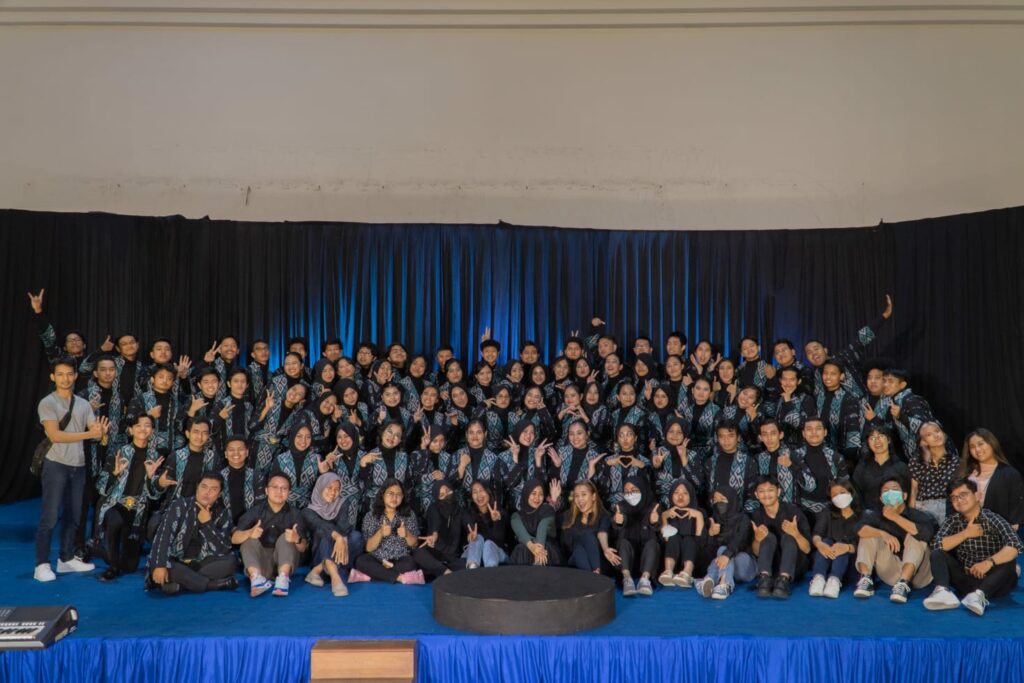
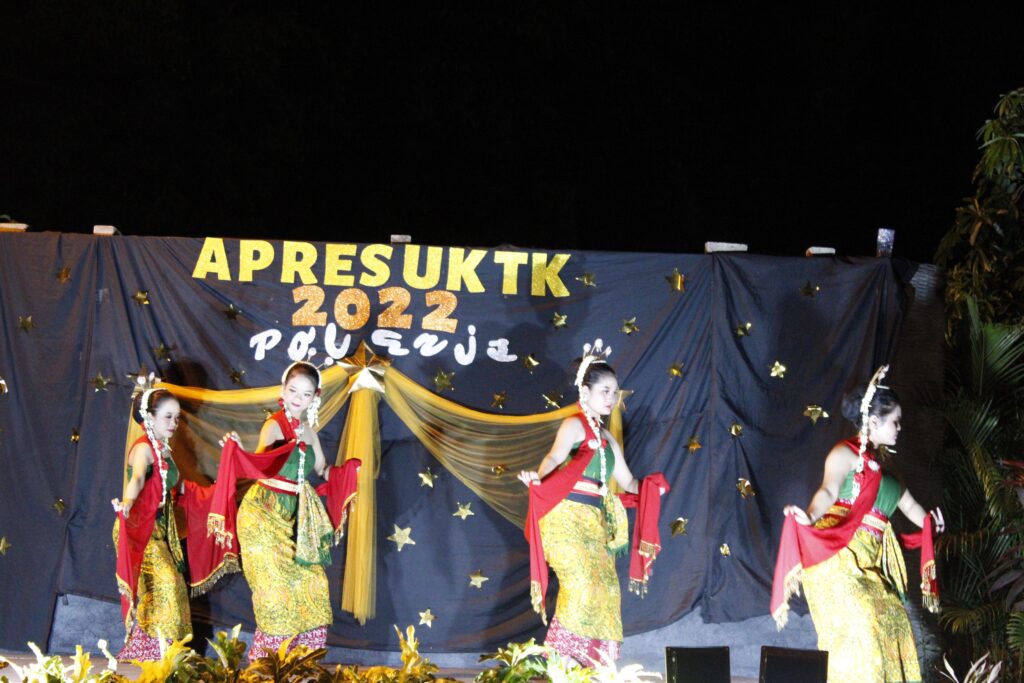
UKTK Art Appreciation as a Form of Art and Heritage Contribution
The ITS Dance and Karawitan Activity Unit (UKTK) hosts the yearly UKTK Art Appreciation 2022 as a measure of preserving cultural heritage. This event attempts to protect traditional culture for the next generation in the face of modernization. UKTK can serve as a platform for ITS students to strengthen their skills while also conserving Indonesian art. The traditional dance section features two styles of well-known local dances, Gambyong and Tiban. Gambyong dance is a traditional Javanese dance used to greet guests.
Expanding Access to Cultural Innovation

Giring-giring dance performance by ITS students at the Grand Show of ITS Expo 2024
ITS strengthens public engagement through the ITS Expo 2024, a two-day exhibition that blended technology, arts, and culture. Targeting the general public and youth communities, the event featured interactive showcases from ITS’s robotics teams, student design works, and live cultural performances. The Grand Show segment introduced a moving exhibition format, combining fashion, dance, and visual arts. ITS collaborated with local designers, regional student forums (Forda), and cultural student units (UKM) to ensure broad participation and cultural representation.
In collaboration with local stakeholders in Kampung Wisata Peneleh, ITS students formulated a revitalization strategy to restore the area’s historical and tourism value. Targeting residents, heritage advocates, and Surabaya’s tourism office, the initiative emphasized community-based planning and sustainable tourism. The students proposed spatial improvements, cultural programming, and digital promotion to enhance public access and preserve the kampung’s identity. This effort reflects ITS’s commitment to inclusive urban heritage recovery and SDG 11.4.
Through its KKN Abmas program, ITS partnered with local communities in Taneyan Lanjhang, Madura, to develop sustainable architectural models rooted in local wisdom. Targeting village residents and regional planners, the initiative introduced eco-friendly design strategies that respect traditional spatial arrangements. The collaboration involved architecture students, cultural experts, and local leaders, aiming to make sustainable housing both culturally relevant and publicly accessible. This project bridges academic innovation with grassroots empowerment.

The ITS Abmas Team during the handover of the Kejawan river tour route map
ITS also supports the enhancement of river-based tourism in Kejawan, Surabaya, by collaborating with local government and community groups. Targeting urban residents and eco-tourism enthusiasts, ITS proposed infrastructure improvements, educational signage, and promotional strategies to increase public engagement. The initiative aligns with SDG 11.7 by promoting safe, inclusive, and accessible green spaces while preserving the ecological and cultural value of the river corridor.
In a broader effort to integrate historical values into sustainable tourism development, ITS worked with heritage experts and tourism stakeholders to advocate for inclusive preservation strategies. Targeting policymakers, educators, and tourism operators, ITS emphasized the importance of historical narratives in shaping responsible tourism. By combining academic research with public outreach, ITS ensures that cultural heritage remains a shared resource—accessible, educational, and sustainable for future generations.
Sustainable Practices
Expanding Access to Electric Mobility

ITS Automotive STP Manager Prof. Bambang Sudarmanta showcases the conversion product developed by the ITS Electric Motorcycle Conversion Workshop
To support Indonesia’s transition to low-emission transportation, ITS Surabaya has developed a public-accessible Electric Motorcycle Conversion Workshop at its Science Techno Park (STP) Automotive Center. Targeting students, local communities, and vehicle owners, the workshop offers conversion services, testing, and production of electric motorcycles—providing an affordable alternative to purchasing new EVs. In collaboration with the Ministry of Transportation, the workshop aligns with revised national regulations and aims to become a certified Type A facility capable of full conversion and quality control. The initiative also includes the development of an online platform for public outreach and customer service, ensuring broader accessibility to sustainable mobility solutions while serving as a hands-on learning space for students.
Pedestrian Path Policy Implementation
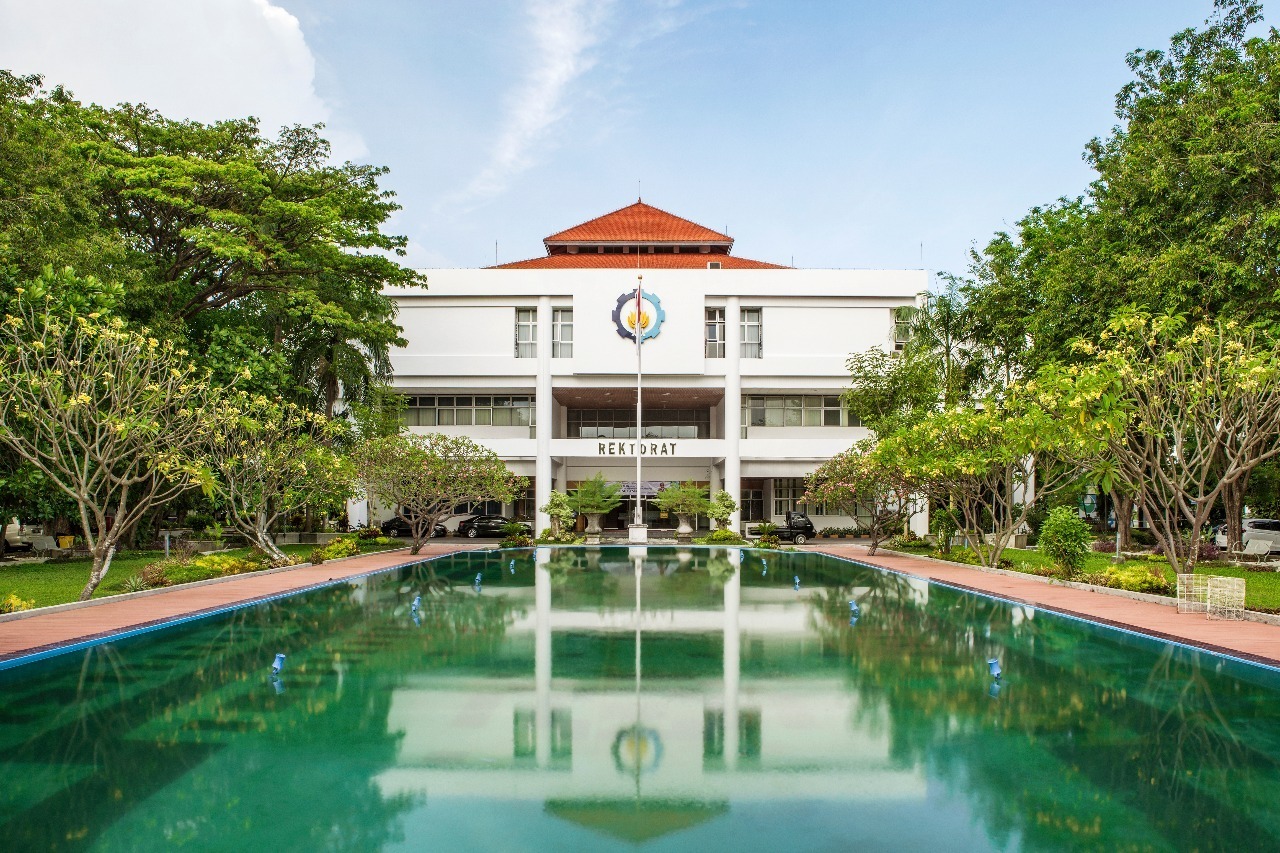
ITS promotes walking and cycling by focusing on the development and upkeep of pedestrian-friendly infrastructure. In order to achieve the Sustainable Development Goals, the ITS Rector’s Statement Letter promotes effective ITS campus pedestrian pathways policies. Several features of the ITS campus’s pedestrian pathway implementations include providing pedestrian pathways that meet road user safety criteria, providing pedestrian pathways for road user comfort, and providing several parts of pedestrian paths equipped with disability-friendly facilities.
Promoting Public Access to Mobility
ITS fosters inclusive public engagement through health-oriented campus events such as the ITS Jalan Sehat, held during its 64th anniversary celebration. Targeting both the academic community and the general public, the event introduced a revitalized walking route along the Main Spine corridor, part of ITS’s Quick Win infrastructure program. With over 10,000 participants, the initiative promoted physical well-being and social cohesion. ITS collaborated with local health service providers to offer free medical checkups, eye exams, and blood donations, reinforcing its commitment to accessible wellness and community-building.

A crowd of 10,000 participants joined the ITS Fun Walk as part of the 64th ITS Anniversary celebration
In collaboration with the Society of Renewable Energy (SRE) ITS, the university launched its first Eco-Running event to raise awareness of sustainable lifestyles and energy conservation. Targeting students and environmental advocates, the activity combined physical exercise with educational outreach on renewable energy. The event was supported by campus sustainability units and green movement communities, transforming ITS into an open space for environmental learning and public participation. This initiative aligns with SDG 11.7 by promoting inclusive access to safe and green public spaces.
To further support sustainable urban mobility, ITS hosted a strategic discussion on increasing public interest in mass transportation. Targeting policymakers, transportation experts, and students, the forum addressed behavioral challenges and infrastructure gaps in Surabaya’s public transit system. ITS collaborated with the Surabaya City Government and the Ministry of Transportation to explore integrated solutions and community-based campaigns. By opening the dialogue to diverse stakeholders, ITS contributes to more inclusive, accessible, and efficient transportation planning for urban residents.
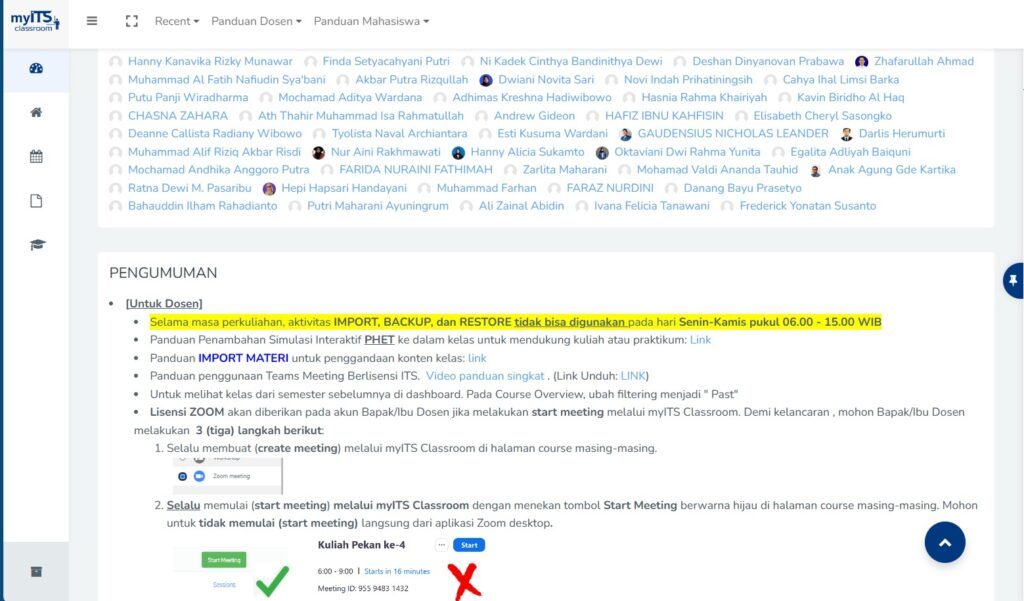
The COVID-19 pandemic has spurred ITS to innovate and adapt its learning systems to meet the challenges of the times. In line with the guidelines set out in the ITS Rector’s Circular Number: T/21018/IT2/TU.00.08/2020, the institution has transitioned to online lectures as a response to the limitations on face-to-face learning. In this context, the introduction of the MyITS Classroom represents a significant development. MyITS Classroom serves as a centralized distance learning system (PJJ) owned by ITS, designed to support and enhance the virtual learning experience. This platform boasts several features that facilitate remote learning and interaction, making it possible for students and educators to continue their educational journey while adapting to the new normal. Furthermore, MyITS opens up opportunities for remote working, also presents the possibility of reducing employee commuting, thereby contributing to sustainability and environmental conservation.
ITS Rector’s Circular Number: T/21018/IT2/TU.00.08/2020
MyITS Classroom
Perumdos in ITS Area
Affordable housing programs attempt to give members of the campus community with safe and accessible living options, letting them to focus on their academics or employment without the added stress of high housing costs. As a public university, ITS provides staff with inexpensive housing. The state-owned residence is located on campus and covers an area of 185,758 m2.
ITS Constructs Flats Out of Concern for Young Lecturers
The younger generation’s capacity to purchase housing is limited. As a result, ITS is devoted to assisting ITS young lecturers who have recently completed their studies. The apartment will have three storeys, each measuring 60 square meters. The flat for young lecturers located in Block N-11 is one of two planned flat buildings for ITS young lecturers. The second flat, with a capacity of six residential units, will be built soon in the ITS lecturer housing complex Block F.
ITS Student Housing and Dining
In pursuit of supporting students’ housing needs, Institut Teknologi Sepuluh Nopember (ITS) offers a range of accommodation options both on and off-campus. These choices include student dormitories, rented rooms, and even a guest house for visiting families. By providing diverse and affordable housing options, ITS ensures that students have access to suitable and cost-effective living arrangements while pursuing their education, aligning with the goal of providing affordable housing for students.
ITS Dormitory
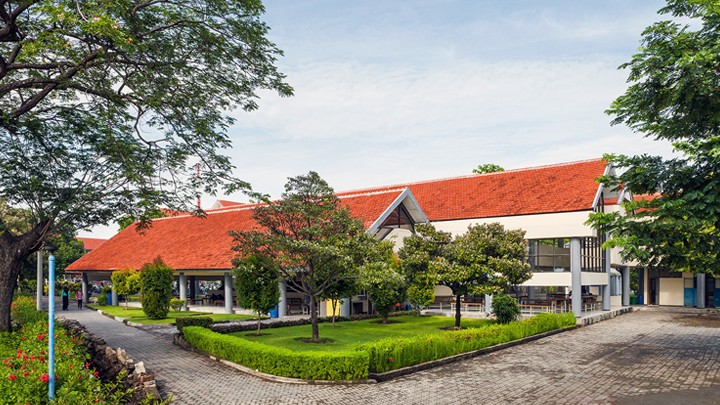
ITS Surabaya provides affordable housing for students with several dormitories in ITS Surabaya campus area. In addition to student dormitories, ITS also has a student dormitory that caters to international students‘ housing and dining needs. The international dormitory is located in block J, housing ITS Lecturers which located in front of the Department of Statistics.
Creating a Pedestrian-Friendly and Sustainable Campus Environment

Head of the Smart Eco Campus Development Unit at ITS, Dr. Susi Agustina Wilujeng ST MT, presenting a report on the renovation of the new ITS greenhouse
ITS continuously integrates sustainability principles into campus planning to promote a pedestrian-friendly and environmentally conscious academic environment. Through the Smart Eco Campus initiative, ITS reimagines its physical spaces to encourage walking, reduce vehicle dependency, and enhance overall well-being on campus. The university’s experts also contribute to national dialogues on sustainable urban mobility, advocating for integrated and low-emission public transport systems that prioritize pedestrian accessibility. Research forums and collaborations with city planners highlight ITS’s leadership in designing cities that are safer, more inclusive, and more connected. These ongoing efforts illustrate the institution’s alignment with SDG 11.4 and 11.7, which emphasize accessible transport systems and inclusive public spaces. By fostering an environment that values walkability, green mobility, and safety, ITS ensures that its campus serves as a model of sustainable urban design and inspires similar practices beyond the university setting.
Source:
Perkuat Posisi Smart Eco Campus, ITS Resmikan Greenhouse Baru
Dosen ITS Dorong Terwujudnya Sinergi Sistem Transportasi Berkelanjutan Surabaya
ITS Gelar Diskusi Strategis Tingkatkan Minat Transportasi Publik
ITS’s Collaboration with Local Authorities for Sustainable Planning and Development
Institut Teknologi Sepuluh Nopember (ITS) has demonstrated a strong commitment to collaborating with local authorities to address pressing planning and development issues, with a particular focus on enhancing the quality of life for local residents. In 2024, ITS’s efforts have significantly contributed to solving community challenges related to housing, environmental sustainability, and health, ensuring that local residents benefit from affordable and sustainable living conditions.

The research team on runoff control using infiltration wells with Meiarini Priastuti, Principal of SDN 3 Tanjungrejo (third from the right)
One key initiative was ITS’s project to prevent flooding by designing infiltration wells to manage excess rainwater, launched on January 18, 2024. This initiative, developed in collaboration with local authorities, aimed to reduce the risk of flooding in urban areas by improving the water absorption capacity of the land. By working together with local governments, ITS ensured that this solution addressed the unique challenges of urban water management, particularly in areas vulnerable to heavy rainfall and flooding.
ITS’s KKN Abmas program has also focused on improving the quality of housing for local communities. On December 5, 2024, ITS worked on a mapping project to improve the quality of housing for underserved populations, particularly focusing on ensuring that residents have access to safe and healthy living environments. Through this collaboration with local authorities, ITS provided insights and technical expertise to improve housing conditions, helping local governments plan and implement effective solutions to support affordable housing.
Additionally, on August 12, 2024, ITS contributed to improving the quality of life for people living with tuberculosis (TB) by enhancing healthy homes for TB patients. By collaborating with local health authorities, ITS supported the design and improvement of housing environments to better accommodate TB patients, ensuring they live in spaces that promote recovery while preventing the spread of the disease.
ITS also engaged with local authorities to design environmentally friendly government office buildings as part of its KKN Abmas program, announced on December 22, 2024. This project aimed to promote sustainable building practices while ensuring that government facilities are designed to meet both environmental and social needs. By collaborating with local government entities, ITS helped design spaces that fostered energy efficiency and sustainability, aligning with local development goals and promoting long-term environmental benefits.
Through these initiatives, ITS has shown its commitment to collaborating with local authorities to tackle urban planning challenges and support sustainable development. By focusing on affordable housing, sustainable infrastructure, and improved living conditions, ITS ensures that local residents can access the resources they need to thrive. These efforts not only address immediate community needs but also contribute to the broader goal of building resilient and sustainable communities.
ITS’s Commitment to Sustainable Development and Urban Innovation through Planning and Collaboration
Institut Teknologi Sepuluh Nopember (ITS) has made significant strides in advancing sustainable development and urban innovation in 2024 through various collaborations and initiatives that align with global goals for sustainability. These efforts focus on implementing sustainable standards in urban planning and infrastructure development, ensuring that future building projects contribute positively to environmental sustainability and social inclusivity.

The interface display of the Visionaries webpage, a creation by ITS student team, integrated with smart lamp posts
One of the notable achievements in this regard is the integration of smart city features by ITS students through their Visionaries project, which was announced on October 24, 2024. This initiative aimed to enhance urban services by incorporating smart city technologies into local governance. Through this project, ITS students have effectively integrated innovative solutions into urban planning, ensuring that new developments adhere to modern sustainable standards that promote efficiency, environmental responsibility, and improved quality of life for residents.
In addition to urban innovation, ITS has also demonstrated its commitment to sustainability through key partnerships. On February 23, 2024, ITS signed a Memorandum of Understanding (MoU) with PT Wika Gedung to work towards achieving net-zero emissions in building construction. This collaboration aims to incorporate sustainable building practices and technologies into future construction projects, ensuring that new buildings are designed and built to meet high environmental standards. This partnership is part of ITS’s broader commitment to aligning with global sustainability targets and contributing to the reduction of carbon footprints in the construction industry.

Visually impaired teacher Atung Yunarto, M.Pd., from YPAB, touches the masterplan model created by the ITS KKN Abmas team
ITS’s KKN (Community Service Program) also played a pivotal role in sustainable urban planning. On October 26, 2024, ITS students designed a master plan and inclusive park for YPAB (Yayasan Pendidikan Anak Bangsa), an initiative that focuses on creating accessible public spaces for people with disabilities. This project emphasizes the importance of inclusive design and sustainable urban development, ensuring that public spaces meet the needs of all community members while adhering to environmental sustainability principles.
Furthermore, ITS’s collaboration with UIN Sulthan Thaha Saifuddin Jambi, formalized through an MoU on May 21, 2024, strengthens the university’s role in promoting sustainable education and urban planning. This partnership aims to share knowledge, research, and best practices on sustainable development and urban resilience, empowering both institutions to contribute to environmentally responsible and socially inclusive development practices.
Through these initiatives, ITS has consistently demonstrated its commitment to building new infrastructures and urban developments that adhere to sustainable standards. These actions ensure that ITS continues to lead in promoting eco-friendly building practices, smart city innovations, and inclusive urban planning that contribute to a more sustainable and equitable future.
Energy-efficient Renovation and Building
The ITS Masterplan sets a significant standard for campus environment development. It offers a campus development vision that will last until 2045. The implementation of sustainable ideals in building development and renovation is essential to this approach. This approach aligns with broader goals of environmental responsibility and long-term sustainability for the institution. The ITS Masterplan represents a commitment to achieving SDGs.
Solar Panel Monitoring at Tower 2 Building
The construction of Tower 2 results from the collaboration between ITS and PT Wijaya Karya (WIKA). The ITS Tower 2 building is also equipped with a Building Automation System (BAS) and Solar Panels to save energy and maintenance costs. The construction of the ITS Tower 2 building was motivated by an increase in the number of ITS students from year to year.
Promoting Sustainable Redevelopment and Urban Revitalization

Poster of the PKM-RSH Pentagon Team titled Formulating Community Resilience as a Capital for Developing Life-Cycle Heritage Tourism in Peneleh Village, Surabaya
ITS actively contributes to sustainable urban redevelopment through a variety of projects focused on revitalizing existing spaces and improving the quality of the built environment. While the university does not explicitly engage in brownfield redevelopment, many of its initiatives embody the same principle — transforming underutilized or degraded areas into vibrant, functional, and sustainable spaces. Efforts such as the restoration of Kampung Wisata Peneleh, the revitalization of local water springs, and the sustainable redevelopment of rural tourism areas demonstrate ITS’s capacity for innovative, community-based urban renewal. These initiatives integrate environmental, social, and economic considerations to ensure long-term sustainability. By combining engineering, design, and social sciences, ITS addresses key aspects of SDG 11.3, promoting inclusive and sustainable urbanization and safeguarding the world’s cultural and natural heritage. The university’s approach not only revitalizes physical spaces but also empowers communities to reclaim ownership of their environments, turning neglected sites into centers of cultural and ecological resilience.
Source:
Mahasiswa ITS Rumuskan Strategi Pemulihan Kampung Wisata Peneleh
Dorong Potensi Wisata, ITS Bantu Revitalisasi Sumber Mata Air
ITS Kembangkan Potensi Wisata dan UMKM Desa di Lamongan
ITS Berupaya Tingkatkan Eksistensi Wisata Susur Sungai Kejawan Surabaya
Sustainable Practices
Zero Emission Vehicles (ZEV) Policy Implementation and Measurement
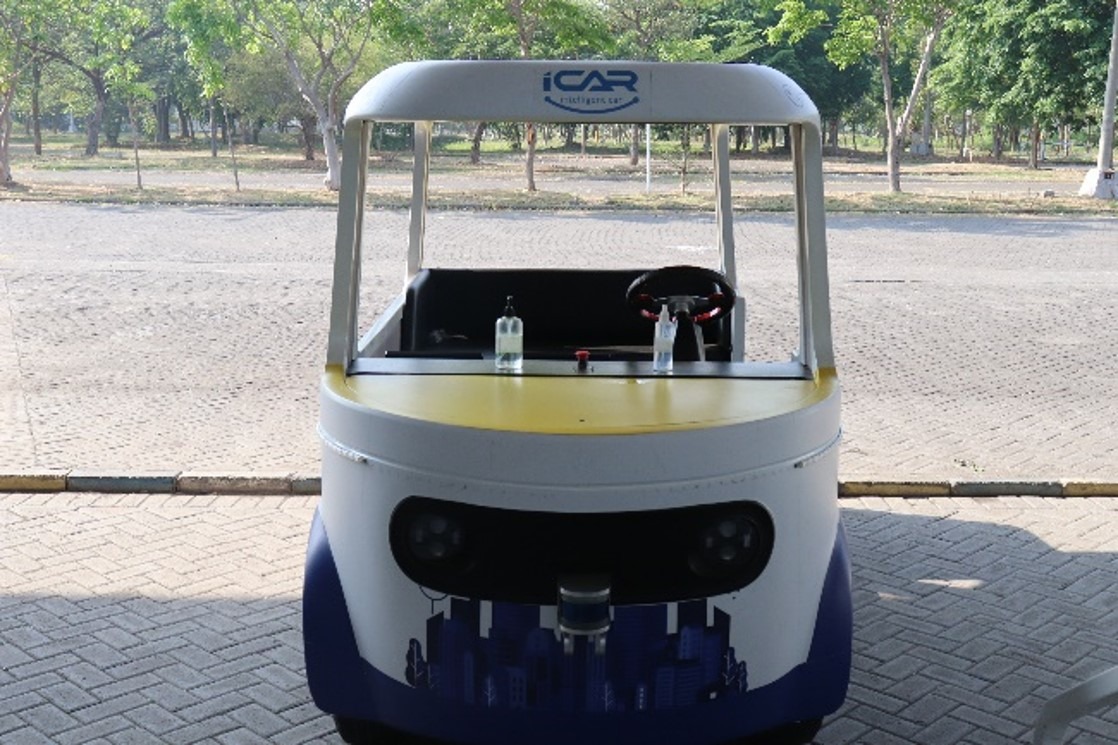
One of ITS’ initiatives is becoming a smart eco campus. To create a smart eco campus, ITS promotes sustainable practices. The practices include measuring and setting targets for more sustainable commuting. ITS implements ZEF policy to support the sustainable commuting movement. The initiatives are free campus bicycle, electric solar bus, Gesits (electric motor), and automobiles I-Car. I-Car can handle 144 people in one hour and has a capacity of 12 people every 5 minutes. Every day, I-Car can run for 8 hours.
Pedestrian Path Policy Implementation
ITS promotes walking and cycling by focusing on the development and upkeep of pedestrian-friendly infrastructure. In order to achieve the Sustainable Development Goals, the ITS Rector’s Statement Letter promotes effective ITS campus pedestrian pathways policies. Several features of the ITS campus’s pedestrian pathway implementations include providing pedestrian pathways that meet road user safety criteria, providing pedestrian pathways for road user comfort, and providing several parts of pedestrian paths equipped with disability-friendly facilities.
Circular Letter of ITS Rector No. T-95007-IT2-TU.00.08-2019 about ITS’ Initiatives towards a Sustainable and Environmental Friendly Campus, item C, no. 1 – 7
One of ITS’ initiatives is becoming a smart eco campus. To create a smart eco campus, ITS promotes sustainable practices. The practices include measuring and setting targets for more sustainable commuting (walking, cycling or other non-motorized transport, carpools, shuttlebus or public transportation, motorcycle, and electric vehicles).The initiatives are supported by the Circular Letter of ITS Rector No. T-95007-IT2-TU.00.08-2019 about ITS’ Initiatives towards a Sustainable and Environmental Friendly Campus, specifically item C, no. 1 – 7. ITS builds pedestrian ways and bike lines and offer bike rent services to promotes non-motorized vehicles. The bikes are rented for free for the campus community.
Support Sustainable Commuting by Limiting or Reducing Campus Parking
Sustainable commuting programs include a variety of approaches such as public transportation promotion, carpooling, cycling, and walking. ITS promotes sustainable commuting through several programs, one of which is reducing campus parking capacities. The aim for this program is to reduce the number of motorized vehicles entering campus environment. The strategies consist of encourage all academicians to participate in campus cycling and walking activities, vehicles entered at ITS are arranged solely by verifying the registered vehicle card, and Collaboration between ITS and the Surabaya City Government on the launch of the Suroboyo Bus route, which runs through the ITS campus.
The COVID-19 pandemic has spurred ITS to innovate and adapt its learning systems to meet the challenges of the times. In line with the guidelines set out in the ITS Rector’s Circular Number: T/21018/IT2/TU.00.08/2020, the institution has transitioned to online lectures as a response to the limitations on face-to-face learning. In this context, the introduction of the MyITS Classroom represents a significant development. MyITS Classroom serves as a centralized distance learning system (PJJ) owned by ITS, designed to support and enhance the virtual learning experience. This platform boasts several features that facilitate remote learning and interaction, making it possible for students and educators to continue their educational journey while adapting to the new normal. Furthermore, MyITS opens up opportunities for remote working, also presents the possibility of reducing employee commuting, thereby contributing to sustainability and environmental conservation.
ITS Rector’s Circular Number: T/21018/IT2/TU.00.08/2020
MyITS Classroom
Perumdos in ITS Area
Affordable housing programs attempt to give members of the campus community with safe and accessible living options, letting them to focus on their academics or employment without the added stress of high housing costs. As a public university, ITS provides staff with inexpensive housing. The state-owned residence is located on campus and covers an area of 185,758 m2.
ITS Constructs Flats Out of Concern for Young Lecturers
The younger generation’s capacity to purchase housing is limited. As a result, ITS is devoted to assisting ITS young lecturers who have recently completed their studies. The apartment will have three storeys, each measuring 60 square meters. The flat for young lecturers located in Block N-11 is one of two planned flat buildings for ITS young lecturers. The second flat, with a capacity of six residential units, will be built soon in the ITS lecturer housing complex Block F.
ITS Student Housing and Dining
In pursuit of supporting students’ housing needs, Institut Teknologi Sepuluh Nopember (ITS) offers a range of accommodation options both on and off-campus. These choices include student dormitories, rented rooms, and even a guest house for visiting families. By providing diverse and affordable housing options, ITS ensures that students have access to suitable and cost-effective living arrangements while pursuing their education, aligning with the goal of providing affordable housing for students.
ITS Dormitory
ITS Surabaya provides affordable housing for students with several dormitories in ITS Surabaya campus area. In addition to student dormitories, ITS also has a student dormitory that caters to international students‘ housing and dining needs. The international dormitory is located in block J, housing ITS Lecturers which located in front of the Department of Statistics.
Creating a Pedestrian-Friendly and Sustainable Campus Environment
Head of the Smart Eco Campus Development Unit at ITS, Dr. Susi Agustina Wilujeng ST MT, presenting a report on the renovation of the new ITS greenhouse
ITS continuously integrates sustainability principles into campus planning to promote a pedestrian-friendly and environmentally conscious academic environment. Through the Smart Eco Campus initiative, ITS reimagines its physical spaces to encourage walking, reduce vehicle dependency, and enhance overall well-being on campus. The university’s experts also contribute to national dialogues on sustainable urban mobility, advocating for integrated and low-emission public transport systems that prioritize pedestrian accessibility. Research forums and collaborations with city planners highlight ITS’s leadership in designing cities that are safer, more inclusive, and more connected. These ongoing efforts illustrate the institution’s alignment with SDG 11.4 and 11.7, which emphasize accessible transport systems and inclusive public spaces. By fostering an environment that values walkability, green mobility, and safety, ITS ensures that its campus serves as a model of sustainable urban design and inspires similar practices beyond the university setting.
Source:
Perkuat Posisi Smart Eco Campus, ITS Resmikan Greenhouse Baru
Dosen ITS Dorong Terwujudnya Sinergi Sistem Transportasi Berkelanjutan Surabaya
ITS Gelar Diskusi Strategis Tingkatkan Minat Transportasi Publik
ITS Research Center is a campus research center that explores several aspects, one of which is housing. The Research Center for Sustainable Infrastructure and Environment (Puslit ILB) has research activities, collaborations, and science and technology services in the subject field of infrastructure and sustainable environment. The aim of Puslit ILB is to create sustainable infrastructure, sustainable infrastructure provision and management which includes four main pillars, namely environmental sustainability including resilience to climate change, economic, social and financial sustainability, and institutional sustainability. One of the fields of study of the Puslit ILB is the provision of affordable housing.
ITS also provides affordable housing for employees and students on campus. ITS already has affordable housing for its employees. ITS has constructed a new flats for young lecturers. ITS works with numerous business partners to provide new flats for young lecturers.
The Research Center for Sustainable Infrastructure and Environment (Puslit ILB)
Elements of Green Building Implementation as Reflected in All Construction and Renovation
Building a structure with an environmentally friendly design is one option for reaching the SDGs. One of the concepts of environmentally friendly structures is green building. Buildings with natural lighting, natural air circulation, heat load reduction in buildings, vertical gardens, water conservation, solar cell installation as a sustainable energy source in ITS buildings, and construction of buildings above ground to collect rainwater are examples of green building features included in the construction and renovation of buildings at ITS.
Energy-efficient Renovation and Building
The ITS Masterplan sets a significant standard for campus environment development. It offers a campus development vision that will last until 2045. The implementation of sustainable ideals in building development and renovation is essential to this approach. This approach aligns with broader goals of environmental responsibility and long-term sustainability for the institution. The ITS Masterplan represents a commitment to achieving SDGs.
Solar Panel Monitoring at Tower 2 Building
The construction of Tower 2 results from the collaboration between ITS and PT Wijaya Karya (WIKA). The ITS Tower 2 building is also equipped with a Building Automation System (BAS) and Solar Panels to save energy and maintenance costs. The construction of the ITS Tower 2 building was motivated by an increase in the number of ITS students from year to year.
Promoting Sustainable Redevelopment and Urban Revitalization
Poster of the PKM-RSH Pentagon Team titled Formulating Community Resilience as a Capital for Developing Life-Cycle Heritage Tourism in Peneleh Village, Surabaya
ITS actively contributes to sustainable urban redevelopment through a variety of projects focused on revitalizing existing spaces and improving the quality of the built environment. While the university does not explicitly engage in brownfield redevelopment, many of its initiatives embody the same principle — transforming underutilized or degraded areas into vibrant, functional, and sustainable spaces. Efforts such as the restoration of Kampung Wisata Peneleh, the revitalization of local water springs, and the sustainable redevelopment of rural tourism areas demonstrate ITS’s capacity for innovative, community-based urban renewal. These initiatives integrate environmental, social, and economic considerations to ensure long-term sustainability. By combining engineering, design, and social sciences, ITS addresses key aspects of SDG 11.3, promoting inclusive and sustainable urbanization and safeguarding the world’s cultural and natural heritage. The university’s approach not only revitalizes physical spaces but also empowers communities to reclaim ownership of their environments, turning neglected sites into centers of cultural and ecological resilience.
Source:
Mahasiswa ITS Rumuskan Strategi Pemulihan Kampung Wisata Peneleh
Dorong Potensi Wisata, ITS Bantu Revitalisasi Sumber Mata Air
ITS Kembangkan Potensi Wisata dan UMKM Desa di Lamongan
ITS Berupaya Tingkatkan Eksistensi Wisata Susur Sungai Kejawan Surabaya
SDG 11 IN NUMBERS
1,106,971,054,942 IDR
University Expenditure
206,065,926,477 IDR
Expenditure Spent on Supporting Arts and Heritage