

ITS Campus, ITS News — The Sepuluh Nopember Institute of Technology (ITS) continues to advance its role in supporting national energy security. Hosting an audience with the National Defense Council (DPN), ITS demonstrated various leading research findings ready to support the nation’s defense system and energy independence on Wednesday (April 29).
During the hearing, the DPN emphasized its strategic role in developing policy recommendations encompassing state sovereignty, territorial integrity, and national security. Through a direct review of various leading ITS research findings, the DPN strives to align technological innovation with national strategic needs.
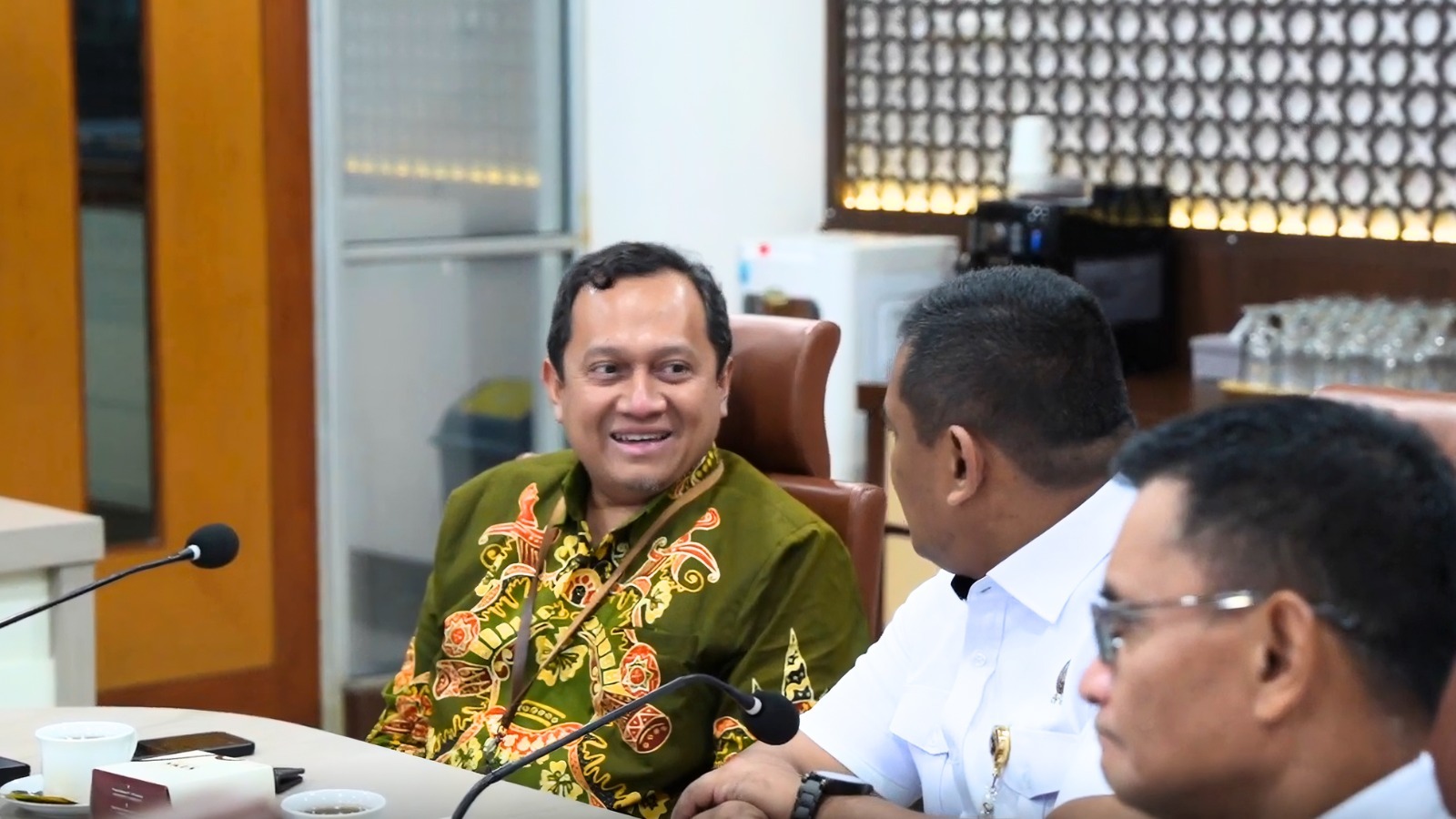
ITS Vice Rector IV for Research, Innovation, Cooperation, and Alumni, Prof. Muhamad Hatta, ST, MSi, PhD, stated that this visit serves as an important bridge to align academic research findings with national strategic needs. “Especially ITS research innovations related to energy security and defense technology,” he said.
Through this opportunity, ITS showcased its various leading innovations in energy security and defense technology. These included high-RON biofuels from plastic waste and biomass. Furthermore, it also featured a multi-sensor drone integration that can help optimize the oil palm pollination process, thereby increasing the production of green energy raw materials.
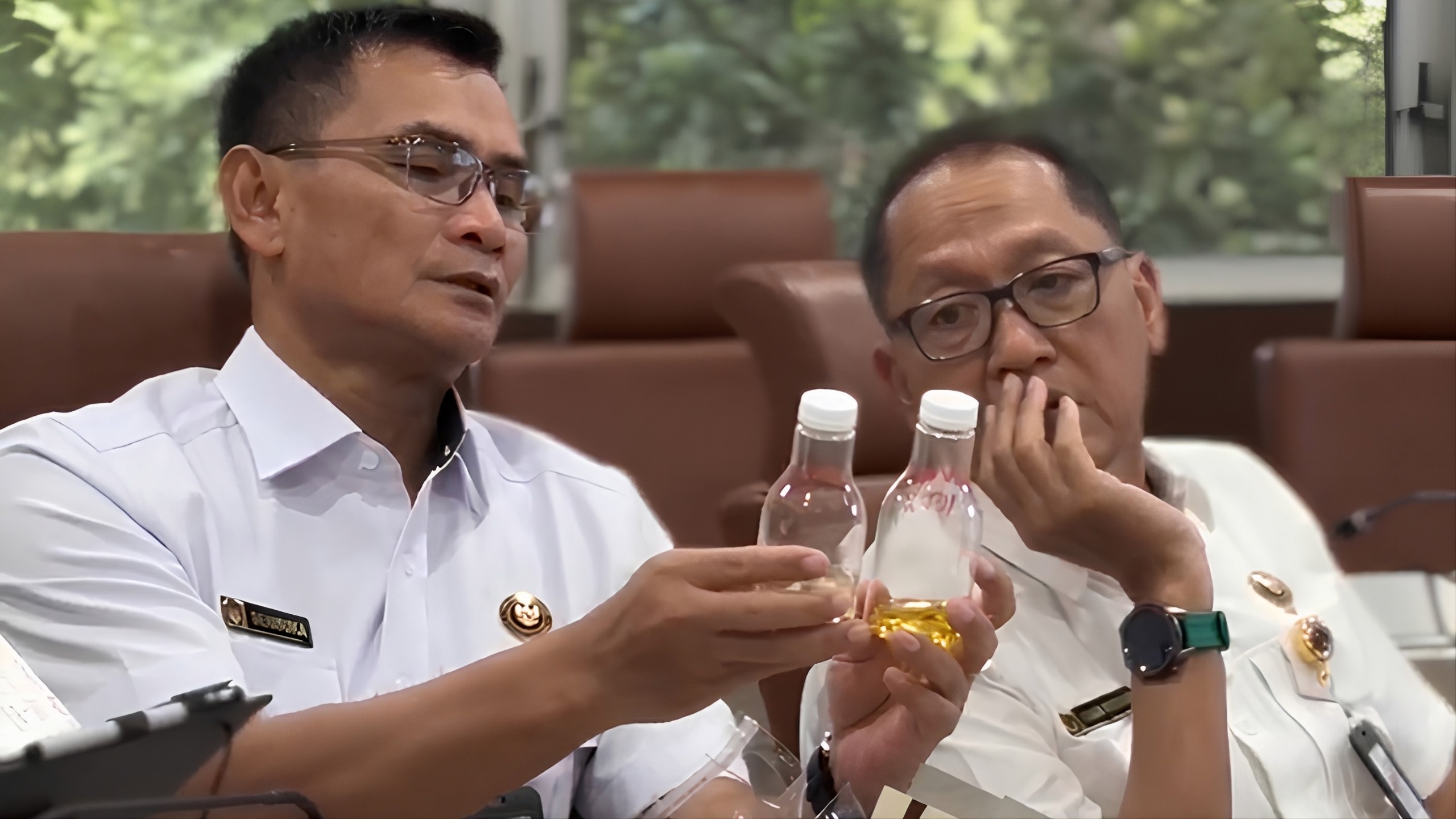
The innovative Palm Oil Gasoline (Benwit) was also showcased. The head of the Benwit research team, Prof. Dr. Eng. Ir. Hosta Ardhyananta, ST., MSc., explained that Benwit is a processed product of crude palm oil ( CPO). The CPO is successfully converted into a fuel additive through catalytic cracking and pyrolysis at temperatures of 320 to 360 degrees Celsius.
Benwit, a research product of a lecturer in the Department of Materials and Metallurgical Engineering at ITS, utilizes Indonesia’s rich natural resources. This fuel offers a concrete solution to reduce current dependence on fossil fuels. “Benwit can be blended with conventional gasoline, at a blending rate of 10 to 70 percent,” explained Hosta.
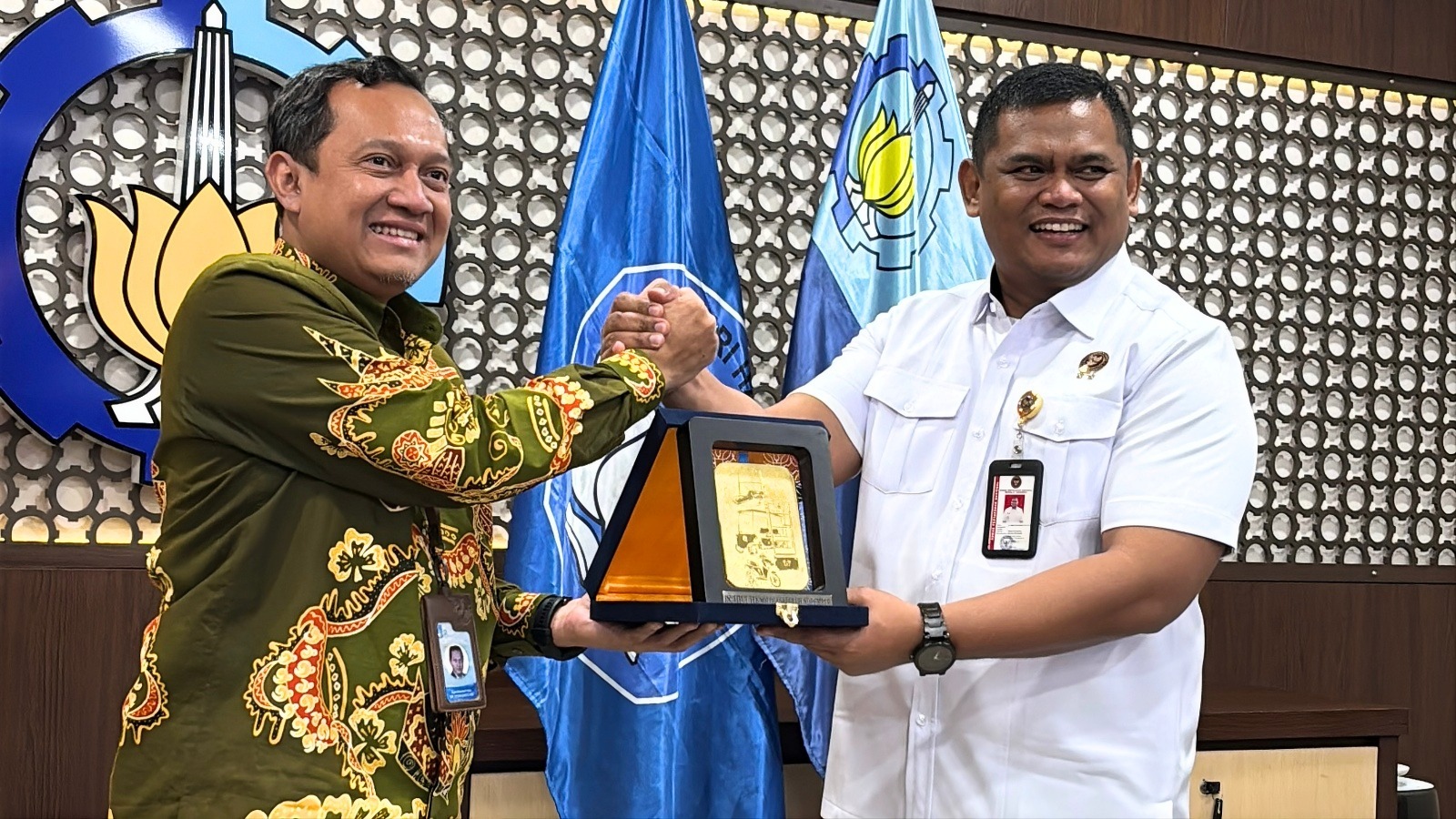
Through the Directorate of Research and Community Service (DRPM), ITS also showcased research innovations in the defense sector. These innovations support the independence of the main weapons systems (Alutsista). These include AUTOMORS, an automated Morse code system for covert communications, Vector FRN, and the Armor ITS (ARMITS) bulletproof vest made from Polymer Matrix Composite .
In line with this, the audience between experts and the government is ITS’s step in strengthening collaboration and supporting sustainable independent research. Hatta emphasized the importance of downstreaming research that impacts the nation’s society. “With the synergy of various research projects in the energy and defense sectors, hopefully, they will become more relevant to the nation’s development goals,” he concluded.
The bilateral meeting aligns with Sustainable Development Goals (SDGs) Point 17, “Partnerships to Achieve the Goals.” This synergy ensures that investments in science and technology align with national development priorities to achieve national sovereignty and prosperity.
Reporter: Syifa Rahmadina
Redaktur: Syahidan Nur Habibie Ash-Shidieq
Translator: Devinka Mutianeira