SDG 15

SDG 15: LIFE ON LAND

“This is the second of two SDGs that look at the broader ecosystem – the other being SDG 14: Life Below Water. Life on land is a precious resource – we need to ensure that it is passed on to future generations, at a time when loss of biodiversity is an increasing concern. Different universities will have responsibility for very different landscapes and the life within, but all have a responsibility as stewards of their environment.”
(THE Impact Rankings)

Supporting land ecosystems through education

Conservation and Sustainable Land Initiatives: ITS Student and Community Collaboration


ITS supports the SDGs, particularly Goal 15: Life on Land, by promoting conservation and the sustainable use of land through educational and community based initiatives. Dr. Windiani, S.Sos., M.Si, a lecturer from the Department of Development Studies, emphasized the importance of involving the younger generation in nature conservation efforts to ensure environmental sustainability for the future. The approach includes identifying environmental issues, creating appropriate solutions, and strengthening community engagement.

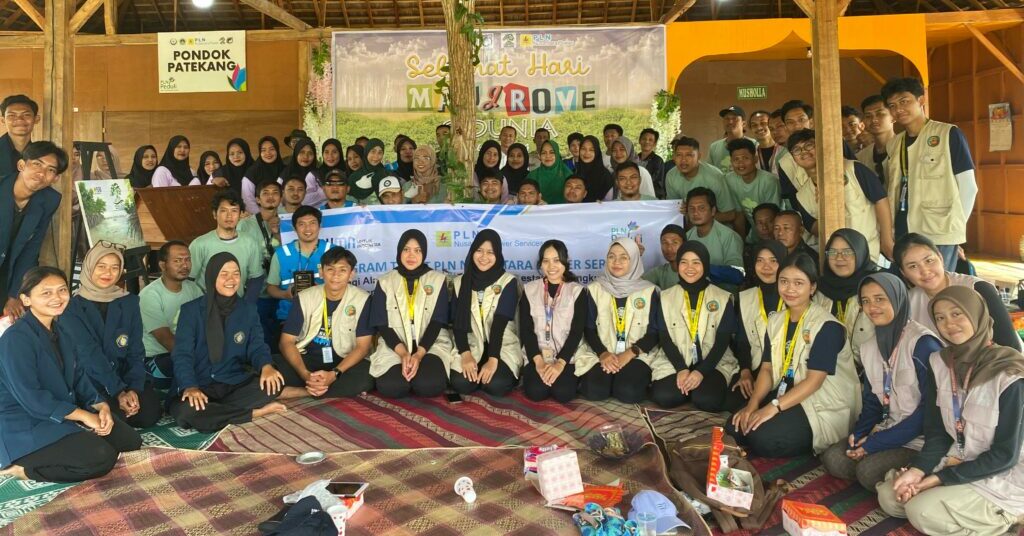
One example is the Kuliah Kerja Nyata Pemberdayaan Masyarakat (KKN PM) program in Bawean. ITS students from various departments worked with PT PLN (Persero), the Gresik Environmental Agency, the Hijau Daun community, local village officials, and residents to carry out conservation activities. The program included planting 150 mangrove seedlings, restoring coral reefs to protect underwater ecosystems, and organizing a beach clean-up at Ria Beach. These activities gained positive responses from the community and contributed to sustainable tourism development in the region.

ITS student organizations also play a role in raising awareness about sustainable land use. LHK BEM ITS collaborated with LH BEM Undip to celebrate Earth Day 2024 through environmental campaigns encouraging proper waste disposal and maintaining cleanliness. The campaign aimed to inspire people to contribute to environmental protection and to value the natural resources that sustain life.


Full Article:

The Strategic Role of Youth in Nature Conservation According to ITS Lecturer

Supporting Local Potential: KKN Abmas ITS Develops Bawean Tourism

Environmental Collaboration between LH BEM Undip and LHK BEM ITS

ITS Policies to Ensure Sustainably Farmed Food on Campus

ITS is committed to ensuring that all food served on campus is sustainably farmed. This commitment is formally outlined in the Rector’s Circular Letter on ITS’s dedication to becoming a Green and Sustainable Campus, particularly under the health aspect, stated in points g–i:

  • Encouraging the management of clean and healthy canteens, ensuring that all canteens use safe, high-quality food sources free from pesticide contamination. The food provided must contain sufficient nutrients, vitamins, and calories to support body functions and overall health.
  • Promoting environmentally friendly food provision and canteen management practices.
  • Ensuring that food on campus is sourced from good agricultural practices, with animal-based products obtained from livestock and fisheries that adhere to animal welfare ethics.

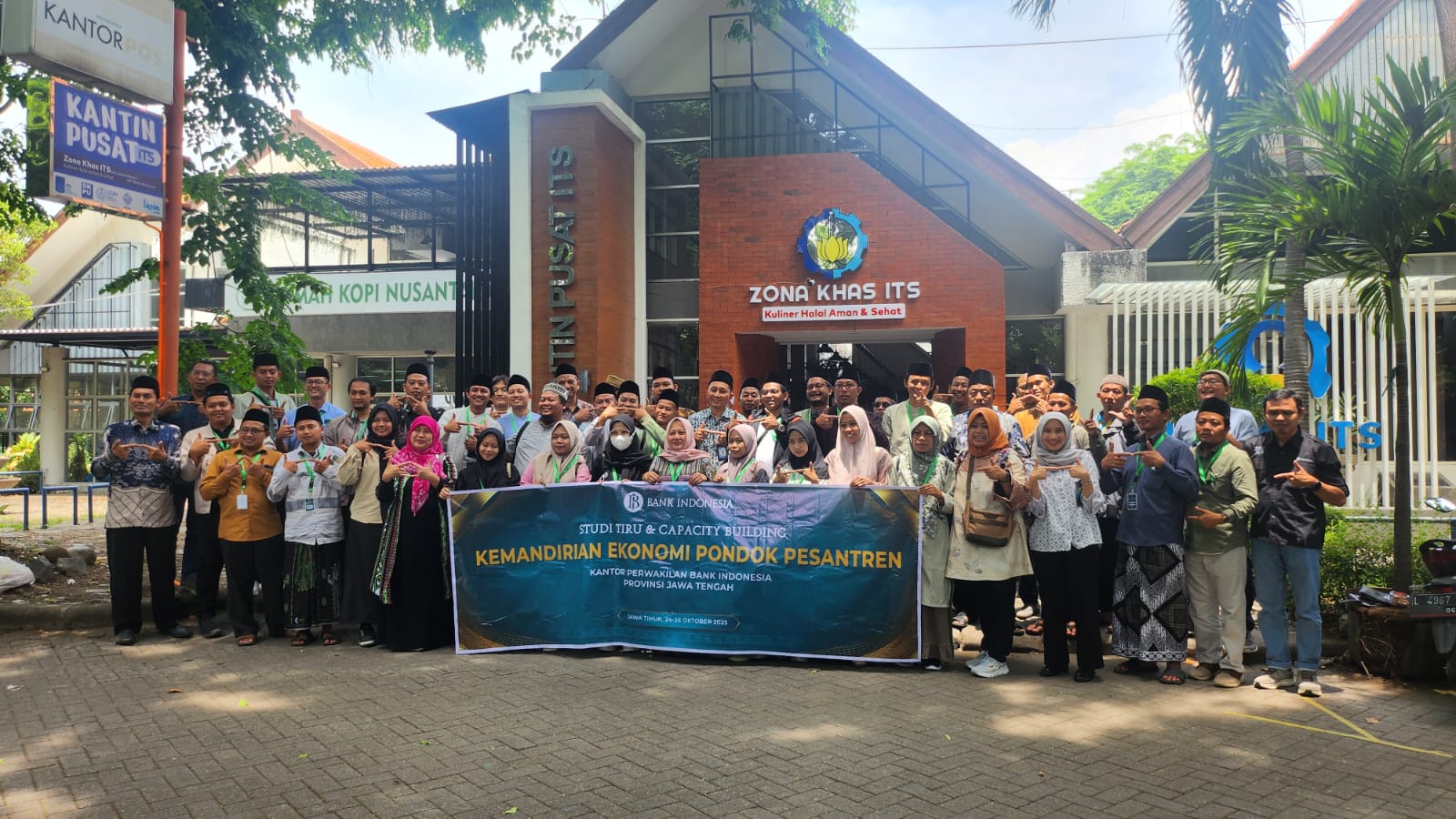
These principles are implemented in the Standard Operating Procedure for the ITS Central Canteen under the Sustainable Canteen Management: Halal, Safe, and Healthy Culinary Zone (Zona KHAS) program. This initiative aims to guarantee that food on campus is not only sustainably sourced but also supports environmental conservation and the health of the ITS community.

Key measures include:

  • Sustainable Sourcing Policies: All vendors are required to prioritise sustainably farmed ingredients, with a preference for organic and pesticide-free products that meet ITS’s environmental standards.
  • Local and Low-Impact Procurement: Vendors are encouraged to source ingredients from local farms and producers, reducing transportation emissions and supporting regional agriculture, including small-scale and sustainable farming practices.
  • Waste Reduction and Eco-Friendly Packaging: Food service providers must minimise plastic use, utilise recyclable containers, and adopt proper waste management practices, including composting and sustainable food waste disposal.
  • Regular Monitoring and Compliance: ITS conducts routine inspections to ensure all vendors comply with sustainable sourcing and farming standards.

Through these policies and their consistent implementation, ITS reinforces its role as a sustainable campus that supports responsible farming practices while maintaining high standards for food quality, health, and environmental stewardship.

Strengthening Biodiversity Conservation on Campus and Beyond at ITS


ITS is strongly committed to maintaining and enhancing existing ecosystems and their biodiversity, as outlined in the Rector’s Circular Letter on ITS’s Commitment to becoming a Green and Sustainable Campus. This commitment is reflected in the policy on Protection of Terrestrial and Marine Ecosystems, which includes:

  1. Considering the impact on ecosystem sustainability in campus development projects.
  2. Ensuring that no invasive alien species enter and disrupt campus ecosystems through pest control policies.
  3. Conducting activities to identify, monitor, and protect species listed in the IUCN Red List and the national conservation list that may be affected by campus activities.
  4. Enhancing ITS’s role in managing vulnerable ecosystems, such as wetlands, mangroves, and peatlands.
  5. Preserving local biodiversity by integrating it into physical campus development plans and conserving ecosystems within campus grounds.
  6. Protecting wildlife by issuing advisories or prohibitions against capturing, hunting, or damaging the habitats of wild animals on campus.
  7. Promoting research and education focused on aquatic ecosystems to maintain the sustainability of lakes and ponds on campus.
  8. Implementing conservation, rehabilitation, and restoration efforts to maintain the quality of natural ecosystems.

The implementation of these policies is further supported by the Wildlife Acoustics Grant Program, as outlined in the official letter from the Directorate of Research and Community Service ITS, No. 7865/IT2.IV.1/B/TU.00.09/XII/2024. The program provides opportunities for ITS lecturers and researchers to obtain funding and equipment for wildlife research, habitat monitoring, and environmental conservation. These resources aim to generate valuable scientific data, support conservation innovations, and contribute to biodiversity preservation.

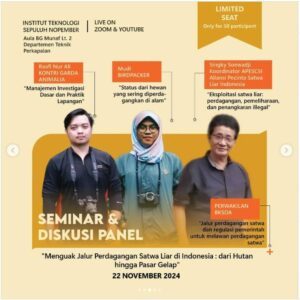
ITS also advances biodiversity conservation through its collaboration with Amati Sangkar (AKAR), a platform enabling citizen scientists to collect wildlife data. This collaboration produced two key agendas. The first was a seminar and panel discussion held on 22 November 2024 at the Aula BG Munaf, Department of Naval Architecture, ITS. The event was attended by the East Java Natural Resources Conservation Agency (BKSDA Jatim), NGOs, field practitioners, and academics, and addressed the theme “Uncovering the Wildlife Trade Routes in Indonesia: From Forest to Black Market”. The discussion aimed to raise public awareness and encourage stronger actions to protect wildlife and their habitats. 

The second agenda was on-site training conducted on 22–23 November 2024, which focused on the practical use of the AKAR application and fundamental wildlife investigation techniques. The training accommodated 25 participants free of charge, providing hands-on experience in data collection and biodiversity monitoring.

Strengthening Public Awareness through Ecosystem and Wildlife Education at ITS


ITS offers educational programs on ecosystems focusing on flora and fauna for both local and national communities. One example is the collaboration with Amati Sangkar (AKAR), a citizen science platform that enables the public to collect wildlife data and raise awareness about biodiversity conservation. On 22 November 2024, ITS together with AKAR held a seminar and panel discussion at Aula BG Munaf ITS, attended by the East Java Natural Resources Conservation Agency (BKSDA Jatim), NGOs, practitioners, and academics.

The seminar, titled “Uncovering the Wildlife Trade Routes in Indonesia: From Forest to Black Market”, was freely accessible and open to the public. On the following day, ITS and AKAR organized an on-site training session, also free of charge. This training provided hands-on learning in biodiversity monitoring, wildlife investigation techniques, and the practical use of the AKAR application for ecosystem data collection.

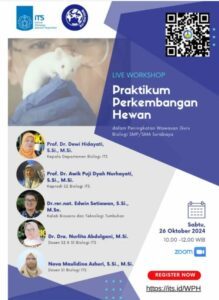
ITS also conducts ecosystem related educational programs for specific target groups. For example, the Animal Development Practicum live workshop held on 26 October 2024 was designed for Junior High and High School Biology Teachers in Surabaya.

Conducted via Zoom, this workshop enhanced teachers’ knowledge of animal development and biodiversity. The event featured expert speakers from the ITS Biology Department, including:

  • Prof. Dr. Dewi Hidayati, S.Si., M.Si., Head of the Biology Department, ITS
  • Prof. Dr. Awik Puji Dyah Nurhayati, S.Si., M.Si., Head of the Master’s Programme in Biology, ITS
  • Dr. rer. nat. Edwin Setiawan, S.Si., M.Sc., Head of the Bioscience and Plant Technology Laboratory, ITS
  • Dr. Dra. Nurlita Abdulgani, M.Si., Lecturer of Undergraduate and Graduate Biology, ITS
  • Nova Maulidina Ashuri, S.Si., M.Si., Lecturer of Undergraduate Biology, ITS

Through these initiatives, ITS continuously provides free educational programs on ecosystems, ensuring wider public participation and capacity-building for biodiversity conservation.

ITS Empowers Urban Communities Through Free Educational Programs on Sustainable Land Management and Urban Agriculture


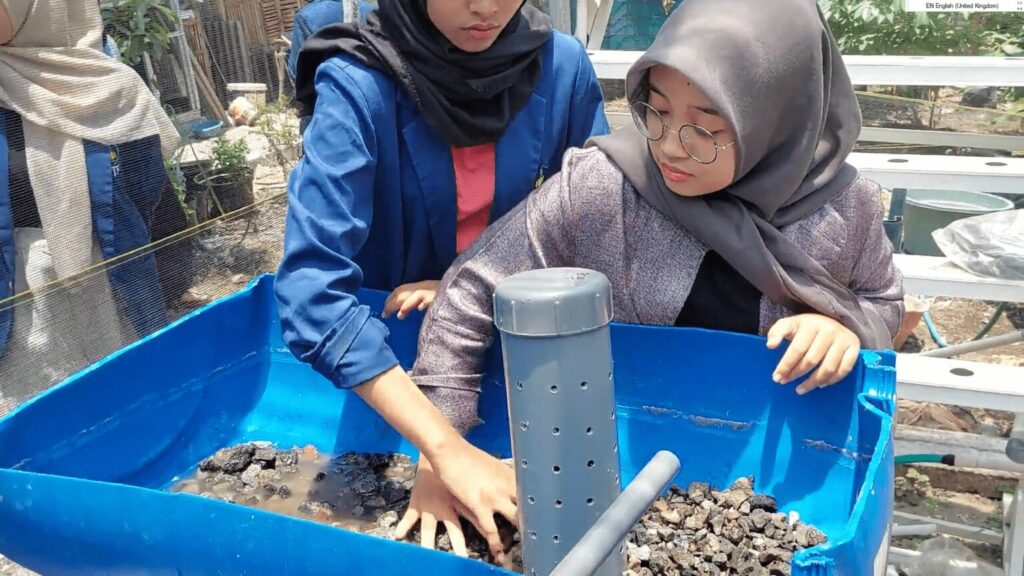
ITS offers free educational programs and outreach activities for local communities on the sustainable management of land for agriculture. To address the challenge of limited productive agricultural land in urban areas, the Faculty of Science and Data Analytics, ITS, carried out a Kuliah Kerja Nyata Pengabdian Masyarakat (KKN Abmas) program in Kelurahan Gading, Surabaya. The program introduced the  integration of hydroponic systems and catfish farming as an alternative model for urban agriculture. This initiative aimed to strengthen community food security while promoting environmentally friendly and sustainable farming practices. The KKN Abmas team, consisting of 28 students, also conducted weekly monitoring of hydroponic plant growth for five months to ensure continuity and knowledge transfer.

ITS also initiated greening activities beyond the campus area, extending into community spaces such as Kampung Medokan Semampir, Surabaya. The Environmental Engineering Student Association (HMTL) ITS organized the Green of Medokan Semampir (GEMAS) program, which included workshops and community service activities. 

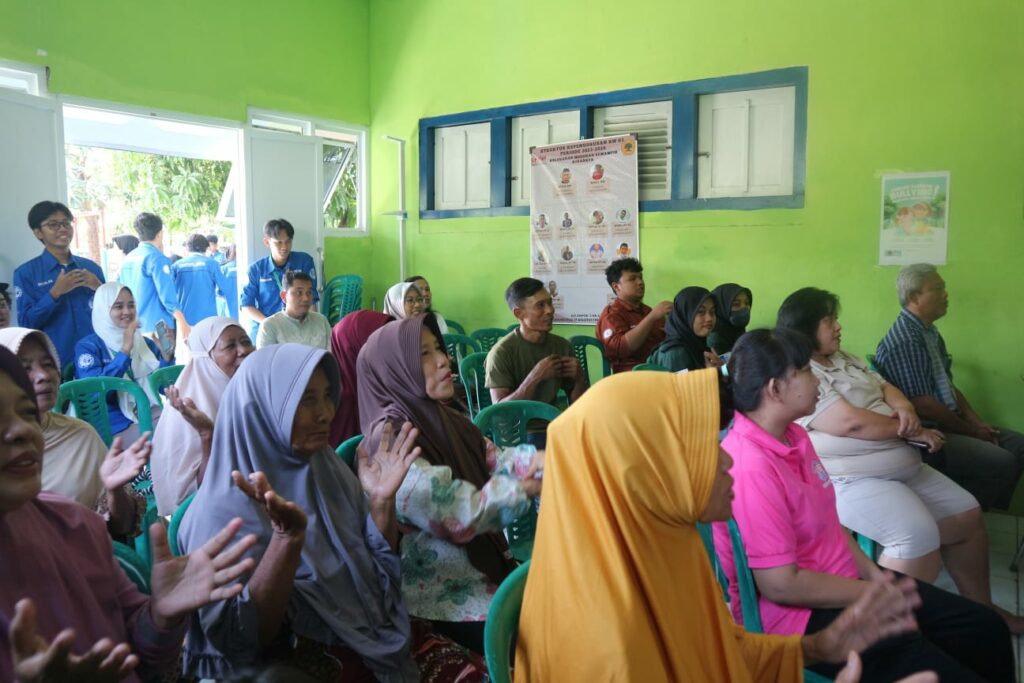
Local residents received hands on training in cultivating pak choi and creating Lubang Resapan Biopori (LRB) to improve soil absorption and environmental quality. The outreach was enriched by expert guidance from Mochamad Zamroni, Founder of the Tunas Hijau Indonesia Community, and education sessions on the urgency of greening in densely populated urban areas delivered by the East Java Environmental Ambassador 2024, Olivia Ridhotul Marita. The activities were held regularly, two days each week, and fully free of charge for the community.

ITS Promotes Sustainable Land Management for Tourism Through Free Community Outreach


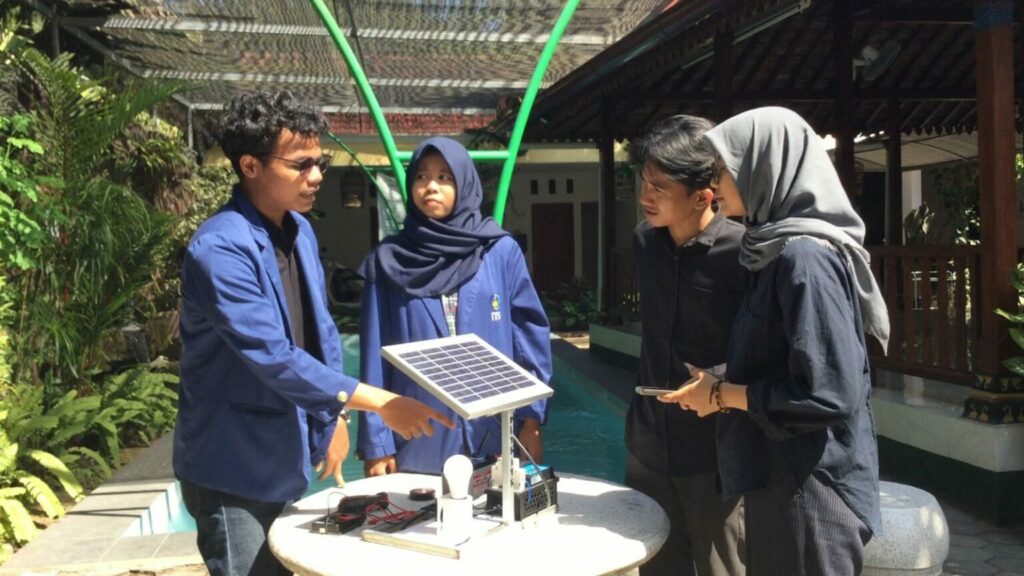
ITS offers free educational programmes and outreach for local communities on sustainable management of land for tourism. One initiative was implemented by an ITS Community Service Program (Abmas) team through the development of the Eco Edupark application in collaboration with Griya Kulon Yogya Homestay, Sumbersari, Moyudan, Sleman. This application combines tourism and education, allowing visitors to scan barcodes of various plant species and learn about local biodiversity. The Abmas team, consisting of 10 lecturers and 11 students, also installed a solar power system (PLTS) at the homestay to provide tourists with hands-on practicum experience in renewable energy. This programme enhanced sustainable edutourism innovation in the village.

ITS students from the Program Kreativitas Mahasiswa (PKM) team also contributed to spring revitalization in Bendolo Village, Nganjuk, through the Sadar Wisata dan Konservasi Mata Air (SWASITA) programme. Over five months, the team worked with the community to conserve water resources by planting 40 guava and avocado trees, installing information boards on spring protection, and mapping six local springs. Educational outreach was carried out to raise community awareness on sustainable water resource management as a foundation for eco-tourism.

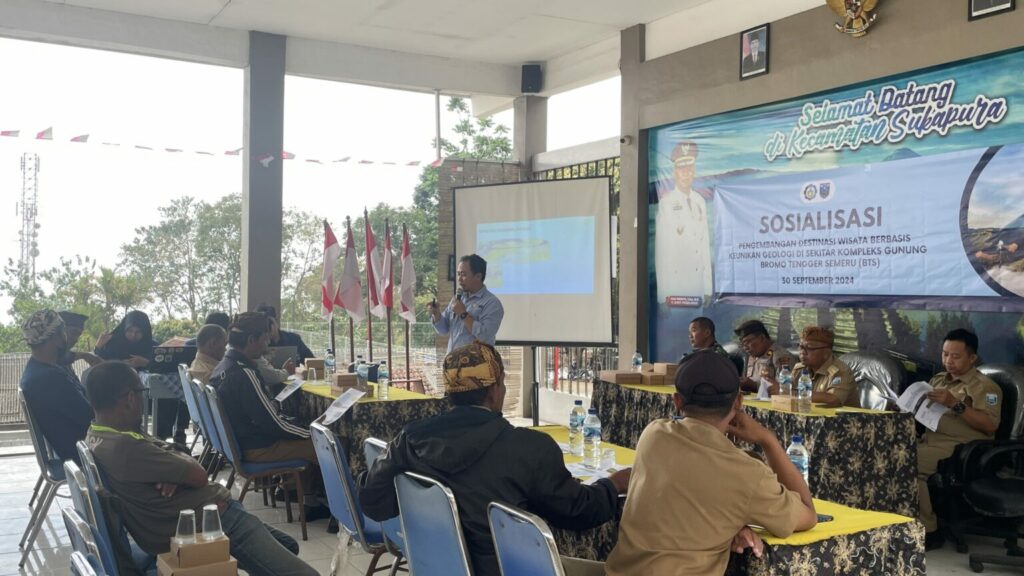
Another outreach activity was the Kuliah Kerja Nyata (KKN) Abmas programme, which developed Taman Bumi tourism in the Bromo Tengger Semeru (BTS) area. The programme promoted sustainable geotourism by surveying geological aspects such as rock layers, mineral and fossil content, water systems, and volcanic morphology, and sharing this knowledge with both local communities and guides. Educational sessions were conducted to equip local guides with skills to introduce the area’s geological uniqueness to tourists. The programme also emphasized community involvement in managing and conserving natural resources and cultural heritage to ensure the long-term sustainability of tourism in the BTS area.


Full Article:

Tim Abmas ITS Sokong Eduwisata Berkelanjutan Melalui Aplikasi

Dorong Potensi Wisata, ITS Bantu Revitalisasi Sumber Mata Air

KKN Abmas ITS Kembangkan Kawasan Wisata Taman Bumi

Supporting land ecosystems through action

ITS Establishes Policy for Conservation and Sustainable Use of Terrestrial Ecosystems on Campus


ITS demonstrates its commitment to sustainable development through policies that ensure the conservation, restoration, and sustainable use of terrestrial ecosystems within the campus, including forests, hills, and drylands. These policies, as stated in the Rector’s Circular Letter 2024, include:

  • Ensuring the conservation, revitalisation, and sustainable utilisation of terrestrial ecosystems on campus, particularly forests, hills, and drylands, to preserve biodiversity, restore natural habitats, and maintain environmental sustainability (Chapter 5, Point d).
  • Considering ecosystem sustainability impacts in campus development projects (Chapter 10, Point a).
  • Implementing activities to identify, monitor, and protect species listed in the IUCN Red List and the national conservation list that may be affected by campus activities (Chapter 10, Point c).
  • Integrating the protection of local biodiversity into campus physical development (Chapter 10, Point e).
  • Preserving biodiversity that forms part of the campus ecosystem (Chapter 10, Point f).
  • Undertaking conservation, rehabilitation, and restoration efforts to maintain the quality of natural ecosystems (Chapter 10, Point i).

ITS Implements Policy to Identify, Monitor, and Protect IUCN and Nationally Protected Species on Campus


In alignment with the Regulation of the Minister of Environment and Forestry of the Republic of Indonesia Number 106 of 2018 on Protected Plant and Animal Species, ITS has established policies to identify, monitor, and protect species listed in the IUCN Red List and the national conservation list that may be affected by campus activities. This commitment is reinforced through the ITS Rector’s Circular Letter 2024 on the university’s dedication to becoming a Green and Sustainable Campus.

The Circular Letter, under the chapter on Land and Marine Ecosystem Protection, emphasizes several key measures:

  • Considering ecosystem sustainability impacts in campus development projects.
  • Preventing invasive species from entering and disrupting campus ecosystems through pest control.
  • Identifying, monitoring, and protecting IUCN Red Listed and nationally protected species within campus areas.
  • Managing vulnerable ecosystems such as wetlands, mangroves, and peatlands.
  • Preserving biodiversity in physical campus planning and development.
  • Protecting wildlife by prohibiting capturing, hunting, or damaging habitats on campus.
  • Supporting research and education on aquatic ecosystems to conserve campus lakes and ponds.
  • Undertaking conservation, rehabilitation, and restoration to maintain natural ecosystem quality.

Through these measures, ITS ensures that its operations are aligned with both national regulations and international conservation standards, demonstrating its commitment to biodiversity protection and sustainable campus management.

ITS Integrates Local Biodiversity into Campus Planning and Development


ITS ensures that every planning and development process considers local biodiversity. This commitment is outlined in the Rector’s Circular Letter on ITS Commitment to a Green and Sustainable Campus (2024), particularly in:

  • Chapter 10, Point e: Considering the presence of local biodiversity in campus physical development.
  • Chapter 10, Point a: Taking into account the sustainability impact on ecosystems in all campus construction projects.
  • Chapter 5, Point d: Guaranteeing conservation, revitalization, and sustainable utilization of terrestrial ecosystems within the campus, especially forests, hills, and drylands, to preserve biodiversity, restore natural habitats, and maintain environmental sustainability.

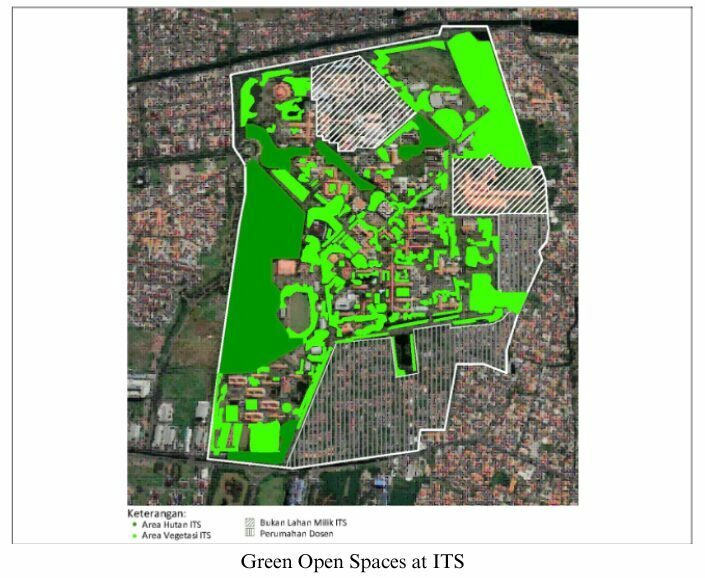
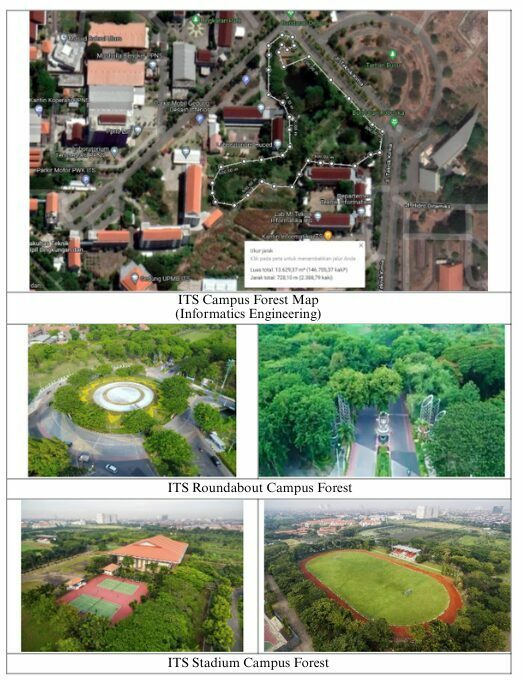
As part of this integration, ITS has developed extensive open and green spaces, providing ecological, educational, and social benefits. The ITS campus master plan includes a forest area covering 222,725 m² (13.3% of the total campus area), divided into multiple sections such as Gebang Forest and ITS Stadium, ITS Roundabout, ITS Dormitory, Environmental–Civil Engineering Forest, Informatics Engineering Forest, and the ITS Buncitan Campus Forest.

Other green initiatives across ITS include:

  • Public gardens and parks, such as Alumni Park, Triangle Park, Roundabout Park, and green corridors across faculties and departments.
  • Vertical gardens on several campus buildings, using plant species that adapt well to Surabaya’s climate.
  • Campus gardens at ITS Sukolilo, ITS Manyar, and ITS Cokroaminoto, managed by different departments.
  • ITS Eco Urban Farming, which supports organic farming and provides vegetables for the academic community.
  • Buncitan Campus land, utilized as a living laboratory for agricultural activities by the Department of Biology and the ITS Industrial Agro Center.

Through these measures, ITS demonstrates its strong commitment to integrating biodiversity into campus development, ensuring that growth and modernization are aligned with ecological preservation and sustainability principles.

Alien Species Impact Reduction Policies


In pursuit of its commitment to environmental sustainability, ITS has enacted policies to mitigate the ecological impact of alien species within its campus, as outlined in Rector’s Statement Letter 2021 which states that

Institut Teknologi Sepuluh Nopember ensures that no invasive alien species enter the campus. (Chapter III Environment, Point H)

Additionally, ITS Rector Circular Letter to ITS’ Commitment as a Green and Sustainable Campus on Chapter Land and Marine Ecosystem Protection reinforces this commitment by addressing comprehensive biodiversity measures that contribute to reducing the impact of alien species on campus ecosystems:

Chapter: Land and Marine Ecosystem Protection

  • Consider ecosystem sustainability impacts in campus construction.
  • Prevent invasive species from entering and disrupting campus ecosystems through pest control policies.
  • Identify, monitor, and protect species on the IUCN Red List and national conservation list affected by campus activities.
  • Enhance efforts in managing vulnerable ecosystems (wetlands, mangroves, peatlands).
  • Consider local biodiversity in physical campus development.
  • Preserve campus biodiversity as part of the ecosystem.
  • Protect wildlife with notices or prohibitions on capturing, hunting, or damaging wildlife habitats on campus.
  • Encourage research and education focusing on aquatic ecosystems to preserve campus lakes and ponds.
  • Undertake conservation, rehabilitation, and restoration to maintain natural ecosystem quality.

ITS Collaborates with Local Communities to Maintain and Restore Shared Land Ecosystems


ITS actively collaborates with local communities to maintain and restore shared land ecosystems. For example, ITS worked with the community of Padike Village, Sumenep Regency, where diverse ecosystems can be found, including coastal mangrove forests, inland agricultural land, and marine biodiversity. Global climate change, such as rising surface temperatures on land and sea, threatens these ecosystems, particularly biodiversity. To mitigate and prevent these impacts, ITS and local residents carried out mangrove planting as an effort to reduce erosion, filter pollution, improve soil formation, provide habitats, conserve biodiversity, and control flooding.  The program also involved the establishment of community planting groups, training, monitoring, community incentive programs, and environmental awareness campaigns.

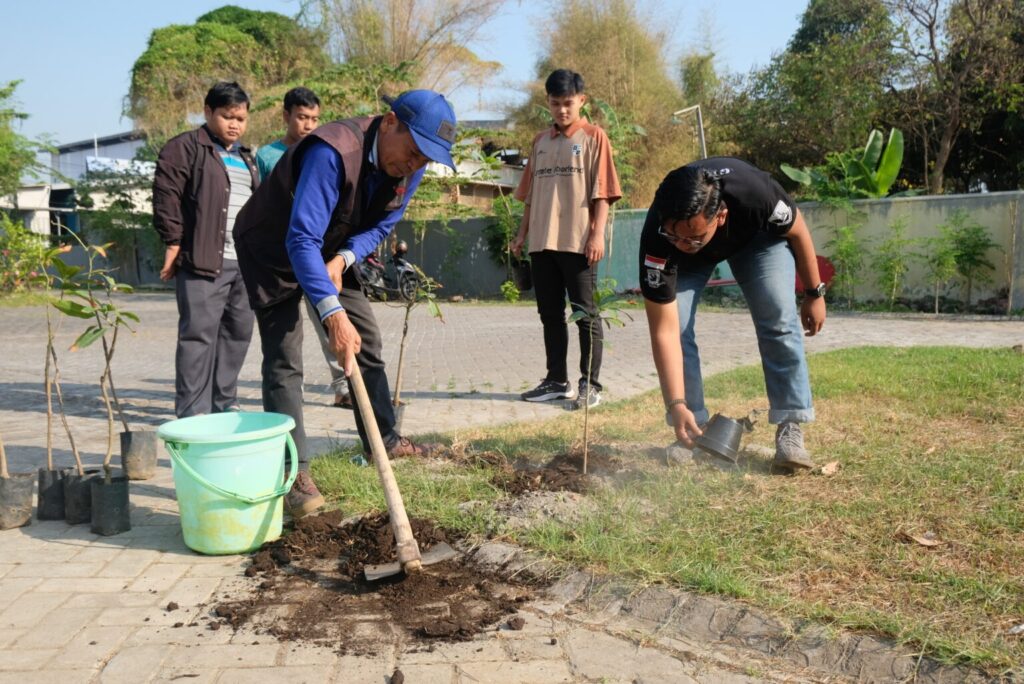
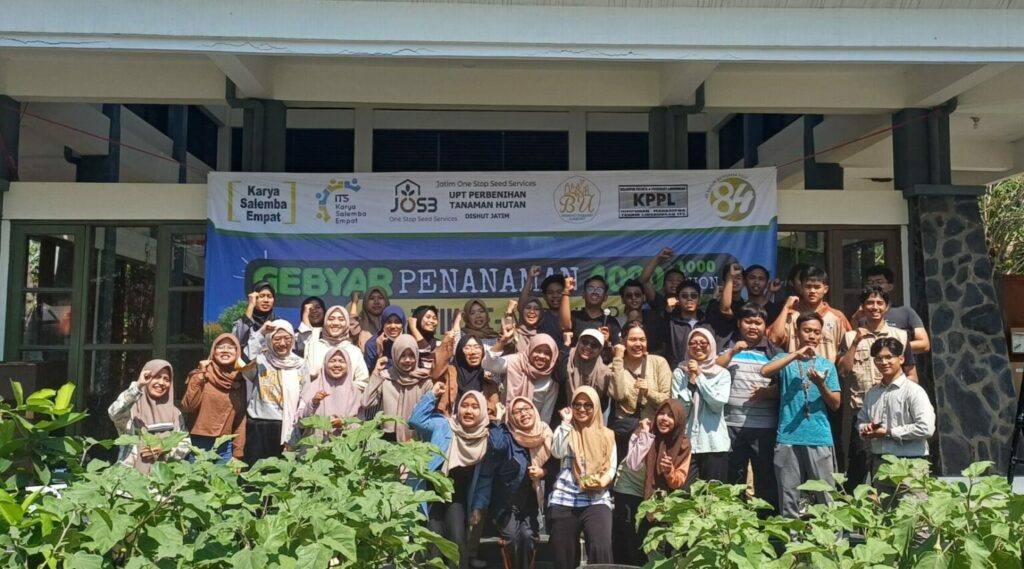
In addition, to commemorate World Ozone Day, Karya Salemba Empat (KSE) ITS Scholarship Awardees collaborated with the Beasiswa Unggulan Surabaya Community and the ITS Environmental Care and Awareness Community (KPPL) to organize the planting of 100 trees at the Keputih Subdistrict Office, Surabaya

A total of 39 strategic planting points were prepared, focusing on fruit bearing species such as soursop, mango, avocado, and longan, which are productive trees that provide food sources for the community. Some seedlings were also provided by the East Java Forestry Service and distributed to the ITS Lecturer Housing Complex, the Keputih Community Empowerment Institution (LPMK), and surrounding residents. Moving forward, routine monitoring will be carried out by KSE scholarship awardees to ensure the healthy growth of the planted trees.

Land sensitive waste disposal

Water Discharge Guidelines and Standards


ITS implements water discharge guidelines and standards has become a critical step toward ensuring the protection and sustainability of water resources. These standards are designed to regulate the discharge of wastewater and other pollutants into water bodies, with the goal of maintaining high water quality. By setting clear parameters for acceptable levels of contaminants, these guidelines serve to protect not only aquatic ecosystems and wildlife but also human health and the well being of communities that rely on clean water sources.

Guided by Hazardous Waste and Wastewater Management at ITS, Wastewater Programs Implementation at ITS and the Rector’s Circular Letter to ITS’ Commitment as a Green and Sustainable Campus, ITS treats and reuses 30% of its water via comprehensive programs. These include recycling wudu (wudu) and gray water for plant irrigation and fish ponds, as well as using treated wastewater for toilet flushing in key buildings. Constructed wetlands, aeration, and holding ponds further enhance water quality and conservation efforts on campus, setting a standard for sustainable water management. Our Rector Circular Letter to ITS’ Commitment as a Green and Sustainable Campus delineated further the following commitment.

Chapter: Water Management

  • Foster a culture of clean water conservation.
  • Implement water-saving technology on campus facilities.
  • Pursue sustainable wastewater treatment and recycling efforts.
  • Reuse recycled water for plant irrigation, toilet flushing, or general cleaning.
  • Harvest rainwater as an alternative water source.
  • Conserve water by optimizing retention ponds for rainwater storage and flood control on campus.

Chapter: Waste Management

  • Prevent pollution in water bodies, rivers, and the sea.
  • Manage hazardous and toxic waste (B3) responsibly and sustainably.
  • Sustainably manage wastewater.

ITS Policy on Plastic Waste Reduction


In recognition of the environmental impact of plastic waste and the importance of sustainability, ITS has established a campus-wide policy aimed at significantly reducing plastic waste. 

Rector Circular Letter 9665/1T2/T/TU.00.08/V/2024 to ITS’ Commitment as a Green and Sustainable Campus on Waste Management Chapter outlines the following policy statement on waste management which include plastic waste.

Chapter: Waste Management

  1. Promote waste management by reducing campus-generated waste through the 3R principles (Reduce, Reuse, Recycle), including source separation, waste reduction, recycling, and reusing waste products.
  2. Minimize single-use materials, especially plastic and/or paper, in procurement and extend this policy to third parties or suppliers on campus.
  3. Reduce the use of plastic bags, food containers, and single-use beverage containers in campus activities.
  4. Provide water dispensers and reusable cups in workspaces/meeting rooms/halls to minimize plastic bottled water use.
  5. Limit the use of plastic banners, backdrops, and other advertising media for meetings, socialization, and training.
  6. Implement a paperless office principle.
  7. Optimize the digital MyITS Office and email for office communications and teaching activities.
  8. Maximize online, cloud-based media for document storage and sharing.
  9. Minimize paper use by reusing draft paper and printing on both sides.
  10. Reduce food waste by portioning appropriately.
  11. Manage and monitor environmental quality following applicable regulations.
  12. Prevent pollution in water bodies, rivers, and the sea.
  13. Manage hazardous and toxic waste (B3) responsibly and sustainably.
  14. Sustainably manage wastewater.

Rector Statement Letter to ITS’ Commitment on Achieving Sustainable Development Goals (SDGs) delineates that: 

Institut Teknologi Sepuluh Nopember is committed to minimizing the use of single-use plastic materials and/or plastic bags, from the stages of purchasing and procurement to distribution and disposal within the ITS environment. (Chapter 3, Verse F).

This commitment is further translated into practice through the Standard Operating Procedures (SOP) of the ITS Central Canteen (Zona KHAS), which detail specific policies and requirements:

  • Policy Scope: All canteen tenants are required to reduce the use of plastic and single-use items, while also adhering to strict standards of hygiene, halal certification, and health.
  • Contractual Obligations: Tenant contracts explicitly mandate the minimization of single-use plastics. In addition, tenants must provide halal certification and a Business Identification Number (NIB) to ensure legality and quality.
  • Supplier and Partner Involvement: Suppliers for Zona KHAS are also required to align with these standards, particularly by minimizing plastic use through bulk packaging or reduced packaging materials, thereby reducing overall waste.

ITS Policy on Hazardous Waste Disposal


ITS is dedicated to protecting the environment and advancing sustainable practices. As part of this commitment, ITS has established a thorough policy for hazardous waste disposal, ensuring the safe and responsible management of all hazardous materials. ITS Rector has emphasized the university’s commitment to sustainable development and environmental conservation through formal statements and policies:

Rector Statement Letter to ITS’ Commitment on Achieving Sustainable Development Goals (SDGs) delineates that:


Institut Teknologi Sepuluh Nopember is committed to conserving water resources and maximizing their reuse (Chapter 3, Verse  a)

Institut Teknologi Sepuluh Nopember ensures its involvement in reducing pollution to rivers and seas by promoting efforts to manage domestic wastewater through treatment and recycling (Chapter 3, Verse b)


Rector Circular Letter 9665/IT2/T/TU.00.08/V/2024 to ITS’ Commitment as a Green and Sustainable Campus on Waste Management Chapter also outlines ITS’s responsibility for the sustainable and responsible management of hazardous and toxic waste (B3), stating:

Manage hazardous and toxic waste (B3) responsibly and sustainably. (Point 8, Verse m)

Rector’s Circular Letter Number T/95007/IT2/TU.00.08/2019, entitled Institut Teknologi Sepuluh Nopember as a Sustainable and Environmentally Friendly Campus, promotes B3 waste management, specifically: 

Promoting environmentally friendly and sustainable management of hazardous and toxic waste (B3). (Point A, Verse 10)

Hazardous Waste and Wastewater Management at ITS also describe detailed procedures for managing hazardous and toxic (B3) waste from various campus activities.

A. Hazardous and Toxic Waste (B3) Waste Management Flow at ITS

Hazardous and Toxic Waste (B3) on ITS campus usually comes from laboratories. Departments that generate laboratory waste containing B3 waste include Department of Chemical Engineering, Environmental Engineering, Chemistry, Materials and Metallurgical Engineering, Biology, and Mechanical Engineering. Sorting and packaging of B3 waste are conducted to facilitate safe storage, collection, and transportation, ensuring safety for the environment and human health. Packaging must be accompanied by symbols and labels.Laboratory managers are responsible for sorting B3 waste, which is stored temporarily before transfer to a certified third-party handler.

B. Temporary Storage of Medical Waste at ITS in Containers or Freezers

In the management of B3 (Hazardous and Toxic Waste) at ITS, temporary storage is conducted in bins/containers and freezers/cold storage for medical waste such as used gloves, masks, expired medications, and syringes generated by the ITS Medical Center and other departments at ITS.  This waste is packaged in yellow plastic according to regulatory procedures to ensure safety.

C. Storage of B3 Waste from Academic Activities in ITS Laboratories in Containers and Drums

Temporary storage of non-medical waste, such as academic laboratory waste, is placed in labeled drums and containers suited to each type of B3 waste. These storage areas are organized on shelves and protected from sunlight to maintain safe conditions.

D. Transportation of B3 Waste from ITS Laboratories Conducted in Collaboration with Third Parties

In managing the transportation of B3 (Hazardous and Toxic Waste), ITS collaborates with certified third parties. This collaborative process ensures the effective management of hazardous waste, including the schedule of waste collection from multiple laboratories across campus. 
Beranda > SDG 15