“Equality needs to underpin every aspect of sustainability if the objectives of the SDGs are to be met. Although SDG 5 Explores this through the prism of gender, SDG 10 takes a broader look at intersectionality of disadvantages. This disadvantages can be felt through all of the other key issues raised by the SDGs – disadvantaged groups are both more likely to be unable to take advantage of progress and to suffer from the effects of climate change.”
(THE Impact Rankings)
SDG 10: REDUCED INEQUALITIES
Measures against Discrimination
- Non-discriminatory admissions policy
- Access to university track underrepresented groups applications
- Access to university underrepresented groups recruit
- Anti-discrimination policies
- University diversity officer
- Support for underrepresented groups
- Accessible facilities
- Disability support services
- Disability access scheme
- Disability accommodation policy
- Anti-harassment policy
Non Discriminatory Admissions Policies at ITS
ITS has established comprehensive institutional policies to promote inclusion and equality in all academic and administrative processes. These policies ensure open and equitable access to education and employment without discrimination.
Academic Senate Regulation No. 2 of 2016
According to the Academic Senate Regulation No. 2 of 2016, Article 4.1.3.A.1(a) on Operational Policies in Education, ITS guarantees that:
“Every Indonesian citizen who meets academic requirements shall have equal rights without discrimination based on ethnicity, religion, belief, gender, economic condition, or disability.”
This provision ensures that student admissions are conducted on a fair and inclusive basis, providing equal opportunities for all qualified applicants.
ITS Rector Regulation No. 2 of 2017
Furthermore, the ITS Rector Regulation No. 2 of 2017 on Employment Management, Chapter Two – Recruitment, Article 8(1), reinforces this commitment by stating that:
“Recruitment of employees shall be conducted openly, without discrimination based on ethnicity, religion, race, or social group, and shall be carried out according to institutional needs.”
Rector Circular Letter on ITS’ Commitment as a Green and Sustainable Campus 2024
Additionally, the Rector Circular Letter on ITS’ Commitment as a Green and Sustainable Campus (2024) reflects ITS’ inclusive approach to lifelong learning and community engagement. It ensures that all activities are based on equality, humanity, and fairness, explicitly prohibiting discrimination or violence based on religion, ethnicity, race, or gender. The policy also supports disability-friendly facilities and accessible educational opportunities for individuals with special needs.
Through these institutional measures, ITS reinforces its commitment to social inclusion and equal opportunity by creating an academic environment where every individual can participate and thrive regardless of background or condition.
Full Policy:
Inclusive Admissions and Student Tracking System
ITS has established a comprehensive admissions system that ensures equal access to higher education and monitors the participation of underrepresented and disadvantaged groups. This commitment is grounded in ITS’ Senate and Rector’s policies, which guarantee non-discriminatory practices in student admission, education, and employment opportunities across the university.
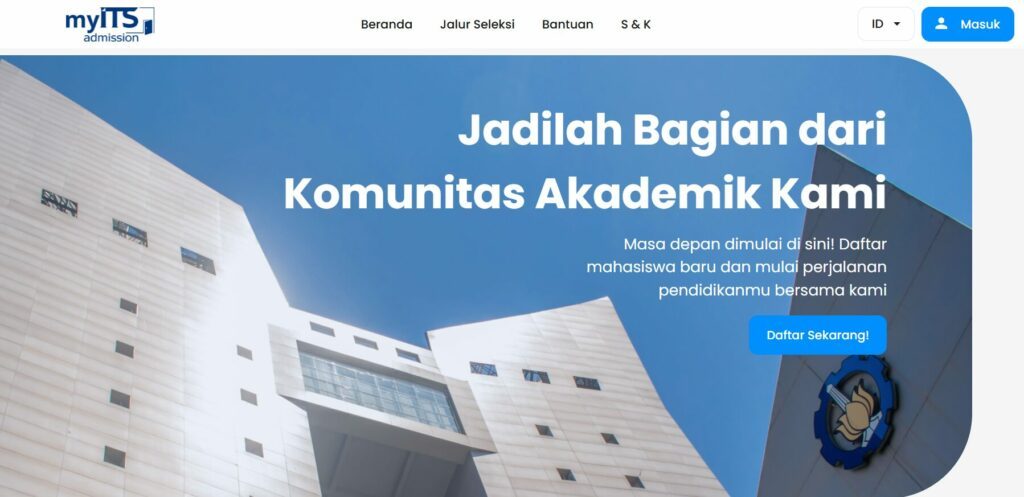
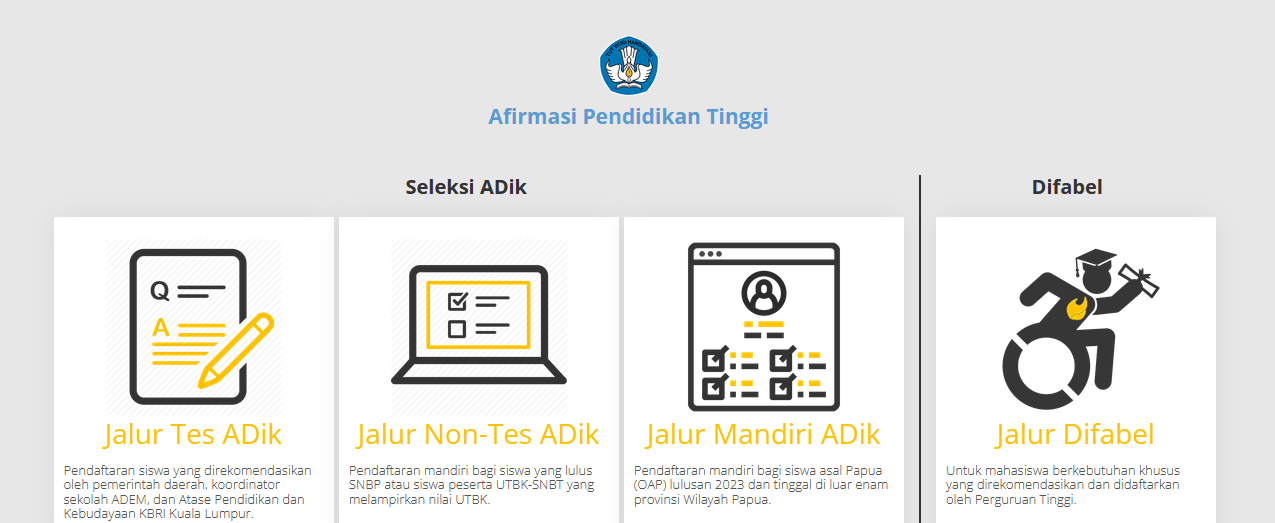
Through the MyITS Admission system, the university systematically tracks applications and admissions based on gender, socioeconomic background, and region of origin, including applicants from underdeveloped, frontier, and outermost (3T) areas as well as recipients of the Kartu Indonesia Pintar Kuliah (KIP-K) scheme for low-income students.
The digital system records and monitors students’ progress from application to graduation, ensuring that those from economically disadvantaged and remote regions receive continuous institutional support. In 2024, thousands of students from underrepresented backgrounds were admitted to ITS through inclusive pathways such as KIP-K and Afirmasi Pendidikan Tinggi (ADik), a national program providing special admission routes and scholarships for students from Papua, West Papua, and 3T regions.
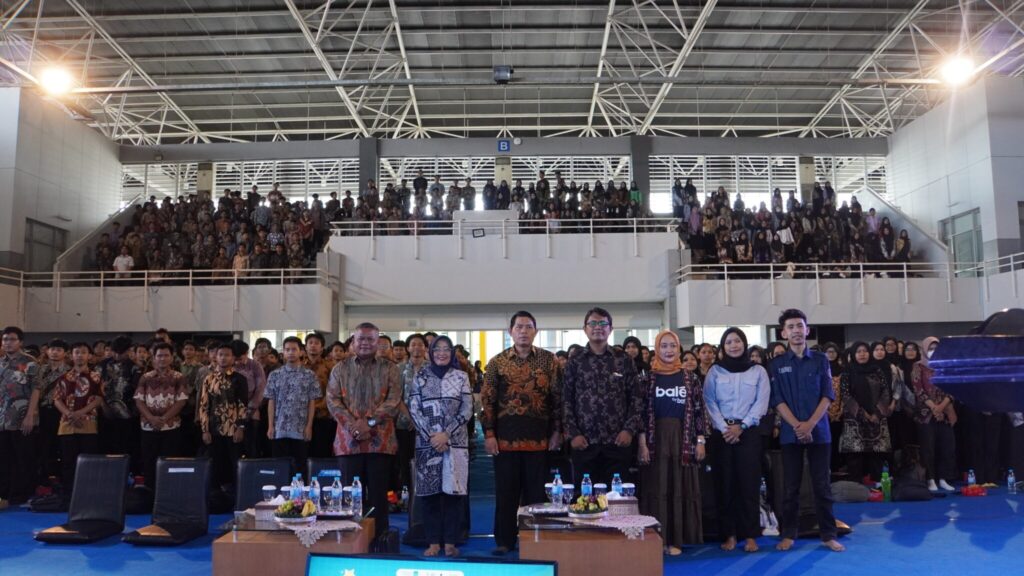
ITS complements these national initiatives with preparatory and mentoring programs to support students’ academic adjustment and success. The system also enables annual monitoring of gender distribution across all study programs, with particular focus on encouraging women to enroll in STEM disciplines where female participation remains low. Additionally, ITS provides tuition waivers, targeted mentoring, and academic assistance through the Directorate of Academic Affairs to ensure equal opportunities for low-income and non-traditional students.
Inclusive Access and Support for Underrepresented Groups at ITS
ITS is committed to fostering diversity and inclusion by taking planned actions to recruit and support students from underrepresented and disadvantaged groups. The university ensures equal access to higher education through targeted admission pathways, scholarships, and continuous monitoring supported by the MyITS Admission system.
Affirmative Programs
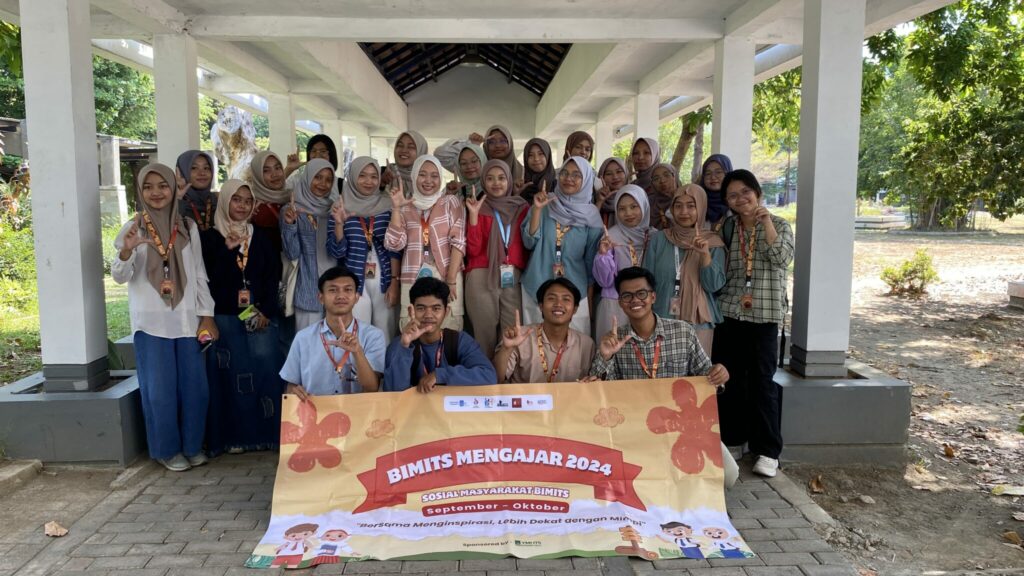
Through affirmative programs such as Kartu Indonesia Pintar Kuliah (KIP-K) and Afirmasi Pendidikan Tinggi (ADik), ITS actively recruits students from underdeveloped, frontier, and outermost (3T) regions as well as low-income families, particularly those from Papua and West Papua. In 2024, thousands of students from these backgrounds were admitted to ITS through these inclusive schemes.
Accessibility and Support for Students with Disabilities
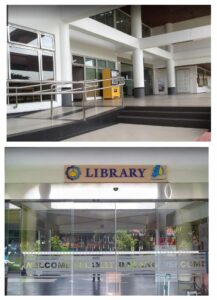
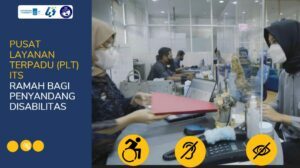
ITS is also committed to building a supportive and accessible environment for both students, faculty, and staff. The university provides academic, mobility, and counseling support for students with disabilities and ensures that facilities are inclusive for all members of the community. Awareness campaigns and inclusive events are also held regularly to promote empathy, respect, and understanding among campus members.
International Inclusion and Equal Opportunity for Global Students
As part of its internationalization mission, ITS continues to attract participants from around the world. In 2024, thousands of international students from various regions — many of whom come from low-income countries — joined ITS through short and full-degree programs, exchanges, and community-based initiatives such as the Community and Technological Camp (CommTECH). ITS applies non-discriminatory admission practices regardless of applicants’ country of origin and provides scholarship opportunities and financial support to ensure equal access for all. These programs promote intercultural collaboration and enhance the diversity that enriches ITS’ academic and social environment.
Institutional Anti-Discrimination Policies at ITS
ITS has established comprehensive institutional policies that ensure open and equitable access to education and employment without discrimination based on ethnicity, religion, disability, or gender.
Academic Senate Regulation No. 2 of 2016
According to Academic Senate Regulation No. 2 of 2016, Article 4.1.3.A.1(a) on Operational Policies in Education, ITS guarantees that:
“Every Indonesian citizen who meets academic requirements shall have equal rights without discrimination based on ethnicity, religion, belief, gender, economic condition, or disability.”
This clause ensures that all learning and teaching processes at ITS are conducted on a fair and inclusive basis, providing equal opportunities for every qualified individual regardless of background or condition.
Rector Regulation No. 2 of 2017
Furthermore, Rector Regulation No. 2 of 2017 on Employment Management, Chapter Two – Recruitment, Article 8(1), stipulates that:
“Recruitment of employees shall be conducted openly, without discrimination based on ethnicity, religion, race, or social group, and shall be carried out according to institutional needs.”
Rector’s Circular Letter on ITS’ Commitment as a Green and Sustainable Campus (2024)
These regulations are reinforced by the Rector’s Circular Letter on ITS’ Commitment as a Green and Sustainable Campus (2024), which explicitly prohibits any form of discrimination or violence based on religion, ethnicity, race, or gender in all academic and administrative activities. The circular promotes equality, humanity, and fairness across the institution and emphasizes the provision of disability-friendly facilities to ensure accessibility for all members of the community.
Together, these policies establish a strong institutional framework that upholds equality, inclusion, and human rights across ITS’ academic and operational activities—reflecting ITS’ firm commitment to maintaining a safe, respectful, and inclusive university environment.
Full Policy:
Institutional Task Forces for Diversity, Equity, and Inclusion at ITS
Satgas PPKPT ITS and Satgas PPKS ITS
ITS is strongly committed to advancing diversity, equity, inclusion, and human rights within its academic community. Since 2022, the university has maintained two dedicated task forces to ensure a safe, inclusive, and respectful campus environment: the Task Force for the Prevention and Handling of Violence in Higher Education (Satgas PPKPT ITS) and the Task Force for the Prevention and Handling of Sexual Violence (Satgas PPKS ITS).
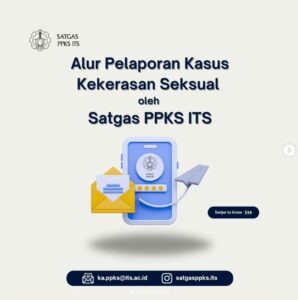
The Satgas PPKS ITS focuses on addressing sexual violence prevention, response, and awareness, while the Satgas PPKPT ITS extends its work to cover broader forms of violence and misconduct, including bullying, harassment, and discrimination. Both task forces routinely advise university leadership and implement policies, training, and reporting mechanisms related to non-discrimination, violence prevention, and gender-based equality. Through the Ruang Aman (Safe Space) reporting system and their official communication channels — @satgasppkptits and @satgasppks.its, ITS provides accessible and confidential platforms for victims and witnesses to report incidents, ensuring timely follow-up and protection in line with national regulations.
Student-Based Religious and Community Organizations
Beyond institutional measures, ITS actively supports student-based religious and community organizations that promote inclusivity and interfaith harmony. These include Jamaah Masjid Manarul Ilmi, Keluarga Mahasiswa Katolik ITS St. Ignatius Loyola, Persekutuan Mahasiswa Kristen ITS, Tim Pembina Kerohanian Buddha ITS, and Tim Pembina Kerohanian Hindu ITS. These organizations provide safe spaces for spiritual growth and dialogue, fostering mutual respect and understanding among members of different faiths and backgrounds.
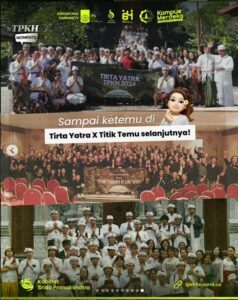
Through the combined efforts of the Satgas PPKPT, Satgas PPKS, and various student-led initiatives, ITS continues to uphold its commitment to diversity, equality, and inclusion, ensuring that all members of its academic community can learn, work, and grow in a respectful and supportive environment.
Support and Inclusion Programmes for Underrepresented Groups at ITS
ITS demonstrates a strong institutional commitment to supporting students, staff, and faculty from underrepresented groups through mentoring, counselling, and peer-support initiatives. These programmes aim to ensure equal opportunities, emotional well-being, and a sense of belonging across the ITS community.
Student Health Care Center (SHCC)
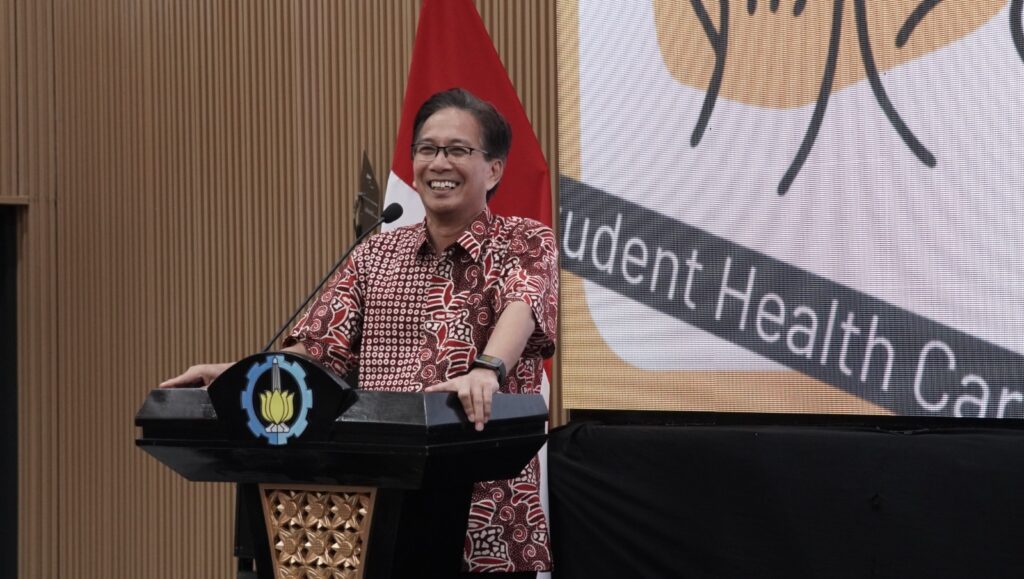
In 2024, ITS officially launched the Student Health Care Center (SHCC) in collaboration with the Parent Association (Ikoma ITS) and DearAstrid. The SHCC provides early intervention and consultation services for mental health issues experienced by students, lecturers, and staff. The initiative was established in response to growing awareness of student mental health challenges and serves as a dedicated facility for preventive counselling, consultation with licensed psychologists, and awareness raising programmes.
ITS Medical Center
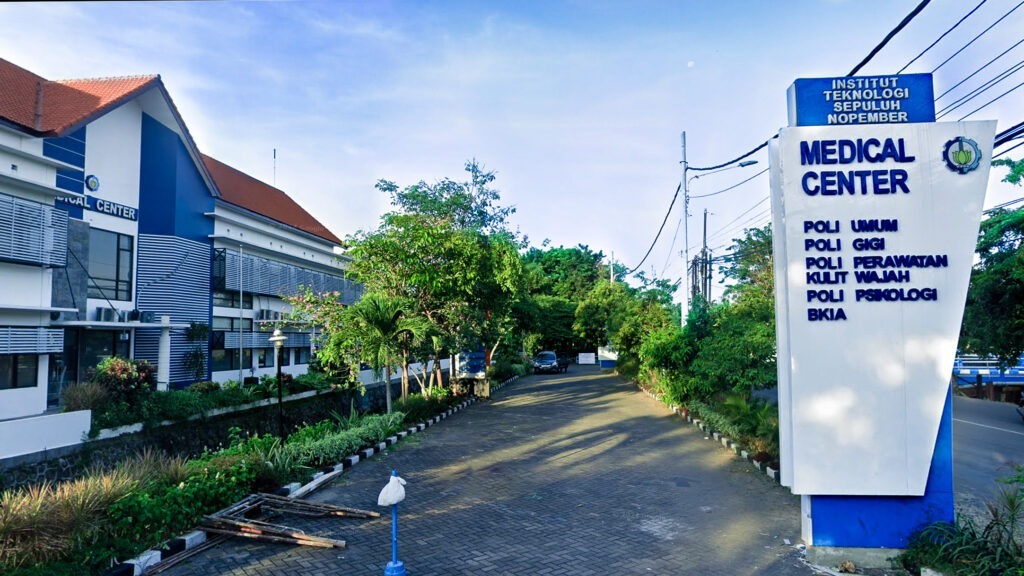
Complementing SHCC, the ITS Medical Center (Medcen) offers psychiatric and psychological services that provide professional clinical support for those in need. Together, SHCC and Medcen form an integrated system that promotes mental health and inclusivity across the campus.
Inclusive Communities at ITS
ITS also strengthens peer and mentoring networks through student-led and faculty-level programmes. Various organizations such as Girl Up ITS, Womenpreneur ITS, and departmental student associations conduct mentoring, leadership, and well-being workshops to empower women and underrepresented groups. These activities are supported by institutional efforts to train lecturers and staff on inclusive practices and mental health awareness.
Through these initiatives, ITS actively builds an inclusive academic environment that prioritizes mental health, equality, and support for all members of its community.
Accessible Campus Facilities for People with Disabilities at ITS
ITS has taken significant steps to ensure that its campus facilities are accessible to people with disabilities. The university applies inclusive design principles across its infrastructure, including wheelchair-accessible ramps, classrooms, and dedicated parking spaces for persons with disabilities.
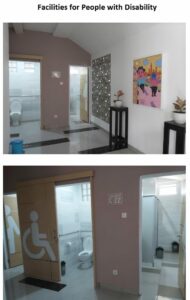
To further enhance accessibility and support services, ITS is planning to establish an Integrated Service Center (Pusat Layanan Terpadu/PLT) in 2025. This center will provide comprehensive assistance and guidance for students with special needs, ensuring that academic and administrative services are accessible to all.
Through these efforts, ITS continues to strengthen its commitment to building an inclusive and supportive campus environment where every member of the community can participate fully and equally.
Disability Support Services and Assistive Technologies at ITS
ITS provides a range of support services and innovations to ensure accessibility and inclusion for students with disabilities. The university has developed several assistive technologies and infrastructure improvements to enhance mobility, communication, and learning experiences on campus.
Assistive Innovation: Ainetra Application for the Visually Impaired
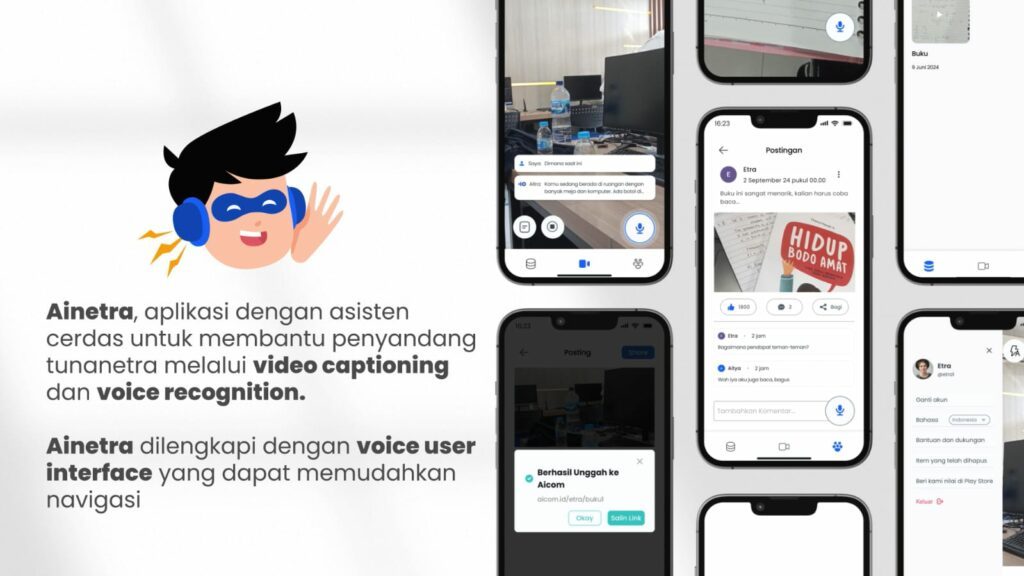
Among these initiatives is the Ainetra application, created by ITS students to support visually impaired users. The app utilizes a voice user interface (VUI) and real-time image recognition to convert visual information into spoken feedback, enabling users to navigate their surroundings more independently.
Smart Rehabilitation Device for Motor Disabilities
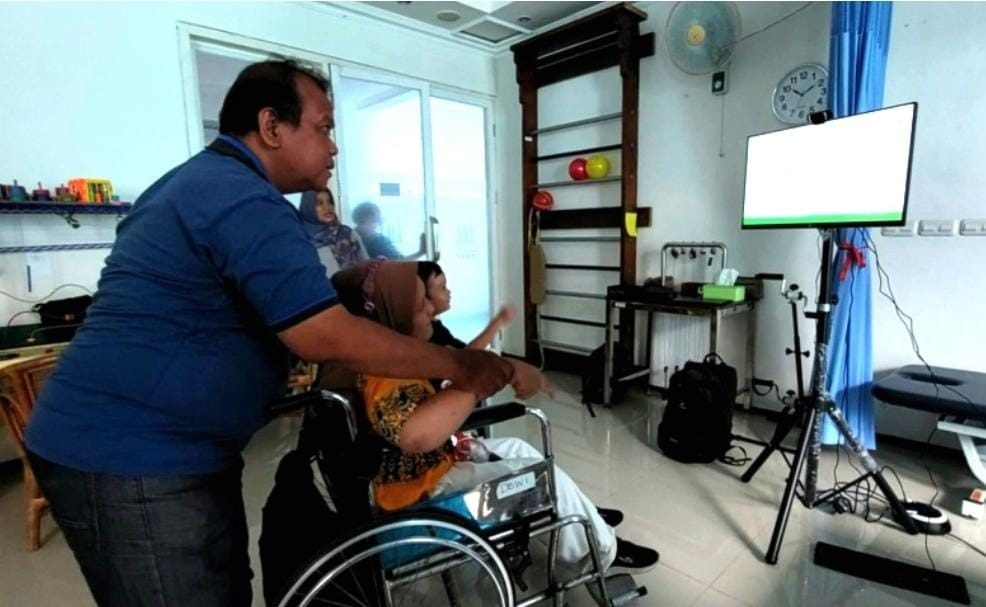
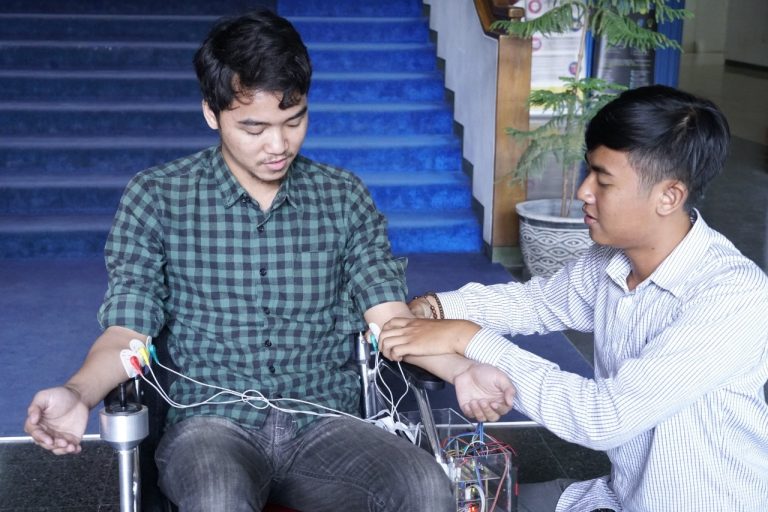
ITS has also introduced a smart physical therapy device designed for individuals with motor disabilities. Using camera-based motion tracking and deep learning, the device assists with hand therapy and physical rehabilitation, particularly for students requiring accessible therapy solutions within campus facilities.
Accessible and Inclusive Campus Infrastructure
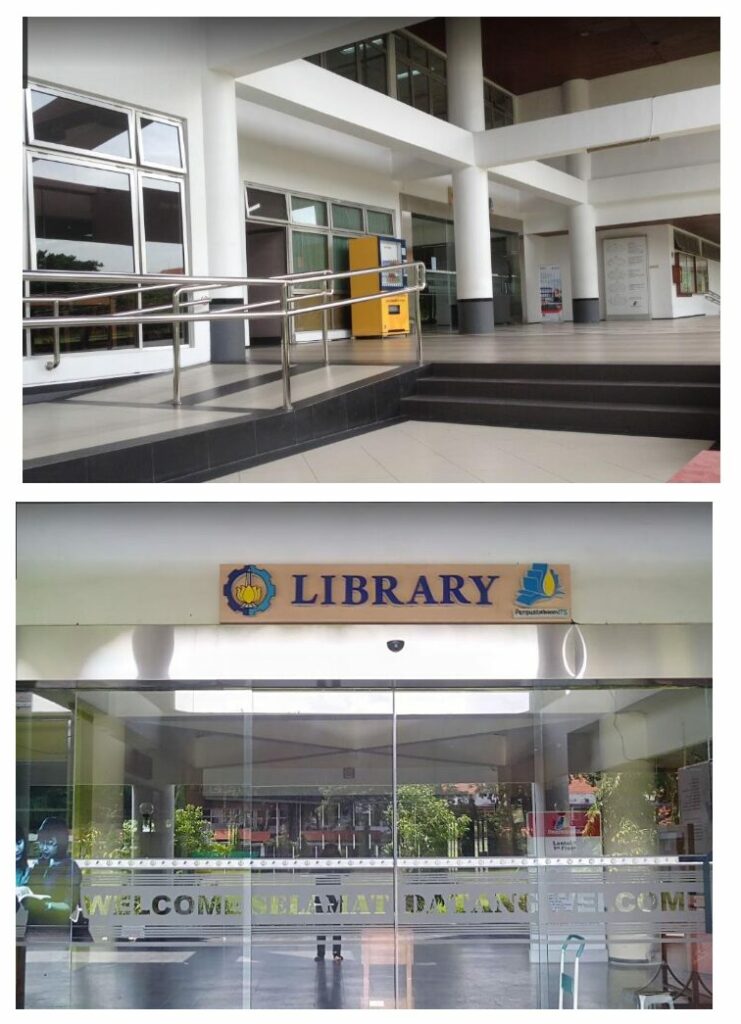
Complementing these innovations, ITS continues to improve campus accessibility through barrier-free infrastructure, including ramps, dedicated parking areas, and accessible pathways. These developments reflect ITS’ growing commitment to providing a supportive academic and physical environment for all students, including those with disabilities.
Access Schemes for People with Disabilities
ITS demonstrates a strong commitment to inclusive education through various initiatives that ensure accessibility and support for people with disabilities. In 2024, ITS implemented several targeted support programs that enhance both the learning environment and participation of students with disabilities across academic and non-academic activities.
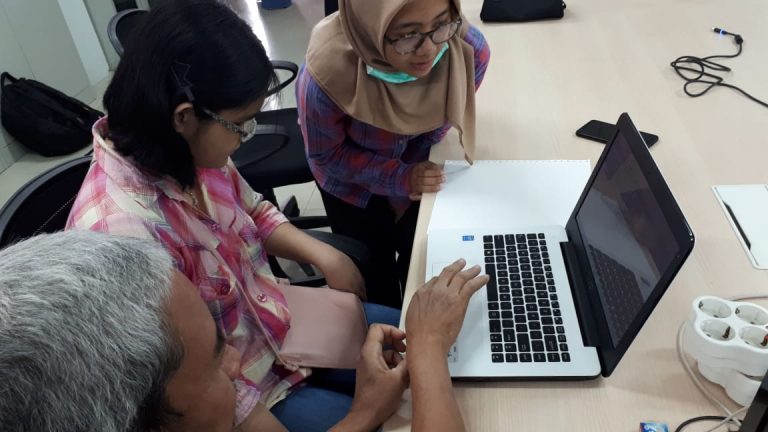
One of the key initiatives was a training program for blind and visually impaired students focused on the use of Braille embossers and text-editing software. This activity was part of ITS’ ongoing efforts to empower students with visual impairments through digital literacy and assistive technology. Additionally, ITS collaborated with the Mata Hati Community, a local organization advocating for persons with disabilities, to develop an accessible website that improves information accessibility and community engagement for individuals with visual limitations.
Beyond skill-based programs, ITS also continued to enhance campus infrastructure to support inclusivity. Facilities such as ramps, wheelchair-accessible pathways, and other barrier-free features were provided to ensure that students with mobility challenges can access learning spaces safely and comfortably.
Furthermore, through the Department of Urban and Regional Planning, ITS carried out an initiative titled “Designing a Multiscale Support System for Digital Education to Improve Higher Education Access for People with Disabilities.” This program integrates inclusive design and digital innovation to expand accessibility in higher education for PwDs.
In addition to physical and digital accessibility initiatives, ITS, through its Medical Center, also provides continuous mental health awareness workshops and psychological support services. These regular workshops, such as MenFest 2.0 held in June 2024, include mindfulness and stress management sessions aimed at promoting mental well-being among students and staff. The Medical Center also operates a Psychology Clinic offering counseling and psychological assessment services, ensuring that all members of the academic community, including those with special needs, receive holistic support.
These collective efforts reflect ITS’ dedication to fostering an inclusive and supportive academic environment, aligning with the principles of reducing poverty and reducing inequalities. Through targeted training, mental health programs, and accessibility improvements, ITS ensures that people with disabilities and other underrepresented groups are provided with comprehensive support to thrive in the academic community.

Inclusive Education and Employment Policy for Persons with Disabilities at ITS
ITS ensures equitable access to education and employment for persons with disabilities through comprehensive institutional regulations and initiatives.
The Academic Senate Regulation No. 2 of 2016 guarantees equal rights to education without discrimination based on ethnicity, religion, gender, or disability, while the Rector Regulation No. 2 of 2017 reinforces non-discriminatory employment practices. These commitments are further emphasized in the Rector Circular Letter on ITS’s Green and Sustainable Campus (2024), which mandates equality and accessibility across all academic activities.
In 2024, ITS strengthened this framework through the Inclusive Digital Education for Disabilities Program, developed with the University of the West of England (UWE Bristol) under the Going Global Partnerships. The initiative aims to build an inclusive digital learning system supporting persons with disabilities across admission, learning, and career stages, through accessible platforms, adaptive curriculum design, and inclusive MBKM internship opportunities.
Although the formal Disability Services Unit is scheduled for establishment in 2025, ITS’s inclusive education strategies, accessibility upgrades in MyITS platforms, and ongoing collaboration programs already form a well-defined reasonable accommodation policy backed by institutional funding and long-term commitment to inclusive higher education.
Full Policy:
ITS Anti-Harassment Policy Ensuring Safe and Inclusive Campus
ITS upholds the values of integrity, respect, and inclusiveness within its academic and professional community. To ensure a safe, fair, and respectful environment for all, ITS formally adopted a comprehensive Anti-Harassment Policy through Rector Circular Letter No. 9665/IT2/T/TU.00.08/V/2024, issued on 2 May 2024. This policy serves as an institutional framework that explicitly prohibits all forms of harassment, bullying, discrimination, and sexual misconduct within the campus and across all ITS-related activities.
The Anti-Harassment Policy is an integral part of ITS’ broader sustainability and governance agenda. It is embedded within the Green and Sustainable Campus commitment, reaffirmed through the 2024 Rector Circular Letter. This document reflects ITS’ continuous effort to build a responsible and inclusive institution that not only advances technology and innovation but also prioritizes ethical conduct and social well-being.
ITS ensures that the Anti-Harassment Policy applies universally—to students, academic and administrative staff, researchers, outsourced workers, and visitors. The policy establishes clear standards of behavior and promotes awareness of appropriate conduct through various communication channels and periodic reminders distributed by the Human Resources Department and the Quality Assurance Office.
The policy also mandates the establishment of confidential and accessible reporting channels, enabling members of the ITS community to report any form of harassment safely and without fear of retaliation. Reported cases are managed by a designated internal unit that ensures confidentiality, impartial investigation, and follow-up actions according to institutional procedures and applicable laws.
This institutional policy aligns with Indonesia’s Decree No. 88 of 2023 from the Ministry of Manpower, which provides guidelines for preventing and handling sexual violence in the workplace. ITS incorporates these national standards by developing proactive preventive measures, such as awareness campaigns and staff training, to foster a culture of respect and accountability.
In addition to the formal policy framework, ITS’ Medical Center regularly conducts mental health and well-being workshops that promote empathy, stress management, and respect in the workplace. These activities complement the Anti-Harassment Policy by strengthening the community’s capacity to identify, prevent, and respond to behaviors that could lead to harassment or discrimination. Through this integrated approach—combining policy enforcement, awareness building, and institutional culture development—ITS demonstrates its ongoing commitment to maintaining a safe, inclusive, and ethical academic environment.
Full Policy: