Smart Eco Campus



“Without water we can’t live. Water supports out agriculture and aquaculture. Clean water is vital. However, due to bad economics or poor infrastructure, millions of people including children die every year from diseases associated with inadequate water supply, sanitation and hygiene.” (THE Impact Rankings)
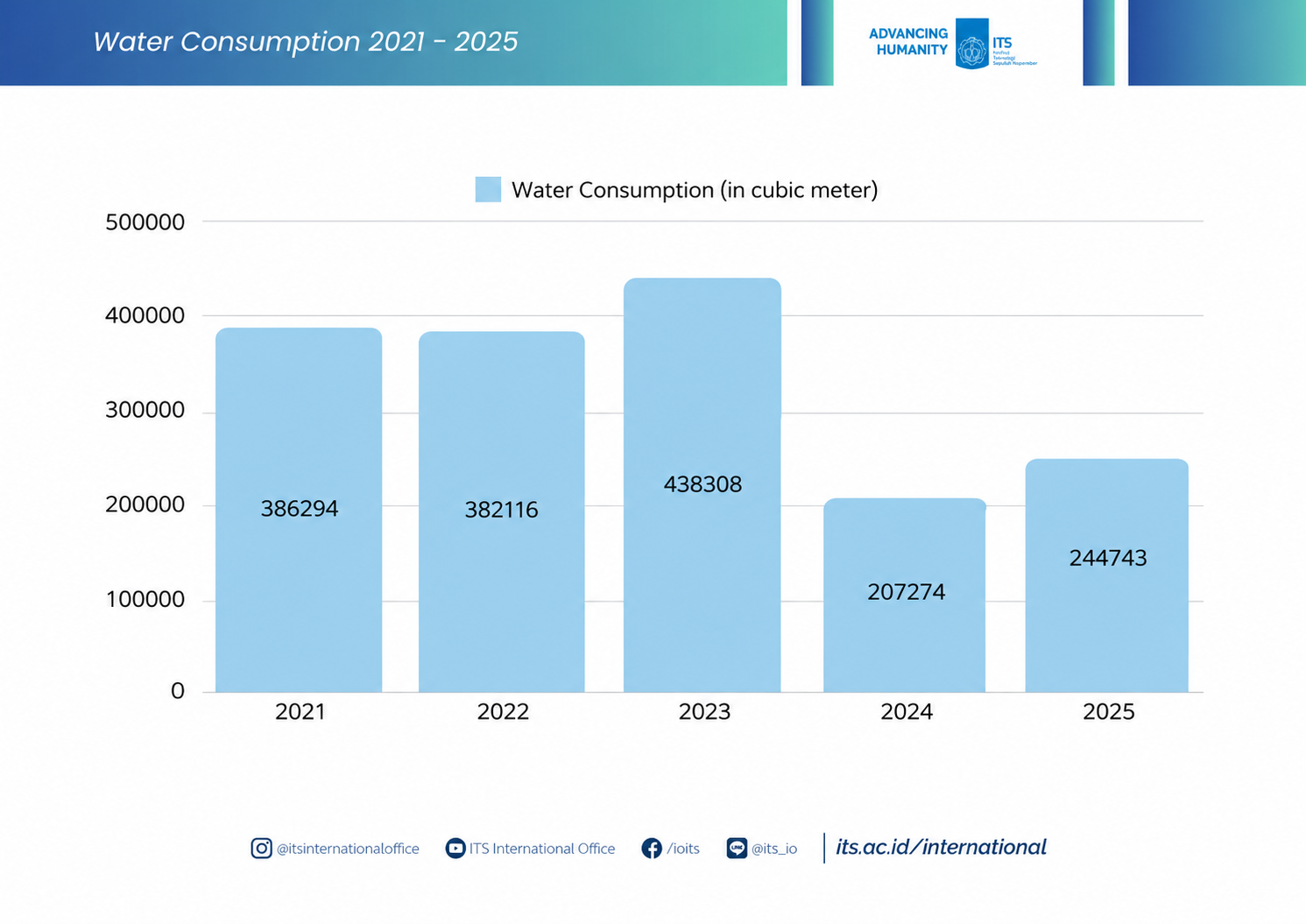
These figures provide a baseline for ITS’ water efficiency programmes. Combined with water reuse (see Water Reuse below) and water-efficient fixtures, the monitoring data helps the university reduce clean water demand per person over time.
The cornerstone of ITS' wastewater management system is the Anaerobic Baffled Reactor (ABR) Wastewater Treatment Plant (WWTP), supported by grease traps, settling ponds, and other auxiliary systems. The ABR process uses a series of baffled chambers in which wastewater flows up and down through active sludge, allowing organic pollutants to be broken down by microorganisms before the water is released or reused.
This system operates under a strict maintenance protocol. Collection wells are inspected every week and solid waste is removed, manholes are cleaned every month, and infrastructure components such as pipes, pumps, blowers, and electrical systems are repaired periodically. Wastewater quality testing is conducted twice a year, and professional desludging is carried out every two years. All of these procedures comply with the Environmental Evaluation Document (DELH) and East Java Governor Regulation No. 72 of 2013, Appendix III.4 on domestic wastewater quality standards.
A holistic application of wastewater treatment is implemented across the campus. The Department of Chemistry and Environmental Engineering manages organic liquid waste from laboratories, while the Research Center Building and Rectorate Building recycle wastewater from urinals, sinks, and bathrooms for reuse in toilet flushing. The Manarul Ilmi Mosque and the Department of Mechanical Engineering reuse treated wudu water for irrigation and fish pond maintenance. Meanwhile, the Central Canteen operates a dedicated liquid waste management system.

The following illustration summarizes the implementation of water recycling and reuse systems across various facilities and departments at Institut Teknologi Sepuluh Nopember (ITS). The illustration includes the recycled water sources, treatment methods, and reuse applications implemented as part of the university’s sustainable water management program.
ITS has implemented a robust, multi-layered approach to water pollution prevention and management, governed by strict institutional policies and regional regulations. This comprehensive system is designed to protect water resources while ensuring sustainable campus operations, as mandated by the Rector’s Circular Letter No. 9665/1T2/T/TU.00.08/V/2024 and aligned with East Java Governor Regulation No. 72 of 2013, Appendix III.4.
ITS also holds an environmental permit issued under the Decree of the Head of the Dinas Lingkungan Hidup Kota Surabaya No. 188.45/398/Kep/436.7.12/2021 concerning environmental feasibility and environmental management obligations within the ITS campus area in Keputih, Sukolilo, Surabaya.
a. Policy
ITS implements integrated water pollution control policies through environmental management, wastewater monitoring, pollution prevention programs, hazardous waste management, grease trap implementation, and drainage management systems to protect campus waterways and support sustainable environmental management.
b. Wastewater Treatment
ITS operates wastewater treatment systems to prevent polluted water from entering surrounding waterways and campus drainage systems. Wastewater from domestic, laboratory, and clinical activities is treated using ABR WWTP systems, grease traps, and settling ponds before safe discharge into the environment. System effectiveness is periodically evaluated through certified laboratory analysis and wastewater quality monitoring.
c. Guideline Standard
ITS conducts environmental monitoring and wastewater management programs in accordance with environmental management regulations and applicable water quality standards in Indonesia. Environmental management activities are supported by wastewater monitoring reports, laboratory analysis documentation, environmental permits, and environmental management maps.
d. Monitoring and Evaluation
ITS conducts periodic wastewater quality monitoring and environmental evaluations at several strategic monitoring locations, including Sains Tower 1, the Rectorate Building, and Tower 2 Building. Monitoring activities include wastewater sampling, effluent analysis, laboratory testing, and environmental quality assessments conducted by certified laboratories to ensure compliance with environmental standards.
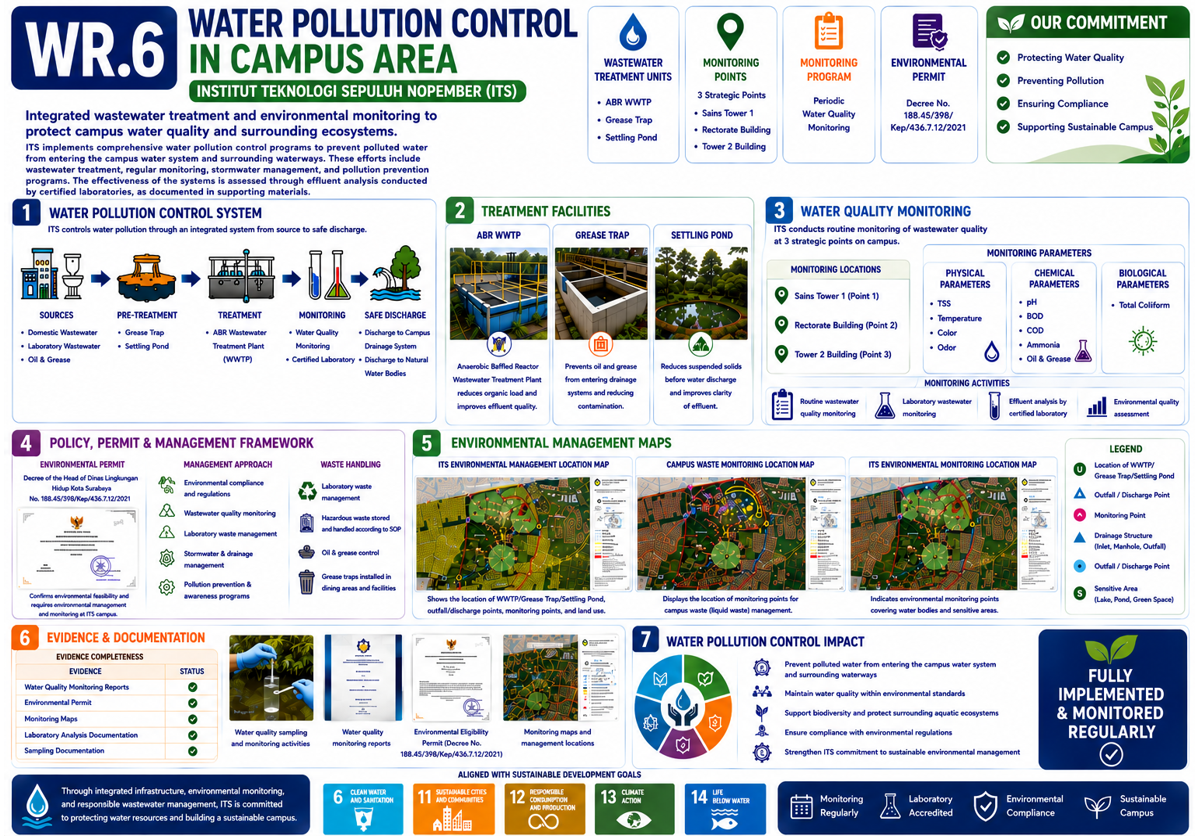
The infographic presents the integrated water pollution control system implemented at ITS through several main sections. It highlights wastewater treatment systems, including ABR WWTP, grease traps, and settling ponds, as well as periodic water quality monitoring conducted at Sains Tower 1, the Rectorate Building, and Tower 2 Building.
The infographic also presents environmental management policies, environmental permits, monitoring maps, laboratory analysis documentation, and supporting evidence related to pollution prevention and environmental monitoring activities. In addition, the infographic summarizes the environmental impacts of the implemented programs, including water quality protection, pollution prevention, environmental compliance, and sustainable campus management.
Institut Teknologi Sepuluh Nopember (ITS) promotes an inclusive and environmentally responsible campus by providing free drinking water through its Keran Air Siap Minum (KASM) initiative. The programme offers accessible drinking water stations across campus, ensuring students, staff, and visitors can meet their daily hydration needs without financial barriers.

Beyond providing convenient access to drinking water, KASM encourages the use of reusable bottles and reduces reliance on single-use plastic containers. This helps limit disposable packaging waste on campus and promotes more sustainable daily habits. The programme also supports student and staff well-being by making drinking water readily available across different campus facilities.
ITS has reinforced this commitment through
Rector Circular Letter No. 9665/IT2/T/TU.00.08/V/2024 , which directs all university units to provide water dispensers and reusable cups in workspaces, meeting rooms, and halls. This extends access to free drinking water beyond designated KASM stations to offices and teaching buildings.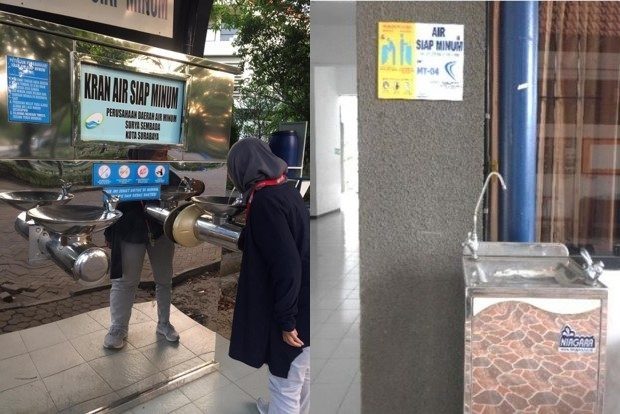

In 2025, ITS further extended the initiative to major campus events. During the New Student Inauguration in August, refill points were provided and new students were encouraged to bring their own bottles. The same commitment was reflected in the New Student Campus Life Orientation Programme (PKKMB), where refillable water gallons were placed across event areas, enabling thousands of participants to access drinking water without purchasing bottled water.
Provision of refillable water jugs throughout the area for the 2025 ITS Campus Life Introduction for New Students (PKKMB) program.
By combining free access, campus-wide provision, and encouragement of reusable containers, ITS’ KASM initiative makes drinking water provision part of its broader commitment to campus well-being and environmental responsibility. It demonstrates how accessible campus infrastructure can support everyday needs while encouraging more sustainable consumption practices.
ITS applies water-conscious building
standards to minimise water use, conserve resources, and lower operational
costs. These standards are required by the Rector
Circular Letter No. 9665/IT2/T/TU.00.08/V/2024,
which calls for green building principles (Chapter 5) and the use of
water-saving technologies in campus facilities (Chapter 7, point b).
ITS has applied water-conscious building standards to minimize water use, conserve resources, and lower operational expenses through water recycling and rainwater management systems. One example is the reuse of wudu wastewater and greywater from the toilets of Manarul Ilmi Mosque, which are processed through holding and aeration ponds and then reused for watering plants and as raw water for fish ponds. Similar practices are also implemented in several departments, such as Industrial Engineering, Mechanical Engineering, and Electrical Engineering, where wudu wastewater is collected in holding ponds and reused for irrigation. In the Department of Environmental Engineering, greywater is treated in a constructed wetland before being reused for watering plants.
In addition, the Research Center Building and the Rectorate Building recycle wastewater from urinals, sinks, and bathroom floor drains through a wastewater treatment plant (WWTP), which is then reused for toilet flushing.
The institution has also made significant progress in implementing water-efficient fixtures and technologies across more than half of its campus facilities. The implementation of water-efficient appliances at ITS includes dual-flush toilets, sensor-activated handwashing taps, low-flow faucets, water-saving shower systems, flow-regulated ablution taps, efficient irrigation sprinkler systems, and smart water monitoring technologies. These appliances are designed to optimize water consumption, reduce water losses, and improve overall water-use efficiency across campus facilities.

ITS implements dual-flush toilet systems to support water conservation efforts across campus facilities. The dual-flush mechanism operates with two flushing options, approximately 3 liters for the smaller flush and 6 liters for the larger flush, allowing users to adjust water usage according to flushing needs. This system helps reduce unnecessary water consumption and improves overall water-use efficiency.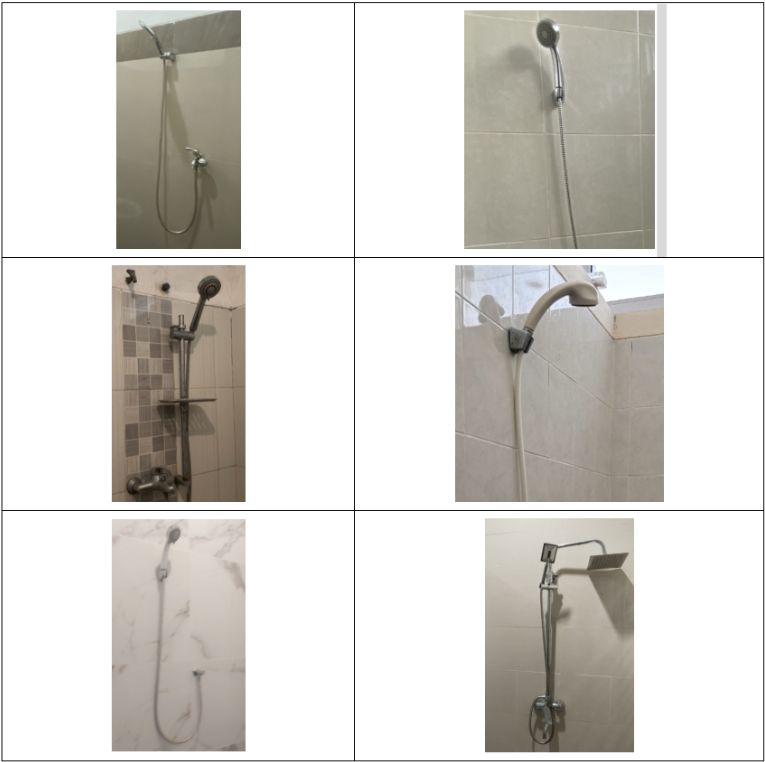
ITS has adopted high-pressure shower systems designed to optimize water usage by delivering effective cleansing with reduced water flow. These fixtures enhance user experience while contributing to the campus’s broader efforts in conserving water and promoting sustainable resource management.
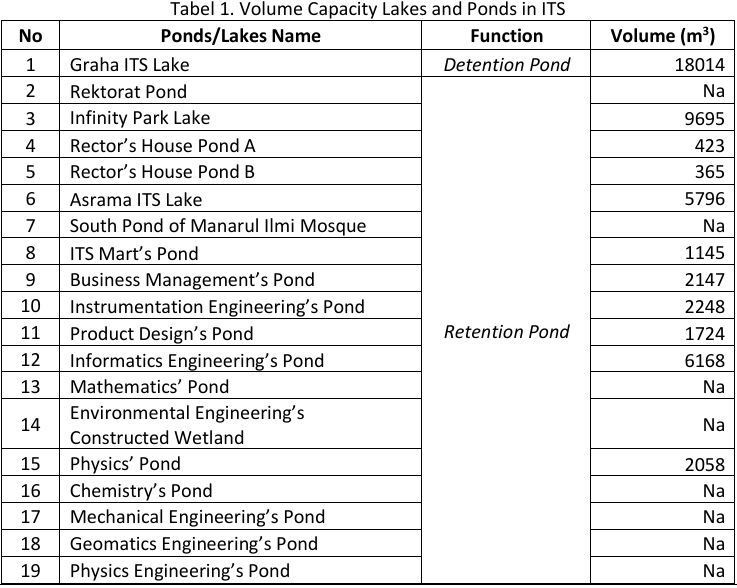
ITS has further integrated water-saving standards through campus-wide conservation infrastructure. This includes the management of 18 lakes and reservoirs (embung) that function as detention and retention ponds, the use of elevated building structures to maintain infiltration areas (applied in almost all ITS buildings, such as the Departments of Mechanical Engineering, Electrical Engineering, Chemical Engineering, Chemistry, Statistics, and Physics), and rainwater harvesting facilities that support urban farming activities in open spaces across the campus. 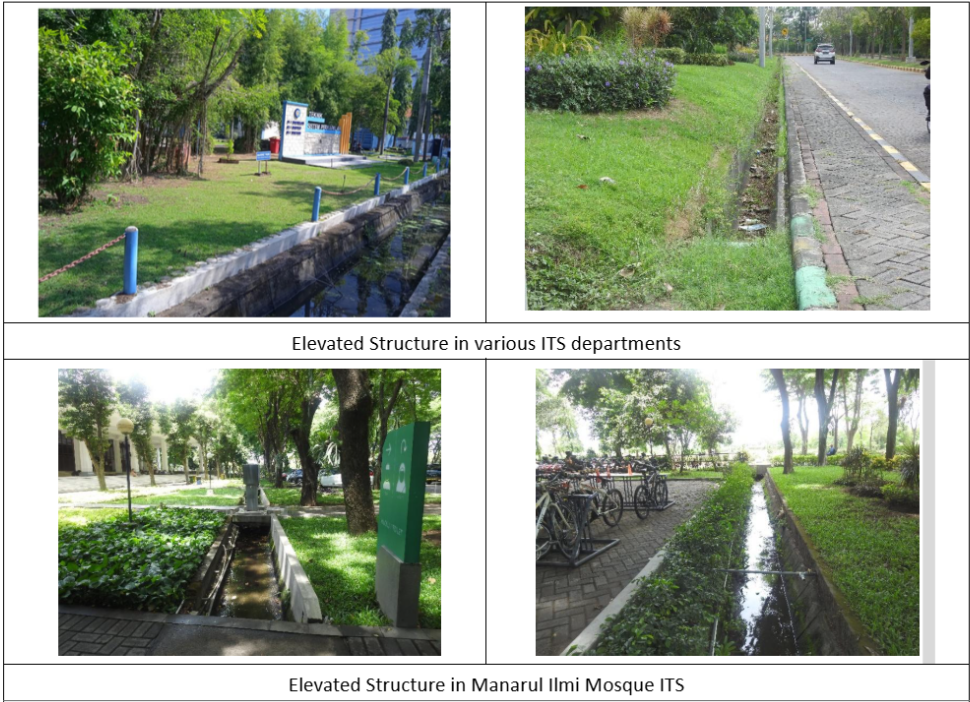
Furthermore, ITS has installed biopores in various departments (such as Urban and Regional Planning, Mechanical Engineering, Industrial Engineering, UPMB, SAC, and the Robotics Building) to improve groundwater recharge. A long storage channel stretching 470 meters in length and approximately 6 meters in width, also surrounds the ITS Sukolilo campus to effectively store and infiltrate rainwater. 
In 2025, ITS continued to upgrade its
campus facilities in line with these standards, including the revitalisation of
restrooms and other shared facilities reviewed by the Board of Trustees.
ITS demonstrates its commitment to water conservation through sustainable landscape design that emphasises drought-tolerant plant species across campus. This approach minimises water use, particularly during the dry season, while creating attractive and ecologically valuable green spaces.
The selection of drought-resistant plants includes a wide variety of species placed throughout ITS:
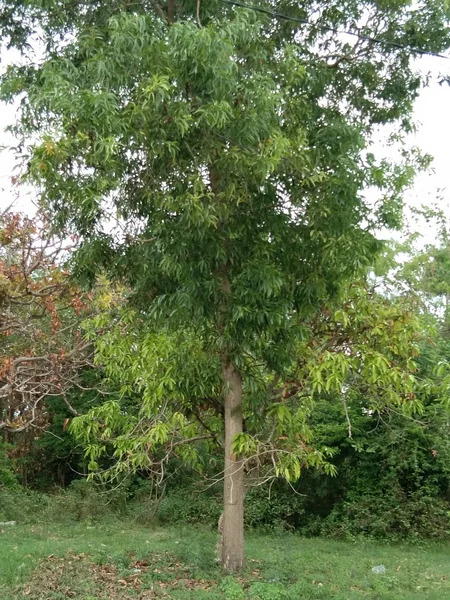
Acacia auriculiformis near the Architecture Department building.

Angsana Kembang tree near the Chemistry Department building.
Many other drought-tolerant species are
catalogued on the ITS
Smart Eco Campus tree database.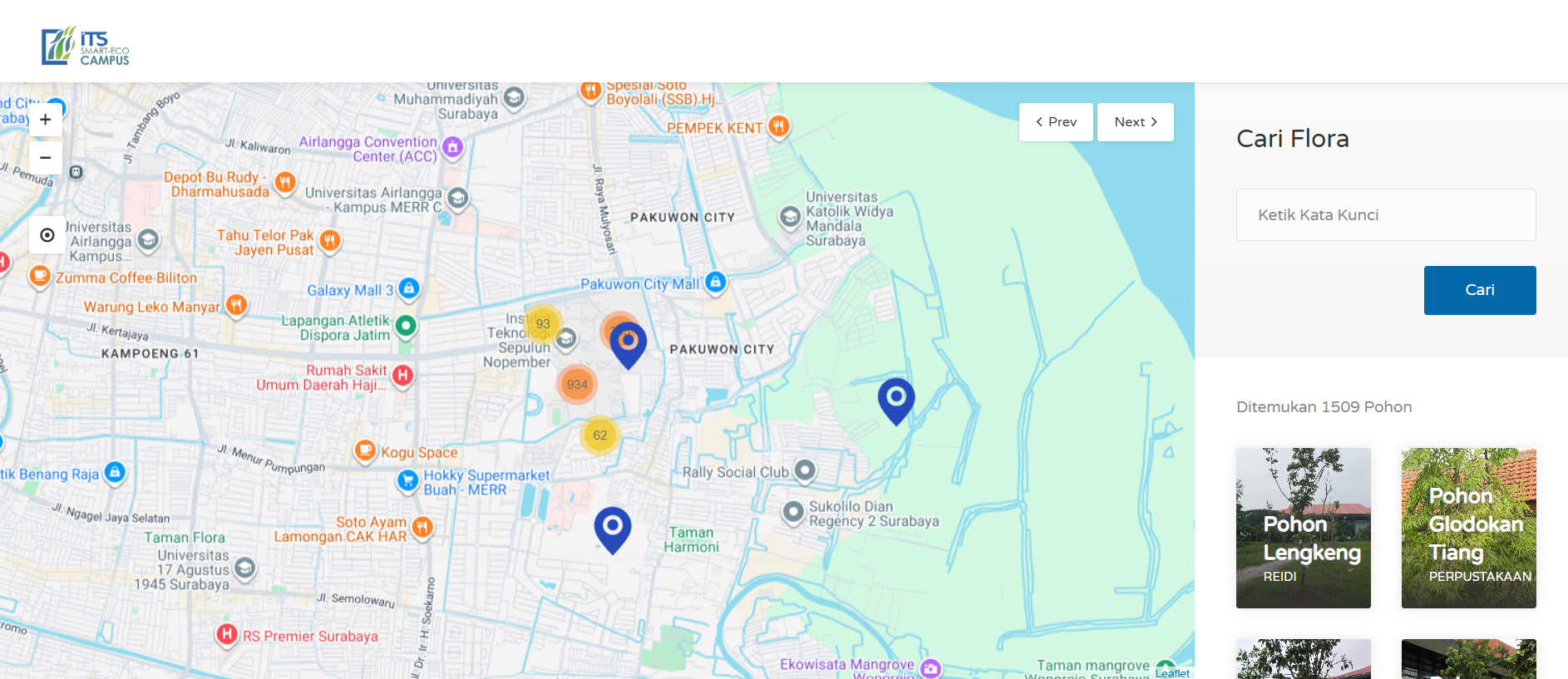

Tree planting within the ITS Science Techno Park (STP) area by new ITS students, in support of the goal for ITS to achieve net-zero emissions by 2030.
In 2025, ITS continued to expand its green
landscape. As part of the 65th Dies Natalis and Lustrum XIII, ITS planted 2,100
trees on the Sukolilo campus together, including Mangifera Indica L. (mango) and
Alstonia scholaris (L.) R.Br. (blackboard tree), in with the ITS Alumni Association, the East
Java Provincial Government, the Surabaya City Government, and thousands of new
students, lecturers, and staff. ITS also applies a replacement planting rule: every tree cut for new
construction is replaced by several new trees, chosen according to the size and
canopy of the tree that was removed.
Muhammad Khisamudin (second from the right) with a contractor during a field survey to determine which trees to fell.
Through this careful selection of
drought-resistant plants and continued planting, ITS has created a sustainable
landscape model that balances aesthetic appeal with water conservation. This
approach reduces irrigation needs, enhances ecological value such as habitats
for birds, and educates the campus community about developing attractive,
water-efficient green spaces.
ITS is strongly committed to maximizing water reuse as part of its sustainable campus initiative. This commitment is reinforced through the Rector Circular Letter to ITS Commitment as a Green and Sustainable Campus, particularly in Chapter 5 on Water Management. The policy emphasizes:
In practice, ITS implements a comprehensive wastewater reuse program to reduce clean water consumption, save resources, lower operational costs, and support sustainability. The university has set a target of recycling 30% of its total water needs, with several applications across campus, including:
1. Plant Irrigation
2. Raw Water & Fish Ponds
3. Toilet Flushing
ITS
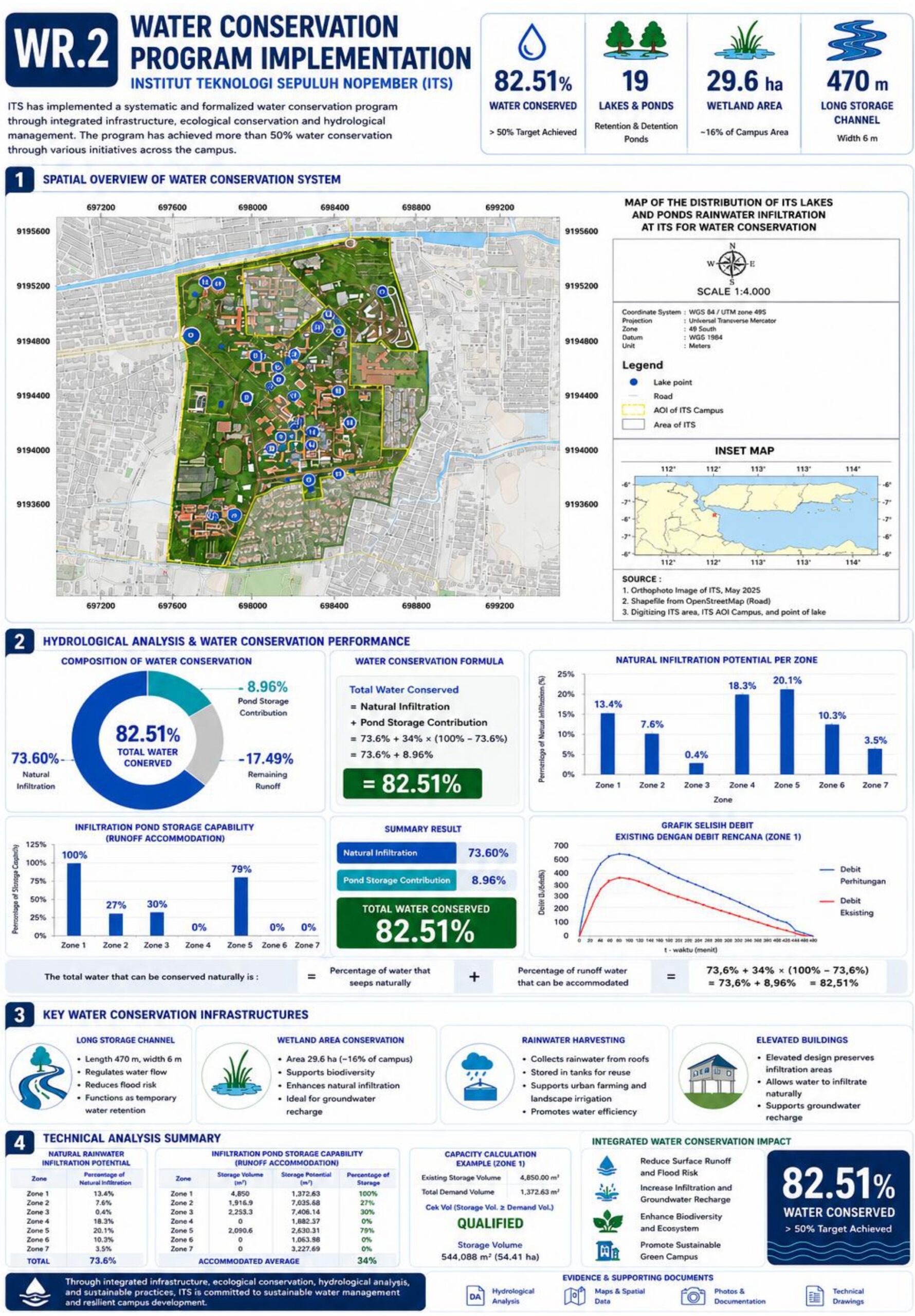
has implemented a systematic and formalized water conservation program that achieves more than 50% water conservation across the campus area. The program integrates both natural and engineered approaches through several major initiatives, including: (1) lake and pond management systems for rainwater storage, (2) long storage channels surrounding the ITS Sukolilo campus, (3) wetland area conservation, (4) installation of biopores to enhance groundwater recharge, (5) elevated building structures to maintain rainwater infiltration areas, and (6) rainwater harvesting systems. Through these initiatives, ITS not only conserves water resources but also promotes sustainable and resilient water management practices.
1.
ITS manages 19 lakes and ponds distributed across the campus to support rainwater retention, groundwater recharge, flood mitigation, and ecological conservation. These detention and retention ponds contribute significantly to the university’s overall water conservation performance of 82.51% while also functioning as sustainable open green-blue spaces.

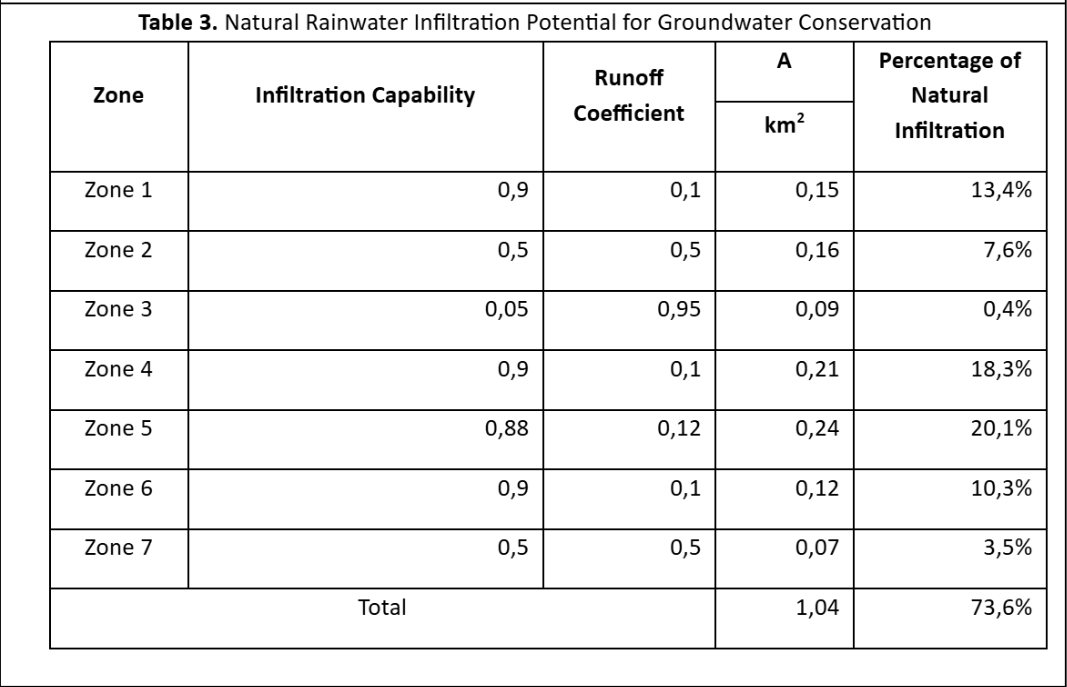
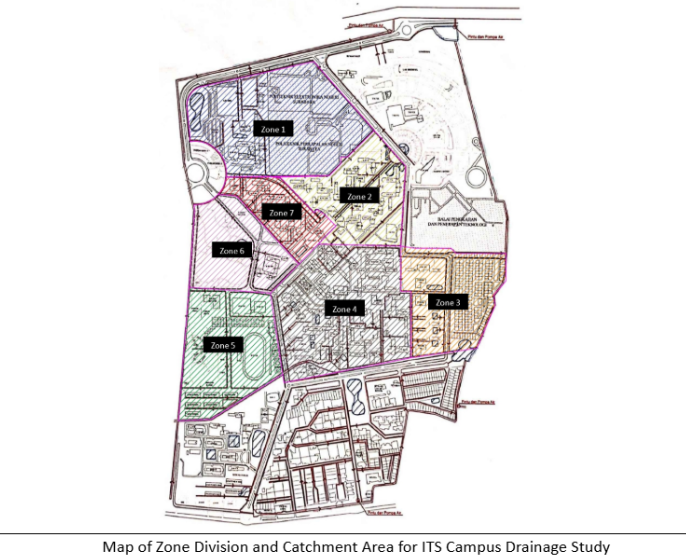

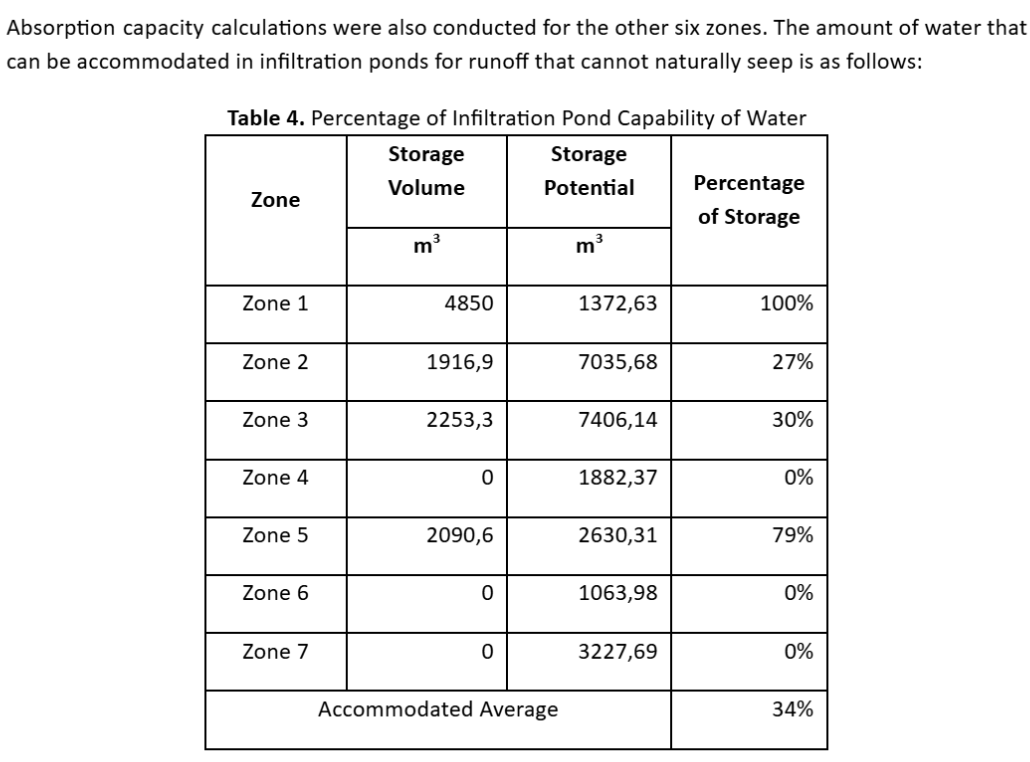

The total water that can be conserved naturally is
= Percentage of water that seeps naturally + percentage of runoff water that can be accommodated
= 73,6% + 34% x (100% - 73,6%)
= 73,6% + 8,96%
= 82,51%
2. Long Storage Channel ITS. Encircling the ITS campus is an extensive water storage channel, stretching approximately 470 meters in length and 6 meters in width. This infrastructure plays a vital role in regulating water flow, aiding in flood prevention, and strengthening the campus’s overall water conservation strategy. Its presence underscores ITS’s commitment to sustainable environmental management and resilient infrastructure planning. Storage Channel ITS ITS has a long storage channel surrounding the campus, measuring up to 470 meters in length and 6 meters in width. This channel plays a critical role in managing water flow, assisting with flood prevention, and enhancing water conservation efforts on campus.
3. Wet Land Area Conservation. ITS is home to an extensive wetland area spanning approximately 29.6 hectares, which accounts for around 16% of the campus landscape. These wetlands are actively cultivated by the local community, particularly for growing aquatic plants such as water spinach and pandanus. Beyond supporting local agriculture, this initiative enriches the campus’s ecological value by fostering biodiversity and encouraging sustainable land use practices.
4. Installation of Biopore on ITS. ITS has adopted the use of water catchment holes, commonly known as biopores, to efficiently absorb rainwater and support sustainable water management. These biopores are strategically placed across key areas of the campus, including the Urban and Regional Planning, Mechanical Engineering, and Industrial Engineering Departments, as well as the UPMB Buildings, SAC, and the Robotika ITS facility. By facilitating groundwater recharge and minimizing surface runoff, this initiative plays a vital role in flood mitigation and reinforces ITS’s commitment to environmental sustainability across the campus.
5. ITS has elevated structure on a building. The elevated structural design at ITS serves a crucial purpose: preserving the natural function of water recharge areas by allowing rainwater to pass through unobstructed. This innovative approach is consistently applied across campus buildings, including those housing the Civil Engineering, Manarul Ilmi Mosque Electrical Engineering, Chemical Engineering, Visual Communication Design, Urban and Regional Planning, and Physics Departments. By integrating these elevated designs, ITS not only strengthens its water management systems but also reinforces its commitment to sustainable architecture. These efforts play a key role in minimizing surface runoff, reducing flood risks, and cultivating a greener, more resilient campus ecosystem.
6. ITS developed water conservation programs through rainwater harvesting on urban farming ITS. The rainwater harvesting system at ITS has been integrated with the existing urban farming area and continues to operate effectively until now. Since the vegetation beneath the urban farming system has already been established, the documentation photos have not been updated because the overall condition remains unchanged.
ITS has developed water conservation programs through rainwater harvesting to support urban farming across the campus. This initiative helps maximize rainwater utilization, supports sustainable urban farming activities, and strengthens environmentally sustainable campus management.
In February 2025, ITS and the Badung Regency Government in Bali officially opened a teaching factory focused on drinking water treatment. The facility serves as a hands-on learning environment where local learners and community members can understand water treatment processes and gain practical experience in producing drinking water that meets applicable standards. By combining technical instruction with practical learning, the facility helps build local knowledge and skills in managing drinking water treatment.

Public enthusiasm for Baliss’ innovations, which excel in efficient water treatment technology for bottled drinking water.
ITS also provided training for local government officials and residents of Madiun City through its Department of Environmental Engineering. The community service programme covered environmental management, including wastewater and greywater treatment. Participants learned practical approaches to managing household wastewater before discharge, strengthening their understanding of pollution prevention and the importance of proper wastewater treatment in maintaining environmental quality.
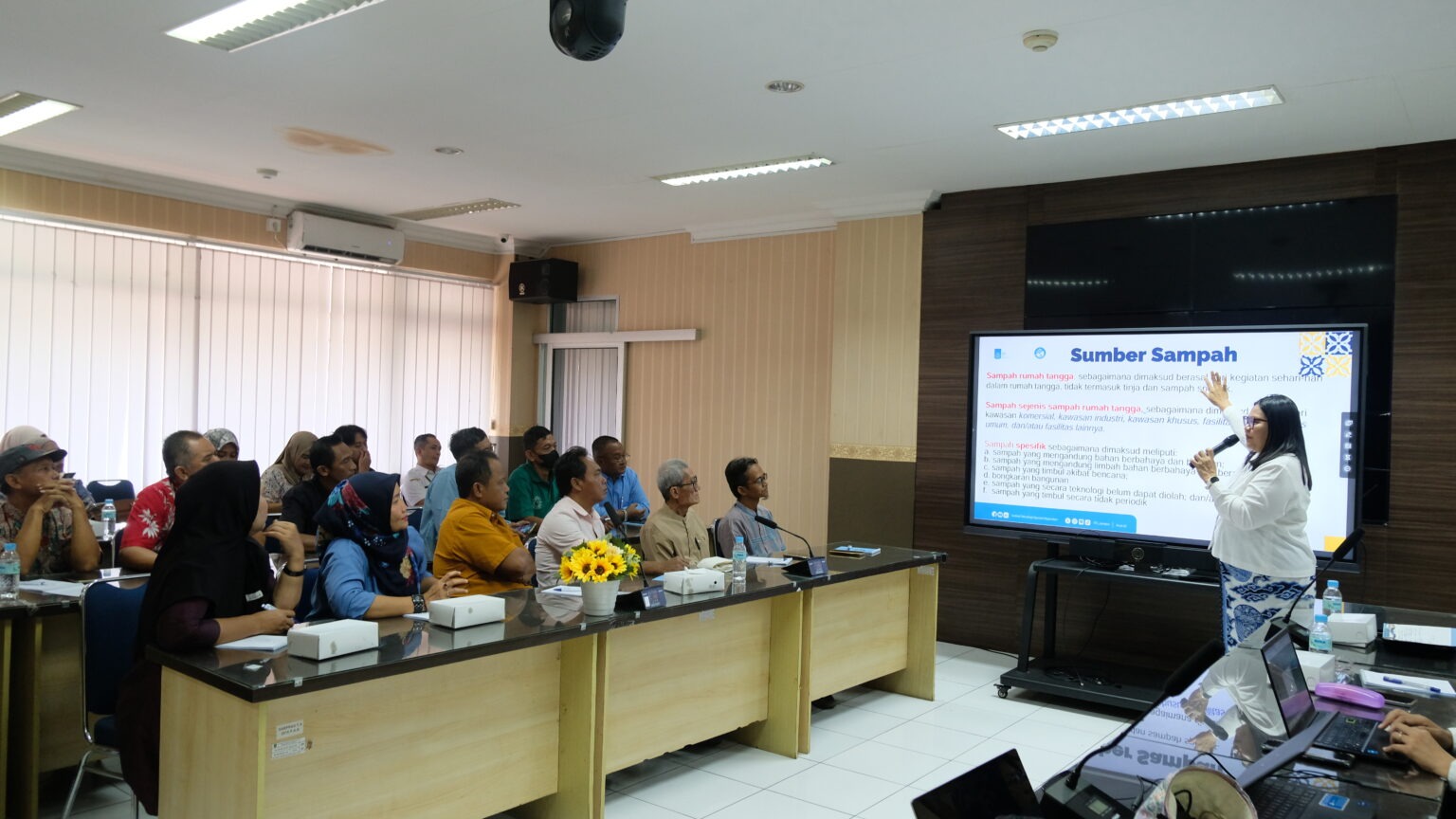
At the neighbourhood level, the Environmental Engineering Student Association (HMTL) implemented its 2025 partner village programme in RW 03, Medokan Semampir, Surabaya, under the theme Medokan Semampir Ramah Sanitasi (MESRA). This free educational initiative raised residents’ awareness of proper sanitation and introduced practical ways to improve household water management. As part of the programme, HMTL installed a three-metre filter pipe connected to the local prayer room's ablution drainage system. The system allows greywater to be filtered, stored in a well, and reused for non-drinking purposes. This intervention provides residents with a practical example of water filtration and reuse, helping them understand how wastewater can become a resource for other household needs rather than being immediately discarded.
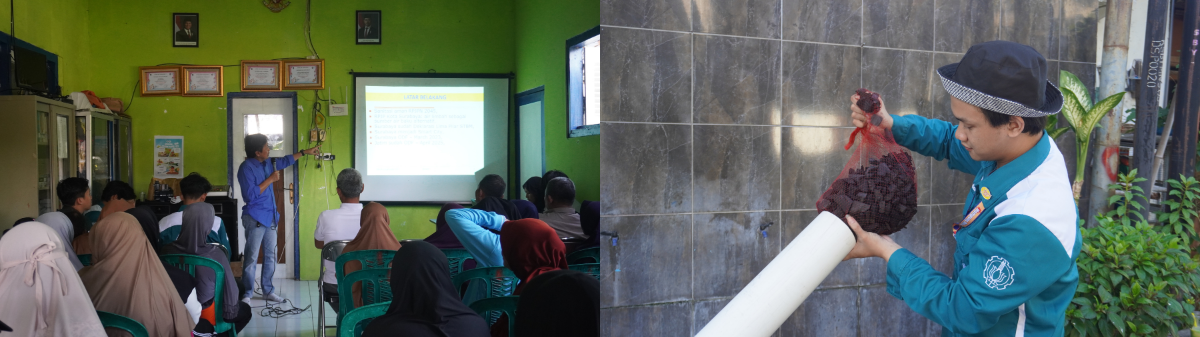
(Left) An educational session on the importance of sanitation, delivered by Prof. Ir. Eddy Setiadi Soedjono, DiplSEMSc, PhD—a lecturer from the ITS Department of Environmental Engineering—to the residents of RW 3, Medokan Semampir. (Right) ITS Environmental Engineering students installing a wastewater filter during the Kammit 2025 event.
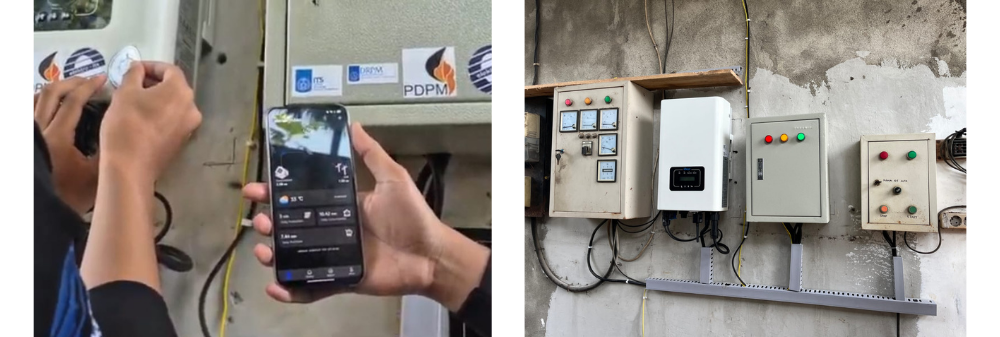
In Boto Village, Tuban, an ITS community service team offered free training for residents on operating and monitoring a solar-powered water pump equipped with an Internet of Things (IoT) monitoring system. The programme introduced residents to the operation and monitoring of the technology, helping them develop the technical knowledge needed to understand and manage their local water supply system more efficiently. The training also familiarised participants with the use of digital monitoring to support water infrastructure management.

The final result shows the distribution panel (PHB) and inverter, which have been neatly installed as part of the solar power system designed by the ITS Community Service (Abmas) team.
By providing these educational opportunities free of charge, ITS helps communities move beyond receiving technical assistance towards developing their own understanding and practical capabilities. From drinking water treatment and household wastewater management to sanitation, water reuse, and pump operation, each programme equips participants with knowledge relevant to local water challenges. These initiatives support stronger community capacity for managing water resources safely, efficiently, and sustainably.
ITS extends its commitment to water conservation beyond campus through institutional partnerships, community service, and alumni-led initiatives. In 2025, these efforts addressed several interconnected challenges, including the protection of natural water sources, access to clean water in underserved communities, efficient water supply management, and the reuse of household wastewater.
At the regional level, ITS joined four other legally autonomous state universities (PTNBH) and Perum Jasa Tirta I to conserve the Sumber Brantas spring in Batu. As the source of the Brantas River, which supplies water to millions of people across East Java, the spring plays a vital role in sustaining regional water resources. As part of the conservation initiative, the partners planted cypress (cemara) seedlings around the Sumber Brantas spring to support water quality improvement and environmental preservation in East Java.

Head of the Community Service Sub-directorate at ITS, Prof. Dr. Nurul Jadid, M.Sc. (right), plants a tree seedling at the event.
At the community level, an ITS community service team installed a solar-powered water pump equipped with an Internet of Things (IoT) monitoring system in Boto Village, Tuban. The system enables remote monitoring of pump performance, supports more efficient energy use, and helps maintain a reliable water supply for residents. This intervention combines renewable energy and digital technology to improve local water infrastructure, helping communities manage water distribution more efficiently and sustainably.
ITS also expands access to clean water through the water endowment (wakaf sarana air bersih) programme, implemented in collaboration with the ITS Alumni Association (IKA ITS) and Yayasan Manarul Ilmi (YMI). The programme has established ten clean water facilities across ten locations in Indonesia: Yogyakarta, Lumajang, Trenggalek, Bojonegoro (two locations), Bengkulu, Ngawi, Lamongan, Kediri, and Parigi Moutong. These facilities have benefited more than 15,000 people experiencing difficulties accessing clean water. By providing community-based water infrastructure in areas with limited access, the initiative helps reduce the burden of obtaining daily water supplies and strengthens local access to this essential resource.

The provision of clean water is also being carried out by YMI ITS and IKA ITS in the Kediri Regency area.

Provision of a clean water installation for the community by YMI ITS and IKA ITS, constructed in Ngawi Regency.
In Surabaya, ITS students contributed to household water conservation by installing a greywater filter in a densely populated neighbourhood, enabling water from ablution activities to be treated and reused for non-drinking purposes. The intervention demonstrates a practical approach to reducing demand for fresh water by giving used water a secondary purpose. It also introduces residents to water reuse practices that can be applied in everyday community settings.
Provision of a clean water installation for the community by YMI ITS and IKA ITS, constructed in Ngawi Regency.
Through these initiatives, ITS contributes to water conservation beyond its institutional boundaries in complementary ways. Protecting natural springs helps safeguard regional water sources; renewable-energy-powered pumping supports more efficient local water infrastructure; clean water endowments improve access for underserved communities; and greywater treatment encourages responsible water reuse.
ITS does not abstract groundwater for its
water supply, because the shallow groundwater in this coastal area is
unsuitable for direct use. Instead, ITS applies sustainable water conservation
and harvesting technologies on its grounds through a formal water
conservation programme that achieves more than 50% water conservation across the campus area. The programme is
in
line with Chapter 7 Water Management
of the Rector Circular Letter No. 9665/IT2/T/TU.00.08/V/2024.:
The program integrates both natural and engineered approaches through several major initiatives, including: (1) lake and pond management systems for rainwater storage, (2) long storage channels surrounding the ITS Sukolilo campus, (3) wetland area conservation, (4) installation of biopores to enhance groundwater recharge, (5) elevated building structures to maintain rainwater infiltration areas, and (6) rainwater harvesting systems. Through these initiatives, ITS not only conserves water resources but also promotes sustainable and resilient water management practices.
ITS also conserves a wetland area of about
29.6 hectares, or around 16% of the campus. Local residents use parts of this
wetland to cultivate aquatic plants such as water spinach and pandanus, which
supports local livelihoods while keeping the area green and wet. Rainwater
harvesting buildings on campus also collect and store rainwater to support
urban farming in open spaces. Together, these measures ensure that water on ITS
grounds is captured, stored, and returned to the ground in a sustainable way.
Institut Teknologi Sepuluh Nopember (ITS) collaborates with local governments, regional institutions, public utilities, national agencies, and international universities to strengthen water security beyond the university campus. These partnerships connect academic research, technical expertise, and community engagement with initiatives addressing drinking water provision, wastewater management, conservation of water sources, and flood risk management. By combining institutional resources and practical knowledge, ITS contributes to improving water availability and accessibility, protecting water quality, and strengthening the resilience of water systems for surrounding communities and the wider region.
Local Government Collaboration
At the local level, ITS works with regional governments to address water-related challenges through applied research, technical development, and community-oriented initiatives.
In Badung Regency, Bali, ITS and the Badung Regency Government established a teaching factory for drinking water treatment. The initiative provides a practical platform for developing technical knowledge and local capacity in water treatment, supporting improvements in the management and provision of safe drinking water.
In Madiun City, ITS’s Department of Environmental Engineering collaborates with the local government on wastewater and greywater management. The initiative promotes better wastewater treatment practices and supports efforts to prevent pollution from entering the surrounding environment and water systems.

Lecturers from the ITS Department of Environmental Engineering (third from the left) together with representatives from the Madiun City Government (far right) during a community service activity (Abmas) conducted by the Water Treatment Technology Laboratory.
In Surabaya, ITS works with PDAM Surya Sembada and the Surabaya City Government to bring university research into practical applications through HE2O drinking water. This collaboration connects research and technological innovation with the city's public water service ecosystem, contributing to the development of locally supported solutions for drinking water provision.

Part of the production process for HE2O bottled drinking water, located inside the facility at the PDAM Putat Gede pump station, Surabaya.
ITS also engages with the Tuban Regency Planning, Research and Development Agency through its Center for Regional Potential and Community Empowerment to discuss flood management. By connecting academic expertise with regional planning, this collaboration supports more informed approaches to managing water-related risks and protecting communities and infrastructure from potential flooding.

Atmosphere of the Discussion between ITS and Bapperida Tuban.
Regional Collaboration for Water Source Conservation
At the regional level, ITS collaborates with four other state universities with legal entity status (PTNBH) and Perum Jasa Tirta I to conserve the Sumber Brantas spring in Batu, East Java. The initiative includes planting cypress seedlings around the spring to support environmental preservation and the protection of the surrounding water source. As the Brantas River serves millions of people across East Java, maintaining the ecological condition of its upstream water sources is important for sustaining regional water availability and supporting long-term water security.

The ceremonial planting of seedlings was led by the President Director of Perum Jasa Tirta I—represented by the Head of the Brantas River Basin Services Division, Ir. Agung Nugroho Dwi Prasetyo, ST, MSc (fourth from the left)—alongside the Head of the Community Service Sub-directorate at ITS, Prof. Dr. Nurul Jadid, MSc (second from the right), representatives from various state-owned universities with legal autonomy (PTNBH) in East Java, and other invited guests.
National-Level Collaboration
ITS also works with national institutions and organisations to expand access to safe drinking water and support environmental conditions related to water sustainability.
In collaboration with the Indonesian Navy Marines and Bank Syariah Indonesia, ITS contributed to the provision of a public drinking water station designed to meet national health standards. This initiative combines university expertise with institutional support to make safe drinking water more accessible to the public.
Director of DRPM, Fadlilatul Taufany, S.T., Ph.D. (far left), together with BSI and the Indonesian National Armed Forces (TNI), inaugurated a water station.
In another initiative, ITS collaborated with the National Watershed Management Agency (BPDAS) and the East Java Provincial Government to plant 2,100 trees across the campus as part of its Net Zero Carbon 2030 commitment. Beyond supporting campus greening, the tree-planting initiative contributes to soil protection, rainwater infiltration, and water retention in the surrounding environment, helping maintain ecological functions relevant to water conservation.

A group photo featuring ITS leadership and staff, who joined in promoting the “Lestari” (Sustainable) sign during a tree-planting event—an initiative that also forms part of the ITS Smart Eco Campus program.
International Collaboration for Clean Water Solutions
ITS extends its water security initiatives beyond Indonesia through international academic collaboration. On 9–10 September 2025, ITS partnered with Universiti Teknologi MARA (UiTM), a public university in Malaysia, in a joint community service programme focused on clean water. Lecturers from UiTM’s Jengka and Penang campuses joined the Department of Civil Infrastructure Engineering at the ITS Faculty of Vocational Studies as invited lecturers, creating opportunities for academic and practical knowledge exchange on clean water provision for communities.
The programme forms part of the UiTM–ITS Innovation Network on Clean Water Solutions in ASEAN, which aims to expand clean water solutions across the region. By bringing together expertise from Indonesian and Malaysian universities, the collaboration supports the exchange of knowledge and practical approaches to community water challenges, extending ITS’s contribution to water security beyond East Java and Indonesia.
Overall Contribution to Water Security
These collaborations demonstrate ITS’s contribution to water security at local, regional, national, and international levels. The initiatives address interconnected aspects of water sustainability, ranging from protecting natural water sources and improving drinking water treatment to expanding access to safe water, promoting wastewater management, and supporting flood risk management. By connecting academic expertise with government programmes, public utilities, community initiatives, and international university networks, ITS contributes to the development and exchange of practical solutions for more accessible, reliable, and resilient water systems in East Java, across Indonesia, and throughout the wider ASEAN region.
ITS has implemented a comprehensive
approach to promote conscious water use across its campus community, combining
educational initiatives with technological solutions to create a culture of
water conservation. Chapter 7 Waste Management of Rector
Circular Letter No. 9665/IT2/T/TU.00.08/V/2024 calls on all members of the university to build a culture of clean water
conservation:
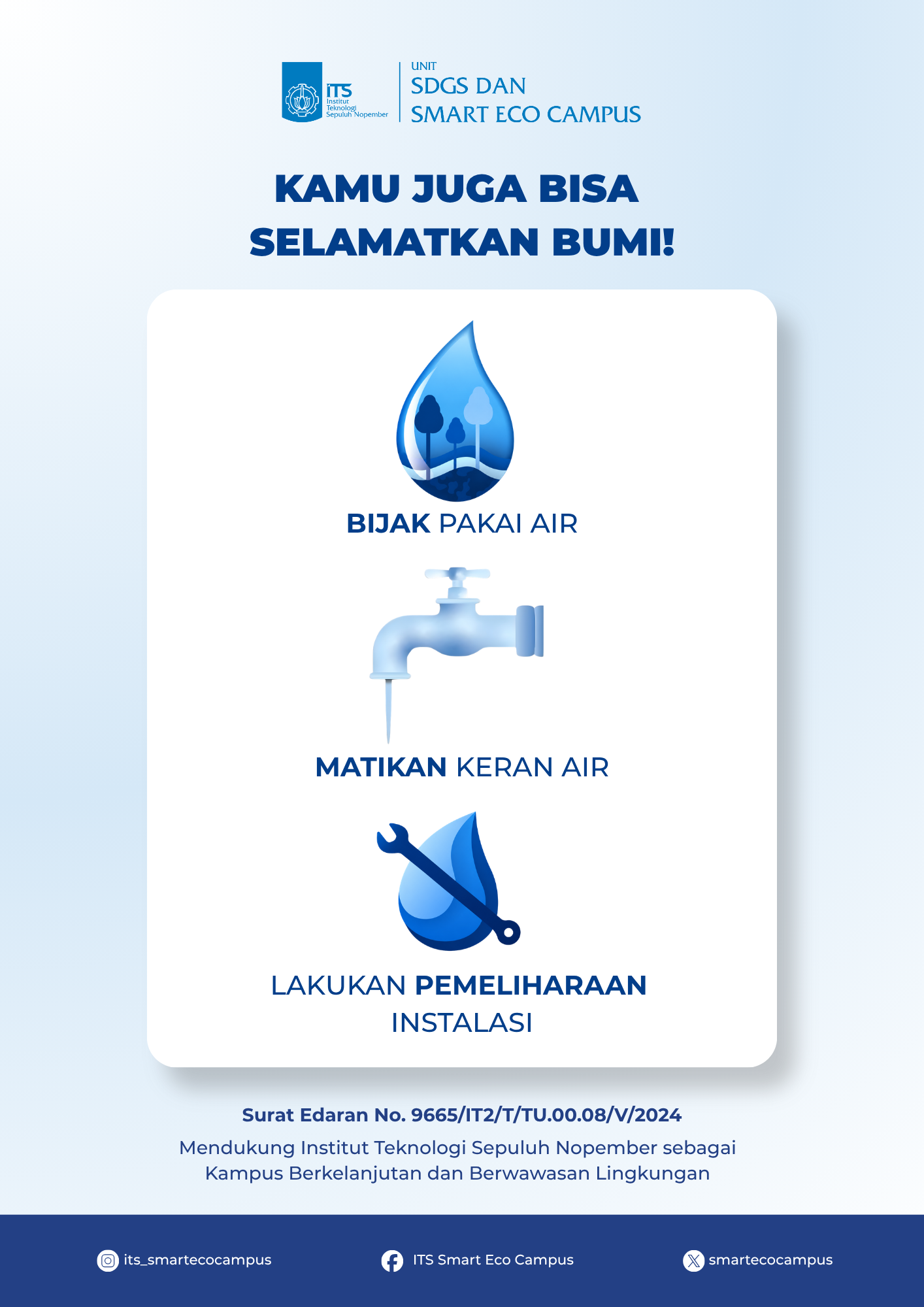
At the heart of this initiative is a campus-wide educational campaign that raises awareness about water conservation among students, staff, and faculty. The campaign emphasises practical water-saving habits, from taking shorter showers to promptly reporting leaks, and careful water use in laboratories and gardens. These behavioural changes are reinforced through signage and regular communication that remind the campus community of their role in water conservation.
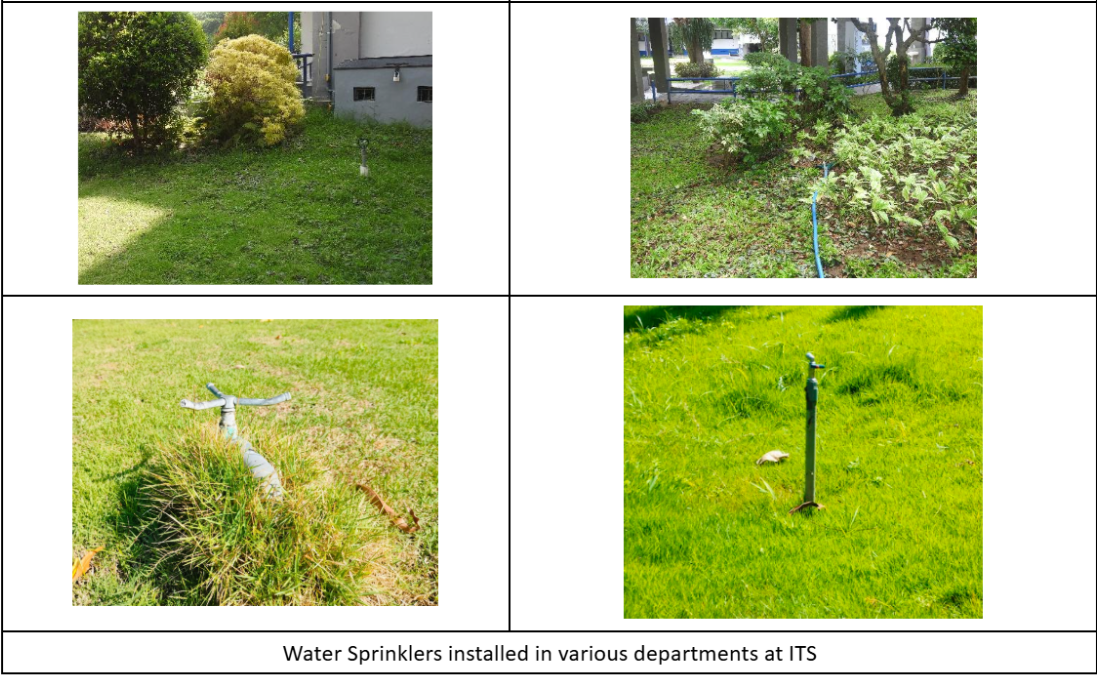
To support these educational efforts, ITS has invested in water-efficient infrastructure. More than 30% of installed appliances across campus are water-efficient, exceeding the institutional goal of 20–40% implementation. The modernization includes the installation of sensor-activated handwashing taps, dual flush toilets, water-saving showers, and flow-regulated wudu taps. In outdoor spaces, water-efficient sprinklers help maintain campus greenery while minimizing water waste.
The integration of these water-efficient technologies serves a dual purpose: reducing water consumption while also demonstrating practical applications of water conservation principles to the campus community. When students and staff encounter these technologies in their daily routines, it reinforces the importance of water conservation and shows how individual actions contribute to larger sustainability goals.

Regular monitoring and maintenance of these systems ensure their optimal performance, with prompt attention to repairs preventing unnecessary water waste. This systematic approach to water management has helped establish water conservation as an integral part of campus culture, making conscious water usage a natural part of daily life at ITS.
In 2025, ITS introduced these habits to its newest students. During the New Student Inauguration, the university asked new students to bring their own bottles and use campus refill points. The same message was reinforced during PKKMB, where refill gallons replaced bottled water across all event areas.

An ITS 2025 new student refills their water container at a water refill station during the ITS 2025 new student orientation (PMB) festivities.
Through these combined efforts, ITS continues to reduce its environmental impact while fostering a community that values and practises responsible water stewardship.
ITS actively promotes conscious water usage beyond the university campus by encouraging communities to adopt responsible water practices in their daily lives. In 2025, students, lecturers, and institutional partners brought water conservation and sanitation messages to urban neighbourhoods, river communities, and local governments. These initiatives highlighted practical ways to use water wisely, prevent water pollution, reuse water where appropriate, and maintain healthy sanitation practices.
In Medokan Semampir, Surabaya, the Environmental Engineering Student Association engaged residents through its 2025 partner village programme, Kampung Mitra HMTL ITS Gencarkan Kepedulian Sanitasi Masyarakat, promoting awareness of the importance of sanitation in creating a healthy and prosperous living environment. The programme involved learning activities designed for participants of different age groups, from children to adults. It introduced the five pillars of Indonesia's Community-Based Total Sanitation programme (Sanitasi Total Berbasis Masyarakat or STBM): ending open defecation, handwashing with soap, household drinking water and food management, household solid waste management, and household wastewater management. By introducing these practices, the programme encouraged residents to recognise the links between sanitation, public health, and responsible water use.

An educational session on the importance of sanitation, delivered by Prof. Ir. Eddy Setiadi Soedjono, DiplSEMSc, PhD—a lecturer from the ITS Department of Environmental Engineering—to the residents of RW 3, Medokan Semampir.
The initiative also addressed the practical challenges of managing household wastewater in Medokan Semampir. Previously, the neighbourhood had a water storage well and pumping installation, but these facilities were no longer functioning, and the stored water was unsuitable for use. The HMTL ITS team therefore focused on filtering wastewater and restoring the existing facilities. In HMTL ITS Tingkatkan Sanitasi Kampung Mitra Lewat Pemasangan Filter Air, the intervention is described as a system in which filtered water is channelled into the storage well and distributed by a replacement pump to seven public taps still used by residents. The treated water can be reused collectively for non-drinking purposes, including watering plants and washing vehicles. The initiative demonstrates how appropriate water treatment and reuse can reduce the unnecessary disposal of wastewater and encourage more conscious use of available water resources. It also supports residents in maintaining the facilities independently as part of their ongoing neighbourhood sanitation practices.
ITS also encouraged the wider public to take responsibility for protecting water quality through Riveration, Langkah ITS Dukung Kebersihan Sungai, a river cleanliness campaign promoting the importance of keeping waste out of waterways. By connecting everyday waste disposal habits with river pollution, the campaign highlighted how individual actions can affect the quality of water resources used by surrounding communities.
ITS students work together to collect trash from riverbanks.
In Madiun, the Department of Environmental Engineering worked with the local government to promote responsible wastewater and greywater management among city officials and residents through Abmas Teknik Lingkungan ITS Bantu Pengelolaan Lingkungan di Kota Madiun. The initiative introduced better wastewater management practices and raised awareness of the importance of treating used water appropriately before its discharge into the environment, helping prevent water pollution and protect shared water resources.
Through these initiatives, ITS promotes a broader understanding of conscious water usage: using water responsibly in daily activities, reusing treated water for suitable purposes, managing household sanitation, and preventing pollution of rivers and other water sources. By combining public education with practical demonstrations and community-level infrastructure improvements, ITS encourages residents to take an active role in managing water resources responsibly and maintaining a healthier environment.