The environmental impact rankings reflect the outward impact a university is making when it comes to building a sustainable institution, engaging in relevant and impactful research and embedding sustainability in the curriculum.
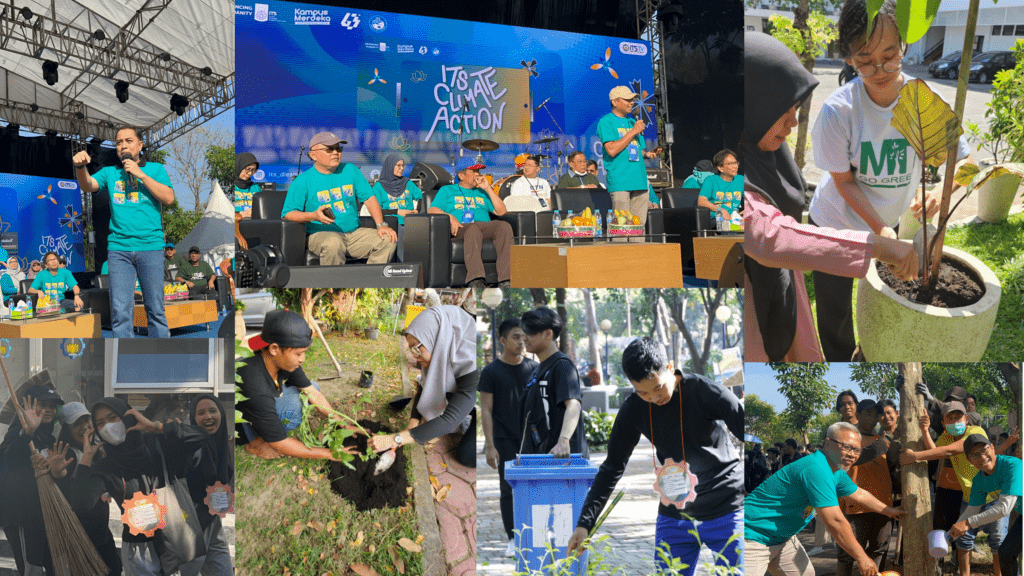
The sustainable institutions indicator considers whether a university holds membership in officially-recognised climate action or sustainability groups, has a publicly available sustainability strategy and energy emissions report, has student societies focused on environmental sustainability, and a published commitment to becoming NetZero.
The sustainable education indicator looks at alumni outcomes and academic reputation within earth, marine and environmental sciences courses, and the availability of courses that embed climate science and/or sustainability within the curriculum. If a university has a research centre dedicated to environmental sustainability, further points are gained.
The sustainable research indicator assesses the university’s research activity around the United Nation’s Sustainable Development Goals and whether the government is funding research and development in this area.




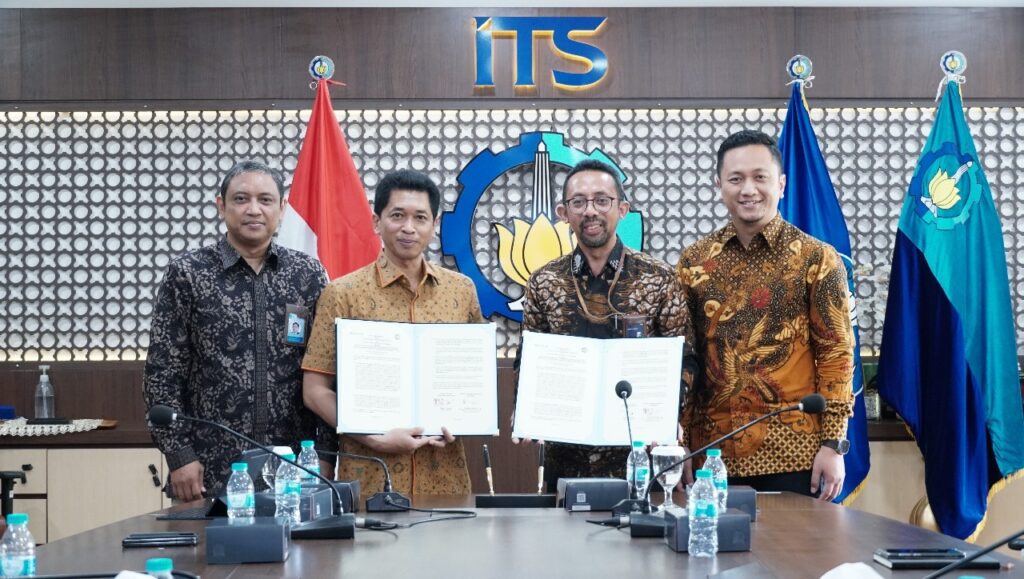
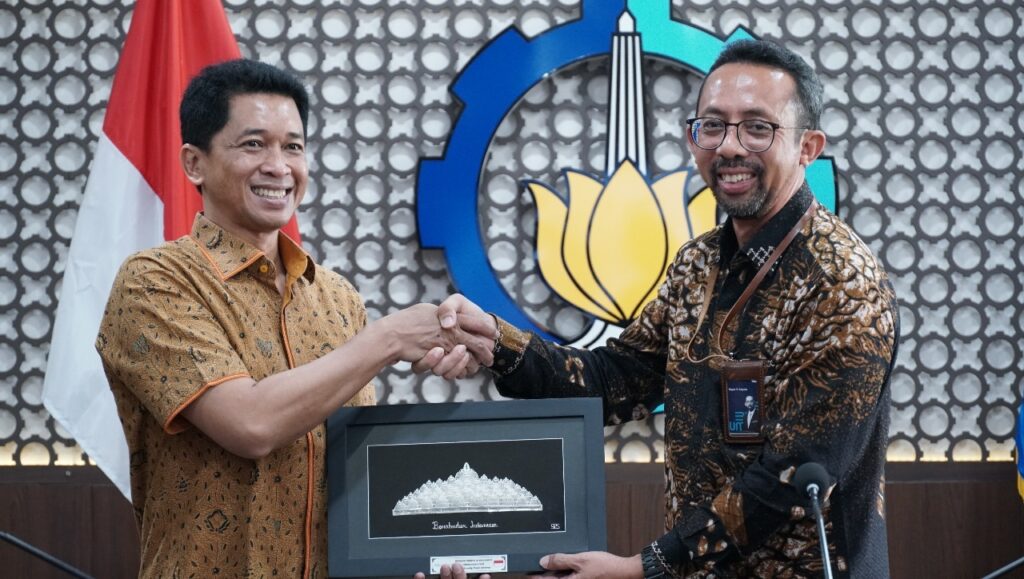 Director of Operations 1, PT Wika Gedung Tbk Bagus Tri Setyana, explained that PT Wika Gedung has a greater focus on environmental issues. One of them is supporting net zero emissions through environmentally friendly construction innovation, namely the Modular Wika Building. This modular is an offsite or offsite construction methodology. We are confident that we will be able to achieve zero emissions through this modular and also in collaboration with ITS,” he said optimistically.