Published on
Sunday, 6 September 2026
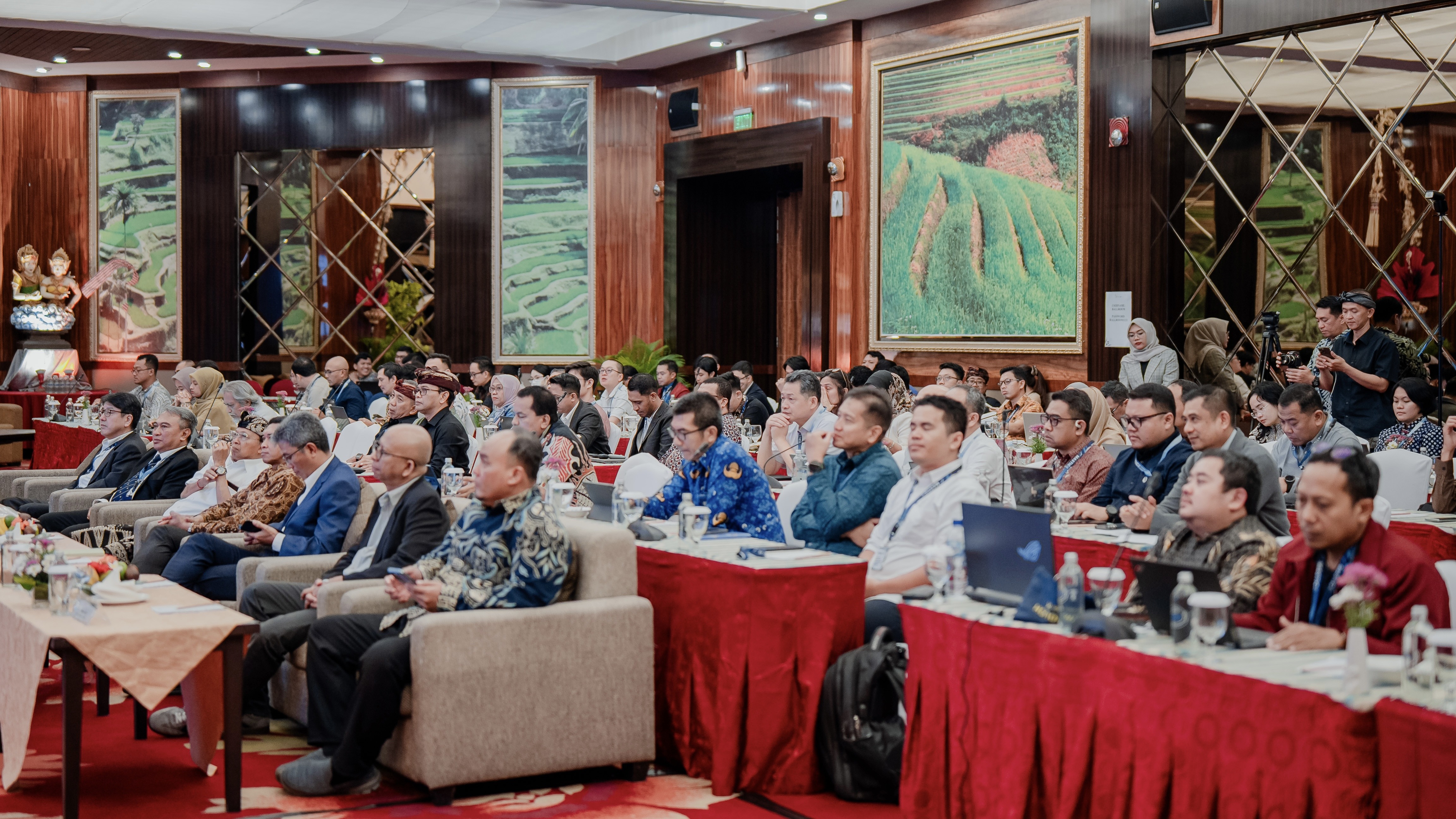
ITS Campus, ITS News — The development of maritime activities brings various challenges, particularly in maintaining shipping safety and the sustainability of the marine environment. In response, the Sepuluh Nopember Institute of Technology (ITS) held the 5th Maritime Safety International Conference (MASTIC) 2026 in Kuta, Bali, as a forum to discuss various efforts to strengthen maritime safety and sustainability.
ITS Rector Prof. Dr. (HC) Ir. Bambang Pramujati, ST, MScEng, PhD, stated that maritime safety plays a crucial role in supporting various activities at sea. He believes that navigational safety concerns not only the safety of people on board but also environmental sustainability, economic sustainability, the livelihoods of fishermen, and the maritime industry.
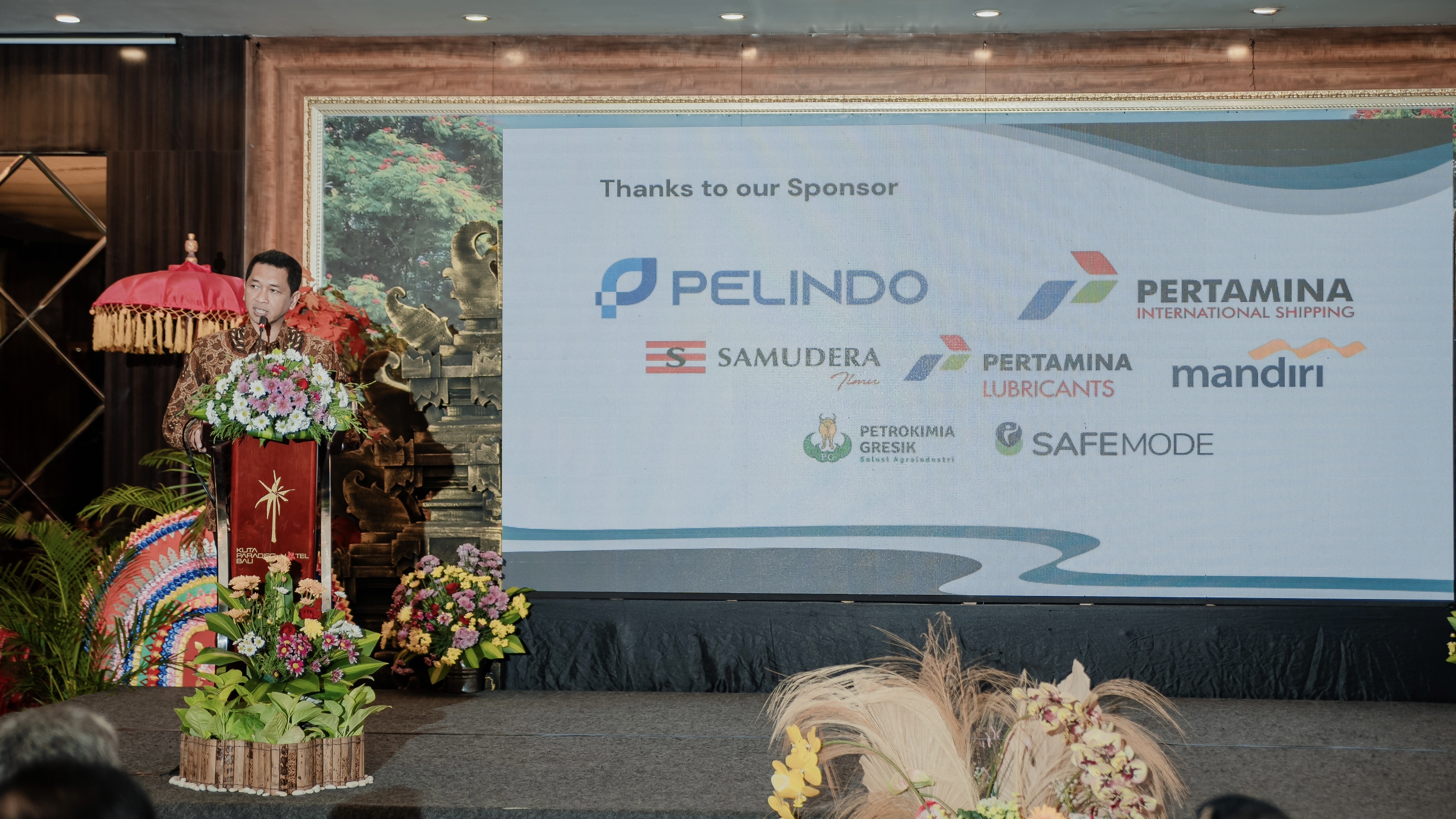
In line with this, the Chair of MASTIC 2026, I Gde Manik Sukanegara Adhita, ST, MMST, PhD, stated that the development of the maritime industry must go hand in hand with efforts to maintain safety and the environment. He cited the example of ports and hydrocarbon terminals, which are necessary to support industrial activities but also pose potential risks to the surrounding community and environment.
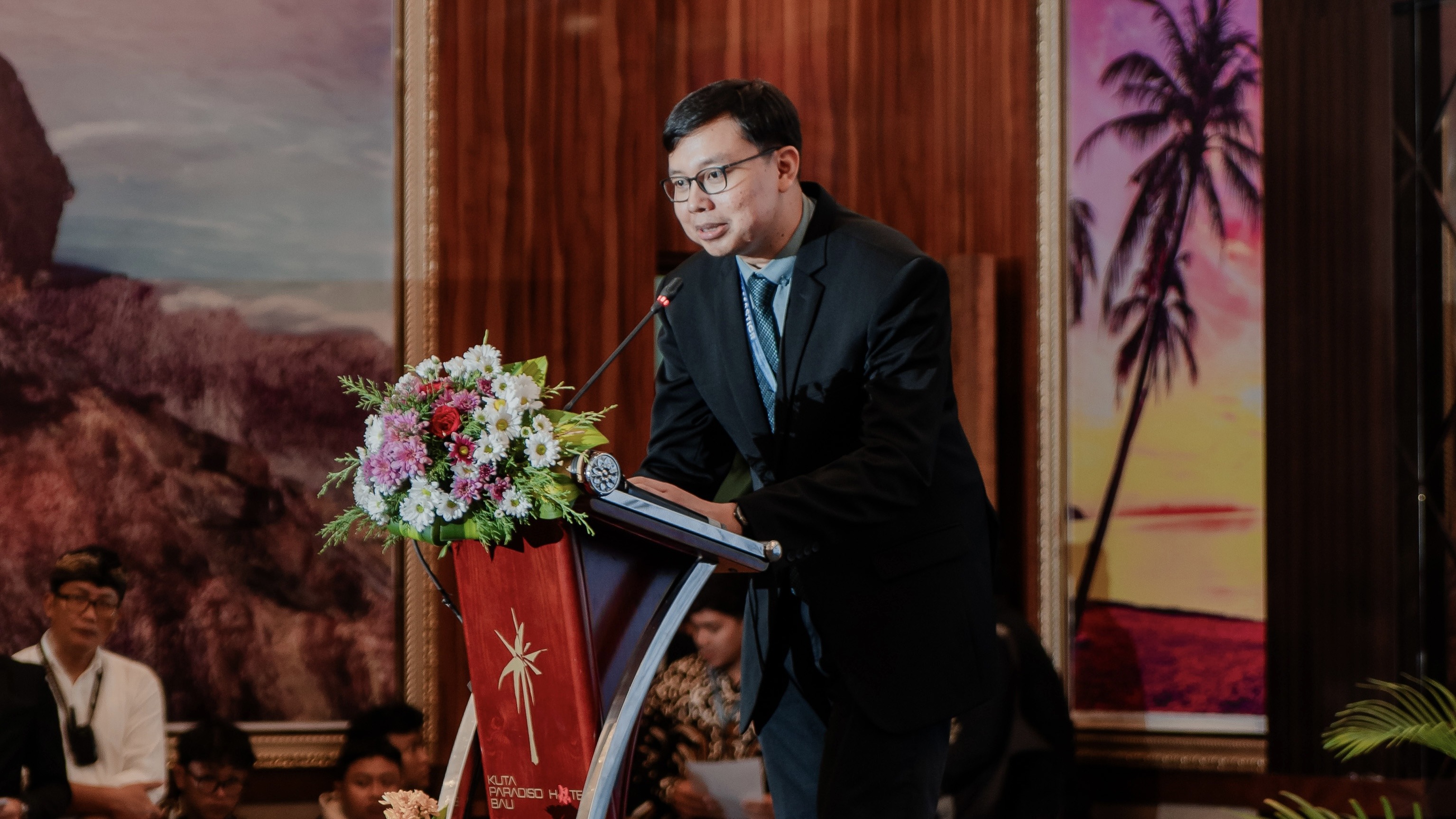
According to Manik, this situation demonstrates the need for technological development and research to address various challenges in the maritime sector. This is reflected in MASTIC 2026, which will present around 100 research projects on various topics, ranging from maritime safety and robotics to marine environmental protection and renewable energy development.
In addition to presenting research findings, the two-day conference, which began on July 23rd, also featured workshops discussing the restoration of upstream oil and gas facilities and navigation technology for shipping safety. The event also included a student poster competition to showcase research and innovations. “We want safety and the environment to go hand in hand,” he explained.
These efforts are also realized through the utilization of ITS technology developments in the field. One example is the distribution of ITS Automatic Identification System (AISITS) devices to the Klungkung Regency Government, Pattimura University, Sultan Ageng Tirtayasa University, and Borneo Tarakan University.
The device can help monitor vessel movements through an automatic identification system, thus supporting navigational safety. Furthermore, the device, designed by PT ITS Tekno Sains and PT Bali Towerindo Sentra Tbk, can also be used for research and monitoring related to the protection of coral reefs, marine environments, and maritime installations.
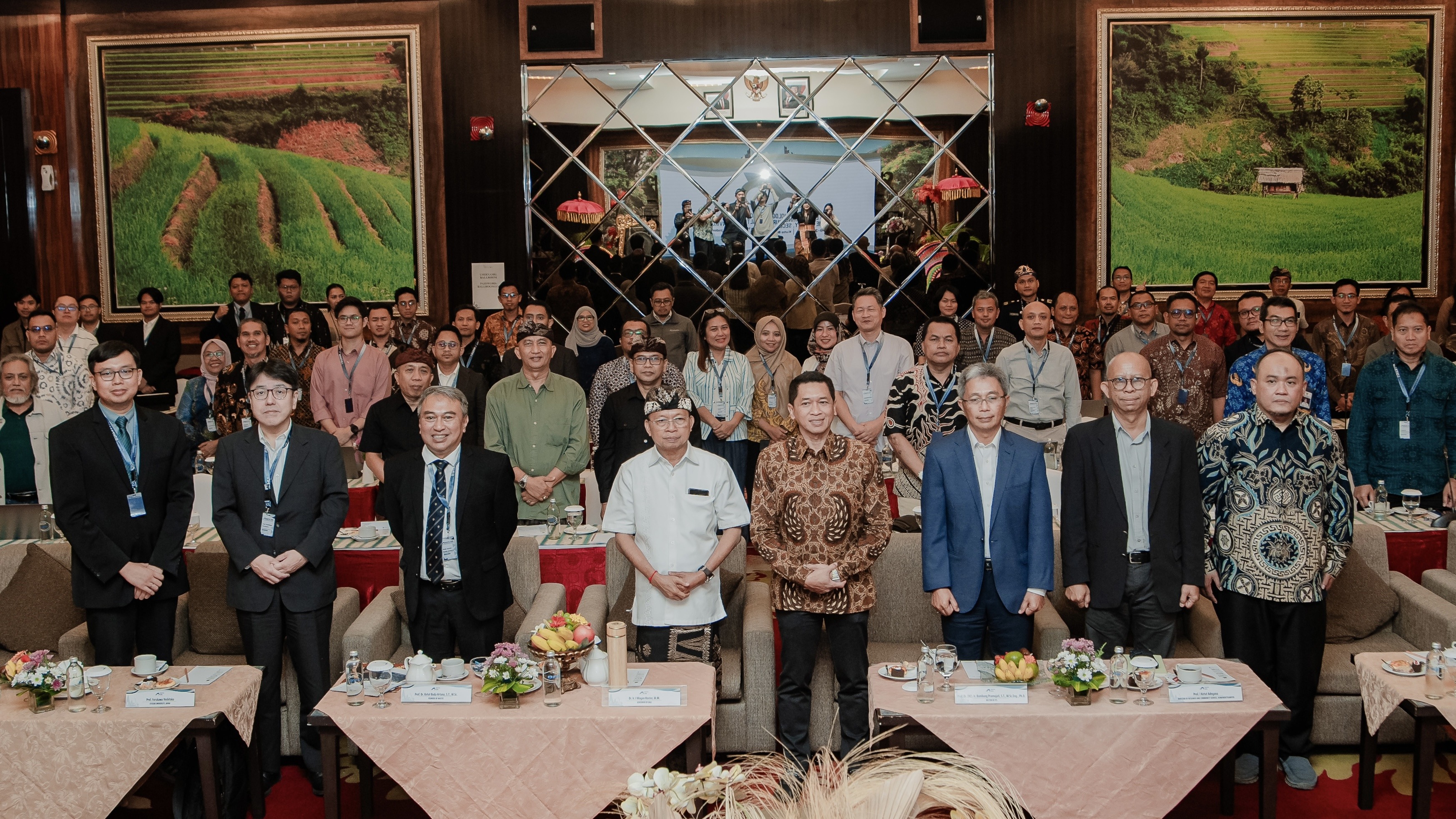
The handover also continues the six-year collaboration on automated identification system-based research that ITS has been conducting with various partners. This way, the technology development discussed in the academic forum can continue to be directed to meet real-world needs, particularly in the areas of marine safety and environmental protection.
Through this conference, ITS seeks to promote the development of maritime technology that not only meets industry needs but also aligns with marine safety and environmental sustainability. This effort aligns with ITS’s commitment to supporting Sustainable Development Goals (SDGs) Point 14 on Marine Ecosystems through technology development and collaboration to maintain marine sustainability. (*)
Reporter: Nadhifa Raghda Syaikha
Redaktur: Muhammad Aulia Zikra