Published on
Wednesday, 9 September 2026
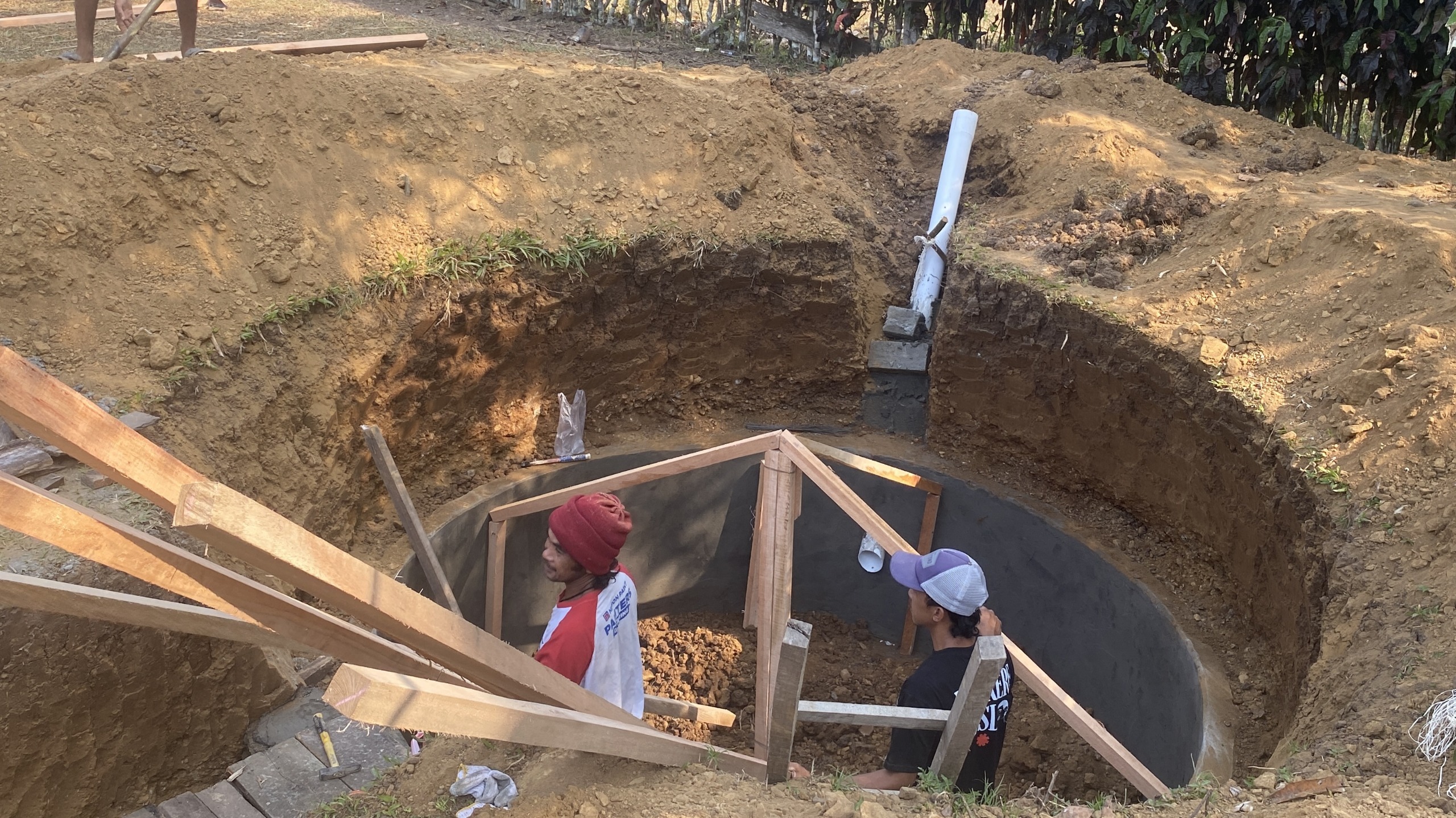
South Manokwari, ITS News — To optimize livestock and agricultural waste in the West Papua Transmigration Area, the Patriot Expedition Team (TEP) from the Sepuluh Nopember Institute of Technology (ITS) developed a communal biogas system to convert waste into an energy source. The system not only converts waste into gas but also produces economically valuable fertilizer.
This strategic program, initiated by the Indonesian Ministry of Transmigration, sent a team of five members, namely Mochammad Fauzan Surya Earlyansyah SSi, Febriyati STrT, Ayu Nur Lestari STrT MT, Jinan Elvaretta Aqilah Setyabudi STrT, Muhammad Sapriandi SP, and led by Dr. Ir Arief Abdurrakhman ST MT. This team departed for the Momi Waren Transmigration Area, Oransbari District, South Manokwari Regency, West Papua.
The Momi Waren Transmigration Area contains underutilized livestock and agricultural waste. Therefore, the ITS team is implementing a program to develop technology to process waste into useful products. The program is titled ” Developing Biogas-Based Renewable Energy from Organic Waste to Support Energy Independence and Sustainable Agriculture .”
Arief explained that the development of this technology stemmed from the primary challenges facing the community: organic waste management and limited energy access. Data obtained showed that daily energy sources, such as liquefied petroleum gas (LPG), were largely unavailable. “So, we want to solve this problem by converting waste into an energy source and fertilizer,” he said.
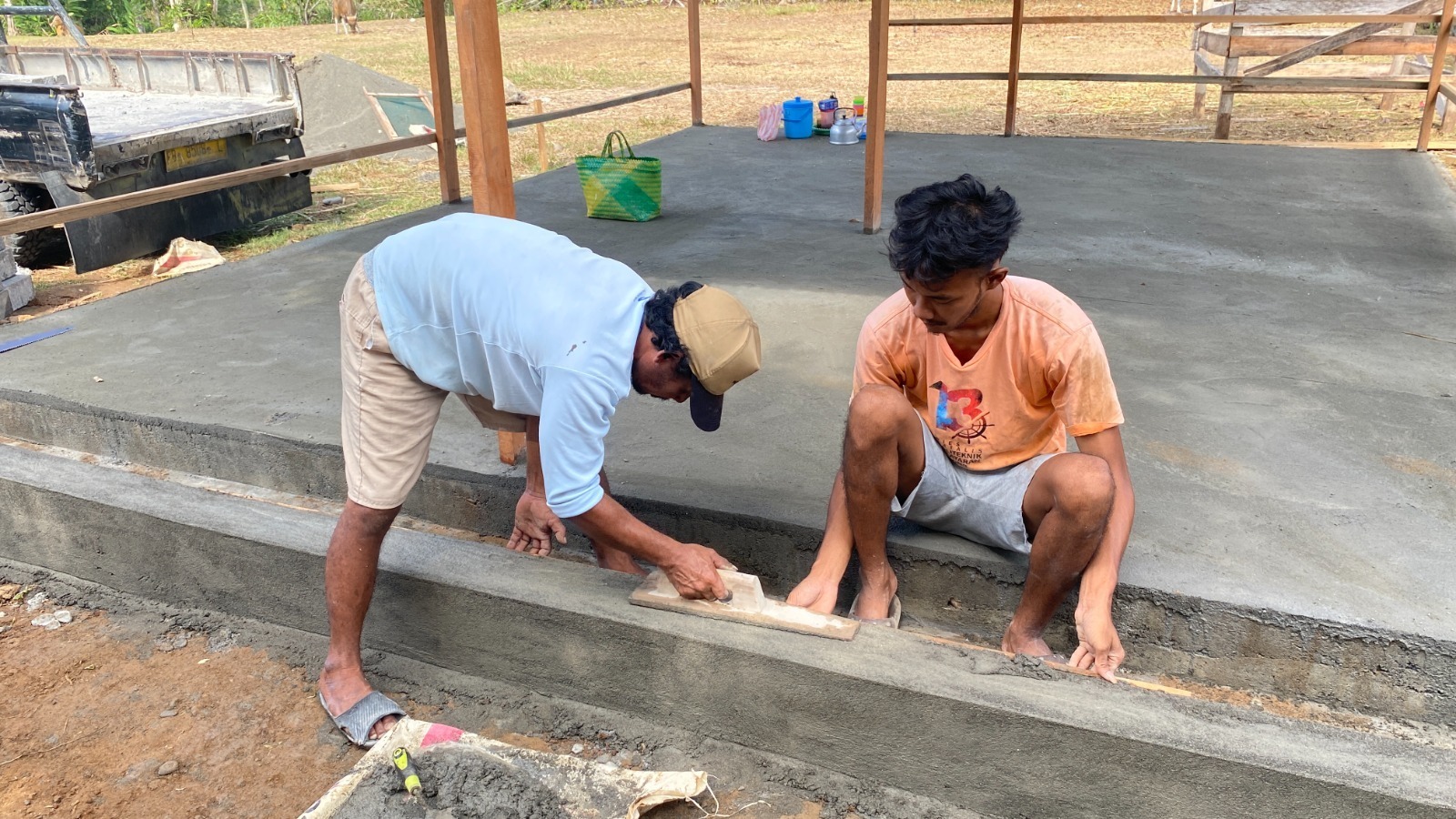
Therefore, the ITS team developed a communal anaerobic biodigester technology equipped with a distribution system, biogas utilization, and process monitoring. This technology functions not only as a gas generator but also as an energy system that can be measured, monitored, and controlled sustainably. This allows the technology to continue to be used independently by the community.
Furthermore, the lecturer from the ITS Instrumentation Engineering Department explained that the biogas production process begins with the collection of abundant livestock manure and agricultural waste in Momi Waren. The waste is then mixed with water and processed in a reactor. This process ultimately produces biogas, which is then distributed through a piping system to be used as an energy source for the community.
Interestingly, this technology not only produces energy; the remaining material, bio-slurry, can also be processed into organic fertilizer. Through this concept, ITS benefits the entire waste management chain. “This way, waste that was previously a burden on the environment can become a source of energy and fertilizer with economic benefits,” he said.
S
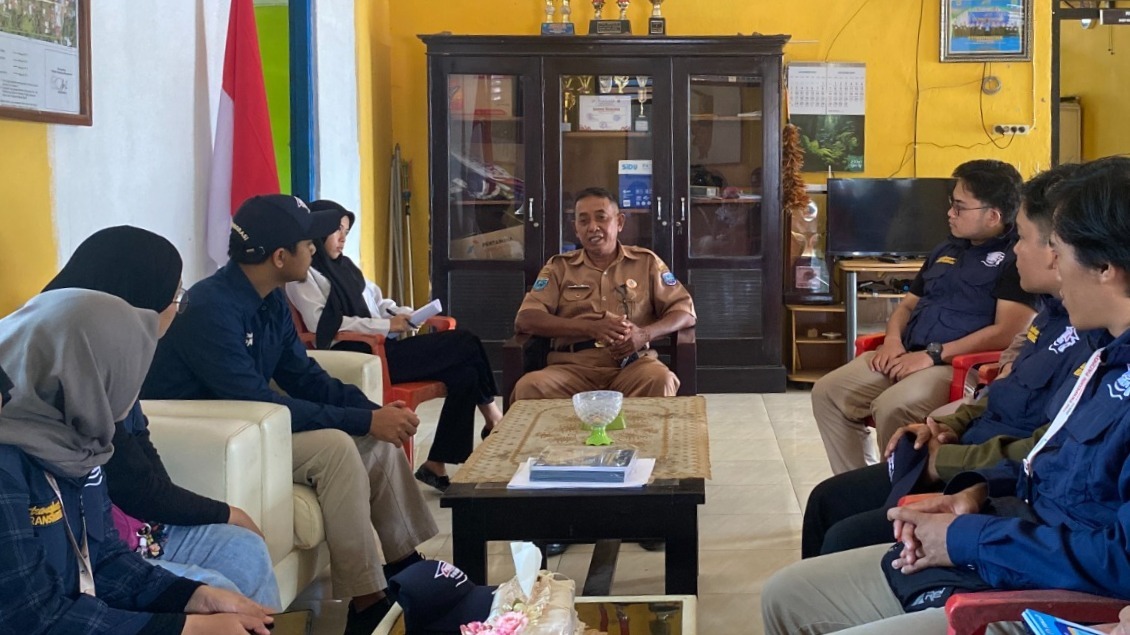
In addition to developing the technology, ITS also provides mentoring and outreach to the local community. All village officials involved are encouraged to understand the operation and maintenance of the system. This aims to ensure that the community is not only a recipient of the technology but also understands how to independently operate, maintain, and sustain the facility.
Going forward, this program is expected to become a model for energy independence and a circular economy based on local potential. Arief also emphasized that this program will be successful if the community is able to properly own and manage its resources. “We want this program to optimally utilize local potential and truly be owned and managed by the community,” he concluded.
This initiative by the ITS Patriot Expedition Team reflects ITS’s continued commitment to supporting the achievement of the Sustainable Development Goals (SDGs), particularly point 11 on Sustainable Cities and Settlements through the development of transmigration areas that are self-sufficient in waste and energy management. Furthermore, biogas and fertilizer production support SDG point 7 on Clean and Affordable Energy. (ITS Public Relations)
Reporter: Ahmad Maulana