Published on
Wednesday, 6 May 2026
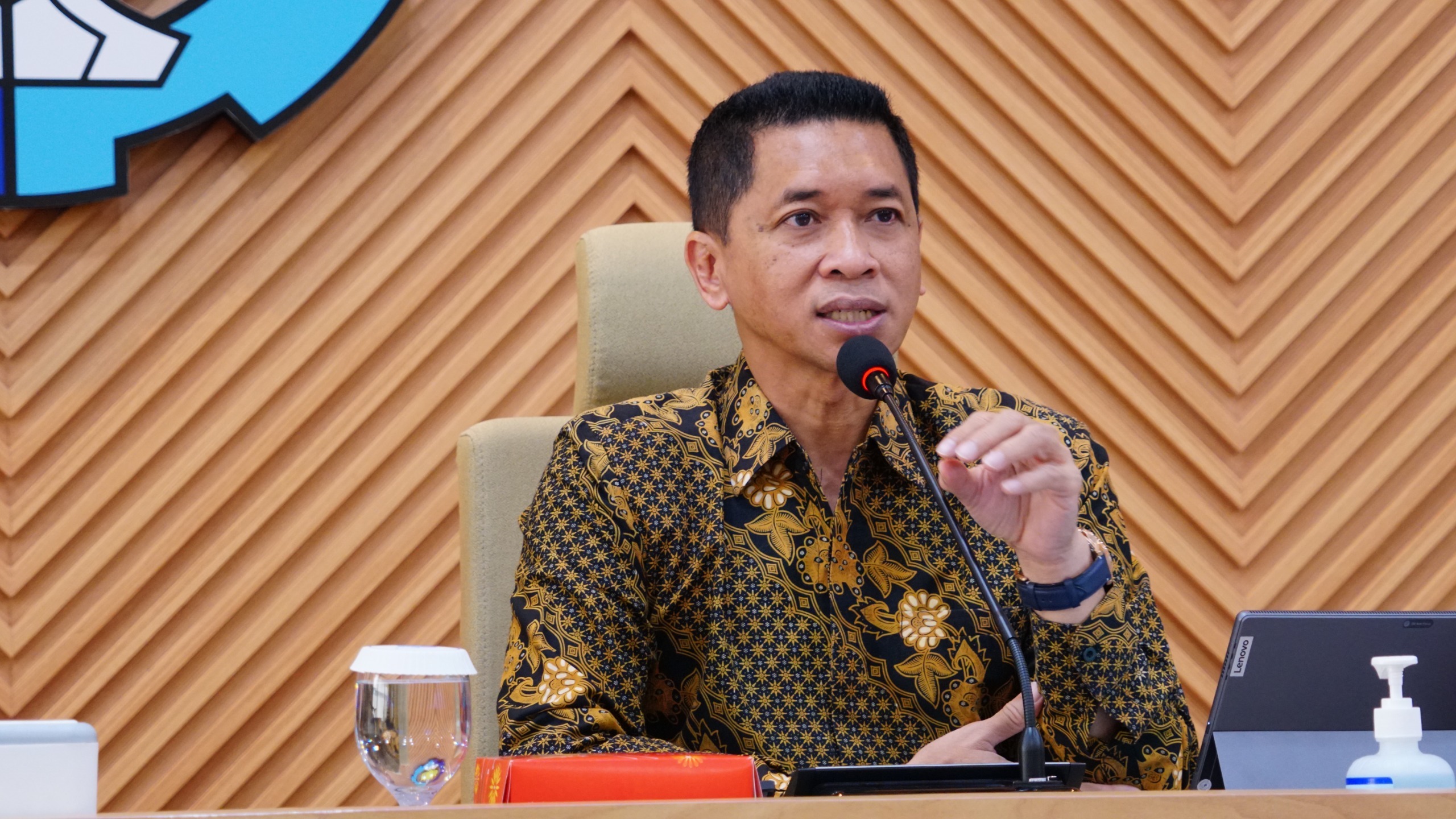
ITS Campus, ITS News — The Sepuluh Nopember Institute of Technology (ITS) has launched its 2026-2030 Strategic Plan (Renstra) as a new foundation for accelerating its transformation toward an innovation- and entrepreneurship-based campus. This policy serves as a compass for ITS in determining the direction of the institution’s future development.
ITS Rector Prof. Dr. (HC) Ir. Bambang Pramujati, ST., MScEng., PhD., stated that ITS’s future development will no longer focus solely on academic achievement. The Campus of Heroes will continue to focus on delivering innovations that have a real impact on the benefit of society and the nation. “Therefore, I emphasize the downstreaming of research with industry to solve problems and create economic value,” he emphasized.
Bambang stated that the Strategic Plan was designed to address increasingly complex global challenges, ranging from technological disruption and climate change to the energy crisis. Carrying the overarching theme of RAISE, the ITS Strategic Plan is expected to serve as the primary foundation for ITS’s growth direction. In this regard, ITS is committed to consistently positioning itself as part of the solution.
RAISE carries several primary missions. First, Relevant and Impactful Research , which emphasizes strengthening innovative, applicable research as real solutions to the needs of society and industry. Furthermore, Academic Excellence and Global Reputation encourages the production of superior, character-driven, and competitive graduates on the international stage.
Furthermore, ITS will promote Innovation and Entrepreneurship , creating an entrepreneurial ecosystem based on downstreaming research results to create added value. As a campus committed to sustainability, its Sustainable Development values ensure the support of modern and adaptive infrastructure and institutional governance.
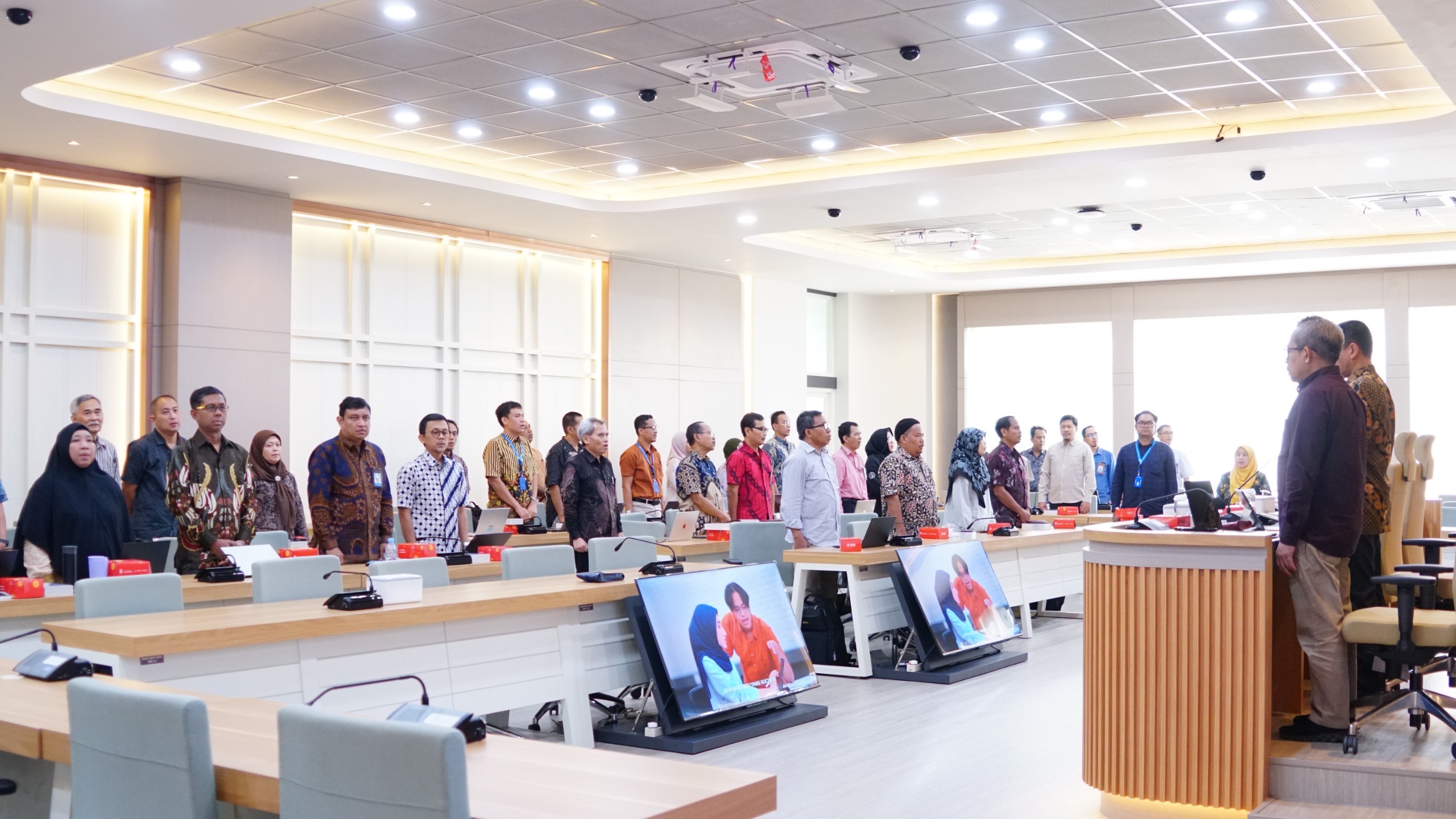
Meanwhile, Excellence Governance affirms ITS’s commitment to continuously improving financial governance, infrastructure, and professional and high-quality human resources. “ITS will be present by strengthening applied research, technological innovation, and strategic collaboration,” emphasized the Professor of the ITS Department of Mechanical Engineering.
Furthermore, the ITS number one figure also conveyed positive achievements in the previous period, with over 70 percent of performance indicators achieved and/or exceeded targets. However, he emphasized that ITS still needs to accelerate, particularly in expanding students’ global experiences and strengthening the innovation ecosystem.
Through this Strategic Plan, Bambang added, ITS aims to establish itself as a Global Impact University by 2030. This designation is intended for universities that excel not only academically but also make real contributions to sustainable development. “We want ITS to be known not only for its academics, but also for its impact that is truly felt by the community,” he hoped.
Bambang added that in an effort to achieve this target, ITS has also designed three main pillars for development: Resilient ITS, Impactful ITS, and Global ITS. These pillars serve as a framework for strengthening adaptation to global change, increasing tangible contributions to society, and expanding international networks.
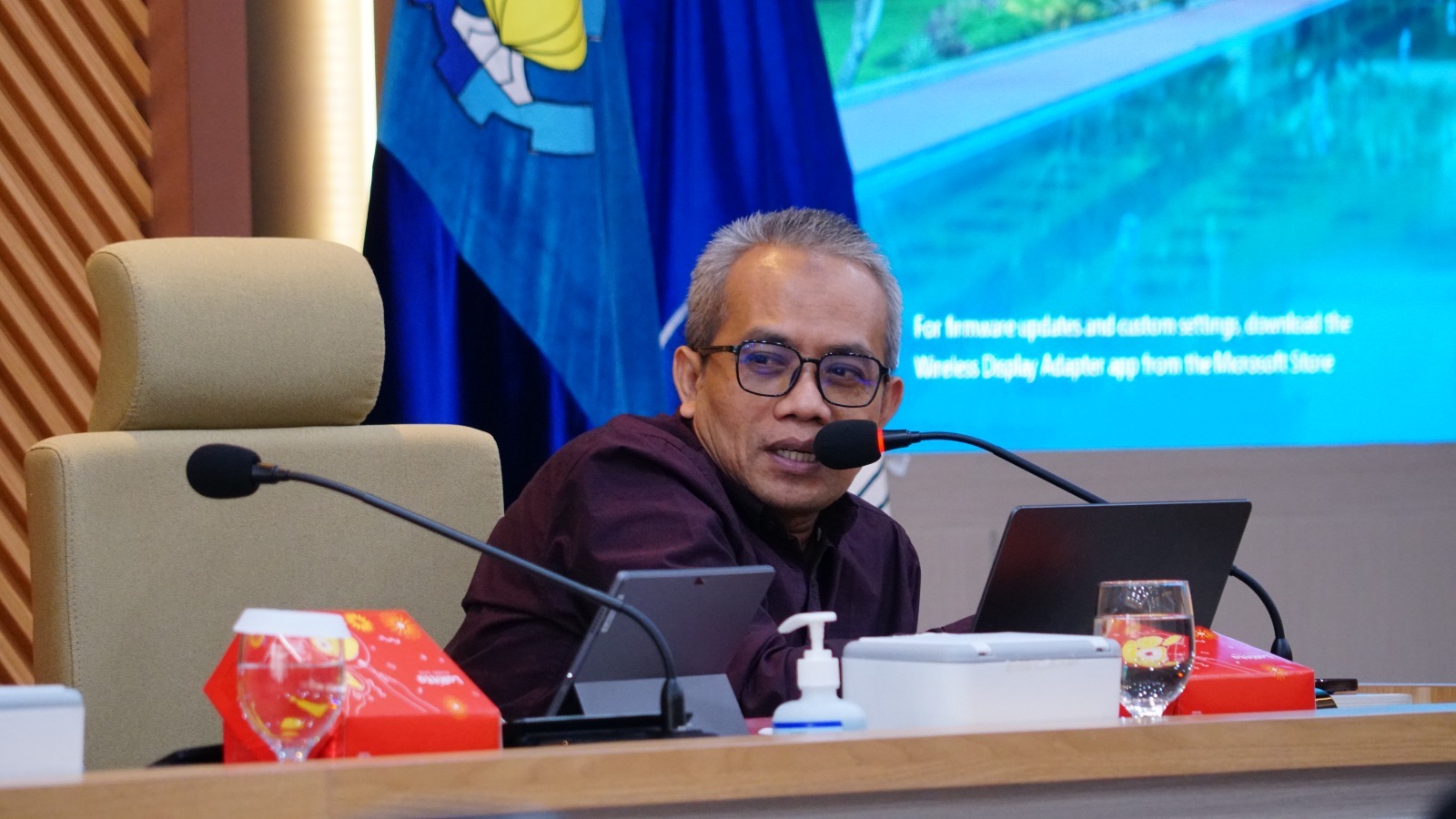
Meanwhile, in terms of academics, ITS will continue to strengthen its technology-based curriculum and industry needs to produce adaptable and globally competitive graduates. Furthermore, research activities are focused on the downstreaming and commercialization of innovations, ensuring that research results are not limited to publication. “Thus, downstreaming innovation can provide added economic value,” said the Yogyakarta native.
In line with this, ITS Vice Rector II for Planning, Finance, and Infrastructure, Dr. Machsus ST MT, stated that these efforts must be supported by strengthening governance and the institution’s financial independence. In this regard, ITS must continue to encourage diversification of funding sources, including through industrial partnerships and downstream innovation. “The campus cannot rely solely on the state budget,” he reminded.
With the spirit of ITS Resilient, Impactful, and Global, ITS is optimistic that it can strengthen its role as a driver of technological innovation and knowledge-based development towards Golden Indonesia 2045. This optimistic attitude is a testament to ITS’s commitment to supporting the Sustainable Development Goals (SDGs), especially point 4 on Quality Education. (*)
Reporter: Syifa Rahmadina
Redaktur: Mohammad Febryan Khamim
Translator: Devinka Mutianeira