Published on
Tuesday, 7 April 2026
ITS Campus, ITS News — The current limitation of national fuel oil (BBM) reserves due to the global crisis becomes an important warning for Indonesia’s energy security. Answering this challenge, Institut Teknologi Sepuluh Nopember (ITS) continues to strive to develop sustainable energy innovations through technology-based research.
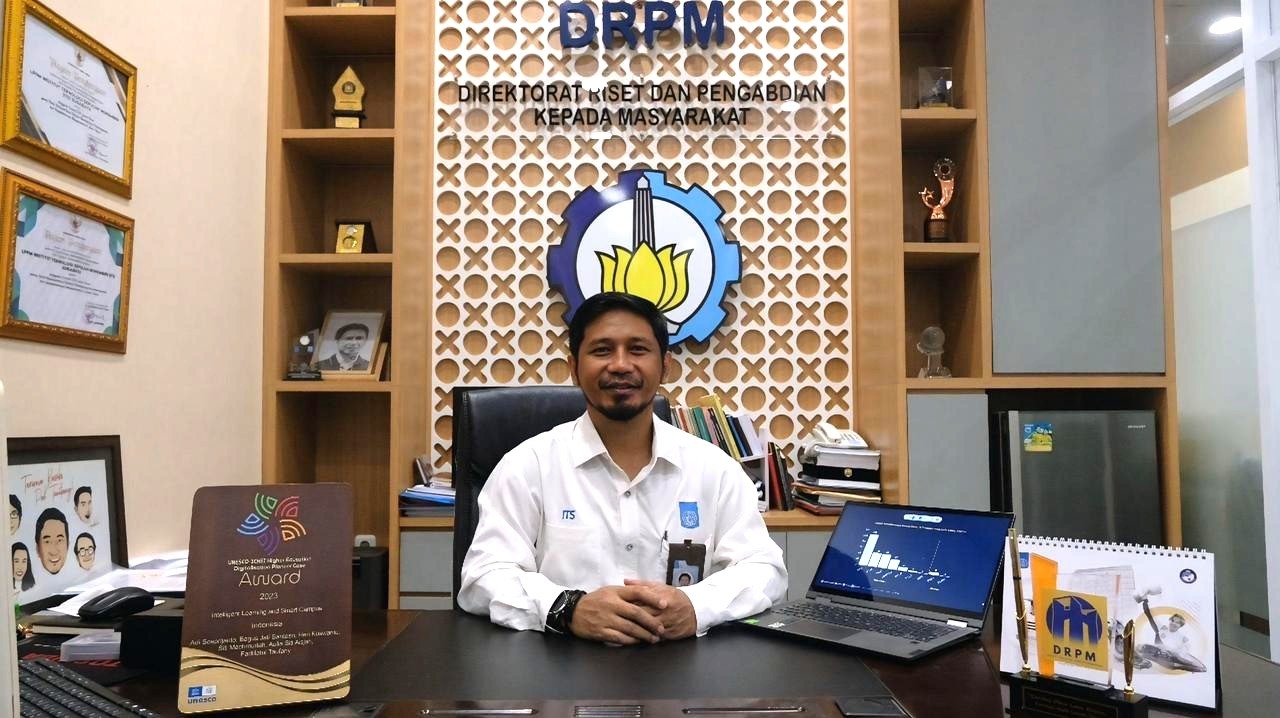
The ITS Director of Research and Community Service (DRPM) Fadlilatul Taufany ST PhD explained that energy security does not only depend on reserves, but also the capability to develop other alternative energy sources. According to him, accelerating the transition towards New and Renewable Energy (EBT) is important to reduce fossil energy dependence. “Energy security needs to be supported by technology based on local potential,” he stated.
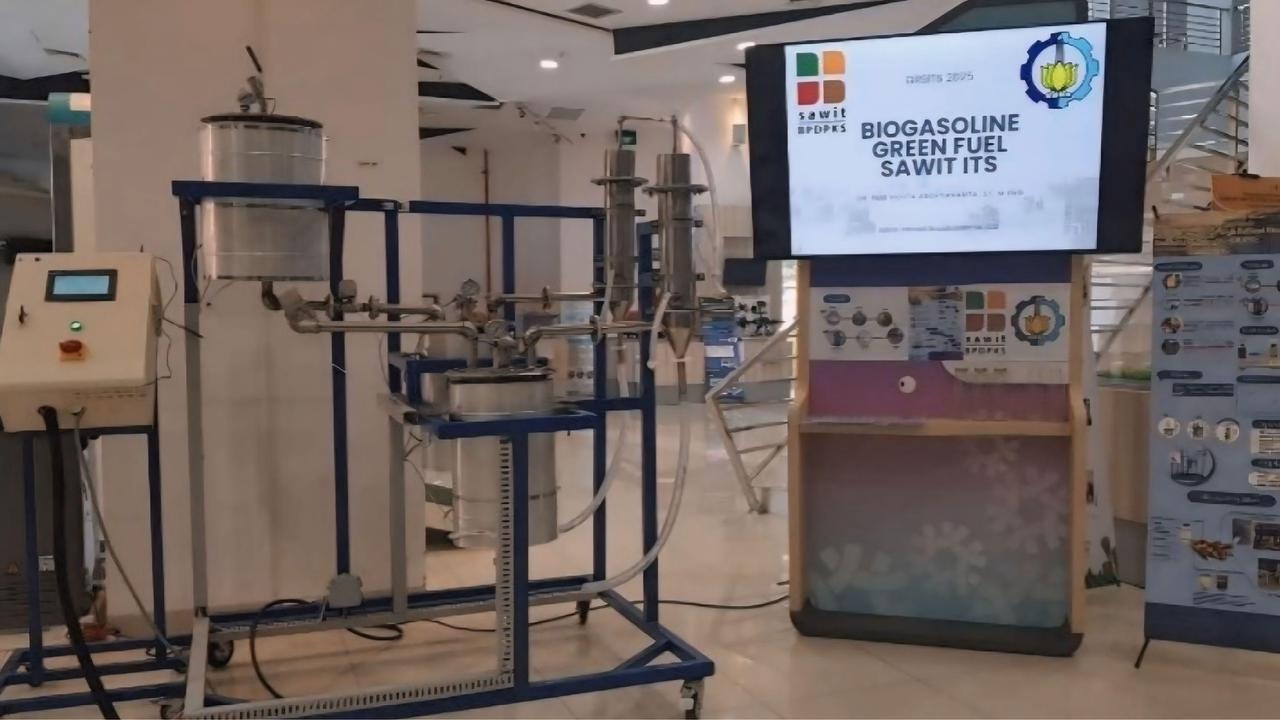
Answering this challenge, according to the lecturer who is familiarly called Taufany, ITS is also developing research on other alternative fuels. One of them is palm oil-based fuel research through the conversion of crude palm oil (CPO) into biogasoline. This ITS palm biogasoline or Benwit innovation becomes one example of utilizing domestic potential as an alternative energy solution that supports national energy independence.
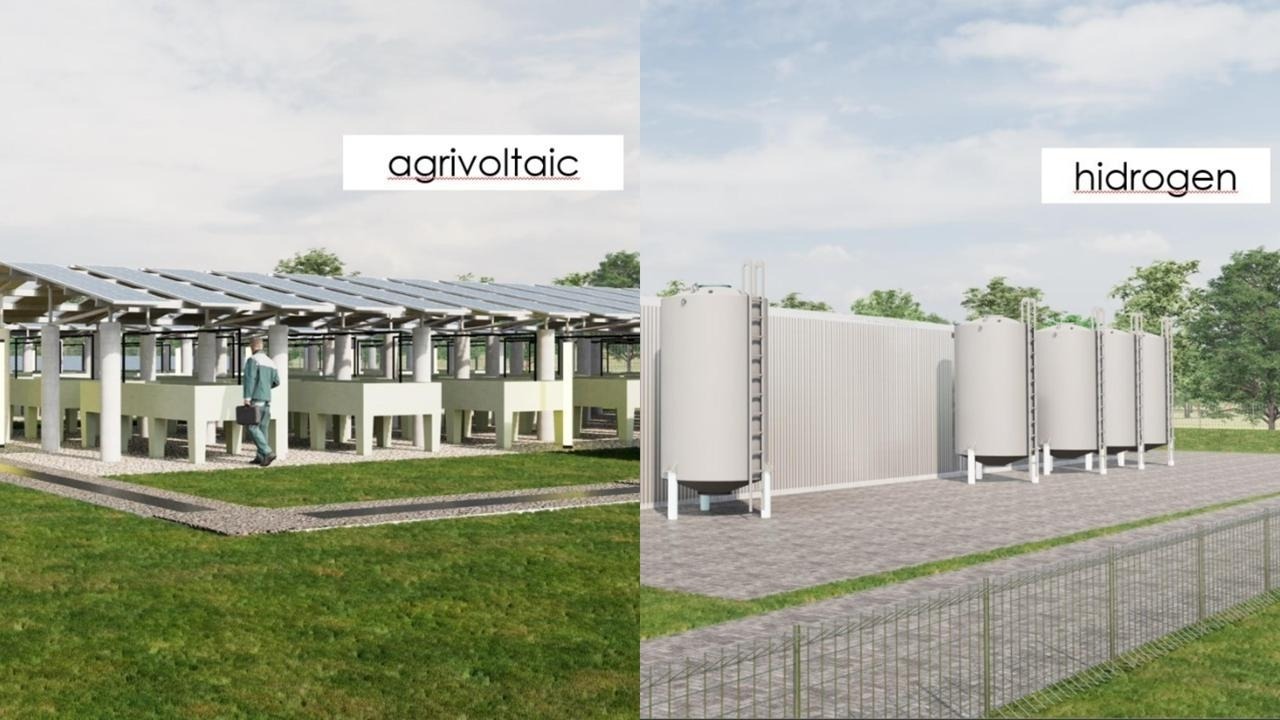
In addition, ITS is also developing various integrated energy innovations through the construction of the Renewable Energy Integration Demonstrator of Indonesia (REIDI). This facility is the largest renewable energy living laboratory in Indonesia which integrates various energy sources such as photovoltaic, agrivoltaic, biomass, up to hydrogen. “REIDI is designed to bridge research with industrial and societal needs,” he explained.
Through this facility, ITS does not only focus on technology development, but also on testing and implementation on a real scale. With this approach, REIDI is expected to be able to become an integrated renewable energy management model in Indonesia. “Direct implementation becomes the key so that innovations can provide a real impact,” he added.
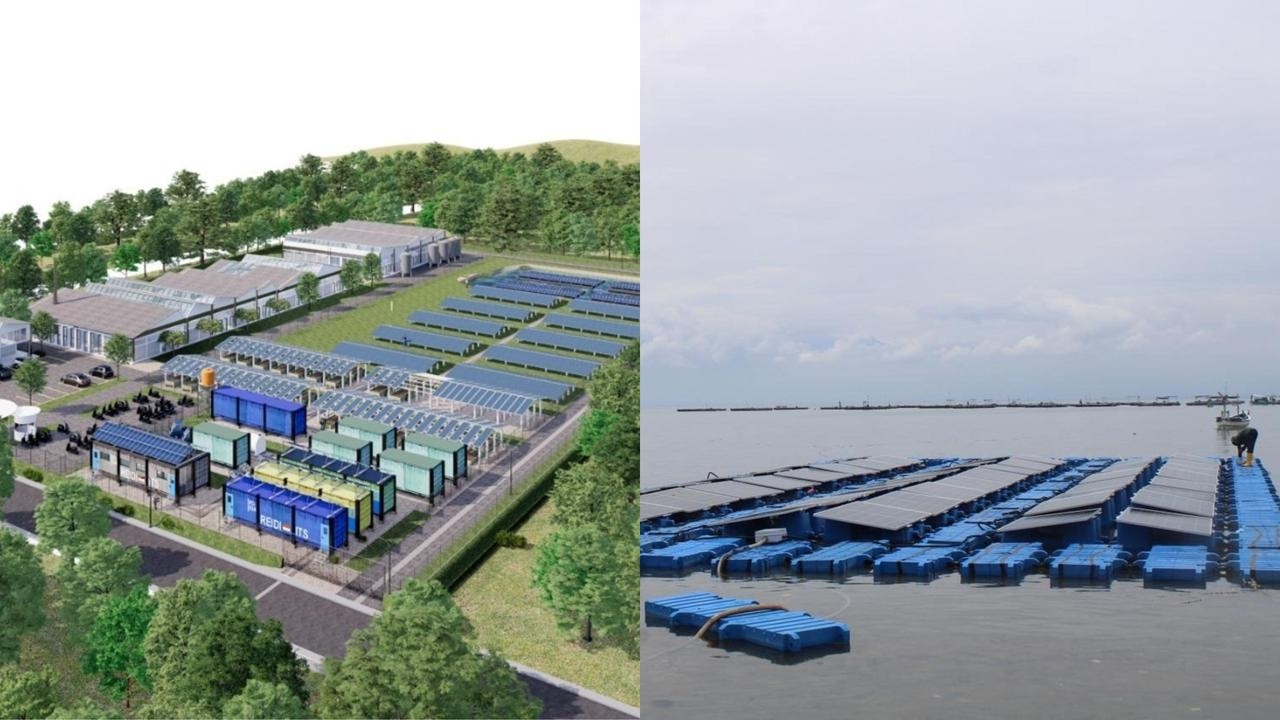
This integrative approach is also applied by ITS outside the campus environment, one of which is through the Solar2Wave project. This project presents the first nearshore floating solar power plant (PLTS) in Indonesia aimed at supporting energy independence in coastal areas. “A region-based approach is important to expand clean energy access,” he said.
In line with these efforts, ITS also encourages energy diversification through the development of various alternative fuel sources, such as bioethanol, electric vehicles, up to hydrogen fuel cell technology. This step is considered important as part of the transition towards a cleaner and more efficient energy system. “Energy diversification is necessary to reduce dependence on fossil fuels,” he asserted.
Furthermore, Taufany emphasized that strengthening national energy security requires synergy between research, policy, and implementation. Collaboration between universities, government, and industry becomes a key factor in accelerating energy technology development. “Collaboration is needed so that innovations can be implemented widely,” concluded the lecturer of the ITS Chemical Engineering Department.
Besides research, through the Automotive Science Techno Park (STP), ITS also serves the conversion of gasoline-fueled two-wheeled vehicles into battery-based electric motorcycles. Through the conversion workshop that has been established since 2022, ITS also supports the acceleration of the national electric vehicle ecosystem and provides mobility solutions that are more efficient and environmentally friendly for the community. To date, this workshop has successfully converted several types of motorcycles ranging from scooters, mopeds, up to sport models.
ITS’s contribution to this sustainable energy development aligns with the Sustainable Development Goals (SDGs), specifically point 7 regarding Affordable and Clean Energy as well as point 13 regarding Climate Action. By strengthening research and collaboration, ITS is expected to continue contributing to realizing national energy security. (ITS Public Relations)
Reporter: Nadhifa Raghda Syaikha