Published on
Tuesday, 23 June 2026
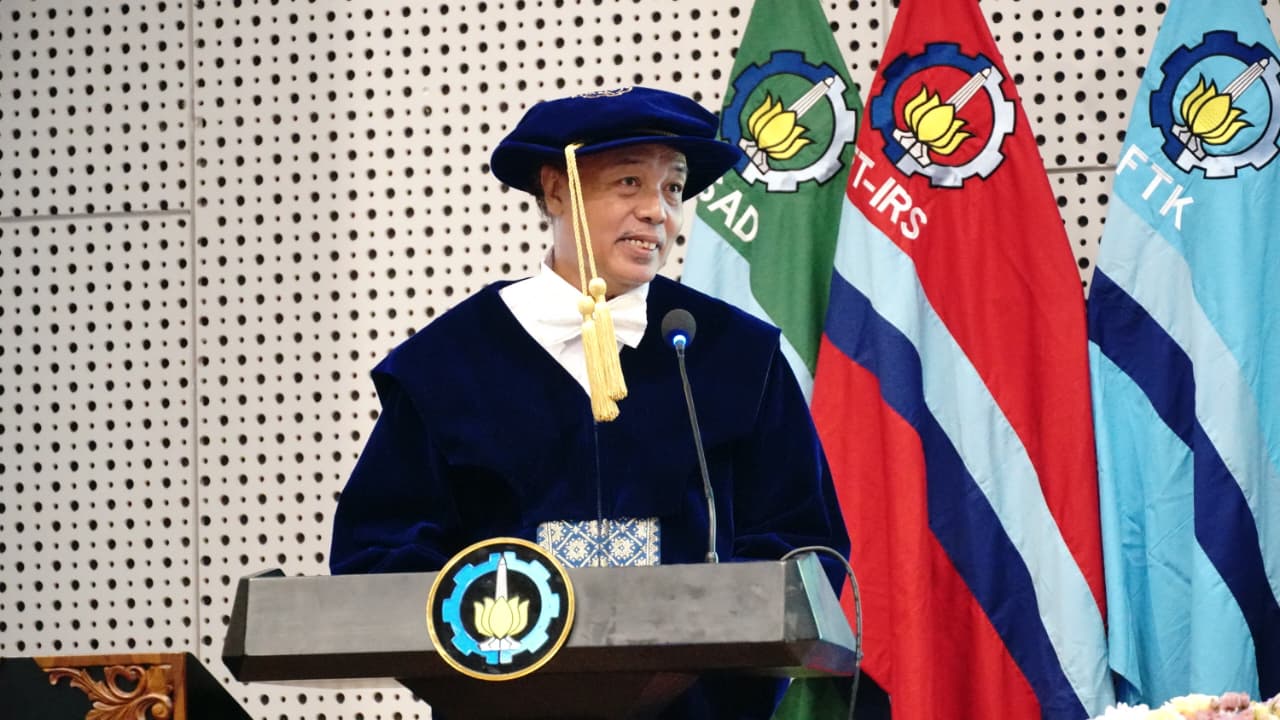
ITS Campus, ITS News — As technology advances, the transformation of digital systems continues to accelerate. To support this development, the 239th Professor of the Sepuluh Nopember Institute of Technology (ITS), Prof. Dr. Sholiq, ST, M.Kom., M.SA., presented an innovative model for estimating the cost of developing natural language-based software.
Digital transformation is driving software to become the primary foundation of various modern business services and processes. Therefore, the software development process needs to be carefully designed to minimize the risk of project failure. Responding to this challenge, the lecturer from the Information Systems (IS) Department at ITS presented an innovation called NL-COCOMO ( Natural Language Constructive Cost Model ), a software project cost and effort estimation model that utilizes natural language analysis.
Sholiq emphasized that the NL-COCOMO innovation has the potential to be applied across various sectors, as software development is now a crucial part of digital transformation across various fields. He believes this model can help standardize software project cost estimation processes, thus supporting the development of more effective and accountable digital systems.
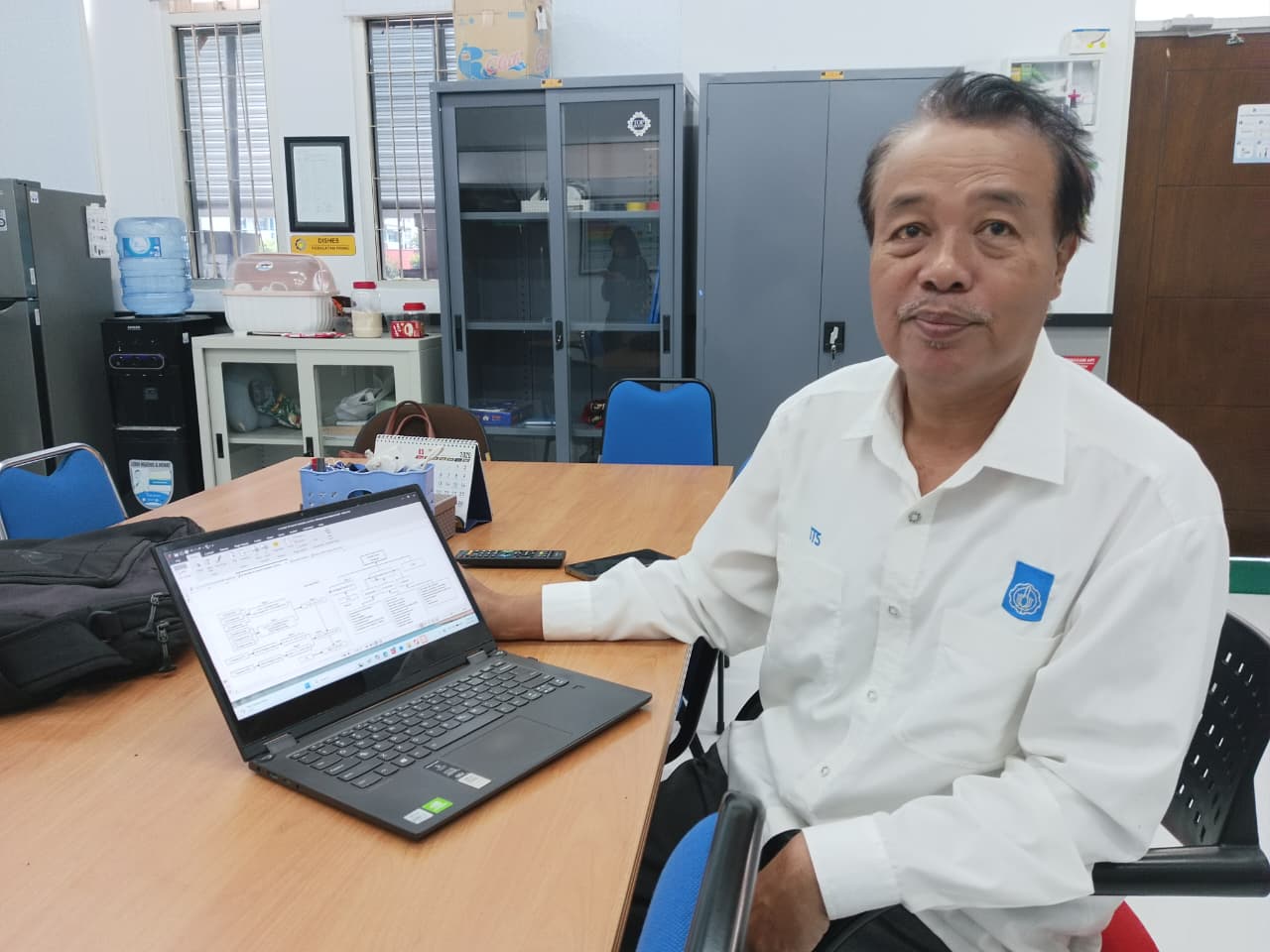
NL-COCOMO was designed to estimate the size, complexity, and resources required for software development. Sholiq revealed that software pricing is still not standardized compared to conventional physical products. “The goal is to create a benchmark for software projects,” the Gresik native continued.
Previously, NL-COCOMO was a model that only worked to estimate software development requirements. The man born in 1971 reconstructed this model with the help of natural language processing (NLP) techniques . NLP allows computers to process human language in the form of text or voice data to understand its full meaning, complete with intent and sentiment. “NLP can make communicating user needs easier,” Sholiq explained.
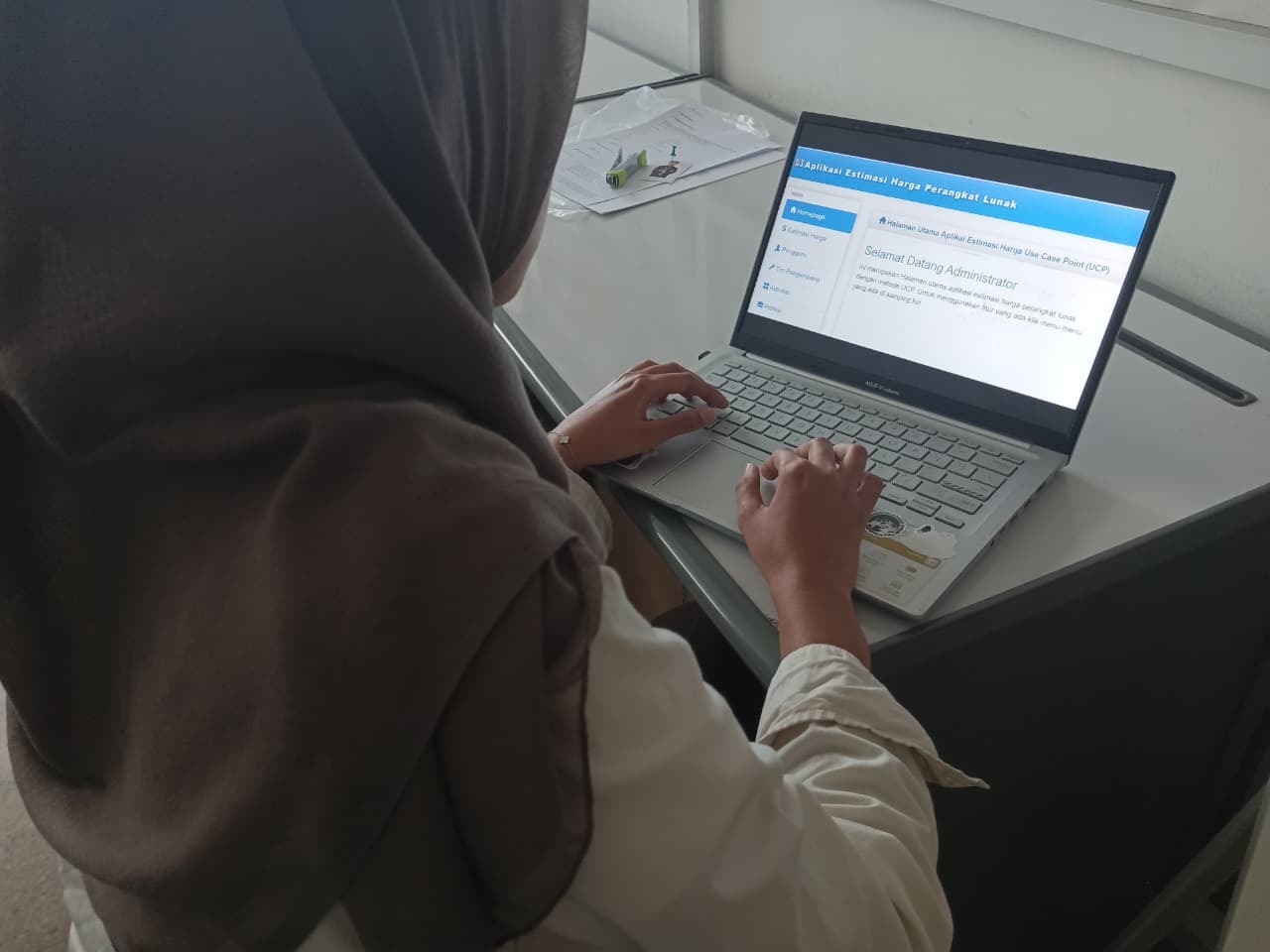
He elaborated that in the software development process, understanding user needs is typically done through storytelling before cost estimation can be done. Through the natural language processing innovation developed in this model, this process can be done more quickly and efficiently because user needs can be identified through the system. “This allows for faster cost calculations,” added the ITS Informatics Engineering alumnus.
Continuing his research, Sholiq plans to evolve the NL-COCOMO model architecture, which previously used a monolithic system , into microservices and cloud-native systems . This development will enable independent, connected, and automated use of the model, compared to the previous system, which only used a single system within a single codebase.
The research by the Head of the ITS Information Systems Management Laboratory is a clear demonstration of the support of the ITS academic community in striving to achieve the Sustainable Development Goals (SDGs), particularly point 9: Industry, Innovation, and Infrastructure. Sholiq hopes this innovation can be used as a standard and simplify software design. “I hope this innovation can make a real contribution to the development of digital technology in Indonesia,” he concluded. (ITS Public Relations)
Reporter: Nailah Rifdah Zakiyah
Translator: Devinka Mutianeira