Published on
Saturday, 11 April 2026
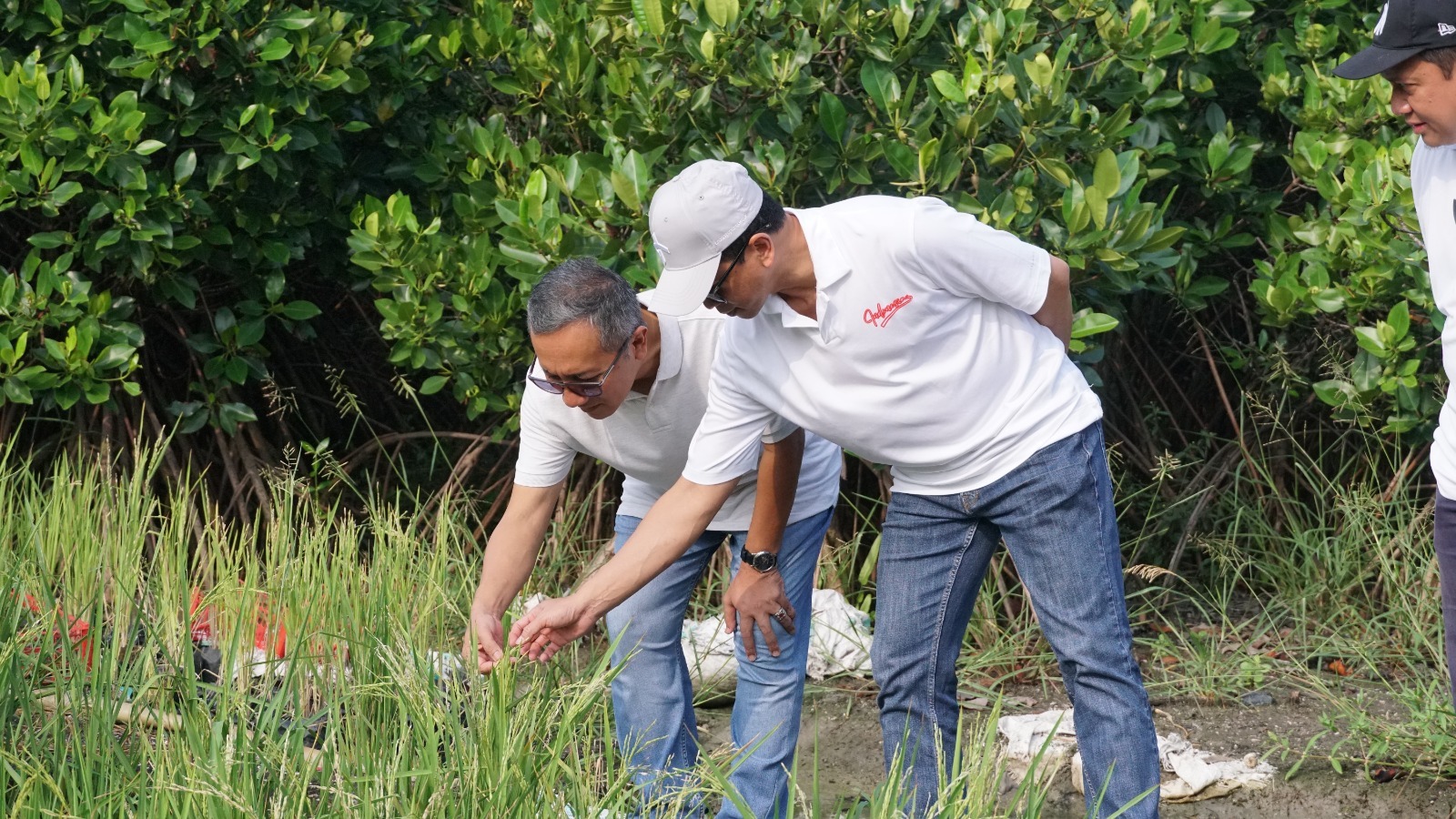
ITS Campus, ITS News — Institut Teknologi Sepuluh Nopember (ITS) continues to expand its academic contribution to environmental conservation and the development of applied technology and innovation. One of which is shown by the ITS leadership ranks together with the Surabaya City Regional Research and Innovation Agency (BRIDA) conducting a strategic inspection regarding the initiation of a living laboratory at the Surabaya Mangrove Botanical Garden (KRM) on Friday (10/4) morning.
Stretching across 34 hectares on the east side of the City of Heroes, KRM is the first coastal conservation area in Indonesia that integrates educational, research, and tourism functions within a single ecosystem. Being home to dozens of types of mangrove plants and various species of migratory birds makes this area a potential location as a research and innovation center.
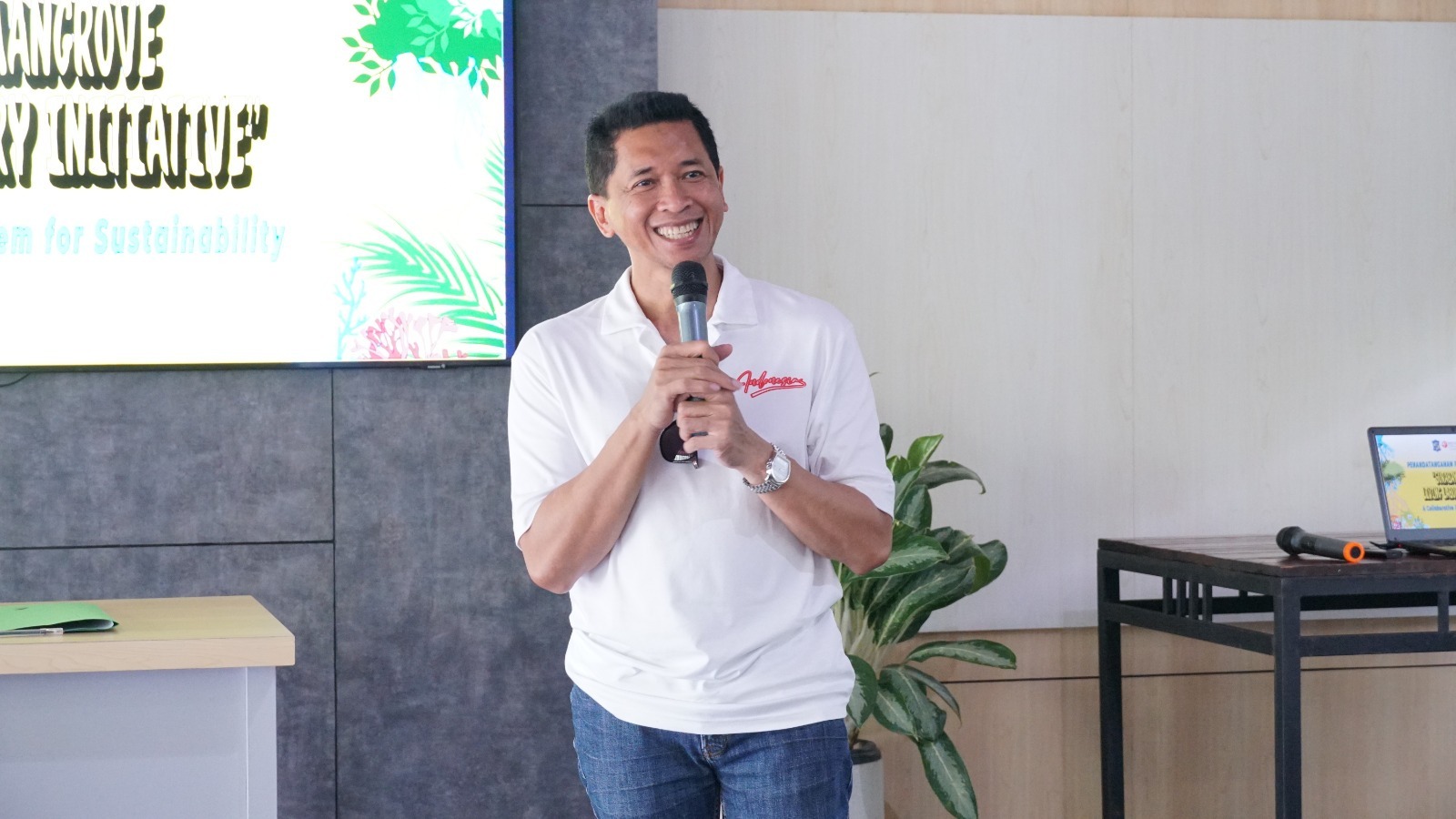
ITS Rector Prof Dr (HC) Ir Bambang Pramujati ST MSc Eng PhD stated that this inspection is a follow-up to the memorandum of understanding (MoU) between ITS and the Surabaya City Government (Pemkot). ITS targets Surabaya KRM as a living laboratory for various scientific disciplines, ranging from biology to maritime technology.
Bambang revealed that the ITS academic community, as academics, sees enormous potential for mangrove development here. “Currently, several plots of land have been used by ITS researchers to test Internet of Things (IoT) sensors, as well as to look for rice seeds that are adaptive to mangrove lands,” explained the 13th ITS Rector.
Furthermore, the Professor of the ITS Mechanical Engineering Department emphasized that student involvement is very massive in this project. The Biology Department, Urban and Regional Planning (PWK) Department, and ITS Architecture Department become among the scientific fields that have a great opportunity to contribute to the development of the KRM area.
Bambang conveyed that the ITS Biology Department has a very large opportunity to research biodiversity and the preservation of rare species in this mangrove area. “In addition, the ITS PWK and Architecture Departments are also expected to be able to contribute ideas in arranging the area to make it more attractive to tourists,” he said.
Another concrete innovation proposed by the ITS Rector is the modernization of river transportation. Bambang highlighted the use of diesel-engine boats which tend to cause noise and air pollution, thus disturbing bird habitats. “In the future, we can develop solar-powered boats and electric motors to be quieter and more environmentally friendly,” added Bambang.
In line with this, the Head of Surabaya City BRIDA Dr Agus Imam Sonhaji ST MMT welcomed the synergy. Agus hopes that ITS’s reliability in the fields of technology, maritime, or new and renewable energy (EBT), as well as the empowerment of coastal communities through the silvofishery (wanamina) method can be implemented immediately.
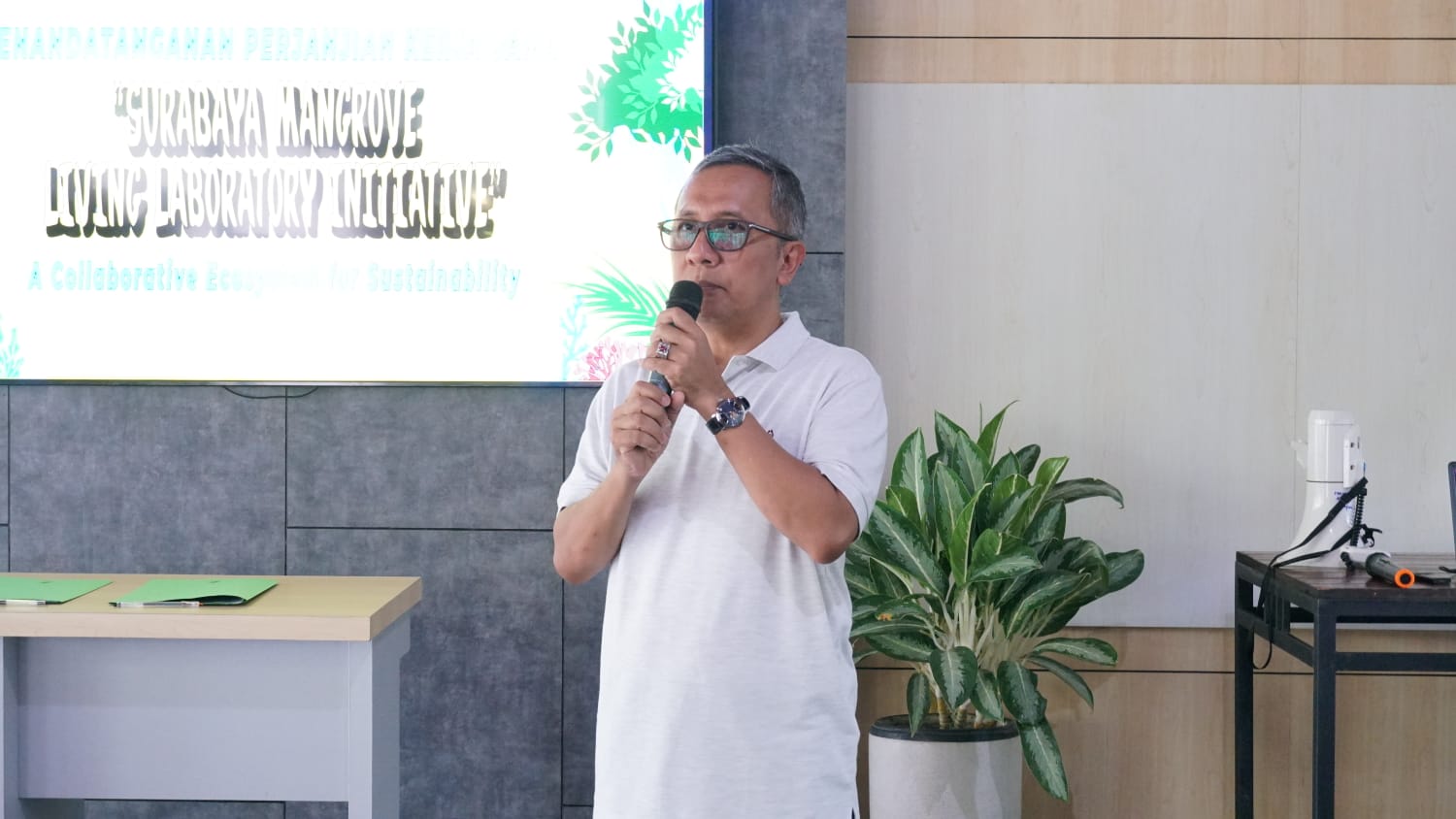
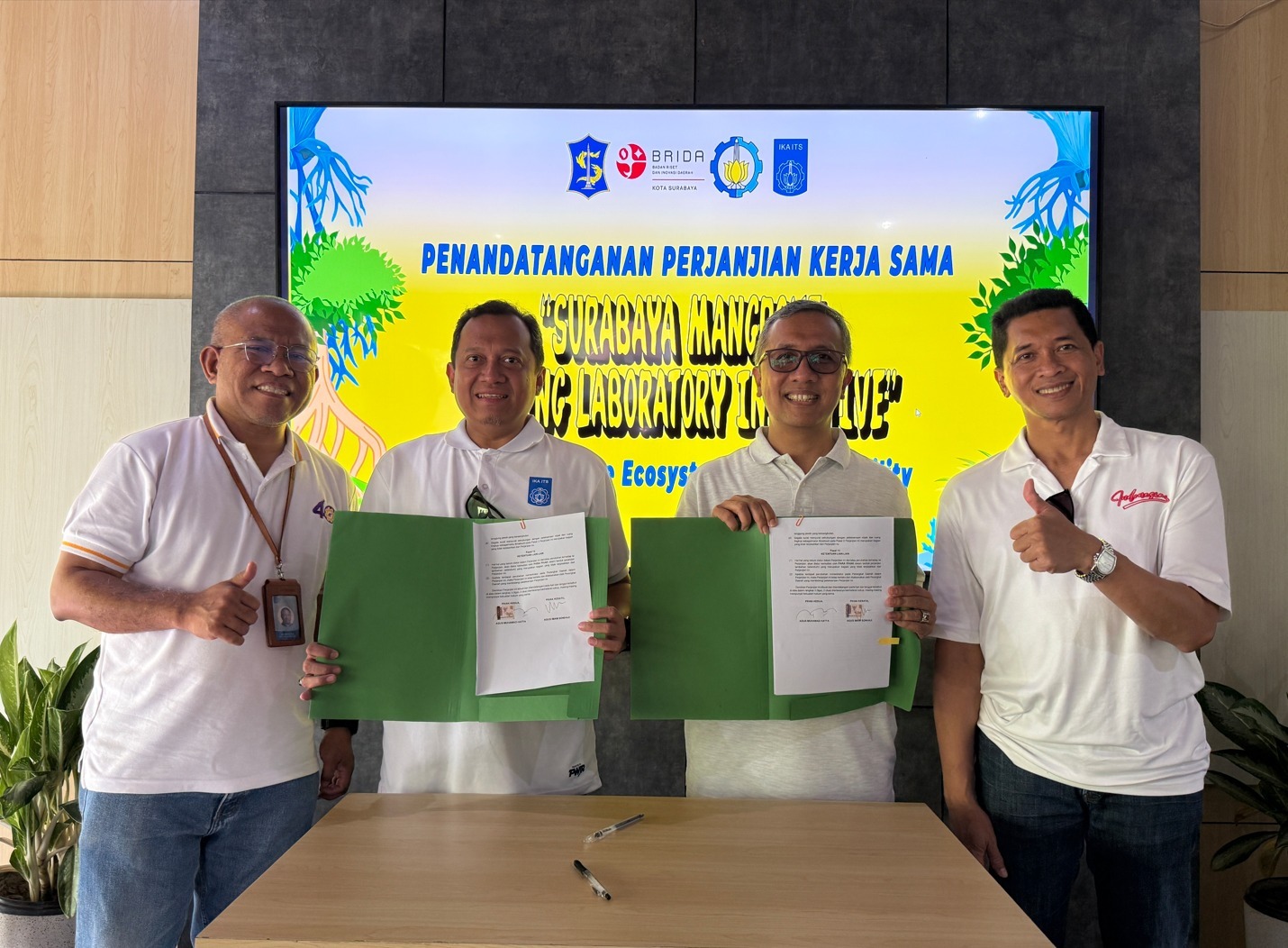
Through the signing of this collaboration between ITS, Surabaya City BRIDA, and KRM, it is hoped that later all the potential resources at ITS can dedicate their knowledge here. “Later it can make it a flagship educational vehicle as well as an economic driver for coastal communities,” he added hopefully.
Through this collaboration, ITS and Surabaya City BRIDA are optimistic they can realize technology-based conservation area management. Thus, it is expected that in the future it can provide a real impact on sustainable development for the City of Surabaya.
This collaborative project also demonstrates ITS’s commitment to supporting the achievement of the Sustainable Development Goals (SDGs). Specifically on point 7 regarding Affordable and Clean Energy, point 14 regarding Life Below Water, and point 17 regarding Partnerships for the Goals. (ITS Public Relations)
Reporter: Syifa Rahmadina