“Decent work in safe and stable conditions is a vital component of helping people out of poverty, with the related aspects of reducing hunger and increasing health. The rise of precarious employment, modern slavery, and uneven growth has created threats to a sustainable future. Universities as employers can lead the way, as teachers can educate for the future, and as innovators can develop new and fairer ways of working.”
(THE Impact Rankings)
SDG 8: DECENT WORK AND ECONOMIC GROWTH
Employment Practice
- Employment Practice Living Wage
- Employment Practice Unions
- Employment Policy on Discrimination
- Employment Policy Modern Slavery
- Employment Practice Equivalent Rights Outsourcing
- Employment Policy Pay Scale Equity
- Tracking Pay Scale for Gender Equity
- Employment Practice Appeal Process
- Employment Practice Labour Rights
ITS Living Wage Policy & Initiative to Guarantee Employee Financial Stability
ITS is committed to providing fair compensation for all staff and faculty members. This commitment is reflected in ITS’ adherence to the Surabaya Minimum City Wage (UMK) as stipulated in the Decree of the Governor of East Java Number 188 (2023) page 5, which sets the 2024 minimum wage at IDR 4,725,479 (four million seven hundred twenty-five thousand four hundred seventy-nine).
One practice to ensure that all employees, including candidates for positions or on the job training, receive a minimum monthly income that meets or exceeds the living wage standard aforementioned, ITS affirms the Regulation of ITS Rector Number 8 (2020) and Regulation of ITS Rector Number 8 (2024) as follows
Candidates for ITS employees are all candidates for Civil Servants/non-Civil Servants before being appointed as Civil Servants/non-Civil Servants, who must undergo a probation period of up to one (1) year, receiving 80% (eighty percent) of the basic salary (Chapter I, Article 1, Clause 2 )
The Minimum City Wage, hereinafter referred to as UMK, is the minimum wage applicable in the city of Surabaya (Chapter I, Article 1, Clause 3 ).
The supplemental income adjustment for the minimum city wage, hereinafter referred to as TPPUMK, is the monthly additional income paid to candidates for employment at ITS whose earnings are still below the minimum city wage (Chapter I, Article 1, Clause 4)
ITS also ensures the employment practice living wage with the remuneration system to make up for the gap between the employee’s basic salary and the minimum wage in Surabaya. This system includes additional payment based solely on position and work duration, stated on Regulation of ITS Rector Number 25, 2021, stipulates in Article 24, Clauses 1-4, such as:
(1) Salaries and personal allowances
-
-
- monthly salary;
- 13th salary;
- monthly additional income;
- additional income for the 13th month;
- additional study assignment allowance; and
- additional study assignment allowance for the 13th month.
-
(2) Position allowances
-
-
- structural position allowance;
- academic position allowance;
- general functional position allowance;
- specific functional position allowance;
- professional allowance;
- honorary professor allowance;
- honorary rector allowance; and
- honorary vice rector allowance.
-
(3) Performance incentives
-
-
- individual performance incentives;
- structural position performance incentives;
- 13th individual performance incentive; and
- 13th structural position performance incentive.
-
(4) Other allowances
-
-
- meal allowance;
- food allowance;
- family allowance;
- overtime pay;
- holiday allowance;
- old age allowance;
- pension benefits;
- health insurance;
- accident insurance;
- death insurance; and
- gratuity.
-
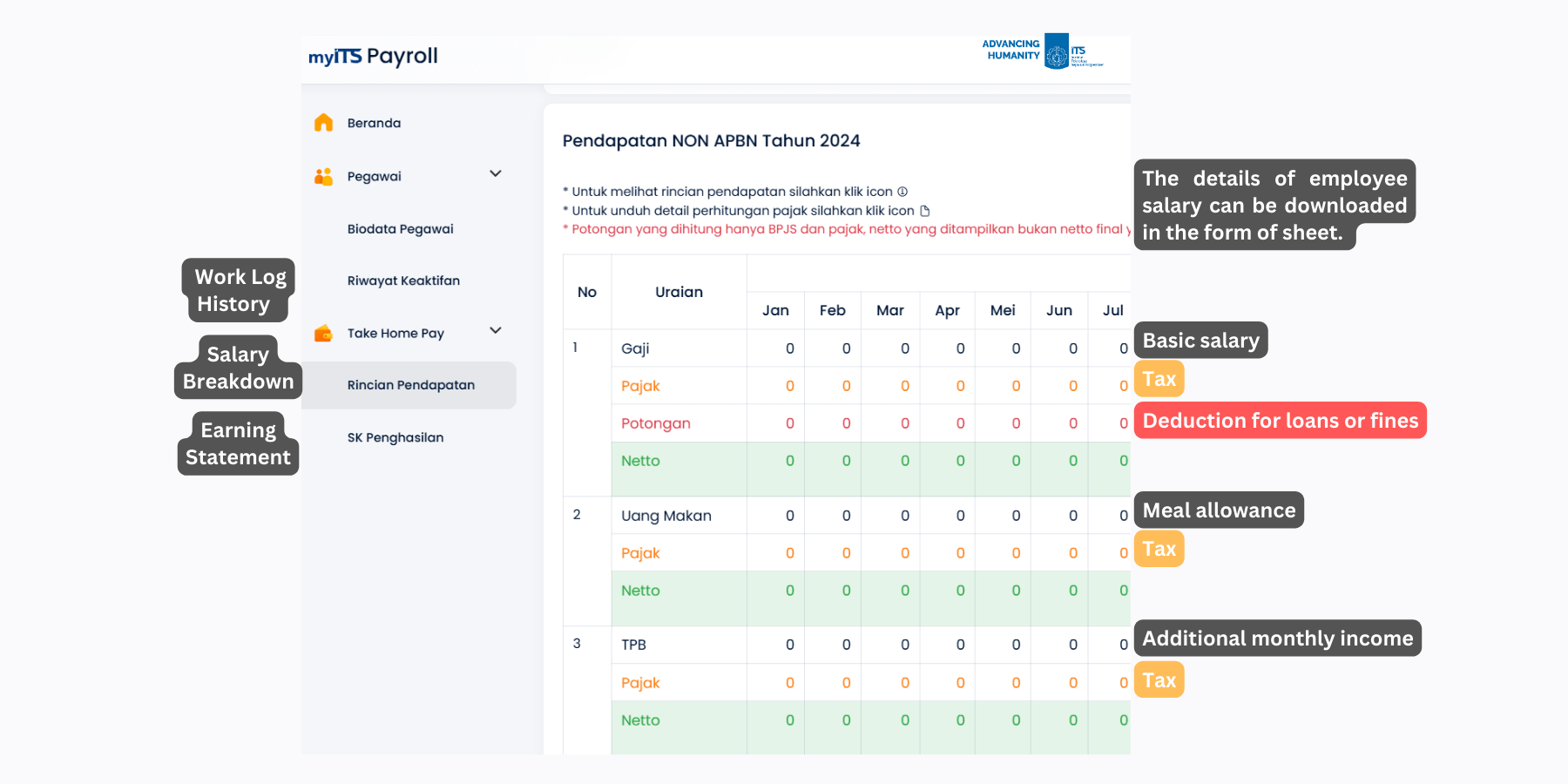
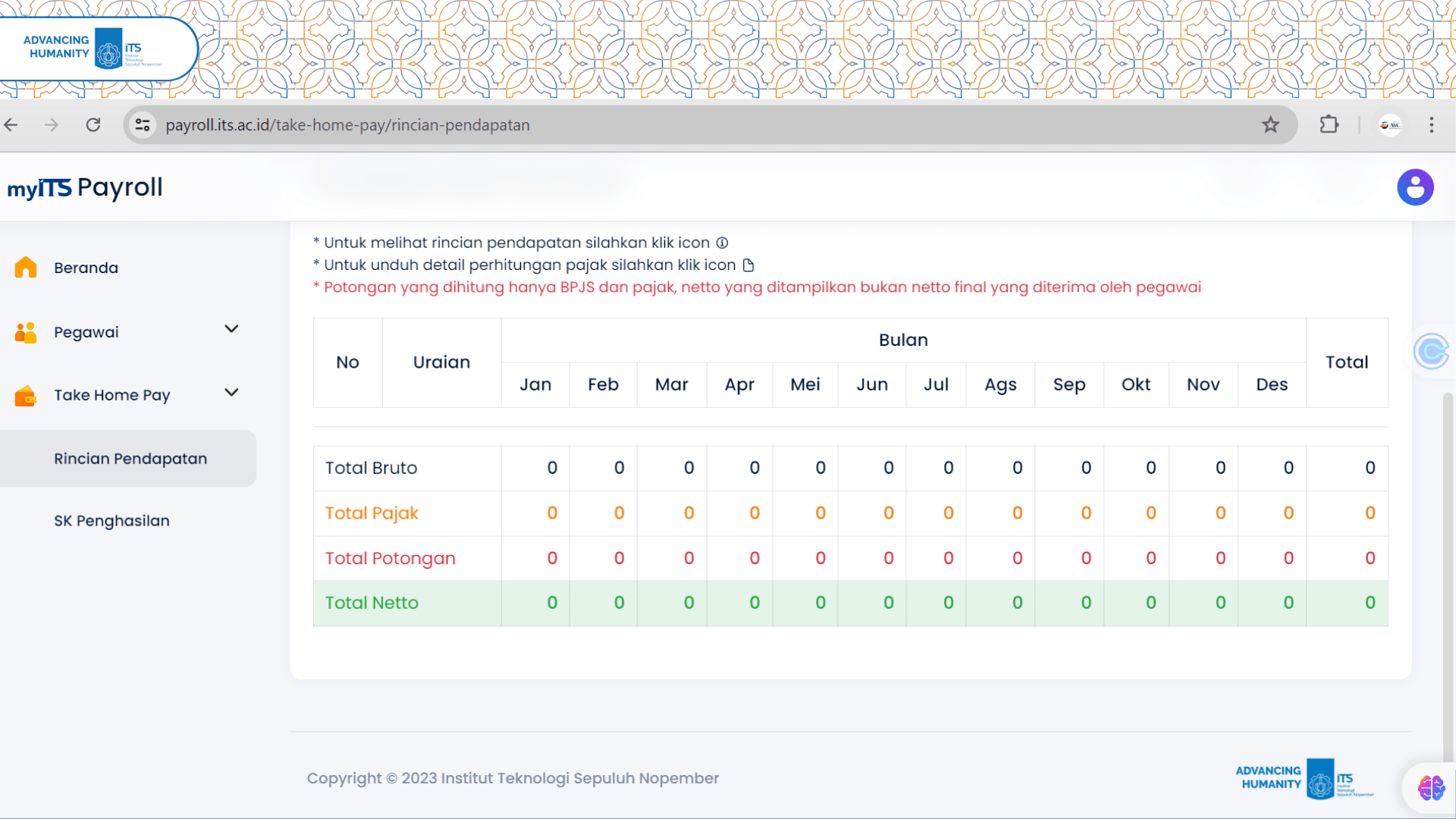
Pay for Person guarantees that each employee receives a baseline salary that meets or exceeds the living wage standard. Employees are also compensated based on their job roles and responsibilities to the pay for position. This ensures that higher-level positions receive appropriate compensation that reflects their contribution to the institution, further supporting financial stability for employees in these roles. While the performance-based pay component rewards employees for their contributions and achievements, additional Workers’ Welfares supports employees further by providing various welfare benefits which contributes to overall financial security, helps to offset daily living costs, ensuring employees have access to adequate nutrition, and ITS supports long-term financial security for employees, encouraging them to plan for their future. This system is also evident in myITSpayroll application, where the food allowance and monthly additional income (TPB) are tracked in the system image below.
Employee Union Recognition and Participation at ITS
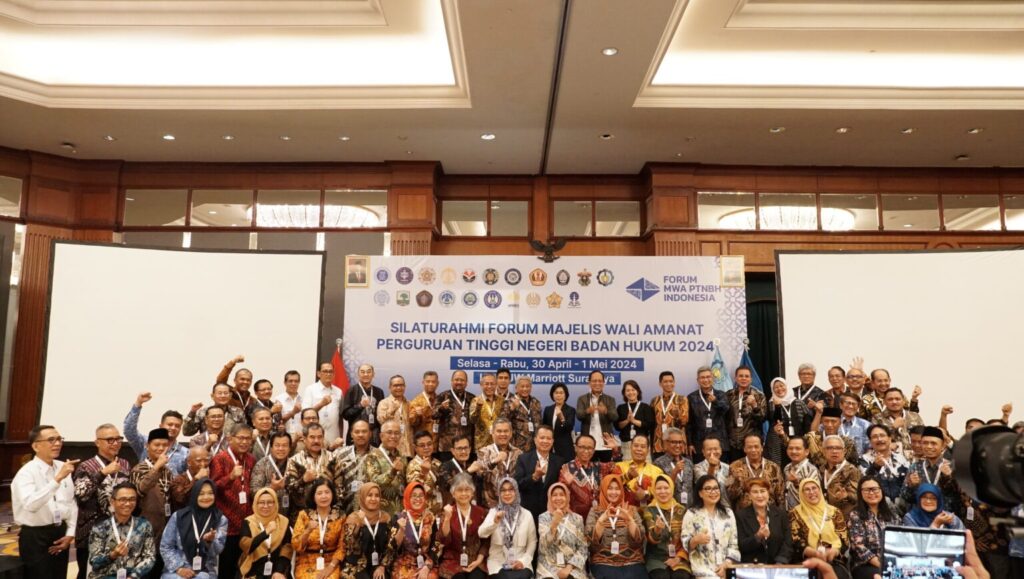
ITS is firmly committed to protecting the rights and welfare of its entire workforce. In line with national labor laws and international labor standards, ITS ensures that every employee, academic or administrative, local or international, has the right to freely associate, form or join unions, and participate in collective decision-making. This inclusive approach reflects ITS’ dedication to transparency, equity, and shared governance within the institution. Through several mechanisms below, ITS demonstrates its recognition of unions and representative bodies for all employees, including women and international staff, as part of its commitment to fair labor practices and inclusive institutional governance.
Board of Trustees (Majelis Wali Amanat)
Through the Board of Trustees (Majelis Wali Amanat), ITS ensures that academic and non-academic staff are represented in institutional governance. The staff representative is also elected through a transparent voting process, allowing staff members to directly choose their representative. This structure enables non-academic employees to voice their concerns and participate in decision-making processes related to employment and welfare, aligning with principles of equitable labor representation.
Koperasi Pegawai Republik Indonesia (KPRI)
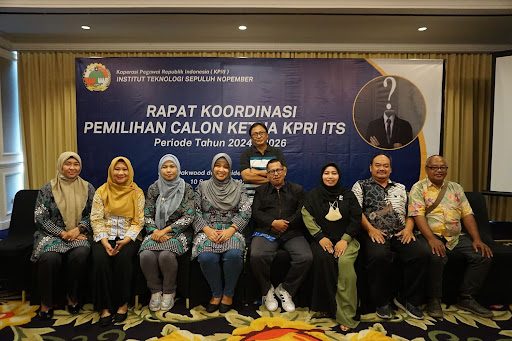
ITS promotes inclusive employee welfare through the Koperasi Pegawai Republik Indonesia (KPRI-ITS), an employee cooperative established in 1981 that supports collaboration, empowerment, and economic democracy. Open to all staff regardless of gender or nationality, KPRI-ITS provides equal opportunities for participation and leadership while offering various welfare programs, including savings and loan services, K-1 Mart, e-store platforms, and business partnerships to enhance staff wellbeing.
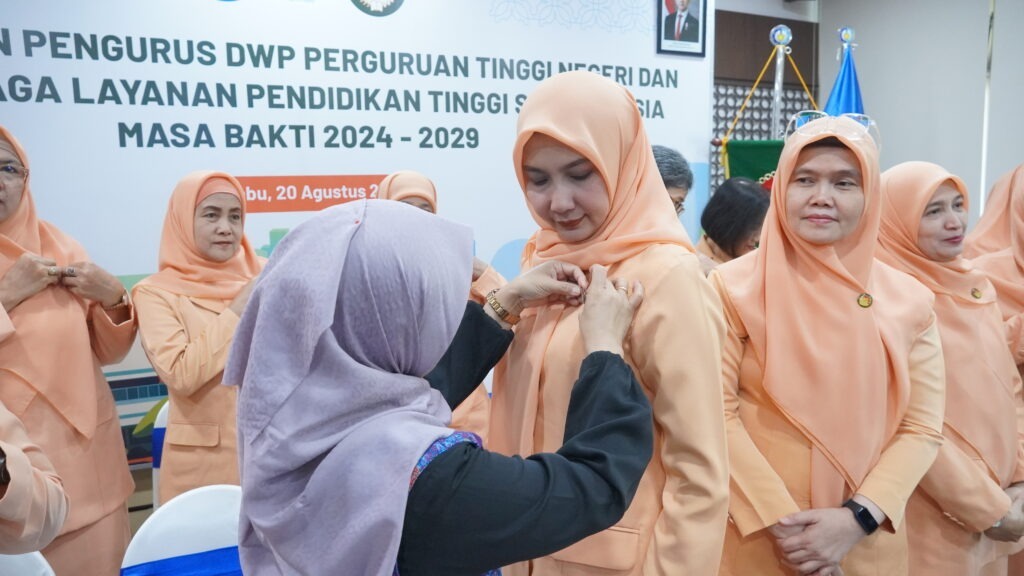
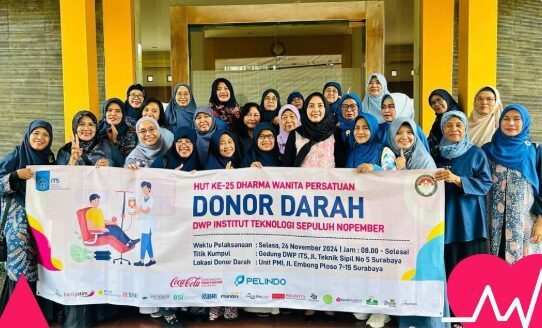
For women staff, ITS supports the Dharma Wanita Persatuan ITS, a structured organization operating across the university, faculty, and departmental levels. It functions as a professional and social platform that empowers women employees through capacity-building, leadership, and community engagement programs.
OWSD Indonesia National Chapter
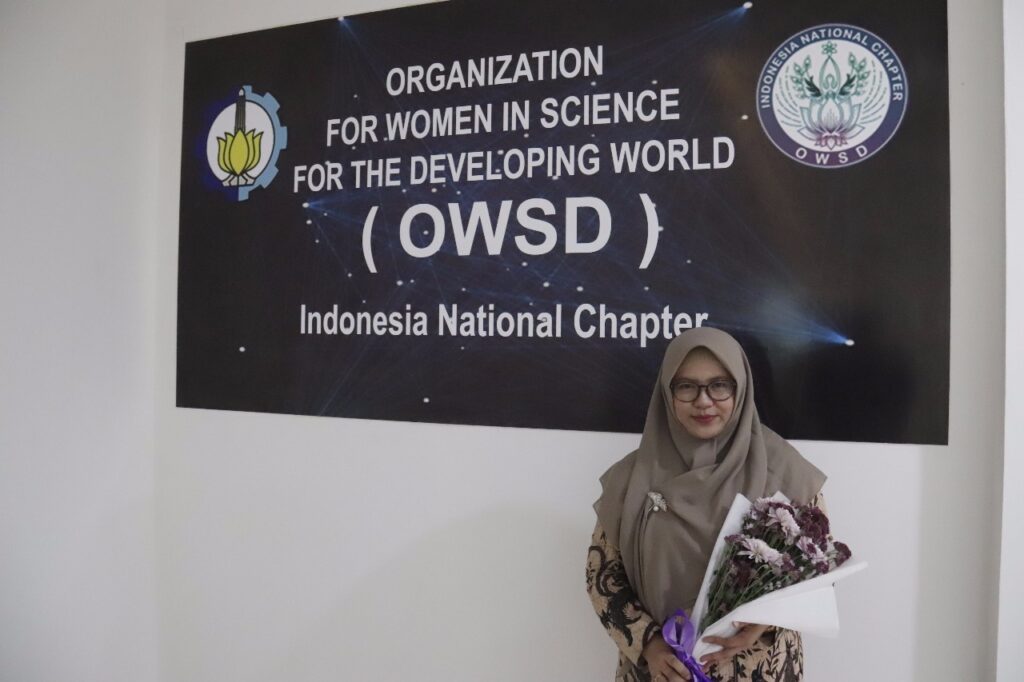
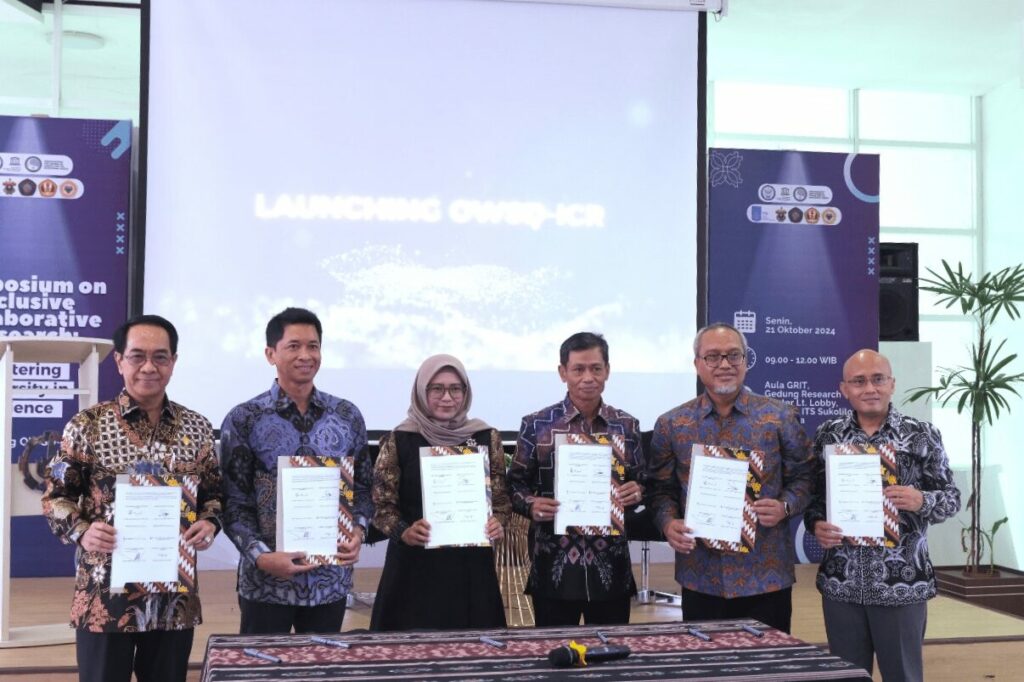
Since 2024, ITS has been the host institution for the Organization for Women in Science for the Developing World (OWSD) Indonesia National Chapter, further reinforcing ITS’ dedication to inclusivity, gender equality, and fair representation across academic and professional settings. Through this role, ITS actively fosters women’s leadership and participation in science within its own academic community, while also connecting ITS women researchers to national and international networks. Initiatives such as the Fostering Diversity in Science program and the OWSD Inclusive Collaborative Research (OWSD-ICR) scheme are implemented in collaboration with partner universities, but strongly benefit ITS researchers by promoting inclusive, interdisciplinary research and capacity building. These efforts ensure that women scientists at ITS gain equal access to professional development, visibility, and leadership opportunities, reinforcing the university’s institutional commitment to gender equality and inclusive employment practices.
Declaration Against Slavery And Discrimination in
Institut Teknologi Sepuluh Nopember (ITS)
At ITS, we believe that every person is valued and respected. The following Institut Teknologi Sepuluh Nopember Declaration Against Slavery and Discrimination (2024) in every employment practice, signed by ITS Rector, outlines our comprehensive policy to uphold these principles and create a more equitable and just society.
Preamble
ITS is hereby declaring our commitment to reject all forms of slavery and discrimination against women and men (gender) in every employment practice at ITS. We believe that every individual, regardless of gender, age, ethnicity, religion, or social status, has the right to freedom and fair treatment.
Policy Statements
1. Recognition of Human Rights
We acknowledge that all human beings are born free and equal in dignity. Any form of slavery, whether traditional or modern, is an intolerable violation of human rights.
2. Rejection of Slavery and Exploitation
We reject all forms of slavery, including human trafficking, forced labor, child labor, and sexual exploitation. Every individual has the right to live in freedom and without threat to their personal integrity.
3. Gender Equality
We affirm that discrimination based on gender is a form of injustice that must be eradicated. All women and men are entitled to equal opportunities in all aspects of life, including education, employment, position, and participation in decision-making.
4. Protection and Support for Victims of Slavery and Discrimination
We are committed to providing protection and support to victims of slavery and discrimination based on gender, age, ethnicity, religion, or social status. We will work to provide rehabilitation services, education, and access to justice for those affected.
5. Education and Awareness of the Dangers of Slavery and Discrimination
We will raise public awareness of the dangers of slavery and discrimination based on gender, age, ethnicity, religion, or social status through education, public campaigns, community programs, and obtaining education and equal rights, but we do not give space to LGBTQ declarations.
6. Shared Responsibility in Eradicating Slavery and Discrimination
We invite all elements of society, including government, non-governmental organizations, and the private sector, to unite in combating slavery and discrimination based on gender, age, ethnicity, religion, or social status. Collective action is needed to create a world free from injustice.
Conclusion
ITS is committed to striving for freedom, equality, and justice for all individuals, and to eradicating all forms of slavery and discrimination based on gender, age, ethnicity, religion, or social status in every working environment at ITS.
Declaration Against Slavery And Discrimination in
Institut Teknologi Sepuluh Nopember (ITS)
At ITS, we are committed to ensuring that every individual is treated with dignity, respect, and fairness. The ITS Declaration Against Slavery and Discrimination (2024), signed by the Rector, reaffirms our institutional dedication to ethical employment practices and equal opportunities for all. This declaration reflects ITS’ ongoing effort to promote inclusivity and contribute to a more just and equitable society.
Preamble
ITS is hereby declaring our commitment to reject all forms of slavery and discrimination against women and men (gender) in every employment practice at ITS. We believe that every individual, regardless of gender, age, ethnicity, religion, or social status, has the right to freedom and fair treatment.
Policy Statements
1. Recognition of Human Rights
We acknowledge that all human beings are born free and equal in dignity. Any form of slavery, whether traditional or modern, is an intolerable violation of human rights.
2. Rejection of Slavery and Exploitation
We reject all forms of slavery, including human trafficking, forced labor, child labor, and sexual exploitation. Every individual has the right to live in freedom and without threat to their personal integrity.
3. Gender Equality
We affirm that discrimination based on gender is a form of injustice that must be eradicated. All women and men are entitled to equal opportunities in all aspects of life, including education, employment, position, and participation in decision-making.
4. Protection and Support for Victims of Slavery and Discrimination
We are committed to providing protection and support to victims of slavery and discrimination based on gender, age, ethnicity, religion, or social status. We will work to provide rehabilitation services, education, and access to justice for those affected.
5. Education and Awareness of the Dangers of Slavery and Discrimination
We will raise public awareness of the dangers of slavery and discrimination based on gender, age, ethnicity, religion, or social status through education, public campaigns, community programs, and obtaining education and equal rights, but we do not give space to LGBTQ declarations.
6. Shared Responsibility in Eradicating Slavery and Discrimination
We invite all elements of society, including government, non-governmental organizations, and the private sector, to unite in combating slavery and discrimination based on gender, age, ethnicity, religion, or social status. Collective action is needed to create a world free from injustice.
Conclusion
ITS is committed to striving for freedom, equality, and justice for all individuals, and to eradicating all forms of slavery and discrimination based on gender, age, ethnicity, religion, or social status in every working environment at ITS.
ITS Prioritizes Fair and Equitable Rights for Outsourced Workers
ITS is committed to ethical and responsible employment and business practices, including the fair treatment of all individuals, regardless of employment status. ITS Anti-Slavery and Discrimination Declaration and Regulation of ITS Rector Number 1 Regarding Procurement of Goods and Services (2022) are key instruments in ensuring that ITS and its supply chain adhere to ethical principles and human rights standards. It also ensures that their treatment, protections, and opportunities mirror those of directly employed staff. ITS Anti-Slavery and Discrimination Declaration in the workplace, signed by ITS Rector ensures the following points:
Rejection of Slavery and Exploitation (in every employment practice). We reject all forms of slavery, including human trafficking, forced labor, child labor, and sexual exploitation. Every individual has the right to live in freedom and without threat to their personal integrity (Point 2)
Gender Equality. We affirm that discrimination based on gender is a form of injustice that must be eradicated. All women and men are entitled to equal opportunities in all aspects of life, including education, employment, position, and participation in decision-making (Point 3)
Protection and Support for Victims of Slavery and Discrimination. We are committed to providing protection and support to victims of slavery and discrimination based on gender, age, ethnicity, religion, or social status. We will work to provide rehabilitation services, education, and access to justice for those affected (Point 4)
In alignment with the principles of transparency, accountability, and fairness in the procurement of goods and services, ITS also outlines the relevant provisions set forth in the Regulation of ITS Rector Number 1 (2022) about outsourced employees, which fall into other service categories. The policy further explains:
The Goods/Services Provider, hereinafter referred to as the Provider, is a business entity, individual, or ITS-affiliated business entity whose business activities involve the provision of Goods/Services. (Chapter 1, Article 1, Clause 21)
Other Services refer to services that require specific equipment, methodologies, and/or skills within a widely recognized business management system to complete a task or any provision of services other than Consultancy Services.” (Chapter 1, Article 1, Clause 27)
To ensure fairness in the procurement process and prevent discrimination, fostering equity and discouraging exploitation. ITS outlines several prohibitions:
When packing Goods/Services, the following is prohibited:
(a) Combining several procurement pack that, based on their nature and type of work, can be separated and/or whose value should be handled by Micro and Small Enterprises; (b) Splitting the procurement of Goods/Services into several packages with the intention of avoiding E-tendering; and/or (c) Determining discriminatory criteria, requirements, or procurement procedures and/or with non-objective considerations.(Chapter VI, Article 19, Clause 4)
Furthermore, ITS provides additional protections by ensuring that service quality is maintained and that outsourced employees are not unfairly exploited. This clause ensures that:
Changes to the contract may be proposed by the Provider/ITS. (Chapter VIII, Article 51, Clause 2)
“Unavoidable additional work related to project completion must be based on justifiable reasons, with a value not exceeding 10% of the initial contract value/adapted to the budget cap.” (Chapter VIII, Article 51, Clause 3)
“Providers are prohibited from transferring part or all of the main work.” (Chapter VIII, Article 51, 4)
Preventing the transfer of work helps safeguard the rights and welfare of outsourced employees. When providers attempt to transfer their responsibilities, it can result in unfair labor practices, including inadequate working conditions. Keeping the work within the original provider reinforces the notion of accountability. The regulation also ensures that providers can request contract amendments when necessary, provided the changes are reasonable.To further promote accountability and transparency in all employment practices, ITS outlines a whistleblowing mechanism regulated below.
Providers or the public can file complaints accompanied by factual, credible, and authentic evidence regarding indications of procedural deviations, corruption, collusion, and nepotism in the procurement of Goods/Services and/or violations.” (Chapter X, Article 64, Clause 2)
Complaints can be submitted through the whistleblowing system managed by ITS” (Chapter X, Article 64, Clause 2)
These regulations set clear standards for fair contracting, discourage exploitative practices, and promote transparency in procurement and employment practices. The inclusion of a whistleblowing mechanism further supports accountability, enabling stakeholders to report potential abuses. Together, these measures reflect ITS’ dedication to fostering a respectful, safe, and inclusive work environment that upholds human rights across all employment categories.
Employment Policy Pay Scale Equity
ITS is a public university that upholds gender equity in all aspects of employment. The university has two main categories of employees: civil servants and non-civil servants. Civil servant employees are appointed and compensated directly by the Indonesian government based on rank and years of service, in accordance with national regulations, standardized evaluation criteria, and the official pay scale table attached to the policy of Indonesian Government Regulation Number 5 (2024). The salaries of ITS non-civil servant employees are also determined and paid equitably, regardless of gender, religion, ethnicity, race, or any other protected characteristic, based on established regulations, job classification, and performance evaluations, based on the Regulation of ITS Rector Number 8 (2024), which states:
“Salary is the financial compensation received by employees at the beginning of each subsequent month, the amount of which is calculated based on their ranks (golongan) and length of service in accordance with the applicable regulations at ITS.” (Article 1, Clause 4)
A detailed breakdown of how ranks and length of service contribute to the salary payment can be seen on the table below, based on the attachment policy on Regulation of ITS Rector Number 8, 2024, page 4-5.
1 | Work Periode (in Year) | Rank I A | Rank I B | Rank I C | Rank I D | Rank II A | Rank II B | Rank II C | Rank II D | Rank III A | Rank III B | Rank III C | Rank III D | Rank IV A | Rank IV B | Rank IV C | Rank IV D | Rank IV E |
|---|---|---|---|---|---|---|---|---|---|---|---|---|---|---|---|---|---|---|
2 | 5 | IDR 1,850,000 | IDR 1,958,600 | IDR 2,041,500 | IDR 2,127,800 | IDR 2,360,300 | IDR 2,460,100 | IDR 2,564,200 | IDR 2,672,700 | IDR 3,057,300 | IDR 3,186,600 | IDR 3,321,400 | IDR 3,461,900 | IDR 3,608,400 | IDR 3,761,000 | IDR 3,920,000 | IDR 4,085,900 | IDR 4,258,700 |
3 | 10 | IDR 1,968,400 | IDR 2,083,900 | IDR 2,172,100 | IDR 2,264,000 | IDR 2,590,400 | IDR 2,700,000 | IDR 2,814,200 | IDR 2,933,200 | IDR 3,252,900 | IDR 3,390,500 | IDR 3,533,900 | IDR 3,683,400 | IDR 3,839,200 | IDR 4,001,600 | IDR 4,170,900 | IDR 4,347,300 | IDR 4,531,200 |
4 | 15 | IDR 2,160,300 | IDR 2,217,300 | IDR 2,311,100 | IDR 2,408,800 | IDR 2,756,200 | IDR 2,872,700 | IDR 2,994,300 | IDR 3,120,900 | IDR 3,570,100 | IDR 3,721,100 | IDR 3,878,500 | IDR 4,042,500 | IDR 4,213,500 | IDR 4,391,800 | IDR 4,577,500 | IDR 4,771,200 | IDR 4,973,000 |
5 | 20 | IDR 2,298,500 | IDR 2,433,400 | IDR 2,536,400 | IDR 2,643,700 | IDR 3,024,900 | IDR 3,152,800 | IDR 3,286,200 | IDR 3,425,200 | IDR 3,798,500 | IDR 3,959,200 | IDR 4,126,600 | IDR 4,301,200 | IDR 4,483,100 | IDR 4,672,800 | IDR 4,870,400 | IDR 5,076,400 | IDR 5,291,200 |
Regarding the promotion, ITS uses the working period as the basis of the decision, stipulated in Regulation of ITS Rector Number 8 (2024), which mentions that :
“In the case of rank promotion for non-civil servant employees due to educational degree adjustment, the length of service that forms the basis for salary payment will be adjusted according to the basic salary table, as stated in the attachment, which is an integral part of this regulation” (Article 2, Clause 4)
ITS also involves an additional payment system which is based solely on position and work duration, without any consideration of gender, as stipulated in Regulation of ITS Rector Number 25, 2021, stipulates in Article 24, Clause 1-4, such as:
(1) Salaries and personal allowances
-
- monthly salary;
- 13th salary;
- monthly additional income;
- additional income for the 13th month;
- additional study assignment allowance; and
- additional study assignment allowance for the 13th month.
(2) Position allowances
-
- structural position allowance;
- academic position allowance;
- general functional position allowance;
- specific functional position allowance;
- professional allowance;
- honorary professor allowance;
- honorary rector allowance; and
- honorary vice rector allowance.
(3) Performance incentives
-
- individual performance incentives;
- structural position performance incentives;
- 13th individual performance incentive; and
- 13th structural position performance incentive.
(4) Other allowances
-
- meal allowance;
- food allowance;
- family allowance;
- overtime pay;
- holiday allowance;
- old age allowance;
- pension benefits;
- health insurance;
- accident insurance;
- death insurance; and
- gratuity.
Overall, the payment procedures and audits, as outlined in ITS Financial Management Guidelines Year 2022, are regularly conducted to ensure that bonuses, raises, payment, and other compensation-related decisions are fair and based on the working regulations aforementioned, which do not uphold gender pay gap. To justify the regular collections of employee earnings, ITS use myITSPayroll system, as can be seen on the image below. The detail of employee payment, including tax, can be generated by clicking on the detailed icon provided. Decision of ITS Rector No T/2655/IT2/HK.00.01/2021, also ensures that:
“myITSPayroll application is one solution to simplify the management of salaries, deductions, and other work compensations, as a form of transparency and accountability in financial administration management for lecturers and staff at ITS.” (Chapter 3, Article D, Point 3)
Tracking Pay Scale for Gender Equity
ITS upholds gender equity as a fundamental principle of fair employment. ITS ensures that all employees, regardless of gender, receive equitable compensation aligned with their position, qualifications, years of service, and individual performance. This commitment is not only a matter of policy but also actively monitored through a transparent and data-driven system.
The Directorate of Human Resources and Organization (SDMO) and the Directorate of Strategic Planning and Development (DPPS)
These two units serve as the main unit responsible for overseeing and maintaining gender pay equity across all employment levels, including academic and non-academic staff. The Directorate for Strategic Planning and Development (DPPS) is responsible for developing and regularly evaluating institutional policies related to the pay scale and employee compensation database, ensuring full compliance with internal regulations and national standards. Meanwhile, the Directorate for Human Resources and Organization (SDMO) plays a vital operational role in guaranteeing that all employees receive their rights and benefits in accordance with institutional policies. This includes the fair implementation of payroll, allowances, welfare services, and career support, ensuring that every member of the ITS community is treated with dignity and equity in all employment practices. Based on regular evaluations that have been held, there are no recorded gender-based pay gaps at ITS, as both the structure and implementation of salary determination follow standardized criteria that do not differentiate by gender.
Regulation of the Rector Number 8 (2024) and Regulation of the Rector Number 25 (2021)
ITS enforces two key institutional regulations that provide the legal and administrative framework for equitable compensation, which are:
- Regulation of the Rector Number 25 (2021) on Employee Management, which governs recruitment, performance assessment, promotion, and remuneration principles; and
- Regulation of the Rector Number 8 (2024) on Pay Scale Table, which stipulates detailed salary ranges for each position and grade.
These regulations clearly define that salary, benefits, and bonuses are determined based solely on objective indicators such as job position, educational background, years of service, and performance evaluation. Gender, religion, race, ethnicity, or any other personal characteristics are explicitly excluded as considerations in determining pay.
myITS Payroll
To strengthen transparency and accountability, ITS applies the myITSPayroll system—an integrated payroll management platform used by all staff. This system records and tracks detailed salary components and adjustments, enabling SDMO ITS to monitor pay distribution and ensure consistent application of equity principles. The system also supports data-driven analysis to identify potential anomalies in salary allocation.
The commitment to transparent and equitable pay management is also emphasized in the Roadmap for Bureaucratic Reform at ITS 2021–2025, which recognizes myITSPayroll as:
“myITSPayroll application is one solution to simplify the management of salaries, deductions, and other work compensations, as a form of transparency and accountability in financial administration management for lecturers and staff at ITS.” (Chapter 3, Article D, Point 3)
Through these mechanisms, ITS ensures that gender equity is not only a declared value but a consistently implemented practice supported by continuous monitoring and institutional accountability.
Full Policy:
Employment Appeal Process
ITS with its “Advancing Humanity” motto, promotes an equitable work environment and addresses any discrimination and violation of human rights and or pay. If issues related to the employment rights arise, each employee has the right to appeal, including but not limited to issues related to pay, overtime, benefits, promotions, abuse of authority, and other disciplinary actions.
ITS Service Desk provides a window for all employees to appeal, file a complaint, and or make a demand. As an example, during the regular employee appraisal period, the Official Letter regarding Performance Evaluation Number T/6838/IT2.III/TU.00.08/2021 stated that:
“For any questions/appeal/feedback, please submit them through servicedesk.its.ac.id by stating the unit of contact for the appeal process (Directorate of Human Resources and Organization); Ticket Category for Performance Appraisal Evaluation; and the appeal process should include Name, Employee ID, Work Unit, and Screenshot of the performance achievement that wants to be appealed.”
Further, an Official Letter regarding Employee Performance Evaluation Number 10433/IT2.III/B/TU.00.09/2023 through the table below, justify a detailed evaluation process, including validation and appeal activities.
| No | Activity | PIC | Schedule |
|---|---|---|---|
| 1 | Lecturer Teaching Assignment Entry | SK (Decision Letter) Entry Officer | 12 December 2023 |
| 2 | Validation of Lecturer Teaching Assignment Entry results | Head of Department/Head of Study Program | 15 December 2023 |
| 3 | Individual KPI and Work Behavior Assessment period for Educational Staff for July - December 2023 period | AL (direct supervisor) and AAL (director) | 18 – 22 December 2023 |
| 4 | Work Behavior Assessment period for Lecturers for January - December 2023 | AL Employee | 18 – 22 December 2023 |
| 5 | Improvements in teaching meeting realization through myITS Attendance | DSDMO | 24 December 2023 |
| 6 | Validation and verification of Individual KPI and Work Behavior Assessment results for Lecturers and Educational Staff | All employee | 27 – 29 December 2023 |
| 7 | SK entry | Lecturers | 31 December 2023 |
| 8 | Entry of competency/professional certifications and training through SI Kepegawaian | Lecturers | 31 December 2023 |
| 9 | Extraordinary performance data (awards and achievements) input | SK Entry Officer for Units and Departments | 31 December 2023 |
| 10 | SK validation | Employee | 3 January 2024 |
| 11 | Deadlines for validation of extraordinary performance data | Head of Department/Department Secretary 1/Head of Study Program/Team Leader. | 3 January 2024 |
| 13 | Deadlines for attendance corrections for Educational Staff | All employee | 3 January 2024 |
| 14 | Online assessment of scientific works by lecturers published in 2023 | Vice Dean | 5 January 2024 |
| 15 | Verification of Kum B, Kum E, extraordinary performance, and competency certifications | UP3 | 8 January 2024 |
| 16 | Employee scorecard processing | DSDMO | 8 - 12 January 2024 |
| 17 | Appeal period via servicedesk.its.ac.id | DSDMO dan DPTSI | 15 - 17 January 2024 |
| 18 | Finalization process of individual performance scores for lecturers and educational staff | Staff & DSDMO | 18 - 23 January |
| 19 | Checking SK and supporting evidence completeness for TOP UP and total IKITS acquisition validation | Division 3 | 18 - 25 January |
| 20 | Payment to Employee Accounts. | Division 2 | 31 January 2024 |
Specifically regarding employee appeals for overtime pay, ITS provides an integrated system called E-Lembur within the myITS Portal, where employees can request overtime payment after their basic salary has been transferred, ensuring their right to receive additional compensation beyond the base salary.
As part of the process, employees must submit a work assignment letter signed by the unit head, along with fingerprint attendance records and a detailed breakdown of overtime hours approved by the same authority. This procedure is further regulated in the Standard Cost of Institut Teknologi Sepuluh November (2024), which states:
Overtime entry must be done through the “e-lembur” application in MyITS. The finance bureau will process overtime payments and supporting documents, taking the budget from each unit, including central units, faculties, and departments. (Section I. A point 2)
ITS also provides a Whistle Blowing System (WBS) as a secure platform for reporting any suspected violations within the ITS environment. This system allows individuals to confidentially report potential legal or ethical breaches, including those related to human rights, remuneration, abuse of authority, extortion, or gratification. The WBS ensures that employees have a safe and reliable channel to raise concerns about unfair practices and uphold integrity within the institution.
PPKS ITS (Task Force for Preventing and Handling Sexual Violence)
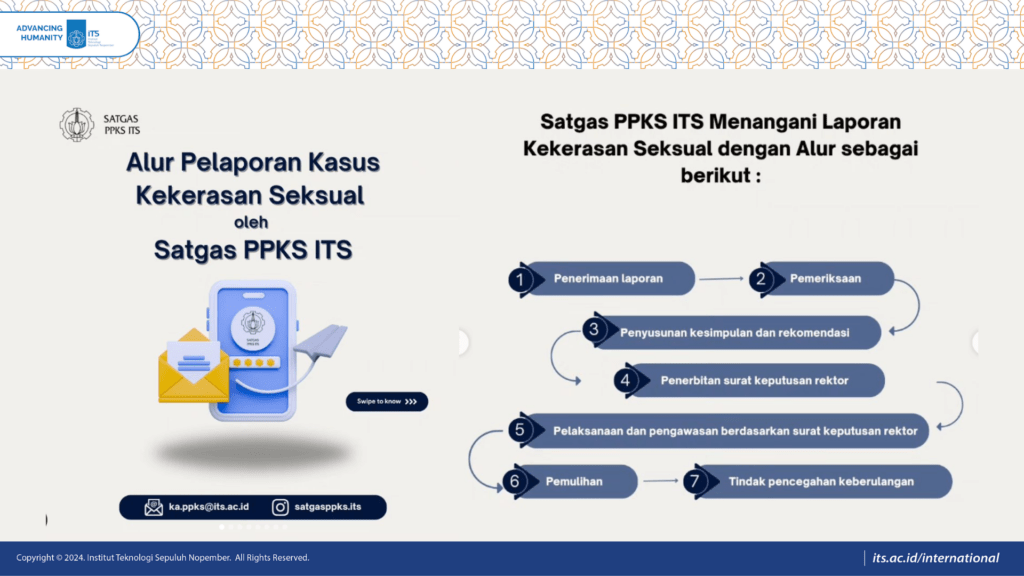
For issues related to Sexual Violence, ITS academic community, including students, lecturers, staff, and the community around ITS, may report or appeal for any sexual violence through PPKS ITS (Task Force for Preventing and Handling Sexual Violence ITS). The ITS community may report based on the PPKS procedures below:
-
- The process begins with the submission of a report form, email, or Instagram DM to the ITS PPKS.
- The PPKS, upon receiving the report, will conduct a closed examination of the victim, the perpetrator, and/or the reporter. During the examination, the university leadership may temporarily suspend the educational rights of the reported party who holds the status of an educator, education personnel, or campus member.
- The next process involves a statement of conclusion and evidence regarding the existence or non-existence of the reported case.
- The implementation and supervision process will be carried out through a rector’s decree. Forms of victim assistance will be carried out with the victim’s consent and may include counseling, medical treatment, physical therapy, and social and spiritual guidance.
- In addition to administrative sanctions based on the rector’s decree, perpetrators proven to have committed sexual violence will be required to participate in mandatory counseling and learning programs, governance strengthening, and community culture strengthening.
The inclusion of PPKS (Task Force for Preventing and Handling Sexual Violence) ensures that individuals within the ITS community can report or appeal cases related to sexual violence. The detailed reporting process ensures a thorough investigation and support for victims, promoting a fair and safe environment.
Ensuring Freedom of Association and Fair Employment at ITS
ITS recognises and upholds labour rights for all employees, including the freedom of association and collective bargaining. These principles apply equally to all staff members, including women and international employees, ensuring that the university maintains a fair, inclusive, and equitable working environment.
To strengthen this commitment, ITS supports and facilitates structured platforms that promote employee welfare and empowerment.
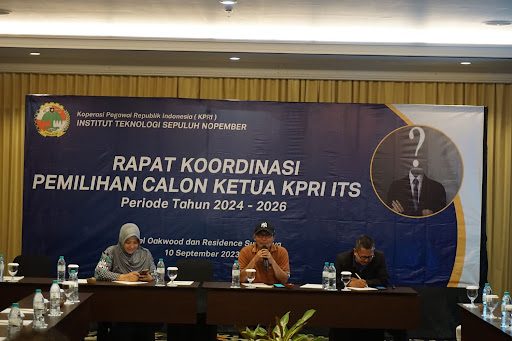
Koperasi Pegawai Republik Indonesia (KPRI) ITS
ITS is committed to upholding the labor rights of all its employees, including the fundamental freedoms of association, assembly, expression, and collective bargaining. KPRI ITS, an employee organization founded on September 17, 1981, and legally constituted under Entity Number 5089/BH/11/81, aims to:
- Increasing the knowledge of management and members through cooperative education, financial investment, and entrepreneurship.
- Developing new and sustainable businesses in the real sector to improve the welfare of members.
- Empowering the economic capacity of members by connecting/promoting member-owned businesses, including providing business capital loans.
- Utilizing continuous technological developments in the cooperative’s operational and service businesses.
- Providing optimal financial solutions for members, in the form of savings, loans, financing, and capital.
- Contributing to the social and economic development of the ITS community.
KPRI membership is open to all ITS employees, regardless of gender or nationality, ensuring fair and equal access for everyone. The active participation of women within KPRI reflects the absence of gender-based barriers, while international staff can easily join by submitting proof of employment, demonstrating the cooperative’s inclusivity. KPRI provides a range of services, including savings and loan programs for ITS employees, as well as innovative initiatives such as K-1 Mart, e-store services, and business collaborations with partners, all aimed at enhancing employee welfare and meeting the diverse needs of the ITS community.
University Leadership Development Center (ULDC)
The University Leadership Development Center (ULDC), under the Directorate of Human Resources and Organization (SDMO), serves as a strategic unit to strengthen leadership capacity, enhance employee competence, and uphold fair employment practices across all levels of ITS. Established in 2023, ULDC continues to expand its initiatives in 2024 to promote inclusivity, professional growth, and recognition of labor rights, including freedom of association and equal opportunities for women and international staff.
The ULDC is structured into three main divisions: Leadership & Managerial Development, Talent Management, and Culture Transformation. These divisions provide platforms for employees to develop leadership skills and reach their full potential, aligning with ITS’ commitment to fair treatment and collective participation in institutional growth.
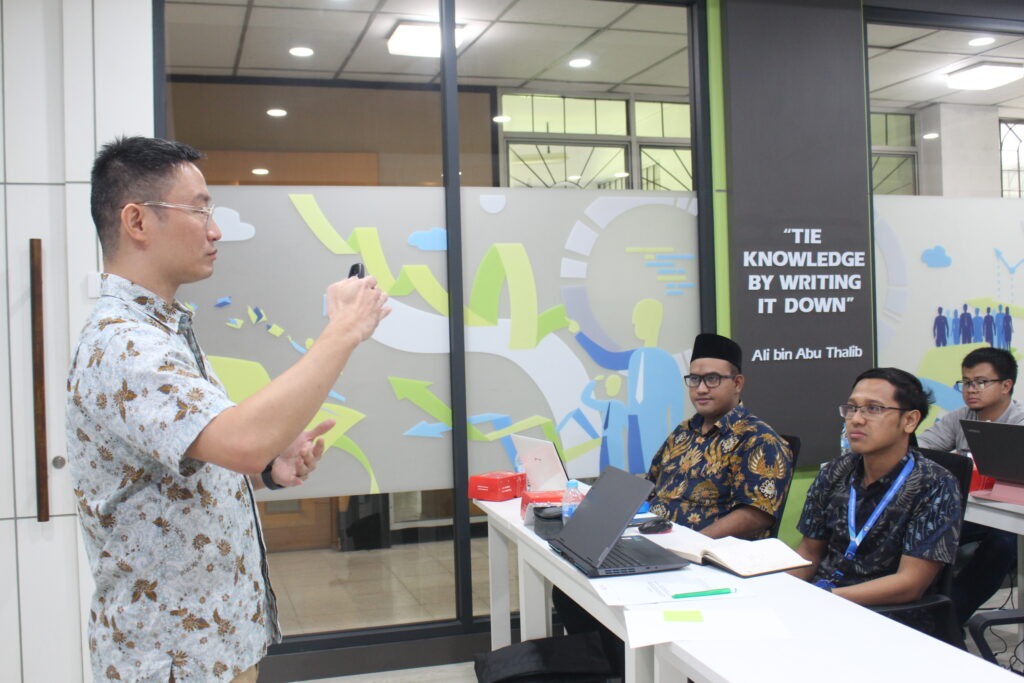
Throughout 2024, ULDC has actively implemented various professional development programs for lecturers and staff. Among these are the Writing Bootcamp Series, which focuses on sharpening academic writing skills, teaching writing, and writing for research. These capacity-building programs aim to strengthen academic quality and research communication across the university.
ULDC also collaborated with international partners, including Singapore Management University (SMU) and Singapore University of Social Sciences (SUSS), to conduct leadership and communication workshops. These initiatives demonstrate ITS’ dedication to fostering inclusive professional development, ensuring that all employees, regardless of gender, background, or nationality, have equal access to training and opportunities for career advancement.
For women staff, ITS supports the Dharma Wanita Persatuan ITS, a well-established organisation operating across the university, faculty, and departmental levels. It serves as both a professional and social platform that empowers women employees through capacity-building, leadership, and community engagement programs. The organisation also acts as a medium for expressing aspirations and supporting women’s participation in decision-making processes within the university community.
OWSD Indonesia National Chapter
Since 2024, ITS has served as the host institution for the Organization for Women in Science for the Developing World (OWSD) Indonesia National Chapter, reinforcing its dedication to inclusivity, gender equality, and fair representation across academic and professional environments. Through this role, ITS actively promotes women’s leadership and participation in science, connecting ITS women researchers to national and international networks. Initiatives such as the Fostering Diversity in Science program and the OWSD Inclusive Collaborative Research (OWSD-ICR) scheme encourage inclusive, interdisciplinary collaboration and capacity building.
These initiatives collectively ensure that women scientists and staff at ITS have equal access to professional development, recognition, and leadership opportunities, reflecting ITS’ institutional commitment to gender equality, labour rights, and inclusive employment practices.