Smart Eco Campus


“Over 10% of the world’s population live in extreme poverty, unable to fulfill the most basic needs such as food, health, education, access to clean water and sanitation. Universities need to be able to demonstrate how they are helping to address this problem through their work.” (THE Impact Rankings)
ITS demonstrates a strong institutional commitment to higher education for students from the bottom 20% of Indonesia’s household income distribution. Recognising financial circumstances as a potential barrier to university admission, ITS provides a wide range of scholarship schemes and financial assistance to attract academically capable students from the country’s lowest-income households. By offering multiple pathways to financial support, ITS aims to make university education more accessible and encourage prospective students from economically disadvantaged backgrounds to pursue higher education.
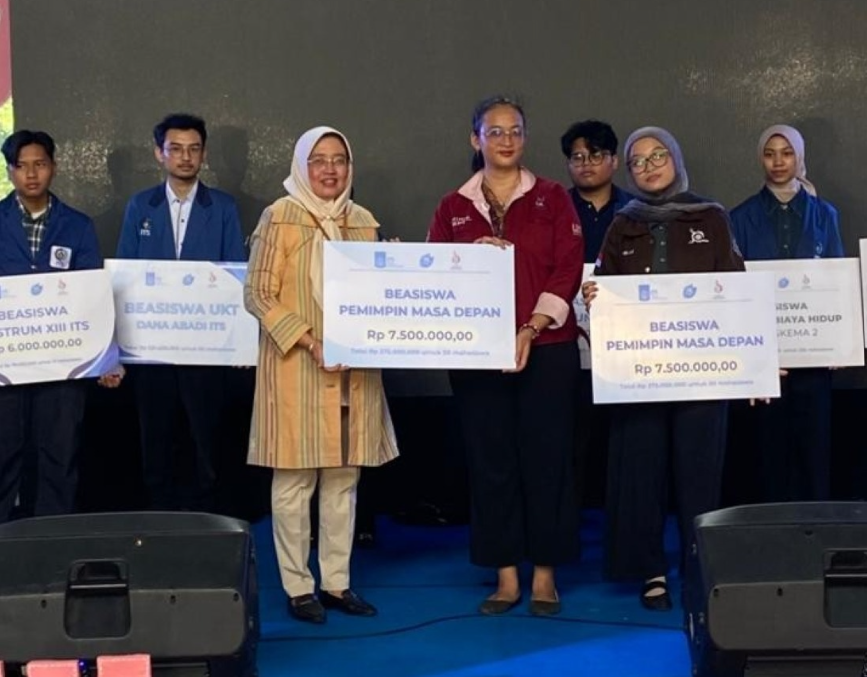 Figure 1: Presentation of the Future Leaders Scholarship by ITS Vice Rector I, Prof. Nurul Widiastuti, S.Si., M.Si., Ph.D. (in yellow), to Jinan Elvaretta Aqilah and Yemima Jenevelin, representing the scholarship recipients.
Between 2021 and 2025, ITS distributed more than 130 scholarship schemes, benefiting a total of 13,211 students. The availability of diverse scholarship opportunities reflects ITS’ commitment to widening participation and reaching prospective students who might otherwise consider university education financially inaccessible.
In 2025 alone, ITS offered more than 80 types of scholarships, with over 6,000 recipients. This represents approximately 20% of ITS’ total student population of more than 31,000. The breadth of available scholarships demonstrates how financial assistance forms part of ITS’ approach to expanding access to higher education. The diverse options help attract capable students from lower-income households by providing greater confidence in their ability to pursue university education with financial support.
ITS also sustains its long-term commitment to educational access through the ITS Endowment Fund, a self-sustaining funding mechanism supporting education, research and community engagement under the university’s Tri Dharma Perguruan Tinggi. The fund preserves its principal in perpetuity, using investment returns to finance scholarships and other forms of academic support. As of December 2025, the endowment fund had disbursed more than IDR 4 billion in scholarships, directly supporting 733 students. Further details are available in the university’s report on ITS Endowment Fund scholarship programmes.
By combining a broad range of scholarship opportunities with sustainable endowment funding, ITS seeks to attract students from economically disadvantaged households and provide continued financial support during their studies. These initiatives contribute to a more inclusive higher education environment, helping ensure financial limitations do not prevent capable students from accessing and completing university education.
Institut Teknologi Sepuluh Nopember (ITS) is committed to ensuring that students from the lowest 20% of household income groups can not only access higher education but also successfully complete their studies. This commitment is supported by academic empowerment programmes and comprehensive financial assistance schemes designed to address educational and economic barriers, with the broader target of achieving a 100% graduation rate for students from low-income backgrounds.
In 2025, ITS recorded an expected total of 7,430 graduates, including 1,048 scholarship recipients from economically disadvantaged backgrounds, representing approximately 14.10% of the expected graduates. By the end of the year, ITS recorded 6,668 actual graduates, of whom 1,159 were recipients of scholarships designated for students from economically disadvantaged backgrounds, accounting for approximately 17.38% of all graduates. Notably, the actual number of scholarship-recipient graduates reached 110.59% of the expected figure, exceeding the initial target by 111 graduates. Overall, ITS achieved 89.74% of its total graduation target, demonstrating its continued commitment to supporting students from economically disadvantaged backgrounds in completing their studies.
To support student completion, ITS provides financial assistance from various sources. These include government scholarships such as Kartu Indonesia Pintar Kuliah (KIP-K) and funding support from the Surabaya City Government and Bojonegoro Regency Government. Additional assistance is provided through the ITS Endowment Fund, including tuition fee support (Bantuan UKT), ITS-affiliated organisations such as IKOMA ITS and Yayasan Manarul Ilmi, as well as private-sector partners including PT Chandra Asri and PT Pertamina.
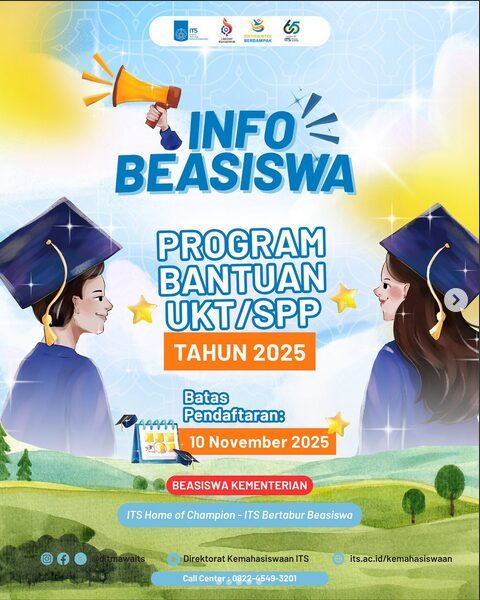 Figure 1: Tuition fee support (Bantuan UKT) for students.
Beyond financial assistance, ITS provides dedicated academic and personal development support, particularly for KIP-K scholarship recipients. These initiatives include self-development programmes, academic guidance for students requiring additional assistance, and semester-based monitoring of academic achievements.
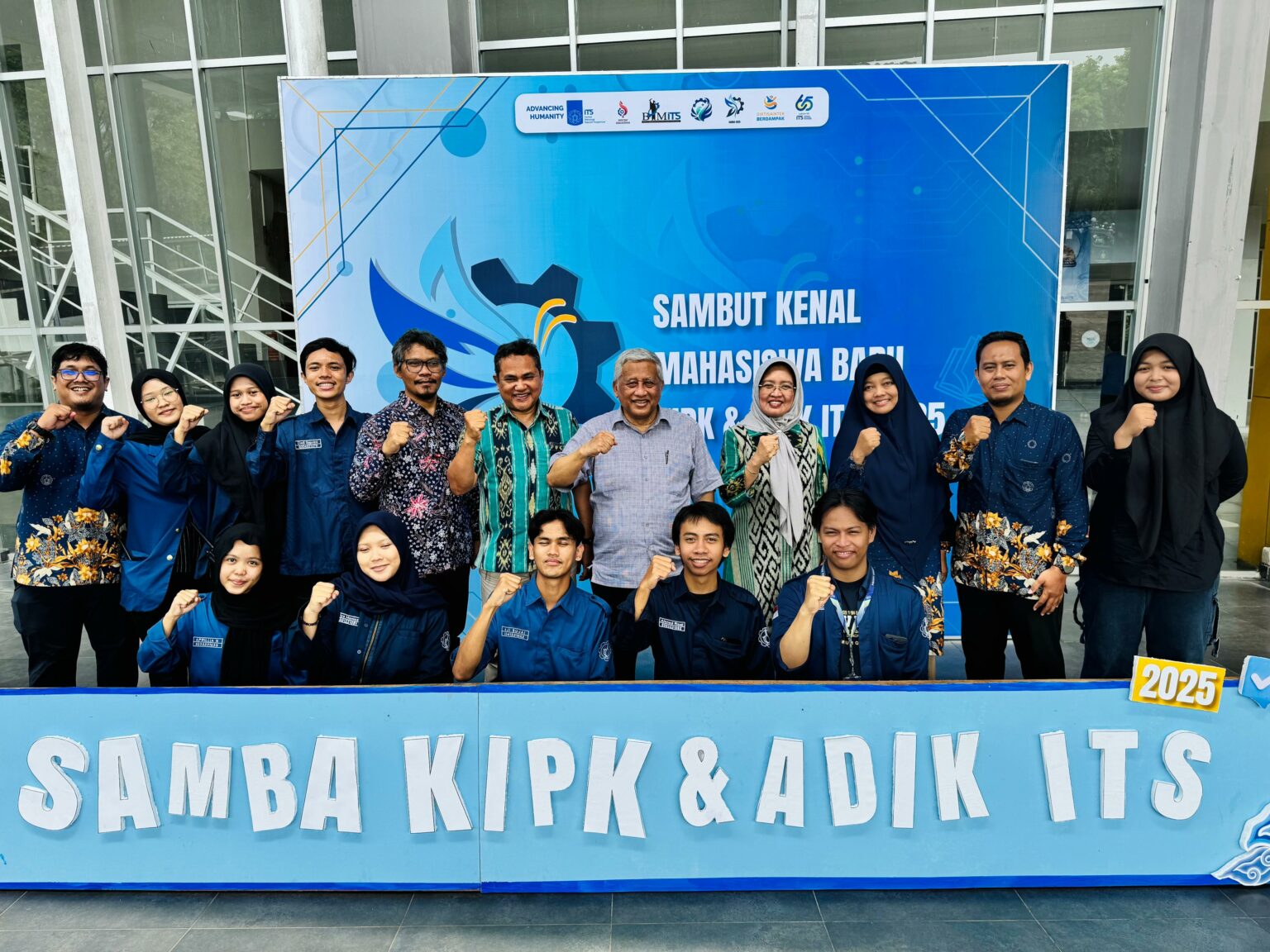 Figure 2: The welcoming of KIP-K scholarship recipients and the provision of academic mentoring during SAMBA 2025, held at the ITS Robotics Building on Sunday (November 30, 2025), with Vice Rector I for Academic and Student Affairs Prof. Nurul Widiastuti, S.Si., M.Si., Ph.D., and Prof. Dr. Ir. Mohammad Nuh, DEA, in attendance.
By combining financial support with continuous academic mentoring, ITS aims to minimise barriers to study completion and provide students from economically disadvantaged backgrounds with the resources and support needed to graduate.
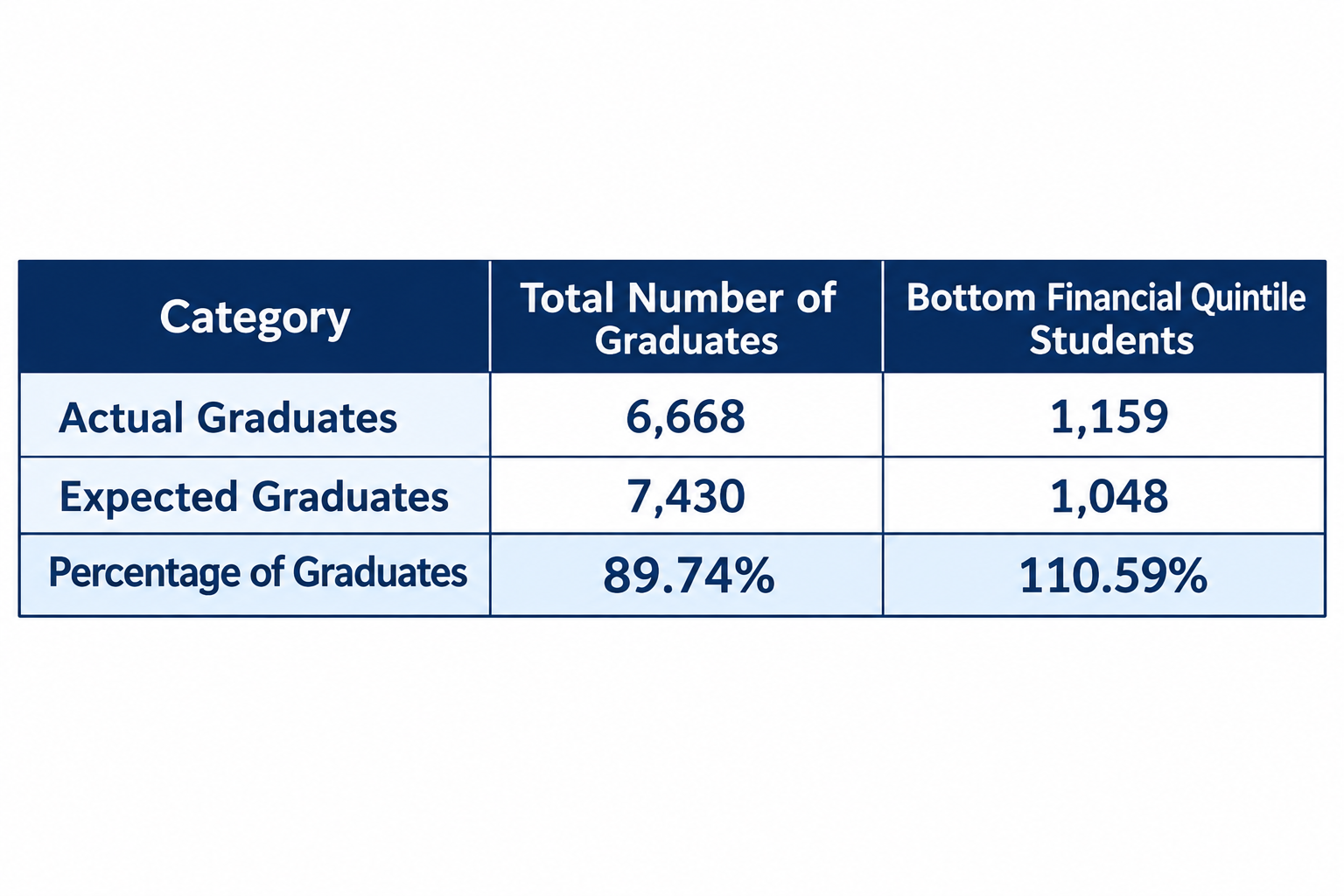 Figure 3: Academic mentoring and support program for low-income scholarship recipients at ITS.
ITS is committed to ensuring that students from low-income households can successfully complete their higher education without being held back by financial constraints or difficulties in meeting basic needs. Through integrated financial assistance, food provision, affordable accommodation, transportation support, and free academic services, ITS seeks to reduce the economic and educational barriers faced by students.
ITS provides direct food assistance through initiatives organised by Dharma Wanita Persatuan (DWP) ITS and its faculty units. In commemoration of DWP ITS's 26th anniversary and ITS's 65th anniversary, the programme distributed 7,500 free nutritious meal portions to students over nine months, involving nine faculty-level DWP units. DWP FTSPK also distributed 1,000 free meals through Bakti Kampus 2025, while DWP ITS provided another 1,000 free iftar snack packages to students and surrounding communities during Ramadan.
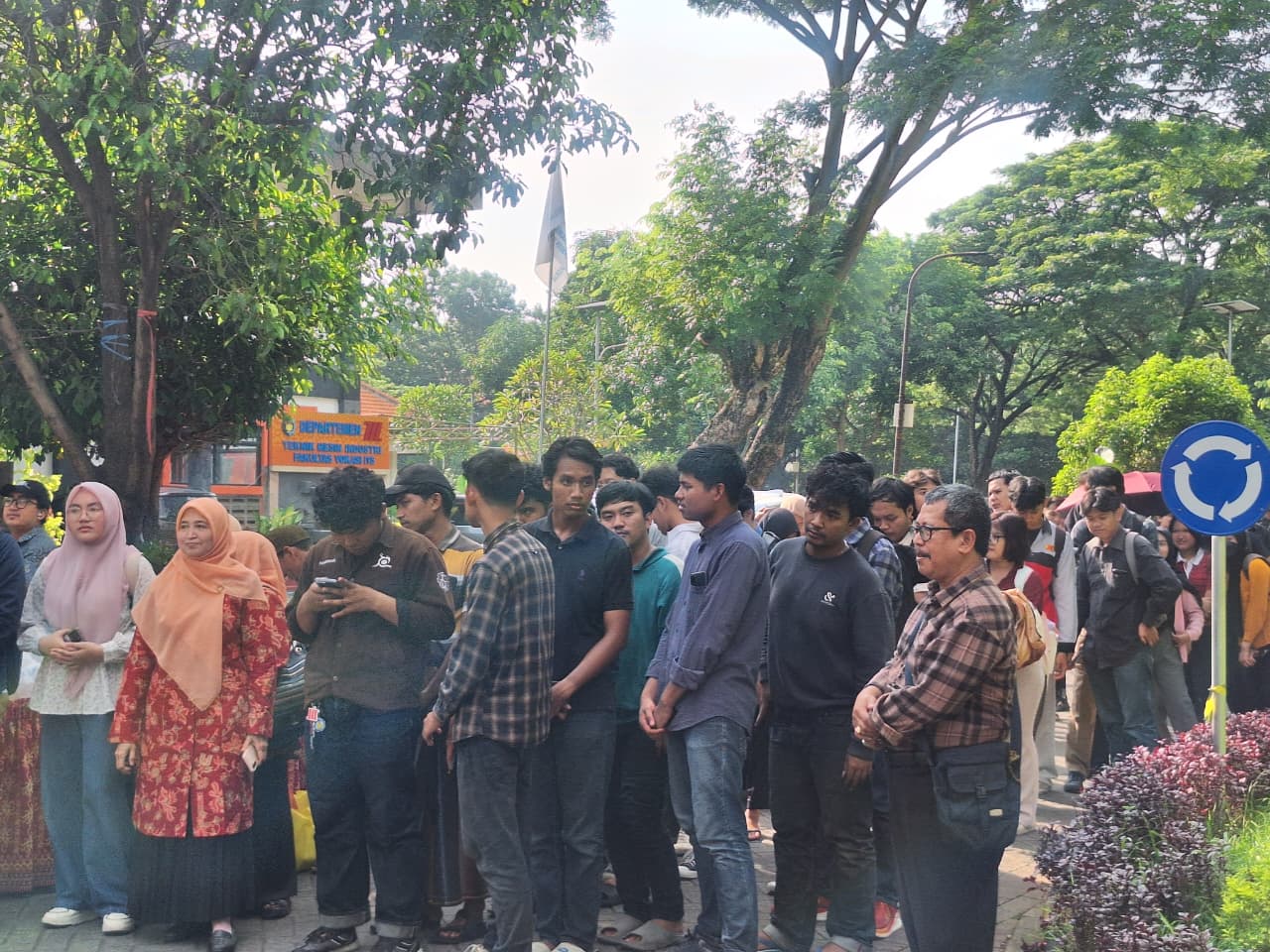 Figure 1: The enthusiasm of students as they queue to get rice in the area of the Department of Industrial Mechanical Engineering, Faculty of Vocational Studies, ITS
To reduce transportation expenses, ITS organised Mudik Bersama ITS 2025, providing free homecoming transportation using 21 buses across 17 routes covering various destinations throughout Java. IKOMA ITS also contributed buses serving 37 cities and regencies outside East Java. For accommodation, ITS provides affordable dormitory facilities for students during their first two years of study, offering an alternative to more expensive private rentals.
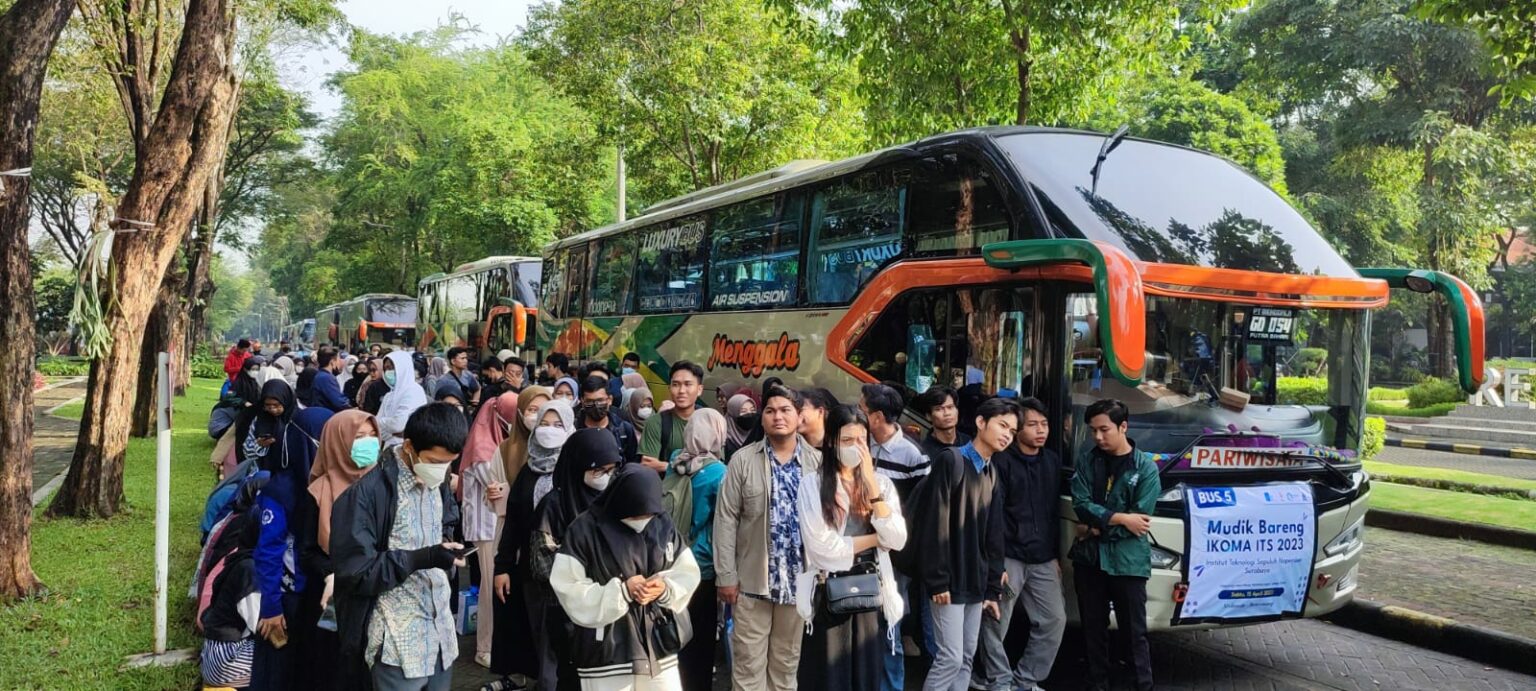 Figure 2: The atmosphere among participants of the 2023 ITS Free Homecoming Program (Mudik Gratis) before departing for their hometowns.
ITS also provides tuition fee assistance (Bantuan UKT) for students experiencing payment difficulties. Complementing this support, the Bayan Peduli programme covers various student expenses, including tuition fees, living costs, accommodation, final project costs, IKOMA fees, and laptop assistance, helping recipients focus on their studies and personal development.
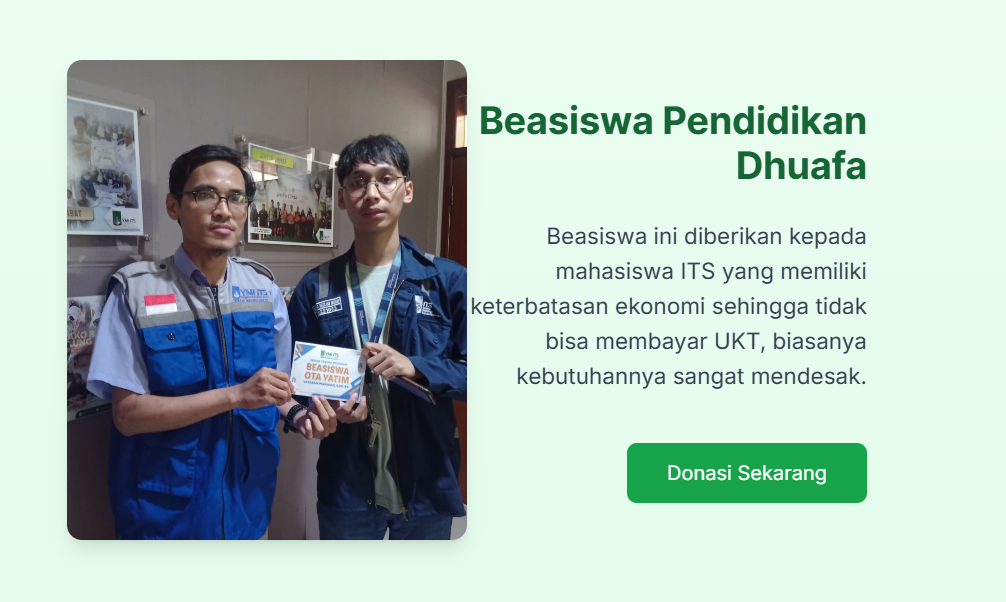 Figure 3: Free and Ongoing Academic and Personal Development Support
Beyond essential living support, ITS provides free consultations through the Student Health and Counseling Centre (SHCC) for academic guidance, final projects, and career concerns. The Academic Writing Centre (AWC) also offers free one-on-one consultations for scholarship essays, conference papers, and journal manuscripts. Additionally, ITS provides free foreign language learning opportunities, complemented by the IKOMA Emas Scholarship, which offers a 100% English course discount for ADik and KIPK scholarship recipients, 50% for regular-track students, and 25% for independent-track students.
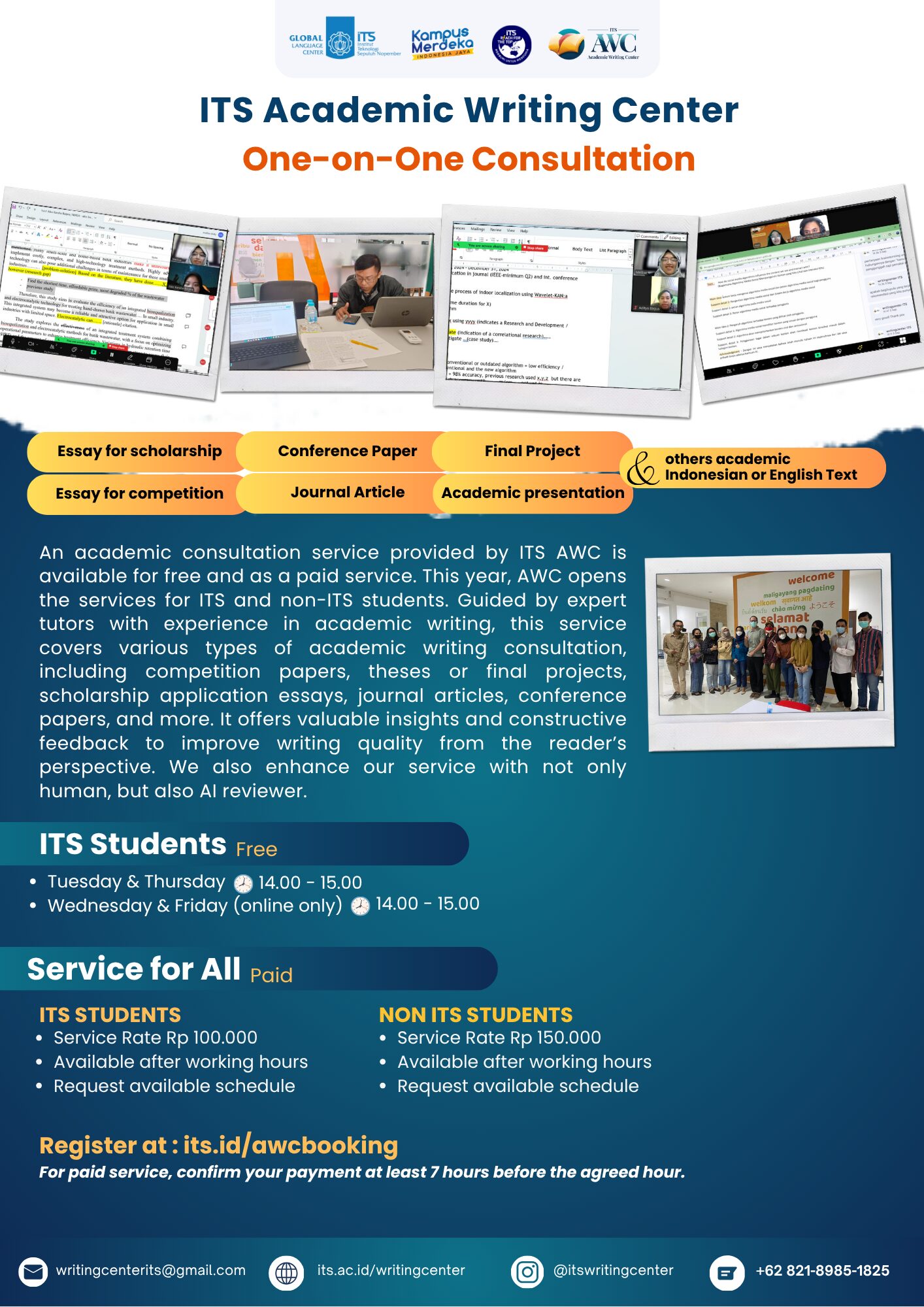 Figure 4: One-on-One Consultation
Through these initiatives, ITS addresses students' needs beyond tuition fees, covering daily meals, transportation, accommodation, living expenses, and academic development. This integrated support system helps reduce financial pressures and enables students, particularly those from economically disadvantaged backgrounds, to remain engaged in their studies and progress towards graduation.
ITS provides targeted support to help students from the bottom 20% of Indonesia’s household income distribution successfully complete their university education. Recognising the financial and non-financial barriers faced by students from low-income households, ITS combines targeted scholarships and tuition assistance with affordable accommodation, essential living support, and accessible academic and personal development services. These initiatives aim to reduce the risk of financial hardship disrupting students’ studies and help ensure that economic circumstances do not prevent them from progressing towards graduation.
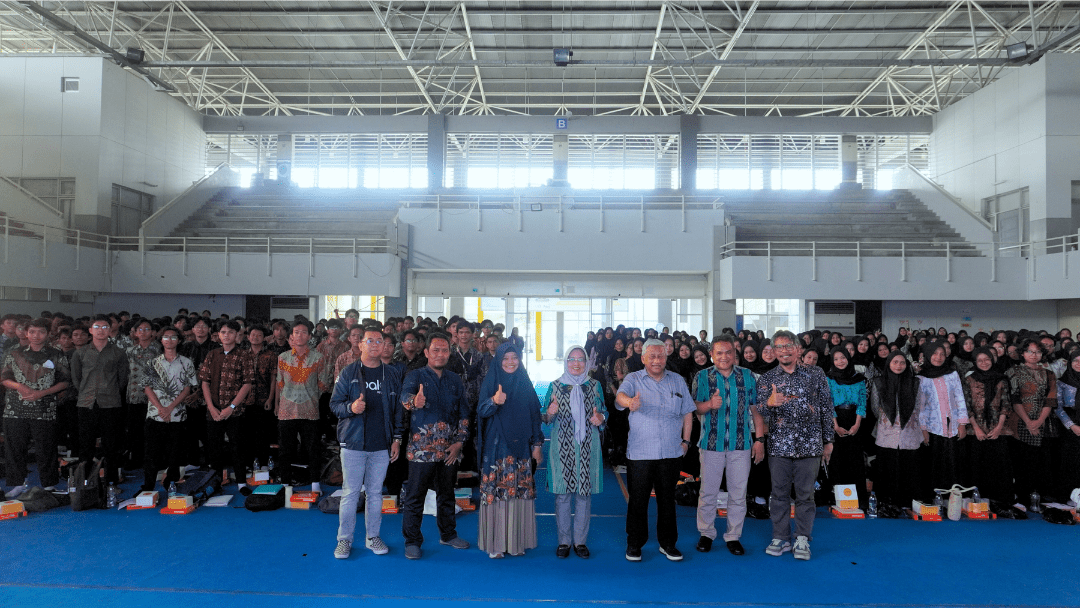 Figure 1: A group photo featuring students, the Directorate of Student Affairs, Vice Rector I for Academic and Student Affairs Prof. Nurul Widiastuti, S.Si., M.Si., Ph.D., and Prof. Dr. Ir. Mohammad Nuh, DEA, taken during the 2025 welcoming and orientation event for new students under the KIP-Kuliah and ADik scholarship programs at ITS.
ITS provides targeted financial assistance for students from economically disadvantaged backgrounds, particularly through the Kartu Indonesia Pintar Kuliah (KIP-K) programme. KIP-K covers tuition fees and living expenses for eligible students, helping reduce the financial burden of pursuing higher education. ITS also participates in the Afirmasi Pendidikan Tinggi (ADik) programme, which supports students from underdeveloped, frontier, and outermost regions (3T), particularly Papua and West Papua. ITS has selected approximately 20–30 ADik recipients annually for more than a decade. Recipients also receive academic guidance, mentoring, and peer support to help them adjust to university life and maintain their academic progress.
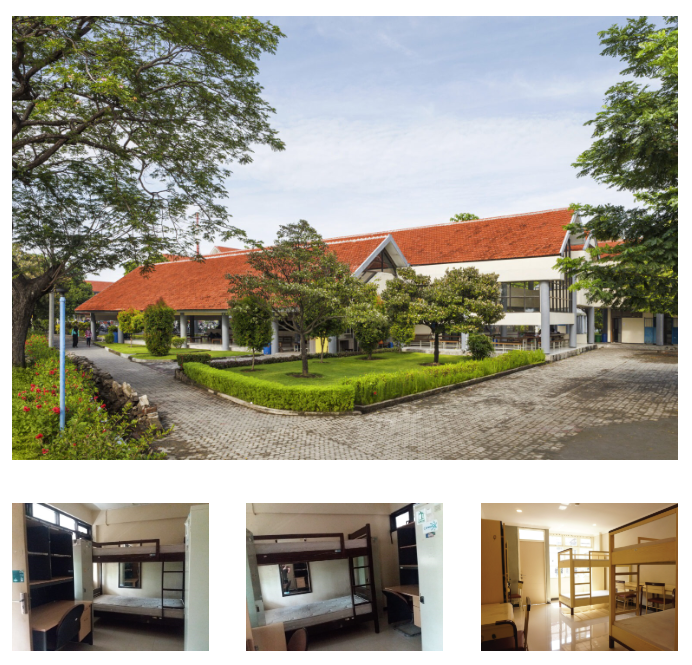 Figure 2: Affordable accommodation provides another form of support for students who may face difficulties covering the cost of living away from home
Affordable accommodation provides another form of support for students who may face difficulties covering the cost of living away from home. ITS operates 11 student residential blocks with a capacity of up to 1,250 residents, offering affordable accommodation, particularly during students’ first two years of study. Additional assistance is available through the Bantuan UKT scheme for students experiencing difficulties paying tuition fees. In collaboration with Bayan Peduli, ITS also supports expenses including tuition fees, living costs, accommodation, final projects, IKOMA fees, and laptop purchases. Scholarships from Yayasan Manarul Ilmi ITS provide further assistance with educational and living expenses.
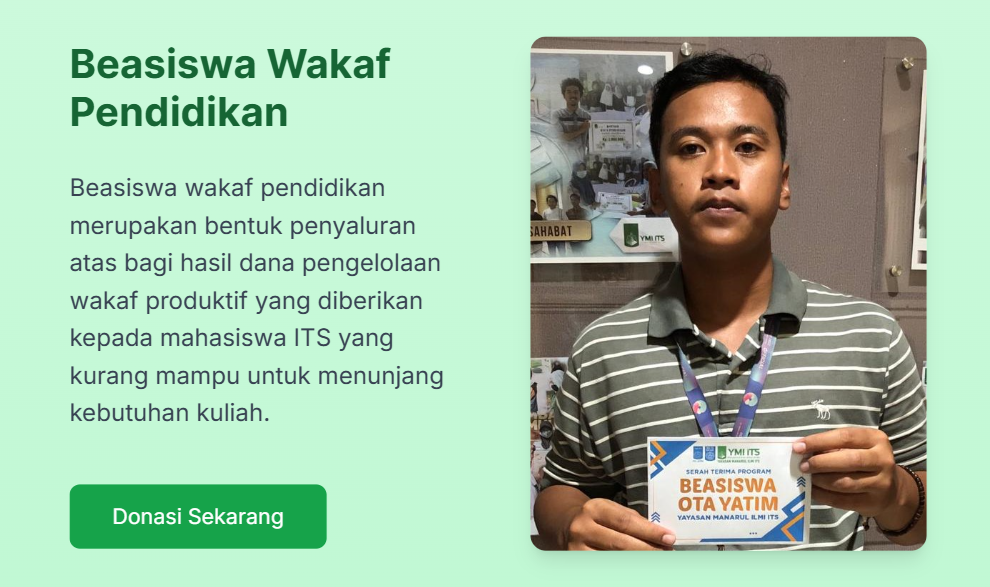 Figure 3: Free and Ongoing Academic and Personal Development Support
Financial assistance alone may not address all the challenges students face during their studies. ITS therefore provides academic guidance and personal development services, several of which are available free of charge, helping students access support beyond financial aid.
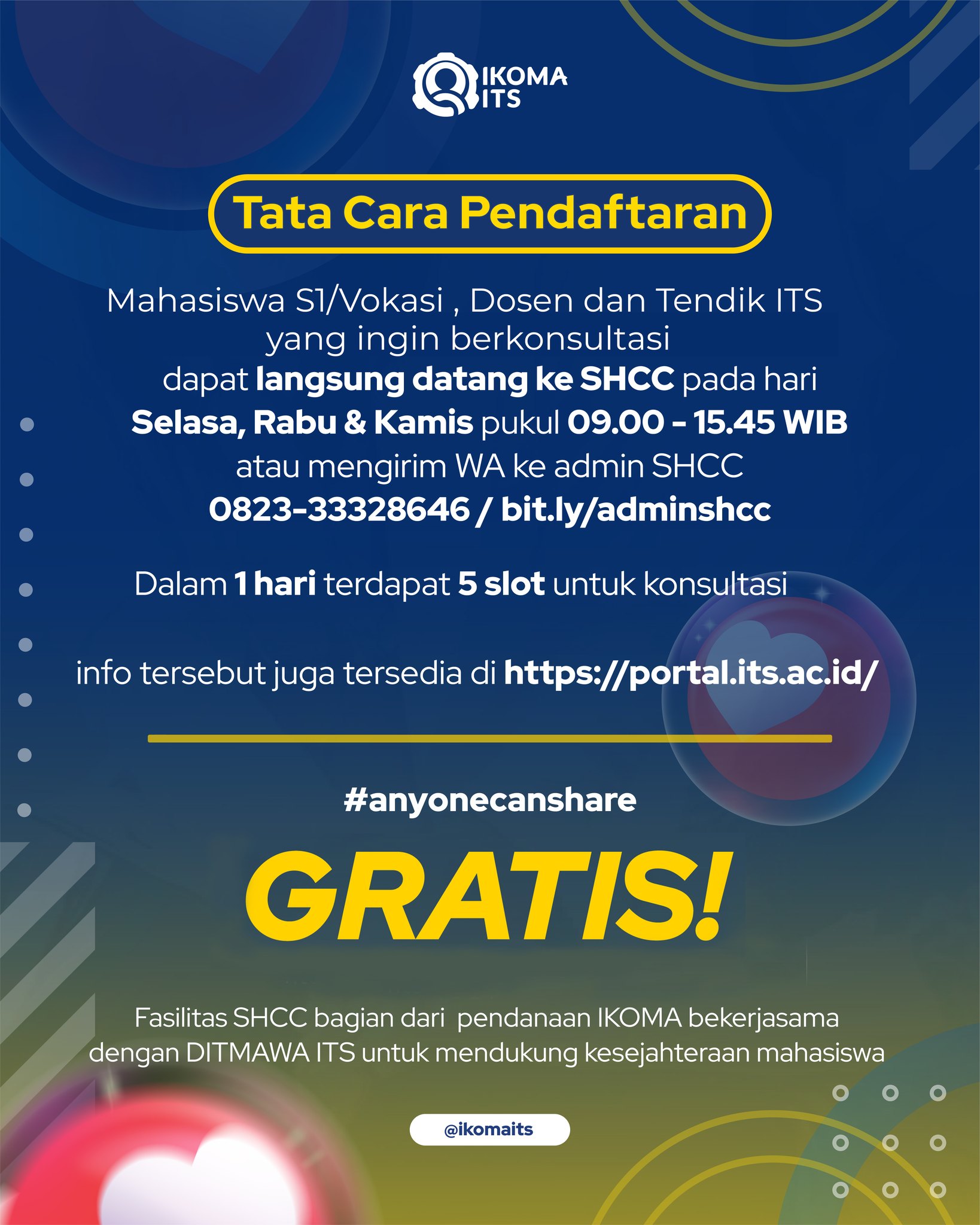 Figure 4: Registration procedure for free academic and personal counseling consultations at the Student Health and Crisis Centre (SHCC).
The Student Health and Crisis Centre (SHCC) offers consultations on academic concerns, final projects, theses, and career guidance. The Academic Writing Centre (AWC) provides free one-on-one consultations to help students prepare scholarship essays, conference papers, and journal manuscripts. Students can also join free foreign language learning communities to practise conversational skills and improve their language proficiency.
The IKOMA EMAS programme offers more targeted assistance by providing a 100% course fee discount for KIP-K and ADik recipients who wish to improve their English proficiency. This initiative helps students from financially disadvantaged backgrounds access additional learning opportunities without incurring extra course fees. Together, these services provide academic and personal development support, helping students address challenges and strengthen the skills needed to complete their studies.
Food and Transportation Assistance
ITS also addresses students’ essential living needs through food assistance initiatives. The Dharma Wanita Persatuan (DWP) ITS distributed 7,500 free nutritious meal portions over nine months, with participation from nine faculty-level DWP units. Additional initiatives included 1,000 free meals distributed by DWP FTSPK and 1,000 free iftar snack packages. By involving multiple faculty-level units and distribution points, these initiatives extend food assistance to students across the campus and help ease their daily living expenses.
Transportation assistance also helps reduce the financial burden of travelling between campus and students’ hometowns. Mudik Bersama ITS 2025 provided free homecoming services using 21 buses across 17 routes in Java. IKOMA ITS also arranged transportation to 37 cities and regencies outside East Java, helping students reduce travel expenses when returning to their hometowns.
Through targeted financial assistance, affordable accommodation, free academic services, and support for essential living expenses, ITS seeks to help students from the bottom 20% of household income groups overcome barriers to academic completion. The combination of targeted programmes for eligible low-income students and wider student support services helps create an environment in which financial hardship is less likely to interrupt their education, enabling them to continue their studies and work towards graduation.
ITS actively supports international students from developing countries through government-funded scholarship schemes and targeted institutional collaborations. These initiatives align with Indonesia’s commitment to achieving the Sustainable Development Goals (SDGs), particularly SDG 1: No Poverty and SDG 4: Quality Education. By providing financial assistance and access to higher education, ITS contributes to international educational cooperation, human resource development, and more inclusive opportunities for students from partner countries.
Among its key programmes is the Kemitraan Negara Berkembang (KNB) Scholarship, a fully funded Indonesian Government scholarship for international students from developing countries pursuing Master’s and Doctoral degrees. Its comprehensive coverage includes tuition fees, living allowance, research and book allowance, health insurance, scientific publication funding, settlement allowance, and international airfare. Recognised as the Best KNB Host University of the Year 2023, ITS continues to welcome postgraduate students through this programme, supporting academic advancement and cross-cultural exchange.
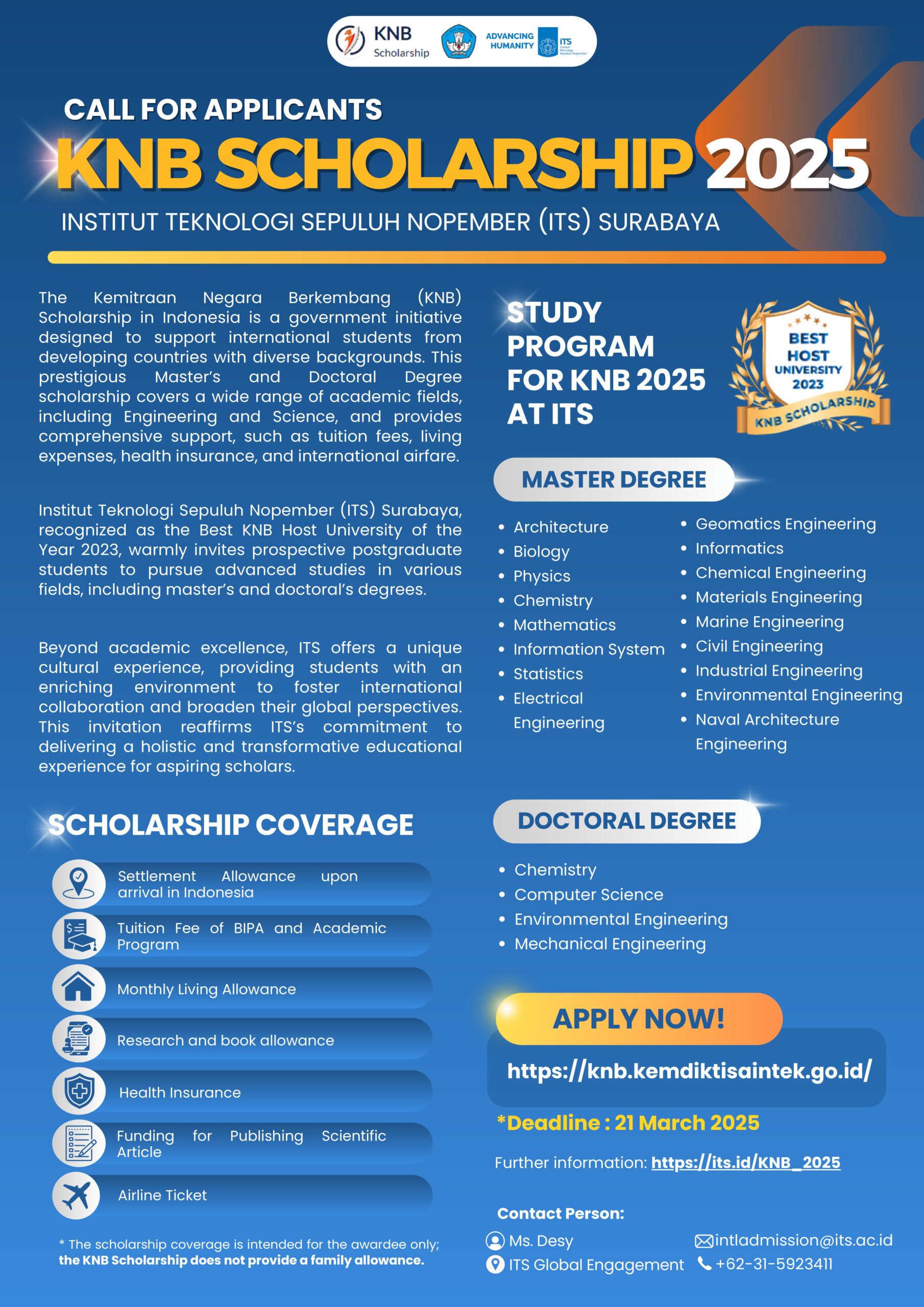 Figure 1: KNB Scholarship
In 2025, ITS also offered The Indonesian AID Scholarship (TIAS), a grant programme provided by the Indonesian Government which aims to develop the skills and expertise of future leaders from Indonesia’s partner countries. The programme serves as an instrument of soft diplomacy, strengthening international friendship with developing countries such as Burkina Faso and Kazakhstan and cooperation through human resource development. It provides scholarship opportunities for associate degree, bachelor’s degree, professional education, and Master’s degree programmes for government officials and individuals recommended to work in the public sector. Its support includes tuition and living allowances, accommodation, international travel, health insurance, research, and publication assistance.
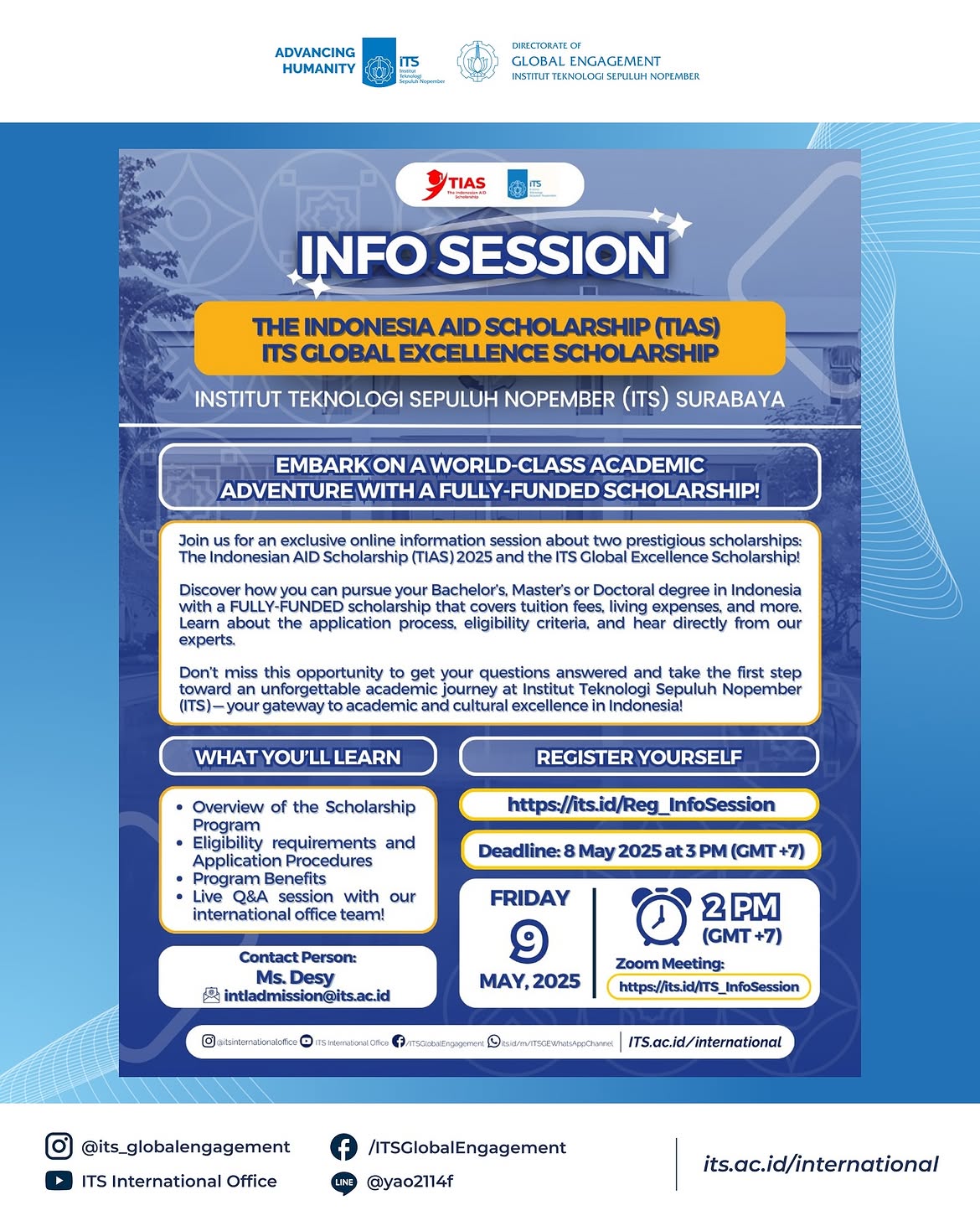 Figure 2: The Indonesian AID Scholarship
Further expanding its commitment to inclusive international education, in 2025 ITS prepared a dedicated scholarship initiative for up to 100 students from Palestine. Developed in collaboration with Yayasan Manarul Ilmi (YMI) ITS and the ITS Alumni Association (IKA ITS), the programme provides educational and living-cost assistance. For undergraduate studies, ITS targets up to 100 Palestinian students with full tuition fee waivers, alongside planned quotas of 12 students for Master’s programmes and 10 for Doctoral programmes. The scholarship will be implemented gradually, according to available funding, reflecting ITS's commitment to expanding access to higher education for students affected by challenging circumstances.
Beyond scholarship funding, ITS also provides 175 affordable student accommodation units to support international students' living needs. These residences offer an accessible, safe, and comfortable environment, helping students settle into campus life and focus on their academic pursuits.
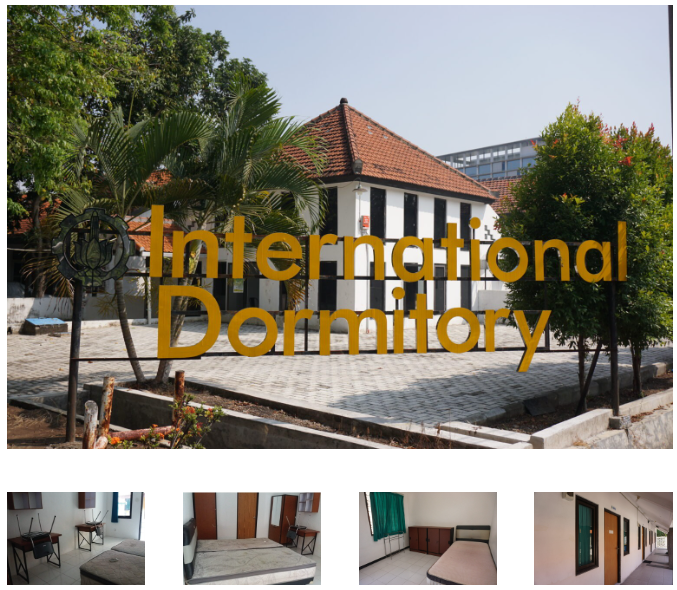 Figure 2:
ITS International Dormitory, which provides affordable accommodation and living facilities to support international students, particularly those from developing and partner countries, in pursuing their education.
Through these initiatives, ITS strengthens its contribution to international educational cooperation and equitable access to higher education. By combining Indonesian Government scholarship schemes with institutional and alumni partnerships, ITS helps students from developing and partner countries pursue advanced education, develop their capabilities, and contribute to their communities.
Institut Teknologi Sepuluh Nopember (ITS) supports local start-ups and micro, small, and medium enterprises (MSMEs) through free training, business mentorship, and technology-based assistance. These initiatives, delivered through departmental programmes and community service activities, address practical business challenges, strengthen entrepreneurial capabilities, and promote financially and socially sustainable local enterprises.
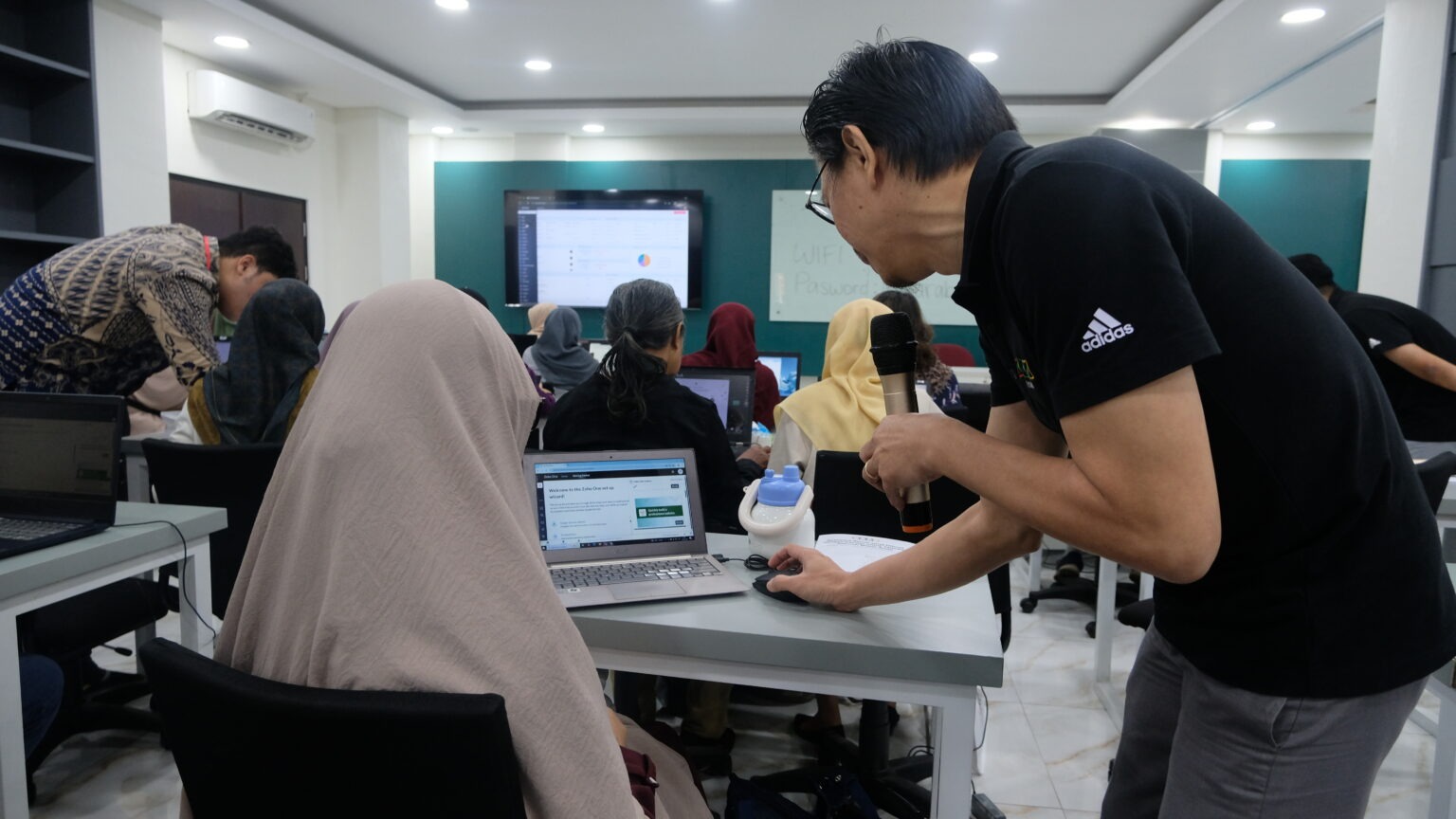
Figure 1: ITS Partners with Zoho Corporation to Strengthen Digital Transformation for MSMEs
A member of the Zoho team assisted participants in using Zoho Social during the workshop.As a departmental initiative, the Department of Business Management collaborated with Indian technology company Zoho Corporation to organise the Optimizing Digital Tools for SMEs Growth workshop. The programme introduced local entrepreneurs to Zoho Social, a digital marketing platform for managing social media content, engaging with customers, and analysing marketing performance. The department also organises annual Womenpreneur Training and Womenpreneur Forum, providing free learning and networking opportunities for women entrepreneurs. The training engaged 200 women business owners, addressing the importance of support systems in building a business, while the forum explored work–family balance and personal wellbeing.
ITS also initiated free training in collaboration with the Surabaya City Government to improve food hygiene and sanitation among local food businesses. The programme reached 214 food business operators, including canteen vendors, culinary centre traders, meat market businesses, and restaurant operators. Participants received practical knowledge of food safety policies, production processes, equipment maintenance, and food-related health risks, supporting compliance with Minister of Health Regulation No. 14 of 2021.
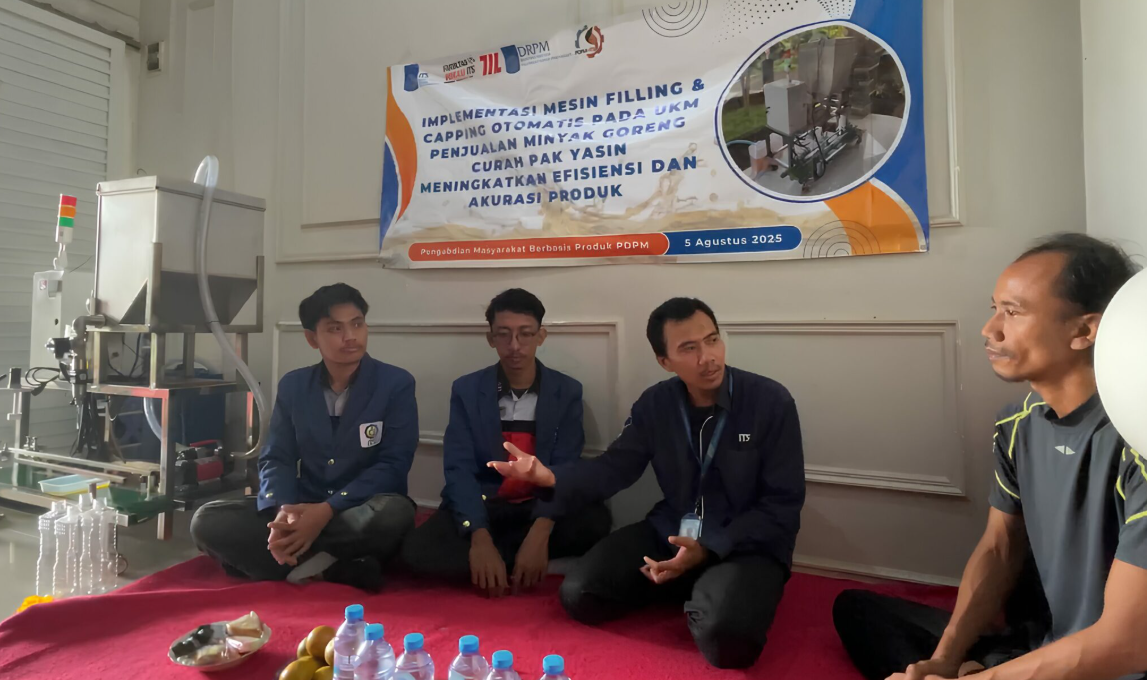 Figure 2: Mashuri SSi MT, head of the ITS community service (Abmas) team (second from the right), explains the importance of digitalization and automation in the production processes of the MSME CV Putra Bangsa Gresik.
Through its Community Service Programme (Abmas), the Department of Industrial Mechanical Engineering provided CV Putra Bungsu, a local cooking-oil packaging MSME in Gresik, with filling and capping machines. The team also provided training on operating the equipment to improve filling accuracy, packaging consistency, and production efficiency.
ITS further launched the Gerakan 1.000 Digital Marketing for Ultra-Micro Businesses (UMi) and MSMEs, a priority KKN Abmas programme targeting businesses in Surabaya, Gresik, and Sidoarjo. Over one month, students provided direct assistance at business locations, covering digital marketing and business formalisation, including guidance on obtaining Business Identification Numbers (NIB), Home Industry Food Production Certificates (PIRT), and halal certification. Complementing this initiative, GEMESH Back to Campus, a KKN programme, supports halal certification for food businesses in the ITS lecturers' residential area, promoting collaboration between the university and local entrepreneurs.
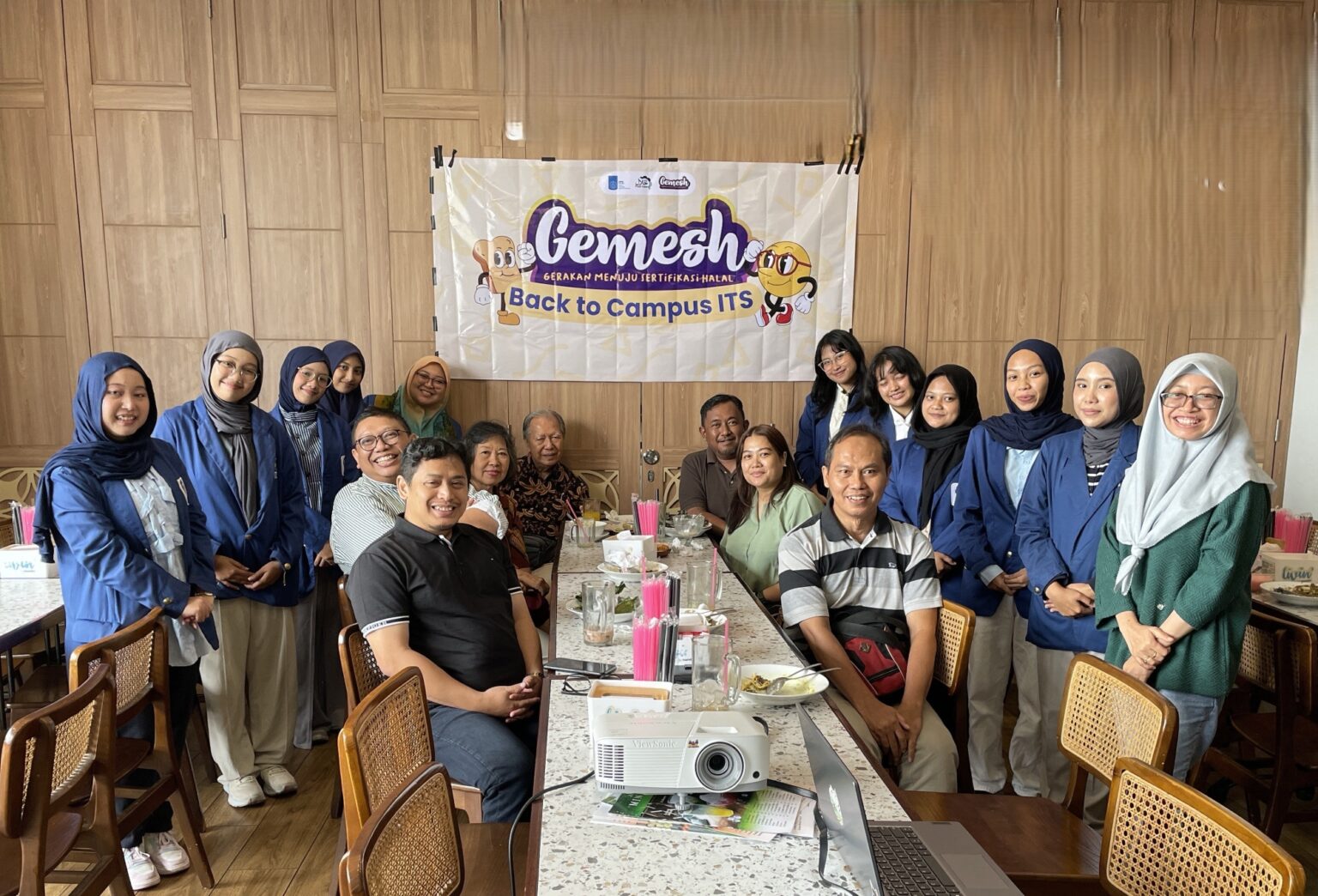 Figure 3: Partners, along with lecturers and the organizing committee for the 2025 KKN Gemesh program from ITS, following a meeting.
ITS community service and student innovation initiatives also develop practical technological solutions for MSMEs. These include Osmoinc, an innovative device developed by an ITS student team to improve the hygiene, production speed, and consistency of salted egg processing, and Andal App, an inventory management application developed by the Department of Information Systems. Using the ABC classification method, Andal App helps business owners prioritise stock purchases and manage limited working capital more efficiently. The team also introduced the application to local MSME owners through a workshop.
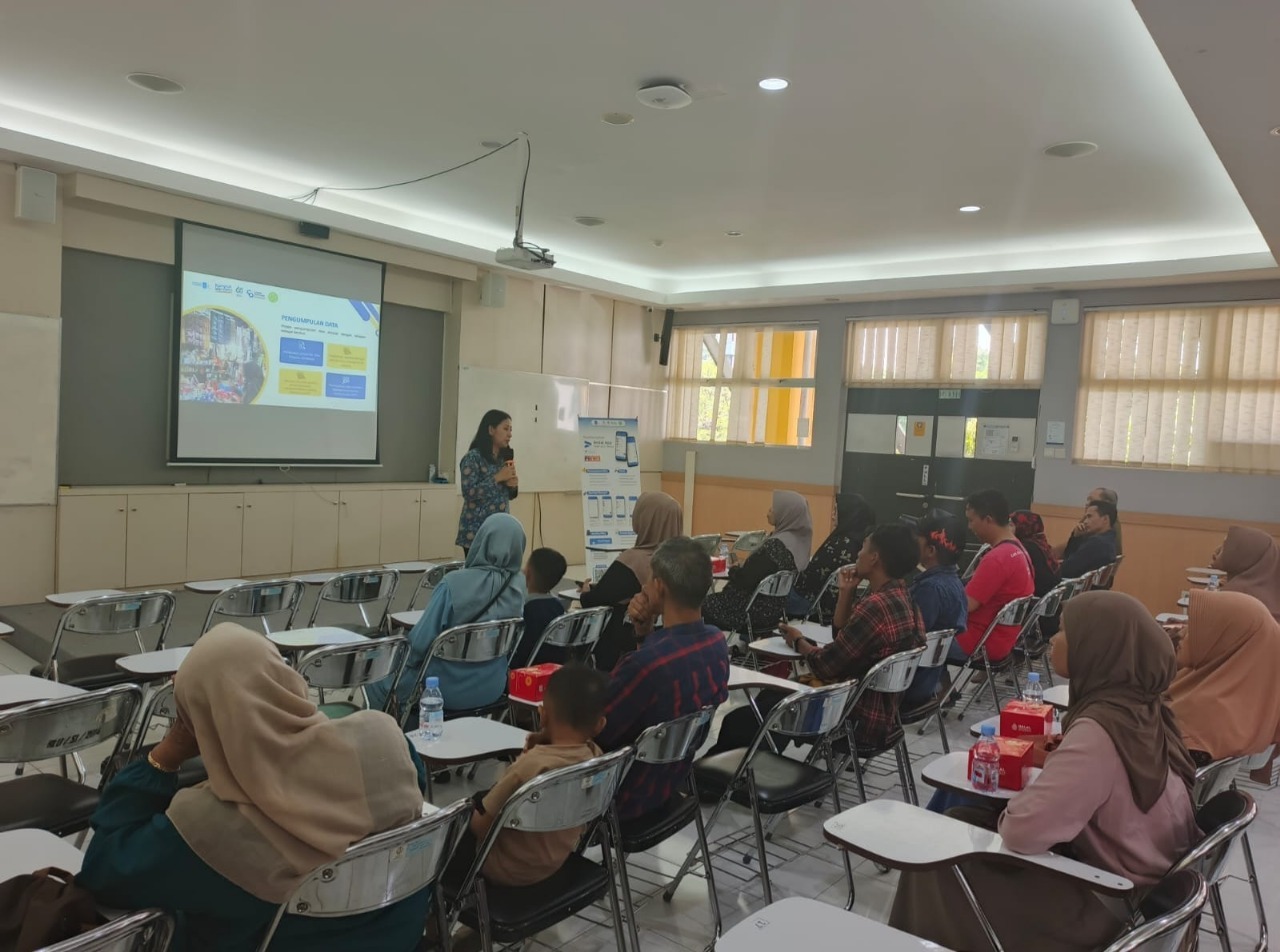 Figure 4: A workshop introducing the 'Andal App' to MSME owners, led by Prof. Mahendrawathi ER, ST, MSc, PhD (standing), at the ITS Department of Information Systems.
All these activities are provided free of charge, combining departmental initiatives with community service programmes to make business knowledge, mentorship, and technological resources more accessible to local entrepreneurs. By addressing challenges in marketing, business management, product quality, certification, and production efficiency, ITS contributes to stronger, more competitive, and sustainable local businesses.
Institut Teknologi Sepuluh Nopember (ITS) supports the development of financially and socially sustainable businesses through start-up incubation, competitive funding, and direct financial assistance for local entrepreneurs. These initiatives provide early-stage businesses, student entrepreneurs, and local MSMEs with financial resources and institutional support to develop their ventures and strengthen their economic independence.
A key initiative is the Inkubator dan Layanan Bisnis Inovatif (ILBI) ITS, which provides incubation, mentoring, and funding opportunities for start-ups established by students, alumni, and educators. In 2025, ITS, through ILBI, collaborated with the Asian Development Bank (ADB) under the Higher Education for Technology and Innovation (HETI) programme, providing a total of IDR 2 billion in financial assistance to 15 selected start-ups. Following a selection process initiated in June 2025, the selected ventures presented their business proposals to potential investors from the ITS Alumni Entrepreneurs Association (HIPA ITS), banking institutions, and partner business incubators. ILBI also provides free access to workspaces, laboratories, studios, and consultation services to support business development. Its institutional capacity was further recognised in 2025 when ILBI received the Leading Business Incubator Award from the Indonesian Business Incubator Association (AIBI) and achieved an A rating in the national business incubator assessment conducted by the Ministry of Cooperatives and SMEs.
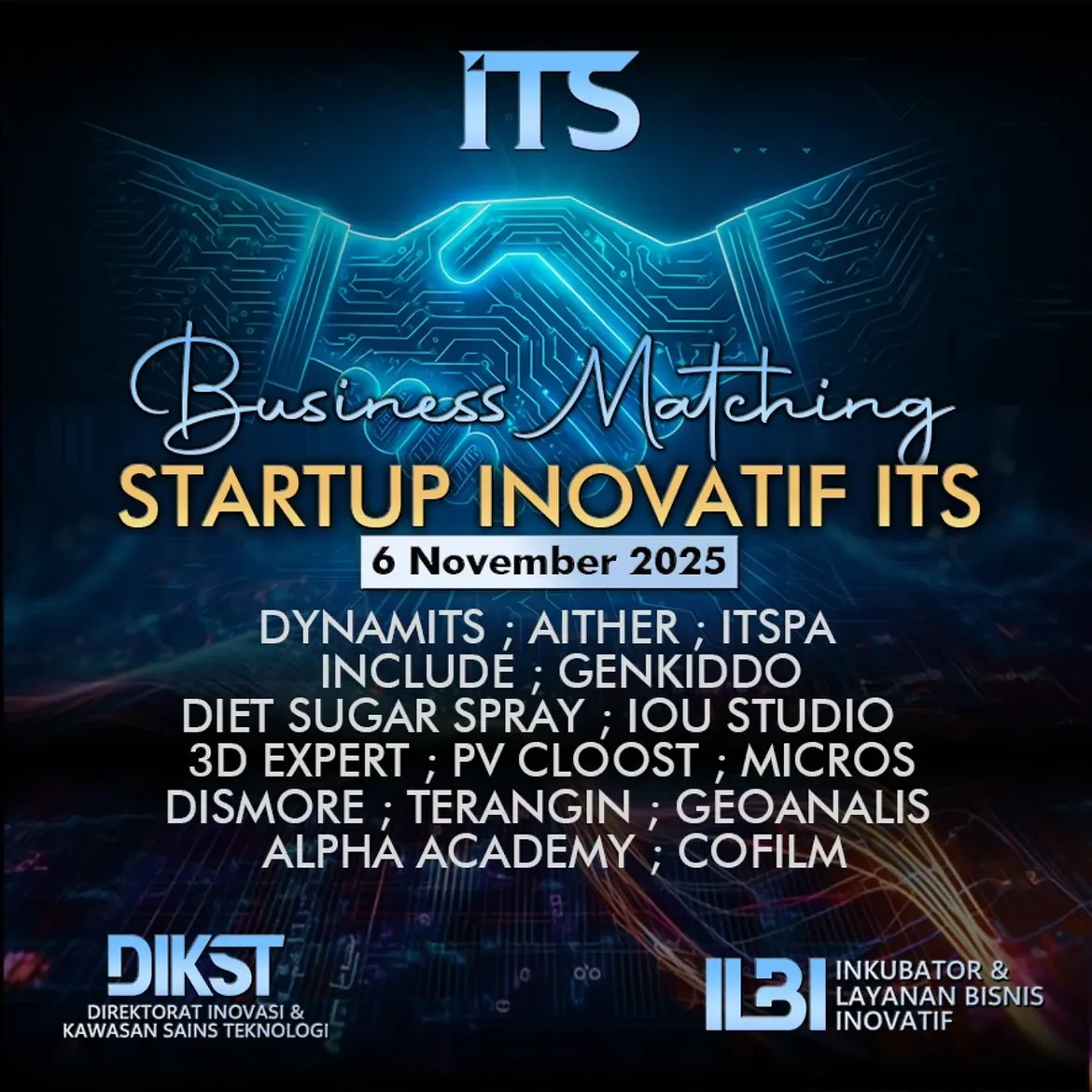 Figure 1: STARTUP INOVATIF ITS
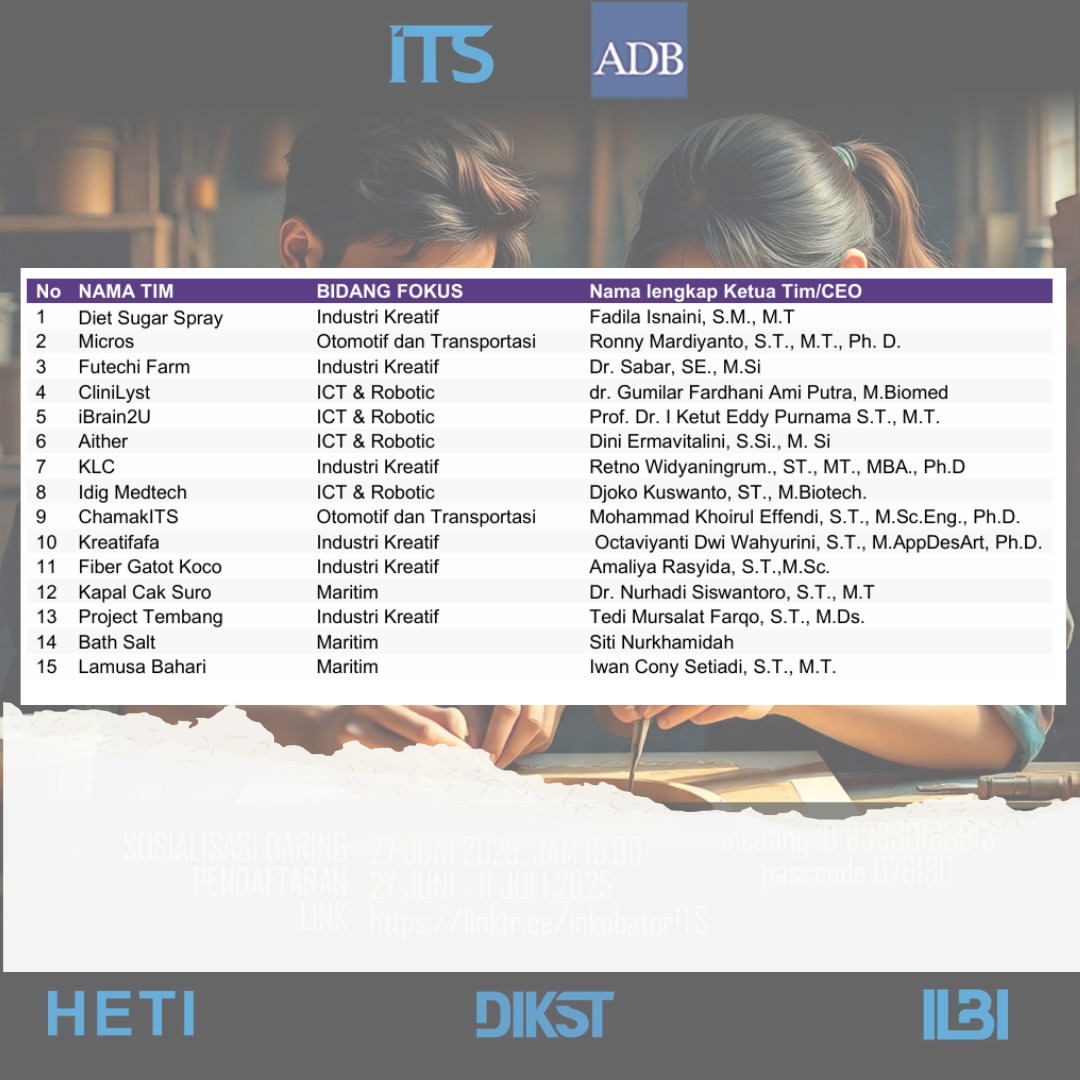 Figure 2: STARTUP INOVATIF ITS
ITS also supports student-led businesses through the Student Creativity Programme (PKM), a national competitive funding scheme managed by the Indonesian Government. In 2025, ITS secured the third-highest PKM funding nationally, with each funded student team receiving IDR 8 million, including support for 42 entrepreneurship (PKM-K) proposals. Beyond financial assistance, funded teams receive supervision and mentoring through coaching sessions and PKM camps to strengthen the feasibility and potential impact of their business ideas.
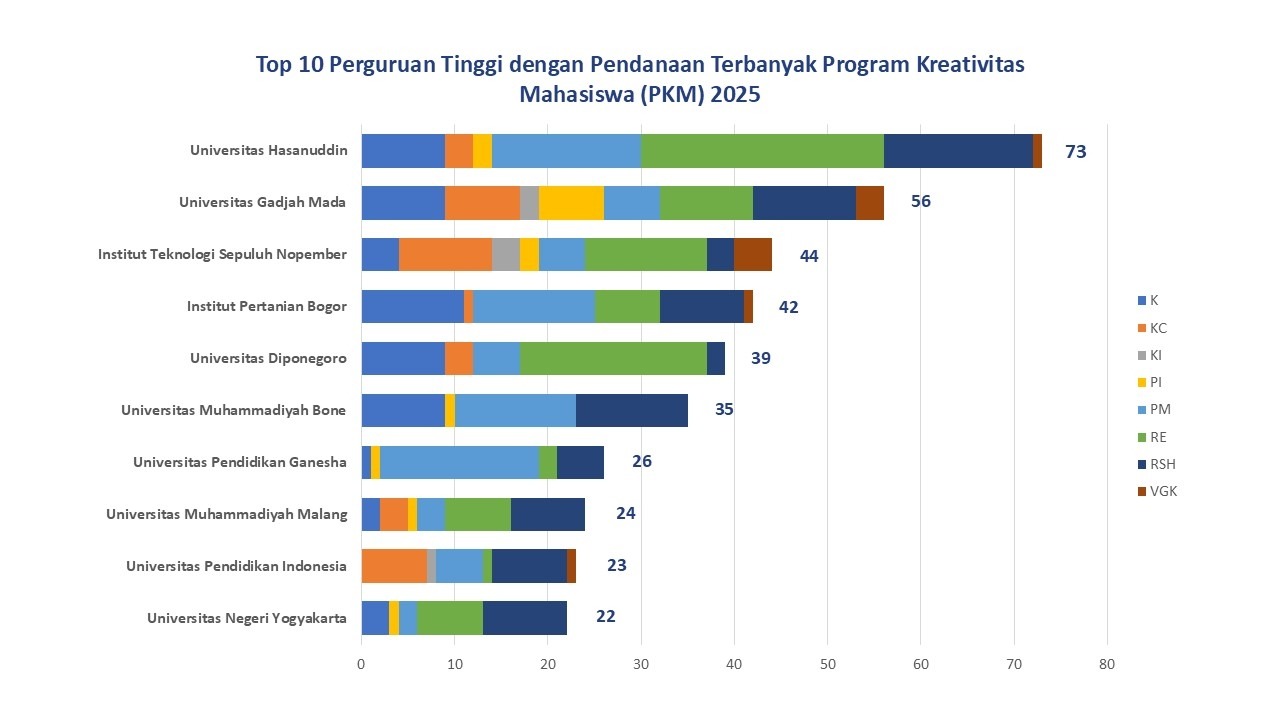 Figure 3: ITS Successfully Secures the Most PKM Funding in East Java
Data on the top 10 higher education institutions receiving the most funding for the 2025 Student Creativity Program (PKM), with ITS ranking third.
Extending its support to the wider community, ITS, through Yayasan Manarul Ilmi (YMI) ITS and the Central Executive Board of the ITS Alumni Association (PP IKA ITS), provided business capital assistance in the form of fully equipped mobile vending carts to seven local MSME operators in Surabaya. Funded by zakat contributions from ITS alumni, the assistance was distributed following an assessment of prospective beneficiaries eligible under the eight categories of zakat recipients (asnaf). The support prioritised existing small-scale vendors, providing them with practical facilities to sustain and develop their daily businesses.
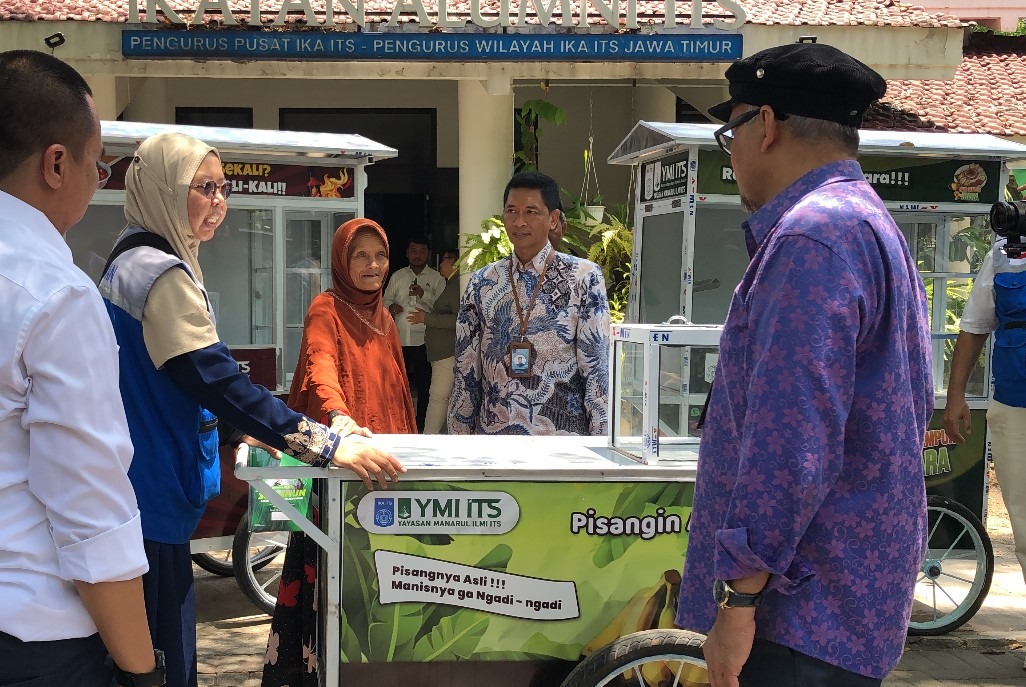 Figure 4: ITS Rector Prof. Ir. Bambang Pramujati, ST, MSc Eng, PhD (second from right) presents a business cart to Mun (third from left), a banana seller in the Gebang area, Surabaya.
Through these initiatives, ITS combines institutional incubation, competitive start-up funding, student entrepreneurship support, and community-based financial assistance. By connecting financial resources with mentoring and business facilities, ITS helps emerging ventures and local entrepreneurs strengthen their business capacity, improve economic independence, and generate sustainable economic and social value.
Institut Teknologi Sepuluh Nopember (ITS) improves access to essential services by delivering programmes and interventions directly to communities and intended beneficiaries. Most initiatives are implemented under ITS community service programmes (Pengabdian kepada Masyarakat/Abmas), with additional activities delivered through departmental initiatives, student programmes, and institutional collaborations. These efforts address practical barriers to accessing healthcare, clean water, energy, transportation, food, and household safety by combining direct services, community education, infrastructure provision, and appropriate technology.
Healthcare Access and Community Health Education
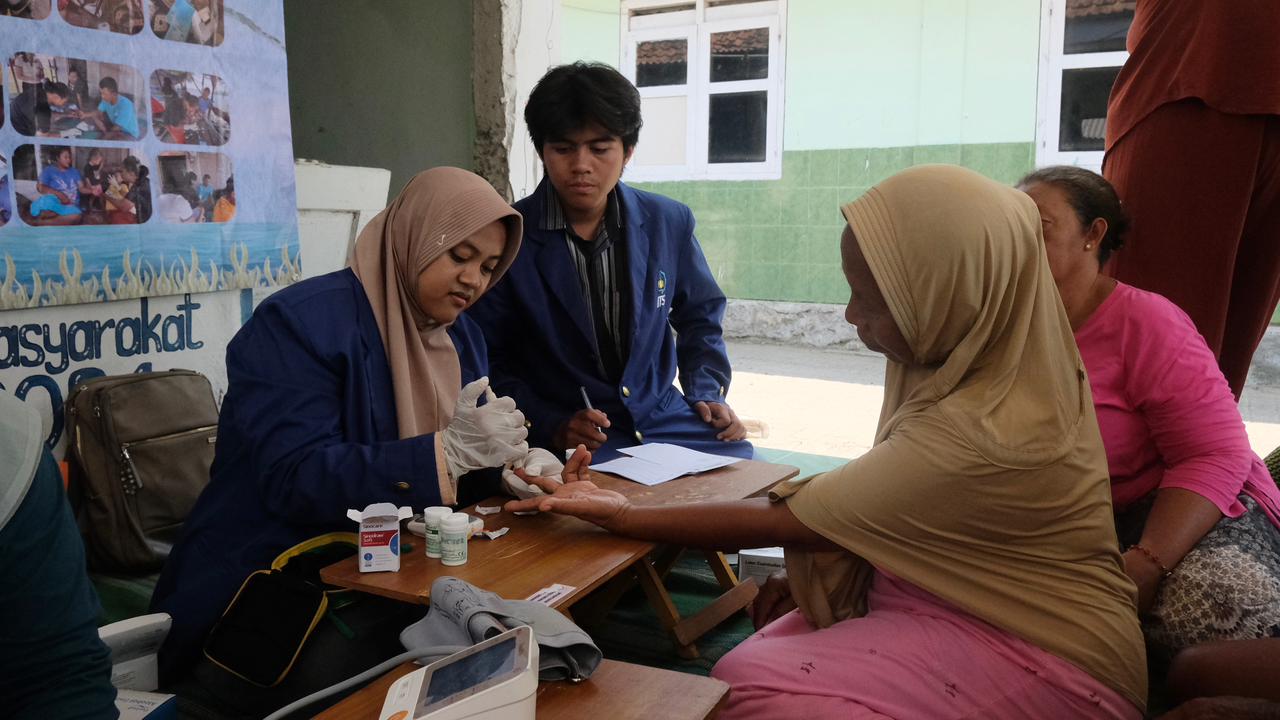 Figure 1: The ITS Pucuk Genero community service team provided education to health volunteers regarding healthy eating habits as part of the Nutri Care GO sub-program.
ITS delivers health education and basic screening directly to underserved communities. One example is Pucuk Genero, a community empowerment programme in Pucukan Hamlet, Gebang Village, Sidoarjo. The programme trains local residents, including women, young people, and community representatives, to become health cadres. Activities include nutrition education using locally available food, education on non-communicable diseases, basic health screening, and practical training in using digital blood pressure monitors and glucose, cholesterol, and uric acid testing devices. These interventions respond to limited access to nearby healthcare facilities. Programme evaluation indicated that residents' nutrition knowledge nearly doubled, with participants also becoming more capable of independently using basic health equipment.
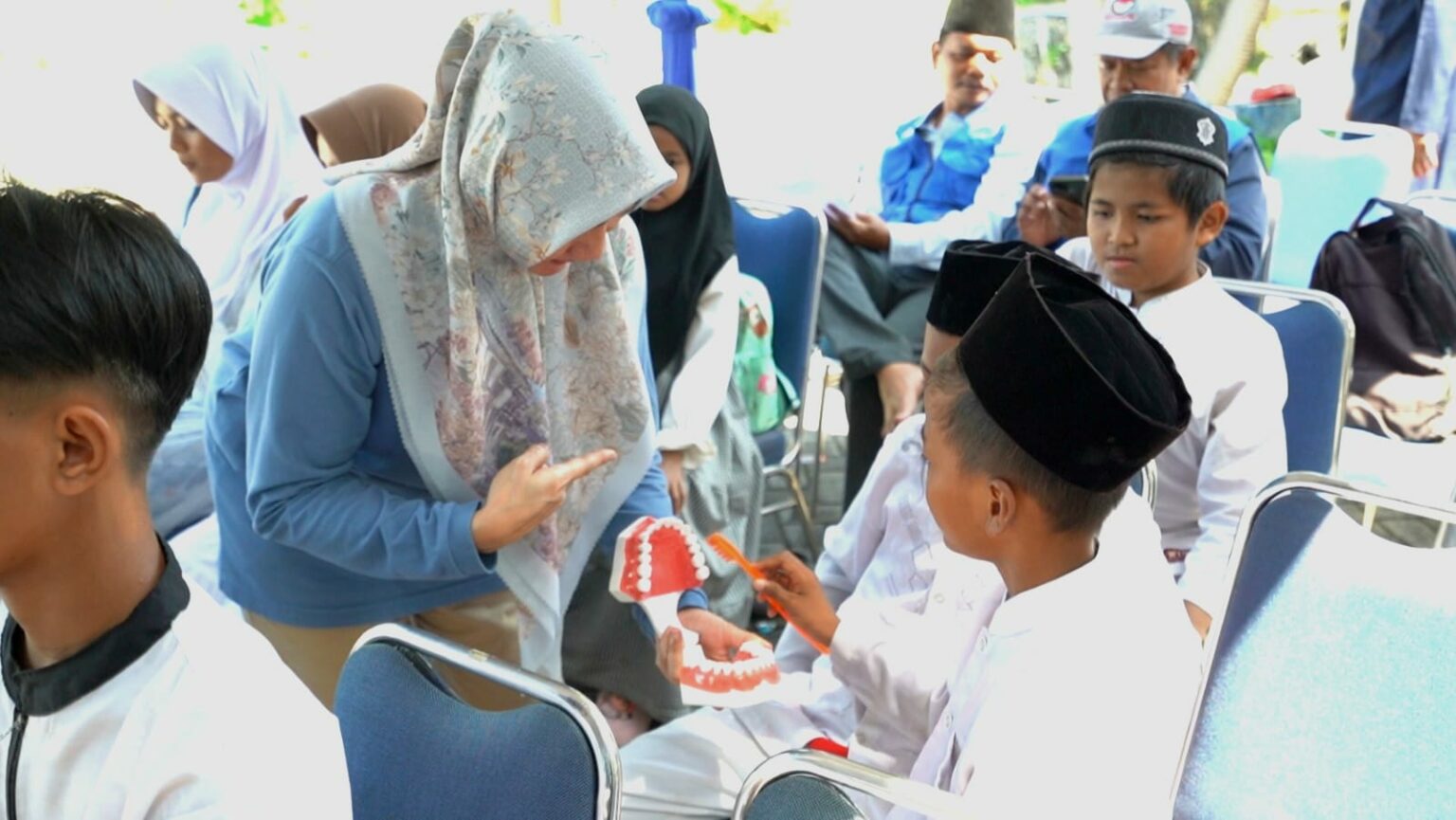 Figure 2: Provision of education by a doctor to children on the correct and proper methods of brushing their teeth.
ITS Medical Center also delivered dental health education and screening directly to 90 orphaned children. In collaboration with alumni of Airlangga University's Faculty of Dental Medicine and the Indonesian Dental Association (PDGI) Surabaya, the activity provided dental examinations, education on cavity prevention, guidance on healthy food choices and proper brushing techniques, as well as toothbrushes and toothpaste.
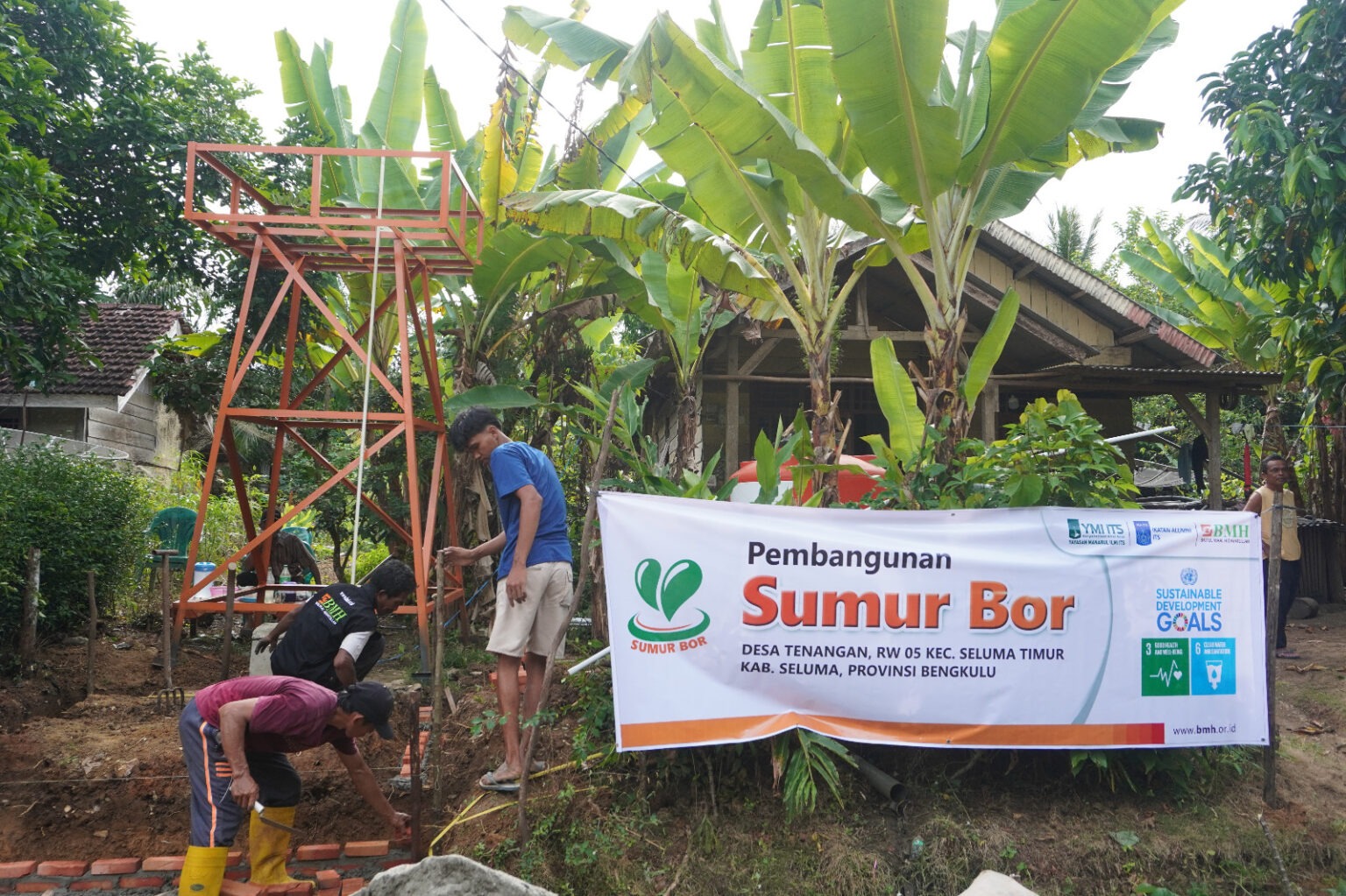 Figure 3: Installation of clean water facilities for the community, carried out by YMI ITS and IKA ITS in Bengkulu.
Through collaboration between Yayasan Manarul Ilmi (YMI) ITS and Ikatan Alumni ITS (IKA ITS), ten waqf wells were established in communities across Indonesia, including locations in Yogyakarta, East Java, Bengkulu, and Parigi Moutong. These facilities directly address clean-water access challenges and have benefited more than 15,000 people. The initiative demonstrates how ITS-affiliated organisations contribute to essential community infrastructure.
ITS community programmes also provide practical energy solutions for local economic activities. In Kalanganyar, Sidoarjo, recipients of the Pertamina Sobat Bumi scholarship delivered the Desa Energi Berdikari programme by installing a solar photovoltaic system for a milkfish-processing facility. The system supplies electricity to processing equipment, including cutting and grinding machines, helping the local business reduce energy costs and improve operational efficiency. The installation remained operational one month after implementation.
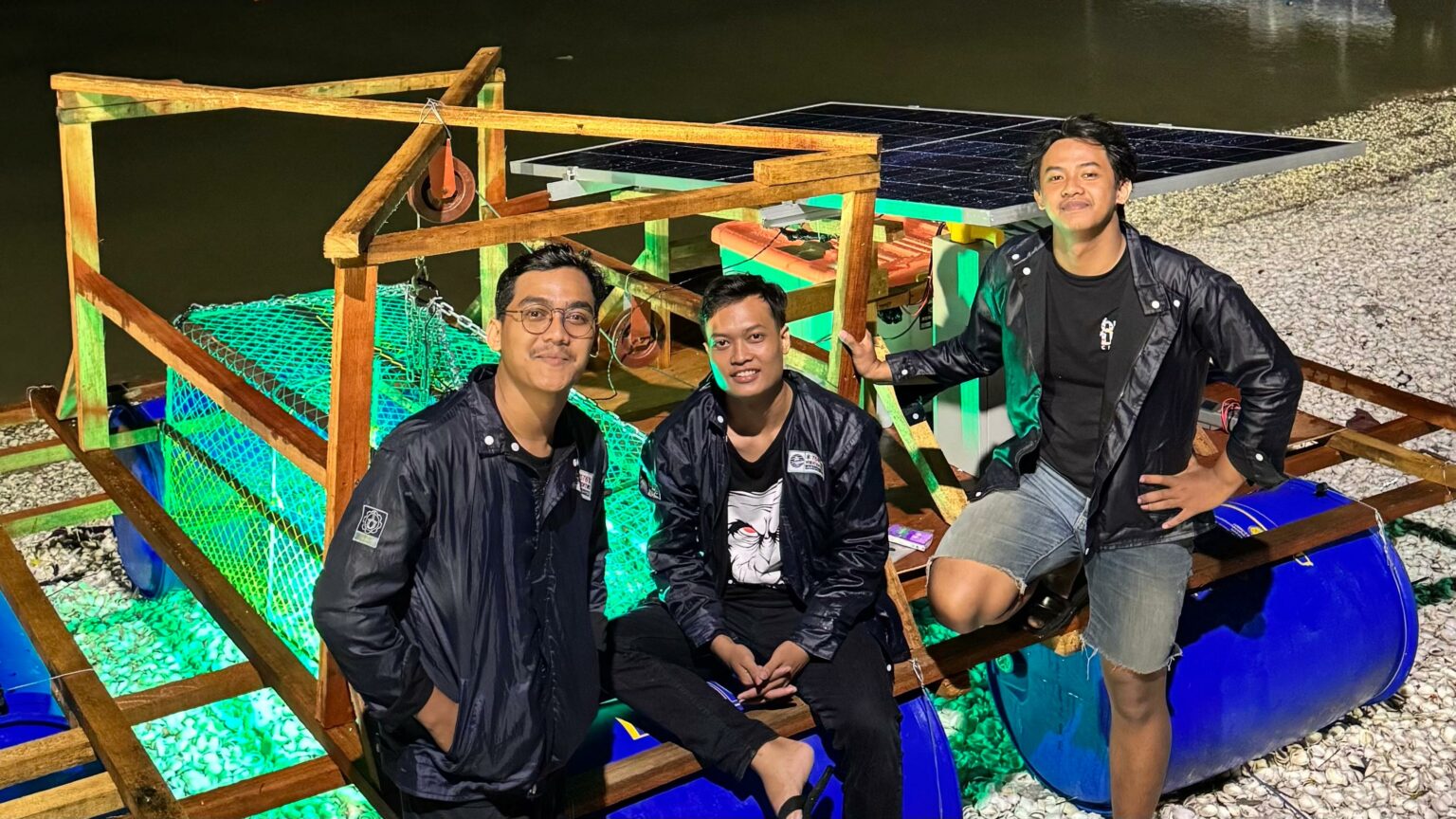 Figure 4: A team of ITS students with their Solar Photovoltaic Fish Trap prototype, which has been installed at the testing site.
ITS and Pertamina Foundation also provided 40 energy-efficient LED Nusantara Bahari lamps directly to fishermen in Lamongan to support more efficient fishing activities. In Kenjeran, Surabaya, the Department of Electrical Engineering implemented and tested a solar-powered automatic fish trap with local fishermen. The technology enables fishermen to retrieve catches daily, compared with the conventional practice of waiting two to three days. In Nambangan, Surabaya, the Himatektro EASY community programme installed an off-grid solar-powered floodlight system around fishermen's boat landing areas and provided direct training on its operation and maintenance, improving visibility and supporting safer navigation at night.
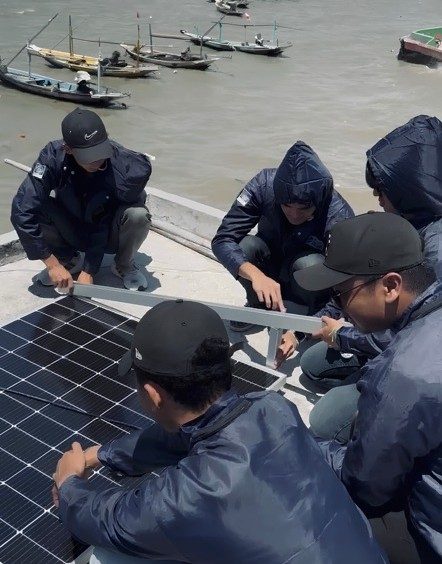 Figure 5: The Himatektro ITS team, together with local residents, carried out the installation of solar panels in the coastal area of Kenjeran, Nambangan Village, Surabaya.
ITS provides direct vehicle maintenance services to help reduce transportation-related costs for the campus community and the wider public. The Lembaga Bengkel Mahasiswa Mesin (LBMM) delivered free basic motorcycle servicing, including spark plug and oil replacement, alongside vehicle maintenance education. The programme inspected 151 motorcycles belonging to ITS community members and members of the public.
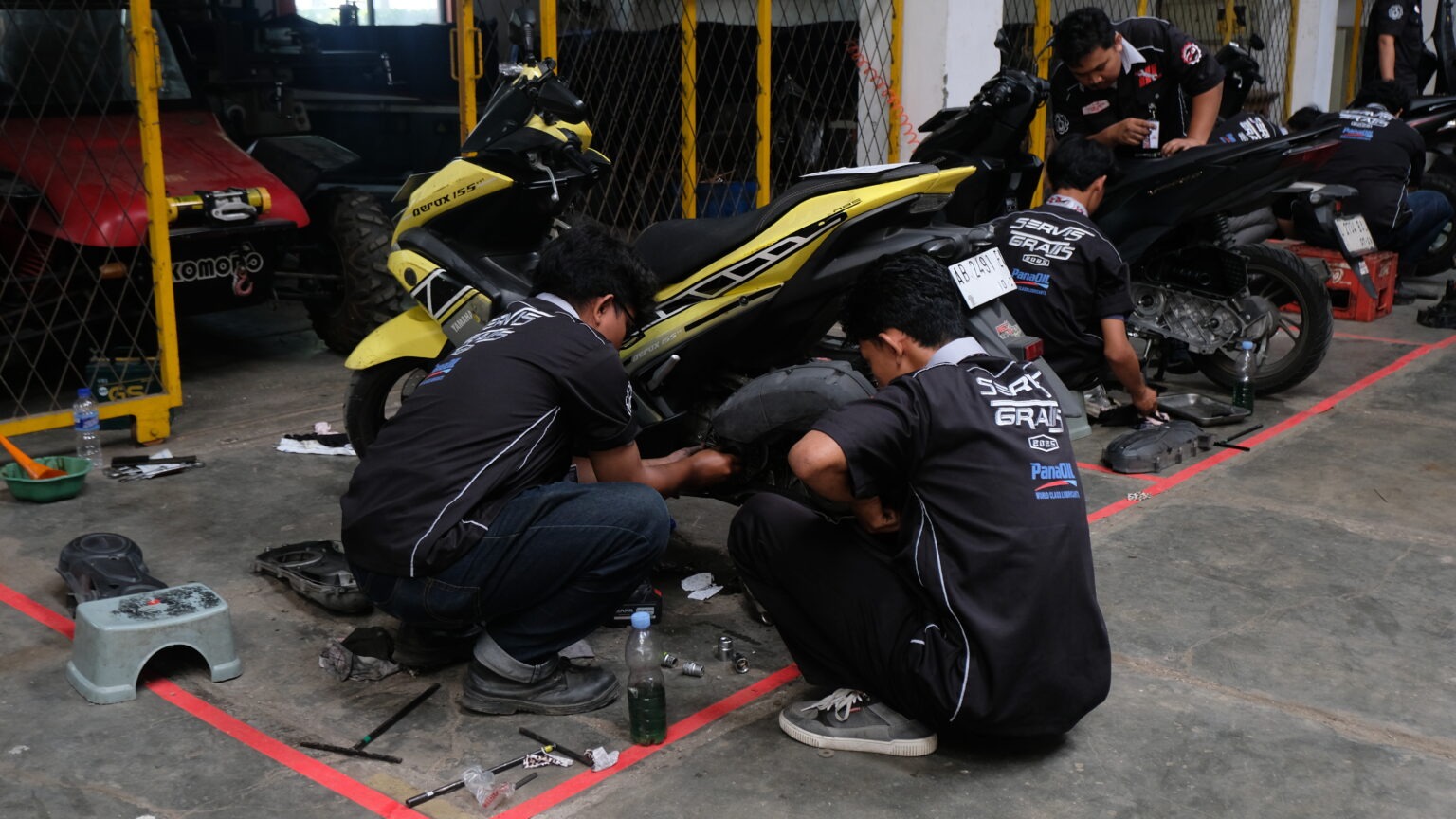 Figure 6: Students of the Department of Industrial Mechanical Engineering, ITS, when checking the condition and electrical system of the participant's motorbike engine.
The Department of Industrial Mechanical Engineering also organised free motorcycle and car maintenance services, covering brakes, electrical systems, chains, continuously variable transmission (CVT), oil, and engine components. By providing these services directly, the programme helps vehicle owners, including online drivers, maintain their vehicles and reduce routine maintenance expenses.
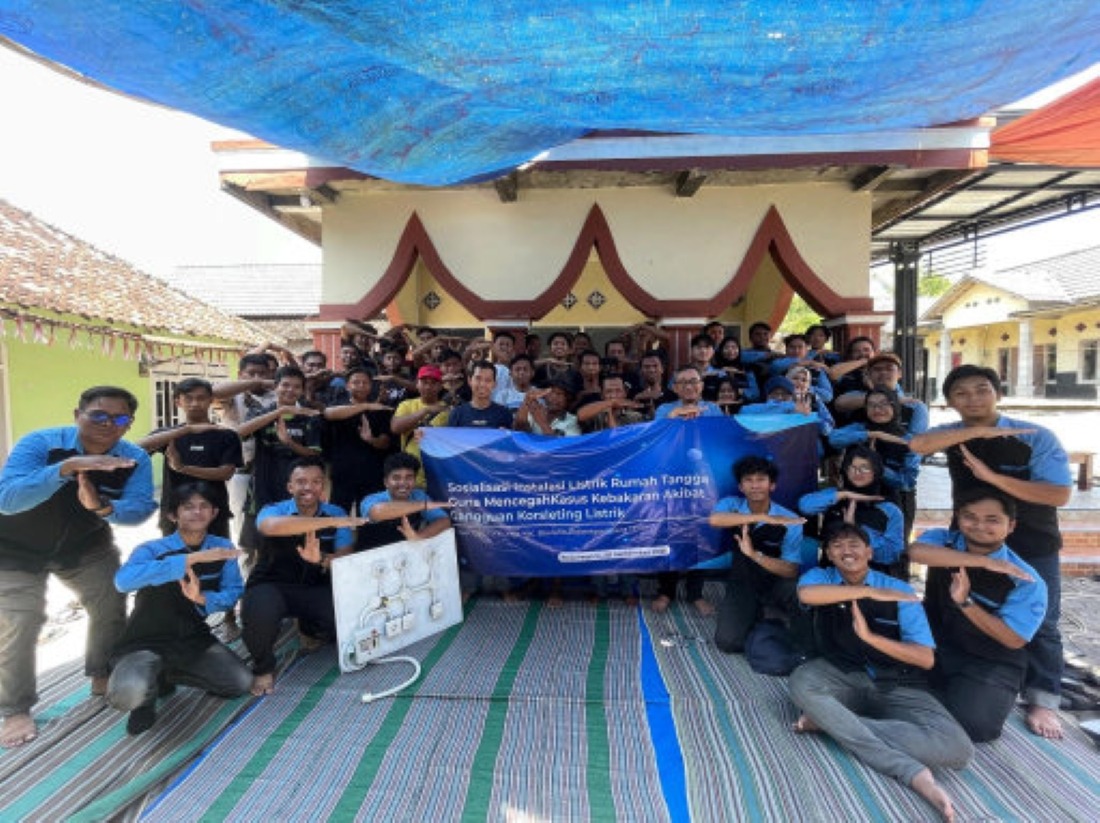 Figure 7: Students from the ITS High Voltage Laboratory providing an introduction to a device for the residents of Desa Sraturejo, Bojonegoro.
The Department of Electrical Engineering delivered a community education programme on safe household electrical installations in Sraturejo Village, Bojonegoro. Residents received direct instruction on identifying short-circuit risks, safe wiring practices, and household fire prevention. The programme included practical demonstrations and illustrated guidance based on the Indonesian General Electrical Installation Requirements (PUIL), helping residents apply electrical safety principles in their homes.
Access to Essential Goods and Affordable Food
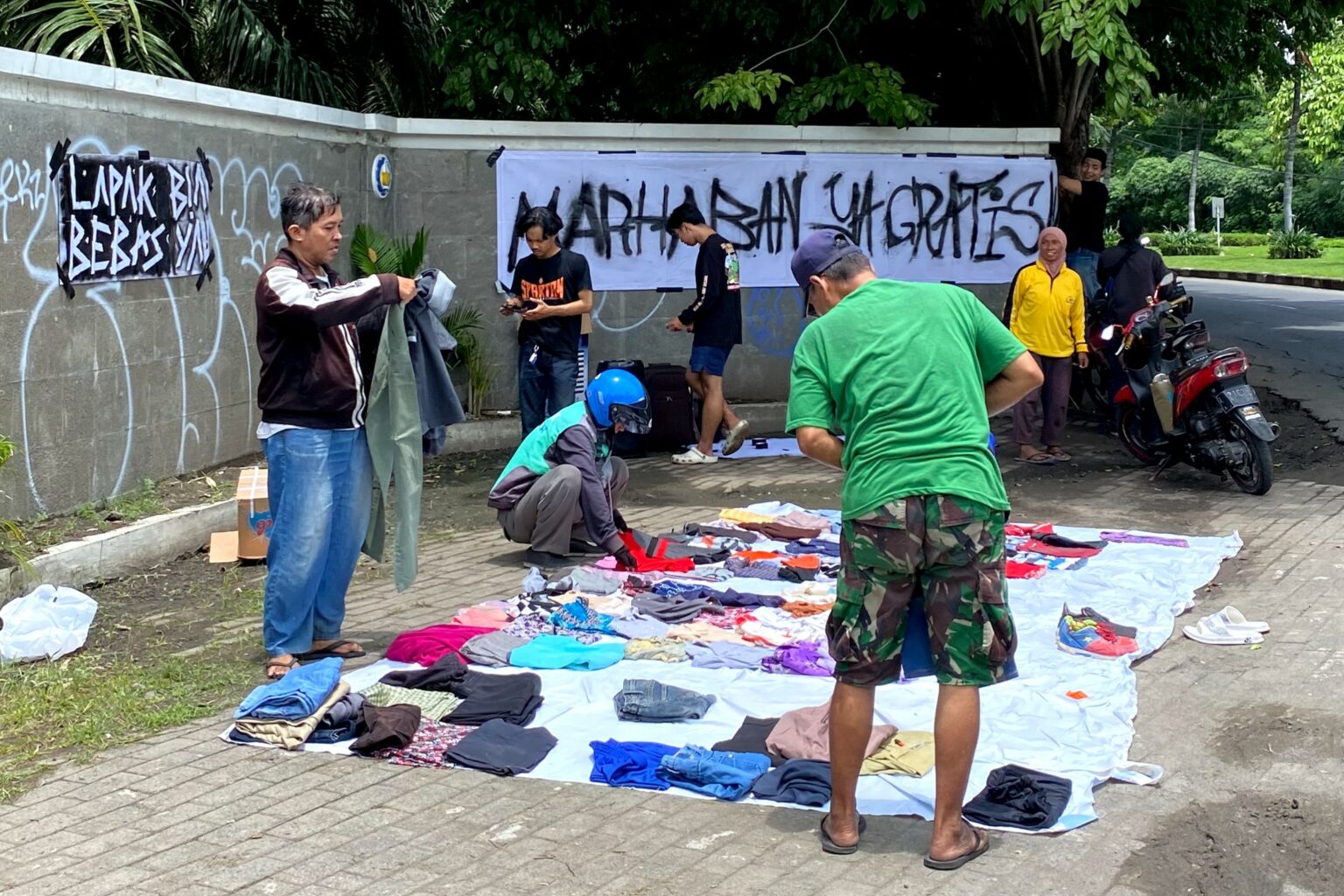 Figure 8: A variety of clothing items—ranging from shirts, trousers, and skirts to shoes—are provided by Lapak Bebas Biaya Surabaya to be distributed to the public free of charge.
ITS also delivers initiatives addressing immediate household needs. The Department of Industrial Chemical Engineering established Lapak Bebas Biaya, a student-led initiative that distributed 191 donated clothing items, including shirts, trousers, skirts, and shoes, directly to members of the public. The distribution was open to anyone in need.
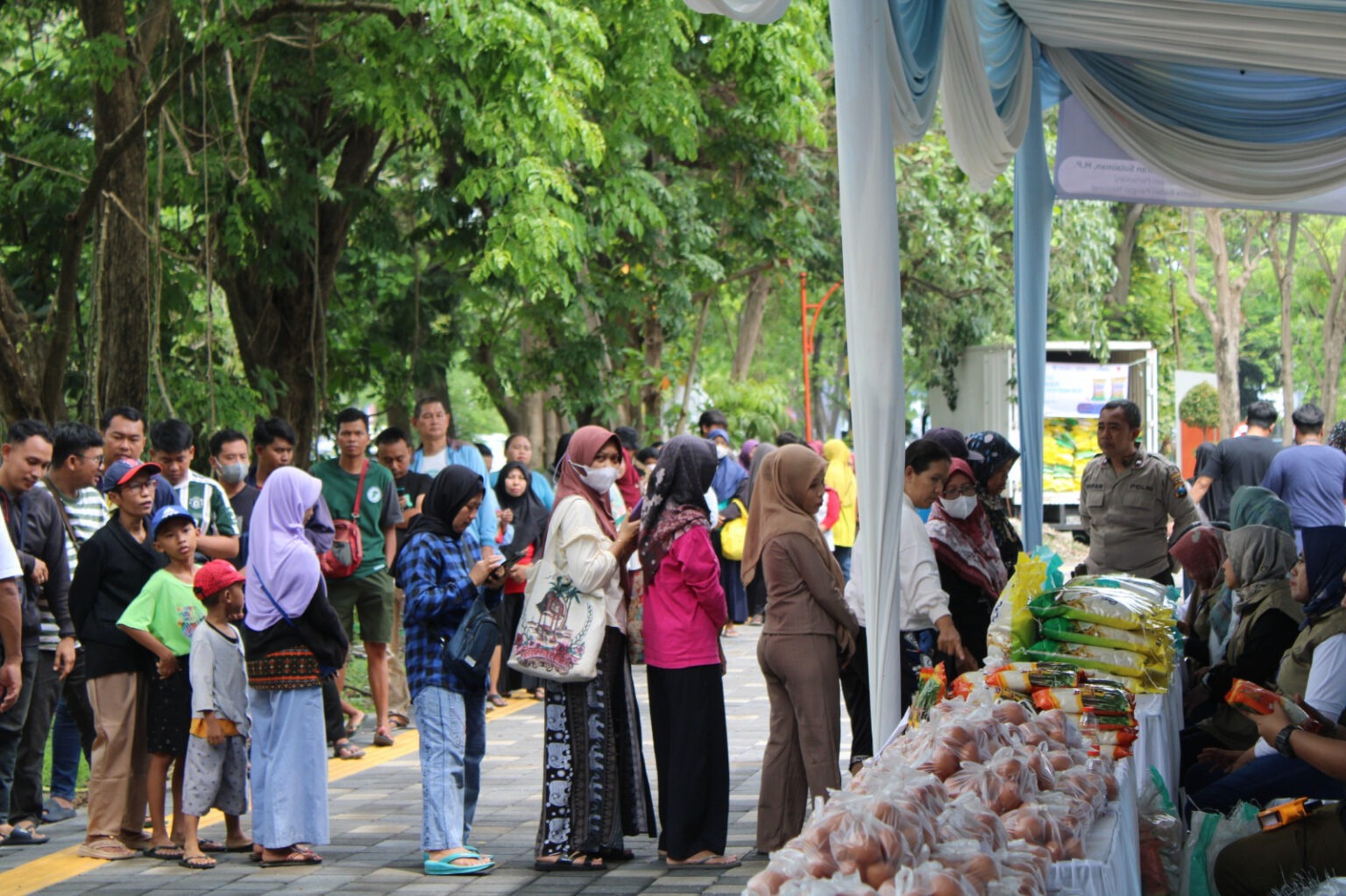 Figure 9: A long queue of local residents near ITS purchasing basic necessities at the ITS Affordable Market, held at the ITS Mainspine.
In addition, ITS collaborated with Perum BULOG to organise a low-cost food market for communities around the campus. Essential commodities included cooking oil, eggs, sugar, and rice, with BULOG preparing eight tonnes of medium-grade rice for the activity.
These initiatives demonstrate ITS's direct involvement in improving access to basic services. Most are delivered as community service programmes (Pengabdian kepada Masyarakat/Abmas), enabling ITS departments, students, and affiliated organisations to work directly with communities and beneficiaries. By combining the provision of essential facilities and services with practical training, education, and technological applications, ITS addresses everyday access barriers in healthcare, clean water, energy, transportation, household safety, and essential goods.
Institut Teknologi Sepuluh Nopember (ITS) contributes to poverty reduction by actively engaging in policy-related research, supporting evidence-based decision-making, and developing institutional collaborations that inform and strengthen programmes addressing poverty and economic vulnerability at local, regional, national, and global levels. These efforts focus on addressing structural factors associated with poverty, particularly low household income, economic insecurity, and unequal access to sustainable livelihood opportunities.
At the local level, the Center for Regional Potential Studies and Community Empowerment (PDPM ITS) collaborated with the Regional Development Planning, Research and Innovation Agency (Bapperida) of Tuban Regency to prepare the 2025 Evaluation Report on Farmers' Terms of Trade (Nilai Tukar Petani/NTP). This collaboration represents ITS's direct engagement in local government policy support by providing empirical evidence to inform regional development planning and policies affecting agricultural household welfare. The report is particularly relevant to poverty reduction, considering that agriculture contributed 18.35% of Tuban's regional economy and employed 41.36% of its workforce in 2024. Using primary and secondary data and the Laspeyres index formula, the evaluation assessed farmers' and fishers' welfare, including the contribution of the fisheries subsector. Its findings provide a basis for local government to formulate and evaluate policies aimed at improving agricultural incomes, strengthening rural livelihoods, and reducing the economic vulnerability of farming and fishing households.
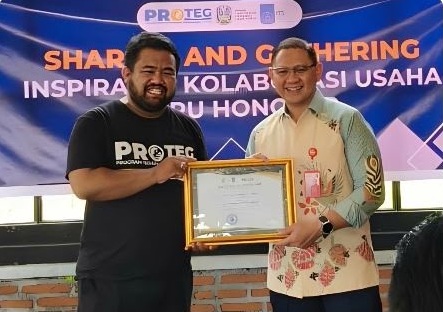 Figure 1: Aryo's story, the journey of an honorary teacher building a coffee business through PROTEG.
At the regional level, ITS promotes economic empowerment through the Program Terapan Ekonomi untuk Guru (PROTEG), which targets non-civil-servant and honorary teachers (guru non-ASN/GTT) across East Java whose incomes fall below the Regional Minimum Wage (UMR). Through practical training, business mentoring, and entrepreneurship development, PROTEG aims to strengthen participants' economic independence and create opportunities for additional and more sustainable sources of income. By addressing the income vulnerability of an identifiable occupational group, the programme provides a targeted approach to economic empowerment that complements broader regional efforts to reduce poverty and improve household financial resilience.
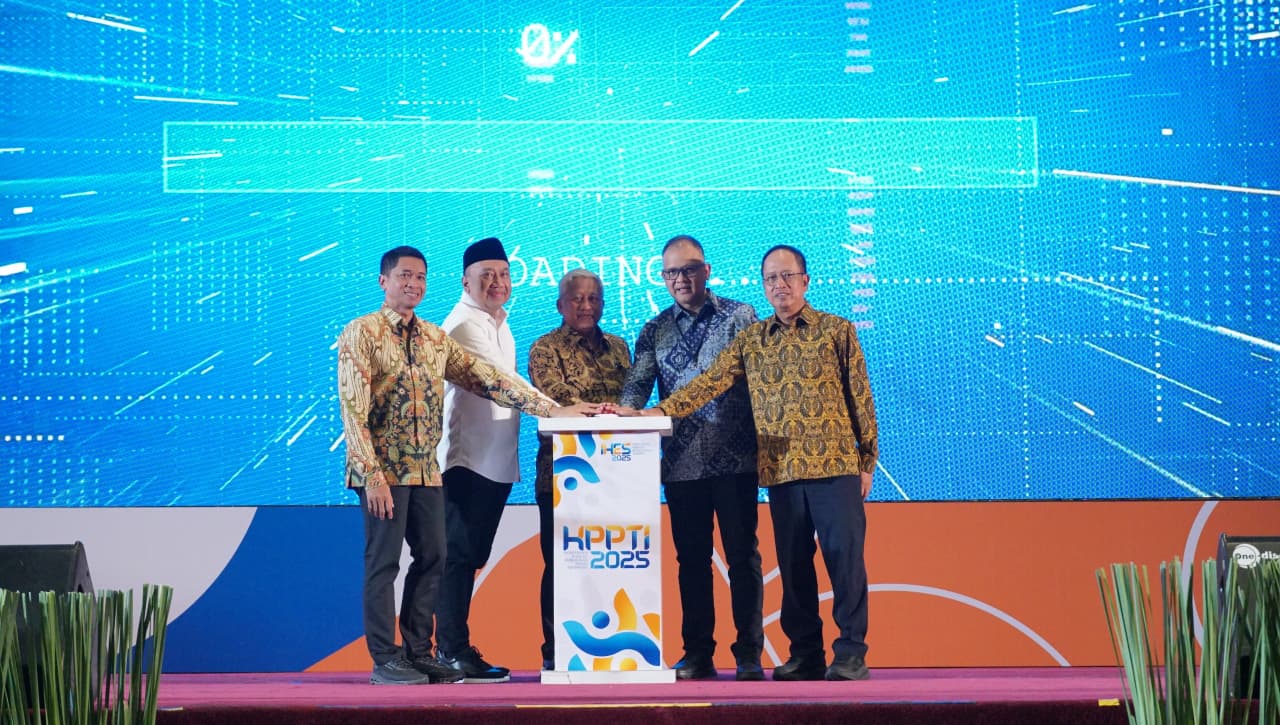 Figure 2: (from left) ITS Rector Prof. Dr. (HC) Ir. Bambang Pramujati, ST, MSc. Eng., PhD; Deputy Chair of Commission X of the House of Representatives of the Republic of Indonesia (DPR RI) Lalu Hadrian Irfani; Chair of the ITS Board of Trustees (MWA) Prof. Dr. Ir. Mohammad Nuh, DEA; Director General of Higher Education, Science, and Technology Prof. Dr. Khairul Munadi, ST; and a representative from KPPTI at the launch of COMMITS, held at the Granesa Grand Ballroom, Surabaya.
At the national level, ITS launched the Commitment to Impactful Transformation in Society (COMMITS) framework at the 2025 Indonesian Higher Education Summit (KPPTI) in Surabaya. COMMITS evaluates the societal contributions of higher education institutions across five impact clusters: community economic and social empowerment, expanded access, innovation for problem-solving, environmental sustainability, and engagement in national disasters. Through this framework, ITS contributes to shaping the national higher education impact-assessment agenda by promoting economic and social empowerment as a key dimension of institutional responsibility. Its inclusion encourages universities to integrate poverty-related challenges into their programme development, impact assessment, and institutional strategies, strengthening the role of higher education in supporting national poverty-reduction objectives.
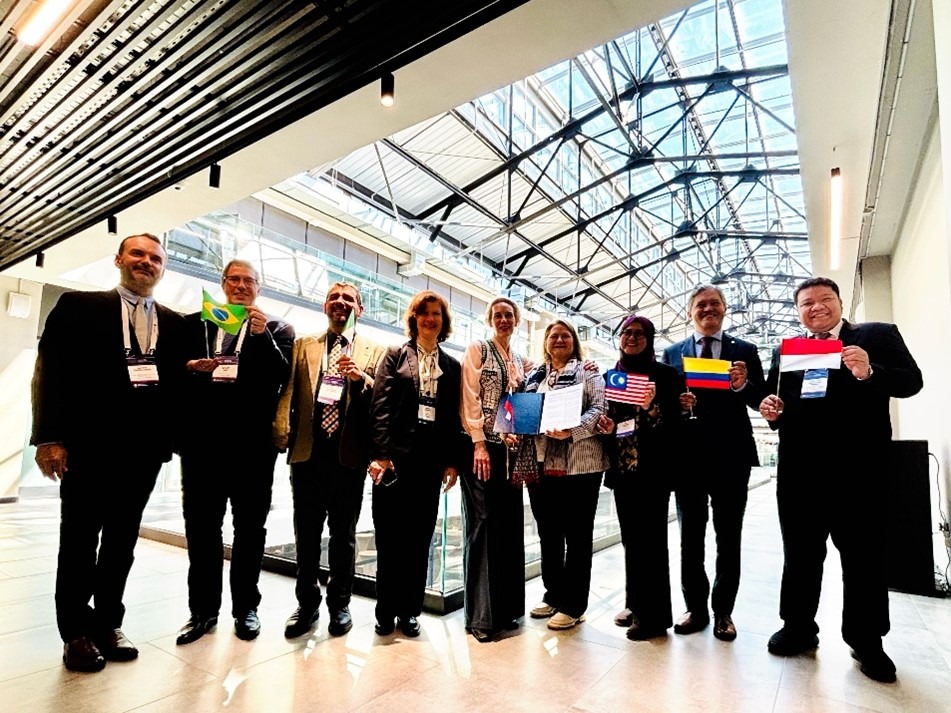 Figure 3: A group photo featuring Assoc. Prof. Dr. Berto Mulia Wibawa, S.Pi., M.M., Ph.D., representing ITS (far right), alongside other representatives from the Satellite Laboratory (SatLab) Consortium.
At the global level, ITS joined the Consortium of Satellite Laboratories for Social Entrepreneurship and Sustainability (SatLab Consortium) through its Department of Business Management. Bringing together higher education institutions from Brazil, Colombia, Malaysia, Mexico, and Russia, the consortium promotes interdisciplinary research, education, and practical initiatives in social entrepreneurship and sustainable development. This international policy and knowledge collaboration enables the exchange of research, institutional practices, and community-based approaches to social entrepreneurship, supporting the development of locally relevant strategies for inclusive economic development and poverty reduction. Its globally connected but locally grounded model strengthens opportunities for cross-country learning on social innovation and sustainable livelihoods.
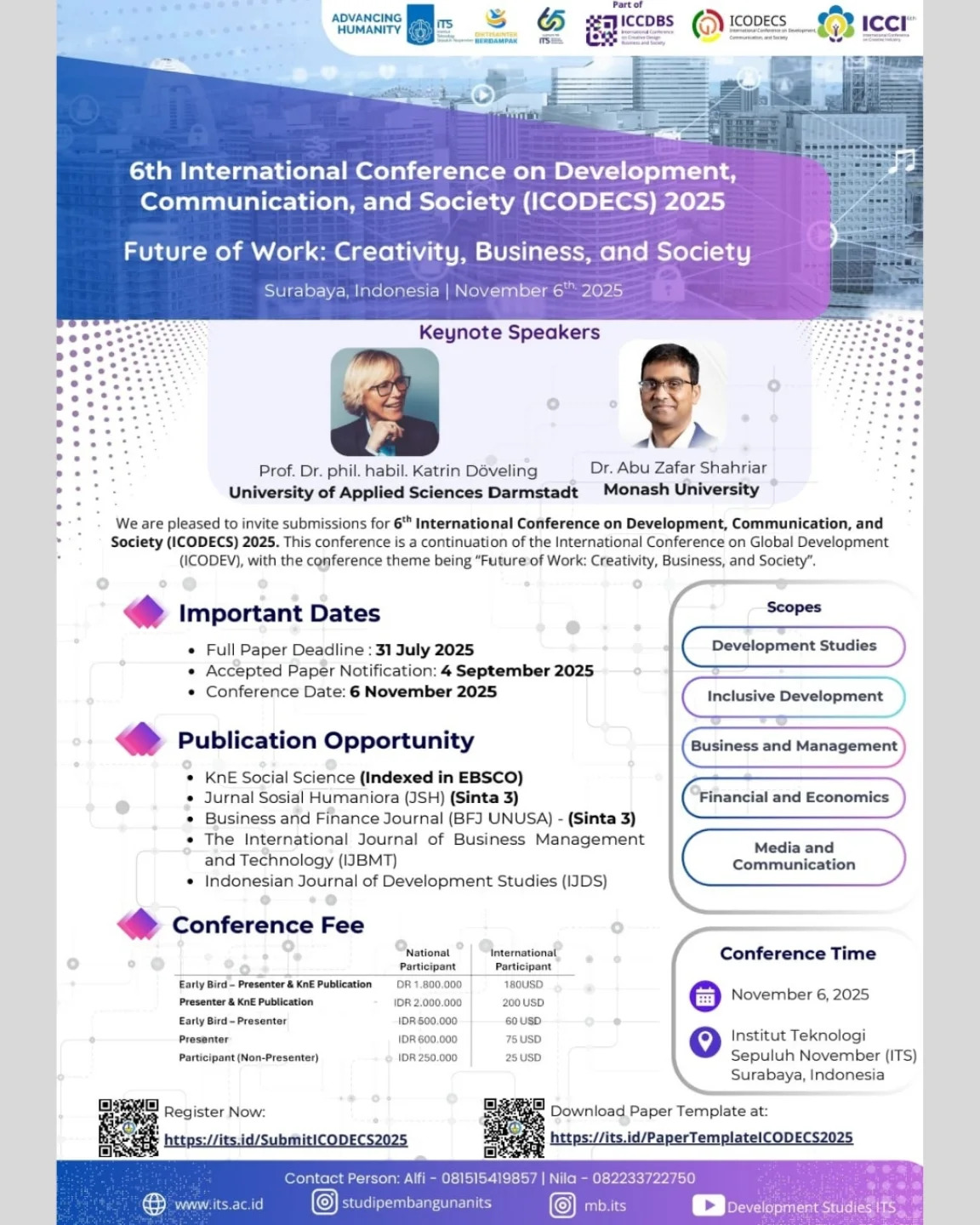 Figure 4: The 6th International Conference on Development, Communication, and Society (ICODECS) 2025
ITS also hosted the 6th International Conference on Development, Communication, and Society (ICODECS) 2025, organised by the Faculty of Creative Design and Digital Business in collaboration with the Department of Business Management, the conference brought together scholars, practitioners, and policymakers to discuss sustainable development across education, economics, social sciences, technology, environment, and public administration. Under the theme "Future of Work: Creativity, Business, and Society," ICODECS provided a platform for exchanging knowledge on how developments in science and technology can contribute to inclusive economic opportunities and sustainable development. By bringing policymakers and academic experts into dialogue, the conference supports knowledge exchange relevant to the formulation of responsive development policies, including policies that expand economic participation and address inequalities in access to livelihood opportunities.
Through these initiatives, ITS participates in poverty-related policy development and knowledge collaboration at multiple governance levels: providing evidence for local government planning, implementing targeted regional economic empowerment, contributing to national higher education impact frameworks, and engaging in international knowledge networks. Collectively, these efforts demonstrate ITS's contribution to informing, strengthening, and supporting programmes and policies that address the underlying causes of poverty and promote inclusive economic development, in alignment with SDG 1: No Poverty.


