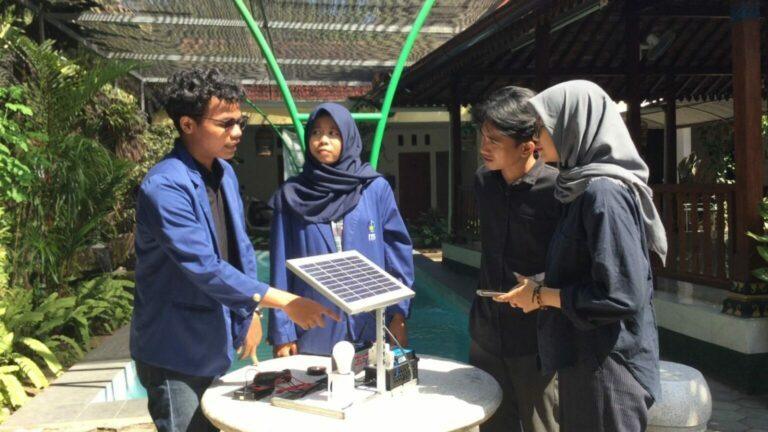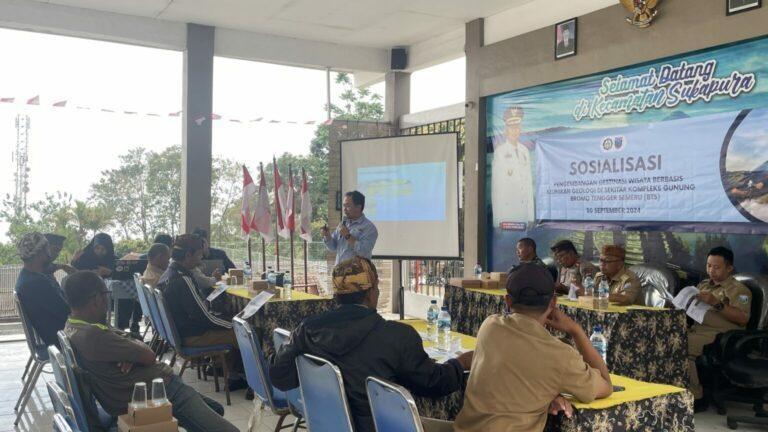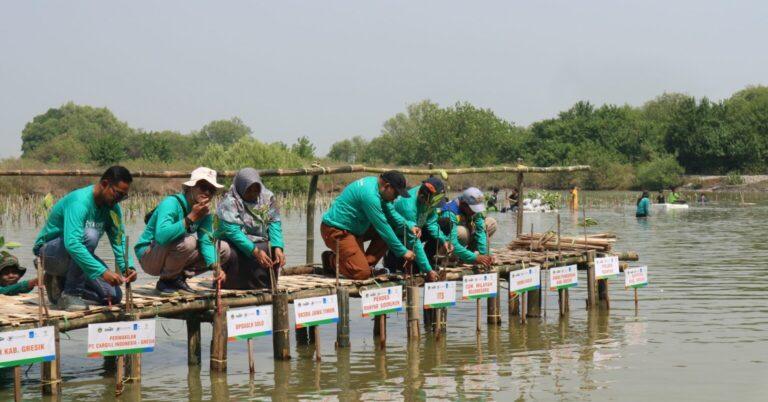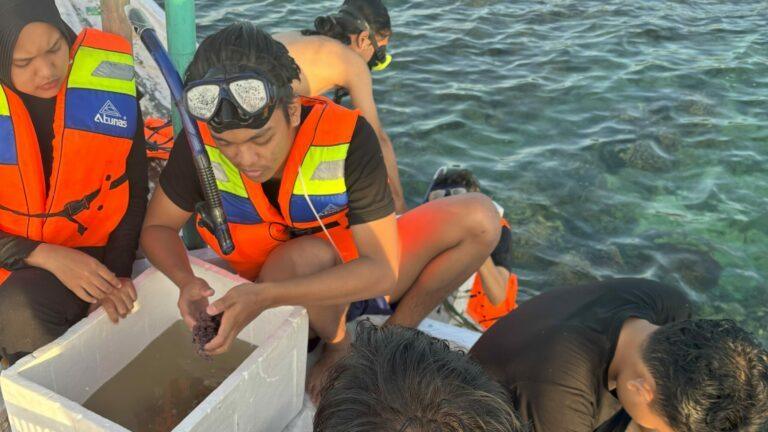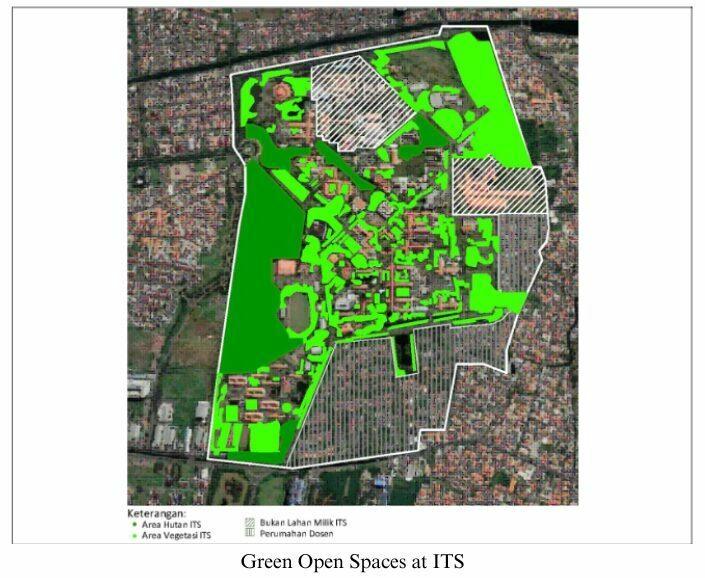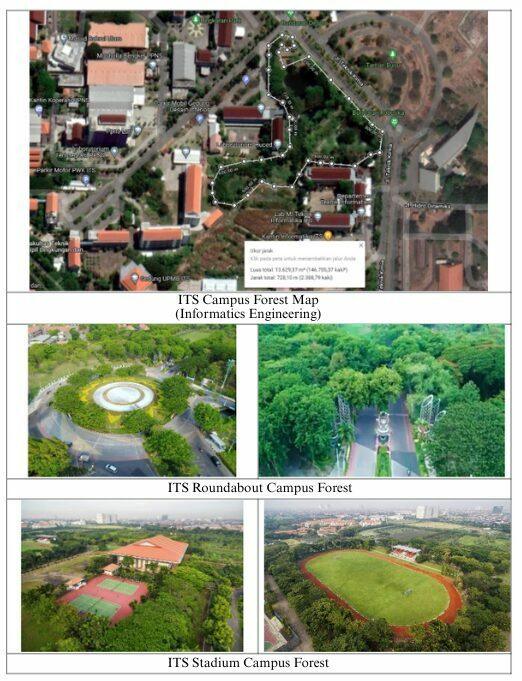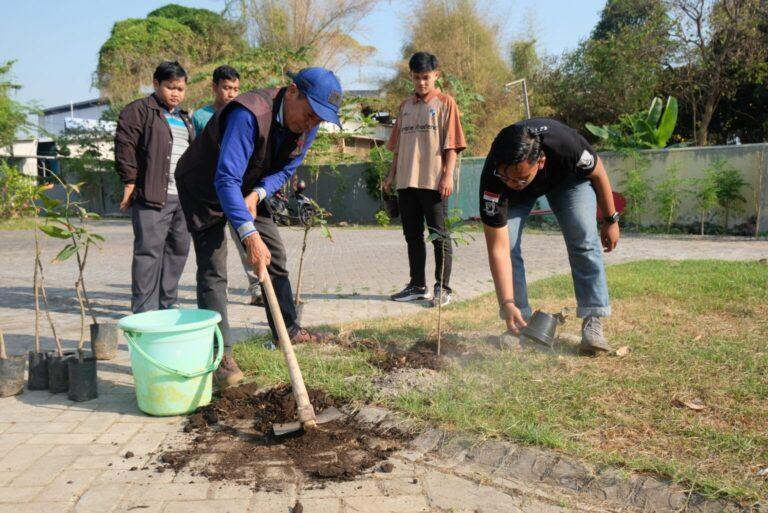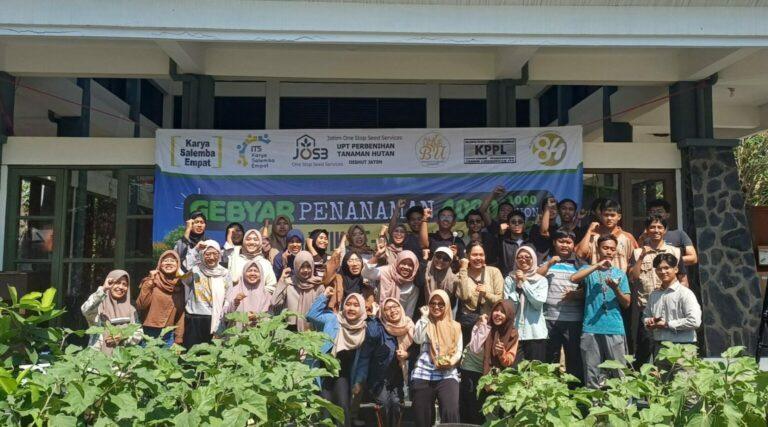

ITS is strongly committed to maintaining and enhancing existing ecosystems and their biodiversity, as outlined in the Rector’s Circular Letter on ITS’s Commitment to becoming a Green and Sustainable Campus. This commitment is reflected in the policy on Protection of Terrestrial and Marine Ecosystems, which includes:
- Considering the impact on ecosystem sustainability in campus development projects.
- Ensuring that no invasive alien species enter and disrupt campus ecosystems through pest control policies.
- Conducting activities to identify, monitor, and protect species listed in the IUCN Red List and the national conservation list that may be affected by campus activities.
- Enhancing ITS’s role in managing vulnerable ecosystems, such as wetlands, mangroves, and peatlands.
- Preserving local biodiversity by integrating it into physical campus development plans and conserving ecosystems within campus grounds.
- Protecting wildlife by issuing advisories or prohibitions against capturing, hunting, or damaging the habitats of wild animals on campus.
- Promoting research and education focused on aquatic ecosystems to maintain the sustainability of lakes and ponds on campus.
- Implementing conservation, rehabilitation, and restoration efforts to maintain the quality of natural ecosystems.
The implementation of these policies is further supported by the Wildlife Acoustics Grant Program, as outlined in the official letter from the Directorate of Research and Community Service ITS, No. 7865/IT2.IV.1/B/TU.00.09/XII/2024. The program provides opportunities for ITS lecturers and researchers to obtain funding and equipment for wildlife research, habitat monitoring, and environmental conservation. These resources aim to generate valuable scientific data, support conservation innovations, and contribute to biodiversity preservation.
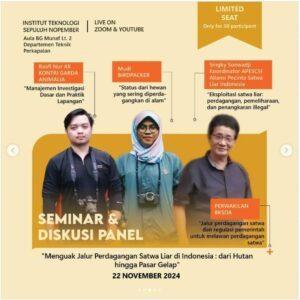
ITS also advances biodiversity conservation through its collaboration with Amati Sangkar (AKAR), a platform enabling citizen scientists to collect wildlife data. This collaboration produced two key agendas. The first was a seminar and panel discussion held on 22 November 2024 at the Aula BG Munaf, Department of Naval Architecture, ITS. The event was attended by the East Java Natural Resources Conservation Agency (BKSDA Jatim), NGOs, field practitioners, and academics, and addressed the theme “Uncovering the Wildlife Trade Routes in Indonesia: From Forest to Black Market”. The discussion aimed to raise public awareness and encourage stronger actions to protect wildlife and their habitats.