Smart Eco Campus


"The two SDGs that look at the broader ecosystem divide it into Life Below Water, and Life on Land. The oceans, and the rivers and watersheds that link to them, are the largest part of our ecosystem. 40% of the world’s population lives within 100km of the coast, and we all rely – directly or indirectly – on the sea." (THE Impact Rankings)
In 2025, ITS delivered community educational programmes on irrigation practices, water management and conservation in East Java. Through practical demonstrations, training, and outdoor learning, ITS equipped farmers, village water managers, and schoolchildren with the knowledge and skills to use water responsibly and care for aquatic environments.
In Sumberbulu Village, Probolinggo, the Department of Electrical Engineering helped shallot farmers move from watering fields manually with buckets towards more controlled irrigation. Over three months, ITS worked with the village government to design and install a compact, battery-powered irrigation device supported by a hybrid solar power system and charging station. Training covered equipment operation and maintenance, battery care, flow monitoring and work safety. Farmers learned to operate a device with adjustable water flow, enabling them to match irrigation to different stages of crop growth and supporting more efficient water use.
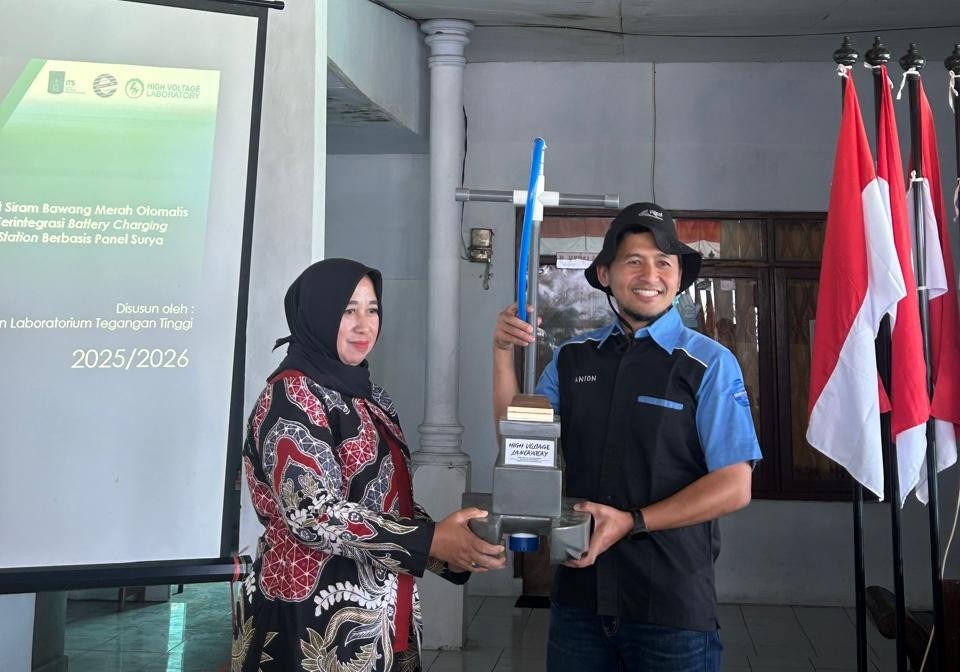 Figure 1: ITS Community Service Program Introduces Innovative Renewable Energy-Powered Shallot Irrigation Device
In Ngandong Village, Tuban, the Department of Development Studies introduced fog-harvesting technology with community education on managing an alternative water supply. The village’s limestone terrain allows rainwater to drain away quickly, contributing to severe dry-season shortages. Residents participated in planning the system, sourcing materials, selecting installation sites, and constructing the collection nets, gutters and storage tanks. ITS trained the village water management group to monitor the tanks, clean filters regularly, and record the volume of water collected. This hands-on approach developed local skills to maintain the system and manage the collected water.
In Boto Village, Tuban, the Department of Electrical Engineering supported community water management through training associated with a solar-powered pumping system and real-time Internet of Things monitoring for the village well and water supply. The program addressed high electricity costs affecting the village’s existing well and water supply. Residents learned to use and maintain the system, which monitors solar-power output and energy availability for pump operation. This practical education strengthened the community's capacity to manage water-supply infrastructure independently and more efficiently.
ITS also introduced younger learners to aquatic ecosystem conservation. Through an annual community service initiative running since 2021, the Department of Ocean Engineering organised outdoor learning for pupils from SD Nahdlatul Ulama 1 Trate, Gresik. During a river tour in Surabaya’s Wonorejo mangrove ecotourism area, local rangers explained mangrove conservation, while pupils explored the relationships between water, soil and living organisms. A clean-up near the estuary reinforced these lessons through direct participation. Guest-teacher classroom sessions, quizzes and a specially written marine-engineering book donated to the school extended the learning beyond the visit.
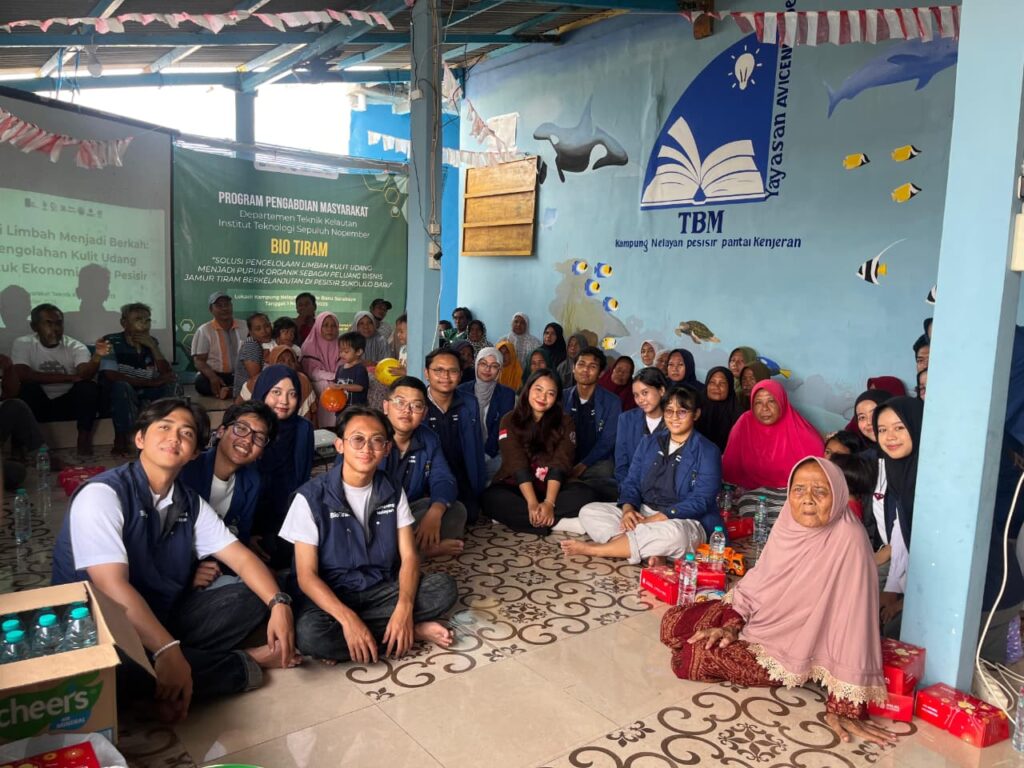
In 2025, ITS delivered free educational outreach to fishers, fish processors, and aquaculture groups in East Java on sustainable fisheries and aquaculture management. The programmes taught practical approaches to resource recovery, water-efficient cultivation, and responsible pond management.
On 13 October, the Sustainable Blue Economy Center (SBEC) ITS conducted zero-waste fisheries training in Dusun Progo, Blitar, with support from the local Livestock and Fisheries Office. Fishers, fish-processing and marketing groups, and aquaculture practitioners learned how processing residues could become useful products. Instruction covered using fish skin for gelatin or snacks and converting viscera into liquid biofertiliser, demonstrating how communities can make fuller use of fisheries resources and reduce processing waste.
Furthermore, through its collaboration with Pelindo Group, ITS also provided cultivation training and technical assistance to a soft-shell crab farming group near Terminal Teluk Lamong in Surabaya. Instruction covered seed selection, water management, and harvesting using a vertical cultivation system with recirculating aquaculture technology, which filters and reuses water. ITS supported participants through progress monitoring, consultation on technical problems, and budgeting for independent cultivation.
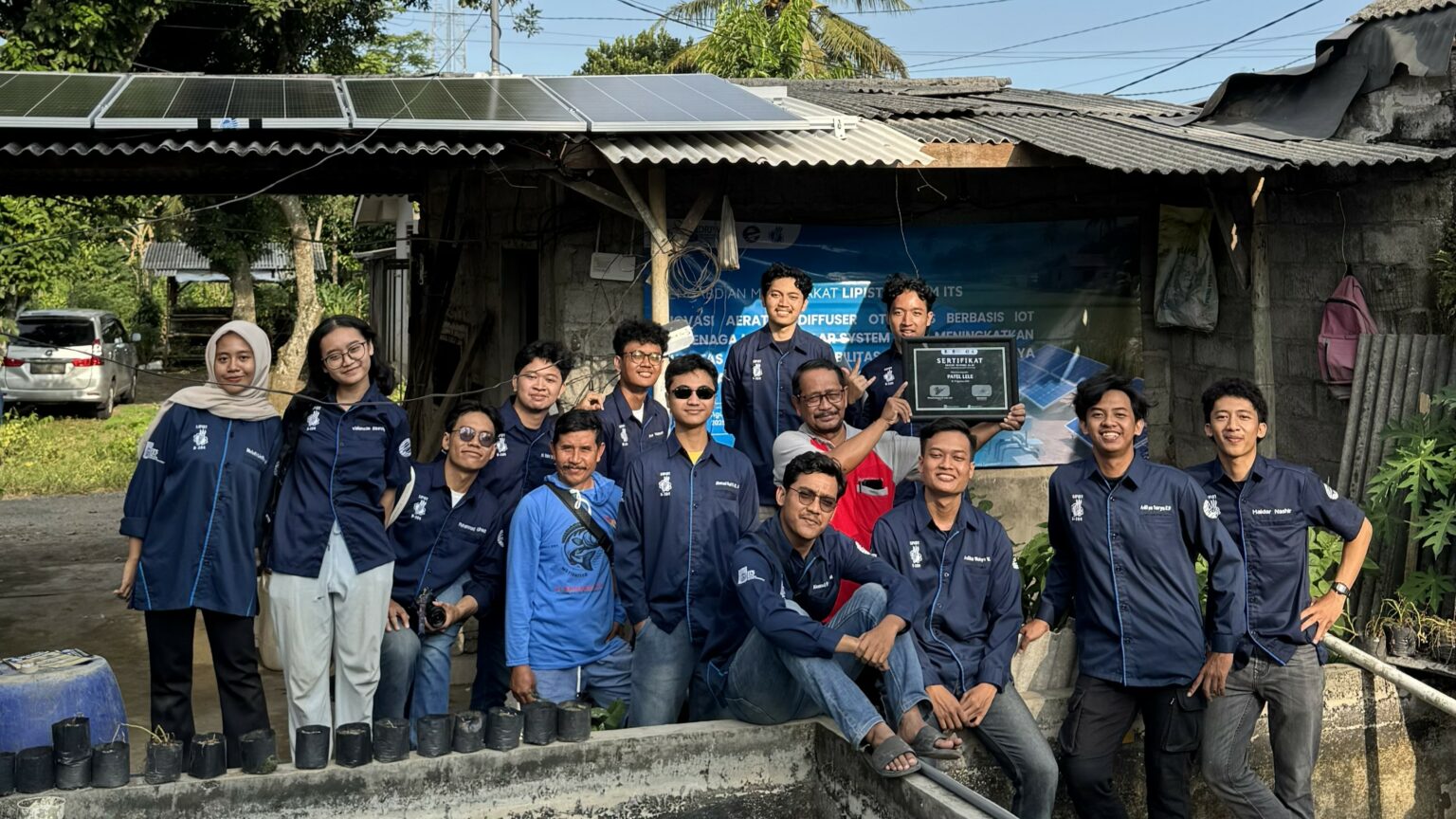 Figure 1: Department of Electrical Engineering at FT-EIC ITS Introduces Automated Aerator System for Fish Farmers in Banyuwangi
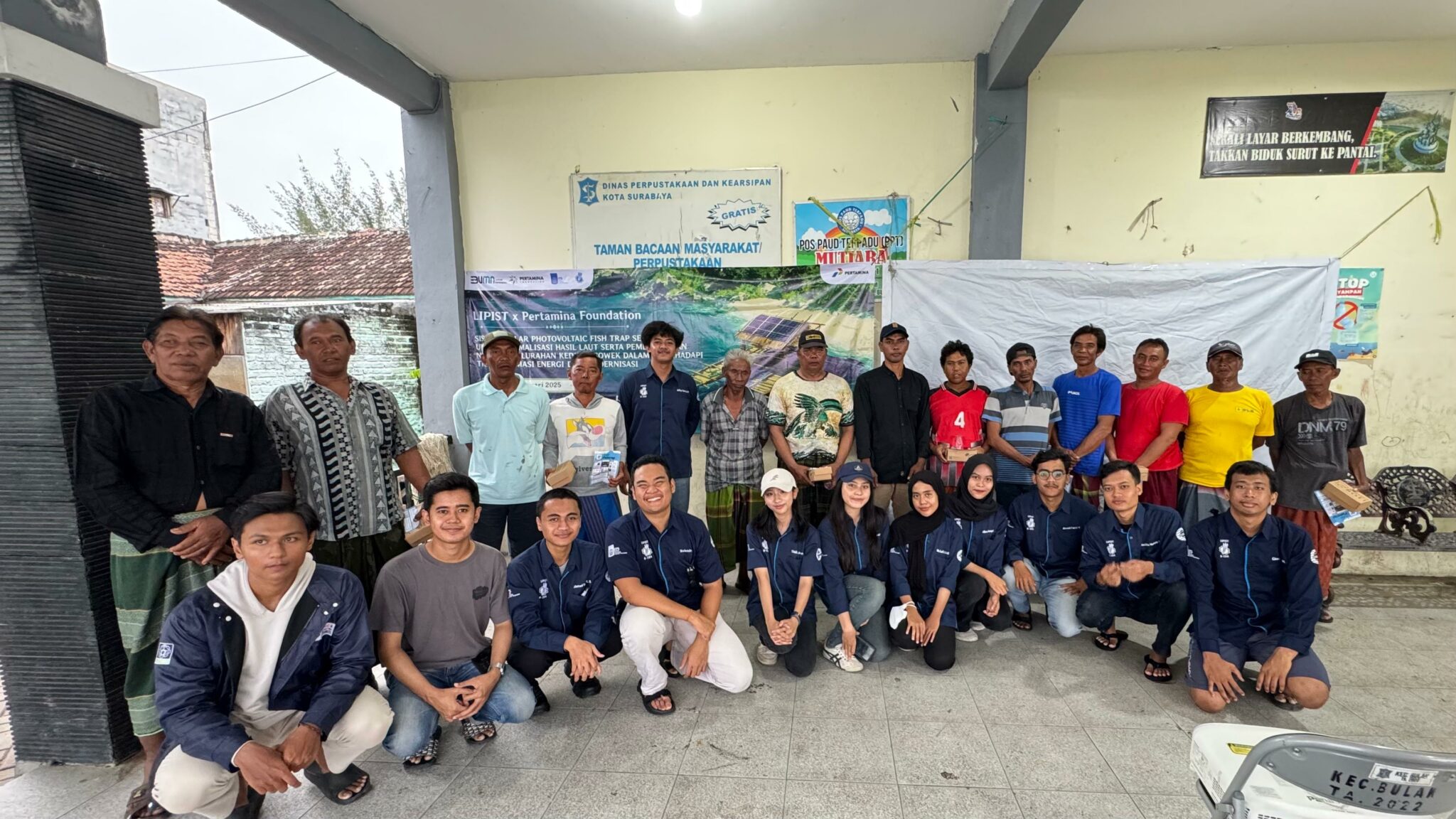
In 2025, ITS promoted responsible fishing through direct engagement with local fishing communities, supported by educational resources addressing overfishing, illegal fishing, and destructive fishing practices. Through Lamusa Bahari, ITS continued assisting fishers in Paciran, Lamongan, with fishing-light technology designed to improve energy efficiency and help avoid unintended catches. Community training under the EU-funded SustainaBlue project complemented this engagement, advancing its objective of transferring university knowledge and practical solutions to coastal communities.
Following the donation of 40 Lamusa Bahari LED fishing lights in collaboration with Pertamina Foundation in October 2024, the ITS team returned to participating fishers on 25 July 2025 to review implementation and gather feedback. Regular communication with the local fishermen’s union supported continued monitoring of the technology. Lamusa Bahari uses adjustable light intensity and an optimised spectrum designed to suit particular fish types and ages, with the intended benefits of improving energy efficiency and helping avoid overfishing and unintended catches, or bycatch. When reviewing reported increases in catches, the ITS team emphasised the need to consider vessel fishing capacity, while identifying energy savings, operating time and equipment durability as the principal benefits sought.
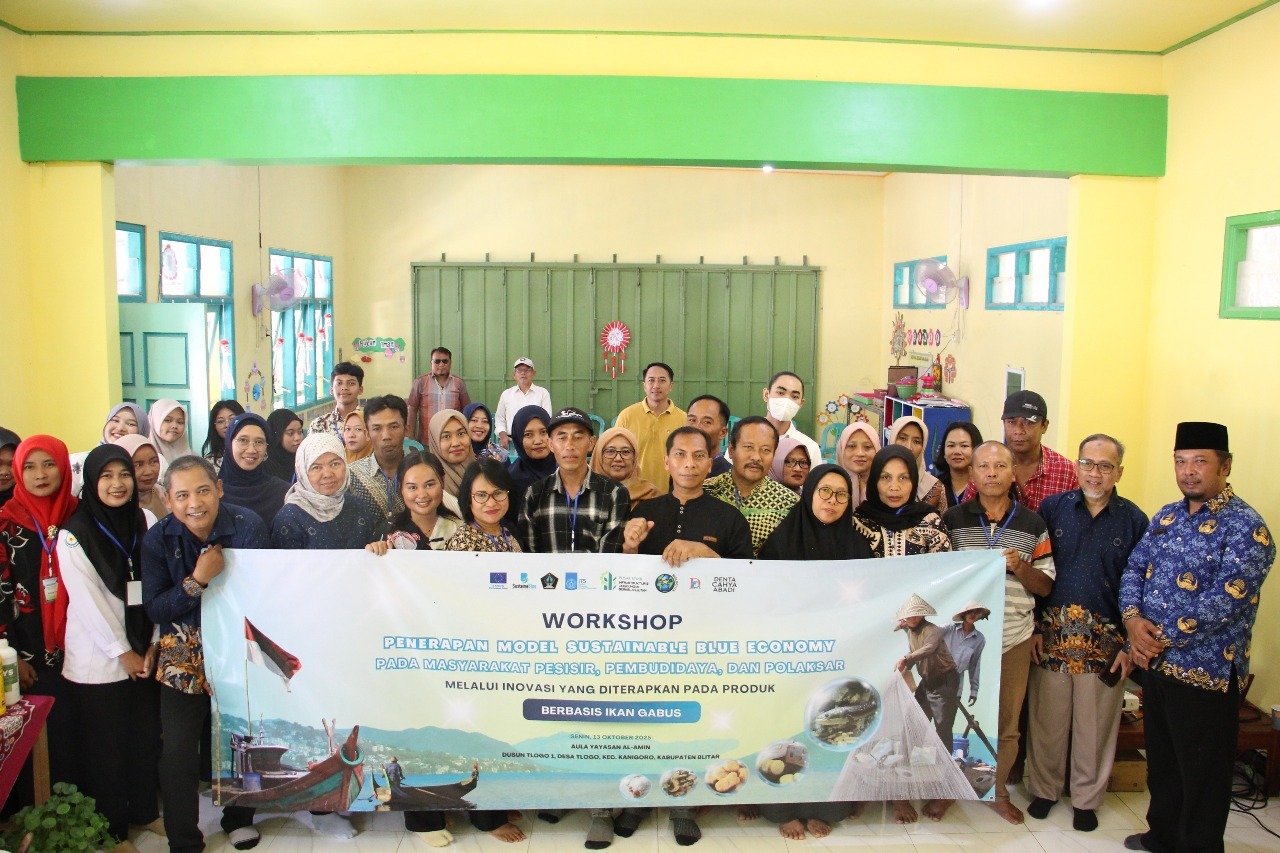 Figure 1: Supporting the Blue Economy, ITS SBEC Team Trains Fishermen to Implement Zero-Waste Principles
Furthermore, ITS brought practical fisheries education to Dusun Progo, Blitar, on 13 October 2025 through its Sustainable Blue Economy Center (SBEC). Supported by the local Livestock and Fisheries Office, the workshop trained fishers, fish-processing and marketing groups, and aquaculture practitioners in zero-waste practices. Participants learned how fish skin could become gelatin or snacks and how viscera could be fermented into liquid biofertiliser using molasses and banana stems. These demonstrations showed how communities could recover value from processing residues and make fuller use of harvested fisheries resources.
The workshop put SustainaBlue’s knowledge-transfer objective into practice: bringing university teaching, research and innovations to local coastal communities through solutions relevant to their livelihoods and environmental responsibilities. It extended the project’s educational work into community training, alongside the Sustainable Fisheries course developed by ITS’ Department of Biology. The course’s twelve lectures provide the broader educational foundation for responsible fisheries management. They examine overfishing, illegal fishing, and destructive fishing practices, explaining their consequences for fish stocks and aquatic habitats. They also introduce selective fishing gear, vessel monitoring, community-based management, and seasonal closures as approaches to protecting fisheries resources. Together, the course and community workshop connect university education with practical efforts to support more sustainable fisheries.
In 2025, ITS supported and organised events that promoted the conservation of coastal and freshwater ecosystems through environmental education, clean-up activities, and habitat restoration.
To commemorate World Ocean Day and Coral Triangle Day, ITS brought together government agencies, environmental organisations and industry partners for a coastal clean-up and restoration event at Romokalisari Adventure Land, Surabaya, on 12 June 2025. Volunteers removed household waste and plastic debris from polluted coastal areas, then planted mangroves, sea pines, breadfruit, and other trees. The activities combined environmental education with direct action to reduce coastal litter and restore vegetation. Government agencies supplied cleaning equipment and seedlings, PT Petrokimia Gresik and PT Wilmar Nabati Indonesia provided sponsorship, and environmental organisations supported public-awareness initiatives. Partners also proposed follow-up monitoring of planted seedlings and expansion of planting areas.
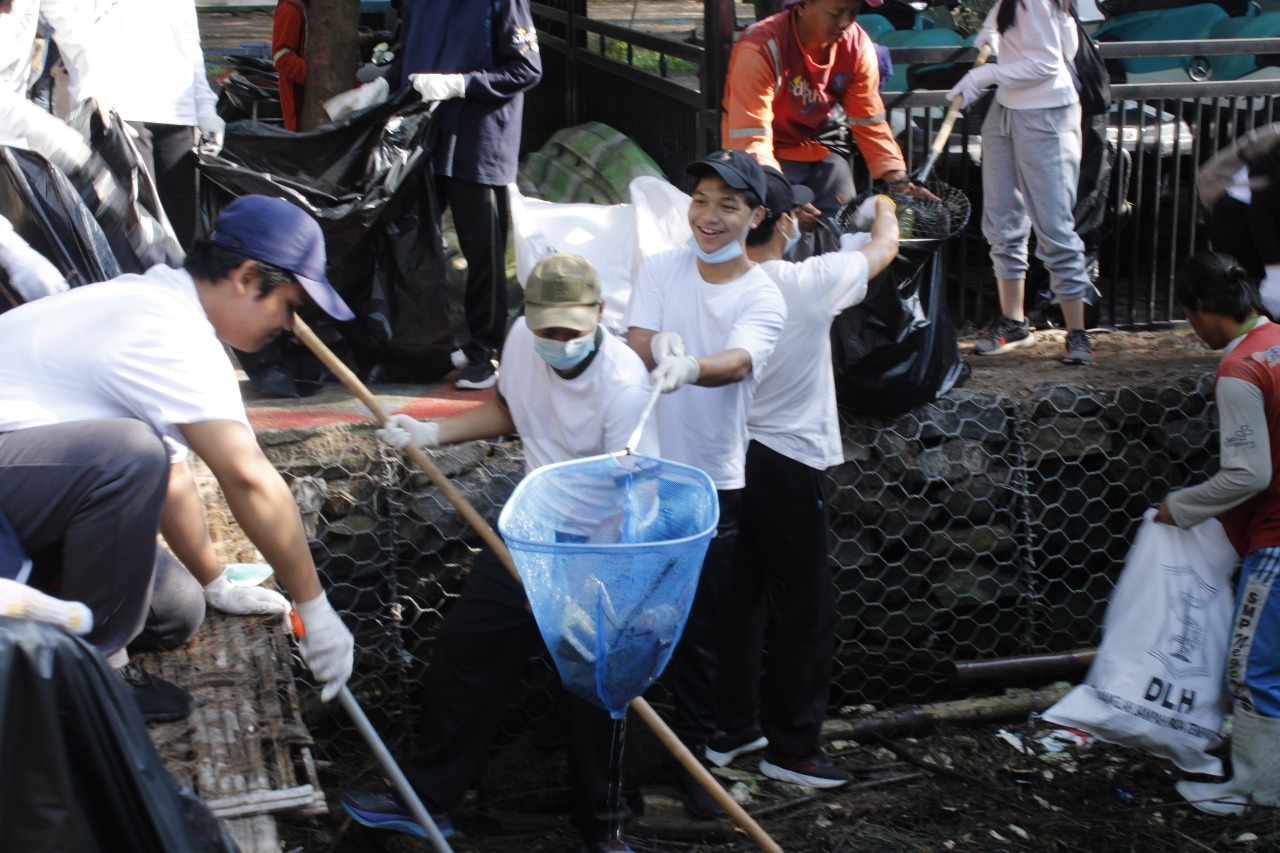 Figure 1: Commemorating World Ocean Day, ITS Promotes Action to Care for Marine Ecosystems
ITS also initiated River in Action (Riveration) in Wonoayu, Sidoarjo, on 17 May 2025. Organised through ITS’s Directorate of Research and Community Service, the event brought together 21 ITS students, Sungai Watch, residents, and environmental communities to clean a river affected by household waste and plastic pollution. Participants collected waste from the river and its banks, separating residual waste from potentially recyclable materials. Sungai Watch supported further sorting and processing of recyclable waste. The event also served as environmental education for residents and the university community, encouraging shared responsibility for river conservation.
ITS addresses responsible campus food sourcing through its institutional environmental policy and operational requirements for the Central Canteen. This commitment is stated in the Rector Circular Letter on ITS Commitment as a Green and Sustainable Campus, particularly under the Health Chapter, which highlights:
- Encouraging the provision of environmentally friendly food and the management of campus canteens (point h).
- Ensuring that food provided on campus uses agricultural products produced through good farming practices and animal based ingredients derived from livestock and fisheries activities that comply with ethical and sustainable standards (point i).
Furthermore, this commitment is implemented through the Standard Operating Procedure (SOP) for the ITS Central Canteen (Zona Kuliner Halal, Aman, dan Sehat – Zona KHAS). The SOP mandates that:
- All food vendors (tenants) comply with hygiene, halal certification, and environmental sustainability standards.
- Food suppliers and partners are prioritised based on compliance with halal and eco-sustainability requirements.
- The use of eco-friendly and recyclable packaging materials is compulsory, promoting sustainable consumption and production patterns on campus.
Together, the documents provide a policy framework for environmentally responsible catering and ethical sourcing of animal-derived ingredients, including fisheries products, supported by operational requirements for campus food-service providers.
In 2025, ITS undertook direct conservation and restoration work in mangrove forests, coral reefs and coastal wildlife habitats. Working with industry partners, environmental organisations and local communities, ITS contributed to planting, reef restoration and conservation management at sites affected by habitat degradation, pollution and development pressures.
In Kalimireng, Manyar, Gresik, ITS collaborated with Cargill Indonesia and Yayasan Elang Khatulistiwa Adipavitra (YEKA) in planting 3,500 mangrove seedlings. The activity formed part of the Kalimireng Blue Mangrove Programme, which has planted more than 33,000 seedlings since 2021. Kalimireng supports 27 identified mangrove plant species and 40 animal species, making it an important coastal habitat facing pressures from land conversion and industrial activities. The 2025 planting contributed to restoration within this existing ecosystem.
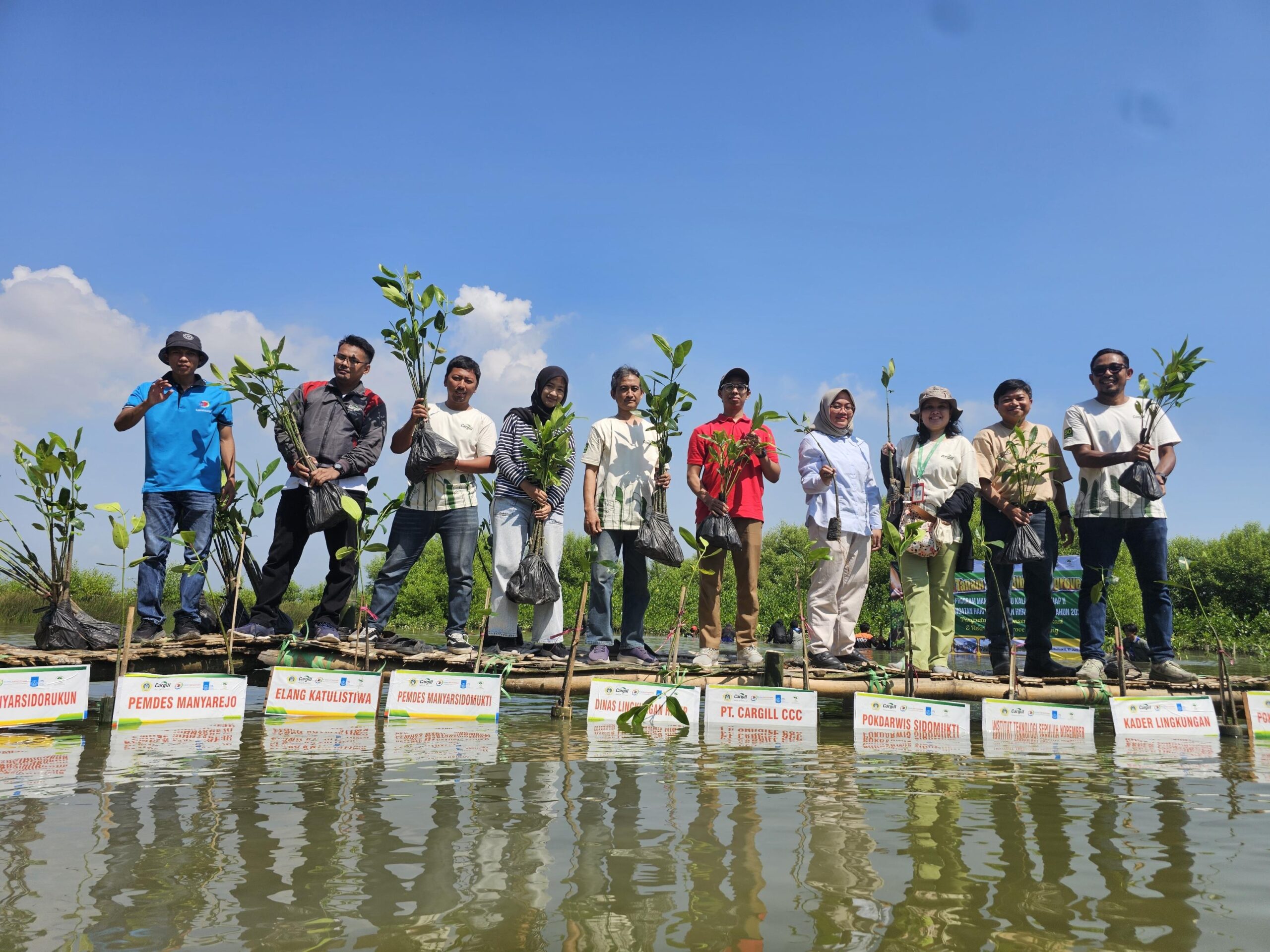 Figure 1: Cargill Marks 50 Years in Indonesia and World Environment Day with 3,500 Mangrove Seedlings Planted in Gresik
ITS also carried out coral reef restoration at Gili Noko, Gresik, during a four-day conservation initiative beginning on 29 May 2025. Participants transplanted 1,000 live coral fragments from healthy reef areas to degraded sites. The fragments were attached to new substrates coated with an organic antifouling innovation developed by ITS’s Department of Biology, applying university research directly to reef restoration. Activities also included releasing sea turtle hatchlings following captive care and removing beach litter to support coastal habitat protection. Local communities and the International ASEAN Blue Institute participated in the initiative.
At Taman Kili-Kili Sea Turtle Conservation Area, Trenggalek, ITS worked with the local conservation group Pokmaswas, the Fisheries Office and the Regional Disaster Management Agency to strengthen conservation management. A discussion on 17 September 2025 identified ecological and community-management challenges. ITS’s subsequent work included developing geospatial mapping, conservation education materials and videos, alongside support for the group’s public communication. The habitat remains important for olive ridley turtles (Lepidochelys olivacea), globally classified as Vulnerable, which local managers report are now the only turtle species regularly nesting there.
ITS further contributed to coastal restoration at Romokalisari, Surabaya, on 12 June 2025. Volunteers removed household waste and plastic debris and planted mangroves, sea pines, breadfruit and other trees. Government agencies, environmental organisations and industry partners, including PT Petrokimia Gresik and PT Wilmar Nabati Indonesia, supported the work through equipment, seedlings, sponsorship and public awareness. Partners proposed subsequent seedling monitoring and expansion of planting areas.
ITS develops technologies and practices addressing environmental pressures associated with fishing, boat operations and fisheries processing. In 2025, its work included practical applications in coastal communities and research into biological approaches to aquatic plastic pollution.
At Sontoh Laut, Surabaya, ITS community service team led by Dr. Lila Yuwana developed and donated a solar-powered electric boat for mangrove conservation operations. Local mangrove workers had relied on diesel-powered boats that generated engine noise and exhaust within the conservation area. The electric outboard system provides a quieter means of navigating shallow mangrove waters without combustion exhaust during operation. Rechargeable batteries and flexible solar panels power the boat, while removable components and waterproofed electrical systems address practical operating needs.
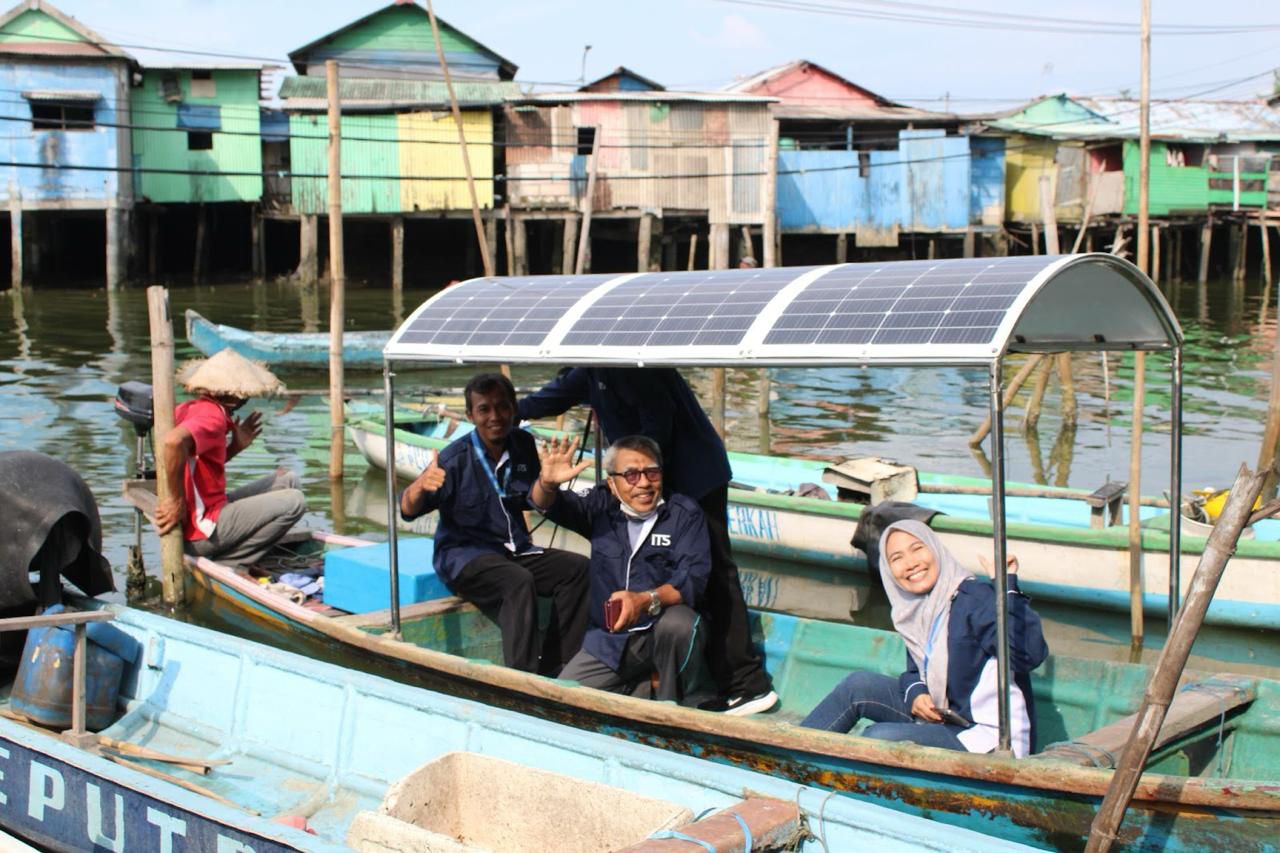 Figure 1: ITS Community Service Program Supports Mangrove Conservation through Solar-Powered Electric Boats
In Paciran, Lamongan, ITS continued to support the use of Lamusa Bahari, an LED fishing-light technology developed by its research team. The system uses adjustable light intensity and an optimised green-light spectrum designed to suit particular fish types and ages. Its intended benefits include energy efficiency and helping avoid overfishing and unintended catches, or bycatch. Following the donation of 40 lights in October 2024 with Pertamina Foundation, ITS visited participating fishers on 25 July 2025 and maintained communication with the fishermen’s union to monitor implementation.
ITS also introduced zero-waste processing practices to fisheries communities in Blitar on 13 October 2025 through its Sustainable Blue Economy Center. Fishers, processors, marketing groups and aquaculture practitioners learned how fish skin could become gelatin or snacks and how viscera could be fermented into liquid biofertiliser. These practices provide alternatives to discarding processing residues and support fuller use of fisheries resources.
Complementing these applications, Prof. Maya Shovitri investigated plastic-degrading bacteria isolated from the Wonorejo mangrove ecosystem in Surabaya. Research reported in 2025 identified bacterial genera associated with plastic-degrading enzymes and described a 12 per cent reduction in plastic dry weight over 16 weeks under experimental conditions. The findings provide a basis for further development of biological approaches to coastal plastic pollution, while industrial application remains a potential next step.
ITS demonstrates a strong commitment to upholding water quality to protect ecosystems, wildlife, and human health and welfare through the establishment of water quality standards and discharge management guidelines. This commitment is stated in the Rector Circular Letter on ITS Commitment as a Green and Sustainable Campus, specifically in Chapter 7 (Water Management) and Chapter 8 (Waste Management). Several examples include:
Meanwhile,
- Encouraging a culture of clean water conservation (point a).
- Implementing water-saving technologies across campus facilities (point b).
- Treating and recycling wastewater through sustainable water management systems (point c).
- Reusing recycled water for plant irrigation, toilet flushing, and general cleaning (point d).
- Utilizing rainwater harvesting as an alternative water source (point e).
- Conserving water through optimizing campus reservoirs and lakes for rainwater storage and flood control (point f).
- Preventing contamination of surface water, rivers, and marine bodies (point l).
- Managing hazardous and toxic waste (B3) in accordance with environmental regulations (point m).
- Ensuring sustainable wastewater treatment (point n).
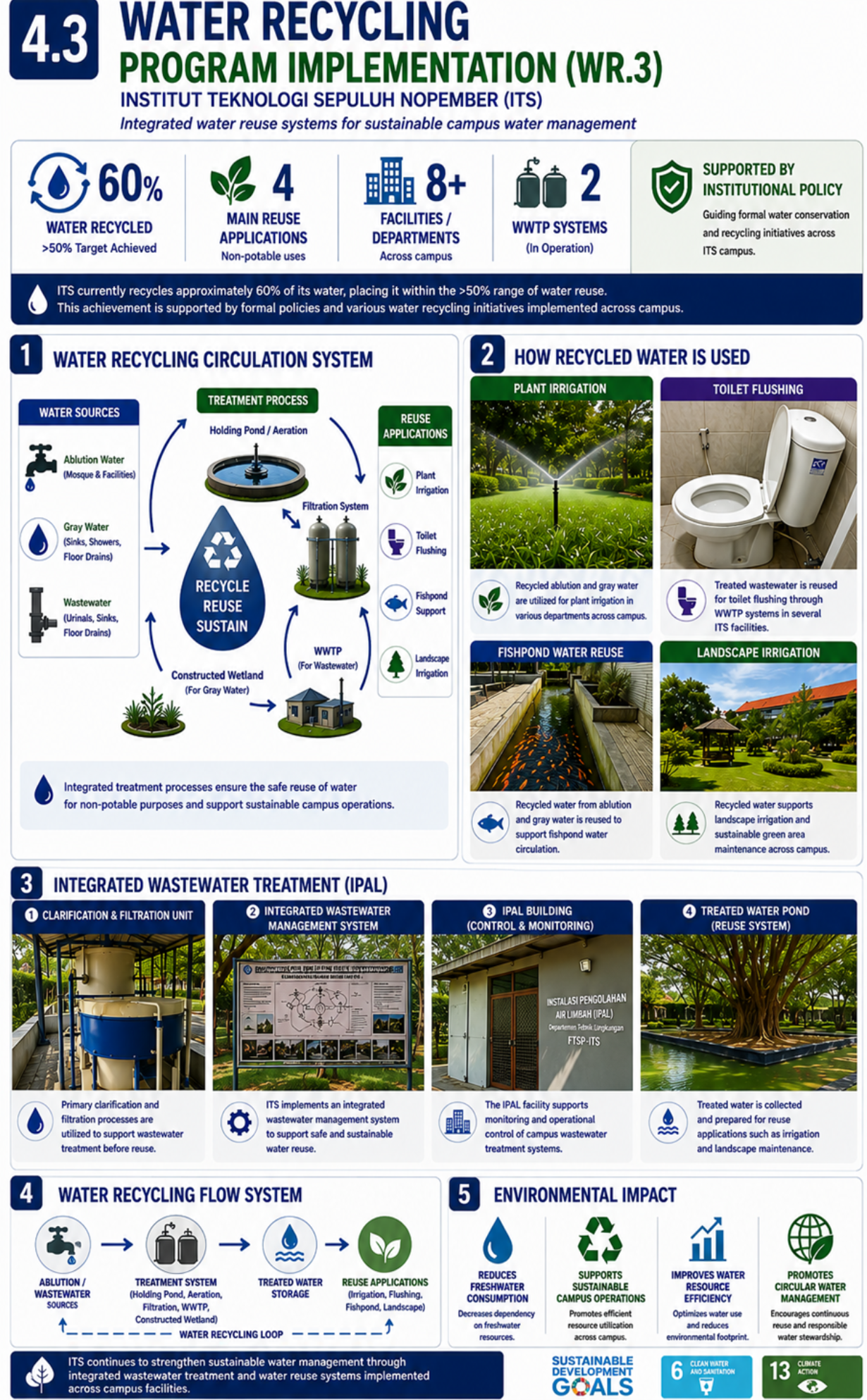 Figure 1: Water Recycling Program Implementation
The implementation of these policies is reflected in ITS’ Wastewater Treatment Plant, which employs Anaerobic Baffled Reactors (ABR) and simple treatment systems such as grease traps and sedimentation ponds. The Central Canteen operates an ABR treatment system, while facilities at the Departments of Chemistry and Environmental Engineering manage organic laboratory wastewater. At the Rectorate and Research Center buildings, treated wastewater is reused for toilet flushing.
ITS’ published operational guidance specifies weekly inspections of collection wells and removal of floating debris, monthly cleaning of manholes, and maintenance of pipes, pumps, blowers, and electrical components. Wastewater samples undergo laboratory testing twice a year to assess treatment effectiveness, while professional desludging is scheduled every two years. These procedures support treatment performance and help prevent blockages, overflows, and contamination of surrounding waters.
The guidance identifies ITS’ Environmental Evaluation Document (DELH) and East Java Governor Regulation No. 72 of 2013, Appendix III.4 on domestic wastewater quality standards, as references for wastewater management. These documented arrangements connect treatment infrastructure with operational guidelines, periodic quality testing, and discharge-quality requirements intended to protect aquatic ecosystems and human health.
ITS demonstrates its strong commitment to becoming a sustainable campus through concrete actions and policies to reduce plastic waste in campus operations. This commitment is clearly outlined in the Rector Circular Letter on ITS Commitment as a Green and Sustainable Campus, particularly in
- Promoting waste management based on the 3R principles (Reduce, Reuse, Recycle) through waste segregation at source, minimizing waste generation, recycling, and reusing campus waste (point a).
- Minimizing the use of single-use materials, especially plastic and/or paper, in procurement and purchasing activities, and extending this policy to third parties and suppliers operating within the campus environment (point b).
- Reducing the use of plastic-based single-use bags, food containers, and drink packaging in both on-campus and off-campus events (point c).
- Providing refillable water dispensers and washable reusable cups in workspaces, meeting rooms, halls, and auditoriums to reduce the use of bottled water and plastic cups (point d).
- Reducing the use of plastic-based banners, backdrops, and other promotional media for meetings, training sessions, and socialization events (point e).
This commitment is further implemented through the Standard Operating Procedure (SOP) of the ITS Central Canteen for Sustainable Canteen Management under the Zona Kuliner Halal, Aman, dan Sehat (Zona KHAS) program. In Chapter II – Policy and Procedures, the canteen enforces policies requiring:
In Chapter III – Implementation and Review, the SOP also ensures:
- All canteen tenants to reduce plastic and single-use material usage while maintaining halal certification, hygiene, and health standards (point 1).
- Suppliers and partners to comply with the same standards by minimizing packaging and encouraging bulk or eco-friendly packaging (point 3).
- The inclusion of plastic reduction clauses in all tenant contracts to align with ITS’s commitment to providing halal, clean, and healthy food services (point 1).
- The extension of plastic minimization requirements to all suppliers, who must provide products with minimal or environmentally friendly packaging (point 2).
ITS’ policy explicitly addresses preventing pollution of water bodies, rivers, and the sea. This commitment is set out in the Rector Circular Letter on ITS’ Commitment as a Green and Sustainable Campus No. 9665/IT2/T/TU.00.08/V/2024, issued on 2 May 2024. Its provisions address land-based pollution sources through wastewater management, plastic and solid-waste reduction, and hazardous-waste controls, supported by compliance with Indonesia’s applicable environmental regulations. The following are English summaries of the relevant provisions.
- Preventing pollution of water bodies, rivers and the sea (point l).
- Managing and monitoring environmental quality in accordance with applicable regulations (point k).
- Reducing waste from campus activities through the 3R principles—Reduce, Reuse and Recycle—including source segregation, waste reduction, recycling and material reuse (point a).
- Minimising single-use materials, particularly plastics and paper, in procurement and purchases, and extending these expectations to third parties and suppliers within the campus environment (point b).
- Reducing disposable plastic bags, food containers and beverage packaging in on-campus and off-campus activities (point c).
- Managing hazardous and toxic waste (B3) in an environmentally responsible manner and in accordance with applicable requirements (point m).
- Implementing sustainable wastewater management (point n).
- Undertaking water treatment and recycling through sustainable wastewater management (point c).
- Reusing treated water for plant irrigation, toilet flushing and general campus cleaning (point d).
- Harvesting rainwater as an alternative water source (point e).
- Conserving water by optimising campus reservoirs and ponds for rainwater storage and flood control (point f).
- Considering ecosystem sustainability impacts in campus development (point a).
- Strengthening the university’s involvement in managing vulnerable ecosystems, including wetlands, mangroves and peatlands (point d).
- Promoting research and education on aquatic ecosystems to preserve campus lakes and ponds (point h).
ITS also follows Government Regulation No. 22 of 2021 on the Implementation of Environmental Protection and Management. The regulation establishes the national framework for protecting water and marine environmental quality, controlling pollution, and managing hazardous and non-hazardous waste. It provides the regulatory framework supporting the circular’s provisions on environmental quality monitoring, pollution prevention and waste management.
For domestic wastewater, ITS also follows Minister of Environment Regulation No. 11 of 2025 on Wastewater Quality Standards and Wastewater Treatment Technology Standards for Domestic Wastewater, effective from 9 September 2025. Its treatment requirements and wastewater quality standards provide a regulatory reference for controlling domestic wastewater as a land-based pollution source, complementing the circular’s provisions on treatment, recycling and reuse.
ITS has developed a comprehensive plan to minimize physical, chemical, and biological alterations of aquatic ecosystems through the implementation of the Standard Operating Procedure (SOP) for Wastewater Treatment Installation (IPAL). The IPAL system is designed to treat biological and chemical waste from campus activities to ensure that discharged water is safe for the environment. The treatment process is carried out through Anaerobic Baffled Reactor (ABR) systems or simpler installations using grease traps and sedimentation ponds. These systems help reduce pollutants and enable water reuse within the campus. Several examples of IPAL implementation at ITS include:
- Carrying out water treatment and recycling through sustainable wastewater management (point c).
- Harvesting rainwater as an alternative water source (point e).
- Implementing water conservation efforts by optimizing reservoirs and ponds as rainwater storage and flood control systems within the campus area (point f).
- Managing and monitoring environmental quality in accordance with existing regulations (point k).
- Preventing pollution of water bodies, rivers, and seas (point l).
- Implementing sustainable wastewater management practices (point n).
- Considering ecosystem sustainability impacts in campus development activities (point a).
- Enhancing the role of ITS in managing vulnerable ecosystems such as wetlands, mangroves, and peatlands (point d).
- Promoting research and educational activities focused on aquatic ecosystems to preserve lakes and ponds within the campus area (point h).
- Carrying out conservation efforts and maintaining the quality of natural ecosystems (point i).
ITS monitors aquatic ecosystem conditions through field observations, water-quality assessments, and biological surveys. Its work examines mangrove vegetation, associated biodiversity, and river conditions, providing site-specific information relevant to ecosystem management.
On 20–22 June 2025, the Department of Ocean Engineering conducted the Mangrove Observation Program at Cengkrong, Trenggalek. Field observations on 22 June covered a 150-hectare mangrove area managed by the local community with support from the Trenggalek Marine and Fisheries Office. Participants identified mangrove types, measured the height and trunk dimensions of mature trees, and inventoried associated flora and fauna. Discussions with local managers addressed conservation challenges. These observations collected information on vegetation structure and biodiversity within the coastal ecosystem; a zoning map was planned as a subsequent output.
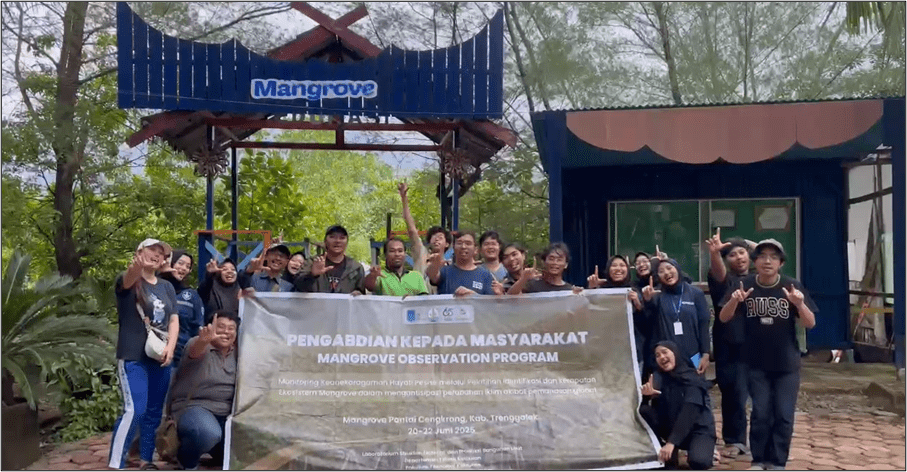 Figure 1: Mangrove Observation Program 2025: Synergy Between Academics and the Community in the Cengkrong Mangrove Area, Trenggalek
ITS supports aquatic stewardship through programmes that connect responsible resource use with community skills, technical assistance, and environmental management. In 2025, its work included fisheries training under the Sustainable Blue Economy Center (SBEC), continuing assistance to aquaculture groups, and participation in coastal habitat restoration.
Established on 28 November 2024 through the EU-funded SustainaBlue project, SBEC provides an institutional framework for transferring university knowledge and practical solutions to coastal communities. On 13 October 2025, SBEC ITS conducted zero-waste fisheries training in Dusun Progo, Blitar, for fishers, fish-processing and marketing groups, and aquaculture practitioners. Participants learned to recover useful products from fish skin and viscera, encouraging fuller use of harvested resources and alternatives to discarding processing residues.
Continuing technical support also formed part of ITS’ collaboration with Pelindo Group. Through the Pelindo Teman Nelayan programme, ITS assisted community groups in soft-shell crab cultivation using vertical systems with recirculating water technology. Training covered cultivation and water management, supported by technical consultation, progress monitoring, and budgeting assistance. On 8 February 2025, ITS conducted monitoring, evaluation, and assistance with participating groups in Tambak Osowilangun, Romokalisari, and Tenggulunan. This follow-up supported the application of cultivation practices beyond initial training.
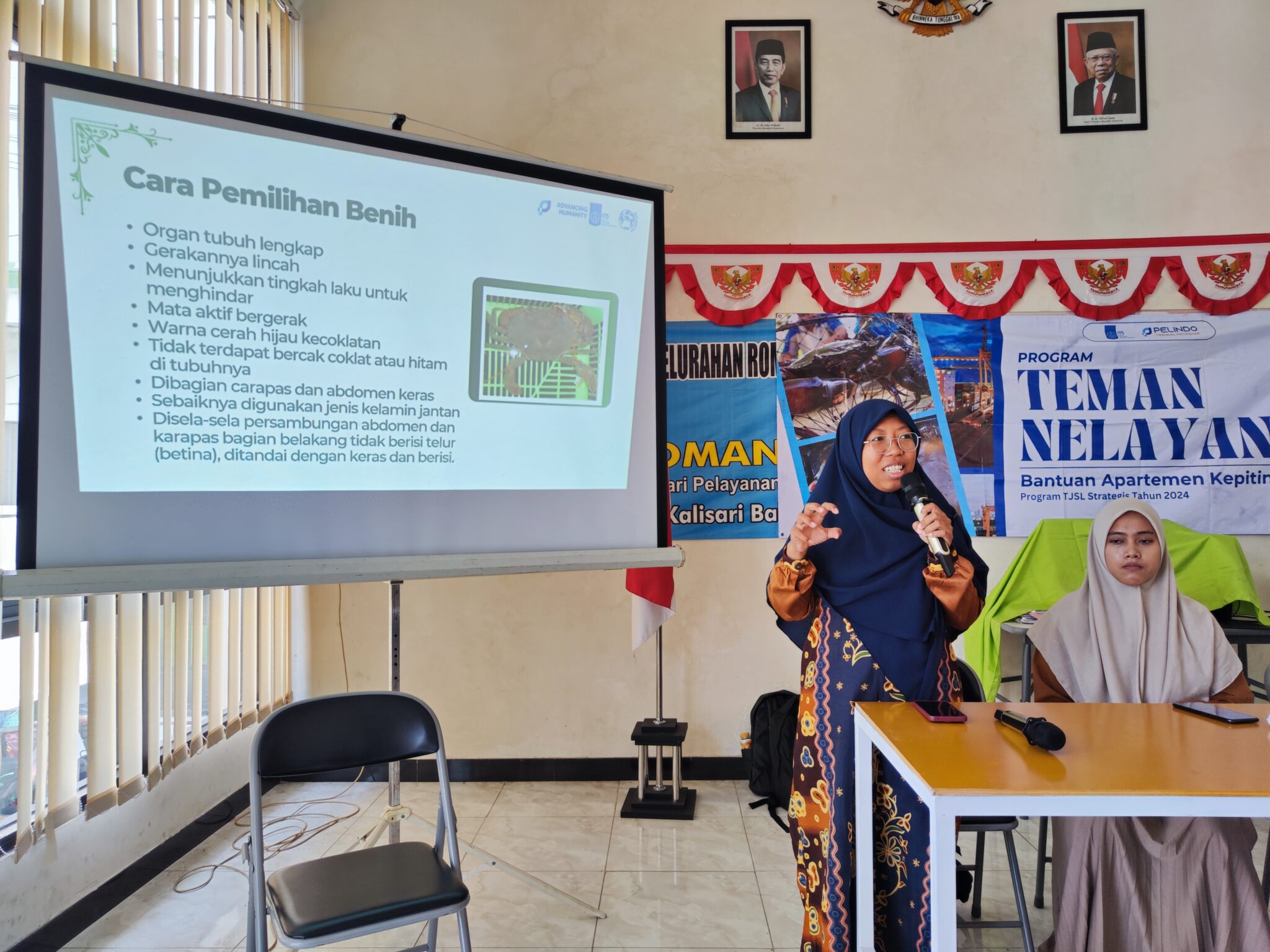 Figure 1: Optimizing Fishermen's Income: ITS and Pelindo Group Innovate 'Soft-Shell Crab Apartments'
Habitat stewardship was reinforced through mangrove conservation. ITS participated in the Kalimireng Blue Mangrove programme’s 2025 planting activity with Cargill Indonesia and YEKA, contributing to an established restoration partnership. At Pulau Cisiu, Gresik, ITS also linked mangrove planting with instruction from local site managers on mangrove species and nursery techniques. These programmes supported practical stewardship through resource recovery, water management, community participation and habitat care. Training and continuing technical assistance helped connect environmental knowledge with practices used in fisheries livelihoods and coastal management.
ITS also advanced marine conservation through a four-day initiative at Gili Noko, Gresik, involving international exchange students, local communities, and NGOs, including the International ASEAN Blue Institute. Activities included transplanting 1,000 coral fragments to restore degraded reefs, releasing rehabilitated sea turtle hatchlings into their natural habitat, and cleaning beaches. By highlighting women's roles in sustainable tourism, the initiative connected marine biodiversity conservation with inclusive community participation.
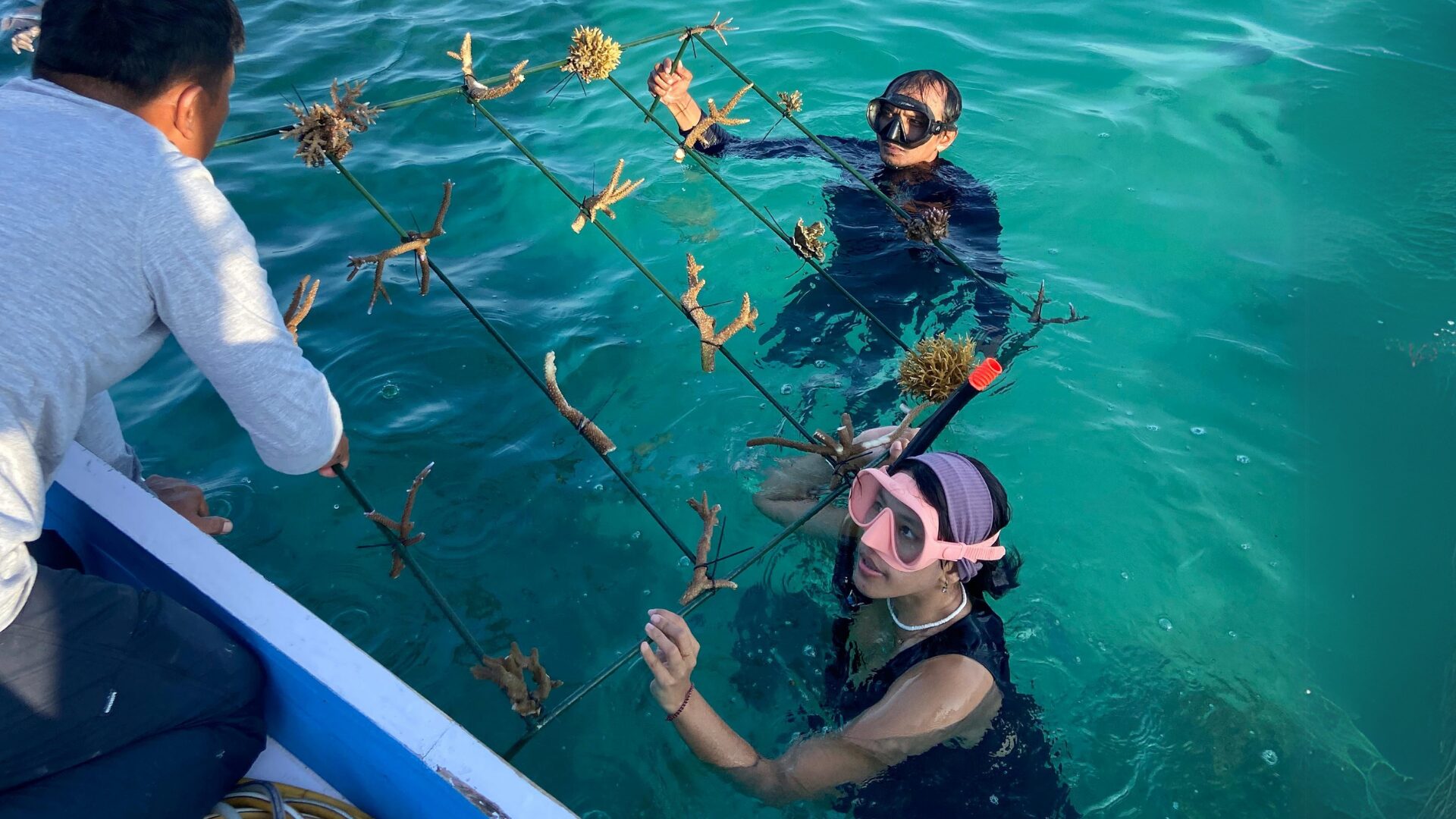 Figure 1: ITS Promotes the Role of Women in Marine Ecosystem Conservation
In July 2025, ITS further supported coastal ecosystem protection through mangrove planting at Pulau Cisiu, Ujungpangkah, Gresik. As part of project-based learning, students worked alongside local site managers and engaged with coastal communities to understand erosion and the importance of mangroves as natural coastal defenses. Supported by local government and industry partners, the initiative strengthened collaboration in coastal conservation, environmental education, and sustainable ecotourism.
ITS supports watershed management through an institutional research agenda and location-specific studies of aquatic biodiversity and river-water conditions. The Research Center for Infrastructure and Sustainable Environment identifies watershed management as a focus within its natural-resource management roadmap, alongside environmental monitoring, pollution control, and remediation.
This direction is reinforced by the Rector Circular Letter of ITS’ Commitment as a Green and Sustainable Campus. The circular establishes commitments to aquatic ecosystem protection, local biodiversity conservation, management of vulnerable ecosystems, and conservation, rehabilitation, and restoration activities. In the official ITS research roadmap 2025-2029, the Roadmap Pusat Penelitian Infrastruktur dan Lingkungan Berkelanjutan identifies integrated watershed management as a research topic. Its 2025 agenda includes assessing water-source availability at the watershed scale. The broader roadmap also addresses pollution monitoring, remediation, and environmental protection. The Research Center for Infrastructure and Sustainable Environment’s webpage reinforces this institutional direction by listing watershed management, land-use planning, remediation technology, and environmental monitoring among its research priorities.
Location-specific biodiversity evidence is provided by Ms. Puspa Nirmala Kuncoro's study of the Brantas River in Mojokerto. Using environmental DNA metabarcoding, researchers compared water samples with samples from the freshwater sponges Eunapius carteri and Oncosclera asiatica. The findings characterised local biological communities and showed that water samples captured broader taxonomic coverage, supporting the selection of methods for aquatic biodiversity assessment.
A complementary 2025 hydrodynamic study from Ms. Shofia Aabidah Amatulloh of Kali Surabaya and Kali Mas within the Brantas watershed used MIKE21 and MIKE ECOLab to assess river flows and seasonal water-quality conditions. It proposed responses tailored to different river segments, including upstream aeration, midstream waste-load reduction, and downstream community clean-ups and urban buffers. Together, the roadmap and 2025 studies provide an institutional framework and scientific inputs for watershed management suited to local environmental conditions and aquatic biodiversity.