Published on
Wednesday, 13 May 2026
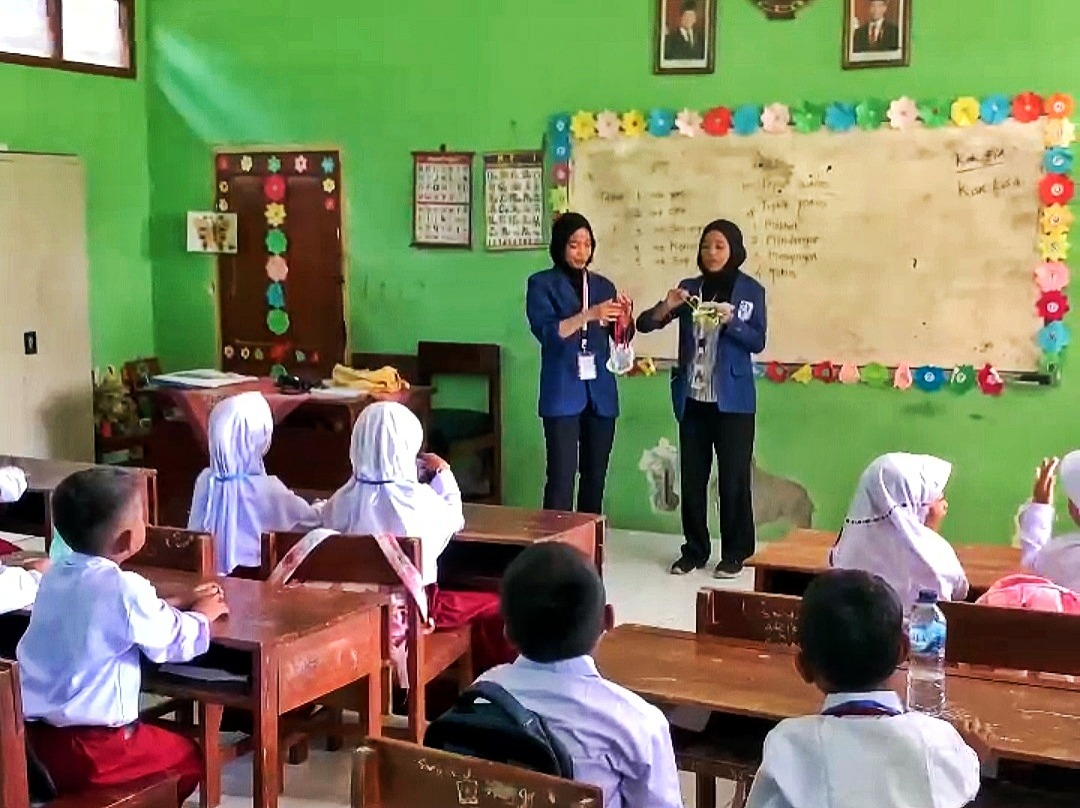
Nganjuk, ITS News — Students participating in the Thematic Community Service Program (KKN) on Literacy from the Sepuluh Nopember Institute of Technology (ITS) are presenting various literacy programs for the people of Malangsari Village, Tanjunganom District, Nganjuk Regency, East Java. Through various educational activities, school outreach, and the development of the Malangsari Village Library – Tunas Harapan, ITS students are striving to build a culture of literacy accessible to all ages.
The Thematic Literacy Community Service Program is divided into two 40-day groups. The program targets not only children and adolescents but also adults and the general public to create a sustainable literacy ecosystem in the village.
Dr. Sri Yani Purwaningsih, MSi, ITS Community Service Field Supervisor (DPL), explained that literacy is a crucial foundation for developing community quality. She emphasized the importance of understanding, above all, providing access to useful and educational reading materials. “Literacy isn’t just about reading; it’s also the ability to understand and apply information in everyday life,” she said.
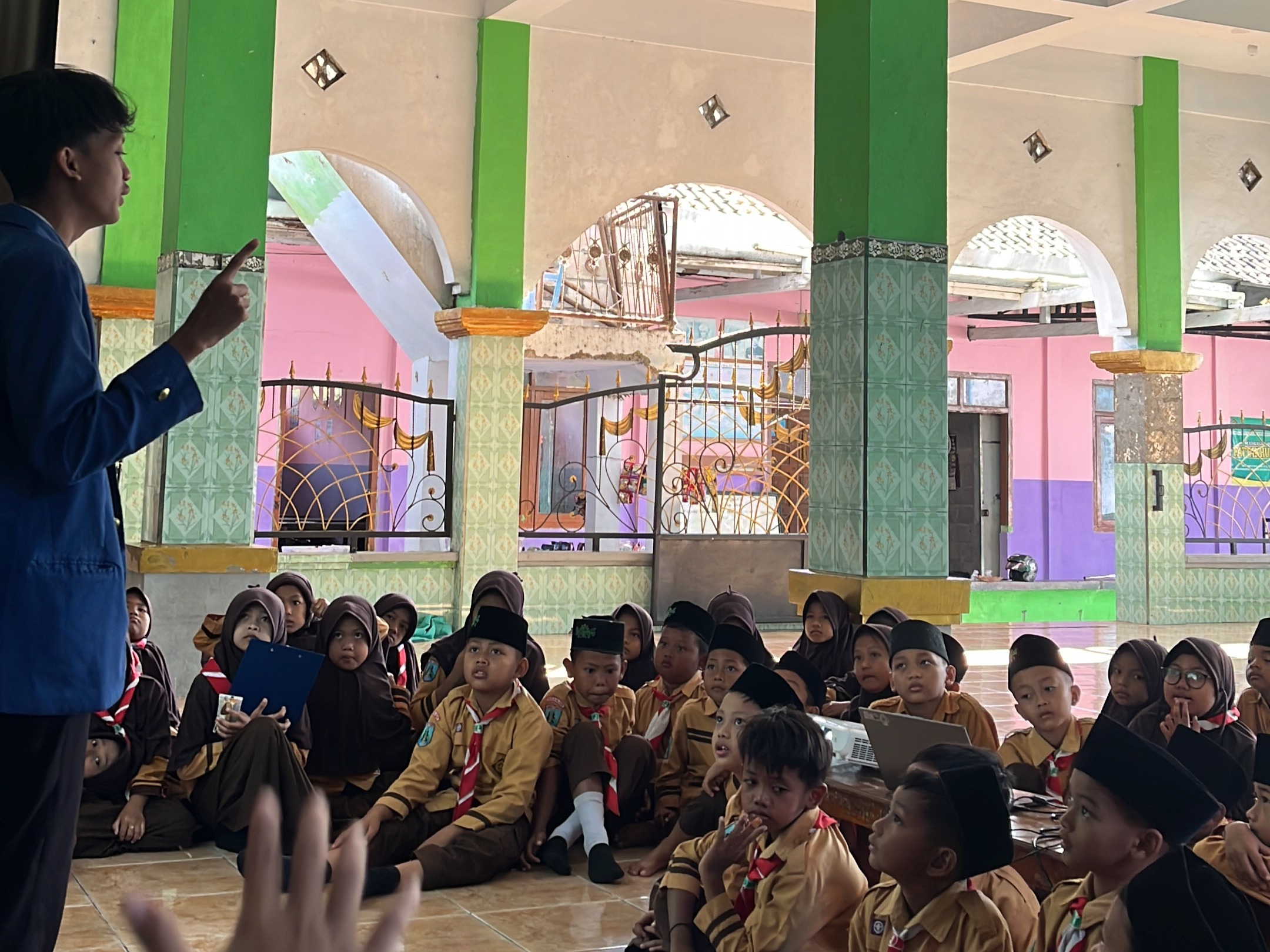
In line with the program’s core objectives, the first student group, consisting of Budi Aditya Hartanto, Fara Uthari, Kintan Azzahra, Aliya Larasati, and Alysha Bella, agreed to build a culture of literacy through engaging methods. Budi Aditya Hartanto and his colleagues conducted a literacy outreach program at SMPN 2 Tanjunganom on July 11-12, 2025.
Targeting new students undergoing orientation, Budi and his team presented materials on reading, writing, and critical thinking in an engaging manner. This way, the education delivered was easily understood by students still undergoing this transitional period.
Vice Principal Endang Mariati, SPd, expressed her deep appreciation for the educational activities undertaken by the ITS students. She noted that the outreach activities created a fresh atmosphere during the orientation. “The children received literacy training from an early age through a fun method, so they didn’t get bored during orientation,” she said.
It didn’t stop there. The outreach continued at SDN Malangsari and MI Fattahul Irsyad on July 16 and 18, 2025. The ITS Community Service Program students also adapted their teaching methods to suit the age of the participants. The first group of students designed engaging educational activities, including guessing pictures and word games, and interactive storytelling.
As previously stated by the ITS Community Service Program (KKN) DPL, this group also introduced the Malangsari – Tunas Harapan Village Library as a community learning center. The library was presented not only as a place to read but also as a space for educational activities for residents.
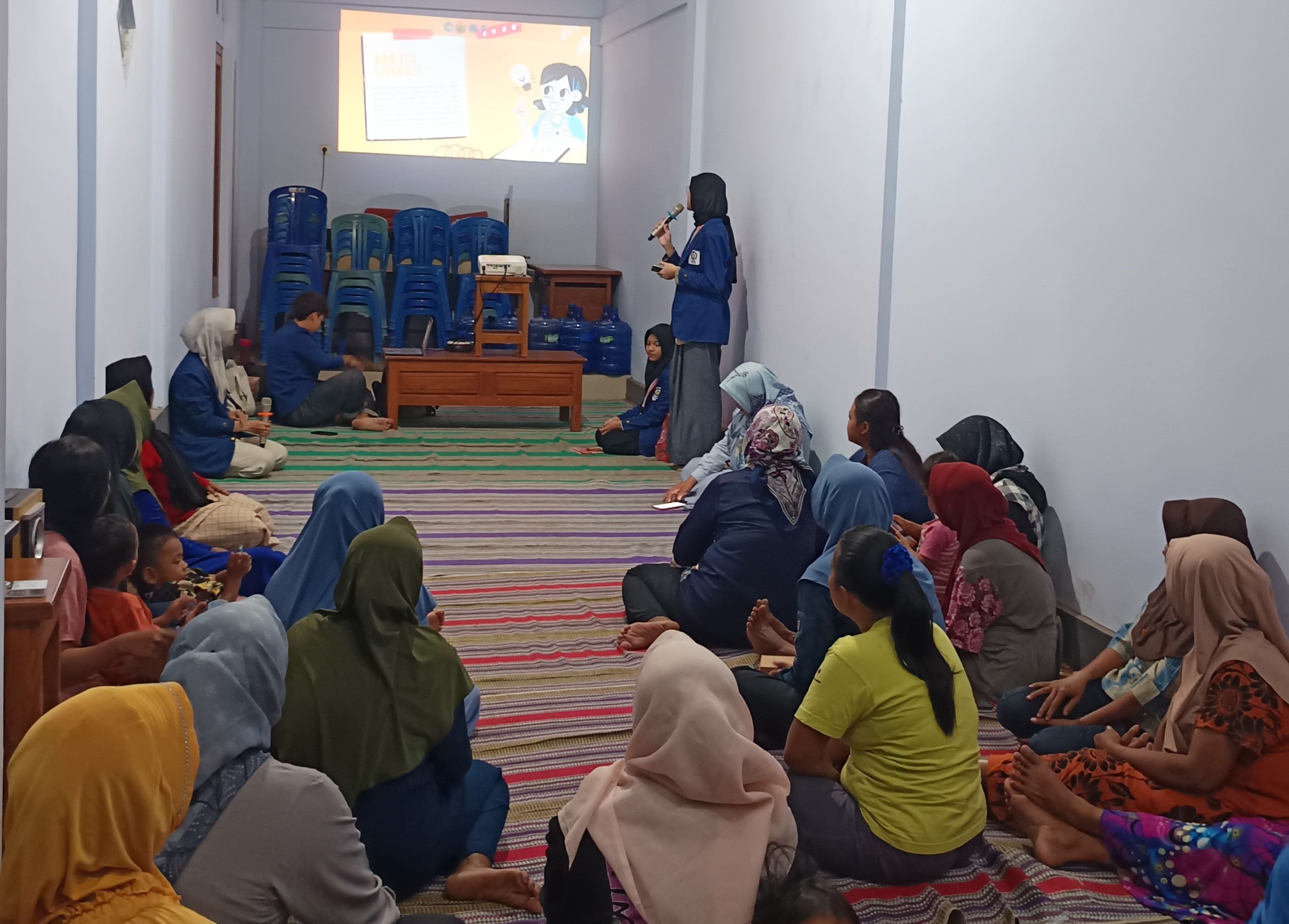
Furthermore, Shavira Alya Rahma, Lovely Gwyneth Giselle Mait, Khoirunnisa Laila Setiawati, Syifaul Azka Ramadhani, and Nayottama Surya Setyawibawa, who were part of the second group, continued the village library development program. Over 20 days, the student team conducted an inventory and reorganization of the book collection, conducted evening study sessions, and held morning exercises with students from Pertiwi Kindergarten and SDN 2 Malangsari.
Shavira and her team also held an educational event titled ” Safe Gadgets, Street Literacy: Accompanying Children in the Digital Era” in several hamlets at the end of July 2025. The outreach was aimed at raising awareness among parents about the importance of monitoring their children’s smartphone use. “Because the important role of parents is essential for healthy and safe gadget use in children and building reading habits at home even with gadgets,” said Lovely Gwyneth Giselle Mait, a member of group 2.
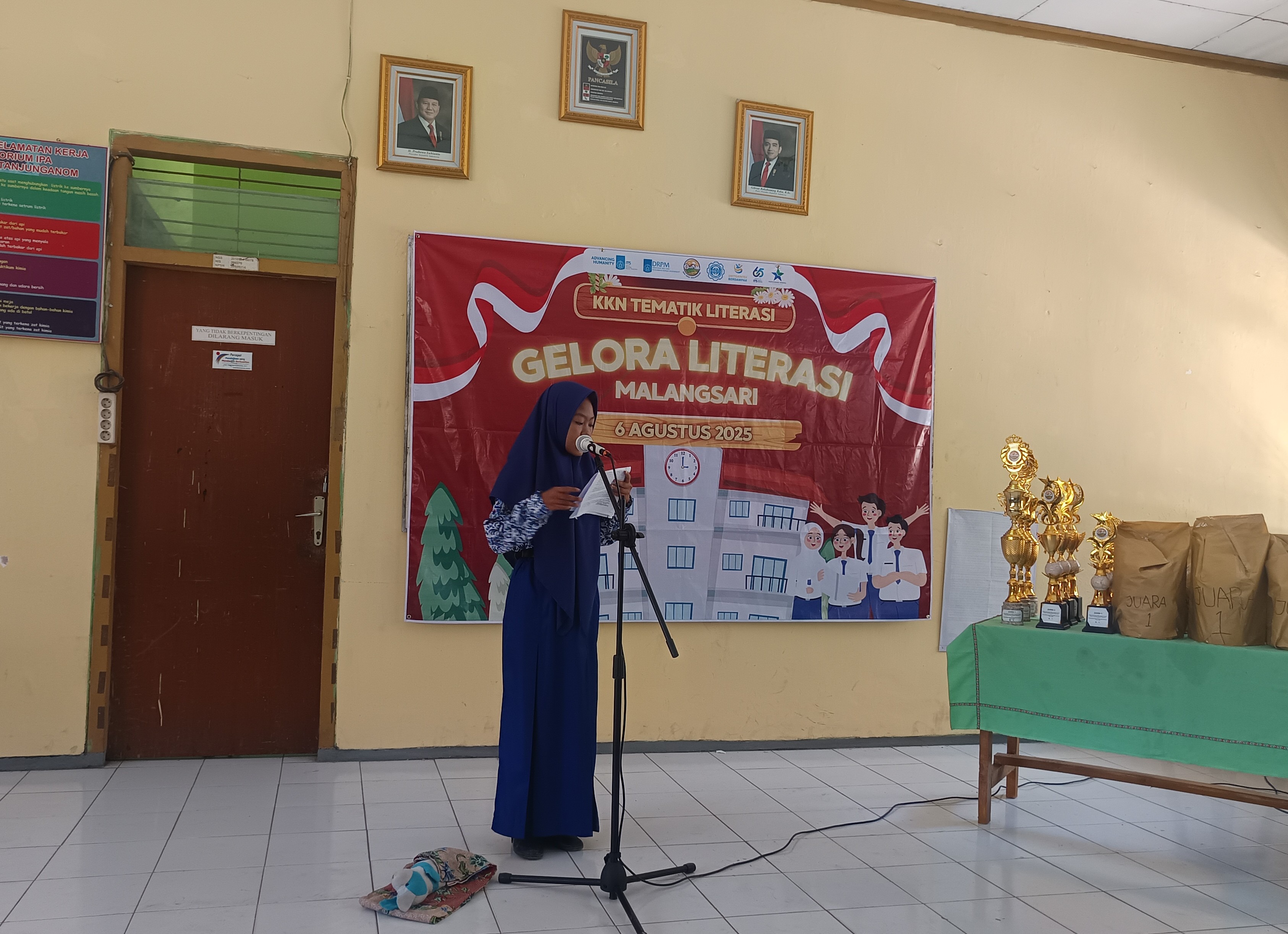
Not only that, this KKN group also held the 2025 Malangsari Literacy Competition in order to provide space for developing the interests and talents of SMPN 2 Tanjunganom students on August 6, 2025. The competition included reading aloud, poetry, and storytelling for grade 7 students.
During the implementation, the students discovered that the Malang Sari Village Library had not yet been widely publicized within the community. Therefore, they presented a library signboard as a symbol to the village government. This provided a solution to help the community recognize the library’s presence in their village.
The Head of the Malangsari Village Library, Koirul Nisak, expressed his appreciation for the ITS students’ contribution to the development of the village library. He stated that the collaboration has helped increase community interest in literacy activities.
Through this series of programs, ITS Community Service Program students hope that village libraries can continue to develop into active and sustainable literacy centers. With the support of schools, village governments, and the community, this program is expected to create a generation that is more enthusiastic about reading, creative, and competitive.
The ITS Thematic Literacy Community Service Program (KKN) supports the Sustainable Development Goals (SDGs). Specifically, SDG 4, on Quality Education through increased public literacy, SDG 11, on Sustainable Cities and Settlements through strengthening education-based public facilities, and SDG 17, on Partnerships to Achieve Goals through collaboration between universities, schools, village governments, and communities. (*)