Published on
Friday, 8 May 2026
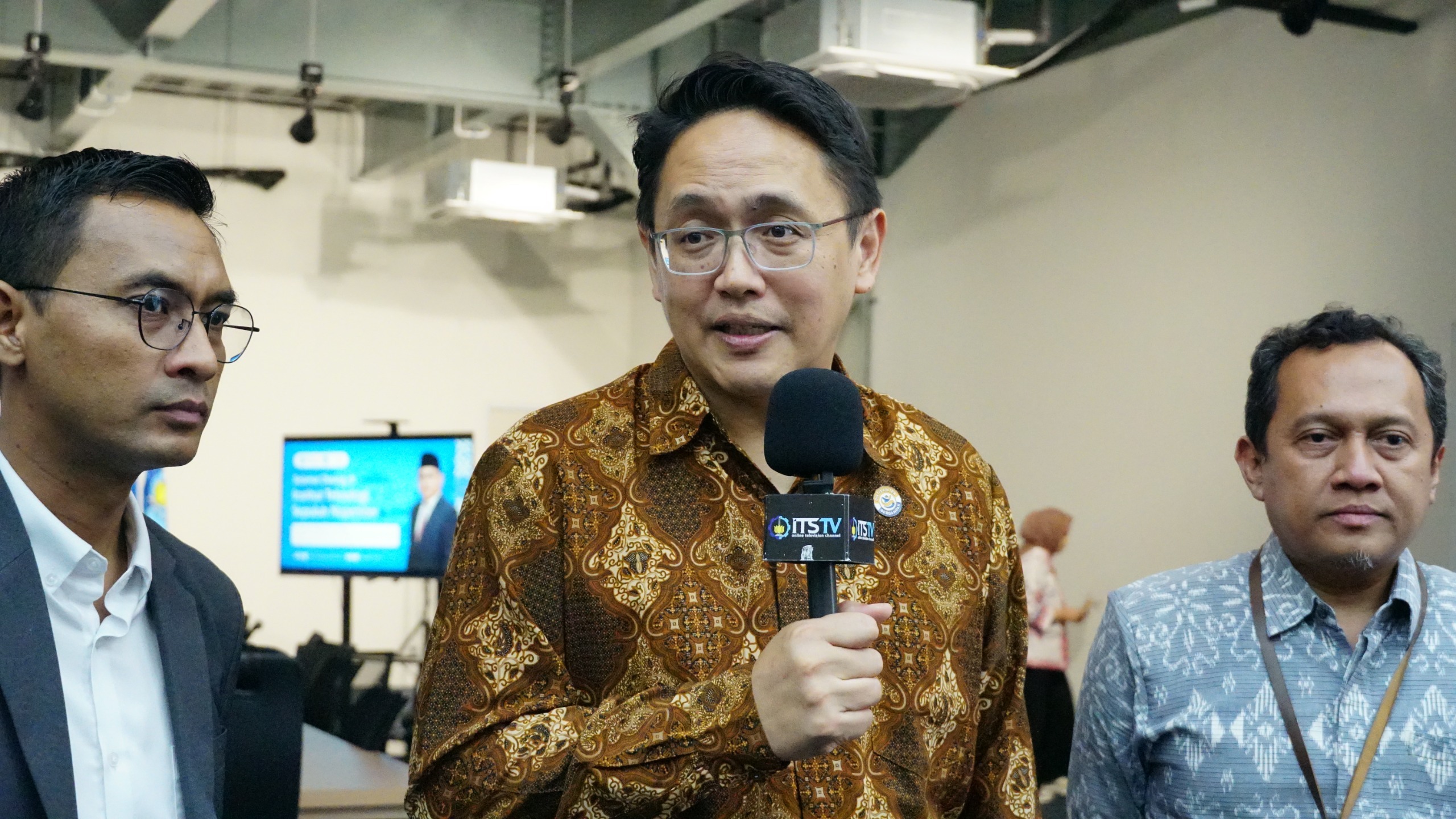
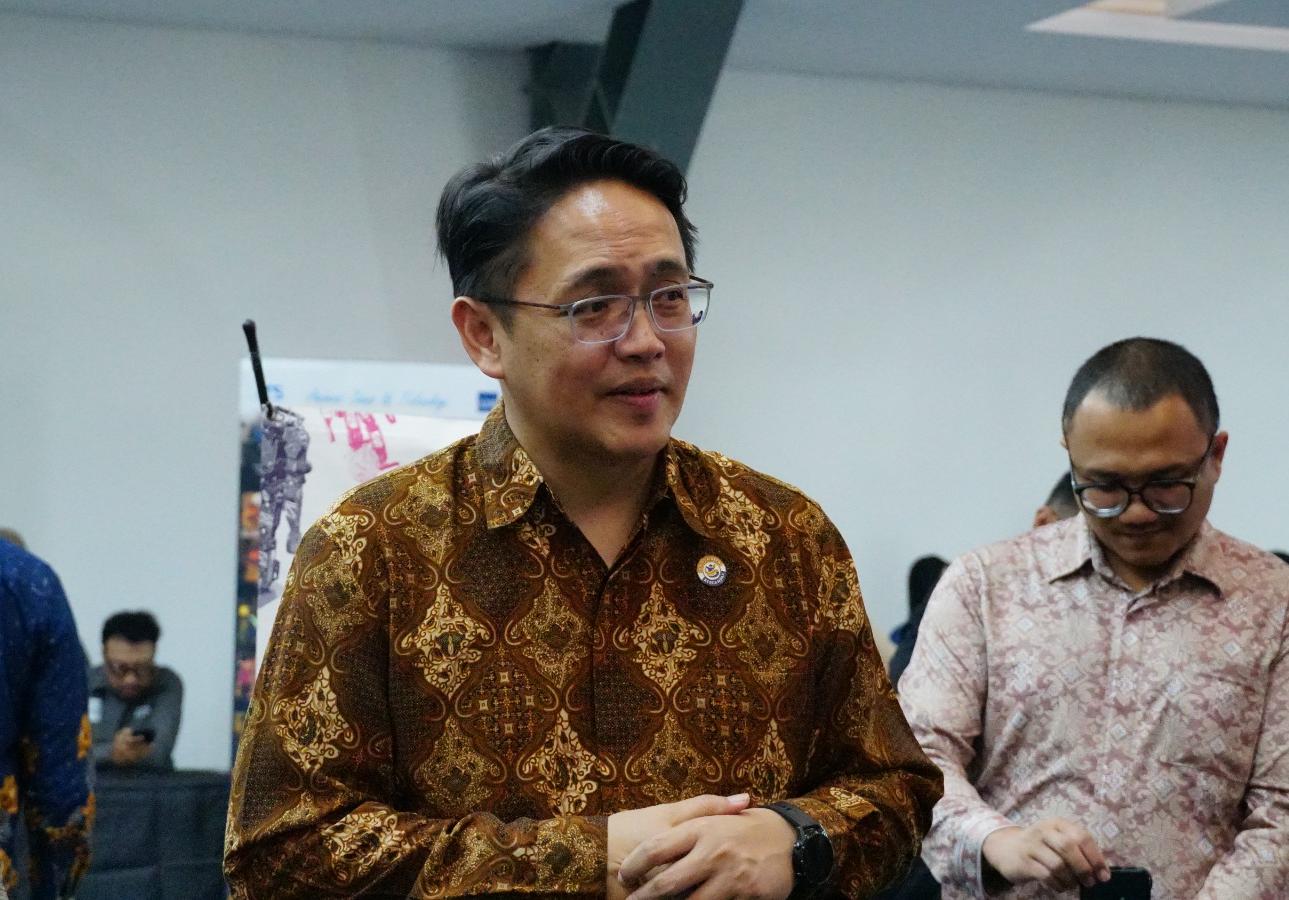
ITS Campus, ITS News — The Sepuluh Nopember Institute of Technology (ITS) continues to strengthen its position as a driving force for national innovation. To that end, the Director General of Research and Development (Dirjen Risbang) of the Indonesian Ministry of Higher Education, Science, and Technology (Kemdiktisaintek) Dr. Mohammad Fauzan Adziman ST MEng provided concrete support after directly reviewing the readiness of various superior ITS innovative products in addressing the issue of energy and LPG scarcity in the community.
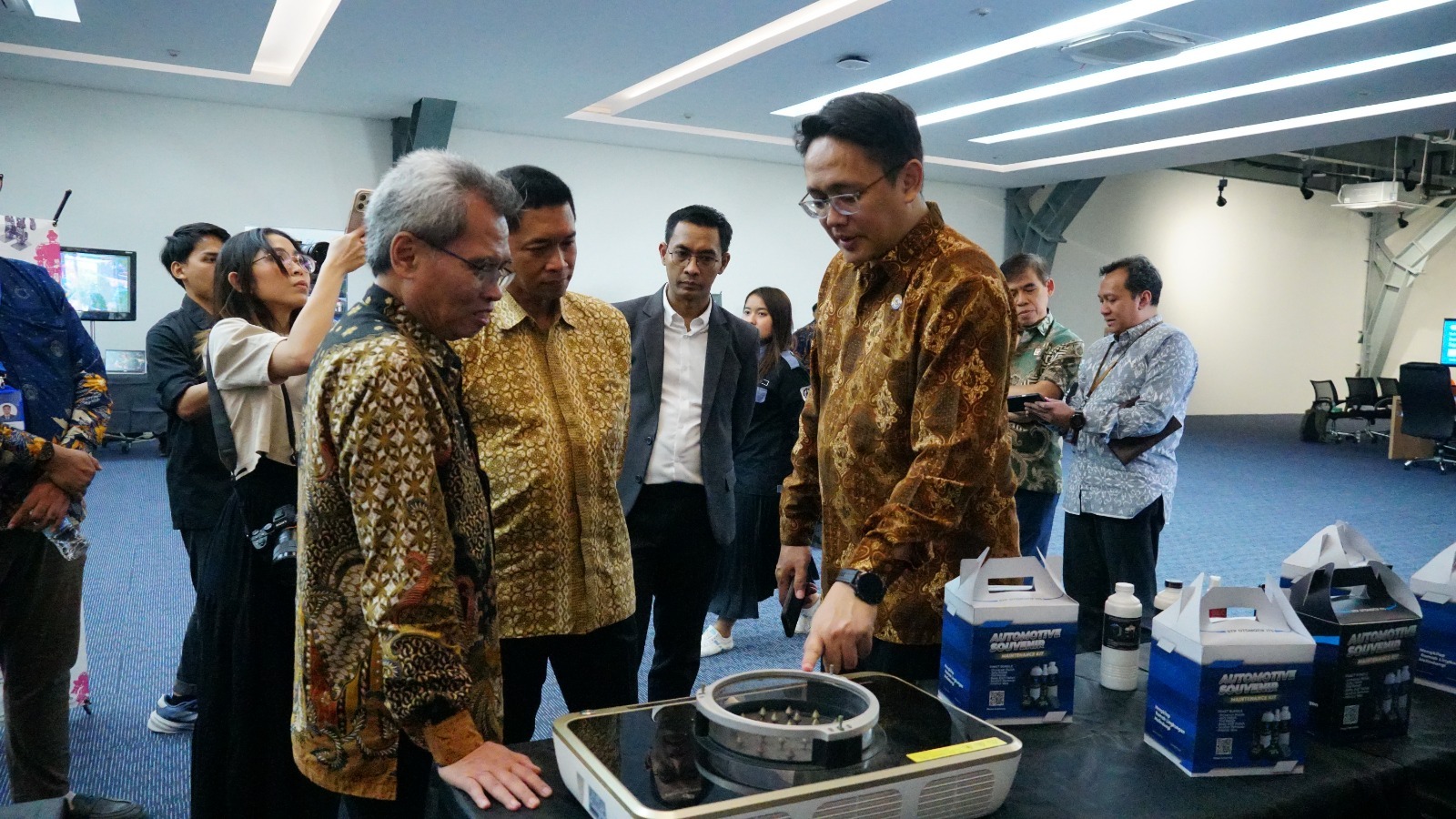
During his visit, Fauzan directed ITS’s innovations to be released immediately to the industrial market and the wider public. One such innovation is a plasma stove and electric motor. Unlike conventional induction devices, the plasma stove innovation created by ITS researchers utilizes filament technology, which generates heat energy similar to a real flame.
The Bandung-born man believes that the ITS researchers’ innovations are expected to significantly reduce national energy subsidies. “As a result, energy subsidies can be redirected to other, more productive development sectors,” he said during a visit to the ITS Science Techno Park (STP).
Furthermore, Fauzan emphasized the importance of innovation not only in applying technological advancements. To achieve complete downstream adoption in society, he believes non-technical aspects are necessary. “It’s crucial for researchers not to go it alone, as financing modeling, understanding consumer behavior, and large-scale manufacturing readiness must all be taken into consideration,” he cautioned.
To that end, according to Fauzan, the Directorate General of Research and Development is ready to provide space for researchers to refine innovations through collaboration. Fauzan and his team will create a consortium scheme by bringing together experts from various scientific fields and partners. “A cross-disciplinary consortium is needed, from electronics and engineering physics to economics and law to oversee regulations and product downstreaming,” he explained.
In line with this, ITS Vice Rector IV for Research, Innovation, Cooperation, and Alumni, Prof. Ir. Agus Muhamad Hatta, ST, MSi, PhD, emphasized the university’s commitment to building a solid triple helix synergy . “The presence of ministries and investment institutions like Danantara is believed to be able to bridge the gap between research prototypes and commercial products,” Hatta said.
The ITS Engineering Physics professor also outlined ITS’s extensive track record in developing national electric vehicles, from motorcycles and cars to electric buses. Going forward, ITS will focus on strengthening the electric vehicle ecosystem through the development of new units and a program to convert internal combustion engines.
With the support of government-approved laboratory facilities for certification and testing, ITS is optimistic about accelerating the industry’s standardization process. This way, these innovations will be readily adopted by the industrial sector in the near future.
Through the integration of high technology and an increasingly comprehensive STP ecosystem, ITS continues to demonstrate its role as a center for semiconductor development and future technologies that have a significant impact on national sovereignty. This aligns with the Sustainable Development Goals (SDGs), particularly point 4 on Quality Education and point 9 on the development of Industry, Innovation, and Infrastructure. (ITS Public Relations)
Reporter: Syifa Rahmadina
Translator: Devinka Mutianeira