Published on
Friday, 17 April 2026
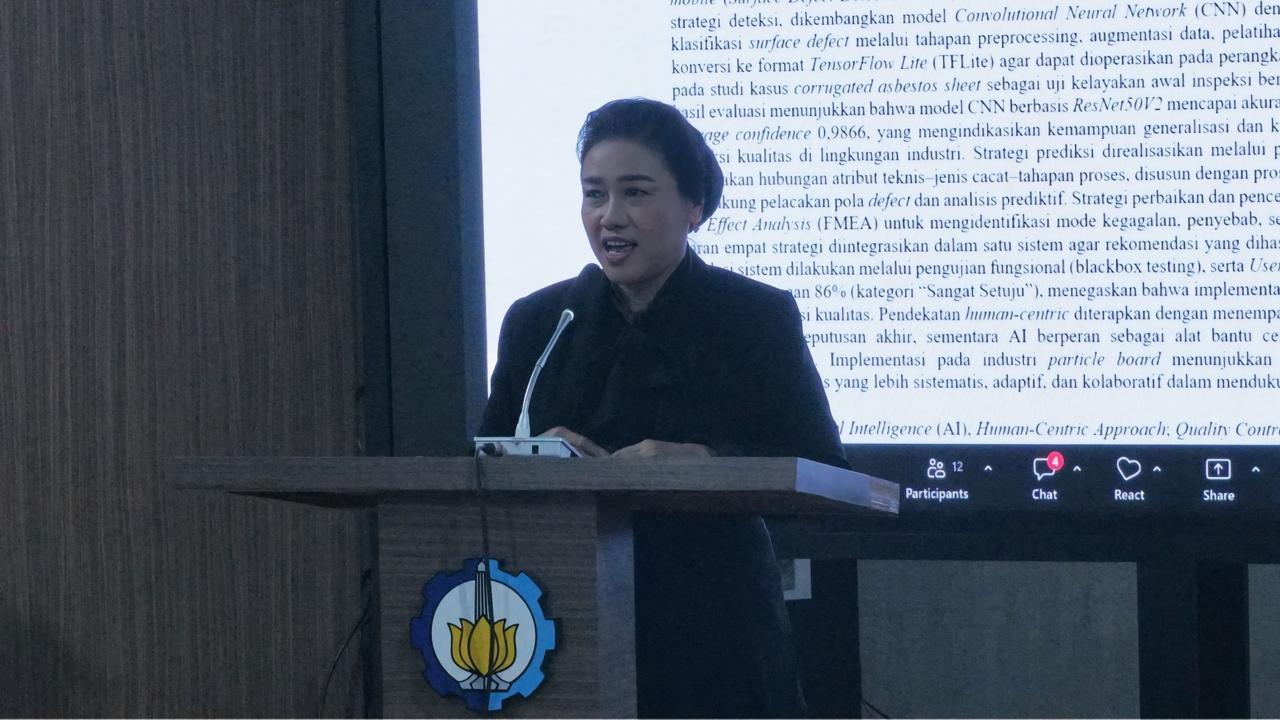
ITS Campus, ITS News — Innovation in the manufacturing field is once again produced by a doctoral program graduate of the Systems and Industrial Engineering Department of Institut Teknologi Sepuluh Nopember (ITS) through the development of artificial intelligence (AI)-based Surface Defect Detection (SDD). Through research for her dissertation, Yustina Suhandini Tjahjaningsih ST MT integrated artificial intelligence technology with the human role in quality control systems to improve the reliability of the production process.
The woman familiarly called Dini explained that quality control systems in the manufacturing industry still largely rely on manual inspection. These conditions have the potential to cause delays in defect detection as well as inconsistencies in inspection results. Therefore, the developed innovation is designed to present a faster, more accurate, and adaptive inspection process. “This system enables product defect identification earlier and more consistently,” she stated.
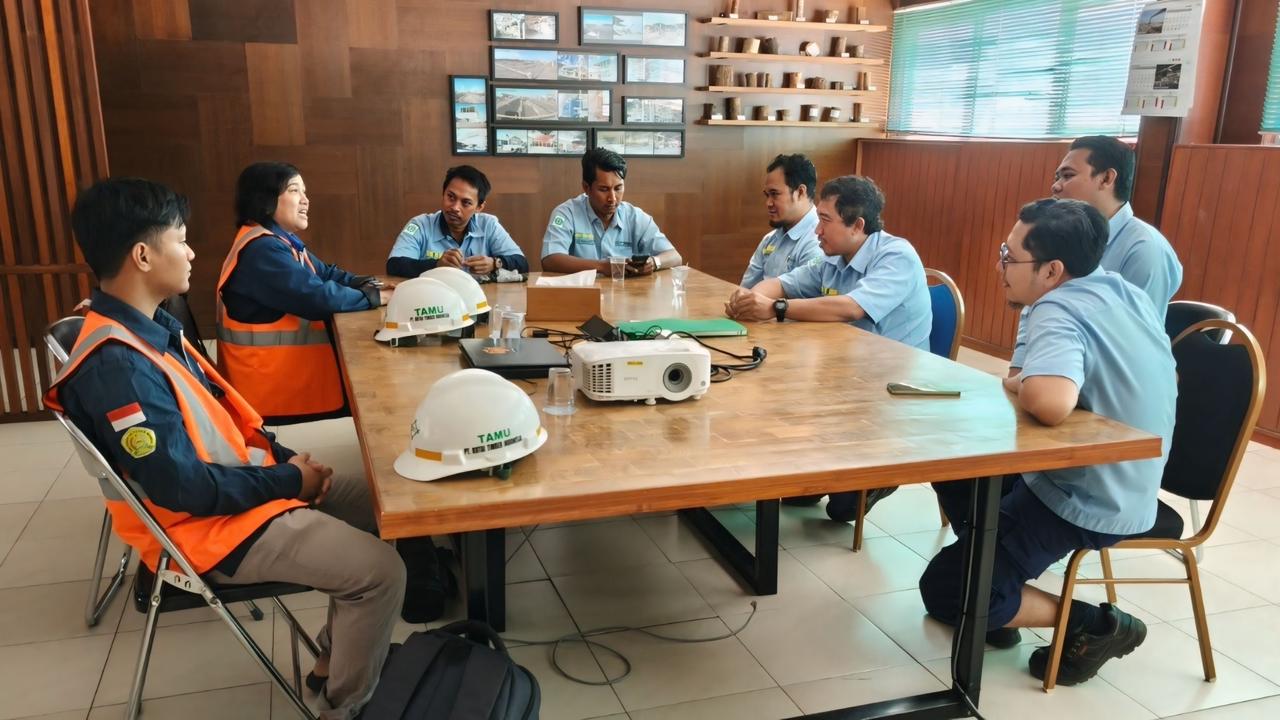
Furthermore, Dini developed the SDD application as the main output of her research. This system utilizes AI technology to detect product defects automatically and in real-time, thereby capable of increasing the efficiency of the inspection process while reducing dependence on manual observation. In addition, SDD is also designed to provide decision-making support for operators in determining appropriate corrective actions.
Not only focusing on the detection process, this research also adopts the Zero Defect Manufacturing (ZDM) framework which includes four main strategies, namely detection, prediction, repair, and prevention. These four strategies are integrated with each other to ensure product quality from the early stages of the production process to continuous evaluation. “This approach not only finds product defects, but also predicts and prevents their occurrence in the future,” she added.
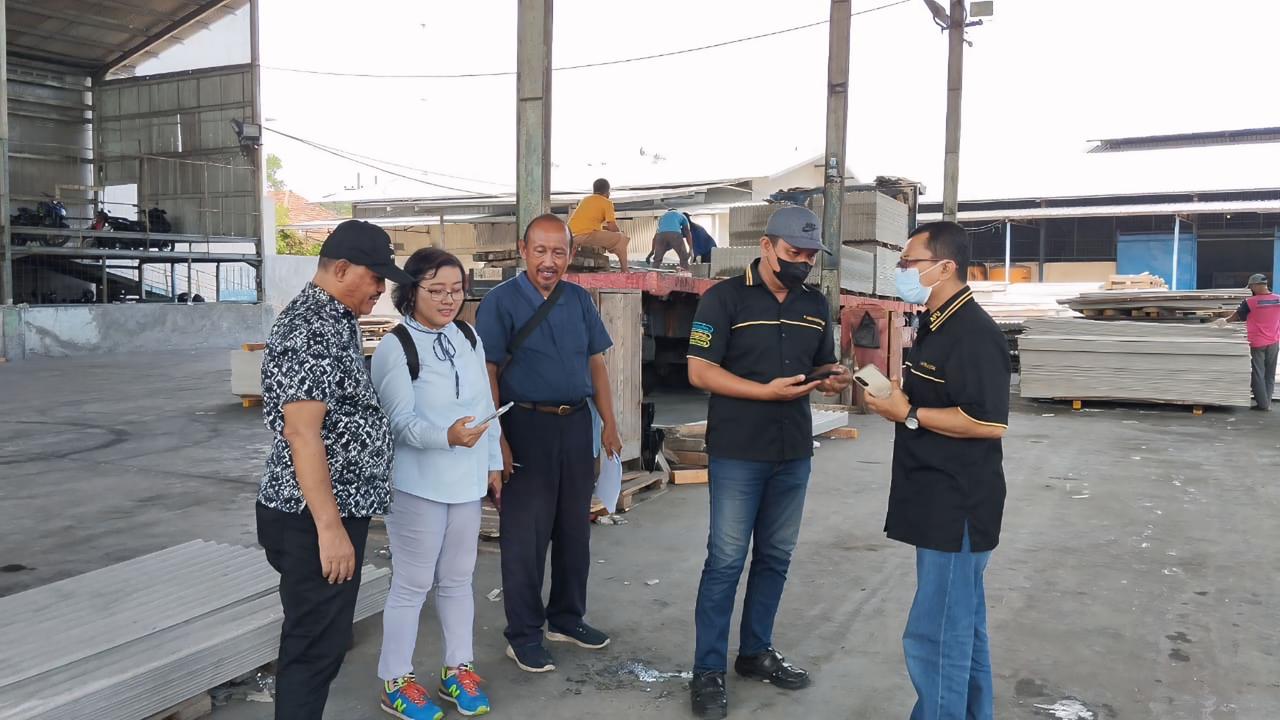
Besides technology integration, Dini applies a human-centric approach that places humans as an integral part of the system, especially in the process of interpreting analysis results and decision making. Thus, collaboration between humans and technology can be created harmoniously as well as increasing system acceptance in the industrial environment. “Human involvement ensures technology can be utilized optimally and sustainably,” she explained.
Through this innovation, according to Dini, SDD has the potential to be implemented in various manufacturing industry sectors that demand high quality standards. The application of this system is expected to be able to increase production efficiency, suppress costs due to defective products, and strengthen the competitiveness of national industry. In addition, the approach carried is also in line with the transformation towards Industry 5.0 which emphasizes the synergy between humans and technology.
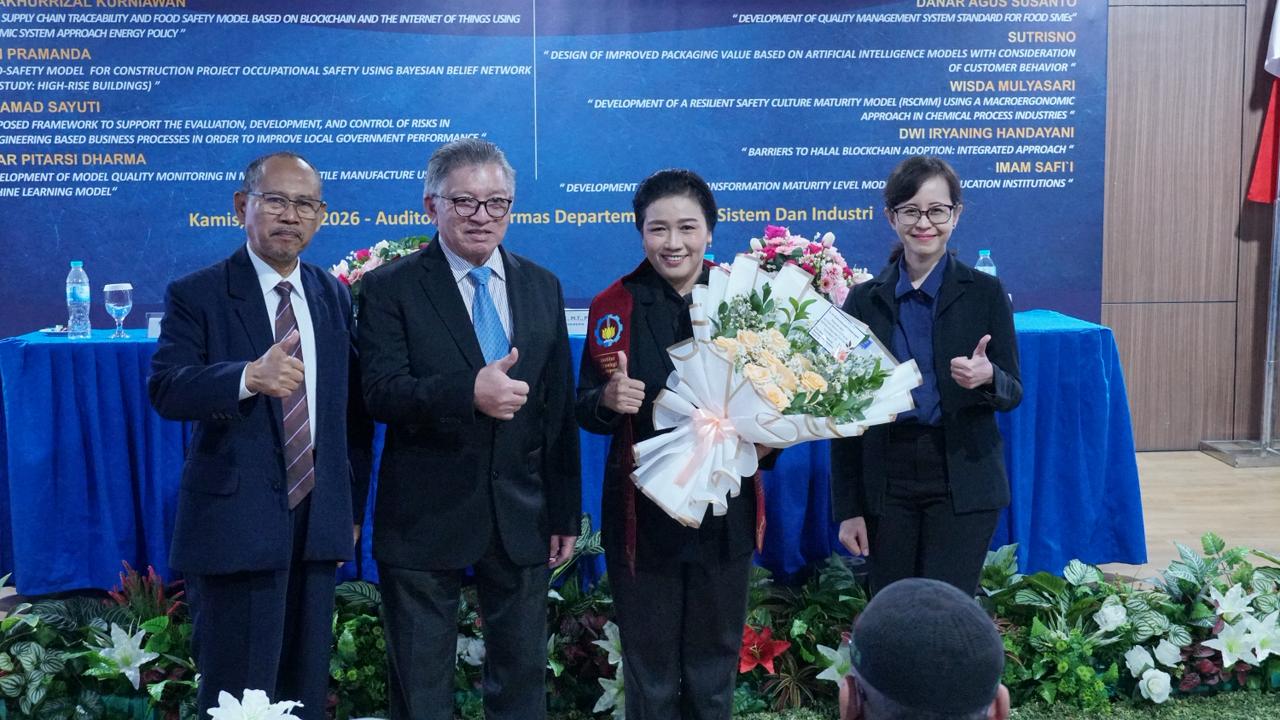
Through this research, the woman born in Surabaya hopes the developed innovation can be implemented widely in the industrial world to create a more reliable and sustainable production system. “The hope is that this innovation can become a strategic solution in improving the quality and competitiveness of the manufacturing industry,” she asserted optimistically.
This innovation becomes proof of ITS’s commitment in encouraging the development of research and technology-based solutions. This is in line with the Sustainable Development Goals (SDGs), specifically point 9 regarding Industry, Innovation, and Infrastructure as well as point 12 regarding Responsible Consumption and Production. (ITS Public Relations)
Reporter: Nadhifa Raghda Syaikha