Published on
Thursday, 10 September 2026
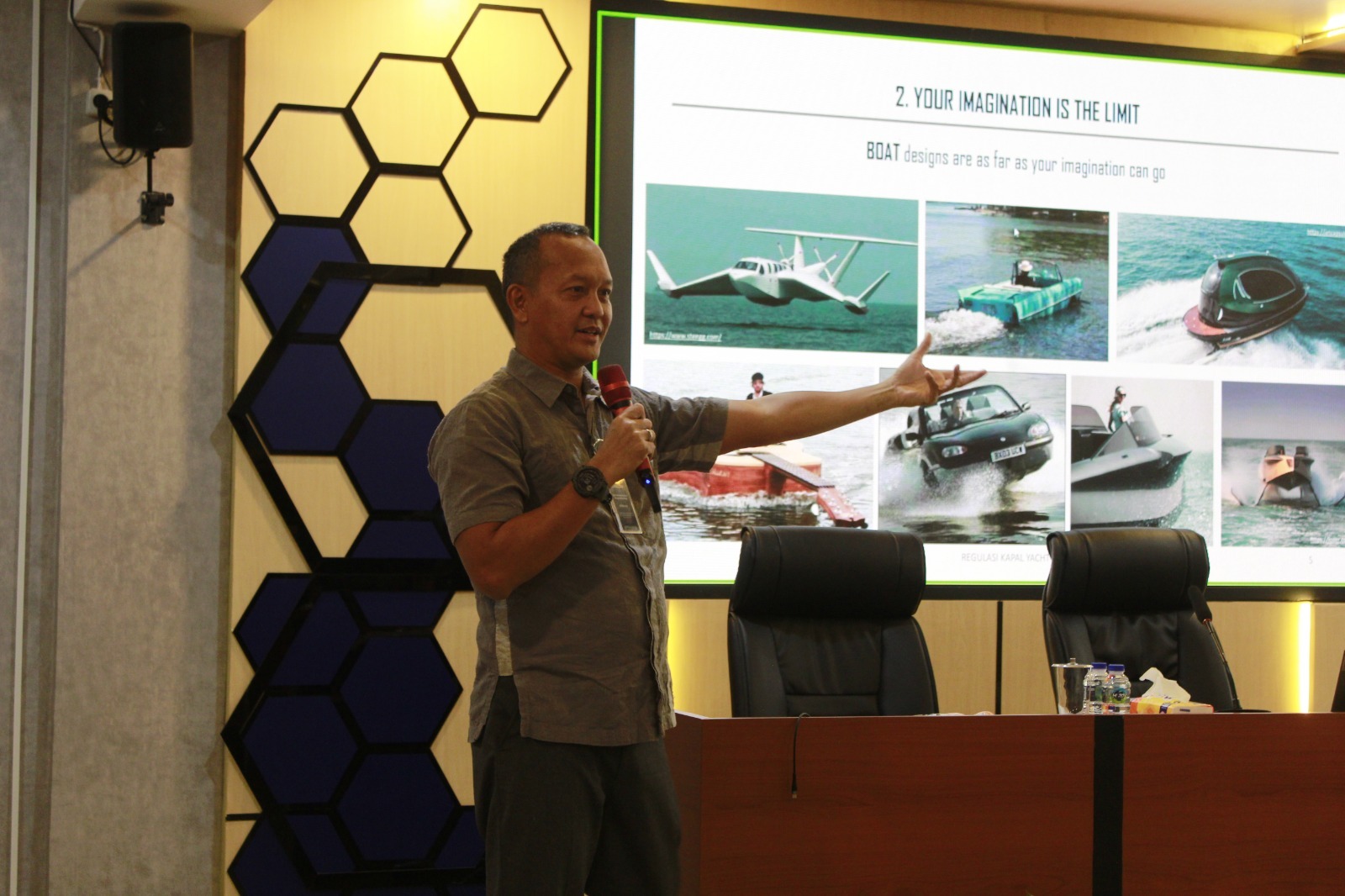
ITS Campus, ITS News — Weak maritime regulations are hampering the development of the marina and marine tourism industry in Indonesia. In response, the Sepuluh Nopember Institute of Technology (ITS) and SF Marina Indonesia held an international workshop titled Indonesian Marina Design , which lasted two days, starting Wednesday (September 9) at the Auditorium of the ITS Interdisciplinary School of Management and Technology (SIMT) on Jalan Cokroaminoto, Surabaya.
The Head of the ITS Marine Engineering Department, Prof. Dr. Eng. Muhammad Zikra, ST., MSc., stated that marina industry regulations are trapped in the perception that they are only for foreign tourism. This situation results in Indonesia lacking specific Pleasure Yacht Maritime Regulations . This has led to a decline in the marina industry and marine tourism in Indonesia, accompanied by a lack of attention from domestic and foreign vessels.
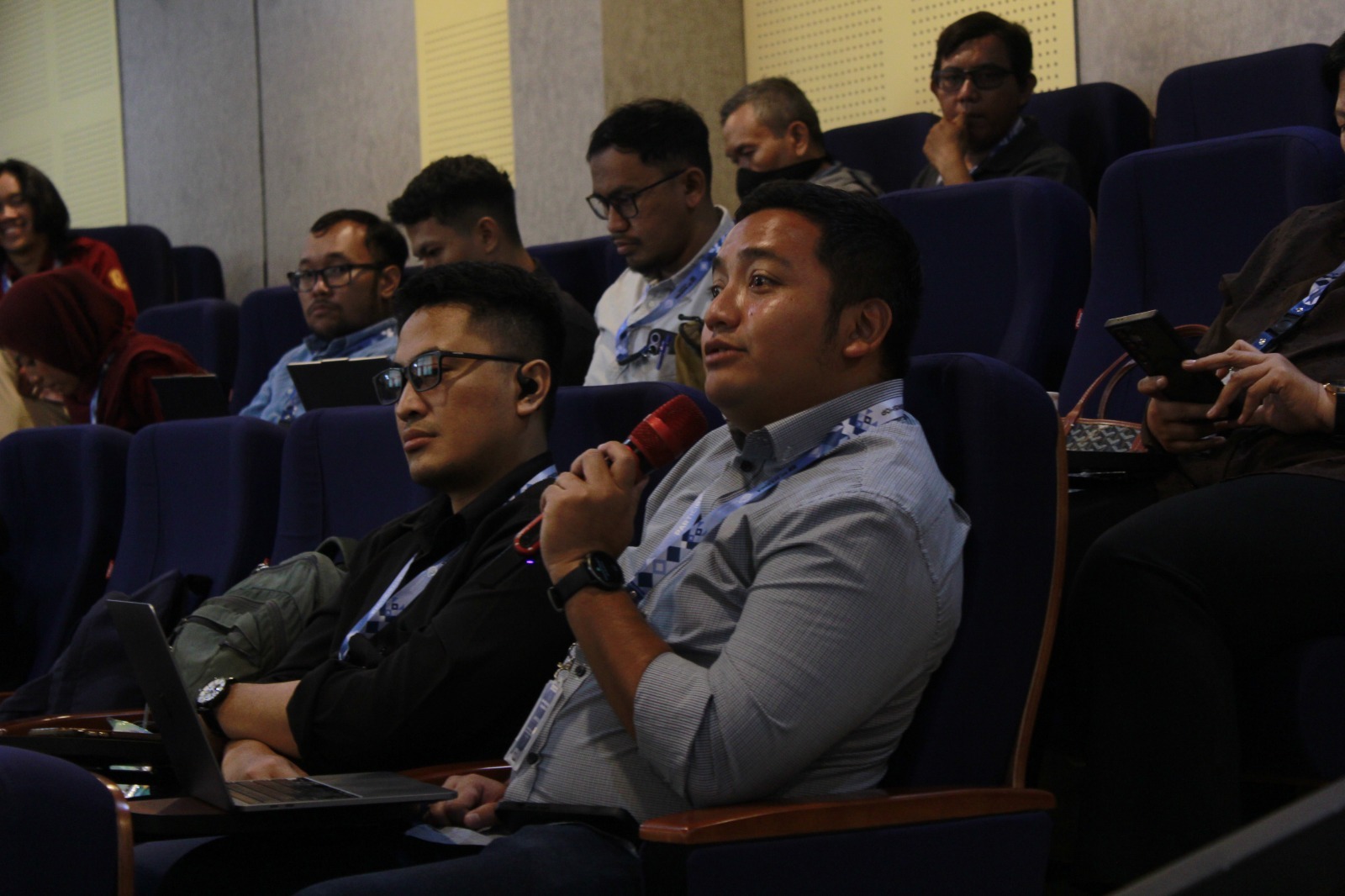
Based on these issues, one hundred workshop participants , including industry practitioners, academics, and students, participated in a discussion on the direction of marina industry development in Indonesia. This cross-sector discussion aimed to unite the perspectives of academics and practitioners in generating new ideas. “The ideas focused on marina sustainability that are relevant to Indonesia’s needs, both current and future,” explained the lecturer, known as Zikra.
This activity discusses the Legal Aspects of Master Planning, specifically the regulatory elements involved in planning the marina industry. This topic examines the fundamentals of the marina industry as well as the Yachting and Boat Regulations . These regulations address the use of boats and yachts for the purposes of enhancing marine tourism.
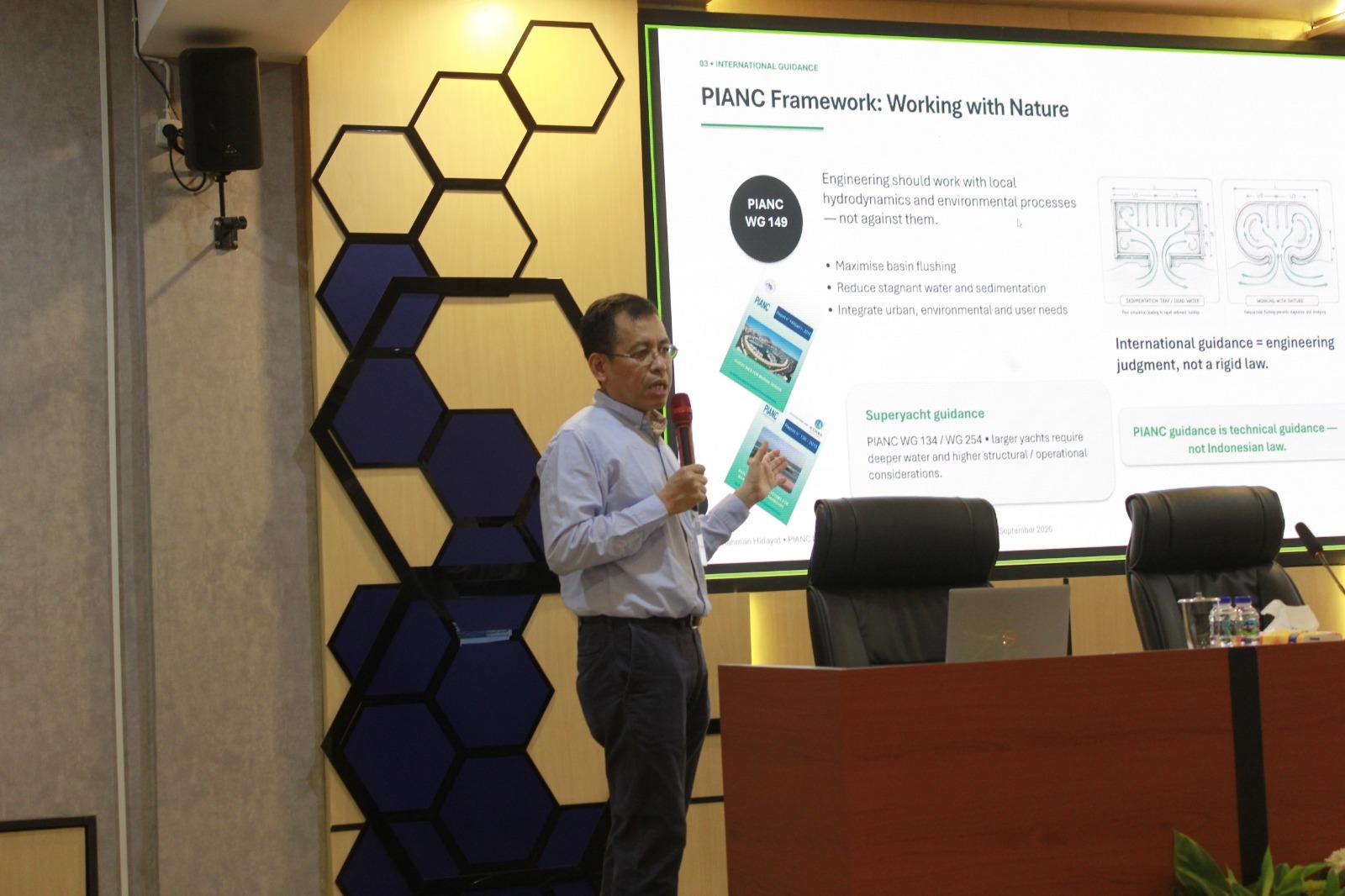
The agenda also included discussions on Marina Design Criteria and Data Collection . The discussion covered marina design components as well as data collection and analysis related to ideal marina proportions. The collected data should include wind and wave speeds, allowing the marina industry to calculate fetch and wave characteristics within the marina area.
In addition to technical aspects, the blue economy concept also serves as the foundation for formulating regulations for the marina industry. These regulations must encompass nine key steps: Learn, Buy, Own, Insure, Finance, Park, Service, Sail , and Help . “This step is crucial to protect local industry and increase the use of vessels with higher safety standards,” added the professor from the Faculty of Marine Technology (FTK) at ITS.
Through this activity, the marina industry is expected to support infrastructure development to foster marine tourism in Indonesia. This activity also marks the first step in establishing a long-term partnership between ITS, SF Marina, and the Indonesian Marina Research and Technology Center. One example of this collaboration is the planned marina port in Benoa Bay, Bali, which is expected to be realized sustainably.
Finally, ITS remains committed to encouraging the development of maritime technology that not only addresses tourism needs but also provides guidance on ideal regulations for the marina industry. This effort aligns with ITS’s commitment to supporting Sustainable Development Goals (SDGs) point 14 on Marine Ecosystems through technology development and collaboration to maintain the sustainability of marine tourism in Indonesia. Furthermore, it also addresses point 17 on Partnerships to Achieve Goals. (ITS Public Relations)
Reporter: Mohammad Fariz Irwansyah