Published on
Wednesday, 15 April 2026
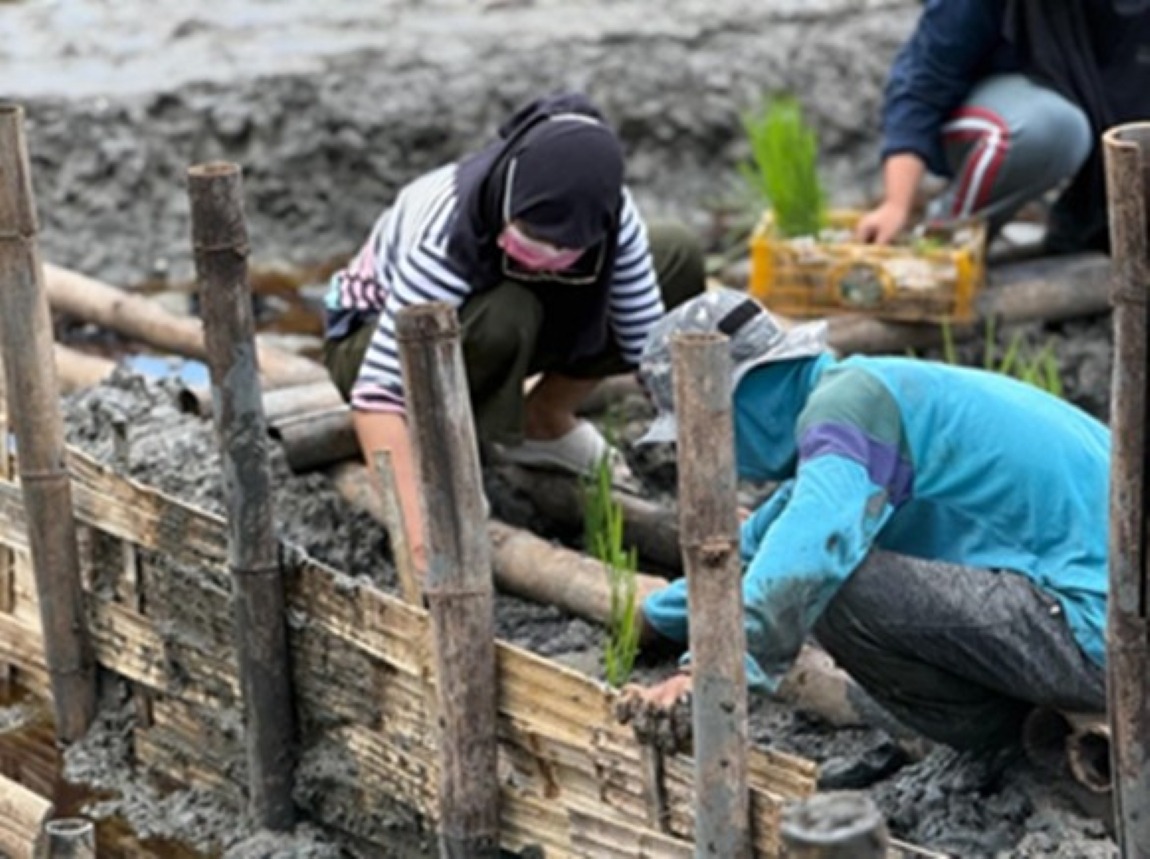
ITS Campus, ITS News — Institut Teknologi Sepuluh Nopember (ITS) through the Biology Department, Faculty of Science and Data Analytics (FSAD) introduces innovative research on saline rice development at the Surabaya Mangrove Botanical Garden (KRM). This innovation is evidence of ITS’s commitment to answering the global food crisis in order to create real solutions for coastal communities, through the Equity program scheme at the World Class University (WCU).
This program integrates high-scale international research. In this research, a researcher from the ITS Biology Department Mukhammad Muryono SSi MSi PhD collaborates with Tran Thi Huong Sen PhD, a researcher from the University of Agriculture and Forestry, Hue University Vietnam. Not only that, the lecturer who is usually called Muryono as the supervisor of this research also involves the Surabaya City Regional Research and Innovation Agency (BRIDA) as a strategic partner of the regional government (pemda) in downstreaming innovation.
According to Muryono, the collaboration between the researchers and the regional government focuses on the development of saline rice varieties. Saline rice itself is known as rice that has a high tolerance to salt levels due to seawater intrusion, so existing research is able to increase land productivity on the coast.
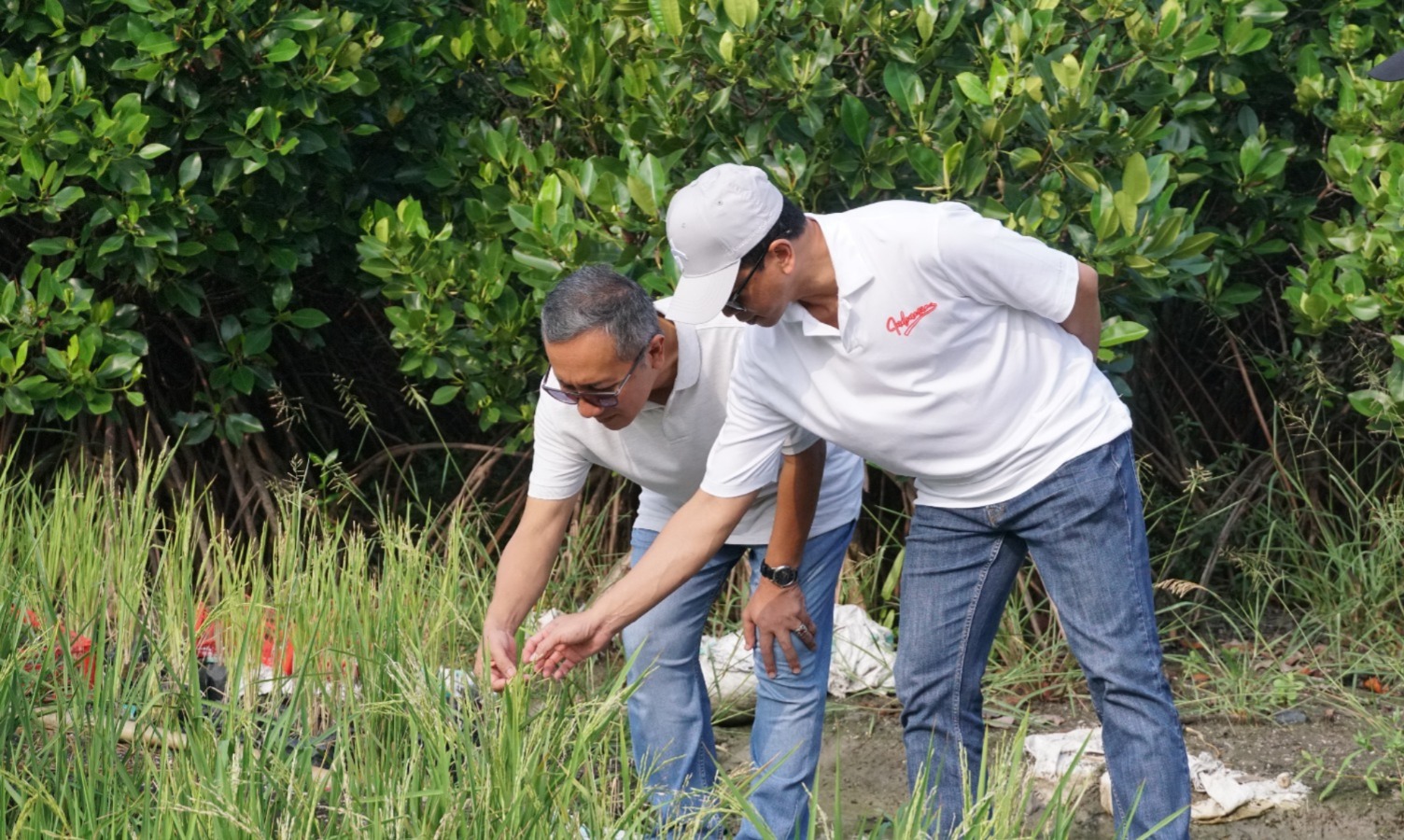
Explained by Muryono, the unproductiveness of land in coastal areas is caused by soil and water salinity. Therefore, Surabaya KRM was chosen as a research area that functions as a natural laboratory and a showcase for blue economy innovation in the City of Surabaya. “Surabaya City BRIDA plays an important role in facilitating saline land in the botanical garden area and ensuring the implementation of research results,” expressed this lecturer of the ITS Biology Department.
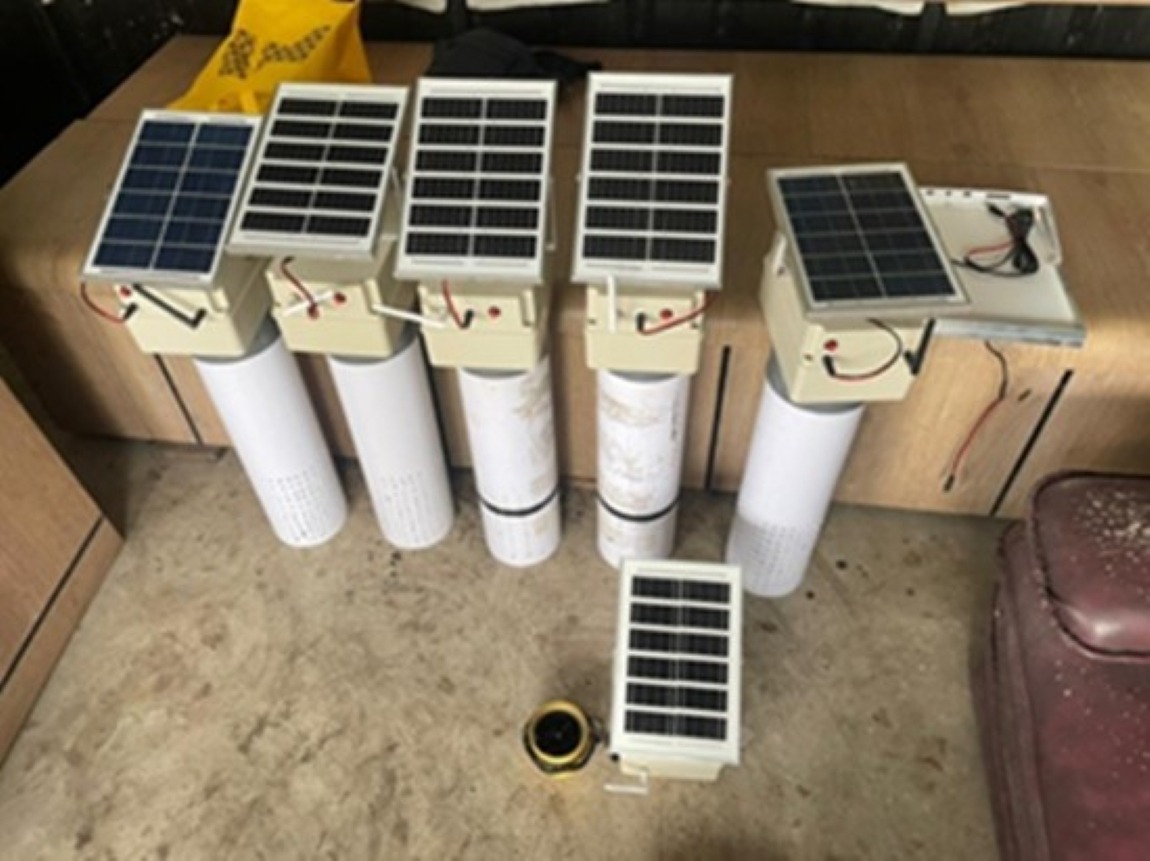
Not only focusing on saline rice variety innovation, this research also integrates low-carbon technology that has been developed by the ITS team in the form of a smart monitoring system namely a solar-powered Water Level sensor (WALsens). The system is used to monitor water level conditions in the rice planting area precisely and in real-time.
Furthermore, explained Muryono, this implementation uses a low-carbon strategy by applying a soil amendment Biochar strategy to increase carbon sequestration and reduce methane emissions in coastal rice fields. “The application of this innovation can be a form of tropical food security, by adapting Vietnam’s success in managing critical land in the Mekong Delta,” he explained.
Through collaboration between researchers and the regional government, the Equity-WCU program provides a multidimensional impact for every party. Ranging from increasing international recognition through publications in highly reputable international journals, to real contributions to points in the Sustainable Development Goals (SDGs). Mainly on point 2 (Zero Hunger), point 3 (Good Health and Well-being), point 9 (Industry, Innovation, and Infrastructure), as well as point 17 (Partnerships for the Goals).
Muryono himself stated that this synergy is a form of manifestation of impactful research. Through the utilization of the unique ecosystem at Surabaya KRM as well as support by international expertise, ITS is optimistic that it can create future rice varieties capable of guaranteeing food sovereignty for coastal communities in the world. (ITS Public Relations)