
Published on
Thursday, 23 April 2026
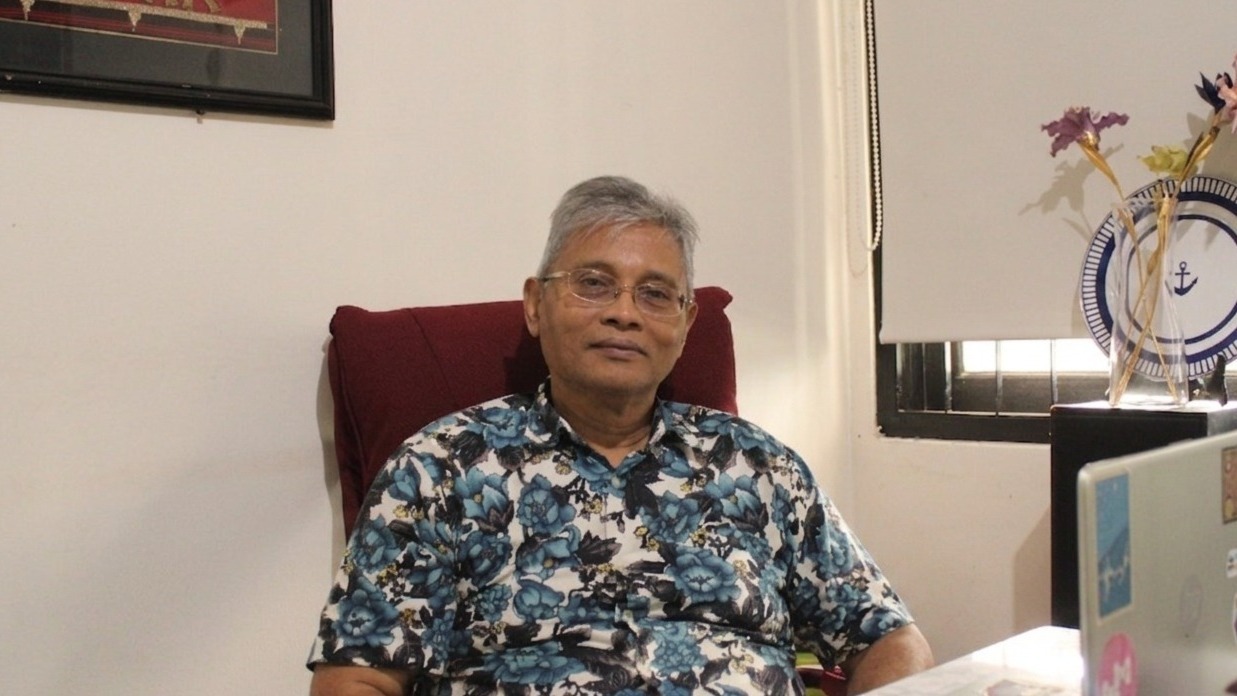
ITS Campus, ITS News — The heating up of global geopolitical conditions occurring in energy-supplying regions has made the energy crisis a major topic in the world today. This condition leads many Indonesians to question the nation’s future energy supply. Responding to these concerns, business strategy expert from Institut Teknologi Sepuluh Nopember (ITS) Dr Ir Arman Hakim Nasution MEng presented several policy proposals that can be studied and implemented by the Indonesian government regarding national energy security.
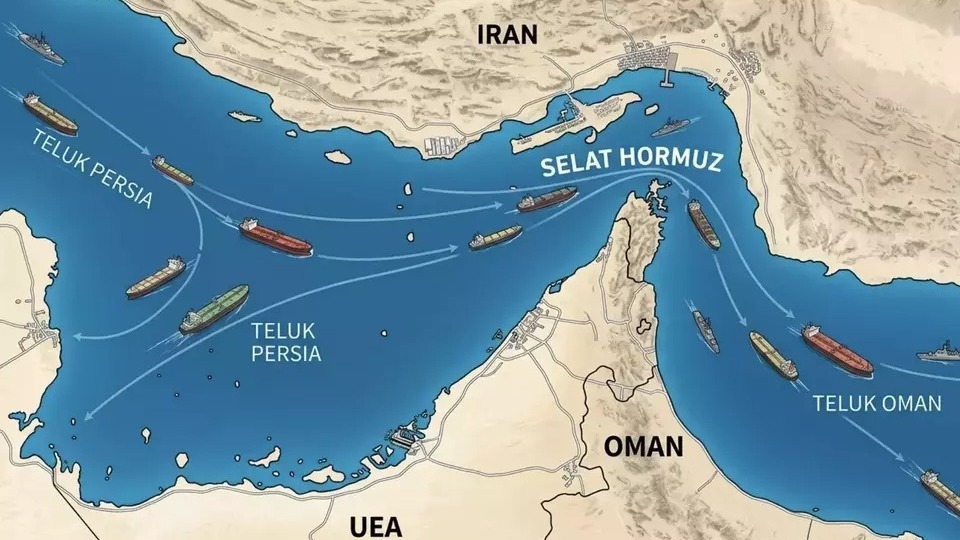
According to Arman, this situation is the result of a prolonged conflict between Iran with Israel and the United States (US). Strategic routes such as the Strait of Hormuz, which is the main crossing for global oil trade, are at risk of disrupted distribution processes. “This is what concerns the entire world because it has the potential to trigger a surge in fuel oil (BBM) supply prices,” he said.
The lecturer from the ITS Department of Business Management added that conflict tensions in the Middle East not only have the potential to impact energy supplies but also spread to other economic sectors. Rising fuel prices can also cause a surge in prices for industrial materials such as plastics and fertilizers. “Economic principles are interconnected; when the energy sector is disrupted, other sectors will certainly be affected,” he explained.
In addition, Indonesia still holds the status of a country dependent on imported energy supplies. As much as 49.5 percent of fuel needs and 80 to 84 percent of Indonesia’s Liquefied Petroleum Gas (LPG) are still met by foreign supplies. This is caused by high energy needs not being balanced by domestic production. “This situation is quite worrying because geopolitical conditions remain uncertain,” he stated.
Furthermore, he explained that dependence on imported energy will trigger other problems that subsequently affect national economic stability. In a crisis like this, economic fluctuations, especially in the energy sector, can trigger social pressure. People increasingly pressured by energy and basic commodity needs will become a major issue in maintaining state sovereignty.
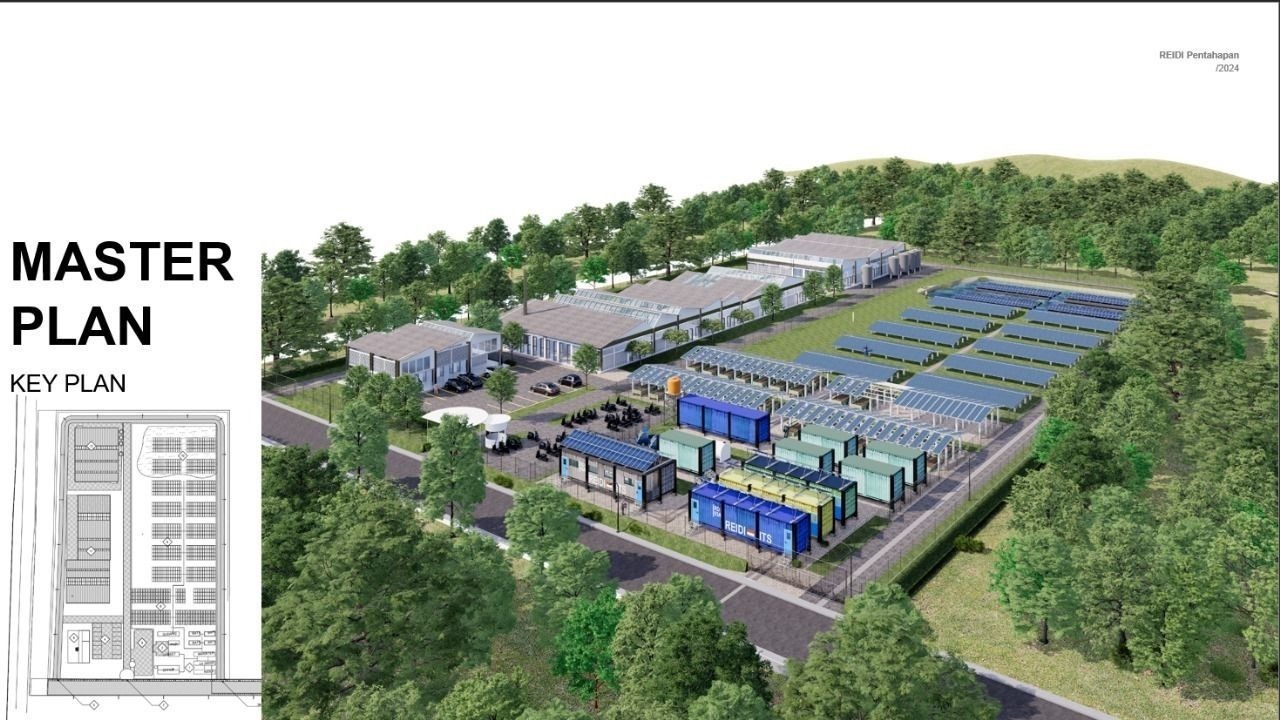
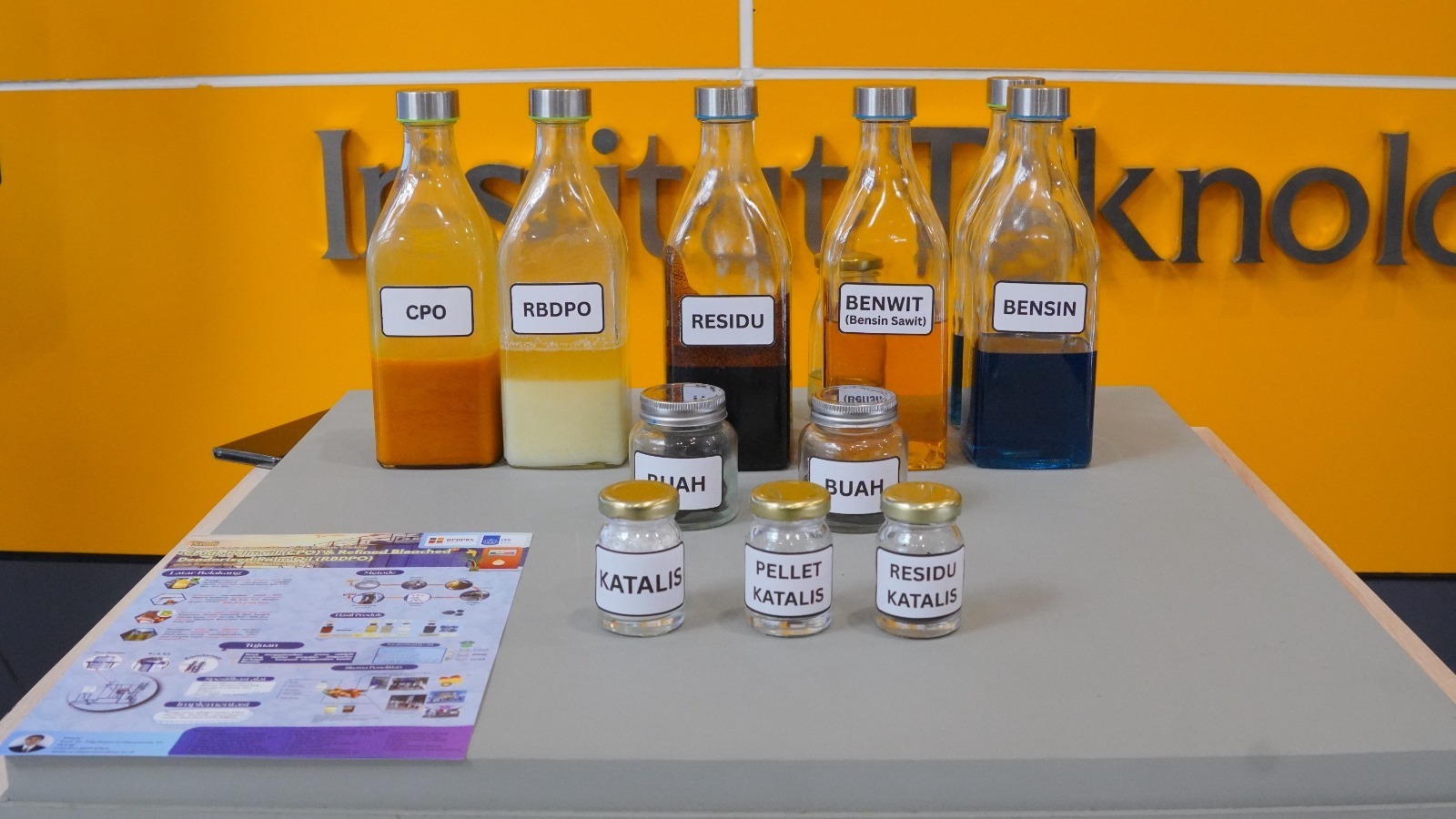
The doctoral alumnus from Universitas Gadjah Mada (UGM) also highlighted that this problem is not only caused by limited energy supplies from outside due to current geopolitics. He emphasized that it is also caused by weak domestic energy processing capabilities. “Our natural resources are actually abundant to be processed for energy supplies, but they have not been utilized optimally, so we depend on other countries,” he explained.
Therefore, Arman urged the Indonesian nation to immediately work hard to process available natural resources to encourage national energy independence. This is inseparable from Indonesia’s great potential as the world’s second-largest geothermal energy producer. “Indonesia needs to immediately develop technology to utilize these resources to support national energy security,” he added.
As an initial step, the Head of the ITS Center for Industrial Development and Public Policy (PIKP) Study revealed that every region can utilize its respective characteristics to create energy reserves. For example, regions with high temperatures can utilize solar panels as an energy source. Meanwhile, livestock areas can process waste into biogas.
Closing his presentation, Arman reaffirmed that society, industry, and the government must implement full collaboration to maintain national energy sovereignty. “The public needs to be economical in energy use, industry needs to promote innovation, while the government must actively study policies to support proposals for national energy independence,” Arman reminded.
This fighting spirit also shows the commitment of the Campus of Heroes as an educational institution in supporting energy independence in Indonesia. This also supports the achievement of Sustainable Development Goals (SDGs) point 7 regarding Clean and Affordable Energy and point 9 related to Industry, Innovation, and Infrastructure. (ITS PUBLIC RELATIONS)
Reporter: Ahmad Maulana