ITS Expert Highlights Factors Causing Maritime Accidents
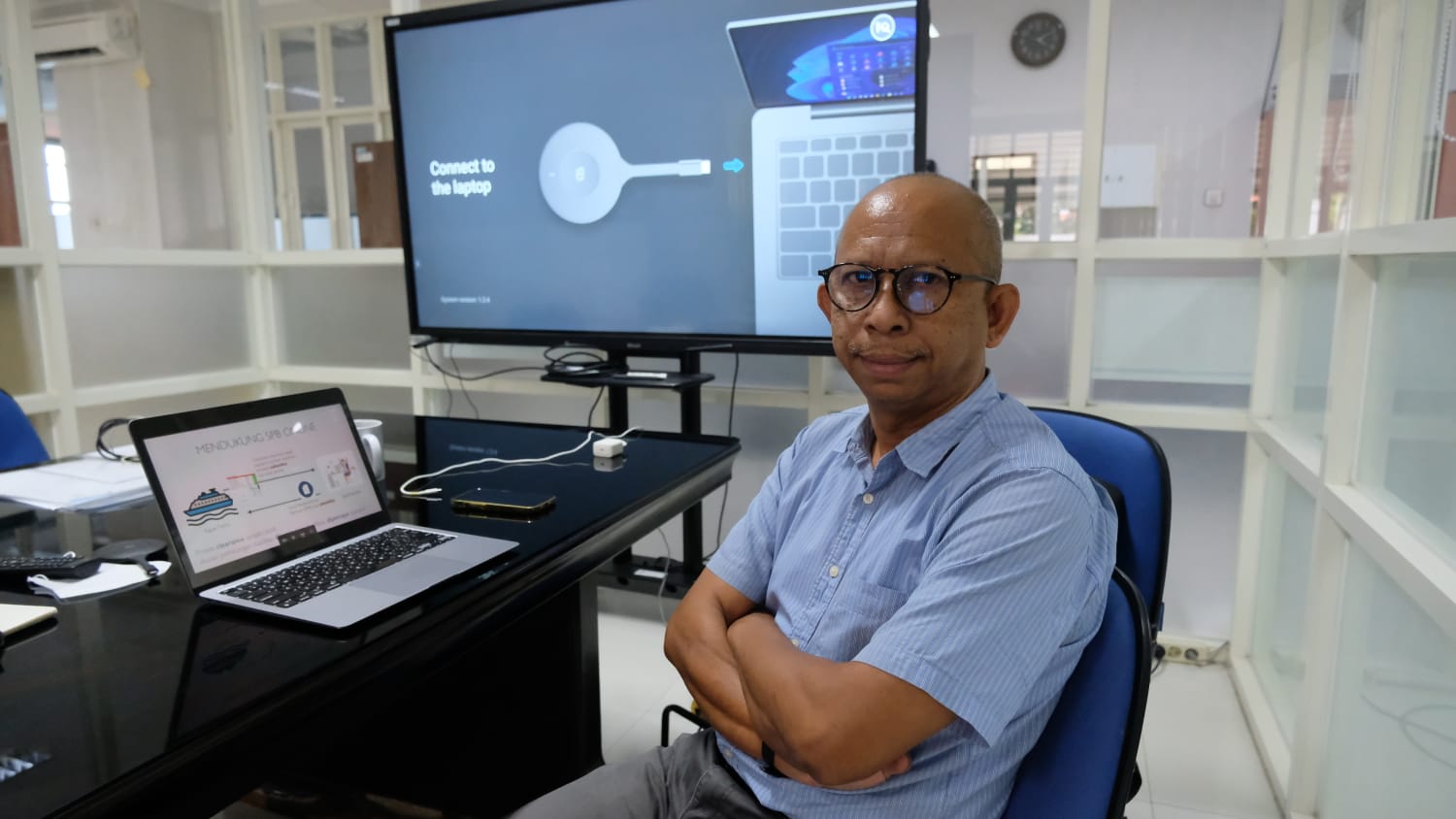
Dekan Fakultas Teknologi Kelautan (FTK) ITS Dr Ing Ir Setyo Nugroho yang juga pakar transportasi laut
ITS Campus, ITS News — The sinking of the Motor Ferry Vessel (KMP) Tunu Pratama Jaya in the Bali Strait on Wednesday (2/7) night emphasized the importance of a comprehensive evaluation of the maritime transportation safety system in Indonesia, particularly on inter-island ferry routes. Responding to this, a maritime transportation expert from Institut Teknologi Sepuluh Nopember (ITS), Dr Ing Ir Setyo Nugroho, outlined various factors causing ship accidents as part of mitigation efforts in waterway routes.
The lecturer, who is familiarly called Yoyok, explained that accidents involving ferry-type ships often occur due to several interconnected factors. The accident on the ship occurred not only due to natural factors but also due to human negligence. “Almost 90 percent of ship accidents occur due to human negligence,” said the man who is also the Dean of the Faculty of Marine Technology (FTK) ITS.
Furthermore, this alumnus of the Master’s program at Delft University of Technology, Netherlands, added that lack of maintenance on the ship’s engine and failure to accurately calculate load stability are the main triggers of ship accidents caused by human factors. “Of those human negligence factors, 80 percent occur due to improperly handled cargo,” said Yoyok.
In addition to improper cargo handling, this lecturer from the ITS Department of Marine Transportation Engineering mentioned that extreme weather is also a factor that cannot be ignored. In recent years, unpredictable sea weather conditions have increased the risk of ship stability disruptions. “Unstable weather causes high sea waves that endanger ships,” he emphasized.
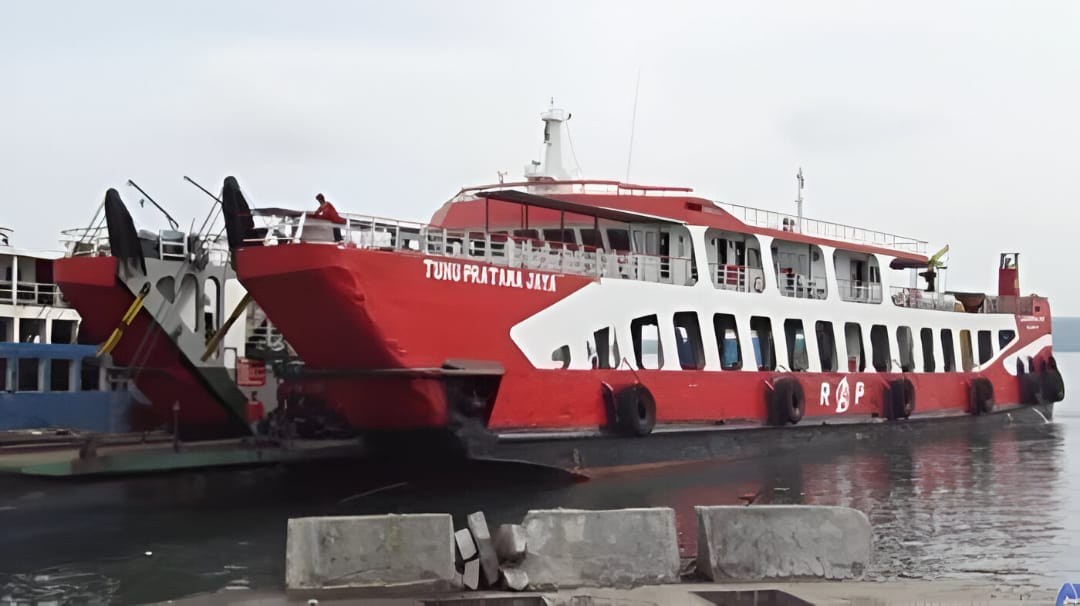
Kapal Motor Penyebrangan (KMP) Tunu Pratama Jaya yang mengalami kecelakaan tenggelam di Selat Bali, Rabu (2/7) lalu (sumber: tribuntangerang.com)
The cargo planning expert revealed that the maritime accident experienced by KMP Tunu Pratama Jaya showed indications of multiple simultaneous causes of the accident. Several factors, such as bad weather, improper ship operation procedures, and poorly maintained engine conditions, became a combination that triggered a high risk of accidents. “This shows that maritime safety in Indonesia needs serious attention,” he added.
Therefore, Yoyok emphasized the importance of conducting a comprehensive evaluation of operational sailing standards. These include loading procedures, ship maintenance, and navigation management. Not only that, the cargo management system also needs improvement to ensure that each ship loads according to its capacity and its stability is calculated accurately.
To accelerate these efforts, academics play an important role in providing solutions to facilitate Indonesia’s maritime transportation system. One such effort is through the digitalization developed by Yoyok in the iStow application. This application was created to prevent ship accidents due to errors in the cargo arrangement process on board.
These efforts also support the achievement of the Sustainable Development Goals (SDGs) on points 9 and 14, namely infrastructure, industry, and innovation, as well as preserving marine ecosystems. On this occasion, Yoyok also hoped that universities could provide broad contributions to improving global maritime safety systems. (ITS PUBLIC RELATIONS)
Reporter: Hani Aqilah Safitri
Related News
-
ITS Supports Scientific Contribution in Post-Disaster Rehabilitation Consortium
ITS Campus, ITS News — Institut Teknologi Sepuluh Nopember (ITS) takes part in the Higher Education Consortium for Post-Disaster Rehabilitation
July 04, 2025 14:07 -
ITS Becomes One of the Top Recipients of the Hitachi Innovation Awards
ITS Campus, ITS News — Institut Teknologi Sepuluh Nopember (ITS) continues to demonstrate its commitment to strengthening research and innovation.
July 04, 2025 14:07 -
Strengthening the Role of Higher Education Institutions, ITS Attends the Briefing of the President of the Republic of Indonesia
Jakarta, ITS News — Institut Teknologi Sepuluh Nopember (ITS) never stops continuously being involved in the development of the
July 04, 2025 14:07 -
ITS Facilitates Aid for 34 ITS Students Who Are Victims of Sumatra Floods
ITS Campus, ITS News — Institut Teknologi Sepuluh Nopember (ITS) continues to show its concern for students affected by
July 04, 2025 14:07