Published on
Tuesday, 8 September 2026
South Manokwari, ITS News — A superior nation is one with superior human resources (HR). As a nation that aspires to “Golden Indonesia 2045,” education plays a crucial role in improving the quality of empowered human resources. However, education remains a luxury for some communities in Eastern Indonesia.
Limited facilities and teachers, making it difficult to access adequate education, still plague students in Papua, particularly in South Manokwari, West Papua. Even basic reading, writing, and arithmetic skills remain a shared challenge. This situation prompted the 2026 Patriot Expedition Team from the Sepuluh Nopember Institute of Technology (ITS) to provide a new perspective for students and teachers on educational issues in the region.
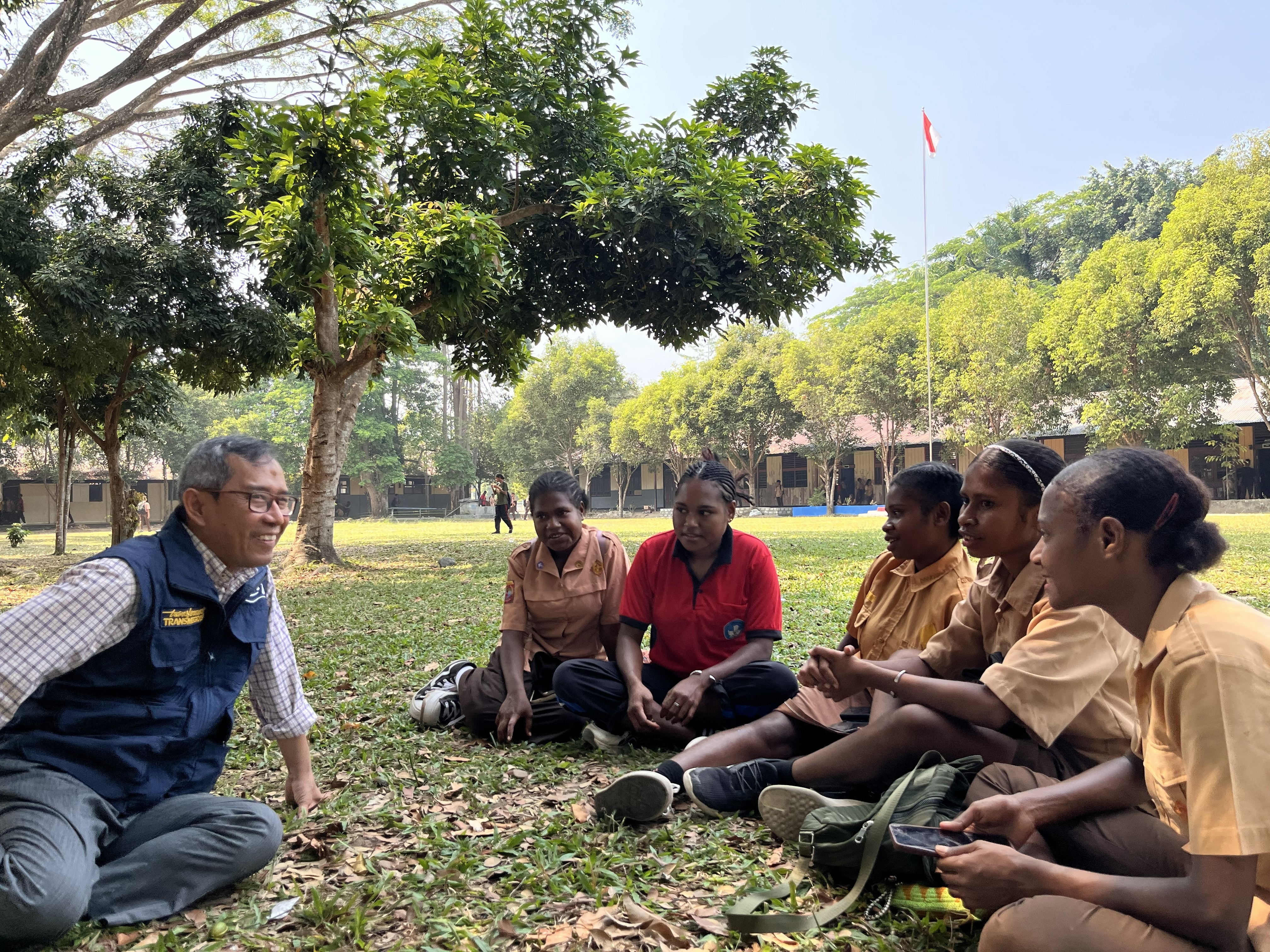
The team, led by Prof. Subchan, MSc, PhD, is examining the reality of the education ecosystem, which is still far behind. Subchan and his team found that many elementary school students are still in the early stages of learning letters and numbers. In fact, at the junior high school level, some students still need to repeat basic literacy lessons.
The problem is further complicated by a shortage of teaching staff, limited learning facilities and infrastructure, and a limited collection of reading materials in school libraries. “So, teachers here often double-teach subjects that are outside their field, and some schools don’t even have a library,” Subchan said.
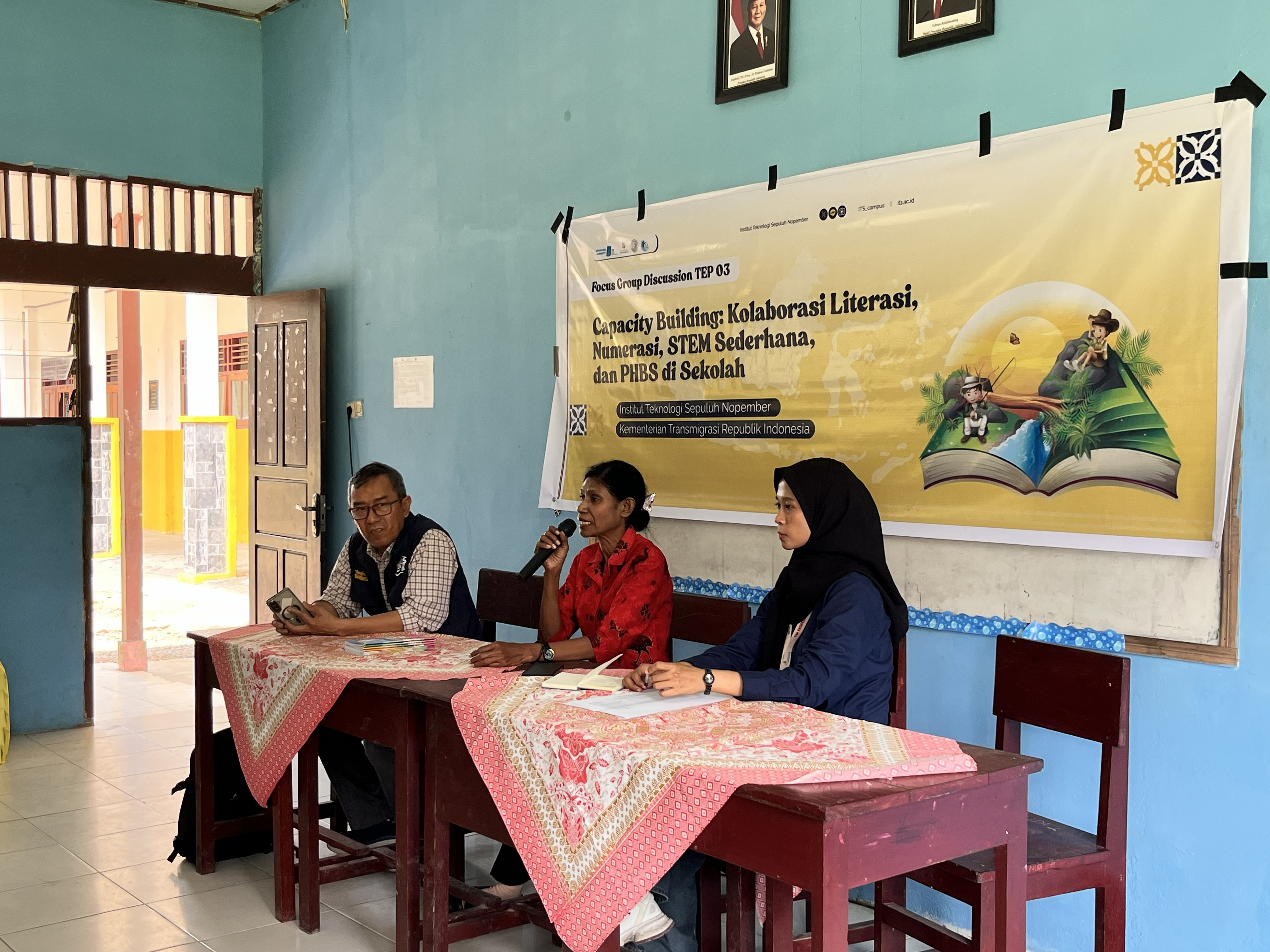
To address these issues, the team collected data on education and health from local Regional Apparatus Organizations (OPDs). The team successfully mapped the conditions of students, teachers, and learning support facilities and infrastructure through a baseline survey of all schools in the Momi Waren District.
To unify the program’s direction and ensure sustainability, the team collaborated with the Education Office and all school principals at the placement sites. Through open discussion forums, the team also identified the target school for special care, namely Sompo Public Elementary School, Momi Waren.
Subchan explained that the development of literacy and numeracy activities will be tailored to students’ actual abilities based on survey results. Furthermore, simple science, technology, engineering, and mathematics (STEM) learning modules will be developed. “We prioritize learning tools and materials that are easy to find,” he added.
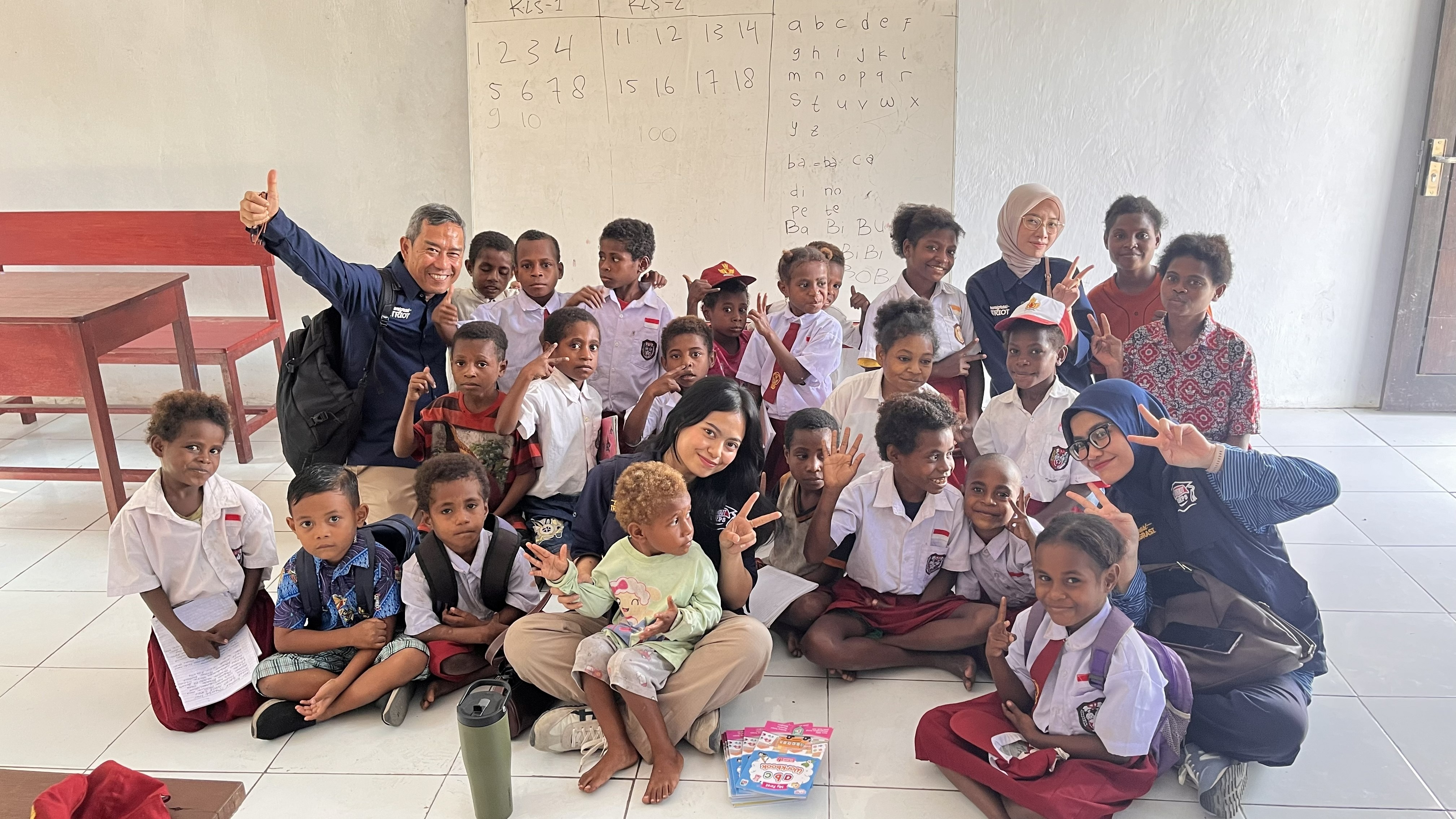
Meanwhile, increasing students’ awareness of cleanliness was also a focus of the team. Therefore, the team also developed educational materials on Clean and Healthy Living Behavior (PHBS).
As part of the team’s primary program commitment to strengthening educational capacity, the team planned a Training of Trainers (TOT) program for teachers. Focusing on basic literacy and numeracy needs, the training was provided to equip teachers to teach effectively and ensure the program’s sustainability.
The program is an effort by the team to open a “new window” for students and teachers at Momi Waren. The program is expected to reduce literacy and numeracy issues that have long been a fundamental barrier to learning in Momi Waren. While not significant or immediate, the team hopes to see tangible improvements in skills from the ongoing teaching process.
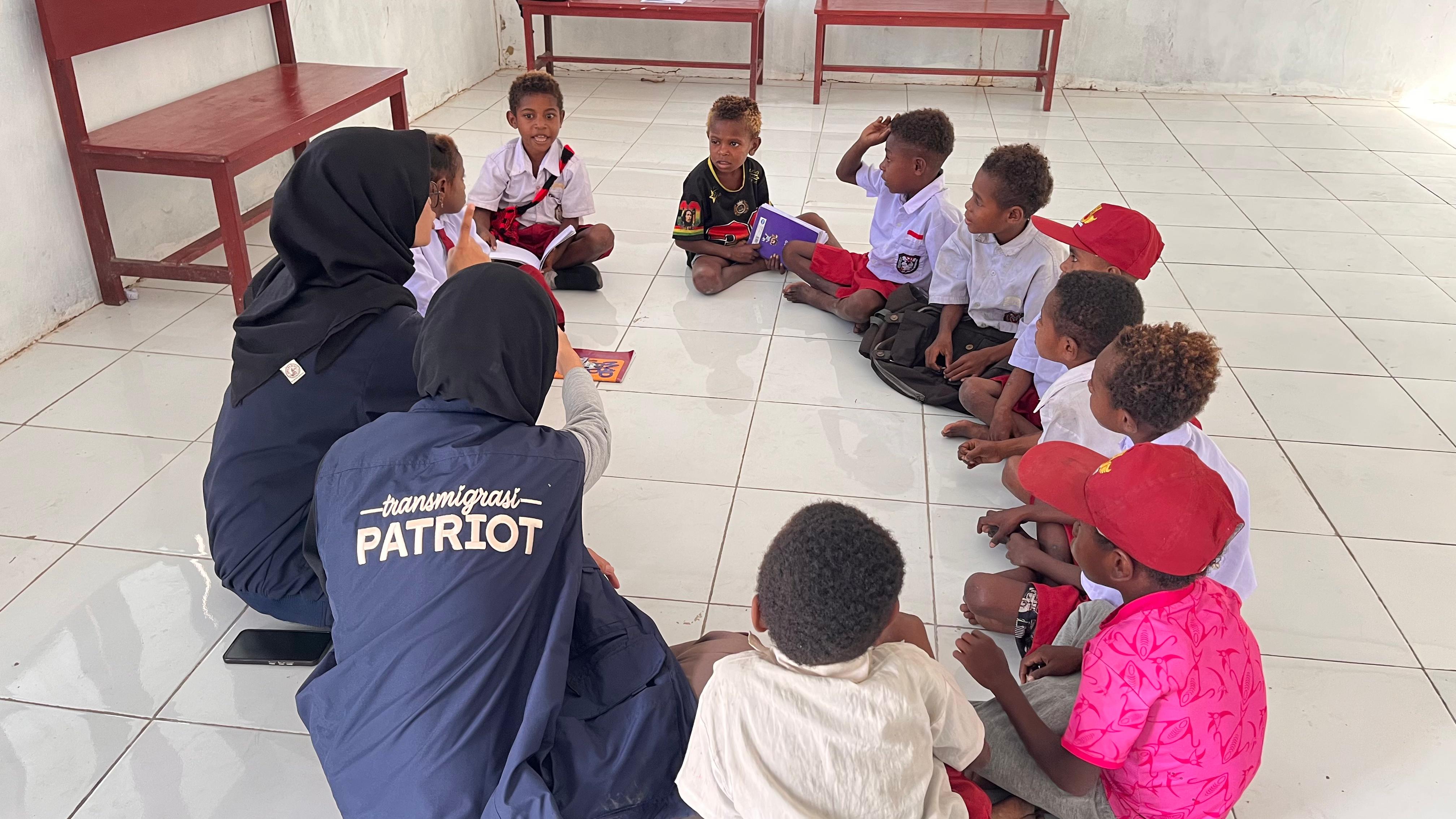
The ITS Patriots team’s efforts to improve human resources align with the ideals of the Sustainable Development Goals (SDGs), particularly SDG point 4, which aims to achieve quality education and equal access, which aligns with SDG point 10 to reduce academic disparities.
The PHBS program offered to students in the Momi Waren District is an effort to create a healthy and prosperous life, in line with SDG 3. The involvement of local government and organizations is also part of SDG 17, namely Partnerships to Achieve the Goals. (*)