Published on
Saturday, 1 August 2026
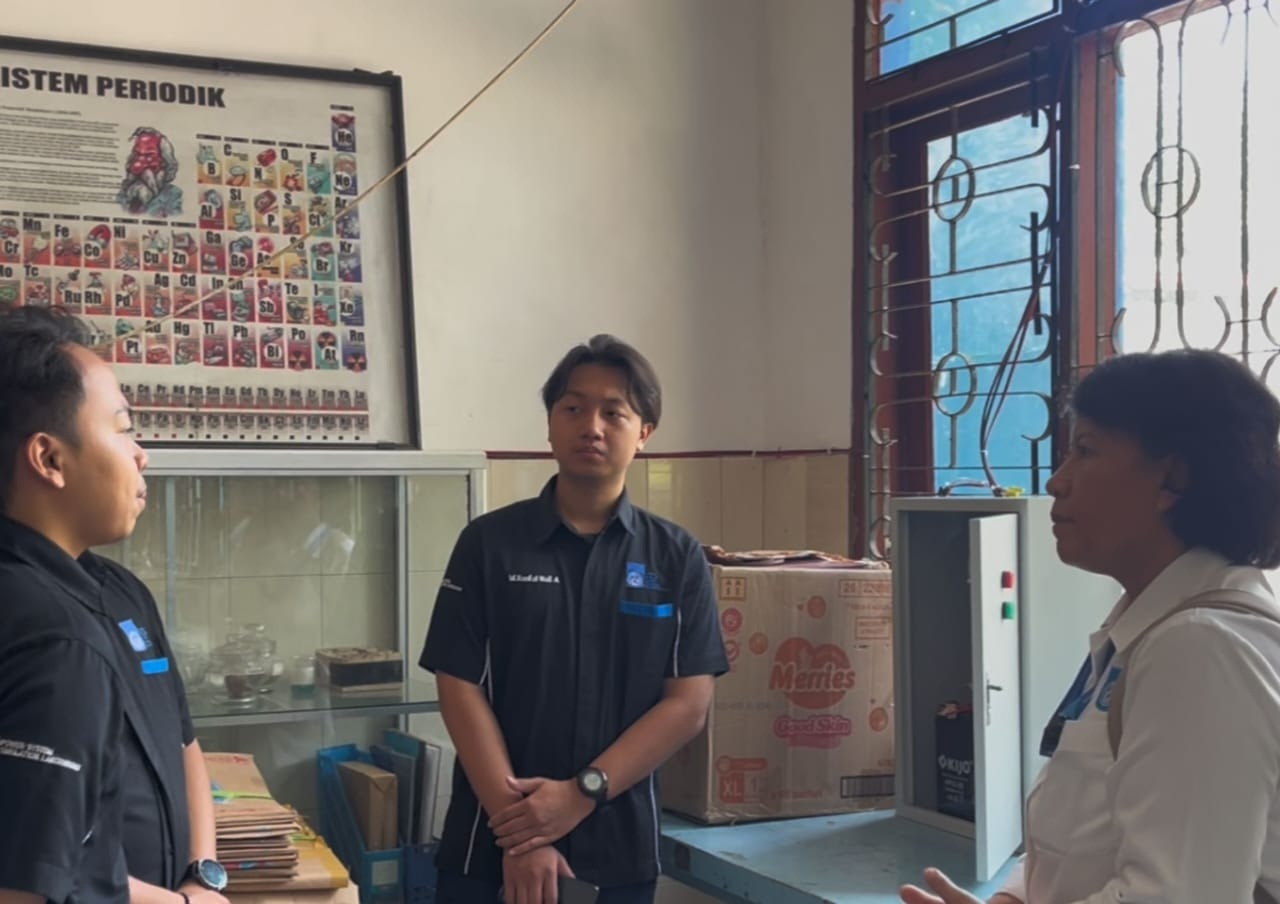
ITS Campus, ITS News – The Sepuluh Nopember Institute of Technology (ITS) commitment to accelerating the energy transition and smart technology education is demonstrated through community service (Abmas) activities. The ITS Abmas team successfully implemented a Smart Lighting system integrated with Off-Grid Photovoltaics and the Internet of Things (IoT) at SMA Negeri 20 Surabaya some time ago.
Muhammad Faza Rahmat, the head of the Abmas team from the Power System Simulation Laboratory (PSSL) in the ITS Department of Electrical Engineering, explained that SMA Negeri 20 Surabaya was chosen because of its significant potential for solar power generation (PLTS). Furthermore, the school grounds require lighting in areas such as the parking lot and corridors that are not accessible by electricity at night.
The third-year student explained that another equally important goal of his team’s community service was to provide insight and education to students. “This activity aims to address lighting issues while also providing students with insight into renewable energy and the Internet of Things,” he explained.
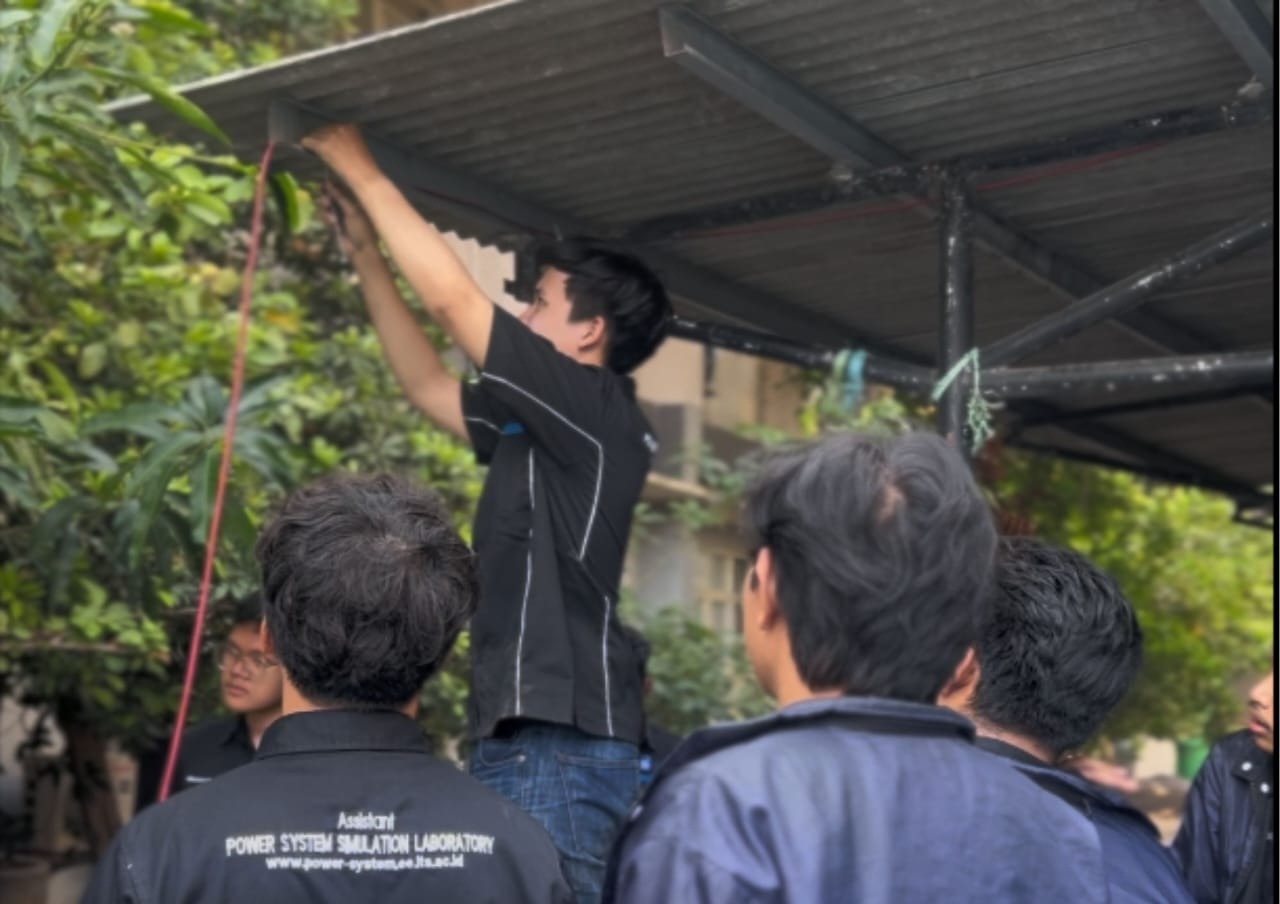
Faza added that the system installed by the ITS PSSL team adopts an off-grid concept . This is the system’s main advantage, as it is not directly connected to the PLN grid. As a substitute, the electricity generated by the solar power plant during the day is stored in batteries for use at night. “The battery power can supply 12 lamps, each with a power of 11 watts, for six hours,” he explained.
IoT integration is a key feature of this system. Lighting can be controlled automatically or through a website accessible via the school’s Wi-Fi. The wiring and technical component installation process took four days over a weekend in mid-October 2025. “The most memorable experience was the equipment planning, when we successfully built a solar power plant that was calculated to be able to supply power until nighttime,” said the ITS Electrical Engineering student.
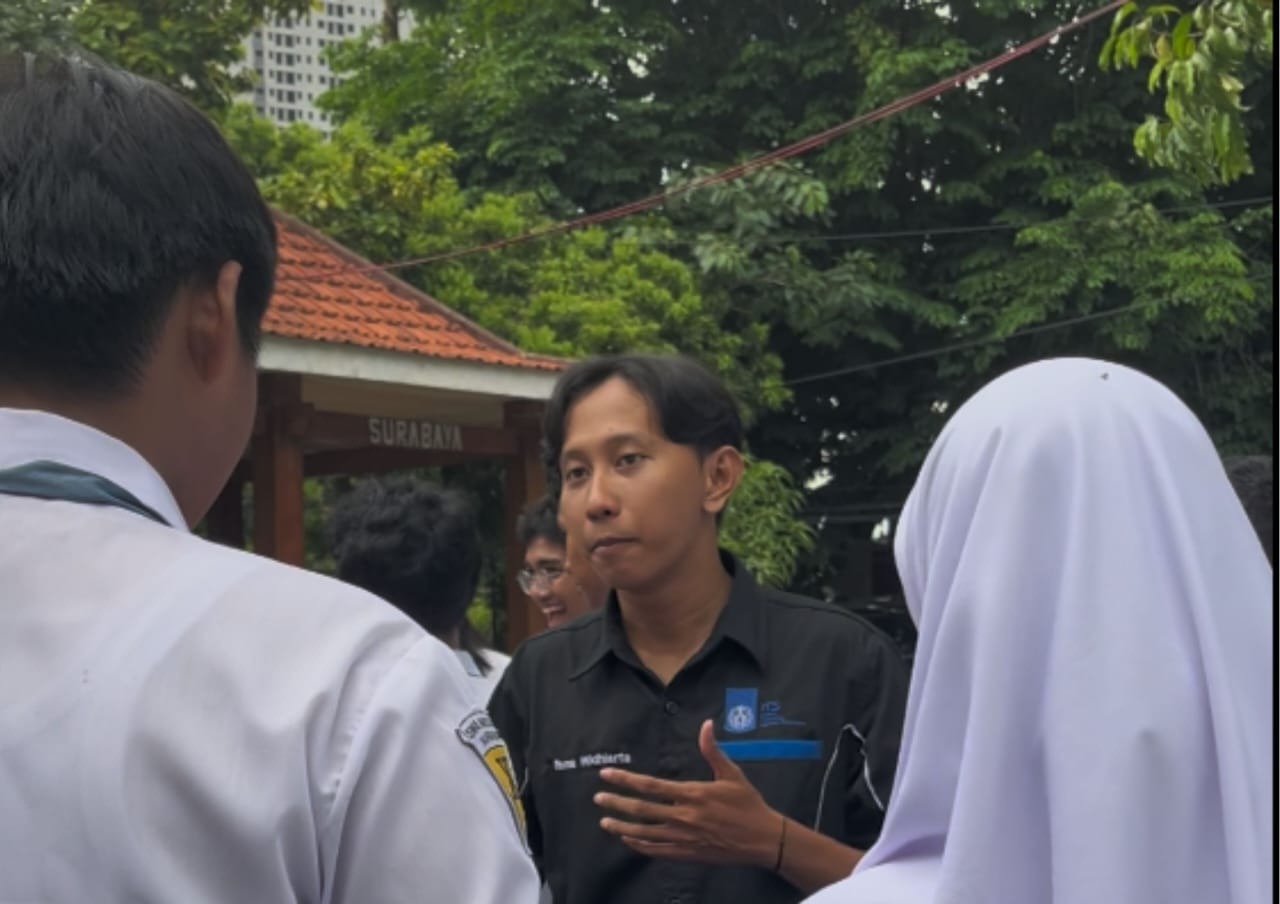
Following installation, the ITS team conducted intensive outreach. Students and teachers were given in-depth training on the theory and operation of solar power plants, as well as how to operate the IoT switching system . This education is crucial because high school is a crucial period before students choose their majors. “We hope students can be more selective and decide whether they are interested in becoming renewable energy engineers in the future,” said Faza.
The school welcomed this innovation, as it provided them with renewable energy learning materials and free access to lighting. Furthermore, this system is expected to reduce the school’s electricity bill. Currently, the ITS team is focusing on monitoring and maintaining the equipment as part of ongoing support.
This activity aligns with efforts to improve the quality of education, in accordance with Sustainable Development Goals (SDGs) point 4, which emphasizes Quality Education, and point 7 on Clean and Affordable Energy. The implementation of this solar power system demonstrates ITS’s real commitment to supporting a sustainable energy transition in the school environment. (*)