Published on
Saturday, 21 February 2026
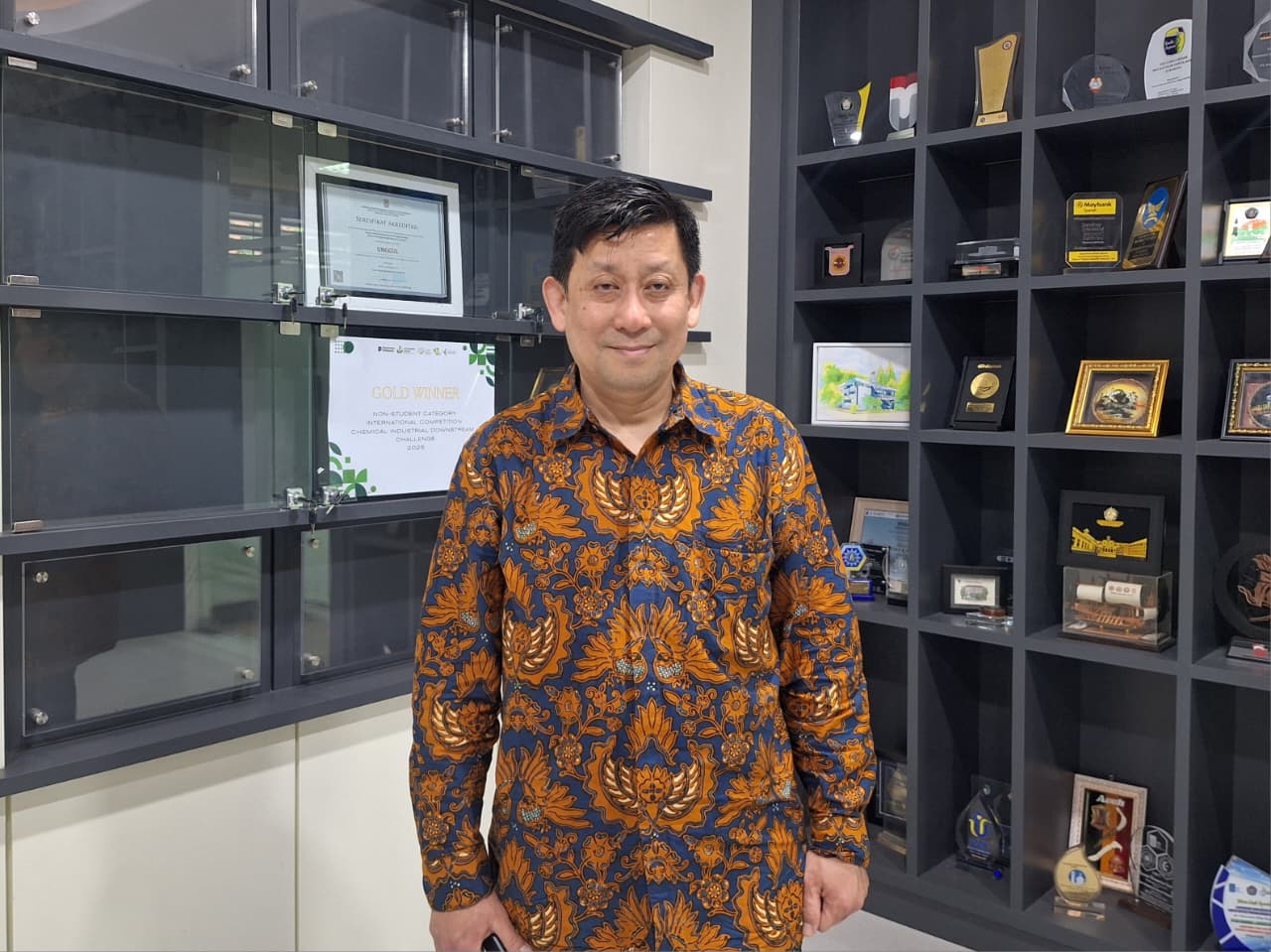
ITS Campus, ITS News — For Prof Dr Bhakti Stephan Onggo PhD, technology is not just a technical innovation, but a humanitarian instrument. Through digital twins innovation, this Informatics Engineering alumnus of Institut Teknologi Sepuluh Nopember (ITS) presents a new perspective on disaster mitigation: one that is more adaptive, data-driven, and oriented toward saving vulnerable populations.
Bhakti is currently pursuing a career as a professor at the University of Southampton, England. He has built his reputation as an expert in simulation and business analytics. His work ethic and foundational thinking were formed back when he pursued higher education at the Jurusan Teknik Komputer (TC) ITS, which has now become the Departemen Teknik Informatika.
Being a student in 1989 meant Bhakti and his colleagues had to deal with the limited facilities of that time. They had to struggle harder to find resources to support their learning. “However, that is what shaped our character into independent and resilient individuals who do not give up easily,” said the man from Probolinggo.
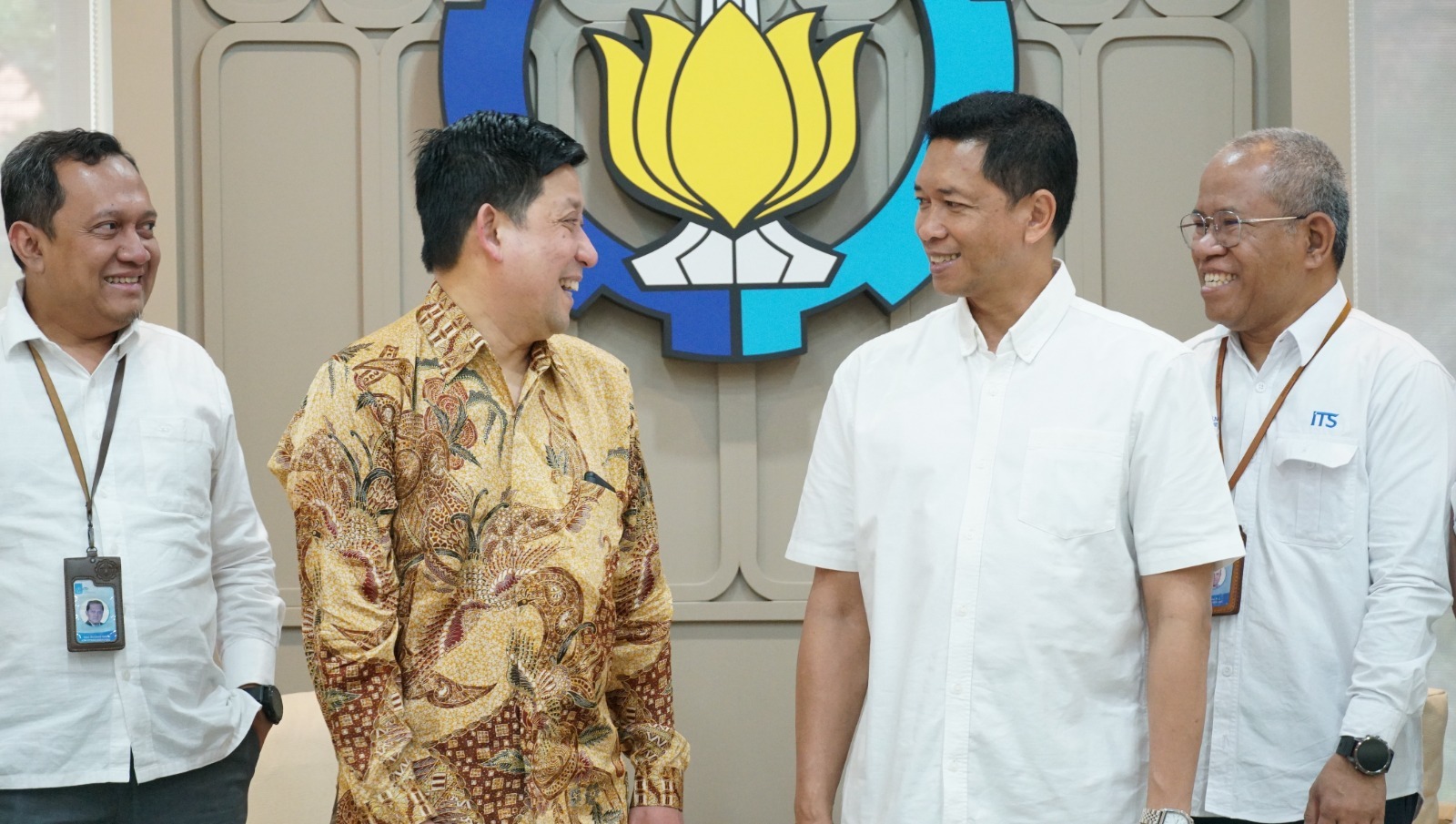
From a classroom in Surabaya, the man born in 1970 continued his master’s studies at Lancaster University, England, in the field of Operations Research. Bhakti then continued his doctoral studies through a scholarship at the National University of Singapore (NUS), Singapore, majoring in Computer Science.
Deepening his research, this Indonesian diaspora returned to England to undergo a postdoctoral fellowship before being appointed as an Assistant Professor. Bhakti then moved to Trinity College Dublin, Ireland, to become an Associate Professor. He eventually continued his academic career at the University of Southampton, England, as a professor in the field of Business Analytics.
However, these global achievements did not distance him from Indonesia. This diaspora from ITS actively contributes to his homeland and alma mater. Collaborating with the Departemen Teknik Geomatika ITS and the Pusat Penelitian Mitigasi Kebencanaan dan Perubahan Iklim (MKPI) ITS, the three entities are working together to create digital twins technology for disaster applications. Digital twins, which are digital representations of real systems connected in real-time, allow modeling, analysis, and decision-making to be carried out dynamically and adaptively to changing conditions in the field.
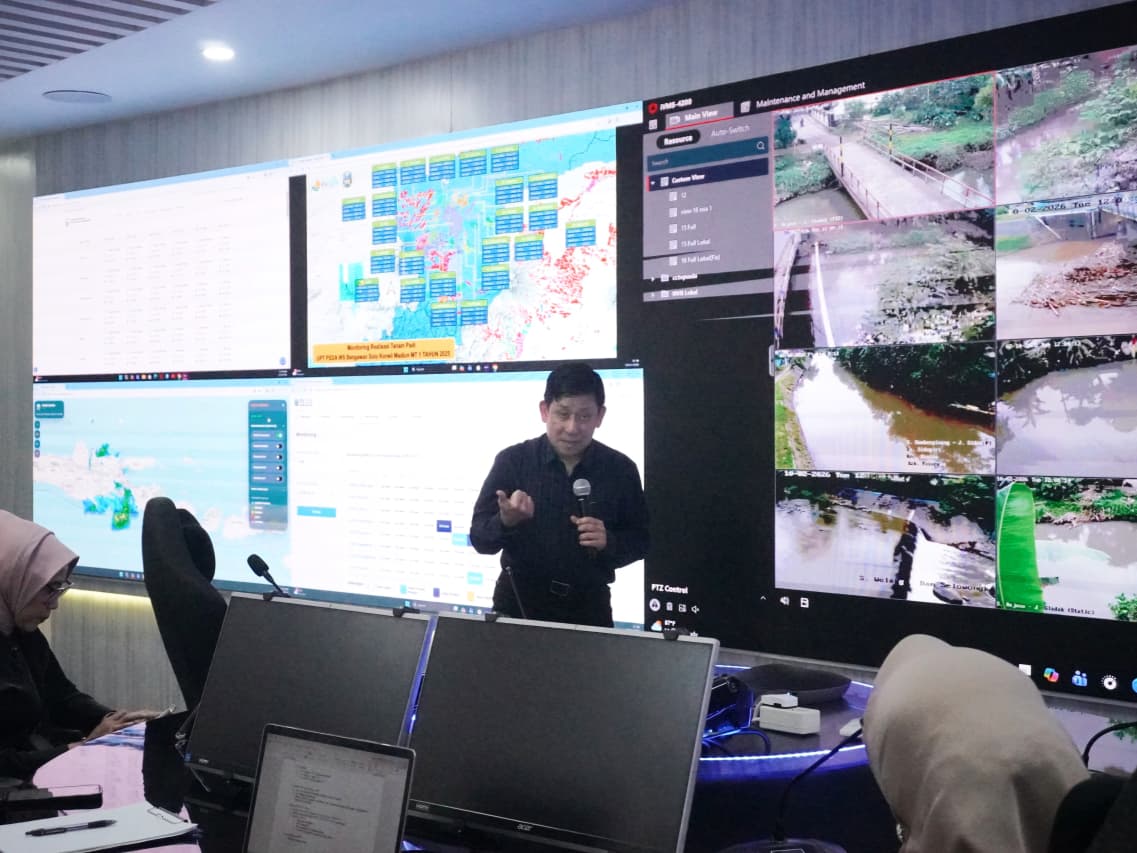
Through the research conducted, digital twins technology was produced in two applications focusing on saving disaster victims and aid distribution. This academic explained that the uniqueness of the technology he developed focuses on saving vulnerable populations, such as pregnant women and children. “We strive to save disaster survivors as quickly and as many as possible,” he emphasized.
As a simulation expert, Bhakti also explained that digital twins can change the paradigm of simulation-based modeling. Generally, simulation modeling methodologies are static and do not yet accommodate real-time changes occurring in the field. Through the integration of digital twins into simulation methodologies, decision-makers can perform situational predictions quickly, evaluate diverse scenarios, and optimize the allocation of resources, such as emergency facilities, accurately in the face of various uncertainties.
This approach is important in the context of disasters, where timeliness and handling significantly determine the success of disaster response and mitigation. Therefore, the integration of digital twins and simulation is a promising approach to increase the effectiveness, response speed, and resilience of disaster management systems in the future.
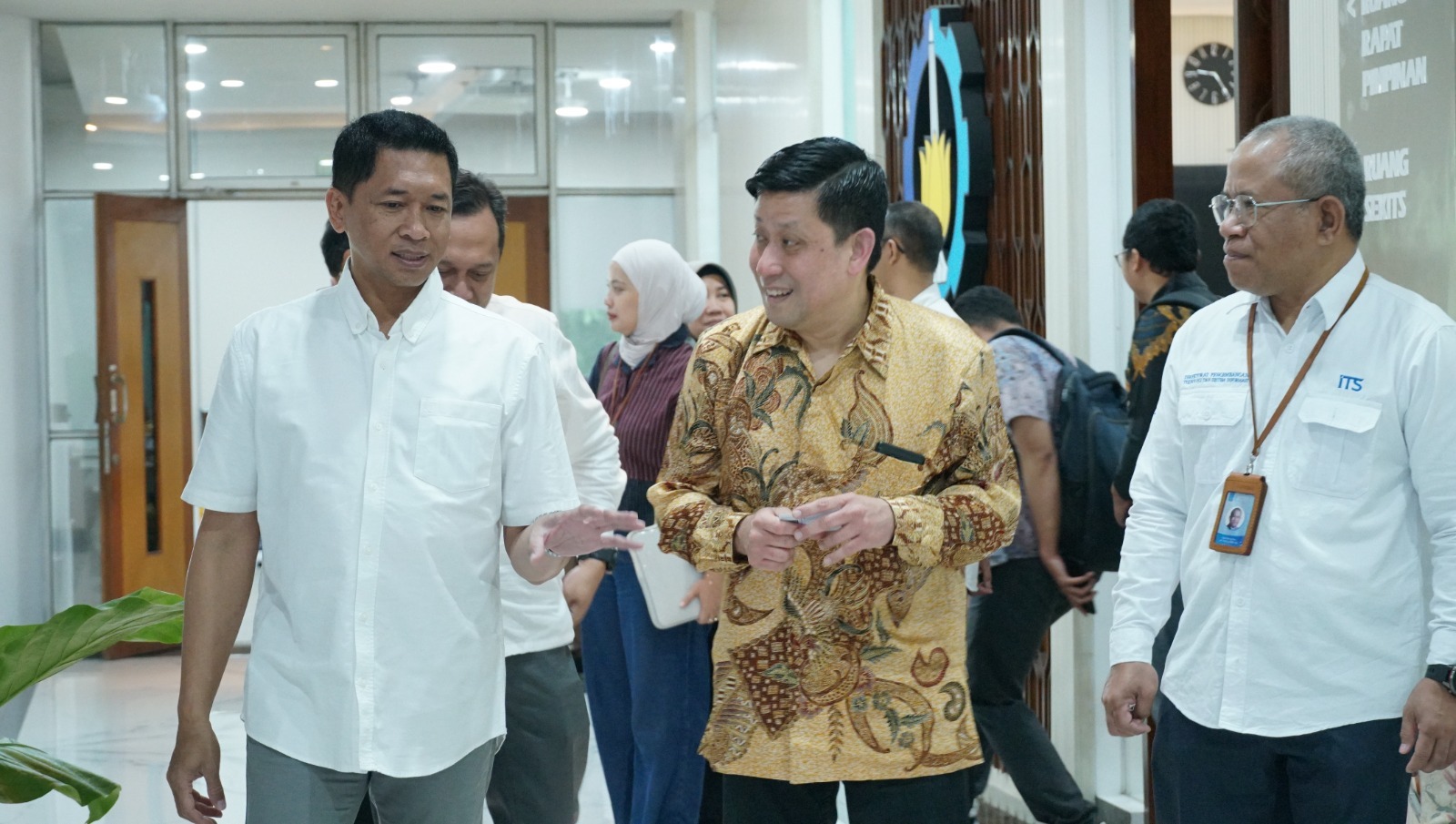
Furthermore, Bhakti also shared important lessons he learned while studying at ITS. One of the advantages formed was the ability to think logically and systematically. The knowledge he gained also created critical thinking skills that can be applied in daily life. “By criticizing everything, one benefit is avoiding information that is a hoax,” he stated.
Thus, the academic and career journey of this accomplished alumnus contributes to strengthening the existence of ITS in the global arena. Through cross-country ideas and collaboration, this enthusiast of watching movies, traveling, and culinary experiences shows that the best innovation is born when science meets empathy and when alumni stay connected with their alma mater.
Bhakti’s work is in line with supporting the achievement of Sustainable Development Goals (SDGs) point 4 regarding Quality Education and point 9 regarding Industry, Innovation, and Infrastructure through the development of disaster technology. “Facilities are indeed good, but in the end, the quality of the students will be the deciding factor,” Bhakti reminded. (HUMAS ITS)
Reporter: Hani Aqilah Safitri