Several ITS Faculty Members Were “Summoned” by the Prosecutor for a Sharing Session
Published on
Tuesday, 29 September 2026
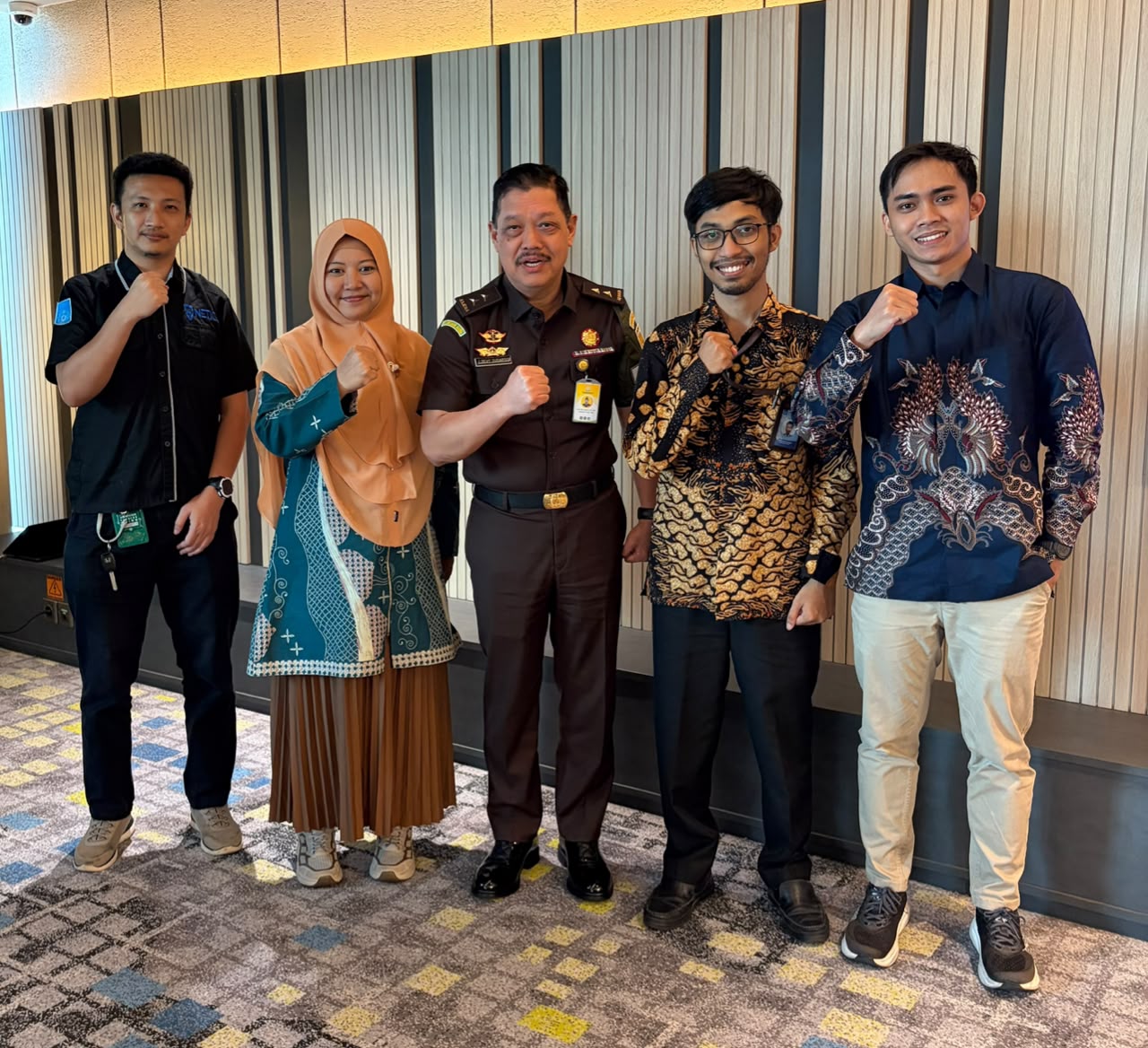
In the center, J. Devy Sudarso, S.H., C.N., Head of the Functional Technical Training Center at the Training Agency of the Attorney General’s Office of the Republic of Indonesia, was accompanied by Dr. Ir. Henning Titi Ciptaningtyas, S.Kom., M.Kom., Baskoro Adi Pratomo, S.Kom., M.Kom., Ph.D., Moch. Nafkhan Alzamzami, S.T., M.T., and Deka Julian Arrizki, S.Kom., M.Kom.
Surabaya, ITS News — Advances in digital technology have brought about changes in the handling of legal cases. Various pieces of information stored in electronic devices can now play a crucial role in the evidentiary process. In response to these challenges, the Sepuluh Nopember Institute of Technology (ITS) contributed to the 2026 Training Program on the Consolidation of Reforms in Criminal Law and Criminal Procedure Law, organized by the Education and Training Agency of the Attorney General’s Office of the Republic of Indonesia.
The event, which took place at the Surabaya Training Center on September 29, 2026, was opened by J. Devy Sudarso, S.H., C.N., Senior Deputy Prosecutor and Head of the Center for Technical and Functional Training at the Indonesian Attorney General’s Office Training Agency. Approximately 200 prosecutors participated in this training, which served as a learning platform to strengthen participants’ understanding of various aspects of criminal law and criminal procedure law reform.
One of the topics covered in the training was “Technology, Digital Evidence, and Modern Forensics.” This session featured Dr. Ir. Henning Titi Ciptaningtyas, S.Kom., M.Kom., Baskoro Adi Pratomo, S.Kom., M.Kom., Ph.D., and Moch. Nafkhan Alzamzami, S.T., M.T., from ITS as guest speakers.
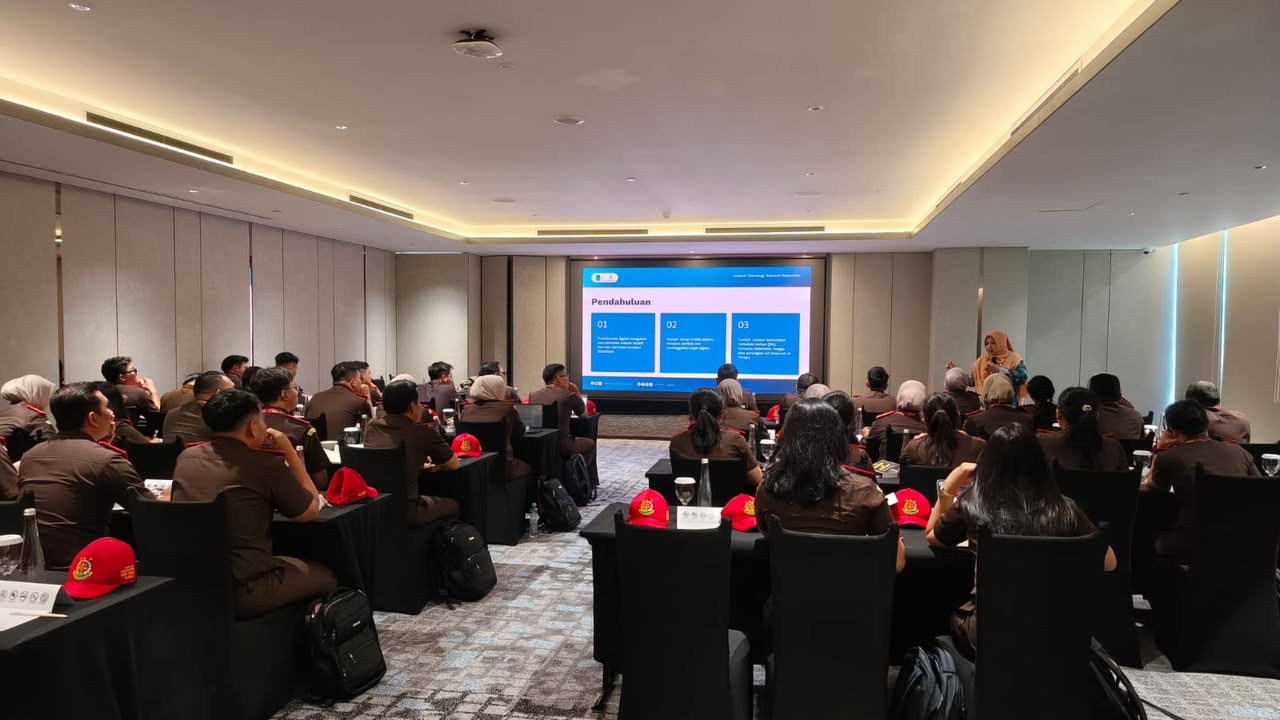
The atmosphere during the presentation on Technology, Digital Evidence, and Modern Forensics at the 2026 Training Program on the Reform of Criminal Law and Criminal Procedure.
The discussion begins with an understanding of digital evidence—that is, information originating from digital devices or environments that may be relevant to the evidentiary process in a case. The characteristics of digital evidence, which differ from those of conventional evidence, mean that handling it requires both technical expertise and proper procedures.
One important aspect of concern is the process of handling digital evidence. Digital evidence must be managed systematically from the moment it is discovered, secured, and examined, through to its preparation for use in legal proceedings. Each of these stages must be carried out with due regard for data integrity so that the information obtained remains reliable.
The following material discusses modern digital forensics—the forensic approach used to examine and analyze digital data. Technological advancements mean that the forensic process is no longer limited to computers but also encompasses various devices and digital environments that generate or store information.
During the session, participants also gained an understanding of the chain of custody for digital evidence. This aspect pertains to the recording and control of an item of evidence’s journey from the time it is obtained until it is used in legal proceedings. Clear documentation is necessary to maintain traceability and ensure that the evidence being examined can be linked to the process by which it was handled.
Equally important, the material also covered the presentation of digital evidence in court. Evidence that has been obtained and analyzed must be presented in a manner that is understandable within the context of the evidentiary process. Therefore, a technical understanding of how digital evidence is obtained, examined, and presented is a crucial component of its effective use in court proceedings.
The inclusion of topics on technology, digital evidence, and modern forensics in this training program highlights the increasingly close relationship between advancements in information technology and the needs of law enforcement. Understanding digital evidence requires not only a legal perspective but also technical expertise to ensure that the management and analysis of evidence are conducted properly.
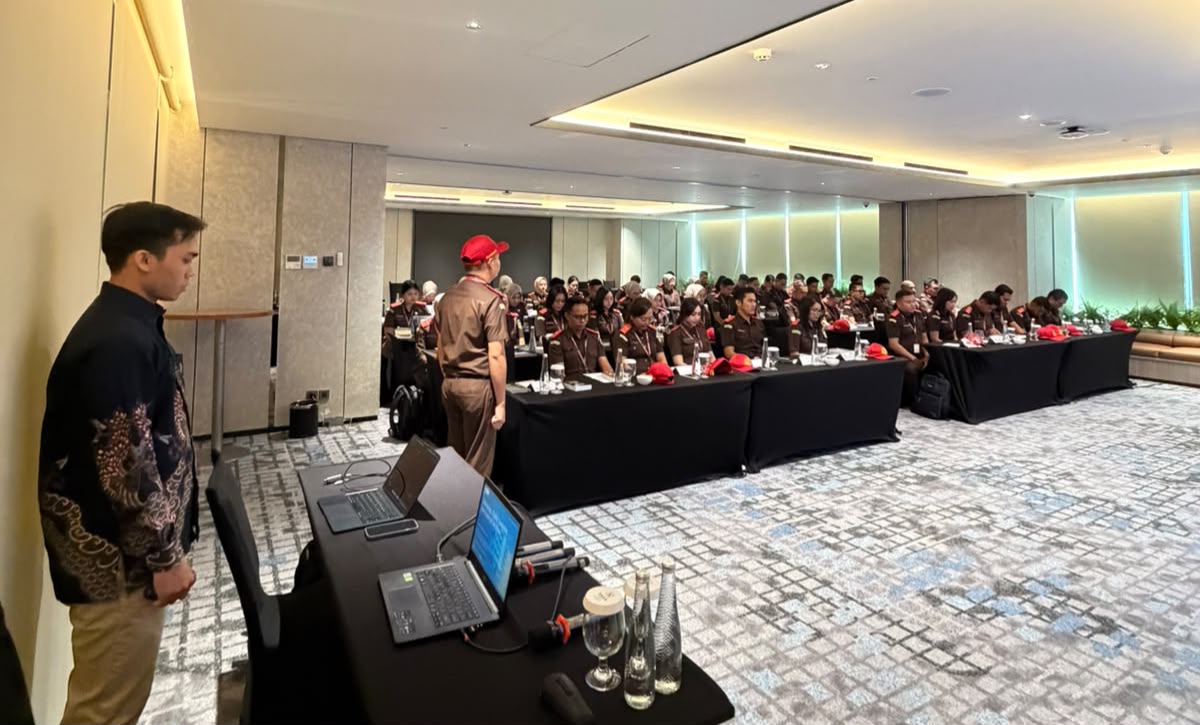
Training participants listened to a presentation on digital evidence and modern forensics to support the handling of digital evidence.Training participants listened to a presentation on digital evidence and modern forensics to support the handling of digital evidence.
Through this presentation, participants are expected to gain a more comprehensive understanding of the characteristics of digital evidence, forensic processes, the importance of the chain of custody, and the presentation of digital evidence in court. This material also strengthens collaboration between the fields of information technology and law in addressing cases that are increasingly linked to digital technology.
ITS’s involvement in this activity represents one way in which universities contribute by sharing technological expertise with law enforcement agencies. This interdisciplinary collaboration aligns with Sustainable Development Goal (SDG) 16—Peace, Justice, and Strong Institutions—particularly in supporting institutional capacity building and the application of knowledge to advance technology-driven law enforcement processes.
Reporter: Balqis S. Sabillah
===============================================================
Information provided by:
Departemen Teknologi Informasi
Website: its.ac.id/it
Instagram: its_teknologi_informasi
Youtube: Teknologi Informasi ITS