


Surabaya, F-ELECTICS ITS – The use of Artificial Intelligence (AI) technology is increasingly becoming a strategic necessity in strengthening the complex and data-based national taxation system. ITS aims to develop AI solutions that can improve the effectiveness of analysis, data quality, and the taxation monitoring system. This cooperation activity was held on Thursday, January 22, 2026, at the Faculty of Electrical Engineering and Intelligent Informatics (F-ELECTICS) ITS.
The collaboration between the DJP and ITS is aimed at developing AI technology relevant to operational taxation needs. The development focus covers three main aspects, namely the application of Machine Learning for taxpayer risk profiling, the use of AI in improving data quality and integration across systems, and the development of AI for anomaly detection and potential fraud. These three aspects are positioned as the foundation for strengthening data-driven decision-making and more proactive tax supervision.
As part of the initial implementation, the development team presented the results of the initial AI prototype developed using GenAI Senopati. This prototype is designed to support taxpayer risk mapping, data integration and quality improvement, as well as anomaly identification and fraud detection through an artificial intelligence approach. The system was developed with consideration for large-scale analysis requirements and the complexity of taxation data.
The development of this technology is planned to continue with a live demonstration of the system to the DJP. In its implementation, Senopati acts as the main backbone with an on-premise architecture. This approach was chosen to ensure data security and confidentiality, guarantee the protection of strategic data, and maintain compliance with national regulations through the management of a locally developed system.
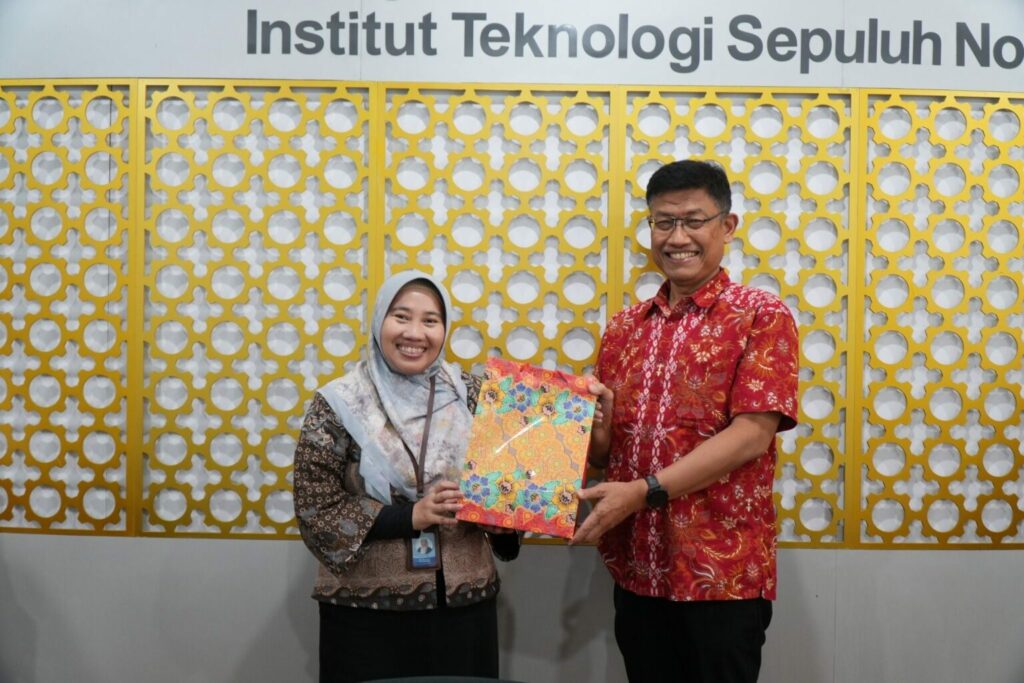
This cooperation discussion involved the Directorate General of Taxes team members who are part of the PSIAP Team. From the DJP side, Hantriono Joko Susilo, Director of Information and Communication Technology (ICT) and Project Manager of the PSIAP Team, was present, accompanied by Yanwas Nugraha, Head of the Information System Management Sub-Directorate of the ICT Directorate. Also present were Rachmat as Chair of the Development and Implementation Team, Boby Ariwibowo as Chair of the Risk Management and Legal Assistance Subteam, Jarot Budiono as Chair of the System and Infrastructure Analyst Subteam, and Andrean Firmansyah as Level III Analyst of the PSIAP Team.
From ITS, institutional support was conveyed by the Vice Rector for Research, Innovation, Cooperation, and Alumni Affairs of ITS, Prof. Agus Muhamad Hatta, S.T., M.Si., Ph.D. He emphasized the importance of collaboration between universities and government agencies in producing technology-based research that can address national strategic needs, particularly in the digital transformation of the public sector. This support was reinforced by a statement from the Dean of F-ELECTICS ITS, Prof. Dr. Diana Purwitasari, S.Kom., M.Sc., who expressed F-ELECTICS ITS’s readiness as a strategic partner in the development of applicable AI technology with a real impact.
In addition, the Head of the Senopati Team, Dr. Dwi Sunaryono, S.Kom., M.Kom., explained Senopati’s role as a secure and reliable local AI platform to support large-scale data processing and critical systems. These characteristics make Senopati relevant for integration into taxation systems that demand high accuracy and operational sustainability.
The interactive discussion explored the potential application of AI in taxation systems, the challenges of cross-system data integration, and opportunities for further development through ongoing research collaboration between the DJP and ITS. This synergy is expected to produce adaptive, innovative technological solutions that are in line with the institutional needs of the DJP.
Through this collaboration, the DJP and ITS affirm their joint commitment to promoting digital transformation in the field of taxation through the use of Artificial Intelligence technology that is safe, accountable, and sustainable. This collaboration is in line with the achievement of the Sustainable Development Goals (SDGs), particularly SDG 9 related to strengthening innovation and digital infrastructure, SDG 16 in supporting transparent and integrity-based tax governance, and SDG 17 through strengthening partnerships between the government and research-based universities.