About
Published on
Friday, 3 October 2025
Surabaya, ELECTICS ITS – Institut Teknologi Sepuluh Nopember (ITS) once again marks a remarkable achievement in the field of research and innovation. Through the Riset Konsorsium Unggulan Berdampak (RIKUB) program, Prof. Dr. I Ketut Eddy Purnama, S.T., M.T., lecturer at the Department of Computer Engineering ITS, successfully secured funding to continue the development of iBrain2U. This artificial intelligence (AI)-based innovation is designed to assist doctors in diagnosing brain diseases more quickly and accurately, while also serving as a tangible example of cross-university and hospital collaboration in Indonesia.
The RIKUB program was established as an initiative to foster excellent and impactful research. Unlike single-institution research schemes, RIKUB emphasizes collaboration among universities, with each institution taking part as if assembling components of one finished product.
“As an analogy, if you’re building an electric fan, one team makes the motor, another crafts the blades, and another designs the casing. All the parts come together into one superior product,” explained Prof. Ketut.
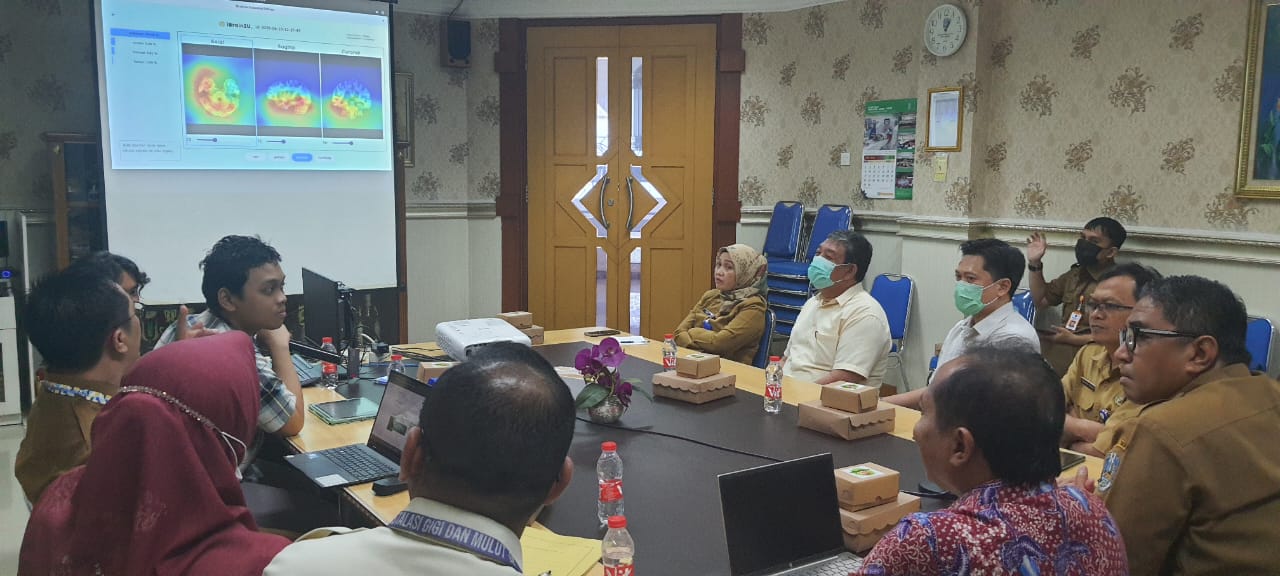
In the case of iBrain2U, each partner university develops modules based on their expertise. For example, the epilepsy diagnosis module is developed with Universitas Islam Negeri Maulana Malik Ibrahim Malang, the tumor module with Universitas Negeri Surabaya, and other modules with Universitas Trunojoyo Madura and Universitas Semarang. In addition, RSUD Haji Surabaya is also involved as a trial and development partner.
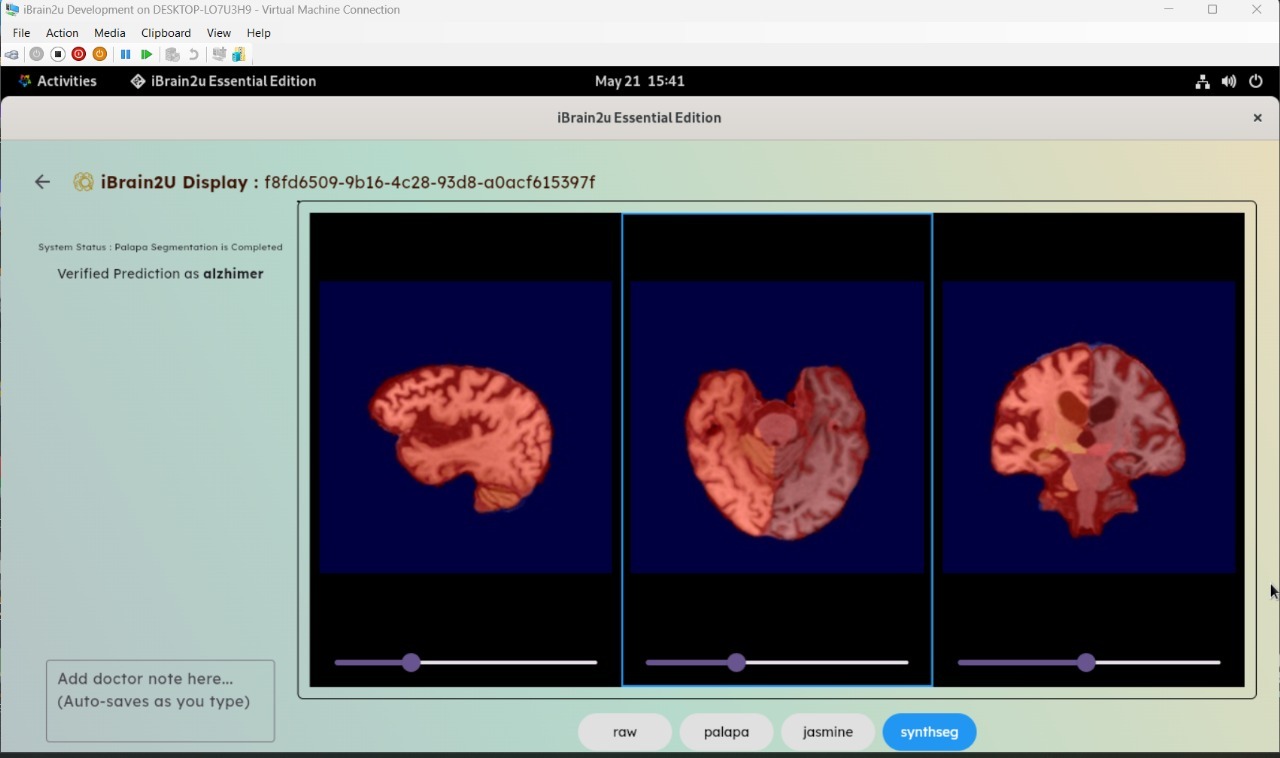
iBrain2U is not a research project that emerged overnight. Since 2019, it has been funded by LPDP and successfully produced a prototype. The system is capable of classifying four types of brain diseases: stroke, tumor, epilepsy, and Alzheimer’s.
The process is simple doctors upload a patient’s MRI images into the system, and iBrain2U predicts the disease type along with its probability percentage. Moreover, the system can highlight the specific location of the disease within the MRI slices, which can number up to hundreds. This feature greatly helps doctors who traditionally need to review each image manually, a process that is both time-consuming and labor-intensive.
“With iBrain2U, diagnoses that usually take up to an hour can be reduced to just a few minutes. This will significantly ease doctors’ workloads and at the same time speed up patient services,” said Prof. Ketut.
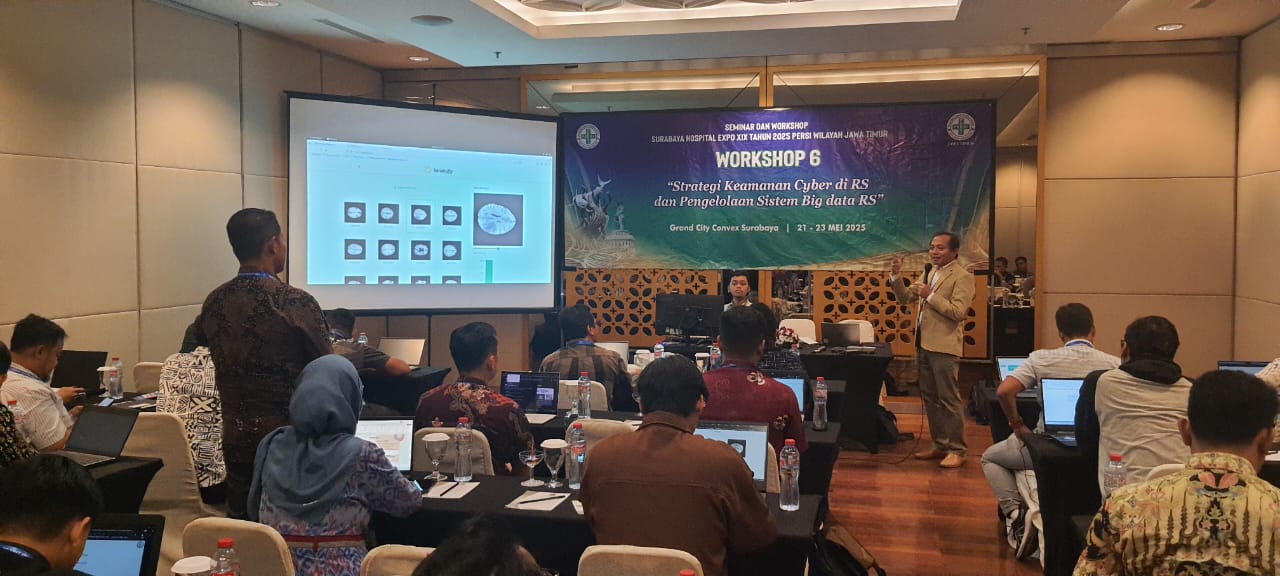
The RIKUB funding is now aimed at strengthening the system’s features, expanding testing, and disseminating iBrain2U to hospitals across Indonesia. The first year will focus on developing the system in the form of a mini PC that can be connected to hospital computers and undergo evaluation.
In the second year, the project aims to build a network linking multiple hospitals, enabling the implementation of tele-radiology. This way, doctors from different hospitals can connect and collaborate in diagnosing patients remotely.
In the third year, iBrain2U will be integrated with the PACS (Picture Archiving and Communication System), a standard hospital system for storing medical imaging data. This integration will align iBrain2U with modern hospital digital infrastructures.
Beyond technological development, Prof. Ketut emphasizes that the most important aspect is the real impact for the medical field and society.
“I will be very proud if this product is truly used. While commercialization may bring benefits, what matters most is its utilization. It would be a shame if a research project is funded but ends up not being applied,” he stressed.He further noted that impactful research is in line with the government’s mission. “As the Minister has stated, research must be impactful. It should not merely result in reports but truly serve society.”
With this RIKUB funding, ITS together with partner universities and RSUD Haji Surabaya is optimistic that this medical innovation will not only be the first of its kind in Indonesia but also has the potential to become a pioneering solution globally.