Smart Eco Campus



"Cities and communities must themselves be sustainable. More and more of the world’s population lives in urban centres, and this is often the home of our universities too. Cities can be places of great innovation and opportunity, but they can also be home to intense poverty and inequality. The interaction between universities and their communities, urban and rural, needs to be a positive one that can last for generations." (THE Impact Rankings)
Institut Teknologi Sepuluh Nopember (ITS) is dedicated to serving as an inclusive civic space, granting free public access to its core academic buildings, advanced research laboratories, specialized engineering facilities, and cultural landmarks. By regularly hosting nationwide robotics tournaments, secondary school open houses, large-scale community festivals, and public gatherings across its campus parks and communal plazas, ITS actively breaks down institutional barriers to share its physical environment and technological heritage with the wider society.
Demonstrating institutional openness, ITS frequently welcomes secondary students, educators, and the public into its specialized academic facilities. Through initiatives such as the Environmental Engineering International Undergraduate Program (IUP) Open House, students from 75 high schools across East Java were granted direct access to lecture halls and the Environmental Remediation Laboratory, engaging directly with faculty to explore applied ecological solutions.
This policy of transparent educational access is further expanded through the collaborative Computer and Electrical Exhibition hosted at the Menara Sains 2 Building. Public attendees and school groups explored state-of-the-art facilities across the Robotics and Intelligent Systems Laboratory, participating in hands-on equipment trials and examining capstone innovation prototypes. Similarly, international academic visitors and community groups gained access to design workshops and studios during the Patra cultural art workshops conducted within the Department of Interior Design.
 Figure 1: High school students conducting hands-on robotic experiments during a public laboratory tour at the Menara Sains 2 Building, ITS.
ITS extends public access beyond conventional lecture rooms by opening specialized technological landscapes. The university integrated community engagement with zero-emission technology by opening the 1,300-meter ITS Circuit during the PLN ICE 2025 Electric Go-Kart Championship. Functioning as Indonesia’s first and only university-owned racing circuit, the facility welcomed 15 university racing teams nationwide alongside civic spectators, technical hobbyists, and local residents to witness clean energy vehicle trials.
Furthermore, the university regularly transforms its green corridors and boulevard landscapes into vibrant civic wellness spaces. In celebrating institutional milestones, the university hosted the Surabaya ITS Runfest 2025 and the 65th Anniversary Sports Festival. These mass athletic gatherings invited more than 3,000 public runners, local families, and regional micro-enterprises to freely utilize the university's pedestrian corridors and open grounds for healthy recreation and social engagement.
 Figure 2: Electric go-karts competing on the 1,300-meter ITS Circuit, opened to national competitors and public spectators during PLN ICE 2025.
Promoting social harmony and local economic welfare, ITS makes its major public monuments and communal gathering plazas freely available to the public. During religious holidays, the university grounds host the annual Ramadan Bazaar at the Manarul Ilmi Mosque park and plaza. Organized by the university mosque congregation and supported by local philanthropic foundations, the open plaza provides local residents and students with free takjil refreshments, affordable family meals, and commercial stalls for neighborhood food vendors.
Similarly, ITS opens its main event auditoriums and halls to host inclusive national youth showcases, such as the Baronas 2025 National Robotics Competition. Bringing together 1,141 participants spanning elementary school pupils to university scholars, the campus halls became a collaborative national hub supported by the Surabaya Education Office, proving that ITS facilities remain accessible platforms for inspiring Indonesia's future engineering talents.
 Figure 3: Crowds of campus members and local residents enjoying community stalls during the annual Ramadan Bazaar at the Manarul Ilmi Mosque plaza.
Institut Teknologi Sepuluh Nopember (ITS) is dedicated to advancing public literacy and open knowledge dissemination by ensuring broad public access to its library collections, physical learning facilities, and digital publications. Combining open-door community literacy programs with an open-access global institutional repository, ITS empowers regional schools, external researchers, and civil society to utilize university academic resources without prohibitive institutional barriers.
Positioning its central library as an open civic resource, ITS regularly hosts educational visits and community literacy partnerships. Under the university's community outreach framework, the ITS Library organized the "Go to ITS" public literacy program for regional elementary schools in partnership with the Panggon Moco Community Reading Garden (TBM) from Gresik Regency.
The initiative provided young students and educators with guided public access to specialized learning zones across the building, including the expansive 5th-Floor General Reading Room, the Multimedia Mini Theater, and the Creative Co-Working Space (CCWS). Furthermore, visitors were introduced to the ITS Library's interactive Migas Corner, an educational exhibit developed with energy sector partners that demystifies science and resource management. By opening these spaces for storytelling competitions and educational workshops, ITS demonstrates that its physical library functions as an inclusive knowledge commons extending far beyond conventional academic study.
 Figure 1: Elementary school students exploring interactive educational displays at the Migas Corner located within the central ITS Library during the "Go to ITS" public literacy outreach.
Beyond physical infrastructure, ITS ensures universal access to books, academic monographs, and scholarly publications through its comprehensive digital architecture. The university maintains the ITS Institutional Repository (repository.its.ac.id), an open-access platform granting immediate, barrier-free access to undergraduate theses, postgraduate dissertations, working papers, and faculty publications.
Available automatically to independent researchers, local civic planners, and international scholars without paywalls or login requirements, the open digital repository reflects ITS's adherence to international open-science standards. By harmonizing physical library access schemes for community groups with universal digital publication accessibility, ITS actively fosters equitable lifelong learning and cultural literacy across urban and rural communities.
Institut Teknologi Sepuluh Nopember (ITS) bridges academic inquiry and civic life by granting unrestricted, free public access to its educational museum facilities, curated art galleries, and innovation exhibition spaces. From permanent digital learning centers on campus to open public galleries showcasing contemporary visual arts, product design, and assistive technology prototypes, ITS actively shares its intellectual and creative outputs to enrich cultural appreciation across urban communities.
Affirming its role in public science communication, ITS established Migas Corner ITS, Indonesia's first interactive energy museum supported by metaverse technology. Developed in partnership with the Special Task Force for Upstream Oil and Gas Business Activities (SKK Migas) and officially inaugurated by Minister of Energy and Mineral Resources Bahlil Lahadalia, the permanent exhibition facility occupies the central foyer of the ITS Library.
Designed as a barrier-free public educational resource, the showcase presents the geological history of Indonesian petroleum extraction, offshore exploration engineering, and deep-sea marine safety mechanisms. Through virtual reality headsets and interactive touchscreens, visiting school groups, regional college delegations, and citizens experience immersive simulations of offshore energy platforms, transforming specialized industrial heritage into an accessible public learning commons.
 Figure 1: Minister of Energy and Mineral Resources Bahlil Lahadalia and ITS Rector Prof. Bambang Pramujati reviewing interactive digital displays at the newly inaugurated Migas Corner museum.
The university regularly converts departmental spaces into public creative galleries to celebrate contemporary artistic expression. The Department of Visual Communication Design hosted RupaFest: Swarmata, an annual public visual arts exposition that assembled five curated pavilions spanning branding systems, social photography, typography, and interactive gaming. Open freely to youth communities and professional studios, the gallery showcased socially responsive installations such as intuitive hospital wayfinding frameworks and digital pet adoption platforms.
Complementing graphic disciplines, the Department of Industrial Product Design opened its annual showcase, Despro Week 5.0, presenting public exhibits across furniture, apparel, toys, and transportation design. The gallery invited visitors to test interactive functional furniture and explore mental-health assistive objects alongside thousands of conceptual sketchbooks. ITS also took design collections beyond campus walls by exhibiting sustainable apparel and eco-friendly footwear at Creative Community Day Surabaya in Balai Pemuda, while welcoming secondary teachers to creative studio workshops during Creabiz Open Day at the Faculty of Creative Design and Digital Business.
 Figure 2: Community attendees and creative practitioners engaging with visual art installations and communicative design exhibits during RupaFest.
Extending exhibition spaces to technical problem-solving, ITS departments regularly stage public expos demonstrating practical engineering solutions. The Department of Statistics organized the Statistical Business Innovation (IBS) Exhibition, highlighting data-driven civic tools. A prominent showcase was SignBridge, an inclusive assistive application employing machine learning to translate sign language and convert ambient speech for individuals with hearing impairments, displayed openly to foster public disability awareness.
In parallel, academic units host open-floor engineering demonstrations. The Department of Computer Engineering staged the Computer Engineering Expo at Tower 2 ITS, inviting school delegations to examine 30 working prototypes including SARVIO-X autonomous search-and-rescue aerial drones. These public-facing exhibitions were further reinforced by the Engineering Physics Capstone Safety Exhibition showcasing industrial hazard detectors, alongside the CDP Innovation Mini Fair at Graha Pena displaying urban smart air purifiers for civic welfare.
 Figure 3: Developers demonstrating the SignBridge assistive sign-language recognition software to visitors during the Statistical Business Innovation Exhibition.
Operating on an open-campus philosophy, Institut Teknologi Sepuluh Nopember (ITS) grants permanent, unrestricted free public access to its extensive urban forests, botanical parks, lakefront reserves, and pedestrian corridors. Designed as a living laboratory for urban ecology, the 180-hectare campus integrates conserved natural habitats with civic amenities, enabling local residents, families, and recreational communities to freely experience safe, green, and inclusive public commons every day.
Exemplifying its commitment to expanding accessible municipal greenery, the university completed the revitalization of its central reservoir area through the inauguration of InfinITS Park in collaboration with PT ITS Tekno Sains. Built around an infinity-shaped retention lake, the site has been converted into an open public recreational eco-hub tailored for physical health, outdoor study, and community leisure without admission charges.
The public park integrates wide lakeside jogging tracks, an outdoor amphitheater, public plazas, children's playgrounds, and open-air fitness machinery alongside dedicated science boat testing docks. Outfitted with safety monitoring infrastructure and ambient natural stone landscaping, InfinITS Park serves surrounding suburban neighborhoods as an urban oasis for active living, stress reduction, and communal interaction in Eastern Surabaya.
 Figure 1: Outdoor fitness installations and pedestrian paths bordering the lake at InfinITS Park, provided as a permanent, free public recreation ground.
At the heart of the university's spatial layout lies the Main Spine corridor, a dedicated arterial greenway connecting the Grha Sepuluh Nopember landmark directly with faculty complexes. Maintained with dense shade trees and barrier-free sidewalks, this vehicle-free corridor is preserved for everyday public strolling, cycling, and organized community wellness events.
Reinforcing this urban forest canopy, the university commemorated its Lustrum celebrations through large-scale tree planting campaigns across campus green spaces. Initiated with the planting of mature Pule shade trees and followed by the introduction of over 200 fruit-bearing trees, the greening drives directly mitigate urban heat island effects. During major community walks along the Main Spine, over 11,000 public participants engaged in healthy recreation supported by complimentary water refill stations that eliminate single-use plastic waste across the grounds.
 Figure 2: ITS Rector Prof. Bambang Pramujati leading tree planting efforts along the campus perimeter to preserve biodiversity and extend shaded public walking spaces.
Complementing central waterfront parks, ITS stewards a network of secondary green pockets that remain open to the civic community. Areas such as Taman Segitiga, Taman Vivat, and the expansive roundabouts along Jalan Raya ITS serve as decentralized outdoor meeting spots, botanical buffers, and open-air athletic venues.
These lush environments routinely host civic environmental gatherings, such as the RE-Run renewable energy public marathon starting from Taman Segitiga. Co-organized with the Smart Eco Campus initiative, the 5-kilometer open circuit routed nearly 300 public runners through campus tree groves, botanical gardens, and student dormitories. By pairing physical exercise with open-air environmental forums, ITS ensures its open grounds stimulate ecological awareness and communal well-being.
 Figure 3: Participants running through shaded park corridors around Taman Segitiga during the RE-Run community eco-marathon on the ITS campus grounds.
Institut Teknologi Sepuluh Nopember (ITS) serves as a dynamic regional cultural patron, actively fostering local arts and cultural heritage through a continuous calendar of public performances. Exceeding 30 public presentations annually across university choirs, theatrical troupes, traditional gamelan orchestras, marching brass corps, and civic concerts, ITS provides open cultural stages that nurture local creative talent, preserve classical Indonesian storytelling, and enrich the public cultural life of East Java.
Affirming its commitment to indigenous heritage, ITS annually stages open traditional shadow puppet theatre for the broader community. Commemorating its 65th Anniversary, the university presented a grand nocturnal Wayang Kulit performance featuring the classical epic Wisanggeni Gugat at the outdoor ITS Sports Facility. Directed by master puppeteer Ki Minto Darsono, the production translated traditional moral philosophy into contemporary civic lessons on truth, justice, and community service.
Attracting an audience of over 3,000 on-site civic spectators, regional families, and international exchange students, the performance featured traditional live accompaniment by the Campursari Sekar Gadung musical ensemble and comic interludes by folk comedians Jo Klitik and Jo Klutuk. To ensure accessibility for foreign visitors and urban youth unfamiliar with classical Javanese idioms, ITS provided synchronized digital scripts with live Indonesian and English translations alongside broadcast streaming, ensuring universal appreciation of Indonesian theatrical arts.
 Figure 1: Vice Rector II Dr. Machsus symbolically handing the shadow puppet to master puppeteer Ki Minto Darsono during the public staging of Wisanggeni Gugat at the ITS campus.
The university's performing arts calendar is anchored by an institutional ecosystem of specialized student cultural bodies that collectively deliver more than 30 public arts presentations annually. In the vocal and orchestral arena, the internationally renowned Paduan Suara Mahasiswa (PSM ITS) choir routinely stages public annual concerts and ceremonial choral presentations, while the Victory Sepuluh Nopember Marching Corps (VSNMC) commands open-air symphonic brass, percussion, and field ensemble shows that regularly place top honors in national marching championships.
Preserving indigenous choreography, the Unit Kegiatan Tari dan Karawitan (UKTK) organizes annual public dance appreciations integrating Javanese court dances such as Gambyong with live gamelan orchestras. Dramatic literature is cultivated by Teater Tiyang Alit through scheduled open theatrical runs and script readings, while Rebana ITS (URI) presents public Islamic percussive vocal performances across Banjari and Nasyid traditions. Reinforced by the student music guild UKM Musik ITS hosting multi-band showcases across campus halls, this structured framework guarantees steady public access to high-caliber performance art throughout the academic year.
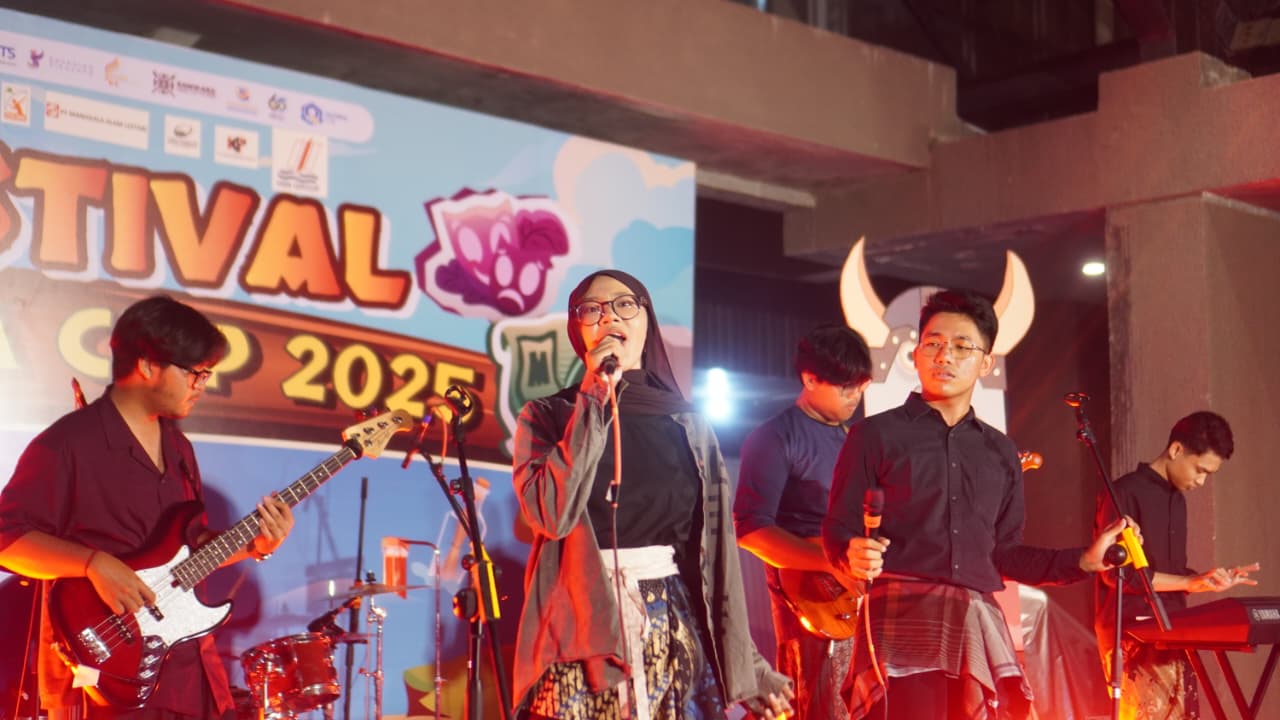 Figure 2: Student musicians performing live during a university-wide creative festival, illustrating the ongoing cultural performance calendar maintained by ITS arts units.
Extending performance arts to civic recreational spaces, ITS organizes major public-facing musical assemblies. As part of orientation festivities, the university opened the outdoor amphitheater at Taman Alumni for the GEREX (Gerigi x UKM Expo) Cultural Music Festival. The open-air concert drew an audience of approximately 7,000 spectators to enjoy live vocal harmonies and contemporary musical sets by national acts and campus musicians, creating an inclusive cultural environment.
Furthermore, university ensembles actively bring performances into Surabaya’s historic municipal spaces. During the culmination of Futurest 2025 hosted at the historic Balai Pemuda Surabaya, student musical troupe Blooeband presented an energetic live concert for civic visitors. Cultural dialogue is also fostered through assemblies like TEDxITS: House of Cards, where musical acts by Durja People and artistic retrospectives by legendary cross-gender traditional dancer Didik Nini Thowok stimulated public appreciation for unconventional performing disciplines.
 Figure 3: Thousands of attendees gathering at the Taman Alumni open-air stage during the GEREX festival, celebrating performing arts and musical collaboration.
Institut Teknologi Sepuluh Nopember (ITS) approaches cultural stewardship through an interdisciplinary synthesis of engineering precision, archival design, and grassroots ethnography. By pioneering open digital motion-capture repositories for classical Indonesian choreography, cataloging endangered historic burial landscapes, revitalizing traditional coastal sailing knowledge, and transcribing ancient culinary practices onto palm-leaf manuscripts, ITS actively records and safeguards fragile intangible heritage for academic preservation and intergenerational transmission.
Bridging cutting-edge digital recording technologies with intangible folk traditions, researchers from the Department of Electrical Automation Engineering and Visual Communication Design launched the Indonesian Traditional Dance Motion-Capture Archiving Initiative. Financed by a €17,250 competitive grant from the international DataCite Global Access Fund (GAF), the interdisciplinary team systematically digitizes the kinesthetic nuances of indigenous dance forms facing erosion.
Working alongside cultural masters and regional dance academies, the researchers recorded full-body skeletal coordinates for 12 classical Indonesian dances—including East Java’s iconic Tari Remo and Jathilan—using wearable motion-tracking sensory arrays. The recorded choreography was translated into standardized BioVision Motion Capture (BVH) skeletal hierarchies and deposited into an open institutional data repository with registered Digital Object Identifiers (DOIs). This architecture enables global choreographers, animators, and ethnographers to examine, preserve, and reproduce genuine Indonesian performing arts traditions with scientific fidelity.
 Figure 1: Research team recording traditional Indonesian dance choreographies into BioVision Hierarchy digital files utilizing sensor-based motion capture infrastructure funded by DataCite.
Preserving the endangered maritime craftsmanship and navigational lore of coastal artisanal communities, the Department of Naval Architecture and Marine Engineering coordinates the Surabaya Fisherman Sailing Competition under the banner Srawung Segara Srawung Budaya. Staged along the Kenjeran coastline, this communal initiative celebrates the traditional wood-carved outrigger sailing vessels that have sustained Madurese and Javanese fisherfolk for generations.
Involving 44 artisanal fishing crews, the competition serves as an interactive arena where elder fishermen transfer unwritten nautical techniques—including manual sail trimming, wind navigation patterns, and traditional hull modifications—to university engineering scholars and youth apprentices. Interdisciplinary faculty from Naval Architecture and Visual Design evaluate vessel aerodynamics and vernacular decorative aesthetics, keeping traditional coastal seafaring pride alive while stimulating marine eco-tourism and artisanal livelihood resilience.
 Figure 2: Traditional wooden sailing boats maneuvering during the Surabaya Fisherman Sailing Competition, revitalizing ancestral maritime techniques and coastal craft traditions.
Addressing gaps in urban memory and tangible heritage preservation, visual communication design faculty spearheaded an archival documentation initiative titled "Peristirahatan Terakhir", cataloging seven historical burial complexes across Surabaya. Working in close collaboration with the Surabaya Cultural Heritage Expert Team (TACB) and civic history collective Begandring Surabaya, the project rescued forgotten local narratives spanning pre-colonial, colonial, and early republican epochs.
The resulting monograph presents a rigorous historiographical, stylistic, and morphological inventory of prominent sacred sites, including the Sentono Boto Putih complex, the tomb of F.J. Rothenbuhler, and the Eyang Kudo Kardono sacred cemetery. By combining photographic records, architectural drawings, and folklore narratives, the documented publication serves as a formal public heritage asset, guiding municipal cagar budaya conservation policies and educating future urban planners on sacred spatial morphology.
 Figure 3: Faculty researchers from the Department of Visual Communication Design presenting the "Peristirahatan Terakhir" publication, preserving historiographical data on seven historic urban cemeteries.
Extending field preservation to inland agrarian folklore, an ITS multidisciplinary community outreach team executed an intangible heritage recovery program through the publication of the Gunungsari Gastronomic Heritage Book and Lontar Craft Workshops in Madiun Regency. Central to this ethnographic research was the historical codification of Rajamangsa Mantyasih, an ancient royal culinary tradition documented in classical stone inscriptions.
To ensure the survival of ancient calligraphic lore, the program organized direct skills transfers with local Tourism Awareness Groups (Pokdarwis Setopuro) to revive Javanese script engraving on dried Lontar palm leaves (daun lontar). Coupled with educational workshops exploring indigenous botanical dyes and natural leaf-pigment transfer techniques across regional pesantren communities, ITS actively protects historical culinary identities and endangered textual mediums as viable cultural craft enterprises.
 Figure 4: Handover of traditional lontar palm-leaf manuscripts inscribed with classical Javanese script during the cultural empowerment program in Gunungsari Village, Madiun.
Institut Teknologi Sepuluh Nopember (ITS) enforces measurable targets and structural frameworks to systematically shift daily campus travel toward non-motorized and zero-emission modalities. Guided by the Smart Eco Campus blueprint and the institutional Zero Emission Vehicles (ZEV) mandate, the university measures daily passenger volumes across electric transit fleets while establishing dedicated, barrier-free pedestrian infrastructure to curb private motorized commuting.
To accelerate internal transport decarbonization, ITS institutionalizes the Zero Emission Vehicles (ZEV) operational policy. The initiative establishes quantitative targets for campus commuting through an integrated ecosystem comprising complimentary campus bicycles, solar-powered electric commuter buses, Gesits electric motorbikes, and the proprietary intelligent autonomous vehicle, I-Car.
Transit deployment is systematically tracked through daily capacity metrics: the autonomous I-Car fleet operates on an 8-hour daily schedule with a dispatch frequency of 12 passengers every five minutes, accommodating an average throughput of 144 commuters per hour. Complementing operational deployment, the university established the Electric Motorcycle Conversion Workshop at the Science Techno Park (STP) Automotive Center under Prof. Bambang Sudarmanta. Developed in alignment with Ministry of Transportation standards to attain Type A testing facility status, the center provides affordable retrofitting, technical quality control, and testing services for student and community commuters transitioning to electric mobility.
 Figure 1: ITS Automotive STP Manager Prof. Bambang Sudarmanta showcasing retrofitted electric motorcycles engineered to support campus zero-emission commuting targets.
Parallel to vehicular electrification, ITS prioritizes active, non-motorized transport across its master planning corridors. Enforced through the ITS Rector's Statement Letter on Sustainable Infrastructure, the university mandates the progressive development and continuous maintenance of dedicated pedestrian walkways and segregated bicycle tracks connecting residential dormitories, lecture halls, and transit nodes.
Campus pedestrian infrastructure is engineered against strict safety, shade, and comfort criteria, featuring traffic-calmed crossings, tactile paving, and curb ramps ensuring universal access for persons with disabilities. By pairing physical walkway continuity with free bicycle-sharing hubs, ITS ensures that short-distance internal commuting is naturally dominated by safe, zero-emission active transit.
Institut Teknologi Sepuluh Nopember (ITS) implements systemic interventions to accelerate sustainable commuting across its metropolitan campus. Moving beyond voluntary advocacy, ITS couples binding regulatory restrictions on private automotive use with institutional pedestrian initiatives, app-integrated walking incentives, expanded campus transit bus fleets, and public tailpipe emission audits. These coordinated measures systematically reduce fossil-fuel dependence, curtail localized transport emissions, and foster a healthy, pedestrian-first academic biome.
To curb vehicular congestion and drastically decrease carbon emissions from everyday travel, the university enacted Rector Regulation Number 13 of 2025, formally prohibiting first-year undergraduate students from driving private cars within campus grounds. Administered by the Bureau of General Affairs, Safety, Health, and Environment (BUK4L), this policy addresses vehicle density at the source by targeting incoming cohorts during their foundational year of study.
The driving restriction is reinforced through institutional transport policies, including strict parking perimeter zoning, mandatory vehicle inspection stickers, and systematic gate barriers that verify commuter credentials. During orientation milestones, as demonstrated during the inauguration of 6,993 incoming scholars at the ITS Stadium, university leadership mandated complete non-motorized access, requiring students and academic executives to commute exclusively on foot and utilize reusable water stations to embed sustainable behavioral routines from day one.
 Figure 1: Regulatory banner placed across campus access points enforcing Rector Regulation No. 13/2025, which bans first-year undergraduate students from bringing private cars to the campus.
Complementing vehicular restrictions, the university actively promotes non-motorized pedestrian travel through the institutionalized ITS Walk campaign organized by BUK4L under the Smart Eco Campus framework. Designed to transform walking into an integral institutional culture, the program integrates scheduled communal itineraries, highlighted by "Jumat Berseri" (Bright Friday), where faculty, staff, and students commute on foot across interconnected academic corridors.
To quantify emission reductions and maintain daily commuter motivation, ITS integrated modern digital tracking through a dedicated Strava club gateway (its.id/its_walk). Commuters log daily walking distances, active transit durations, and calculated carbon offsets in real time. Backed by campus wayfinding navigation systems and continuous pedestrian path maintenance, this digital telemetry encourages physical fitness while providing verifiable data on internal active transit uptake.
 Figure 2: Faculty, administrative staff, and students participating in the weekly "Jumat Berseri" walking itinerary as part of the university-wide ITS Walk active mobility campaign.
To ensure viable alternatives to private motorcycle commuting, ITS expands collective mass transit options through strategic external alliances. In a notable industry-academia collaboration, ITS received a dedicated transit bus grant from paper manufacturer PT Sun Paper Source (SPS). Stationed across internal routes, the bus provides shared mobility for students, inter-faculty researchers, and visiting delegations, directly displacing individual motor vehicle trips.
This internal transit capability integrates with municipal public transportation networks. The university coordinates with the Surabaya City Government to route the municipal Suroboyo Bus public transit network directly through the central campus corridor. Supported by free on-campus bicycle-sharing racks and dedicated cycle lanes, students commuting from external urban districts can seamlessly transition from municipal mass transit to active non-motorized campus modes without personal automobiles.
 Figure 3: Official handover of the transit bus fleet unit from PT Sun Paper Source President Director to ITS Rector Prof. Bambang Pramujati to strengthen collective campus mobility.
Recognizing that motorized transit remains necessary for long-distance commuters, ITS enforces environmental performance standards on vehicles entering campus grounds. The Department of Environmental Engineering, in partnership with automotive conglomerate PT Astra International Tbk, organized free vehicle tailpipe emission testing clinics at Taman Gerigi ITS as part of the Environation initiative.
The program provided complimentary emission analyses for campus commuters, testing exhaust concentrations of carbon monoxide (CO) and hydrocarbons (HC) against statutory government thresholds. Certified automotive engineers offered on-site mechanical diagnostic guidance and engine tuning advice to vehicle owners. By institutionalizing regular emissions screenings, ITS ensures that commuter vehicles satisfy strict environmental criteria, preserving ambient air quality across the academic environment.
 Figure 4: Technicians conducting computerized exhaust gas emission testing for commuter vehicles at Taman Gerigi during the collaborative ITS-Astra Environation clean transport initiative.
Institut Teknologi Sepuluh Nopember (ITS) integrates digital governance to enable seamless telecommuting, hybrid working arrangements, and decentralized administration for academic faculty and administrative personnel. By leveraging institutional cloud platforms and paperless workflows, the university reduces mandatory physical commuting, thereby lowering municipal transport congestion, conserving workplace energy, and supporting institutional carbon-reduction mandates.
Transitioning from emergency remote policies initiated under Rector's Circular Number T/21018/IT2/TU.00.08/2020 into permanent modern administrative practices, ITS established the centralized MyITS enterprise digital ecosystem. This unified digital infrastructure allows university employees—both academic lecturers and administrative staff—to execute core operational responsibilities remotely without requiring physical presence on campus.
The platform integrates verified digital identity systems, remote attendance monitoring, digitized document disposition (e-Office), and financial management portals. By institutionalizing digital signature protocols and online institutional correspondence, departmental staff can process official approvals and personnel documentation from home. This telecommuting capability systematically curtails unnecessary inter-building trips and eliminates motorized round-trip commutes across metropolitan Surabaya.

Figure 1: Digital enterprise workflow on the MyITS portal, facilitating administrative telecommuting, virtual coordination, and cloud-based institutional governance.
In instructional operations, faculty members utilize MyITS Classroom, the university’s dedicated distance learning and course management platform. Engineered to host asynchronous learning modules, interactive assessments, and automated grade registries, the system enables teaching personnel and laboratory assistants to conduct academic delivery and student consultations in hybrid or remote modalities.
By allowing faculty to deliver select lectures, conduct thesis reviews, and coordinate research symposiums virtually, the university significantly reduces weekly campus commuting days for thousands of educators and supporting personnel. This digital flexibility directly supports campus sustainability by lowering vehicular exhaust emissions, alleviating campus parking pressures, and decreasing building cooling and electrical loads during off-peak and remote-working schedules.
Institut Teknologi Sepuluh Nopember (ITS) recognizes adequate, cost-effective shelter as fundamental to employee welfare and academic productivity. Through state-managed residential assets covering over 185,000 square meters on campus, specialized subsidized apartment construction for early-career faculty, and institutional rent-stabilization mechanisms, the university provides affordable, safe, and community-integrated housing options that cushion employees against urban real estate inflation and eliminate daily commuting burdens.
As an autonomous public university, ITS directly manages and maintains on-campus residential infrastructure through the Perumdos (Perumahan Dosen) housing community occupying an area of 185,758 square meters within the Sukolilo campus. Providing direct residential leases for permanent faculty and administrative staff, the residential complex places employees within walking distance of educational buildings, research centers, and basic services, establishing a sustainable live-work academic biome.
Addressing the economic barriers confronting younger academic generations, university leadership initiated targeted housing interventions, highlighted by ITS constructing multi-story residential flats dedicated to young lecturers who have recently completed advanced postgraduate studies. Developed across designated parcels including Block N-11 (a three-story facility featuring 60-square-meter residential suites) and a planned six-unit development in Block F, these direct housing provisions offer secure starter homes that allow early-career scholars to establish domestic stability without the strain of private property acquisitions.
To guarantee that campus accommodation remains genuinely affordable, ITS evaluates rental rates against baseline municipal compensation levels and surrounding suburban private property indices. Employee housing tariffs are heavily subsidized and administered below open-market commercial rates in Eastern Surabaya, ensuring that housing costs consume an equitable, manageable fraction of household income.
In addition to subsidized base rental structures, the university extends indirect financial support through centralized grounds maintenance, routine structural rehabilitation, and reliable campus utility connections. By living directly within the university perimeter, resident employees completely bypass long-distance metropolitan transit expenses and localized toll fees, effectively enhancing real household disposable income and supporting family welfare.
Institut Teknologi Sepuluh Nopember (ITS) ensures that socioeconomic backgrounds do not restrict access to higher education by providing secure, well-managed, and affordable residential options for students. Through university-operated on-campus dormitories, specialized accommodations for international scholars, subsidized rental frameworks, and utility welfare coverage, ITS mitigates urban living costs and fosters an inclusive academic community.
To guarantee that students reside in safe and academically conducive environments, the university directly develops and manages comprehensive residential facilities administered through the ITS Dormitory centralized housing portal. Located strategically within the Sukolilo campus grounds, the multi-block dormitory ecosystem accommodates thousands of undergraduate and diploma students within walking distance of central lecture halls, digital libraries, and laboratories.
In addition to standard undergraduate residences, the university provides dedicated international student housing in Block J, situated in the residential quadrant fronting the Department of Statistics. Detailed through the ITS Student Housing and Dining services, this on-campus infrastructure integrates student rooms, communal study halls, communal kitchens, and dining hubs, catering to diverse cultural and dietary needs while minimizing private rental market dependency.
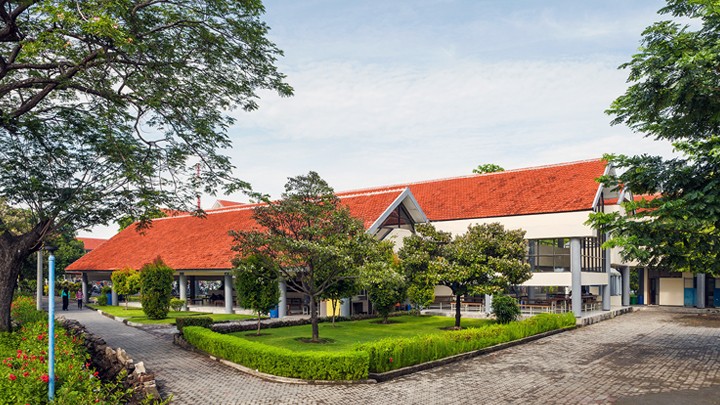 Figure 1: On-campus student dormitory facilities operated by ITS Surabaya to provide safe, affordable, and accessible housing within the university perimeter.
ITS regularly benchmarks dormitory rates against the rental costs of commercial student boarding houses (indekos) in surrounding districts such as Gebang and Keputih. Institutional room rates are structured to remain well below external commercial rates, ensuring that basic accommodation absorbs only a manageable fraction of a student's monthly living allowance.
The university provides indirect financial assistance by bundling room tariffs with free essential utilities, including high-speed campus Wi-Fi, treated water, waste management, and 24-hour campus security. Furthermore, subsidized allocations and priority placements are coordinated with national affirmative scholarship programs (such as KIP-Kuliah) and university social welfare schemes, ensuring that economically vulnerable students receive secure, dignified housing throughout their academic journey.
Institut Teknologi Sepuluh Nopember (ITS) prioritizes pedestrian movement as the foundation of its sustainable campus master planning. Under the Smart Eco Campus framework, the university systematically reconfigures its physical layout to privilege foot traffic over personal motorized transit, curtailing vehicular intrusion into core academic complexes and engineering shaded, continuous pedestrian pathways that enhance safety, air quality, and communal well-being.
To foster a walking-oriented academic environment, ITS continuously integrates sustainability principles into spatial planning through the Smart Eco Campus initiative and expanded green environmental infrastructure. By establishing dedicated pedestrian-only corridors and extensive botanical canopy buffers, the university transforms internal pathways into living laboratories that encourage daily physical activity while reducing internal vehicle dependence.
Campus pedestrian routes are designed to ensure safety and comfort, separating foot traffic from vehicular thoroughfares and incorporating universal design features such as ramped curb cuts and tactile paving for persons with disabilities. These designated walkable spines interconnect academic faculties, central student services, and open green commons, establishing an accessible spatial network where pedestrian mobility takes precedence over motorized transit.
 Figure 1: Head of the Smart Eco Campus Development Unit Dr. Susi Agustina Wilujeng presenting progress on environmental infrastructure and pedestrian-friendly campus planning.
Extending pedestrian prioritization beyond institutional gates, ITS transportation experts actively contribute to municipal mobility dialogues by advocating for integrated, sustainable transit systems across metropolitan Surabaya. Academic researchers engage city planning agencies to design transit corridors where public buses and rail lines seamlessly connect with pedestrian feeder routes, ensuring first-and-last-mile walkability.
This commitment is reinforced through collaborative multi-stakeholder forums, highlighted by strategic panel discussions hosted at ITS to increase public transit ridership in partnership with the Surabaya City Government and transport authorities. By modeling walkability across its own campus grounds and providing research-driven recommendations for pedestrian-oriented transit design, ITS ensures that safe, inclusive, and connected pedestrian mobility serves both the academic community and the wider urban public.
Institut Teknologi Sepuluh Nopember (ITS) serves as a primary technical advisory partner to local, municipal, and regional authorities, translating spatial research into actionable public policies. Through the Research Center for Sustainable Infrastructure and Environment (Puslit ILB) and multidisciplinary planning faculties, ITS collaborates directly with municipal housing agencies, provincial planning boards, and urban administrators to address housing backlog disparities, pioneer digital twin spatial analytics, establish municipal waste masterplans, and revitalize substandard residential settlements across Indonesia.
Directly confronting urban shelter inequities, the Department of Urban and Regional Planning (PWK) convened strategic policy dialogues with the Surabaya City Housing, Settlement, and Land Agency (DPRKPP) and community architects to address urban housing backlog challenges. The joint assessment scrutinized spatial pressures confronting over 115,000 low-income residents (MBR) living across 72 informal settlements along railway corridors, reviewing municipal mitigation schemes that have constructed 5,223 rental flat units (rusunawa) and rehabilitated 1,500 substandard homes (rutilahu).
Bridging academic analysis with field execution, ITS partnered directly with the Surabaya Municipal Government through the collaborative Rutilahu Housing Reconstruction Program in Kelurahan Keputih. Supervised by municipal sub-district administrators and funded by university philanthropic bodies, the initiative reconstructed deteriorated structures into standardized 36-square-meter healthy residences featuring certified structural masonry, improved roof ventilation, and private sanitation facilities. By targeting elderly and impoverished families, the project demonstrates an actionable model for municipal housing revitalization.
 Figure 1: On-site inspection of a newly rehabilitated municipal housing unit in Keputih, conducted jointly by ITS coordinators and Surabaya municipal government representatives.
Pioneering smart spatial governance, ITS formalized high-level consultations with the East Java Provincial Government and urban planning authorities to implement 3D Digital Twin city models. Presided over by East Java Vice Governor Emil Dardak, the collaborative forum evaluated airborne LiDAR telemetry to create dynamic virtual replicas for the Gerbangkertosusila metropolitan conurbation (Gresik, Bangkalan, Mojokerto, Surabaya, Sidoarjo, Lamongan), optimizing drainage layouts and regional mass-transit corridors such as the Surabaya Regional Railway Line (SRRL).
At the local neighborhood tier, the Department of Geomatics Engineering assisted local sub-district officials through the creation of the "Satu Peta Keputih" Interactive WebGIS platform. Utilizing GNSS Real Time Kinematic (RTK) surveying and participatory validation with neighborhood heads, researchers surveyed 39 public facilities and reconciled administrative boundary demarcations in accordance with Surabaya Mayoral Regulation No. 121 of 2022, providing local civil servants with an operational spatial database for municipal service delivery.
 Figure 2: East Java Vice Governor Dr. Emil Dardak and ITS academic executives evaluating LiDAR-based digital twin spatial models for metropolitan infrastructure planning.
ITS provides continuous scientific counsel to regional municipalities grappling with environmental carrying capacities. The Department of Environmental Engineering mobilized experts from four specialized laboratories to support the Madiun City Government in formulating the "Madiun Waste-Free 2027" masterplan. Collaborating directly with Mayor Maidi at the Winongo Landfill and Fecal Sludge Treatment Plant (IPLT), university engineers introduced Life Cycle Assessment (LCA) methodologies, ambient emission baseline modeling, and domestic wastewater controls into municipal statutory budgets.
In educational infrastructure planning, the university partnered with the Surabaya City Education Agency to conduct baseline assessments for the Green School Index across 250 elementary schools. Mobilizing 50 student surveyors, the collaborative audit measured campus infrastructure resilience, environmental curriculum integration, and rainwater drainage safety across 109 public and 141 private schools, establishing benchmark criteria for municipal sustainable school upgrades.
 Figure 3: Technical consultation between ITS environmental engineering faculty and Madiun Mayor Maidi regarding municipal landfill modernization and fecal sludge treatment protocols.
Extending institutional advisory services to outer island settlements, the Center for Regional Potential Studies and Community Empowerment (PDPM ITS) completed the Seulimeum Transmigration Area Development Plan in collaboration with the Aceh Besar Regency Regional Development Planning Agency (Bappeda) and the Ministry of Transmigration.
Addressing chronic deficits in rural basic services, the field mission formulated technical recommendations on all-weather agricultural road pavement, decentralized potable water piping, off-grid electricity networks, and candlenut agro-industrial processing hubs. The resulting spatial and economic blueprints serve as the baseline for the forthcoming Aceh Provincial Transmigration Bylaw (Qanun), demonstrating how university spatial research directly supports regional planning agencies in fostering sustainable, resilient settlements.
 Figure 4: Aceh Besar Regional Development Planning Agency (Bappeda) officials reviewing transmigration spatial and infrastructure development recommendations formulated by ITS researchers.
Institut Teknologi Sepuluh Nopember (ITS) enforces rigorous environmental standards across all capital development projects, ensuring that new infrastructure complies with national and international green building benchmarks. Guided by the ITS Masterplan 2020–2045 and institutional Net-Zero Construction frameworks, the university mandates passive climatic architecture, Building Automation Systems (BAS), renewable energy integration, contractual ecological canopy compensation, and multilateral construction oversight to minimize the life-cycle carbon footprint of its physical expansion.
Campus physical planning is regulated by the ITS Campus Development Masterplan 2020–2045, which establishes statutory guidelines for eco-conscious infrastructure expansion. The institutional framework mandates that all new capital developments integrate high-efficiency architectural standards, including optimized natural day-lighting, natural cross-ventilation corridors, advanced thermal load dissipation, and rainwater retention reservoirs integrated directly beneath building footings.
Operationalizing these standards, modern academic facilities such as the 11-story Tower 2 Building (Menara Sains 2) incorporate computerized Building Automation Systems (BAS) and rooftop solar photovoltaic arrays to dynamically throttle cooling loads and cut operational energy expenditures. Furthermore, the university formalized an infrastructure alliance with state contractor PT Wika Gedung Tbk to execute modular off-site prefabrication methodologies across future residential facilities, significantly curbing on-site construction waste and structural embodied carbon.
 Figure 1: Architectural facade of the Tower 2 Building (Menara Sains 2), engineered to green building standards with integrated Building Automation Systems and rooftop photovoltaic capacity.
To prevent habitat loss and safeguard localized carbon sequestration during physical expansion, ITS institutionalized a mandatory ecological replacement mechanism through the Smart Eco Campus Tree Compensation Program implemented across active capital construction sites. Managed by the Unit of SDGs and Smart Eco Campus (SSEC), the policy mandates that contractor partners plant compensatory trees based on felled trunk diameter and lost canopy cover rather than simple numerical parity.
During the construction of the Center for Language Culture (CLC), Marine Center, and Tower 3 ITS, on-site environmental audits enforced stringent replanting ratios. For the CLC facility, each cleared tree was replaced by four fruit-bearing shade trees; the Marine Center development compensated two cleared trees with 24 indigenous saplings; and the Tower 3 project executed a targeted planting program introducing 70 replacement trees. By ensuring that total vegetative canopy cover expands alongside structural development, ITS preserves microclimatic equilibrium and land biodiversity across all project phases.
 Figure 2: Unit SDGs and Smart Eco Campus (SSEC) officer conducting on-site field verifications with engineering contractors to enforce tree replanting compensation on the Tower 3 construction site.
Demonstrating adherence to international development standards, ITS executes large-scale capital expansion under the Higher Education for Technology and Innovation (HETI) project, financed by the Asian Development Bank (ADB) and coordinated with the Ministry of National Development Planning (Bappenas). Central to this multilateral portfolio is the phased engineering of high-tech laboratory infrastructure within the ITS Science Techno Park (STP) zone.
Governed by the ITS Project Implementation Unit (PIU), the construction sites undergo periodic multilateral review missions evaluating environmental management plans, worker occupational health, and material sustainability. Accompanied by rigorous specialized capacity-building programs involving 549 technical faculty members, the STP capital facilities are designed as high-efficiency research environments that bridge state-of-the-art laboratory testing with low-carbon industrial incubation.
 Figure 3: Project Implementation Unit (PIU) ITS executives alongside Asian Development Bank (ADB) and Bappenas delegates conducting an on-site inspection of new sustainable research infrastructure at the Science Techno Park.
Institut Teknologi Sepuluh Nopember (ITS) embeds responsible land-use principles into its regional planning and infrastructure strategies. Prioritizing the revitalization of existing urban footprints, underutilized community parcels, and ecologically degraded sites, the university applies multidisciplinary engineering and spatial design to rehabilitate neglected public areas into resilient, functional, and culturally vibrant spaces without encroaching upon greenfield environments.
Embodying sustainable urban redevelopment principles, ITS deploys technical planning teams to reverse the decline of dense, historic municipal quarters. Through a community-based regeneration framework, university researchers formulated recovery and spatial revitalization strategies for Kampung Wisata Peneleh in Surabaya. The initiative transformed underutilized alleyways and deteriorating historic fabric into productive cultural tourism corridors, upgrading vernacular infrastructure while reinforcing community tenure.
This urban renewal approach extends to neglected riverine fringes and post-industrial waterways. Collaborating with municipal authorities and grassroots neighborhood associations, ITS supported the spatial enhancement and ecotourism development of the Kejawan river corridor in Surabaya. By clearing degraded embankments, integrating educational signage, and improving public pedestrian accessibility along the water’s edge, the project demonstrates how neglected urban corridors can be rehabilitated into safe, inclusive, and climate-resilient community commons.
 Figure 1: Research and planning framework formulated by ITS teams to foster community resilience and spatial renewal across historic urban settlements in Peneleh, Surabaya.
Beyond the metropolitan core, ITS provides engineering assistance to remediate degraded rural environments and underperforming community lands. Addressing environmental siltation and catchment deterioration, university engineers engineered restorative infrastructure to revitalize natural freshwater springs. The intervention stabilized surrounding soil embankments, improved water retention capacities, and converted previously unmanaged rural parcels into protected community water sources and recreational reserves.
Similarly, the university works with local village administrations to unlock the economic value of marginal and unused village land. Through regional community empowerment initiatives, ITS assisted in redeveloping underutilized village land into sustainable agrotourism and local enterprise zones in Lamongan. By reintegrating degraded parcels into active ecological and economic use, ITS advances brownfield redevelopment principles across both urban and regional contexts.