
Published on
Thursday, 16 July 2026
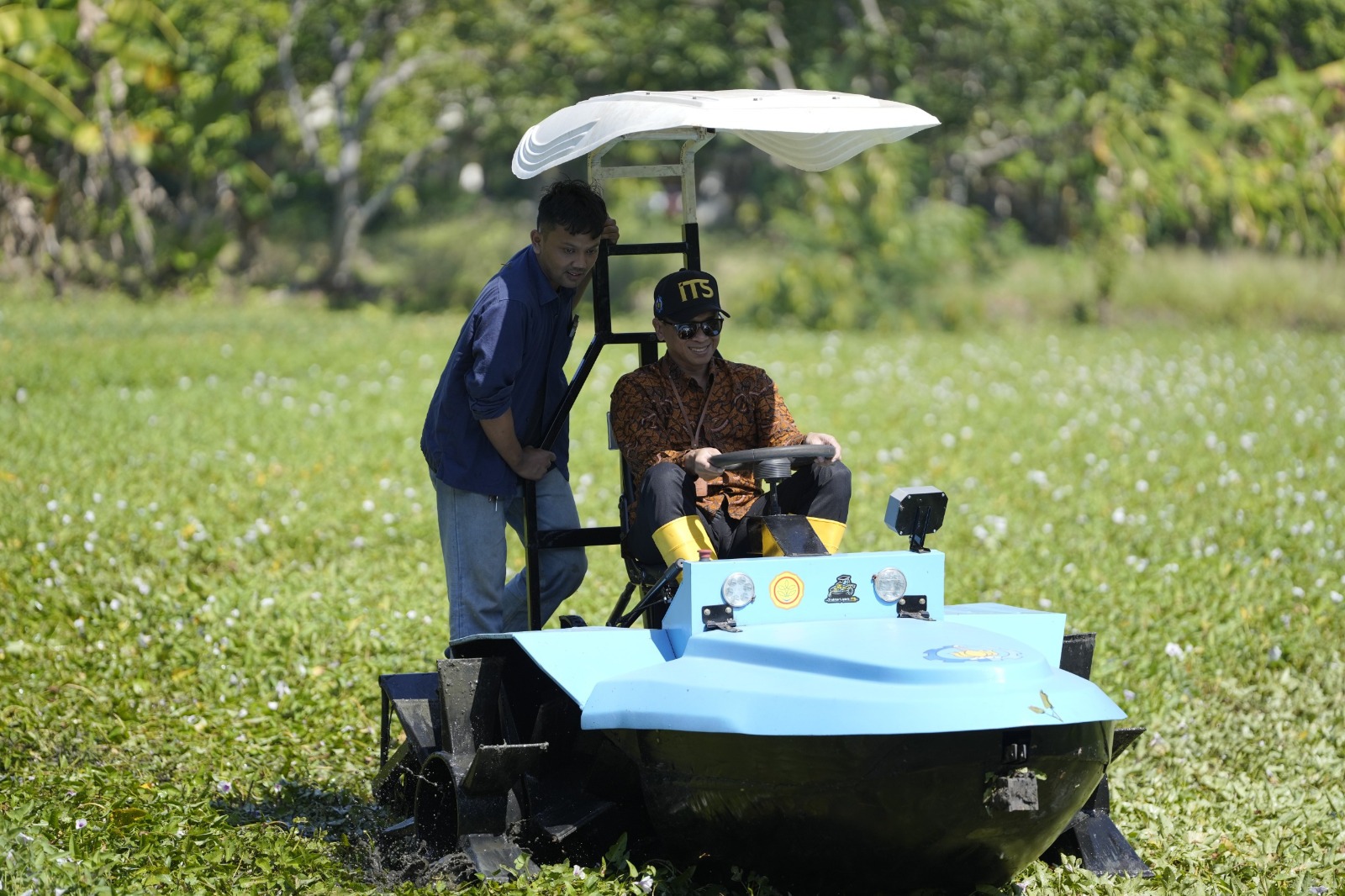
ITS Campus, ITS News — Peatlands in Indonesia are currently quite extensive, but unfortunately, their productivity is still relatively low, making conventional agricultural mechanization ineffective. Providing a solution to this situation, the Sepuluh Nopember Institute of Technology (ITS), through its Automotive Science Techno Park (STP), has introduced a brilliant innovation in appropriate technology: an electric boat tractor for the peatland agricultural sector.
ITS Rector Prof. Dr. (HC) Ir. Bambang Pramujati, ST, MSc, Eng, PhD, stated that the electric tractor designed by ITS researchers has successfully attracted the attention of the Indonesian Ministry of Agriculture (Kementan). “Unlike tractors in general, this agricultural tactical vehicle is designed to resemble a ship so that it can move optimally on wetlands without the risk of sinking,” said the number one person from ITS during a trial of the electric boat tractor in the peatland area on the ITS campus, Tuesday (14/7).
Meanwhile, Prof. Dr. Bambang Sudarmanta, ST, MT, who led the innovation research, stated that the use of an electric motor in this tractor is claimed to significantly reduce operational costs compared to conventional fossil-fueled tractors. In addition to its superior cost efficiency, this tractor also supports environmental sustainability programs through its low carbon emissions.
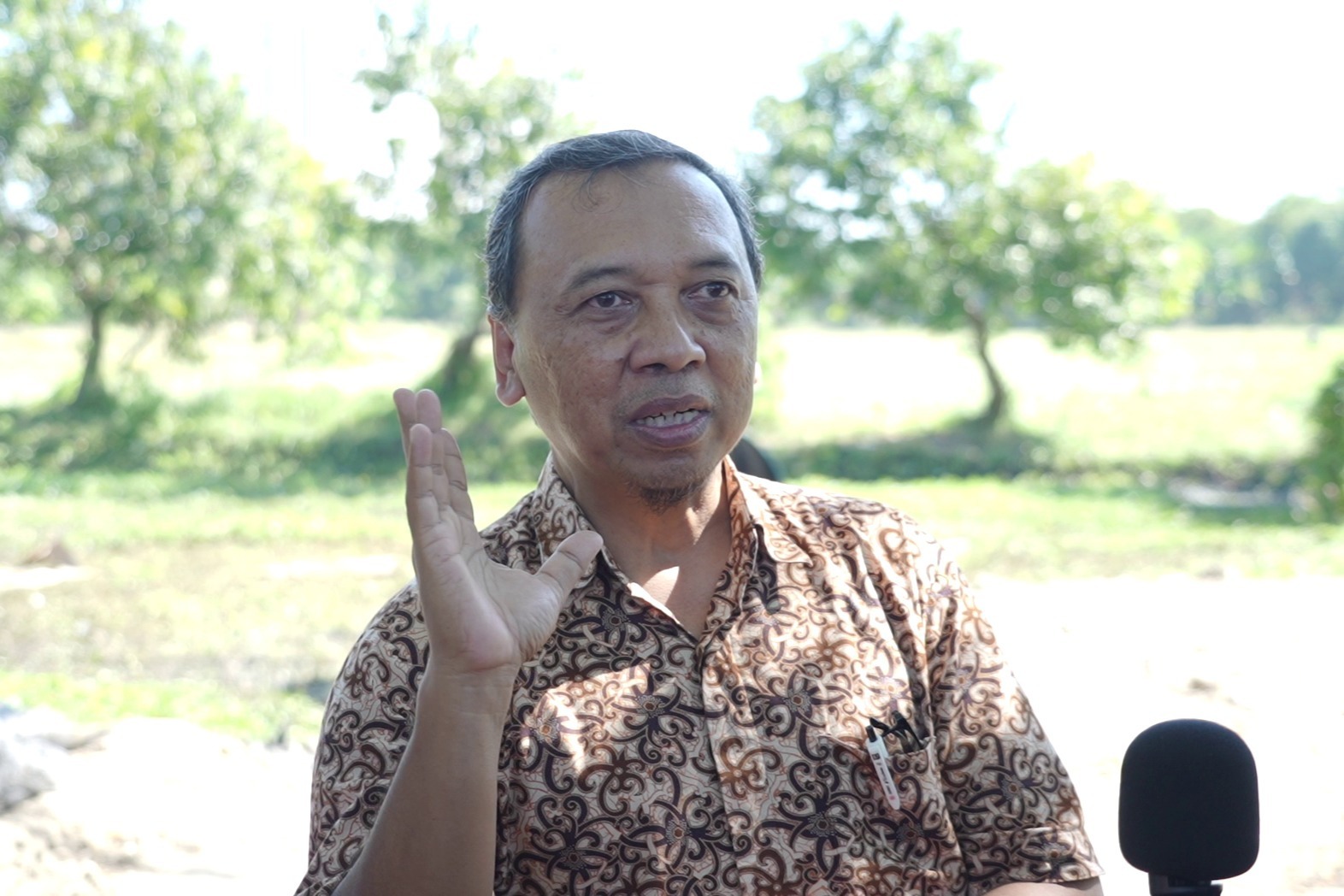
The development of the boat tractor electrification system combines the principles of flotation, agricultural mechanization, and electrification to increase land productivity. “Furthermore, this system will minimize soil degradation and support sustainable, low-emission agriculture,” said the Manager of the ITS Automotive STP.
The ITS Mechanical Engineering Professor explained that this tractor was specifically designed with a focus on optimizing high torque, not speed, to meet the operational needs of plowing rice fields. Technically, this tractor is powered by a 10-kilowatt (kW) electric motor and equipped with crucial components such as an electronic display system to make it easier for farmers to monitor battery condition, temperature control, and battery voltage in real time .
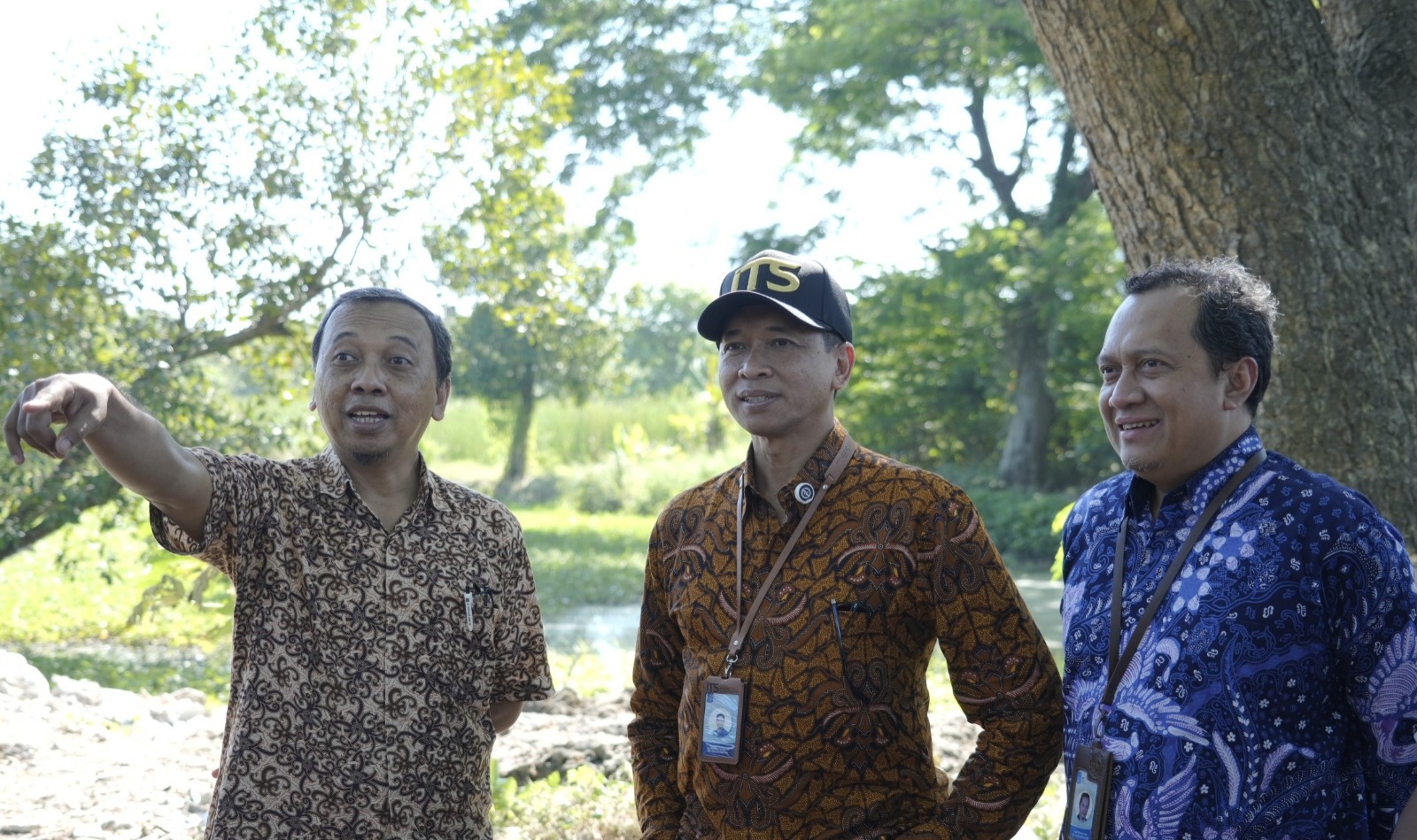
In terms of operation and advantages, this electric tractor is considered much more cost-effective than conventional gasoline- or diesel-powered tractors. This is because its energy source utilizes inexpensive and readily accessible electricity in homes. “Another advantage is the instant torque response when the throttle is activated, providing immediate full power for loosening the soil,” explained the expert in combustion and fuel engineering.
Regarding power specifications, the tractor designed by Bambang Sudarmanta and his team operates at an optimal voltage of around 72 volts and a current of 32 Amperes, which produces around 10 kW of power with a battery capacity of 140 Amperes per hour (Ah). Thus, the tractor can be used for 3 to 4 hours on a full charge. “So, based on the test results, mathematically this tractor is estimated to be able to plow a 1 hectare area,” he explained.
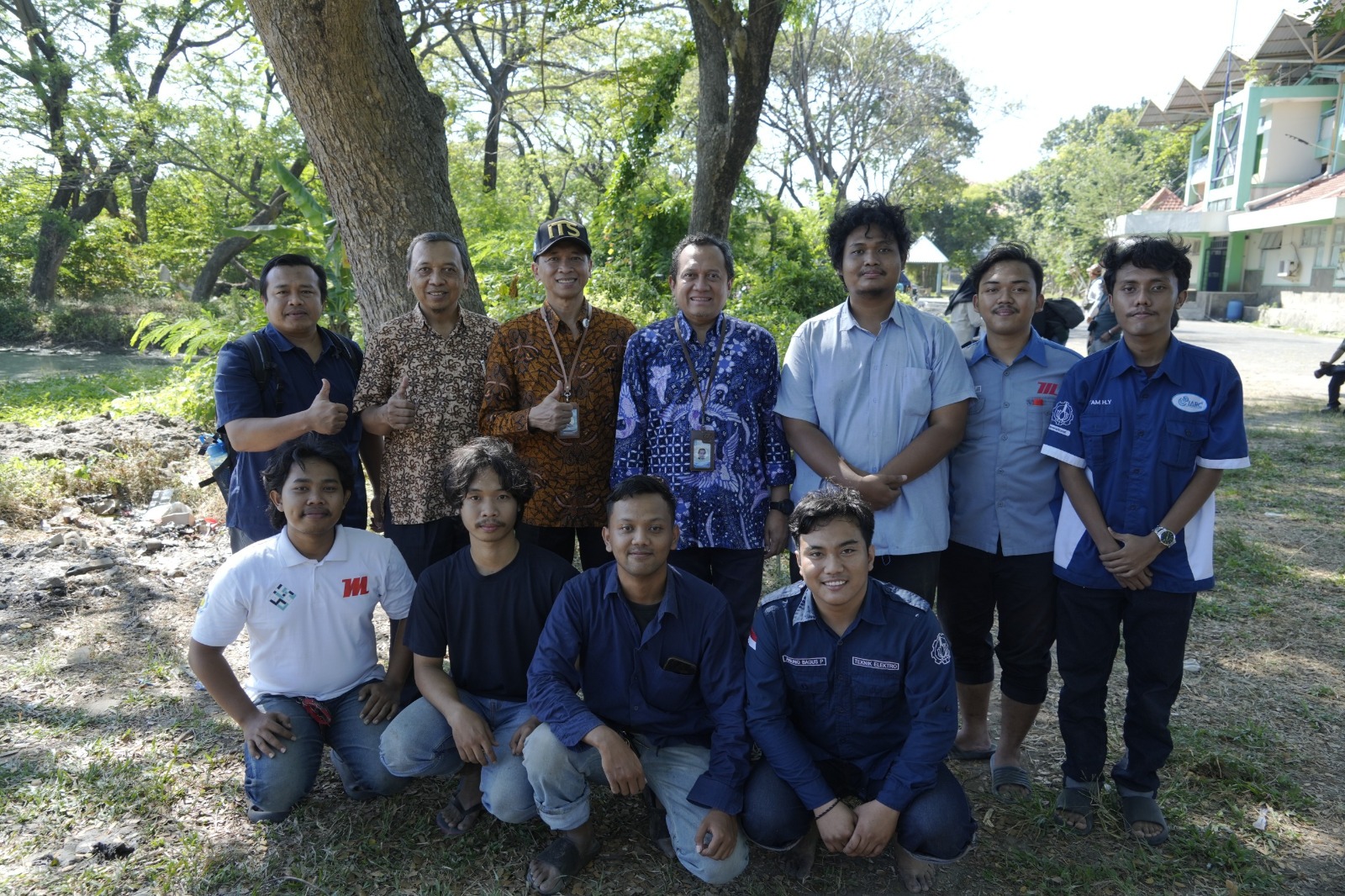
Bambang Sudarmanta explained that the tractor’s operational characteristics were simulated on a one-hectare plot measuring 100 meters wide and 100 meters long. Using a 1.8-meter-wide plow, the tractor required 56 passes to cover the area, resulting in a total track length of 5.6 kilometers.
Furthermore, despite its potential for high efficiency and good mobility thanks to the use of rubber tires for road access, the project continues to undergo development and validation. During previous live trials in rice paddies, the team encountered technical challenges in the form of overheating, leading to the decision to add a cooling system as a crucial new component.
This agricultural innovation by the ITS research team also supports the achievement of the Sustainable Development Goals (SDGs). Increasing agricultural productivity supports SDGs point 2 on Zero Hunger, point 7 on Clean and Affordable Energy, and point 9 on Industry, Innovation, and Infrastructure. (ITS Public Relations)
Reporter: Syifa Rahmadina