Published on
Wednesday, 5 August 2026
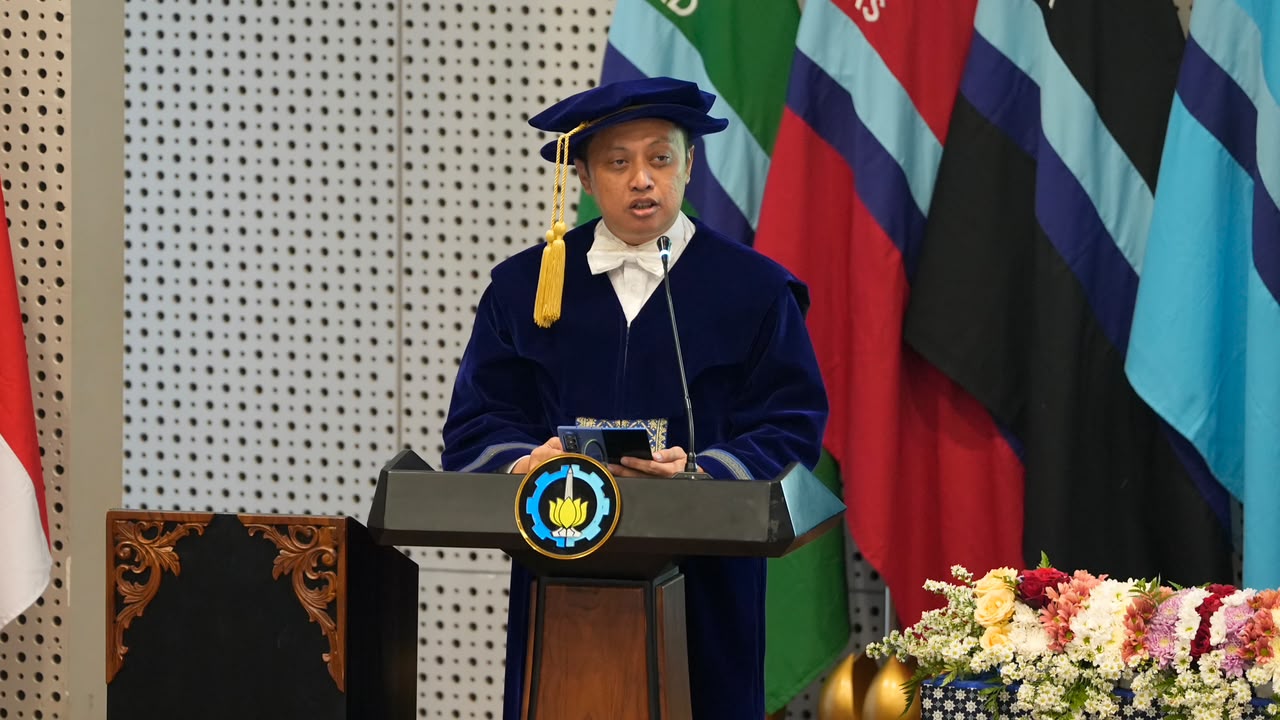
ITS Campus, ITS News — Energy independence is one of Indonesia’s major challenges amidst the increasing national electricity demand and the demands of a transition to clean energy. Responding to this challenge, the 254th Professor of the Sepuluh Nopember Institute of Technology (ITS), Prof. Dr. Ir. Bambang Arip Dwiyantoro, ST. MEng. IPM. ASEAN Eng., developed an innovative integrated solar cell technology to increase the efficiency of electricity generation sustainably.
In a scientific speech titled “Optimizing Solar Panel and Solar Chimney Technology to Support Energy Independence ,” the ITS Mechanical Engineering lecturer presented various solar-based innovations designed to suit Indonesia’s climate. “Developing renewable energy is not just about introducing new technology, but also an investment in the nation’s future,” the man born on April 1, 1978, emphasized.
One of the innovations developed is the Solar Chimney Power Plant (SCPP), a power plant that utilizes solar heat to generate natural airflow to turn a turbine. Like a natural chimney, this system converts thermal energy into electrical energy without producing emissions during the generation process. Using an experimental approach and Computational Fluid Dynamics (CFD) simulations, he optimized the absorber design and chimney geometry, significantly improving system performance.
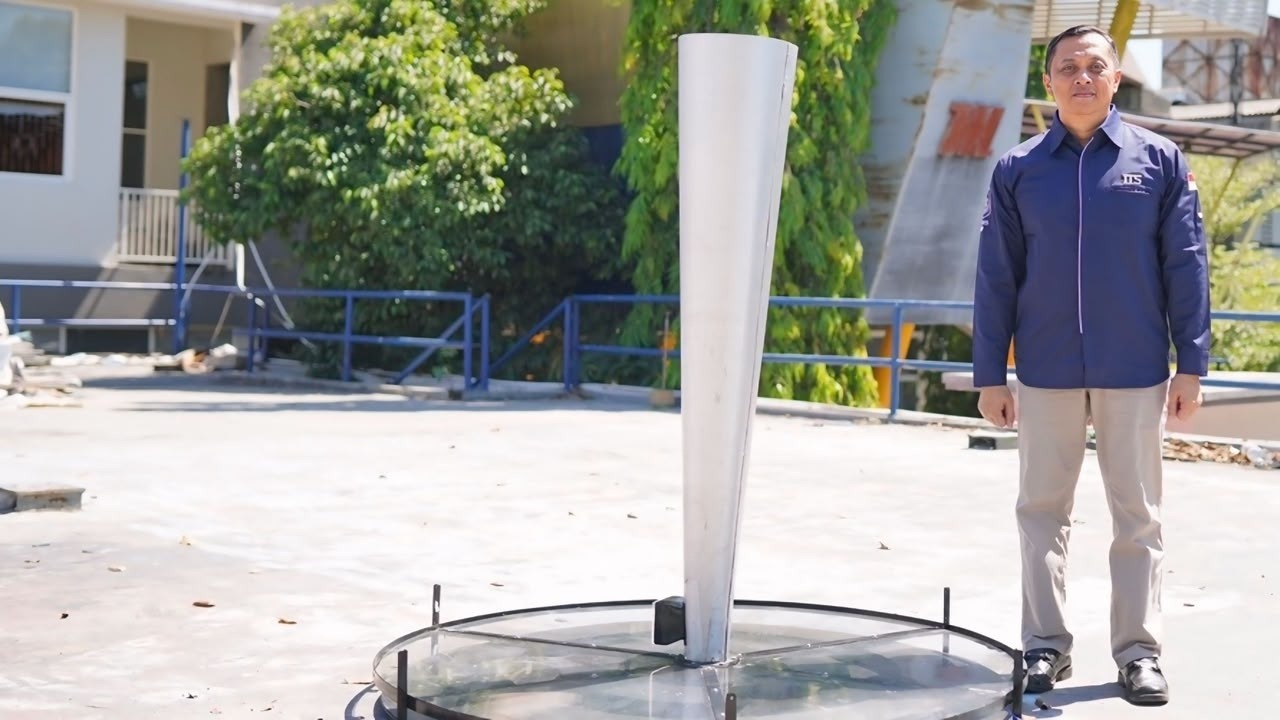
The research results showed that the configuration was capable of increasing electrical power by more than 750 percent compared to the standard model. This achievement demonstrates that increasing power plant efficiency does not always depend on system size but can be achieved through effective design engineering innovations. “This approach opens up opportunities for implementing simple, economical, and regionally appropriate solar power plants in Indonesia,” said Bambang.
Not stopping at developing a solar chimney , the National Taiwan University of Science and Technology (NTUST) doctoral alumnus also designed a passive solar panel cooling system based on palm oil fiber and sugarcane bagasse. Utilizing local biomass waste can maintain optimal panel temperatures without requiring additional electricity, while simultaneously increasing the utility of agricultural waste through the concept of a circular economy .
Furthermore, the Madiun Regency native also developed solar tracking technology for floating solar power plants and hybrid solar power systems based on an Energy Management System (EMS). All of these innovations were then summarized in the concept of an Integrated Sustainable Solar Energy System , a system that integrates solar panel efficiency, energy storage, and sustainable power distribution management.
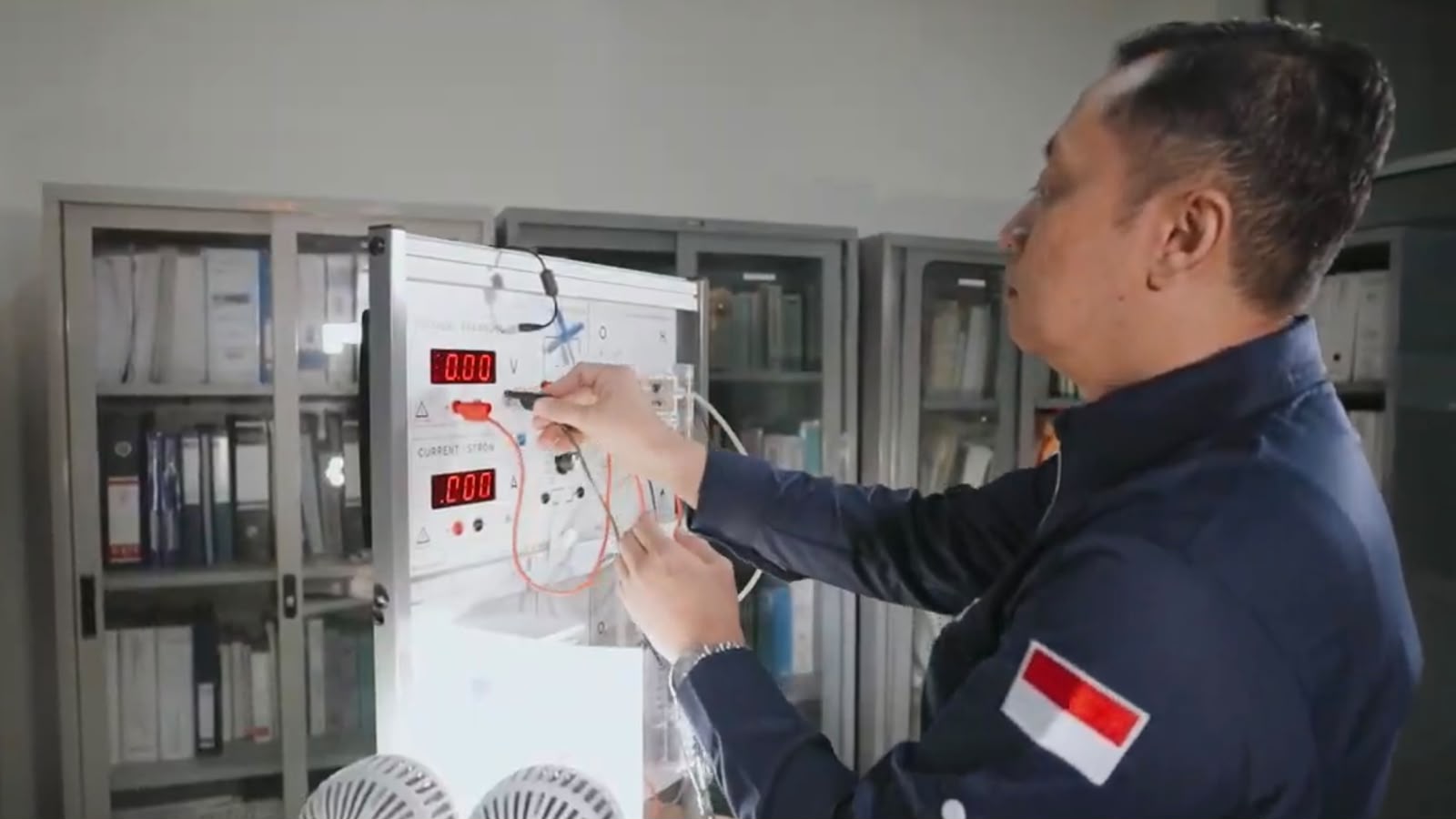
Going forward, the Professor of Renewable Energy is committed to developing Solar Chimney technology through the integration of thermal energy storage , artificial intelligence (AI), and larger-scale designs to improve energy conversion efficiency. The father of three hopes this innovation will accelerate the transition to a cleaner, more resilient, and more sustainable energy system while strengthening Indonesia’s energy independence.
Bambang’s innovative approach to developing solar energy technology aligns with the Sustainable Development Goals (SDGs), specifically point 7 on Clean and Affordable Energy; point 9 on Industry, Innovation, and Infrastructure; and point 13 on Climate Change Management. Through innovations that utilize solar energy and local resources, this research demonstrates ITS’s concrete contribution to providing technology that supports sustainable development. (ITS Public Relations)
Reporter: Nadhifa Raghda Syaikha