
Published on
Friday, 13 November 2026
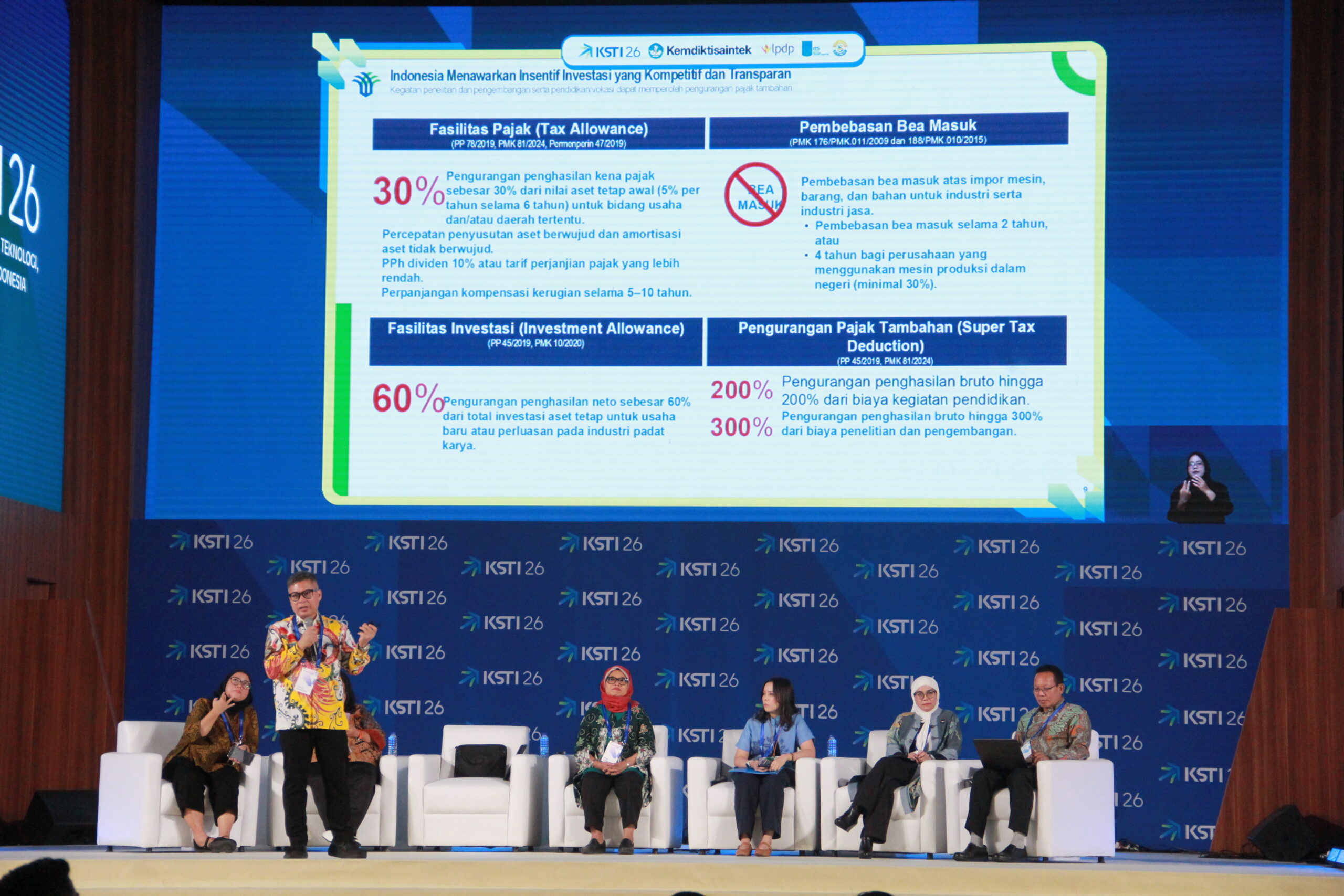
ITS Campus, ITS News – Investment certainty is a crucial factor in accelerating the downstreaming and commercialization of innovations in the pharmaceutical and medical device sectors. This was conveyed by Rakhmat Yulianto, Director of Promotion Development at the Ministry of Investment and Downstreaming/Investment Coordinating Board (Kemeninveshil/BKPM), in the Integrated Innovation Services session at the 2026 Science, Technology, and Industry Convention (KSTI) at Grha Sepuluh Nopember, Sepuluh Nopember Institute of Technology (ITS), Surabaya, Thursday (11/12).
Rakhmat explained that innovation in the pharmaceutical and medical device sectors requires a conducive investment climate so that research findings from universities and research institutions can be widely applied and generate economic value. He believes the government and universities need to focus on strengthening investment to accelerate the downstreaming of health innovation in Indonesia.
“The government and universities need to emphasize the importance of strengthening investment to accelerate the downstreaming and commercialization of health innovations in Indonesia,” said Rakhmat.
He also stated that the Indonesian pharmaceutical industry has significant market potential. National companies currently dominate approximately 82 percent of the domestic pharmaceutical market share.
“This situation presents potential for strengthening the domestic pharmaceutical industry, particularly through increased production capacity and the development of innovative products,” he said.
To support the development of this industry, the government is implementing policy reforms to provide certainty for businesses. These efforts include the implementation of risk-based business licensing and the integration of ministerial and institutional licensing services through the Online Single Submission (OSS) system. These reforms are also reinforced by Government Regulation Number 28 of 2025, which regulates the certainty of licensing service times and simplification of procedures. “This reform is a concrete step by the government to simplify the business licensing process, a frequent complaint from the public, especially business actors,” explained Rakhmat.
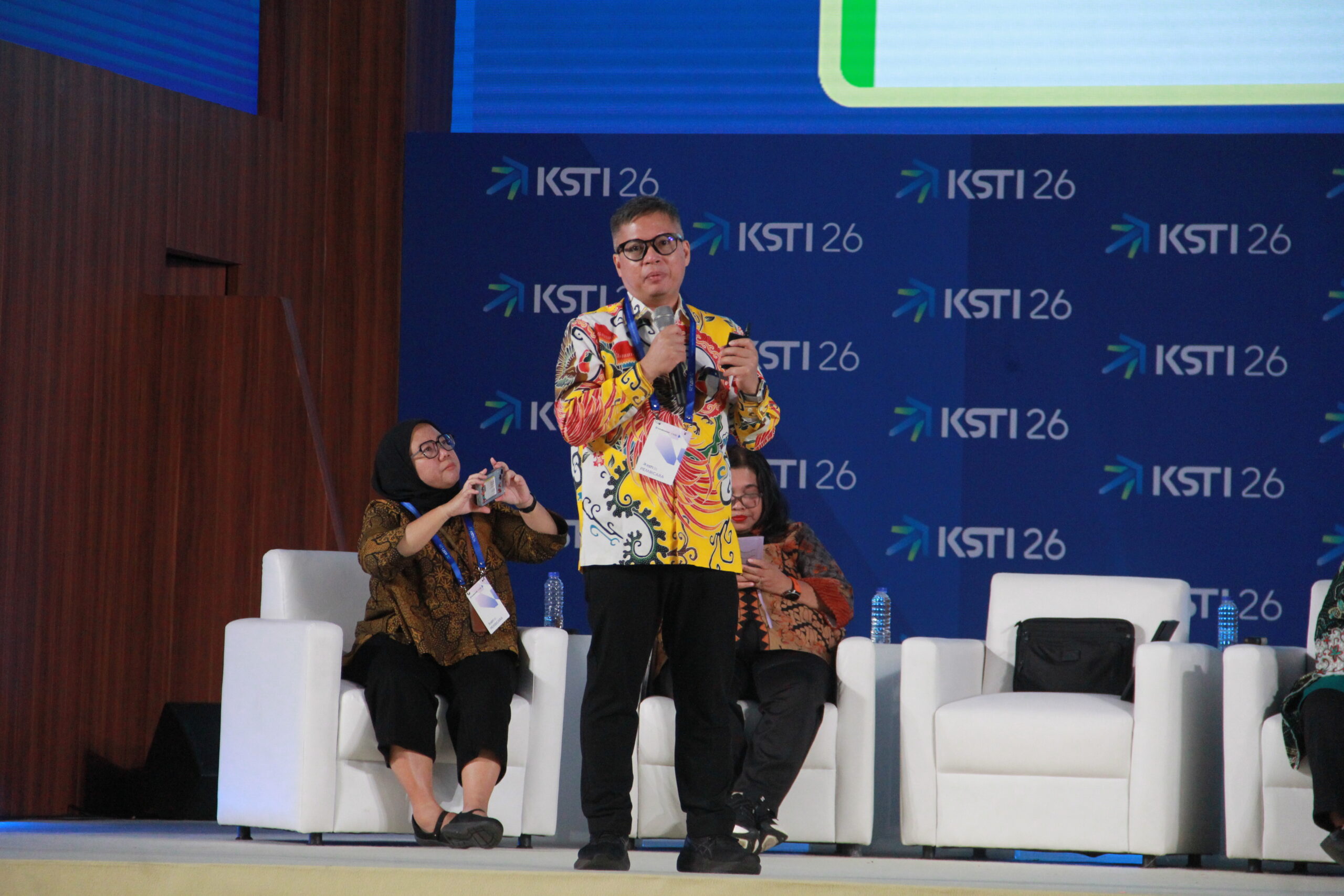
In addition to facilitating licensing, the government is providing incentives to encourage investment and innovation development, including a super tax deduction scheme that reduces research and development costs by up to 300 percent on gross income. The government is also providing an investment allowance facility , reducing net income by up to 60 percent on total fixed asset investments. Rakhmat added that the Ministry of Investment and Investment Coordinating Board (Kemeninvesthil/BKPM) is also facilitating innovators by assisting them in preparing investment and licensing plans, mapping incentives, and meeting with potential industry partners and investors.
“There’s also assistance in preparing investment and licensing plans, as well as mapping incentives that align with business development needs. In this case, the Ministry of Investment and Forestry facilitates innovators through meetings with potential industrial partners and investors,” he explained.
Rakhmat emphasized that developing innovation requires collaboration between various parties through a pentahelix approach . The government plays a role in providing policies and regulations, while academics and researchers generate innovation and develop human resources. Meanwhile, the business sector plays a role in developing and producing innovations for wider use. The media, the public, and non-governmental organizations (NGOs) also play a role in disseminating information and monitoring.
This collaboration is expected to accelerate the utilization of research findings in the health sector while increasing the capacity of the national pharmaceutical industry. This effort aligns with Sustainable Development Goals (SDGs) Point 3 on Healthy and Prosperous Lives and Point 9 on Industry, Innovation, and Infrastructure.
More information: