Published on
Thursday, 12 November 2026
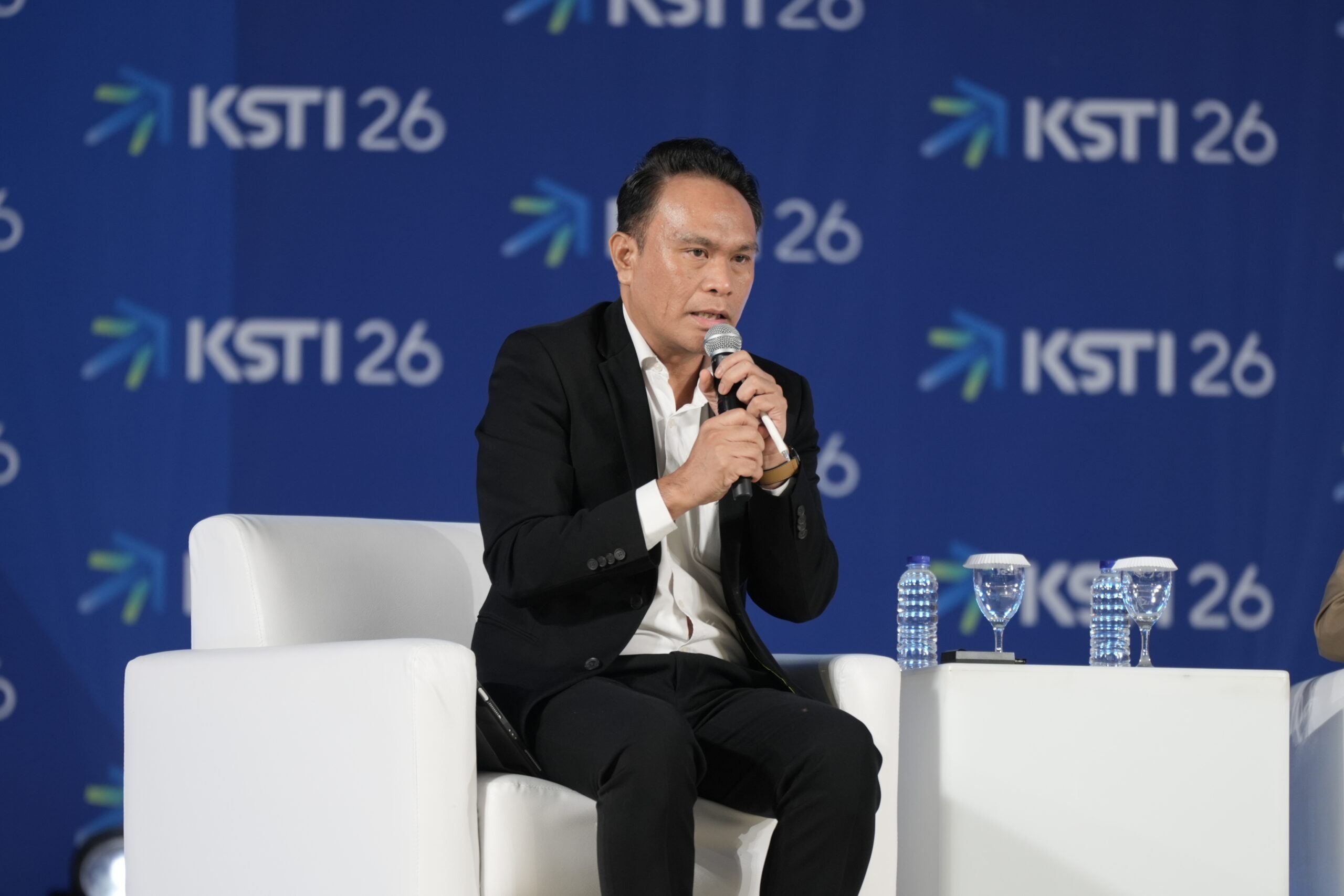
ITS Campus, ITS News – Complex national issues require collaborative solutions. At the 2026 Indonesian Science, Technology, and Industry Convention (KSTI) hosted by the Ministry of Higher Education, Science, and Technology (Kemdiktisaintek), one solution to these challenges was presented by an Impactful Consortium entitled “Good Practices of Collaboration from NTT” on Wednesday (November 11).
Held at Grha Sepuluh Nopember, this session outlined the contributions of universities to addressing stunting, extreme poverty, limited public service facilities, and disaster emergency management in East Nusa Tenggara (NTT). NTT’s geographic location on the Ring of Fire makes it prone to natural disasters, such as the earthquake in Flores on August 15.
Adrianus Amheka, Head of the Higher Education Service Institute (LLDikti) Region XV, emphasized the importance of integrating campus potential to be directly present in the community. According to him, the main step taken by the consortium is to consolidate the full strength of innovation, research, faculty, and student resources.
“The community needs policy support, facilitation, and budgeting from higher education consortiums,” explained the Head of LLDikti Region XV.
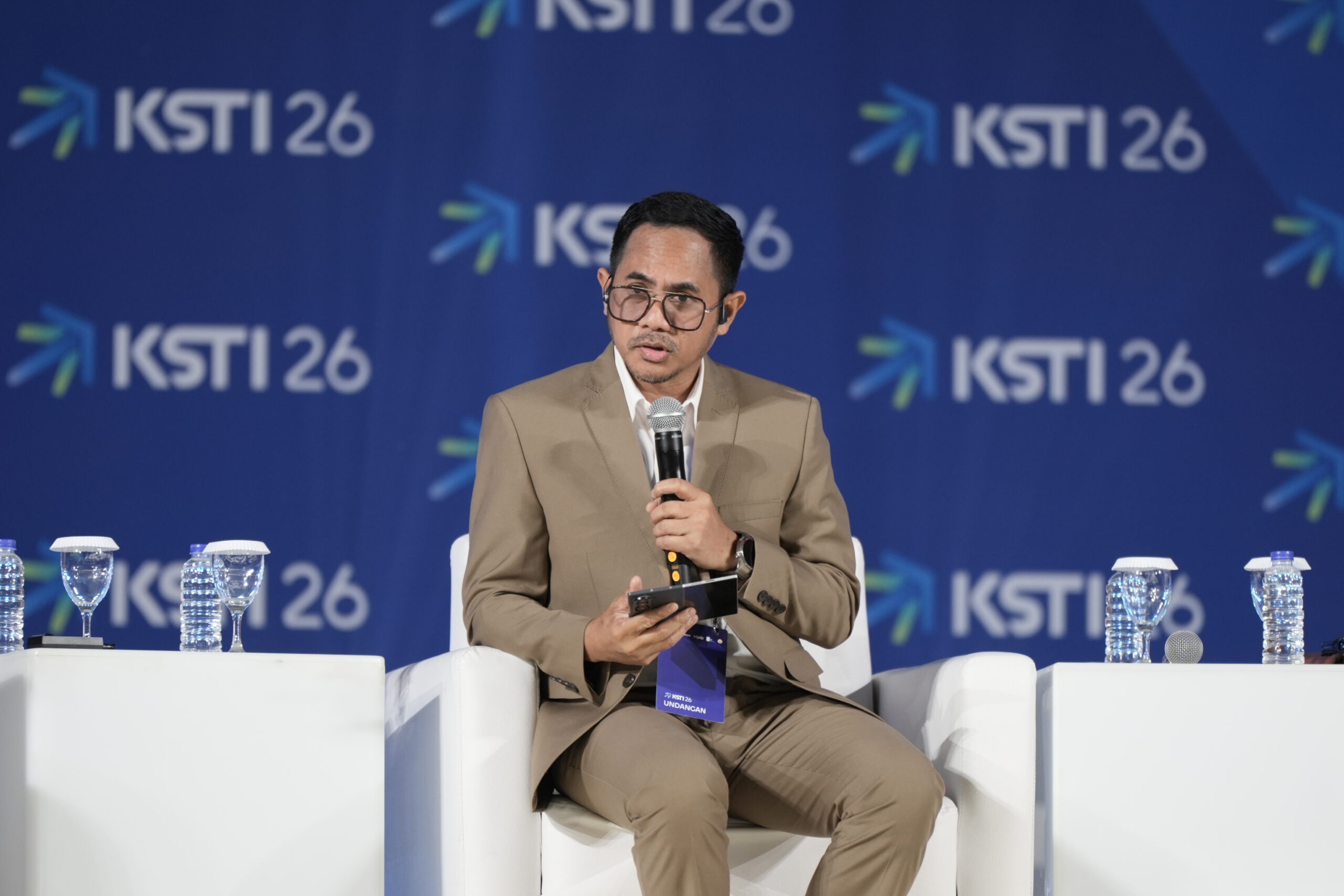
Nusa Cendana University (Undana) Rector Jefri S. Bale stated that the consortium has agreed to focus its actions in eight districts/cities through the management of a Rp 34 billion budget for 10 main programs. These programs include the implementation of the “Kota Bangsa” program in 13 districts, the “PKM Berdampak” (Impact Community Empowerment Program) in 42 villages, and stunting assistance based on polycentric governance.
“Integrating these activities is key to ensuring that the impact of university research is directly felt by the public,” said the Undana Chancellor.
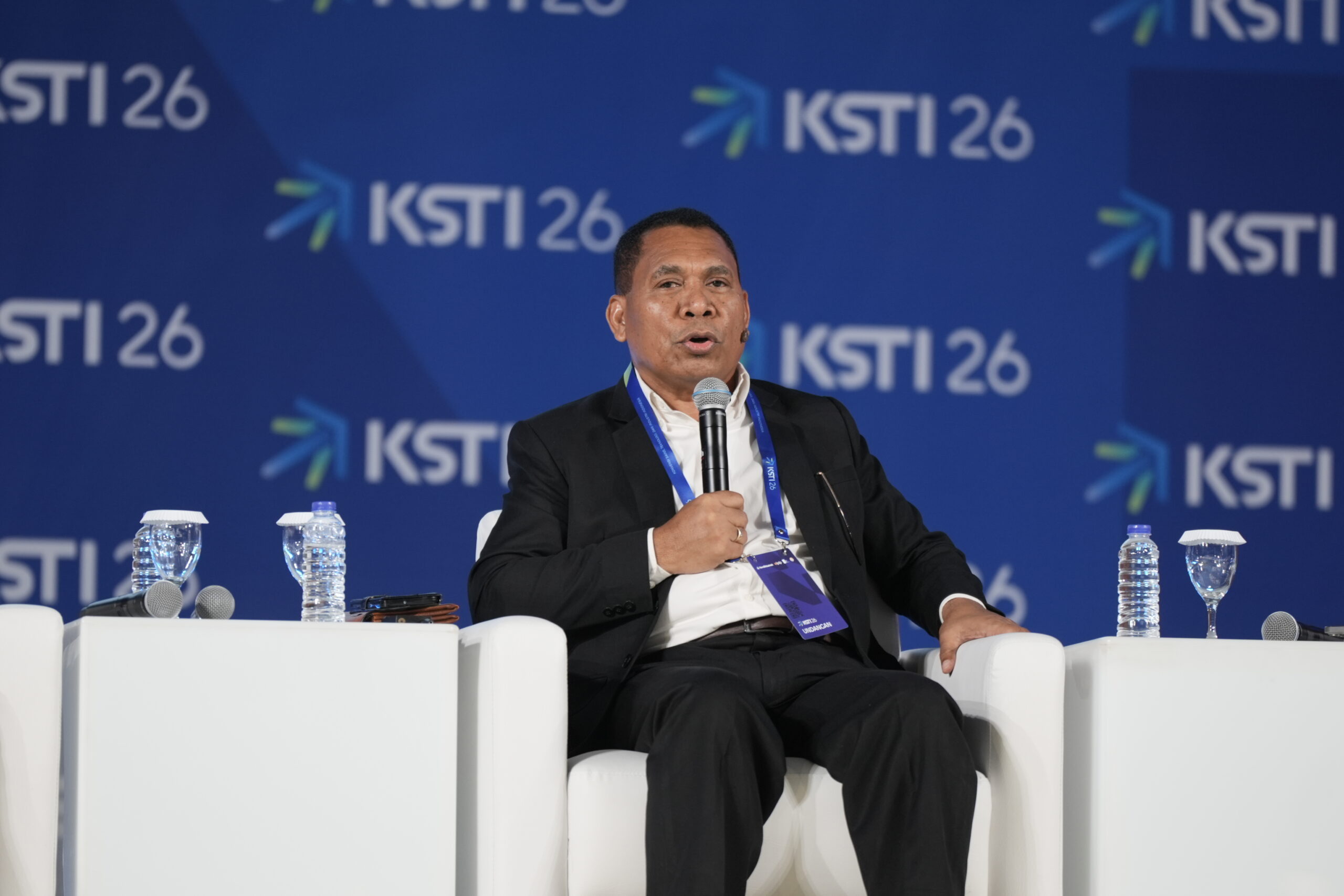
Furthermore, Zeth Sony Libing, Head of the Regional Assets Agency and Head of the NTT Provincial Industry and Trade Office, explained the importance of connecting stakeholders’ capacities through social collaboration. This initiative is being implemented through the Gemastik thematic Community Service Program (KKN), which mobilizes 3,900 students from 81 state universities (PTN) and private universities (PTS), targeting 100 villages across 13 districts.
Sony also emphasized the importance of maintaining the six elements of the consortium, namely agreement, cooperation, universities, local government, community, media, and partners.
“These six elements must be maintained so that disaster management and development in NTT can proceed effectively and sustainably,” explained Sony.
This collaboration demonstrates the university’s concrete involvement and commitment to addressing development issues in society. This effort also supports the achievement of Sustainable Development Goals (SDGs) 11, Sustainable Cities and Settlements, and SDG 17, Partnerships to Achieve the Goals. (ITS Public Relations)
More information: