Published on
Monday, 9 November 2026
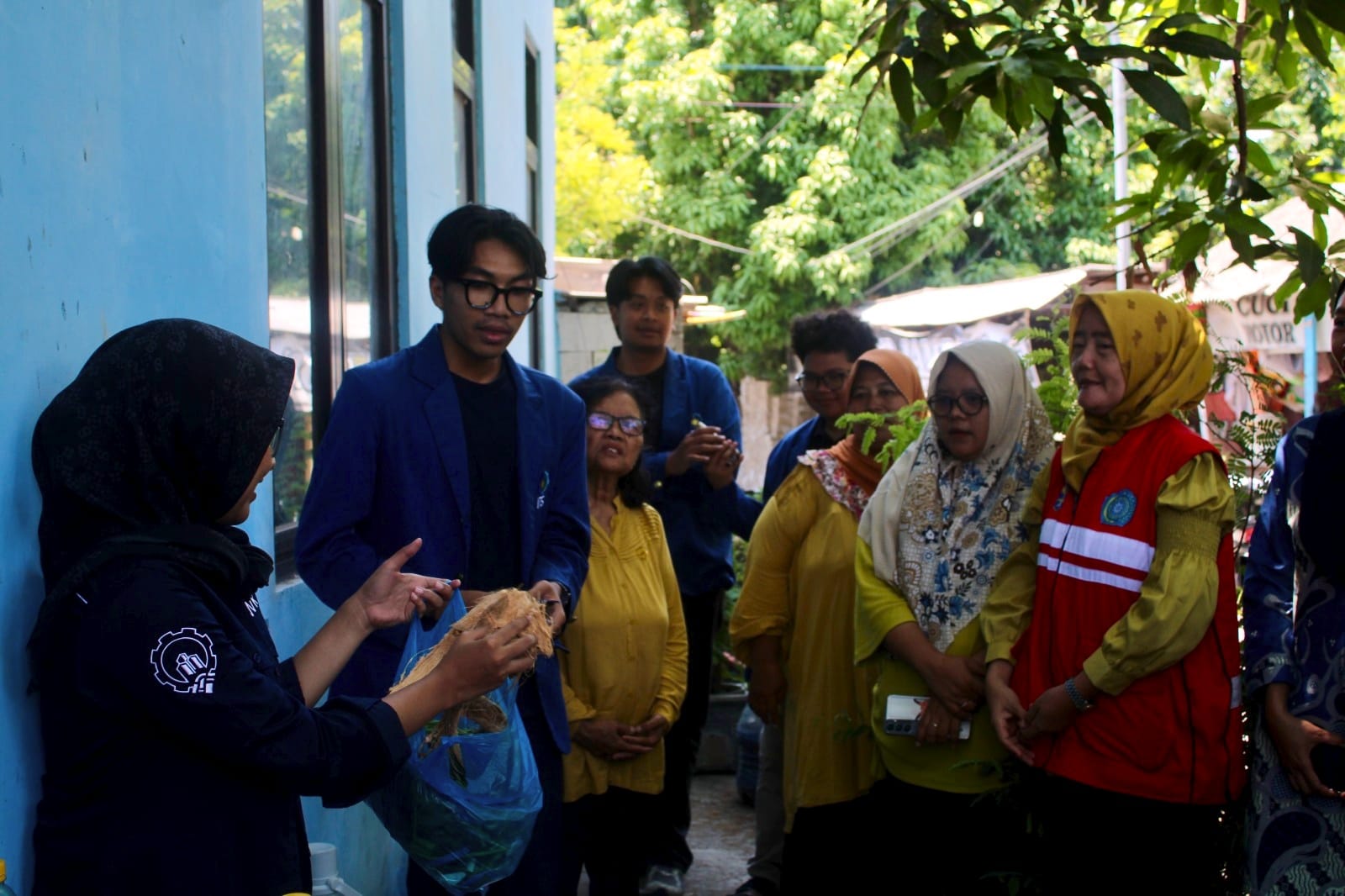
Surabaya, ITS News — The Department of Urban and Regional Planning (PWK) of the Sepuluh Nopember Institute of Technology (ITS) held a community service (Abmas) event titled “Pancasila Village Collaboration for Climate Resilience.” The event partnered with residents of RW 12, Krembangan Selatan Village, to conduct outreach and compost organic waste using the Takakura method on Friday (November 6).
The head of the Kesumaning Community Service Team, Dyah Larasati ST MARS, explained that this activity was carried out by assisting residents in processing household organic waste into compost. Previously, the Community Service Team conducted participatory mapping with representatives from each neighborhood unit (RW) to identify local environmental conditions and issues. The mapping results formed the basis for selecting RW 12 as the activity location, as the area had not yet implemented the Takakura composting method.
Armed with data from regional mapping, the Abmas team introduced the Takakura method, which can be applied in homes with limited space. The lecturer from the ITS Department of Urban and Regional Planning (PWK) explained that this method utilizes a ventilated basket filled with organic materials and compost as a decomposition medium. Food waste and other organic materials are then gradually added to be processed into compost.
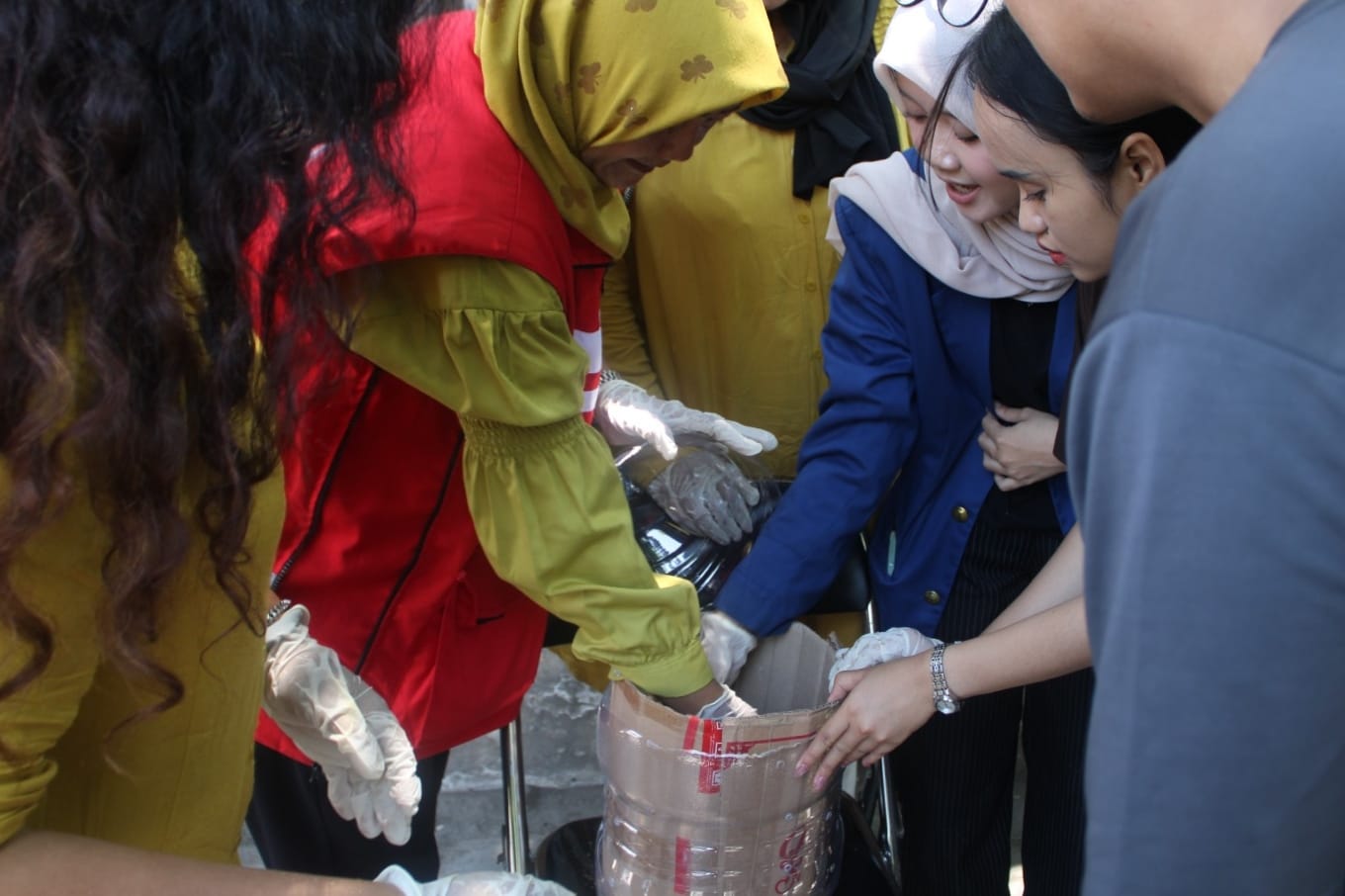
Following the presentation, the activity continued with a composting workshop involving residents of RW 12, including neighborhood administrators and local cadres. Residents were introduced to the stages of organic waste processing and the use of compost as a planting medium. Through this hands-on experience, residents gained a firsthand understanding of the composting process and subsequently implemented it in their own homes.
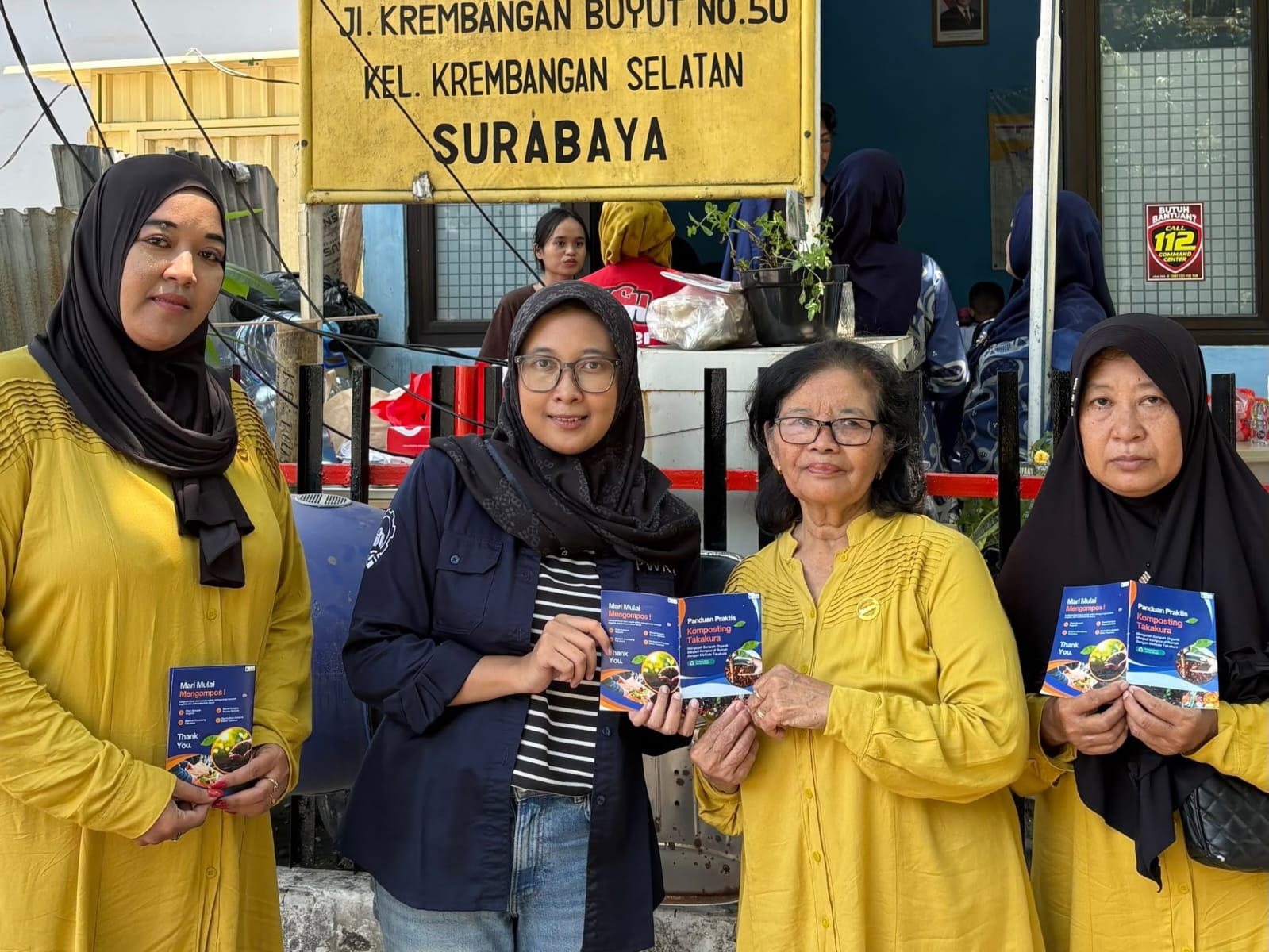
To support the sustainability of the program, the lecturer, known as Laras, added that her team has provided a booklet as a guide for implementing independent composting. The material outlines the composting steps that residents can implement after the outreach program concludes. “We hope this guide will be useful to residents and serve as the beginning of new habits in waste management,” she said.
Surabaya Hebat Cadre Coordinator Sumiati welcomed the series of Abmas activities. She hopes this mentoring will encourage the habit of sorting and processing organic waste at home. Sumiati also plans to continue outreach to residents so the practice can be implemented more widely. “We hope residents will start sorting their waste at home and see that organic waste still has benefits,” she explained.
Through this activity, ITS contributes to the achievement of Sustainable Development Goals (SDGs) Goal 11 on Sustainable Cities and Human Settlements and Goal 12 on Responsible Consumption and Production. The implementation of the Takakura method at the household level is expected to strengthen community-based organic waste management practices. (*)
Reporter: ION15
Redaktur: Hani Aqilah Safitri