Published on
Thursday, 23 July 2026
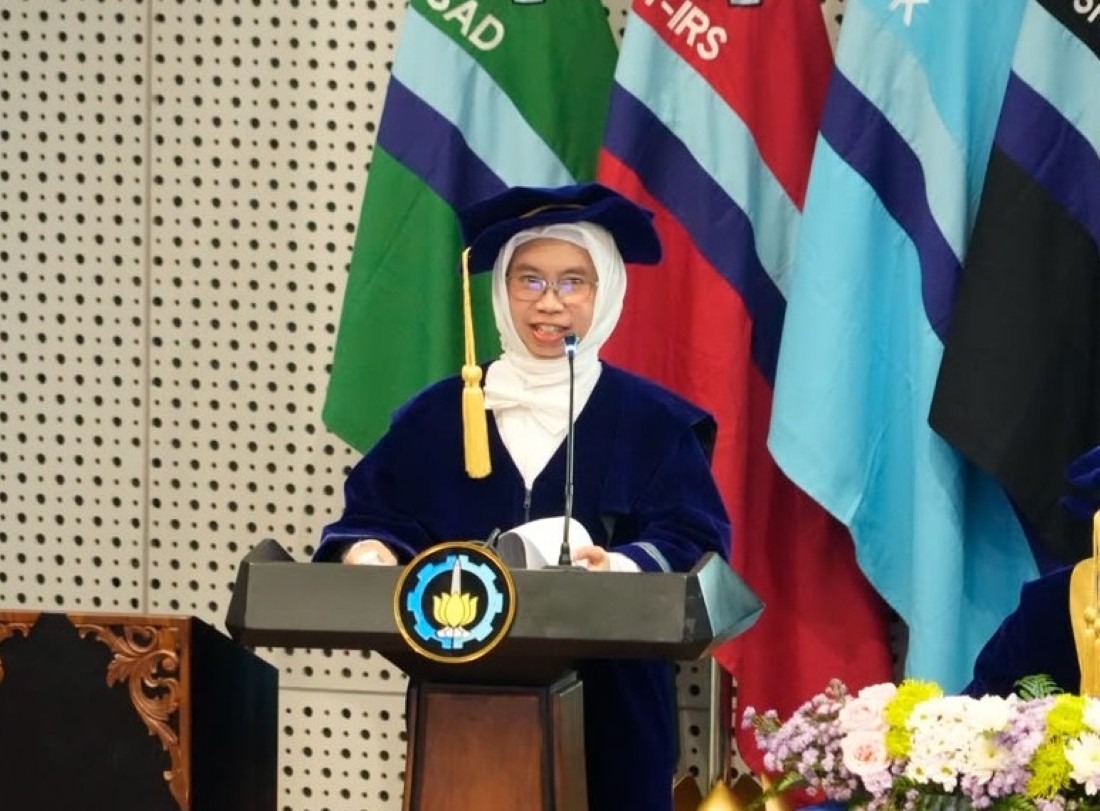
ITS Campus, ITS News — Environmental pollution remains a serious challenge that threatens the quality of soil, water, and air in various regions. To address this issue, Prof Ipung Fitri Purwanti ST MT PhD, the 249th Professor at the Institut Teknologi Sepuluh Nopember (ITS), has developed a technology based on bacteria for bioremediation to restore environments contaminated by various types of pollutants.
The professor in the Department of Environmental Engineering at ITS explained that bioremediation is an environmental restoration method that utilizes microorganisms. Over more than two decades of working in the field of environmental remediation, she has conducted various research projects focused on the restoration of contaminated soil, water, and air using both common bacteria and bacteria that form symbiotic relationships with plants.
Furthermore, Ipung explained that his research began with isolating bacteria that naturally live in contaminated sites. After being isolated and cultivated in the laboratory, these bacteria were then reused to break down pollutants at other sites with similar contamination characteristics. “This process is more effective because it utilizes microorganisms that have already adapted to the contaminated environment,” explained the woman, who was born in Surabaya on November 14, 1971.
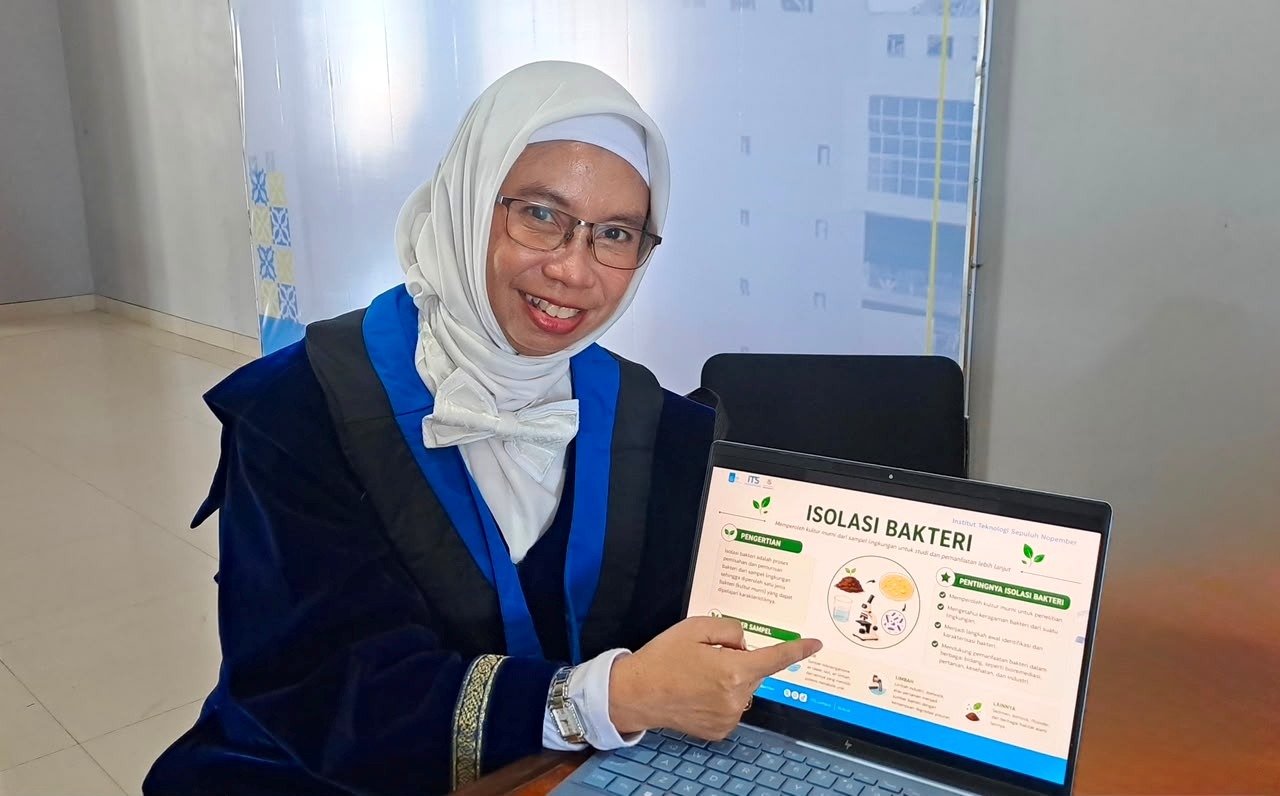
In her research, Ipung utilized several types of bacteria, such as Bacillus cereus, Bacillus subtilis, Pseudomonas aeruginosa, and Staphylococcus gallinarum. Between the four, Staphylococcus gallinarum was the most interesting finding because it was successfully isolated from soil contaminated with kerosene waste from asphalt processing. “This bacterium has better resistance and degradation capabilities compared to several other bacteria,” she said.
Aside from researching the effectiveness of individual bacteria, this ITS Environmental Engineering undergraduate alumnus has also developed a bacterial consortium method by combining several types of bacteria to determine the effectiveness of the remediation process. According to her, a combination of bacteria does not always yield better results than using a single type of bacteria. This depends on the ability of each microorganism to work synergistically with others and adapt to pollutants.
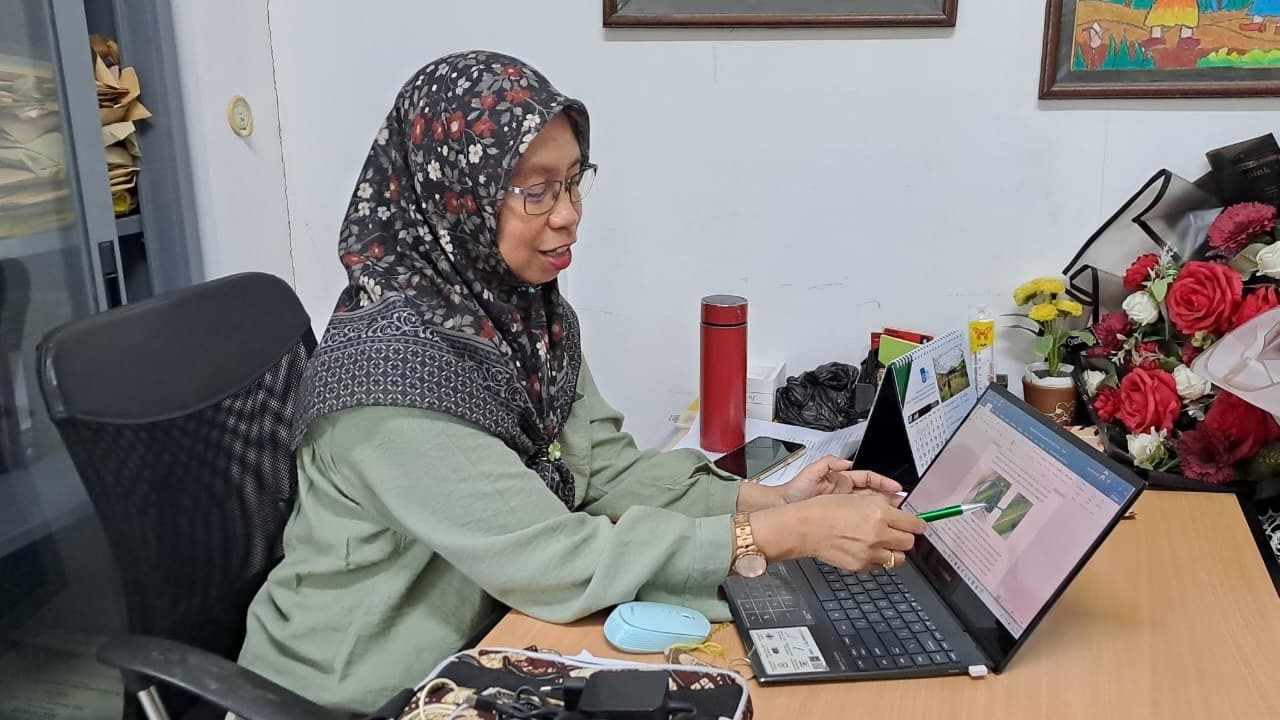
To this day, according to Ipung, the results of this research have been tested on a laboratory scale and at several field sites, including an oil refinery area in Sumatra. These tests show that the bacteria are capable of reducing hydrocarbon contaminant levels in the soil. Ipung said that bioremediation technology is not only effective for organic contaminants such as petroleum, but also has the potential to be applied to inorganic contaminants, such as heavy metals.
With the development of this bioremediation technology, Ipung hopes that her research will help address environmental issues in a sustainable manner. This innovation also supports the achievement of the Sustainable Development Goals (SDGs), particularly Goal 6 on Clean Water and Sanitation, Goal 13 on Climate Action, and Goal 15 on Protecting Terrestrial Ecosystems through the use of environmentally friendly technologies. (ITS Public Relations)
Reporter: Hani Aqilah Safitri