Published on
Friday, 6 November 2026

ITS Telecommunications Engineering Study Program lecturer Dr Ir Wirawan DEA explaining the technical flow of communication wiretapping and device security measures.
ITS Campus, ITS News — The widespread use of gadgets to exchange information has simultaneously increased the risk of personal data misuse through various forms of digital attacks. In response to this issue, an expert from the Telecommunications Engineering Study Program at Institut Teknologi Sepuluh Nopember (ITS), Dr Ir Wirawan DEA, outlined wiretapping mechanisms and preventive security measures that the public can take.
According to Wirawan, communication wiretapping is not always carried out by accessing a device directly, but can also take place through telecommunications network infrastructure. In this process, the wiretapper can obtain a copy of the data without removing the data received by the intended recipient. “The information can be copied while the original information remains intact,” Wirawan explained.
As technology advances, wiretapping methods have become increasingly difficult to detect because they no longer always require interaction from the device owner. One example is the zero-click method, which allows an attack to occur without the user clicking a link or opening a specific file. “Nowadays, the technology is already zero-click—the user does nothing, yet it can already be executed,” he warned.
These developments make it impossible for users to confirm wiretapping solely based on changes in their device’s condition. Furthermore, wiretapping conducted through telecommunications network centers does not necessarily leave traces on the victim’s device. “As far as I know, it is difficult to recognize changes occurring on a device,” he said when explaining the likelihood of the public identifying signs that a device is being tapped.
Beyond wiretapping, the public also needs to understand other forms of digital attacks that are often mistaken for similar actions. WhatsApp account takeovers and identity impersonation, for instance, can be exploited by perpetrators to deceive victims or solicit money. According to Wirawan, the primary objective of wiretapping itself is to obtain information from the targeted party.
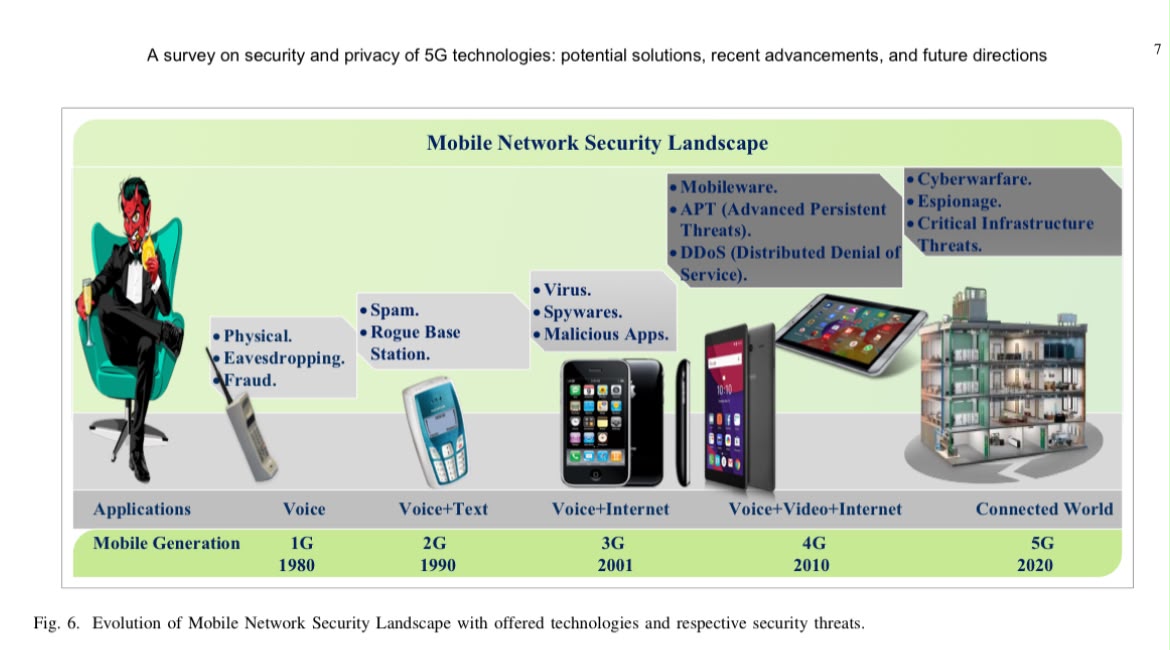
Handling suspected wiretapping requires considering the attack method and the specific part of the device that has been compromised. Actions that can be taken include wiping the device, reinstalling the operating system, or replacing the SIM card if the source of the attack lies there. “One preventive measure is to enable automatic updates on the mobile device’s system,” he urged.
In addition to device handling, the public must also be wary of data theft risks via public internet connections. Rogue Wi-Fi networks can mimic official networks and trick users into connecting to unsecured access points. “Confirm with the venue management first whether the Wi-Fi network truly belongs to them,” he advised.
Digital vigilance must also be practiced when using various online services, including applications and artificial intelligence services. Users should understand how these services utilize data and avoid carelessly sharing personal information such as their Resident Identity Card (KTP). By raising awareness of information security, the public is expected to use technology wisely while supporting the achievement of Sustainable Development Goals (SDGs) Goal 9 on Industry, Innovation, and Infrastructure. (HUMAS ITS)
Reporter: Nur Anisa Alya Eriska