Published on
Sunday, 19 July 2026
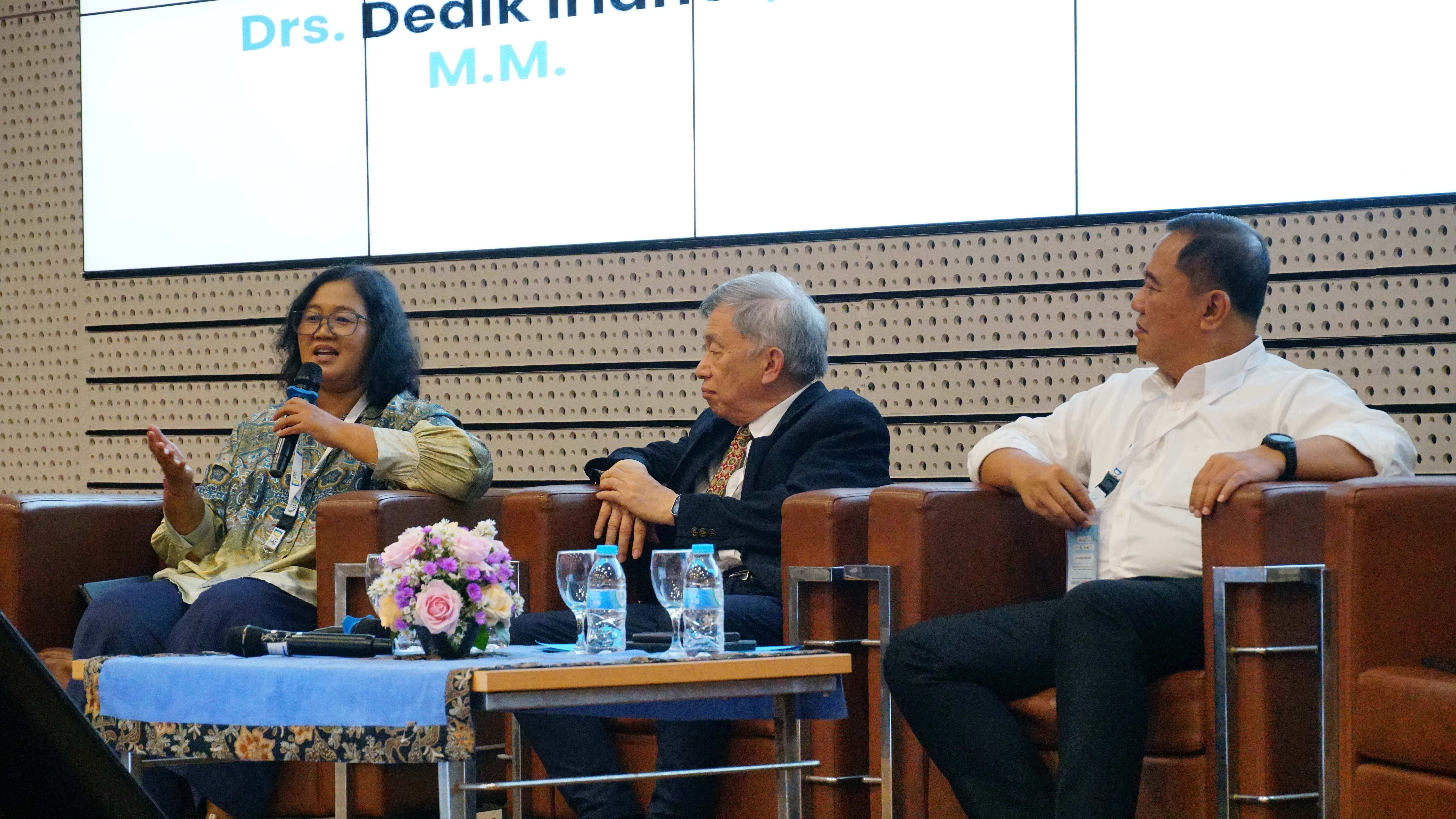
ITS Campus, ITS News — The concept of waste management as a source of alternative energy offers a solution to Indonesia’s waste management challenges. Therefore, the Institut Teknologi Sepuluh Nopember (ITS) reaffirmed its role as an active strategic partner in the Taiwan-Indonesia Science Technology Innovation Center (TI-STIC) consortium during an event held at the ITS Research Center Auditorium on Wednesday (20/5).
To oversee Waste to Energy innovation within the consortium, ITS is collaborating with National Taiwan University of Science and Technology (NTUST) and Widya Mandala Catholic University of Surabaya (UKWMS). This forum serves as a strategic gathering for academics, government officials, and industry representatives to address waste management in Indonesia.
ITS Vice Rector IV for Research, Innovation, Collaboration, and Alumni Affairs, Prof. Agus Muhamad Hatta, ST MSc PhD stated that the development of waste to energy technology is a concrete solution to the problem of continuously increasing waste. Against the backdrop of urbanization and population growth, waste should no longer be viewed as a burden. “Waste actually holds the potential to serve as a valuable resource that supports the transition to a clean energy system,” he explained.
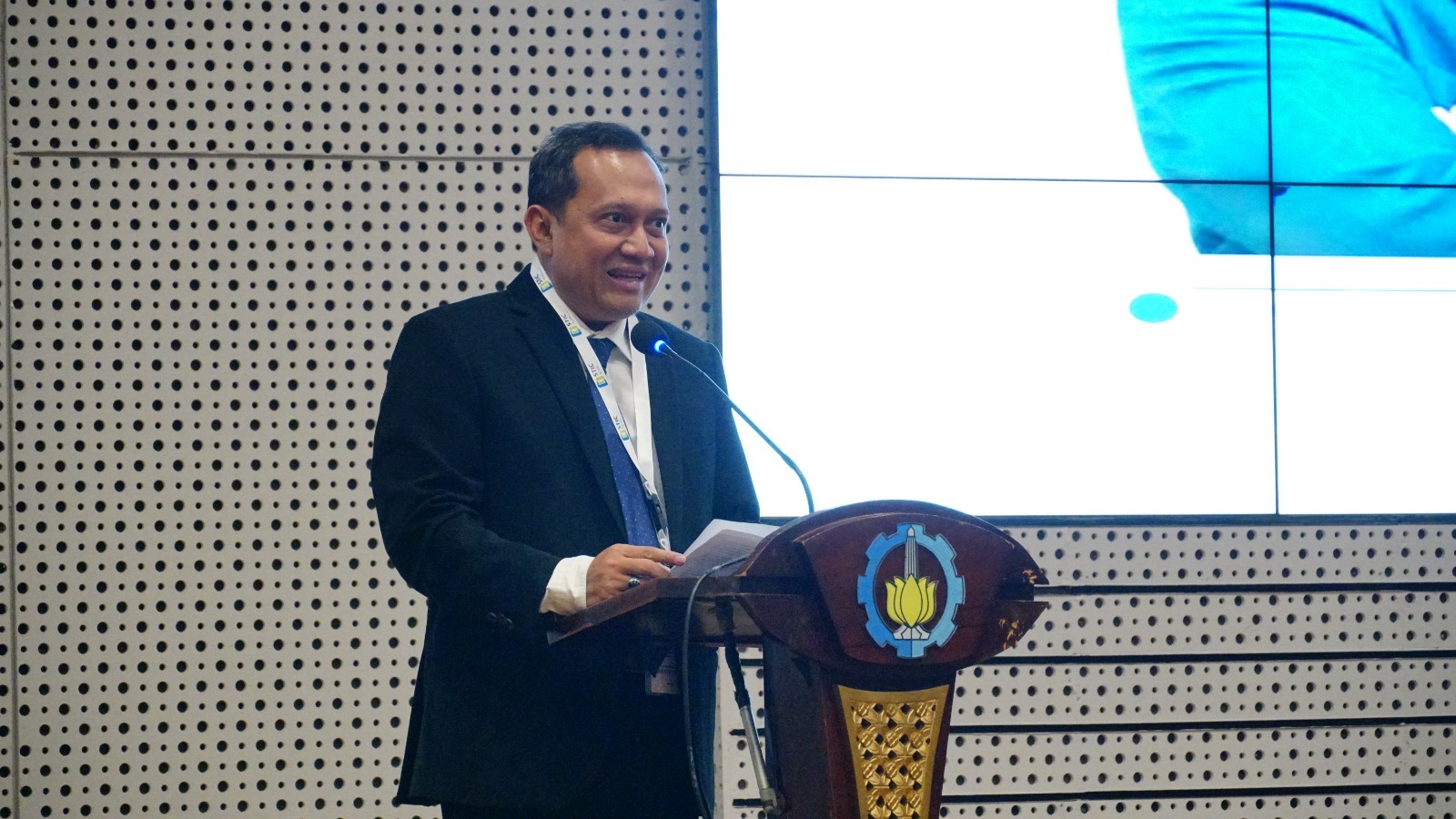
ITS has also developed innovations that support the conversion of waste into energy, such as the Benowo Waste to Electricity Plant (PSEL), which has been officially operational since 2021. In addition, there is an innovation for breaking down plastic using biomass to produce biofuel, developed by Prof Dr Hendro Juwono MSi.
This initiative, spearheaded by TI-STIC, also opens opportunities for integration with strategic investments to support a measurable and practical green technology ecosystem. This transition will reduce reliance on landfills, cut greenhouse gas emissions, and support national energy security in line with the agenda for a cleaner energy transition.
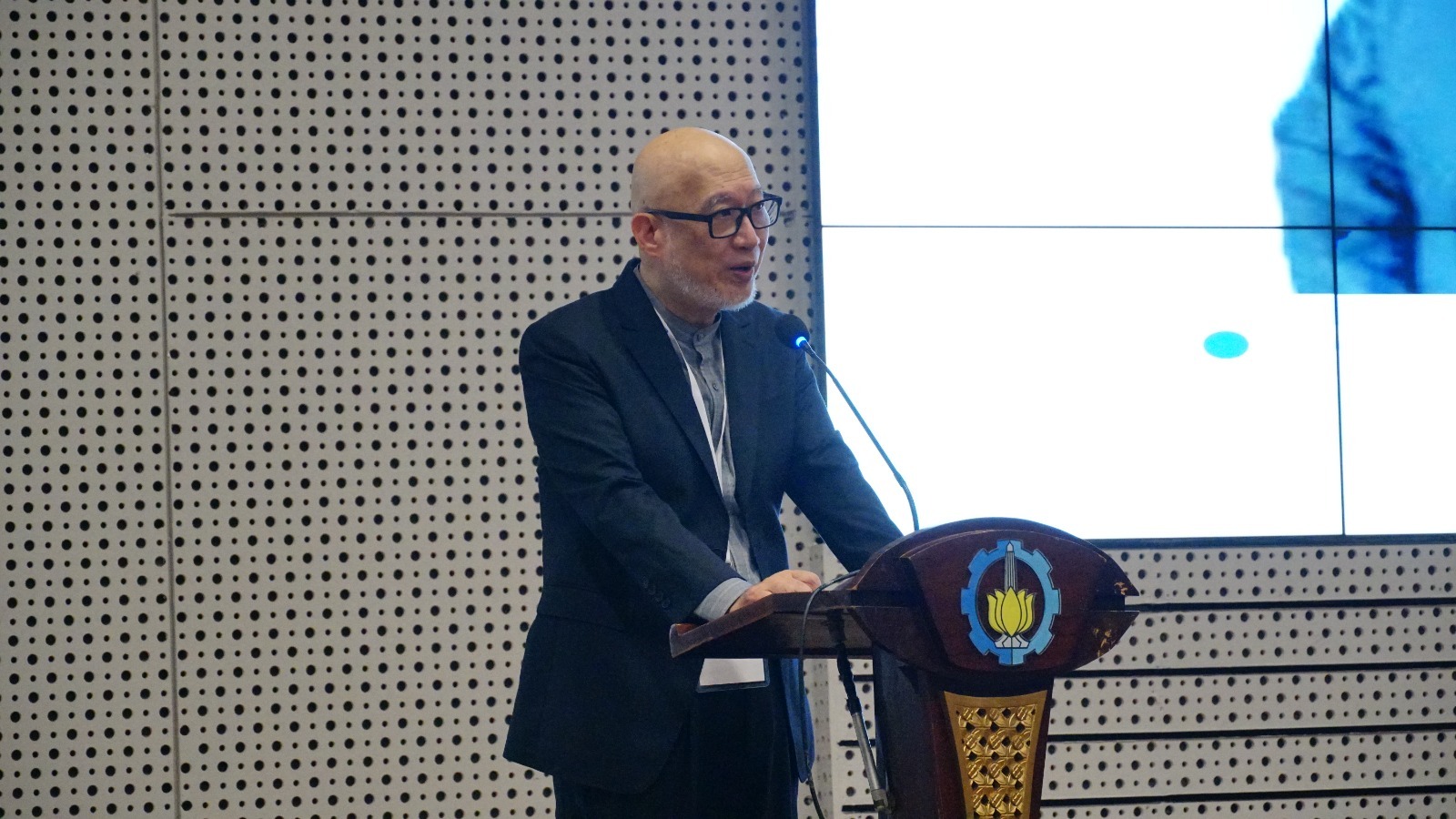
Furthermore, Dr En-Cheng Yang, Executive Director of the Science and Technology Division at the Taipei Economic and Cultural Office in Australia, emphasized that the established cooperation goes beyond simply sharing challenges. He noted that through this forum, each partner can create joint solutions by synergizing the potential of both countries.
As highlighted in this forum, waste management and energy needs are closely interrelated challenges. As a country that has long been at the forefront of technological development in Asia, Taiwan has accumulated extensive experience in developing waste management systems using technology. “Going forward, we hope to see technological development, policy design, and young talent working in synergy to address unresolved issues,” said En-Cheng Yang.
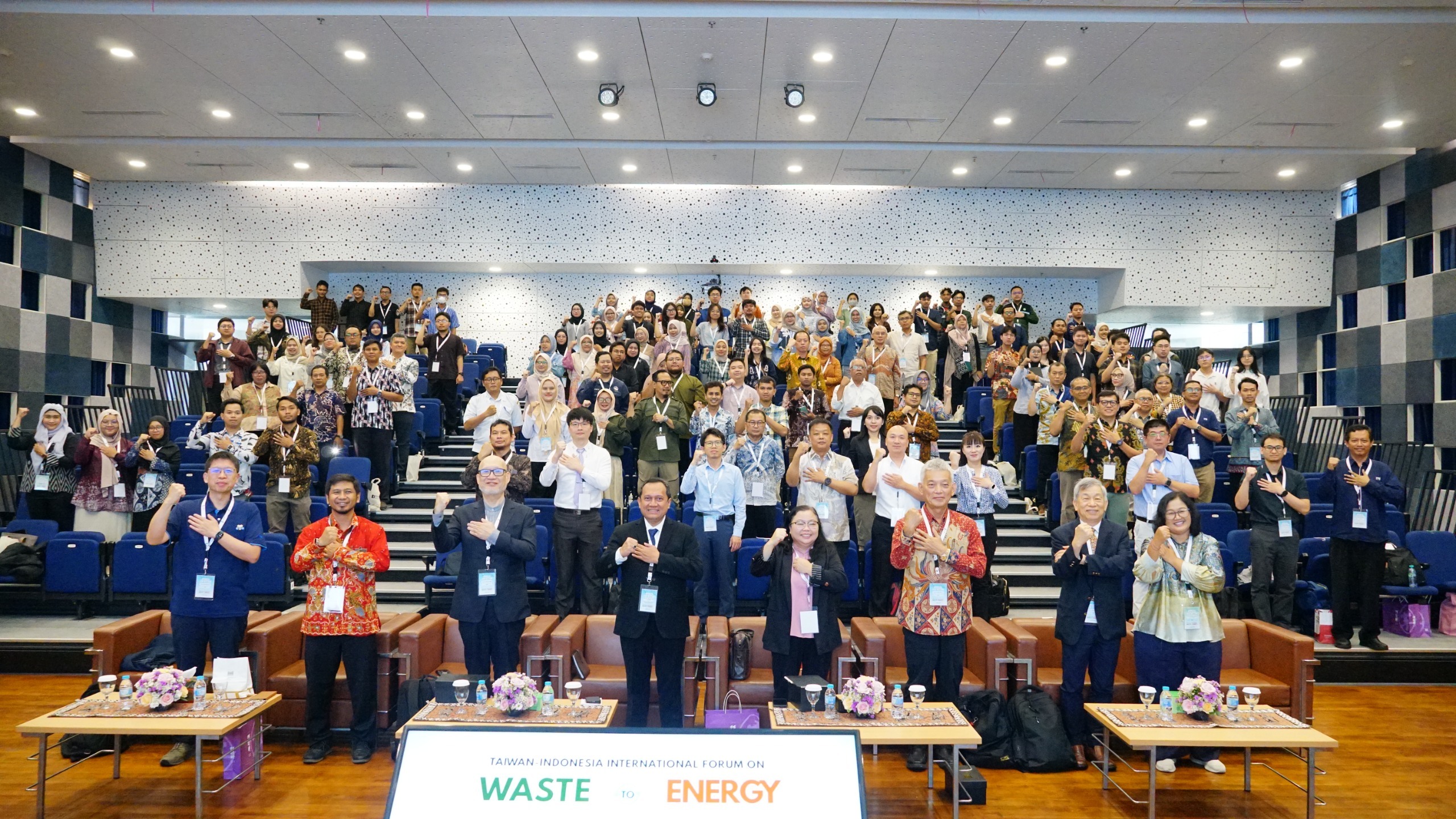
This forum represents a concrete step taken by ITS, together with its partner universities, to support the achievement of the Sustainable Development Goals (SDGs), particularly Goal 7 on Affordable and Clean Energy. In addition, it contributes to the achievement of Goal 12 on Responsible Consumption and Production, as well as Goal 17 on Partnerships for the Goals. (ITS Public Relations)
Reporter: Syifa Rahmadina