
Published on
Thursday, 3 September 2026
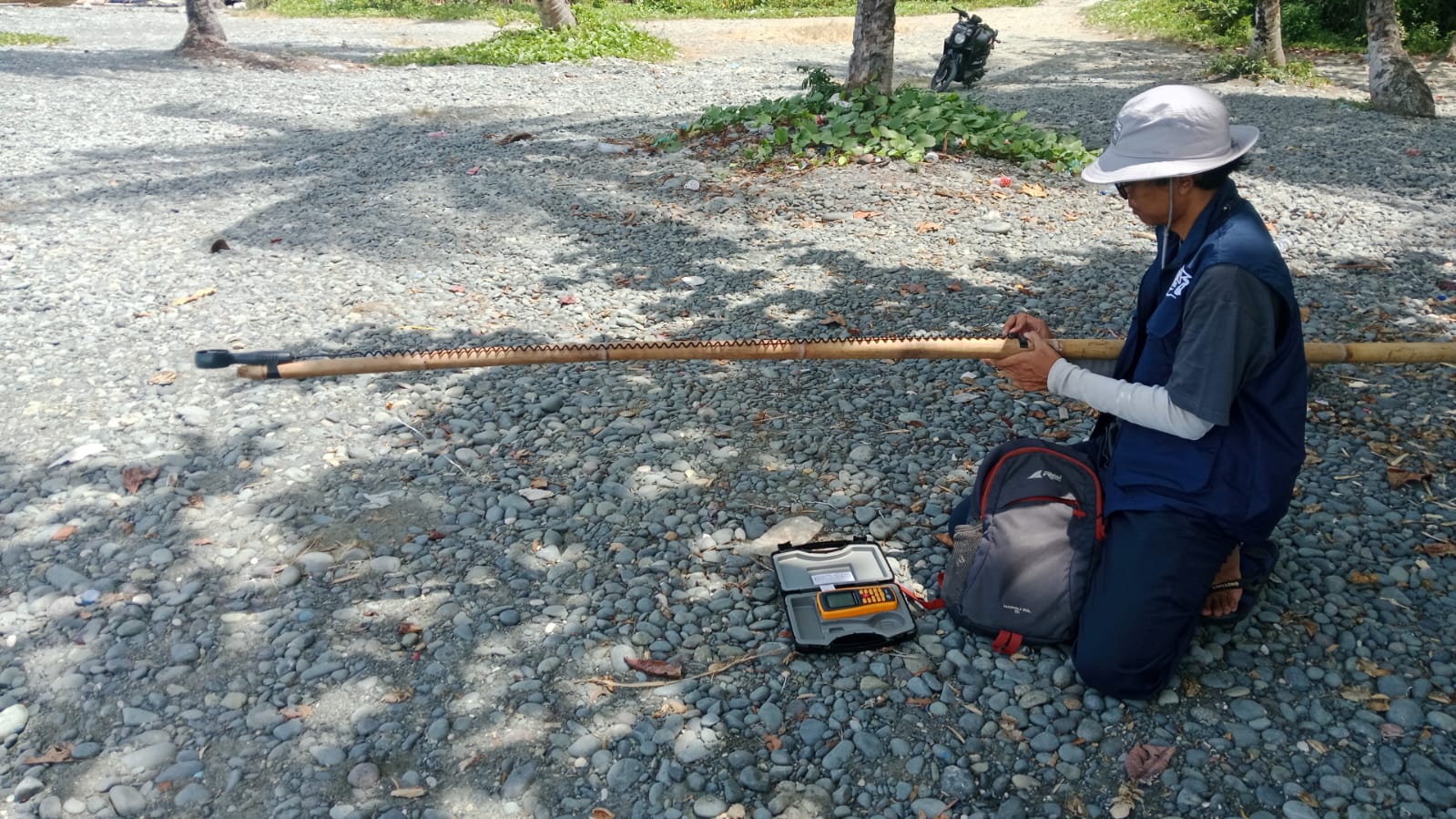
South Manokwari, ITS News – The wind that has been blowing freely along the coast of the Momiwaren Transmigration Area, South Manokwari Regency, West Papua, is starting to be considered as a new and renewable energy (EBT) source for the community. Through the 2026 Patriot Expedition Team (TEP), the Sepuluh Nopember Institute of Technology (ITS) is pioneering a micro-wind power plant (PLTB) combined with solar panels as a self-sufficient energy solution based on local potential.
The proposed power plant will have a total capacity of 2 kilowatts (kW) from two 1 kW wind turbines, each powered by a 1 kilowatt peak (kWp) solar panel. The two wind turbines are planned to meet the electricity needs of public facilities and tourism facilities at Bovo Beach, Ransiki District, and Dembek Beach, Momiwaren District. Besides being tourist destinations, these two locations also serve as anchorage points for fishermen.
With a total micro-scale power of 2000 watts (2 x 1000 watts), this generator is not designed to support industrial needs, but rather as a starter and pilot model for independent energy based on local potential for coastal transmigration areas that have so far relied on generators or have not had electricity at all.
Targeted public facilities include street lighting leading to the beach, gazebos/honai (traditional pavilions) for visitors to rest, and other public service points in transmigration areas that have not yet been adequately connected to the PLN electricity network. It is hoped that stable electricity at tourist sites will foster the growth of local small businesses and attract local youth to manage natural resources with local wisdom.
Prior to construction, a feasibility study and analysis of wind speed data at several coastal locations were conducted. The results indicated promising potential. Wind speeds from Mount Botak to Pintu Angin Beach were recorded at 6 to 12 m/s, from Dembek Beach at around 8 m/s, and Syari Beach at an average of around 7.39 m/s. These measurements exceed the minimum threshold generally required for micro- and small-scale wind turbines.
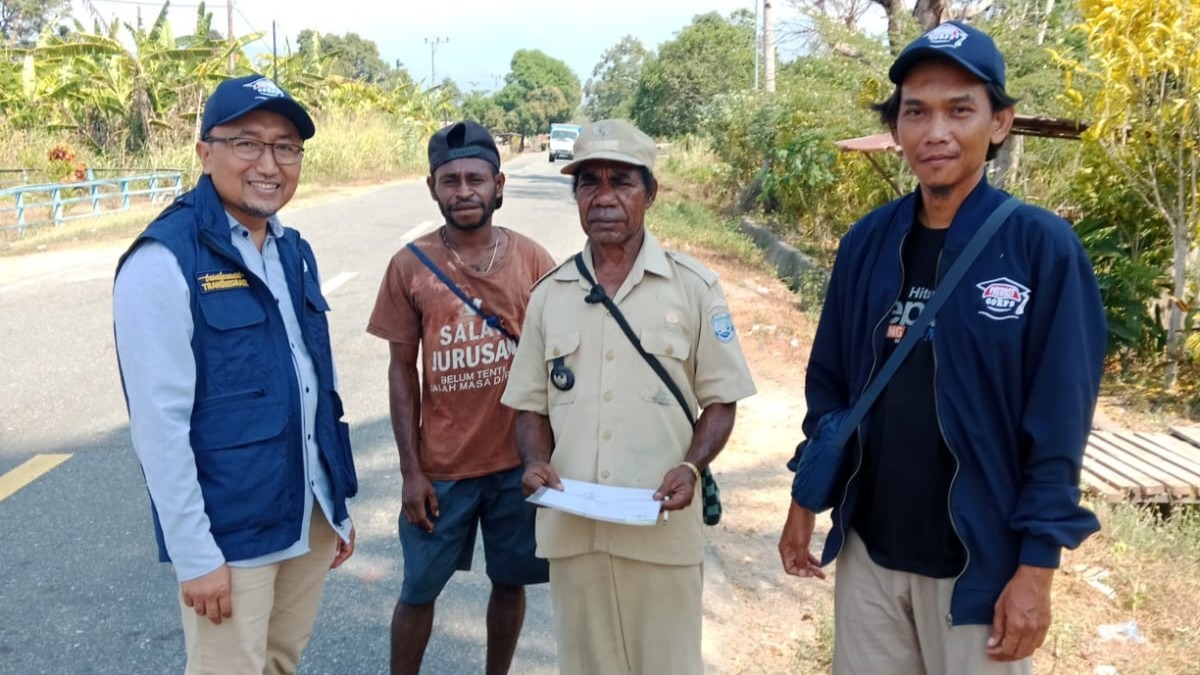
The Head of Team 16 TEP, Prof. Dr. Agung Purniawan ST MEng, explained that the measurement results need further verification to obtain accurate and precise data. The lecturer from the Department of Materials and Metallurgical Engineering ITS also emphasized the need for further studies on the tourism potential of Cendrawasih Bay integrated with clean energy education from PLTB. “In addition to Cendrawasih Bay, Mawi Bay also has quite high wind and solar intensity so it can be a candidate for the development of renewable energy educational tourism,” he said.
Following up on the measurement data, the team developed a site plan for the Bovo Beach area in Ransiki and Dembek Beach in Momiwaren. This plan includes the placement of hybrid wind turbines with solar panels to generate optimal power, along with a path of electricity poles and lighting that will connect the power plant to public roads and tourism centers. This hybrid wind-solar scheme was chosen to ensure a stable power supply throughout the day, given that coastal winds tend to strengthen at certain times of the day, while solar radiation is available consistently during the day.
This step by the ITS TEP 16 Team aligns with the direction of national energy policy emphasized by the government in the 2026 TEP briefing through the Ministry of Energy and Mineral Resources (ESDM). Indonesia has enormous renewable energy potential, reaching 3,687 gigawatts, dominated by solar, hydro, and wind power, while the newly installed renewable energy generation capacity as of June 2026 was only around 16,321 megawatts. This gap leaves a large untapped space, including in remote areas such as the Ransiki and Momiwaren coasts, which have considerable solar and wind energy potential.
If proven reliable, the scheme is expected to be replicated in other coastal areas with similar wind characteristics. At the same time, the development of clean energy integrated with tourism is expected to open investment opportunities and encourage the growth of ecotourism in Papua.
For the ITS TEP 16 Team, the Momiwaren coastal wind is no longer just a natural phenomenon. It is a potential waiting to be transformed into hope. As the simple message of Denny Caknan’s song “Negoro Angin” suggests, wind not only brings memories but can also bring new hope. On the coast of West Papua, that hope is now being developed into energy that is expected to power public facilities, stimulate the economy, and ultimately bring prosperity to the community. (*)