Addressing Obesity, ITS Students Propose a Fitness Ecosystem Program

Diagram konsep implementasi SGREEFIT dari tim mahasiswa ITS dalam memanfaatkan fasilitas yang ada untuk membuat program yang sistematis dan terintegrasi guna menangani obesitas
ITS Campus, ITS News — Obesity is becoming one of the health problems that continues to increase every year, including in Indonesia. In overcoming this problem, the SGREEFIT Team of students from Institut Teknologi Sepuluh Nopember (ITS) initiated a program with an integrated strategy towards a sustainable fitness ecosystem.
One of the SGREEFIT Research and Development members, Muhammad Rafi Kalevi, explained that this idea was motivated by the obesity problem in Indonesia, which until now has not had specific handling. The continuously increasing numbers not only affect health issues but also cause a budget deficit for the Social Security Administrator for Health (BPJS Kesehatan). “Recent data also shows that BPJS Kesehatan experienced a deficit of Rp 9.6 trillion,” he stated.
From this condition, SGREEFIT is present to provide a solution through obesity handling efforts via an integrated system between health services and fitness facilities. This strategy maximizes existing facilities such as BPJS Kesehatan, the Mobile JKN application, and fitness centers. “This program then provides a systematic and integrated flow to be used in facilitating obesity handling,” said the young man who is often called Levi.
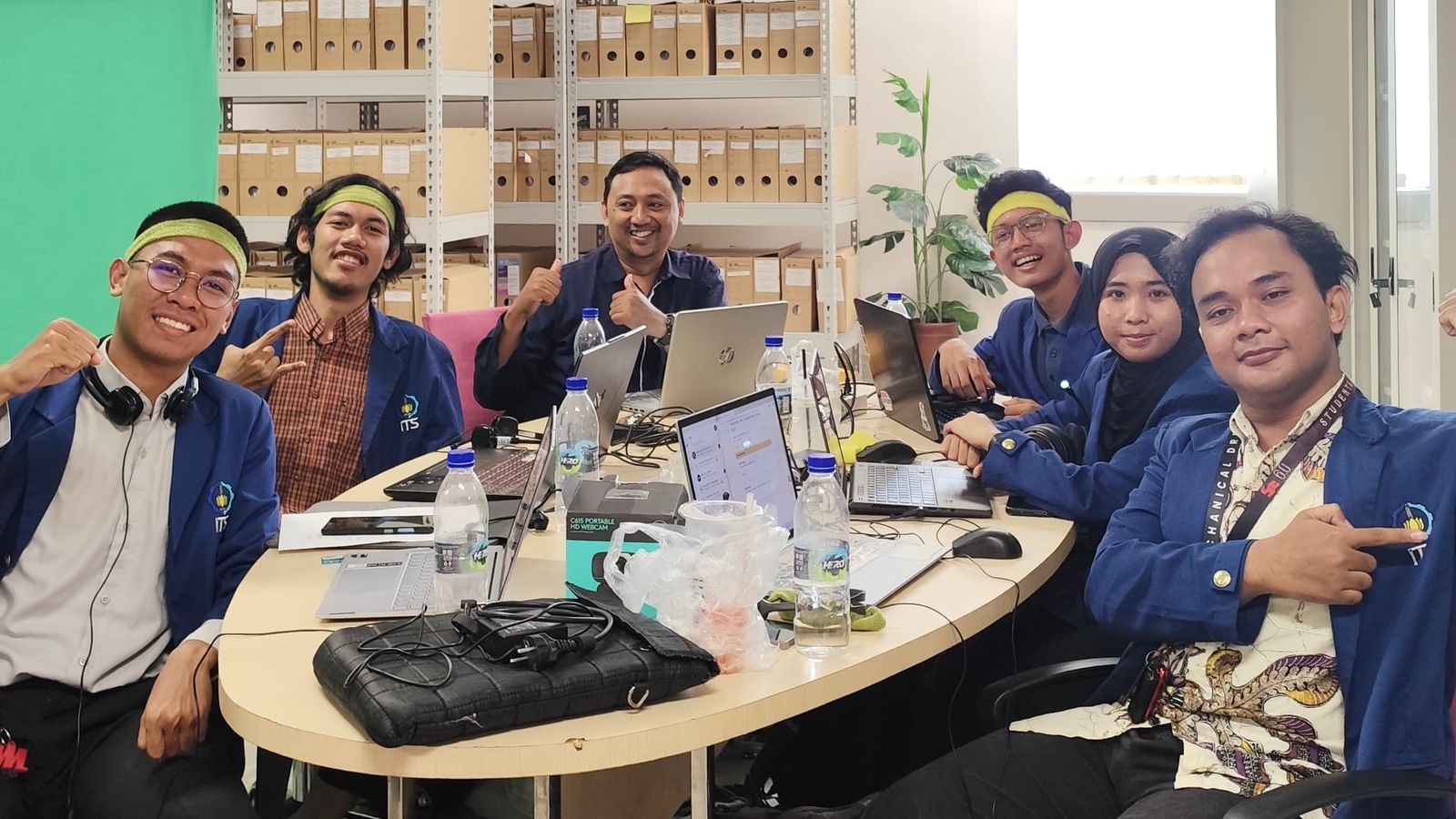
Tim SGREEFIT ITS bersama dosen pembimbing Alfan Purnomo ST MT dalam kegiatan PKP2 menuju Pimnas ke-38
Furthermore, Levi explained that this program uses the Theory of Planned Behavior (TPB) principle as the three main factors of the intention to exercise. This includes a positive attitude towards the benefits of exercise, subjective norms reinforced by institutions, and perceived behavioral control through ease of access to fitness facilities as well as regulatory support.
The student from the ITS Mechanical Engineering Department also explained the application of these principles. The first factor is supported by the concept of a smart gym and the Internet of Things (IoT) in emphasizing the health benefits of monitoring. The second factor is supported by the Ministry of Health (Kemenkes) as part of the Healthy Living Community Movement (GERMAS) which is integrated with BPJS. Finally, the third factor is supported by the ease of access to fitness facilities.
The stages of this program begin with participants going through a medical consultation to obtain recommendations according to their respective body conditions. Next, participants perform sports activities at gyms connected to BPJS. This program also applies gamification by providing incentives in the form of points and vouchers for participants who undergo the program well to increase motivation.
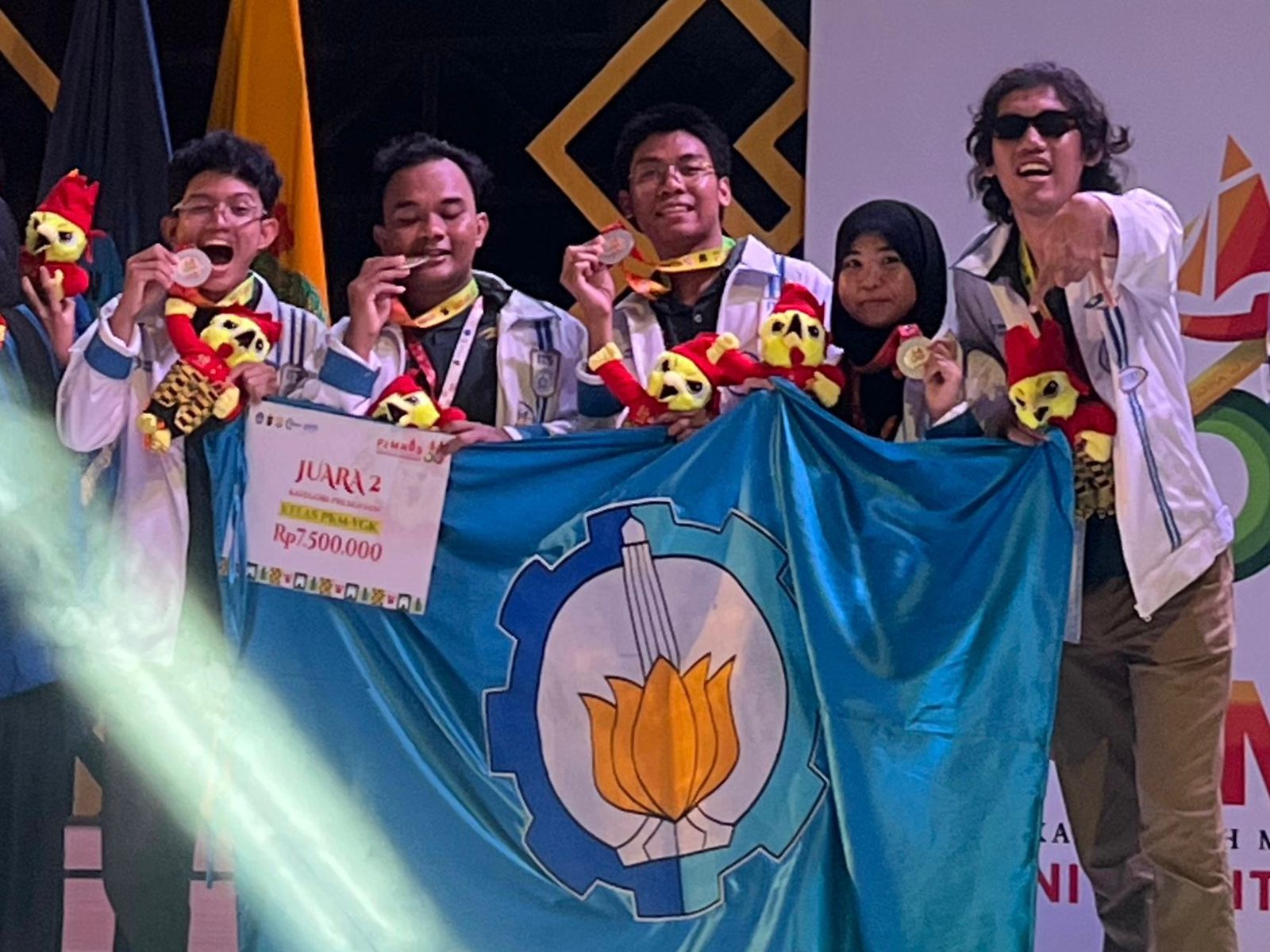
Tim SGREEFIT saat memenangkan medali perak perak untuk presentasi dalam kategori PKM-VGK di Pimnas ke-38
This student from Balikpapan also revealed that this program requires cooperation from various other related parties. These key actors include the Ministry of Youth and Sports (Kemenpora), Kemenkes, nutritionists, sport scientists, doctors, and also the community. “We have also included all stages and recommendations in the policy brief document that we published,” said Levi.
Through the program, Levi mentioned that if obesity prevalence drops by just 35 percent through this program, the BPJS expenditure burden could decrease by around Rp 10.5 trillion. This figure is taken from the assumption that 60 percent of the total expenditure due to obesity, amounting to Rp 56 trillion, is borne by BPJS. “This saving is capable of covering the previous BPJS deficit,” he emphasized.
Through this innovation, the team guided by lecturer Alfan Purnomo ST MT was able to win a silver medal for the presentation category at the 38th National Student Scientific Week (Pimnas) in 2025. This innovation is also a form of ITS’s effort in participating to achieve the Sustainable Development Goals (SDGs), point 3 regarding Good Health and Well-being and point 9 regarding Industry, Innovation, and Infrastructure. “The hope is that this can become a national strategic program in handling obesity in Indonesia,” said Levi hopefully. (HUMAS ITS)
Reporter: Bella Ramadhani
Related News
-
ITS Facilitates Aid for 34 ITS Students Who Are Victims of Sumatra Floods
ITS Campus, ITS News — Institut Teknologi Sepuluh Nopember (ITS) continues to show its concern for students affected by
January 07, 2026 22:01 -
Addressing Obesity, ITS Students Propose a Fitness Ecosystem Program
ITS Campus, ITS News — Obesity is becoming one of the health problems that continues to increase every year,
January 07, 2026 22:01 -
ITS Dispatches Post-Disaster Humanitarian Aid to Aceh Tamiang
ITS Campus, ITS News — Institut Teknologi Sepuluh Nopember (ITS) has again distributed follow-up aid to several post-disaster areas
January 07, 2026 22:01 -
ITS Formulates Inclusive Education System Policy for Students with Disabilities
ITS Campus, ITS News — The Sepuluh Nopember Institute of Technology (ITS) has once again demonstrated its commitment to
January 07, 2026 22:01