ITS – Unair Collaboration Strengthens ASEAN Research Leadership Through BCG Forum 2025
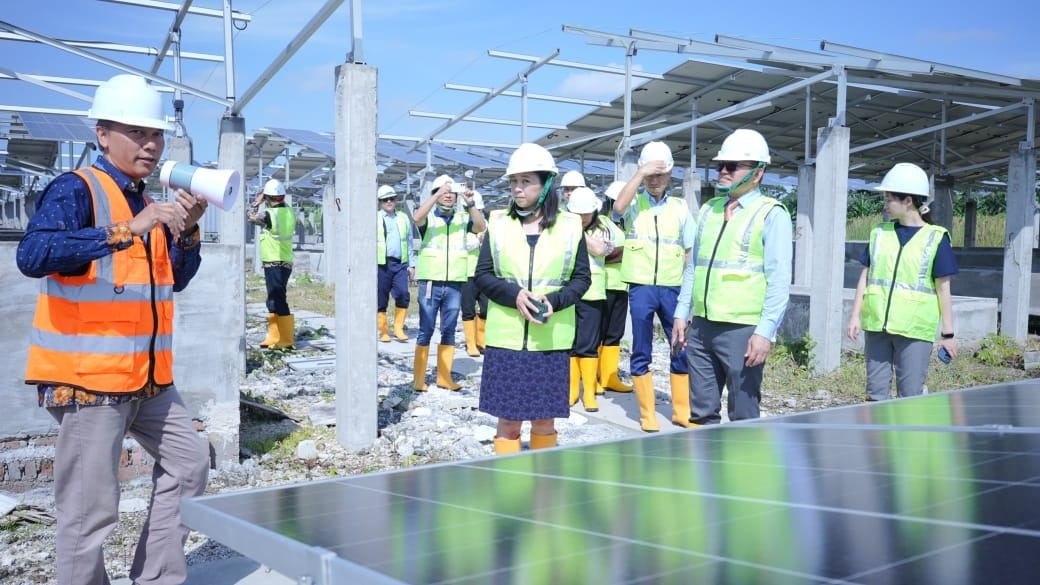
ASEAN delegation during a visit to the REIDI laboratory facility at ITS to see the working concept
ITS Campus, ITS News — Institut Teknologi Sepuluh Nopember (ITS) in collaboration with Universitas Airlangga (Unair) hosted the grand event of the ASEAN Bio-Circular-Green Economy (BCG) Network Meeting 2025 which was held at the ITS Rectorate Building, Saturday (14/6). This forum is a concrete step to strengthen cooperation in sustainable research and innovation based on bio, circular, and green principles.
In the opening of the forum, Vice Rector III for Human Resources, Organization, and Information System Technology (SDMO and TSI) ITS Imam Baihaqi ST MSc PhD emphasized the importance of sustainable research as an institutional priority. He said that regional collaboration will strengthen the impact of ITS innovation. “We are committed to developing green manufacturing , circular economy , and renewable energy research,” he said.
This strategic meeting was attended by delegates from eight ASEAN member countries, namely Indonesia, Malaysia, Thailand, the Philippines, Brunei Darussalam, Cambodia, and Myanmar. In addition, one more dialogue partner was added, namely from Japan. These delegates are representatives of research institutions and universities.
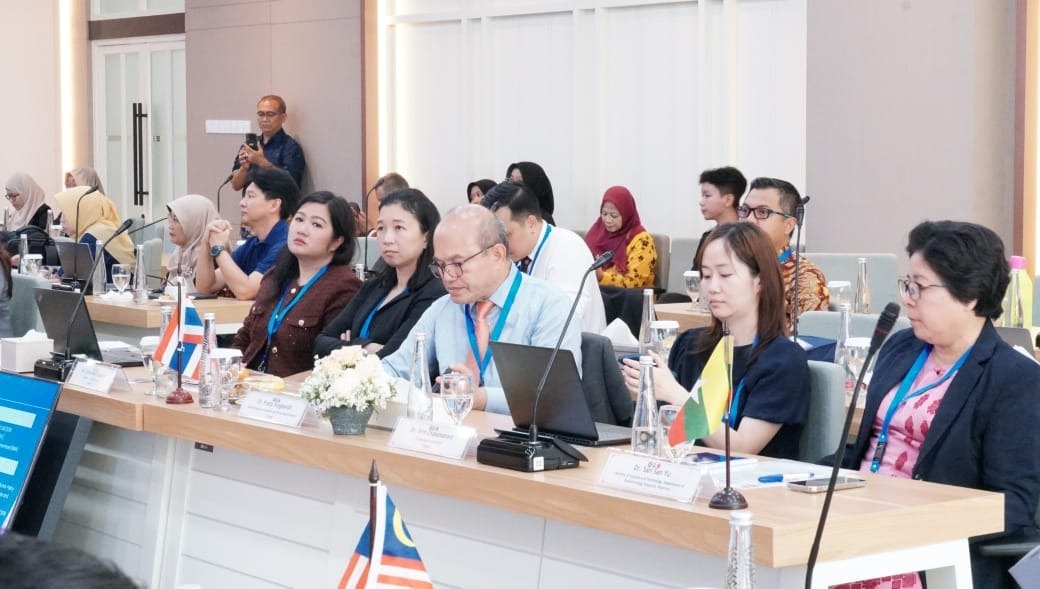
ASEAN delegation and ITS staff attending the ASEAN BGC Network Meeting 2025 discussion forum at the ITS Rectorate BuildingBefore starting the meeting, the delegates first visited the location of the ITS Renewable Energy Integration Demonstrator of Indonesia (REIDI) project. During their visit, the delegates were greeted with a demonstration of a hybrid energy system that integrates solar panels, biomass, and rooftop agriculture technology. This technology is capable of producing up to 300 kWh of electrical energy and is used to supply electricity to the laboratory independently. This innovation is proof of ITS’ readiness to support renewable energy transition research in the ASEAN region.
In his presentation, ITS REIDI Operational Coordinator Dedet Candra Riawan ST MEng PhD explained that REIDI is a research platform that integrates solar panels, biomass, and energy storage systems in one autonomous system. He emphasized that REIDI is designed to support the clean and independent energy transition. “We want to create a research ecosystem that supports the clean energy transition, from generation to distribution,” he explained.
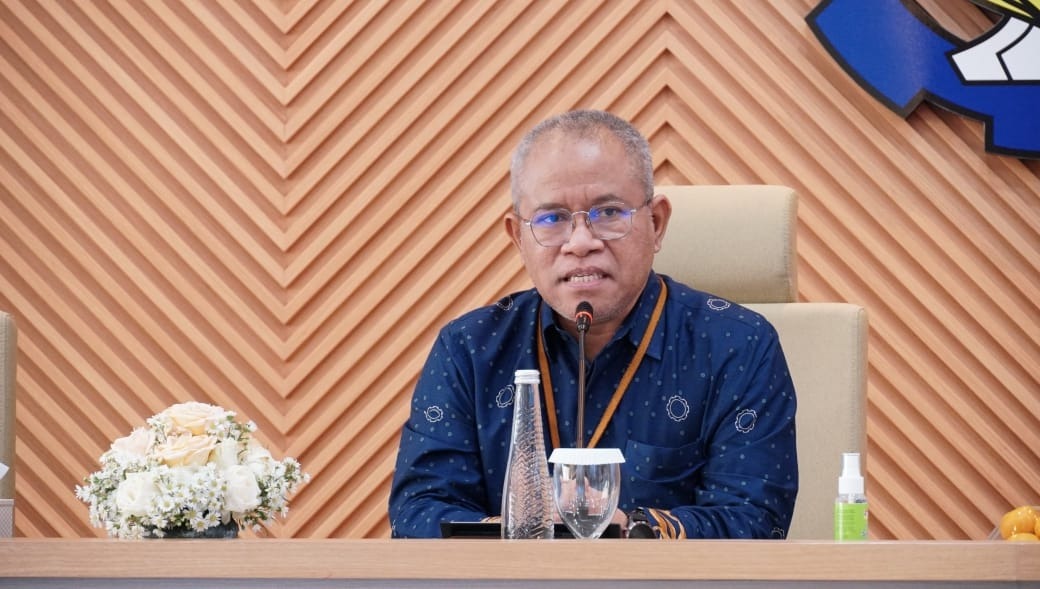
ITS Vice Chancellor III Imam Baihaqi ST MSc PhD when opening the ASEAN BCG Network Meeting 2025 discussion forumIn addition to REIDI, the delegates also had the opportunity to visit the ITS Environmental Engineering Department Laboratory , where research was conducted on the use of Black Soldier Fly (BSF) larvae for the conversion of organic waste. This research is the result of a collaboration between ITS and Nanyang Technological University (NTU) Singapore and several other ASEAN institutions. This technology shows high effectiveness in processing waste into useful biomass, while supporting the circular economy agenda.
Meanwhile, in the presentation session, Head of the ITS Sustainable Infrastructure and Environment Research Center Prof. Ir. I Dewa Ayu Agung Warmadewanthi ST MT PhD explained that BSF larvae have great potential in converting organic waste into biomass such as fertilizer, animal feed, and bioplastic materials. This technology not only supports waste reduction, but also offers a circular solution in waste management based on research and innovation.

ASEAN delegation’s visit to ITS Environmental Engineering Laboratory to see Black Soldier Fly (BSF) larvae research
Furthermore, the Head of the ITS Biotechnology Study Program Triono Bagus Saputro SSi MBiotech introduced a new curriculum based on green biotechnology. This program is designed to prepare students to become superior researchers in the fields of agrotechnology and nanobiotechnology. “Student research will focus on the exploration of secondary metabolites of functional plants, the production of silver nanoparticles, and the development of microalgae as a source of protein and antioxidants that are stronger than vitamin C,” he explained.
The ASEAN BCG Network Meeting 2025 also demonstrated synergy between countries in supporting the Sustainable Development Goals (SDGs) , especially point 9 on infrastructure, innovation, and industrialization. By bringing together various stakeholders, this forum becomes a strategic platform to strengthen collaboration on technology research, development of renewable energy systems, and encourage the creation of sustainable innovations that have a direct impact on development in the ASEAN region.
In closing, the Chairperson of the ASEAN BCG Network Meeting 2025, Prof. Ketut Eddy Purnama ST MT, expressed his hope that this forum could further strengthen research collaboration between countries in the ASEAN region. He considered this synergy important to realize sustainable development in real terms. “We want ITS to become a hub for ASEAN collaboration in shaping a future that is ecologically and socially resilient,” concluded the Head of the ITS Center for Artificial Intelligence and Digital Technology Studies. (ITS PUBLIC RELATIONS)
Reporter: Nabila Rahadatul Aisy Koestriyaningrum
Translator : Devinka Mutianeira
Related News
-
ITS Dispatches Post-Disaster Humanitarian Aid to Aceh Tamiang
ITS Campus, ITS News — Institut Teknologi Sepuluh Nopember (ITS) has again distributed follow-up aid to several post-disaster areas
June 15, 2025 10:06 -
ITS Formulates Inclusive Education System Policy for Students with Disabilities
ITS Campus, ITS News — The Sepuluh Nopember Institute of Technology (ITS) has once again demonstrated its commitment to
June 15, 2025 10:06 -
ITS Develops Andal App, a Solution for MSMEs to Manage Inventory
ITS Campus, ITS News — Amidst rapid technological advancements, many Micro, Small, and Medium Enterprises (MSMEs) still rely on
June 15, 2025 10:06 -
Consolink, an Automatic Soil Consolidation Testing Solution Created by ITS Students
ITS Campus, ITS News — A collaboration between a team of students and lecturers from the Sepuluh Nopember Institute
June 15, 2025 10:06