Published on
Thursday, 5 November 2026
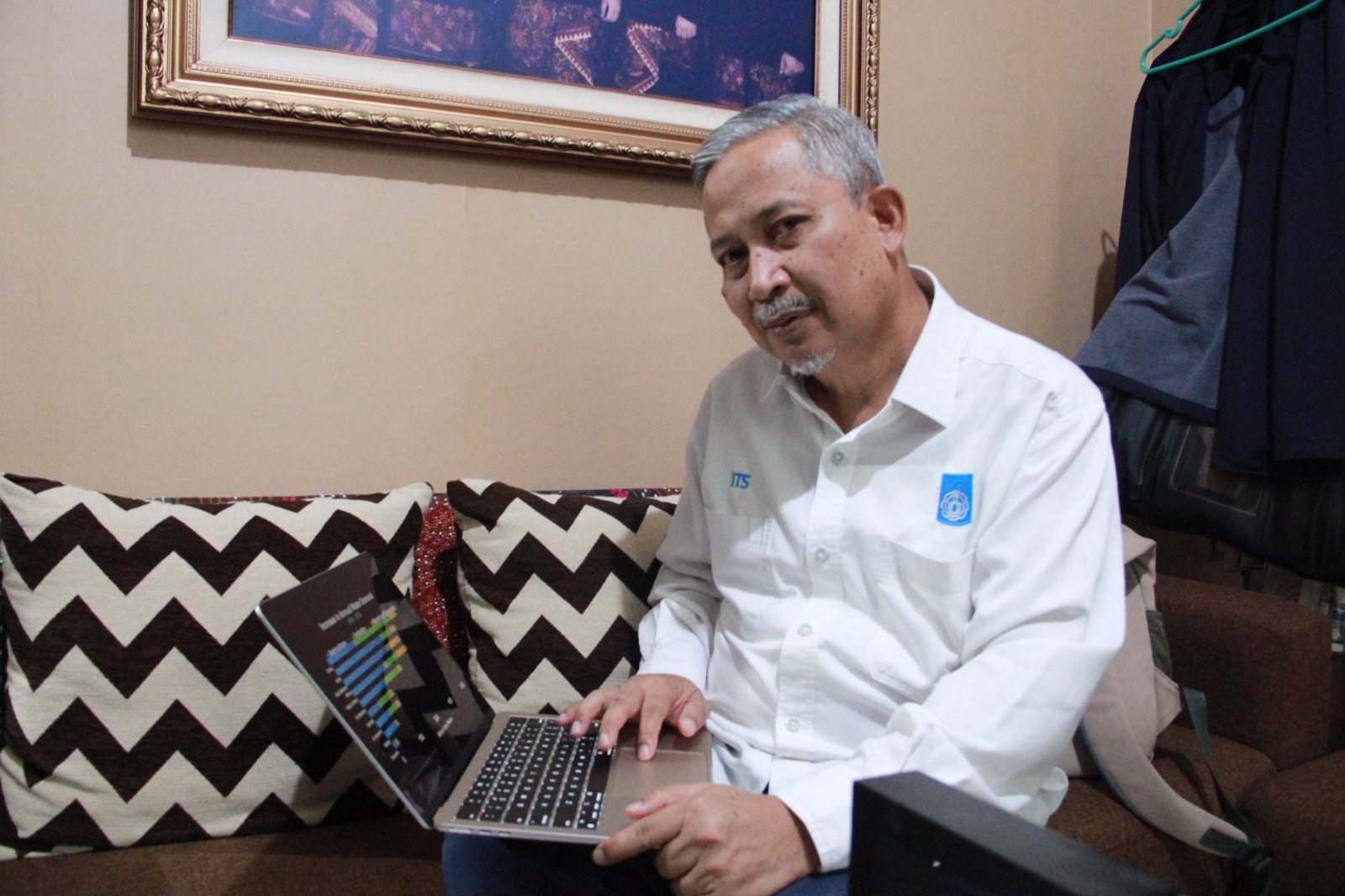
ITS Campus, ITS News — Plans to build data centers for artificial intelligence (AI) in Indonesia have the potential to increase pressure on water and energy availability. Responding to this phenomenon, an environmental expert from Institut Teknologi Sepuluh Nopember (ITS), Prof Ir Joni Hermana MScES PhD, emphasized the urgency of addressing the environmental impacts of this expansion starting from the planning stage.
Joni explained that AI data centers must operate 24 hours non-stop to maintain service continuity. In addition to requiring a stable electricity supply, these facilities also need water to keep equipment temperatures optimal. “This means that to support such infrastructure, neither the water nor electricity supply can afford to stop,” he stated.
According to the ITS Professor of Environmental Engineering, water demand must be closely examined because data centers are not the only sector dependent on water resources. Amid domestic, industrial, and agricultural needs, additional water consumption for data center operations risks intensifying pressure on available supplies.
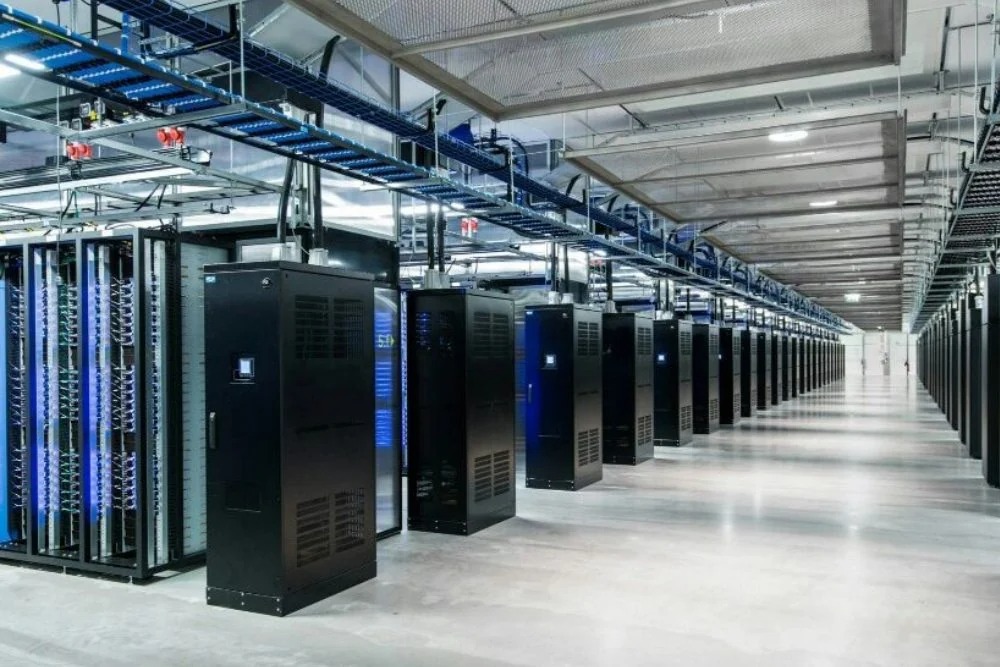
Furthermore, Joni highlighted that data center water requirements cannot be assessed solely based on average annual supply availability. According to him, calculations must also account for fluctuations in water availability during the dry season, when public water demand also rises. “Meanwhile, the water demand-to-availability ratio on Java Island has approached 0.4, indicating a condition vulnerable to a water crisis,” he revealed.
The doctoral alumnus of Newcastle University, United Kingdom, added that an imbalance between water supply and demand could directly affect the public if available resources prove insufficient. Therefore, Joni noted that water capacity that is nominally still available cannot necessarily be utilized in full, particularly when supplies decline during the dry season.
Beyond pressure on water resources, Joni argued that the expansion of AI data centers also has the potential to increase carbon emissions due to high electricity consumption. He explained that environmental impact assessments must encompass both direct and indirect emissions. “This includes emissions from the power generation supplying the facility as well as its operational support activities,” added the ITS Rector for the 2015–2019 period.
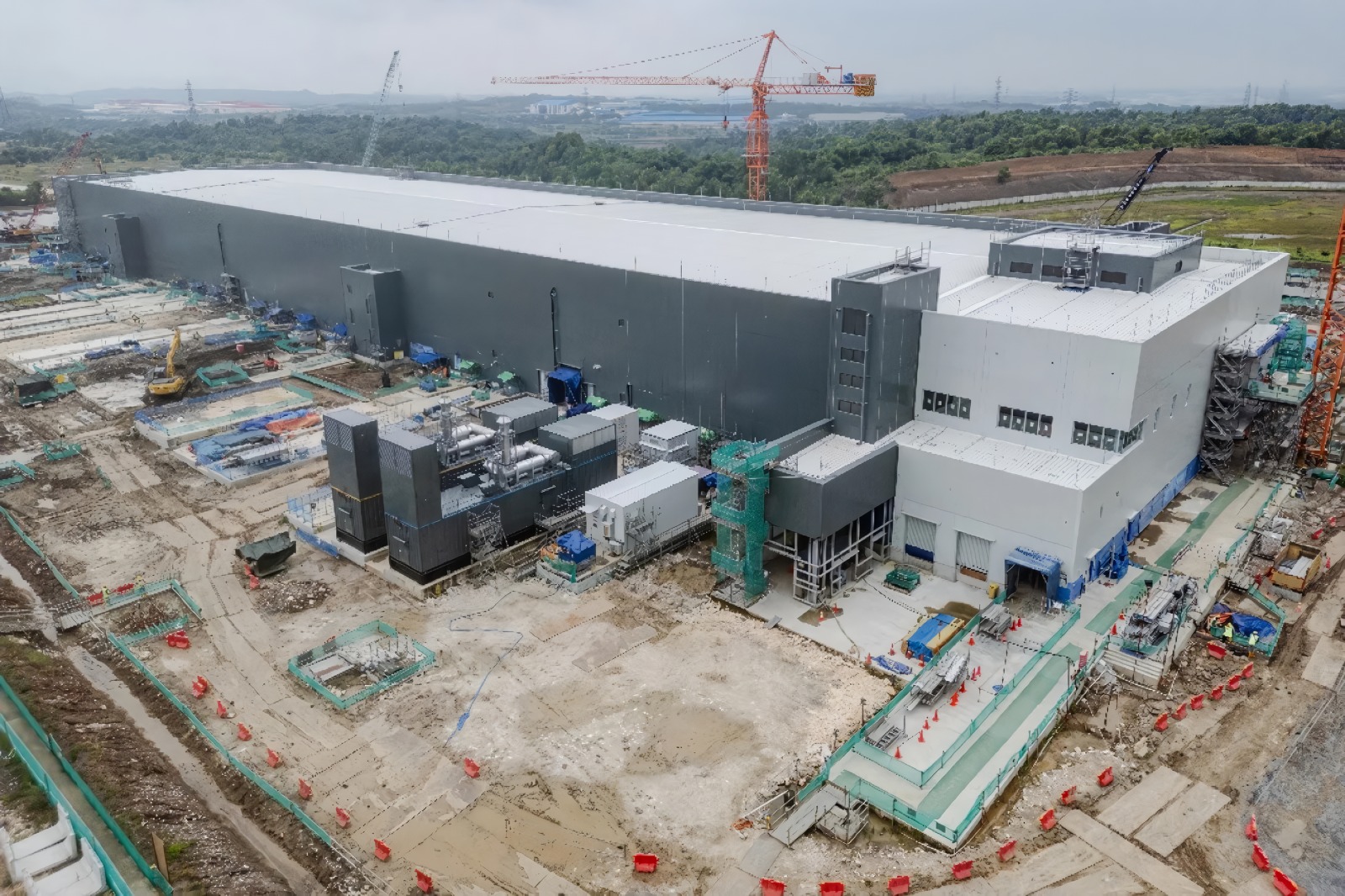
Closing his explanation, Joni stressed the need for a comprehensive study involving multiple stakeholders before data center construction proceeds. According to him, economic considerations must be balanced with the capacity to sustain the facility’s operational requirements. “We must not become held hostage by our own policies to the point of sacrificing public welfare,” he concluded as a reminder.
These efforts align with ITS’s commitment to supporting the achievement of the Sustainable Development Goals (SDGs), particularly Goal 6 on Clean Water and Sanitation and Goal 13 on Climate Action. (HUMAS ITS)
Reporter: Naurah Fitri